
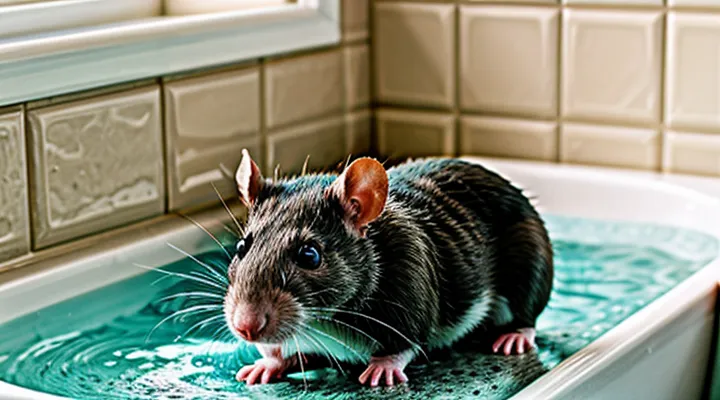
Understanding Rat Hygiene Needs
When to Bathe Your Pet Rat
Bathing a pet rat should be an occasional, need‑driven activity rather than a routine. Over‑washing can strip natural oils, leading to skin irritation and increased susceptibility to infection.
Rats generally require a bath only under specific circumstances:
- Visible dirt or odor that does not disappear after a thorough cage cleaning.
- Presence of parasites such as mites or fleas confirmed by inspection.
- Medical recommendation, for example, after a wound that needs gentle cleansing.
- Seasonal humidity spikes that cause excessive matting of fur.
Young rats (under eight weeks) and elderly individuals are more vulnerable to stress and temperature fluctuations; avoid bathing them unless a veterinarian explicitly advises it. Healthy adults can tolerate a bath no more than once every four to six weeks, provided none of the conditions above apply.
Observe the rat’s behavior after a bath. Rapid shivering, prolonged grooming, or refusal to eat may indicate that the temperature was too low or the stress level too high. In such cases, adjust water temperature to around 30 °C (86 °F) and limit exposure to two minutes.
In summary, schedule baths based on observable need, health status, and environmental factors, not on a fixed calendar. This approach preserves the rat’s coat integrity and overall well‑being.
When Not to Bathe Your Pet Rat
Self-Grooming vs. Owner Intervention
Rats maintain coat condition through daily self‑grooming, which removes loose fur and distributes natural oils. Their incisors and forepaws are adapted for precise combing, allowing them to keep skin clean without external aid. Regular self‑grooming reduces the need for frequent baths and minimizes stress.
Owner intervention becomes necessary when self‑grooming fails to address specific issues. Situations that warrant a bath include:
- Visible dirt or residue after a recent escape from a dirty environment.
- Presence of strong odors that persist despite the rat’s own cleaning.
- Skin irritation, fungal growth, or parasites that require thorough washing.
- Medical treatments that involve topical applications needing removal.
When an owner decides to bathe a rat, the procedure should complement, not replace, the animal’s natural grooming. Use lukewarm water, a mild, rodent‑safe cleanser, and limit exposure to two minutes. Dry the rat with a low‑heat hairdryer or a soft towel, then allow the animal to resume its own grooming behavior.
Balancing self‑maintenance with occasional owner‑led cleaning preserves coat health, prevents over‑cleaning, and supports overall well‑being. Monitoring the rat’s grooming habits provides a reliable indicator of when external assistance is appropriate.
Health Considerations
When cleaning a pet rat, health risks must be managed to prevent injury and illness. Water that is too hot or cold can cause shock; aim for lukewarm temperature (around 95‑100 °F/35‑38 °C). Test with a fingertip before immersion.
Skin integrity is fragile; avoid harsh soaps. Use a mild, fragrance‑free cleanser formulated for small mammals, and limit contact to a few seconds. Rinse thoroughly to eliminate residue that could irritate the coat or cause dermatitis.
Respiratory health can decline if moisture remains in the nasal passages. After bathing, gently pat the animal dry with a soft towel, then place it in a warm, draft‑free area until completely dry. Do not use hair dryers or direct heat sources.
Ear and eye protection is essential. Keep water away from the ear canals and eyes; if moisture enters, wipe gently with a damp cotton ball, never insert objects. Persistent discharge may indicate infection and requires veterinary assessment.
Frequency influences skin health. Over‑bathing strips natural oils, leading to dryness and itching. Limit full baths to once a month or as needed for soiled fur; spot‑clean with a damp cloth for minor messes.
Key health checkpoints:
- Body temperature remains stable during and after the bath.
- Skin appears clean, without redness, swelling, or scabs.
- No signs of respiratory distress: sneezing, labored breathing, or nasal discharge.
- Ears and eyes are free of excess moisture and irritation.
- Coat dries completely within 10‑15 minutes; damp fur can foster fungal growth.
If any abnormality appears—persistent scratching, lethargy, loss of appetite, or unusual odor—consult a veterinarian promptly. Properly managed bathing supports overall well‑being while minimizing health complications.
Preparing for the Bath
Gathering Your Supplies
Mild Pet Shampoo
Mild pet shampoo is the preferred cleansing agent for small rodents because their skin is delicate and prone to irritation. Formulations designed for rats contain low‑pH surfactants, no harsh detergents, and fragrance‑free ingredients that preserve the natural oil barrier.
Key attributes of an appropriate shampoo include:
- pH balanced between 6.0 and 7.0
- Free of parabens, sulfates, and artificial dyes
- Hypoallergenic and dermatologically tested
- Easily rinsable to prevent residue buildup
Application procedure:
- Prepare a shallow container with lukewarm water, ensuring the temperature does not exceed 30 °C.
- Wet the rat’s body gently, avoiding the ears and eyes.
- Dispense a small amount of shampoo (approximately a pea‑size dab) onto the fur, then massage lightly to create a thin lather.
- Rinse thoroughly with clean water until no bubbles remain; residual soap can cause dermatitis.
- Pat the animal dry with a soft towel and allow it to air‑dry in a warm, draft‑free area before returning it to its cage.
Safety considerations:
- Test a drop of shampoo on a small skin patch before full use to detect possible allergic reactions.
- Do not submerge the rat; immersion can cause stress and respiratory issues.
- Store the product in a cool, dry place to maintain stability.
Selecting a mild shampoo that meets these specifications supports healthy grooming sessions and minimizes the risk of skin problems during regular bathing routines.
Small Towels
Small towels are essential tools when cleaning a pet rat. Their compact size fits the animal’s body, allowing precise drying without excess pressure. Choose towels made of absorbent cotton or microfiber; these fabrics retain moisture while remaining gentle on delicate fur. Avoid rough materials that can irritate skin or cause matting.
When the bathing session ends, follow these steps:
- Gently press a towel against the rat’s back, absorbing excess water.
- Move the towel to the belly, limbs, and tail, using light strokes.
- Replace the towel once it becomes saturated to maintain drying efficiency.
- Finish with a second, dry towel to eliminate residual dampness and prevent chill.
Proper storage prolongs towel performance. Store towels in a clean, dry container to avoid mildew. Wash after each use with mild detergent, rinse thoroughly, and tumble dry on low heat. Frequent laundering removes scent residues that could attract pests or cause the rat to reject the towel.
Selecting the right size prevents the need for multiple towels, reducing handling time and stress for the animal. A towel measuring approximately 6 × 6 inches offers sufficient coverage while remaining manageable for the caretaker.
Shallow Basin or Sink
A shallow basin or kitchen sink provides a stable, low‑profile environment for rinsing a pet rat. Choose a container that holds enough water to cover the animal’s body without requiring deep immersion; a 2‑ to 3‑liter plastic tub or a sink with a removable grate works well. Non‑slippery surfaces, such as a rubber mat or silicone liner, prevent the rat from slipping when wet.
Before filling the basin, warm the water to a temperature between 30 °C and 35 °C (86 °F–95 °F). Test the temperature with a fingertip to avoid scalding. Add a small amount of mild, rodent‑safe shampoo—no more than a few drops per liter of water. Mix gently to create a uniform solution.
When placing the rat in the water, support its hindquarters with one hand and keep the head above the surface. Use a soft washcloth or fingertip to spread the shampoo across the fur, focusing on the neck, tail, and paws. Rinse thoroughly by pouring lukewarm water over the animal or by submerging the basin briefly, ensuring no soap residue remains.
After washing, lift the rat onto a dry towel and pat gently to remove excess moisture. Allow the animal to air‑dry in a warm, draft‑free area before returning it to its cage. Clean the basin promptly with hot water and a mild disinfectant to prevent bacterial growth.
Key considerations
- Size: enough for full body coverage, not deeper than 2 inches.
- Material: non‑porous, easy to sanitize.
- Temperature: 30 °C–35 °C, checked manually.
- Shampoo: rodent‑specific, minimal concentration.
- Safety: constant supervision, head kept above water.
Warm Water
Warm water is essential for a safe and effective rat bath. The temperature should be between 90 °F (32 °C) and 95 °F (35 °C); water that is cooler can cause a rat to become stressed, while water that is hotter may burn delicate skin. Use a thermometer to verify the temperature before introducing the animal to the basin.
Before bathing, fill a shallow container with the measured warm water, ensuring the depth does not exceed two inches. Submerge only the rat’s lower body, keeping the head above water at all times. This positioning prevents inhalation of water and reduces the risk of hypothermia.
Key practices for handling warm water include:
- Test the water with your wrist or a drop of water on the skin; it should feel comfortably warm, not hot.
- Replace the water if it cools below the target range during the bath.
- Add a few drops of a pet‑safe, unscented shampoo only after the initial rinse; the warm water helps the cleanser spread evenly.
After the bath, immediately dry the rat with a soft towel and place it in a warm, draft‑free area until completely dry. Maintaining the correct water temperature throughout the process minimizes stress and promotes a healthy coat.
Creating a Stress-Free Environment
Temperature Control
When washing a domestic rat, water temperature must stay within a narrow, safe range. Water that is too cold can cause hypothermia, while water that is too hot risks burns and stress. Aim for lukewarm water, approximately 95–100 °F (35–38 °C). Test the temperature with a thermometer or by placing a few drops on the inside of your wrist; the sensation should feel comfortably warm, not hot.
Key points for temperature management:
- Use a digital or infrared thermometer to verify water temperature before each bath.
- Adjust the water by adding small amounts of cool or warm water until the target range is reached.
- Maintain the temperature throughout the bath; add warm water if the temperature drops due to ambient conditions.
- After rinsing, dry the rat promptly with a soft towel and keep it in a warm, draft‑free area until fully dry.
Consistent temperature control reduces physiological stress and supports a quick recovery, ensuring the bathing process remains safe and effective for the animal.
Minimizing Noise
A calm atmosphere prevents stress and makes the bathing process smoother for a small rodent. Sudden sounds can startle the animal, causing frantic movements that increase the risk of slipping or injury.
To keep noise to a minimum, consider the following actions:
- Choose a quiet room away from televisions, radios, and foot traffic.
- Place a soft towel on the floor to absorb any sounds of the rat moving.
- Use lukewarm water poured gently from a cup rather than a running faucet.
- Speak in a low, steady voice; avoid sudden vocalizations.
- Perform the procedure during a time when household members are less active, such as early morning or late evening.
Preparing the space beforehand eliminates the need for abrupt adjustments while the rat is in the water. A stable, low‑noise setting reduces anxiety, promotes cooperation, and results in a cleaner, healthier pet.
Offering a Reward
When a rat tolerates a bath, immediate positive reinforcement strengthens cooperation for future sessions. Provide a reward promptly after the water portion ends, before the animal resumes normal activity. This timing links the pleasant outcome with the bathing experience.
Select treats that the rat finds highly motivating but are low in calories to avoid weight gain. Suitable options include:
- Small piece of fresh fruit (e.g., banana or apple) no larger than a pea‑sized cube.
- A few dried mealworms or crickets, offered in a clean dish.
- A tiny dollop of low‑fat yogurt, spread thinly on a spoon.
If the rat is accustomed to a specific favorite snack, use that item sparingly to preserve its value as a reward. Avoid sugary or salty foods that could irritate the skin or digestive system.
Combine the treat with a brief, gentle petting session. Light strokes on the back and head reinforce the positive association without overstimulating the animal. Limit the interaction to 30–60 seconds to maintain focus on the reward rather than prolonged handling.
Document each bath and reward in a log. Note the treat used, the rat’s response, and any signs of stress. Over time, the log reveals patterns that help refine the reward strategy, ensuring the rat remains cooperative and comfortable during hygiene routines.
The Bathing Process
Gentle Introduction to Water
Acclimation Techniques
Acclimating a pet rat to bathing reduces stress and prevents injury. Begin with short exposure sessions, gradually extending duration as the animal becomes comfortable.
- Place a shallow container of lukewarm water (approximately 30 °C) on a non‑slippery surface. Ensure the water depth does not exceed the rat’s belly.
- Allow the rat to explore the container without forced immersion. Observe natural curiosity; intervene only if the animal shows signs of panic.
- Introduce a gentle stream of water using a soft spray bottle. Start with a few droplets on the paws, then progress to the back and tail. Limit each spray to a few seconds.
- Incorporate a favorite treat or a piece of soft bedding near the water’s edge. Positive reinforcement encourages repeated approach.
- Perform a brief, calm hand‑hold while the rat stands in the water. Maintain a supportive grip on the torso, avoiding pressure on the limbs.
- After each session, dry the rat with a low‑heat towel or a hair dryer set to its lowest temperature. Keep the airflow at a safe distance to avoid overheating.
Repeat the routine daily for a week, adjusting water temperature and session length based on the rat’s response. Consistency builds familiarity, allowing the animal to tolerate full baths without distress.
Avoiding Submersion
When cleaning a pet rat, submerging the animal in water can cause stress, hypothermia, and respiratory complications. Rats lack natural waterproofing; prolonged exposure to liquid quickly lowers body temperature and may lead to drowning if the head is immersed.
To prevent submersion, follow these steps:
- Fill a shallow basin with lukewarm water, no deeper than one inch. The water should be enough to wet the fur without covering the rat’s torso.
- Place the rat gently on a rubber mat or towel within the basin. Keep the head above water at all times.
- Use a soft, damp cloth or a small cup to pour water over the back and sides, avoiding the face and ears.
- Apply a pet‑safe shampoo sparingly, massaging it into the fur while keeping the head dry.
- Rinse with a cup of clean water, again limiting contact to the body’s lower half.
- Immediately wrap the rat in a dry, absorbent towel. Pat the fur until excess moisture is removed, then transfer the animal to a warm, draft‑free area for a brief drying period.
Avoiding full immersion protects the rat’s delicate respiratory system and maintains its core temperature, ensuring a safe and effective grooming experience.
Washing Your Rat
Applying Shampoo
When washing a pet rat, the shampoo must be applied with precision to protect delicate skin and fur. Use a rodent‑specific, mild, unscented cleanser diluted according to the manufacturer’s instructions; undiluted products can cause irritation.
- Wet the animal’s body with lukewarm water (approximately 37 °C).
- Dispense a small amount of diluted shampoo into the palm, then gently spread over the back, sides, and hindquarters.
- Avoid the face, ears, and tail base; these areas are prone to irritation and water retention.
- Massage the lather lightly for 15–20 seconds, allowing the surfactants to lift dirt without stripping natural oils.
- Rinse thoroughly with clean, lukewarm water until no suds remain; residue can lead to skin dryness and odor.
After rinsing, pat the rat dry with a soft, absorbent towel. Do not use a hair dryer; a brief exposure to ambient room temperature suffices. Inspect the coat for remaining moisture, especially in the tail and under the skin folds, and address any damp spots promptly.
Finally, monitor the animal for signs of stress or skin reaction during the next 24 hours. If redness, excessive scratching, or lethargy appear, consult a veterinarian familiar with small‑animal care. Proper shampoo application, combined with careful rinsing and drying, ensures a clean, healthy rat without compromising its skin integrity.
Rinsing Thoroughly
A complete rinse removes all soap, shampoo, and debris, preventing skin irritation and respiratory problems that can arise from residue left on a rat’s fur and paws.
- Use lukewarm water that matches the temperature of the bath solution.
- Hold the rat gently but securely, allowing water to flow over the entire body.
- Direct the stream toward the head, back, and tail, ensuring water reaches the under‑belly and between the toes.
- Pause periodically to press the fur with your fingers, checking for bubbles or suds.
- Continue rinsing until water runs clear and no foam is visible on the coat.
After the final rinse, pat the animal dry with a soft towel, then allow it to rest in a warm, draft‑free area until completely dry. This practice eliminates lingering cleaning agents and supports healthy skin and breathing.
Avoiding Eyes and Ears
When washing a pet rat, keep water and soap away from the eyes and ears. These structures lack protective lashes and can easily retain moisture, leading to irritation or infection.
The eyes are delicate and lack tear ducts sufficient to clear suds; the ears have tiny openings that trap fluid, creating an environment for bacterial growth. Direct contact with cleaning agents can damage corneal tissue and damage the ear canal lining.
- Hold the rat securely but gently, supporting the body with one hand.
- Use a damp cloth or a small squeeze bottle to apply warm water only to the fur on the back, sides, and tail.
- Avoid pouring water over the head; wipe the face with a damp, soap‑free cloth if necessary.
- Do not insert cotton swabs or any objects into the ears; simply clean the outer ear fur with a lightly dampened fingertip.
- Rinse the body with a brief stream of lukewarm water, ensuring no droplets enter the eyes or ear openings.
- Pat the rat dry with a soft towel, focusing on the head area to remove any residual moisture.
After the bath, monitor the rat for signs of redness, swelling, or discharge around the eyes and ears. If any abnormality appears, seek veterinary care promptly. This approach minimizes the risk of ocular and auditory complications while maintaining overall hygiene.
Drying Your Rat
Towel Drying Method
When washing a pet rat, the towel drying stage determines whether the animal remains comfortable and avoids hypothermia. After rinsing, gently press the rat against a clean, absorbent towel to remove excess water. Do not rub vigorously; the skin is delicate and can be irritated by harsh friction.
Key actions for an effective towel drying method:
- Place the rat on a flat surface, lay a dry towel underneath, and roll the towel around the body, applying light pressure.
- Hold the rat securely but gently, allowing the towel to soak up moisture from the fur, ears, and tail.
- Rotate the towel as it becomes saturated, using a fresh section to continue absorption.
- After most water is removed, transfer the rat to a warm, draft‑free area for a few minutes to let residual dampness evaporate naturally.
The process should take no more than two minutes. Quick, gentle drying minimizes stress and supports a healthy post‑bath recovery.
Warmth and Comfort
When bathing a pet rat, maintaining a stable temperature and gentle handling prevents stress and hypothermia. Use water warmed to 95‑100 °F (35‑38 °C); colder water can cause rapid body‑heat loss, while overly hot water risks burns. Test the temperature with a fingertip or thermometer before immersion.
A soft, non‑slippery surface inside the basin keeps the rat from slipping and reduces panic. Place a thin towel or silicone mat at the bottom, then add just enough water to cover the torso without submerging the head. This arrangement allows the animal to stand comfortably and limits exposure time.
After rinsing, wrap the rat immediately in a clean, dry microfiber towel. Pat gently to remove excess moisture; avoid vigorous rubbing that can damage the delicate fur. Transfer the wrapped rat to a pre‑heated enclosure (e.g., a heated cage or a room set to 80‑85 °F) for 10‑15 minutes until the coat is fully dry. Provide a small, warm nest box with soft bedding to encourage natural grooming behavior.
Key practices for warmth and comfort:
- Verify water temperature before each bath.
- Use a slip‑resistant surface in the bathing container.
- Limit immersion to the body, keeping the head dry.
- Employ a quick, gentle drying technique with a towel.
- Offer a heated, cozy environment for post‑bath recovery.
Post-Bath Care and Considerations
Aftercare Routine
Re-establishing Comfort
After a bath, a rat’s sense of security can be disrupted. Promptly restore that security to prevent stress and promote recovery.
Dry the coat thoroughly with a low‑heat hairdryer set on the coolest setting, or use a soft towel. Warm, gentle airflow prevents chilling while avoiding skin irritation. Keep the animal’s head away from the airflow to protect sensitive facial hair.
Create a calm environment. Place the rat in a pre‑warmed enclosure with familiar bedding and a hidden hideaway. Dim lighting reduces overstimulation. Maintain ambient temperature between 22 °C and 25 °C (72 °F–77 °F).
Offer reassurance through handling. Hold the rat with a light, supportive grip, allowing it to rest on your palm or a soft cloth. Speak in a low, steady voice to convey safety. Limit handling duration to a few minutes until the animal appears relaxed.
Provide a reward. A small portion of the rat’s favorite treat reinforces the positive experience and encourages acceptance of future grooming sessions.
Monitor behavior for the next several hours. Normal activity, steady breathing, and regular grooming indicate successful re‑establishment of comfort. If signs of lethargy, shivering, or excessive hiding persist, adjust temperature, reduce handling, and consult a veterinarian.
Monitoring for Stress
Monitoring a rat’s stress level during a bath is essential for a safe and humane experience. Observe the animal continuously; any sign of discomfort can quickly become a health risk.
- Rapid breathing or shallow breaths
- Vocalizations such as squeaking or chattering
- Attempted escape, frantic movement, or freezing in place
- Excessive grooming or licking of the fur after the session
Physiological cues provide additional information. Measure pulse by gently feeling the femoral artery; a markedly elevated rate indicates acute stress. Check for pale or bluish skin, especially around the ears and tail, which suggests poor circulation. Record the duration of the bath; prolonged exposure beyond two minutes often correlates with heightened anxiety.
If stress signs appear, intervene immediately. Remove the rat from the water, dry it with a soft towel, and place it in a quiet, warm area. Offer a familiar scent object, such as a piece of bedding, to promote calm. Reduce water temperature to lukewarm (around 30 °C) for future baths and limit the session to the minimum necessary time. Gradual desensitization—brief, repeated exposures with positive reinforcement—helps the animal tolerate bathing without excessive stress.
Maintaining Cleanliness Between Baths
Spot Cleaning
Spot cleaning addresses localized dirt, urine stains, or debris without subjecting the entire rat to a full bath. This approach reduces stress, conserves water, and limits exposure to cleaning agents.
Prepare a shallow container with warm (30‑32 °C) water and a few drops of a mild, rodent‑safe shampoo. Have a soft, lint‑free cloth, a small silicone brush, and paper towels ready. Ensure the area is quiet and free of drafts.
Steps for effective spot cleaning:
- Dampen the cloth with the lukewarm solution, squeeze out excess liquid.
- Gently wipe the affected area, avoiding vigorous rubbing that could damage delicate fur.
- If debris remains, use the silicone brush with minimal pressure to loosen it.
- Pat the spot dry with a paper towel; do not apply heat sources.
- Inspect the skin for irritation; apply a thin layer of veterinary‑approved ointment if redness appears.
After the procedure, return the rat to its cage promptly. Monitor for signs of discomfort for the next hour and replenish fresh bedding if the spot was near the nest. Regular spot cleaning, combined with periodic full grooming, maintains coat health and hygiene.
Cage Hygiene
Maintaining a clean cage is essential for a rat’s health and for successful bathing sessions. Dirty bedding and accumulated waste can harbor bacteria, increase the risk of skin infections, and make the animal more resistant to cleaning. Regular sanitation also reduces the amount of debris that may cling to fur during a bath, preventing the need for excessive rinsing.
Key practices for cage hygiene:
- Remove all accessories, food, and water dishes before cleaning.
- Dispose of used bedding and replace it with fresh, absorbent material.
- Scrub the cage interior with a mild, rodent‑safe detergent; rinse thoroughly to eliminate residue.
- Disinfect surfaces using a diluted solution of white vinegar or a commercial pet‑safe disinfectant; allow a contact time of at least five minutes before rinsing again.
- Dry the cage completely, then reinstall accessories and add fresh bedding.
Perform a full cage cleaning weekly and spot‑clean daily by removing droppings and soiled bedding. Consistent upkeep creates a safe environment, supports the rat’s skin condition, and streamlines the bathing process.
Common Bathing Mistakes to Avoid
Using Harsh Products
Bathing a pet rat demands products that respect the animal’s delicate skin and respiratory system. Harsh chemicals disrupt the natural barrier, cause irritation, and may lead to infection.
Ingredients to avoid
- Sodium lauryl sulfate or similar surfactants
- Strong fragrances or essential oils
- Alcohol‑based solutions
- Bleach, ammonia, or any disinfectant not labeled for rodents
These substances lower skin pH, dry out fur, and can be inhaled during the wash, producing coughing or nasal inflammation.
Safe alternatives consist of unscented, mild baby shampoo or a dedicated rodent wash formulated with a neutral pH (≈7). Warm water (approximately 30 °C) and a soft cloth provide thorough cleaning without risking chemical burns.
When selecting a cleanser, follow a three‑step verification:
- Examine the ingredient list for the prohibited items above.
- Confirm the product’s pH falls within the neutral range.
- Ensure the label states suitability for small mammals or laboratory rodents.
Using only vetted, gentle products protects the rat’s skin integrity, prevents respiratory distress, and supports overall health during regular grooming.
Over-Bathing
Over‑bathing a pet rat occurs when the animal is washed too often, exposed to excessive moisture, or treated with harsh cleaning agents.
Frequent baths strip the skin of natural oils, leading to dryness, irritation, and compromised fur integrity. Moisture retained in the fur creates a breeding ground for fungal and bacterial growth, which can cause respiratory distress and secondary infections. Repeated stress from unnecessary bathing weakens the immune response and may trigger chronic behavioral anxiety.
Visible indicators of excessive bathing include a dull, brittle coat; patches of flaky skin; persistent scratching; nasal discharge or sneezing; and reduced activity levels.
- Bath no more than once every four to six weeks, unless the rat becomes visibly soiled.
- Limit full‑body washes to situations where a spot clean with a damp cloth cannot remove contaminants.
Alternative hygiene methods reduce the need for water immersion. Regular brushing removes loose hair and debris. Providing a shallow sand bath allows the rat to self‑clean while preserving skin oils. Unscented, alcohol‑free grooming wipes can address minor messes without moisture buildup.
When a bath is necessary, follow these steps:
- Fill a basin with lukewarm water (approximately 30 °C).
- Add a few drops of a rat‑safe, fragrance‑free shampoo; mix gently.
- Submerge the rat briefly, keeping the head above water.
- Lather gently, avoiding the eyes and ears.
- Rinse thoroughly with clean, lukewarm water to eliminate all soap residue.
- Pat dry with a soft towel; use a low‑heat hair dryer on a gentle setting if needed, ensuring the animal is fully dry before returning to its enclosure.
Monitoring coat condition and behavior after each wash confirms that bathing frequency remains appropriate and prevents the health risks associated with over‑bathing.
Forcing the Bath
Forcing a rat into a bath can cause acute stress, respiratory distress, and skin irritation. The animal’s natural instinct is to avoid immersion; coercion triggers the release of adrenaline, which may lead to hyperventilation and a weakened immune response.
Observe behavioral cues: rapid breathing, frantic attempts to escape, vocalizations, or a stiff posture indicate the rat is overwhelmed. Continued exposure under these conditions increases the risk of hypothermia if the animal cannot dry itself promptly.
To achieve a clean coat without compulsion, follow a voluntary approach:
- Prepare a shallow container with lukewarm water (32‑34 °C). Limit depth to a few centimeters.
- Place a soft towel or non‑slip mat at the bottom to give the rat footing.
- Offer a treat or favorite food item near the water’s edge to encourage curiosity.
- Allow the rat to enter at its own pace; keep the session under two minutes.
- Immediately wrap the animal in a dry, absorbent towel and gently pat to remove excess moisture.
If the rat resists, postpone bathing and repeat the exposure after several days, gradually increasing comfort. Consistent, low‑stress encounters are more effective than any forced immersion.