
Understanding Gambian Pouched Rats
What are Gambian Pouched Rats?
Basic Characteristics
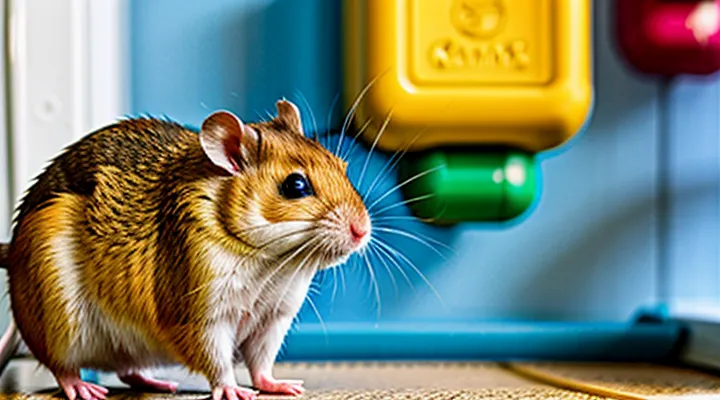
The Gambian hamster rat, scientifically known as Cricetomys gambianus, is a medium‑sized rodent native to West African savannas. Adults typically measure 30–45 cm in head‑body length, with a tail adding another 15–20 cm. Weight ranges from 500 g to 1.2 kg, depending on age and sex. The coat is dense, coarse, and varies from sandy‑brown to reddish‑gray, providing camouflage in dry grasslands.
Key characteristics relevant to prospective owners include:
- Lifespan: 3–5 years in captivity with proper care.
- Temperament: Generally nocturnal, curious, and capable of gentle handling once habituated; may exhibit territorial behavior if not socialized early.
- Dietary needs: Omnivorous; balanced diet comprises high‑quality rodent pellets, fresh vegetables (e.g., carrots, leafy greens), occasional fruits, and protein sources such as mealworms or boiled egg.
- Housing requirements: Minimum enclosure size 120 cm × 60 cm × 60 cm; solid flooring, nesting material, and climbing structures are essential to satisfy arboreal instincts.
- Health considerations: Susceptible to respiratory infections, parasites, and dental overgrowth; regular veterinary check‑ups and dental trimming are advisable.
- Reproductive traits: Breeding season peaks during the rainy period; females can produce litters of 2–5 pups after a gestation of approximately 28 days.
Understanding these attributes enables informed decisions when acquiring a Gambian hamster rat, ensuring that selection aligns with the animal’s physical and behavioral needs. Proper preparation based on these fundamentals reduces the risk of incompatibility and promotes a sustainable, healthy pet‑owner relationship.
Natural Habitat and Behavior
The Gambian hamster rat originates from the tropical savannas and semi‑arid grasslands of West Africa, especially the regions surrounding the Gambia River. Its natural environment features dense ground cover, scattered shrubs, and occasional termite mounds that serve as burrow sites. Seasonal rains create temporary pools, providing the moisture the species prefers.
Key habitat elements to replicate in captivity:
- Soil substrate deep enough for digging (minimum 6 inches, preferably a mix of peat and sand).
- Secure enclosure with a solid floor; mesh tops prevent escape while allowing ventilation.
- Hiding structures such as ceramic tubes, cork bark, or stacked logs.
- Access to fresh water at all times; a shallow dish reduces the risk of spillage.
- A diet rich in seeds, grains, and occasional insects to mirror wild foraging.
In the wild, the animal exhibits nocturnal activity, emerging after dusk to forage. It constructs extensive burrow networks, using multiple entrances for escape and thermoregulation. Social interaction occurs in small family groups; individuals communicate through high‑frequency vocalizations and scent marking. When threatened, the species displays a rapid sprint and may emit a sharp squeak as an alarm signal.
Understanding these behaviors informs the selection process for prospective owners. A healthy specimen will demonstrate regular digging, active night‑time exploration, and appropriate social responses when introduced to compatible conspecifics. Prospective buyers should verify that the seller provides a habitat description consistent with these natural requirements, ensuring the animal’s welfare from the moment of acquisition.
Legality and Ethical Considerations
Researching Local Laws
When planning to acquire a Gambian hamster rat, the first legal step is to determine which governmental bodies regulate exotic pets in your area. Identify the national, regional, and municipal agencies responsible for wildlife, agriculture, and animal health. Their websites typically host statutes, regulations, and licensing requirements.
Collect the relevant statutes that address importation, ownership, and breeding of non‑native rodents. Pay particular attention to:
- Permits required for possession or transport
- Quarantine mandates and health certifications
- Species‑specific bans or listing under endangered‑species legislation
Contact the appropriate authority—often a department of wildlife or a veterinary services office—to confirm the current interpretation of the law. Request written confirmation of any permits needed and note deadlines for application submission.
Maintain a record of all communications, permits, and certificates. Store copies in both physical and digital formats to facilitate inspections or audits. Failure to produce this documentation can result in fines, confiscation of the animal, or criminal charges.
Before finalizing a purchase, verify that the seller complies with the same legal standards. Request proof of export permits from the seller’s country and ensure that the shipment will meet the destination’s quarantine conditions. Only after these legal prerequisites are satisfied should the transaction proceed.
Ethical Sourcing
When acquiring a Gambian hamster rat, verify that the source respects animal welfare standards. Ethical sourcing eliminates illegal capture, reduces stress on wild populations, and ensures healthy animals for owners.
Select vendors that provide documented breeding permits, adhere to international wildlife trade regulations, and maintain transparent supply chains. Prefer breeders who house animals in enriched environments, conduct regular health screenings, and follow humane handling protocols.
- Confirm CITES or equivalent certification for each shipment.
- Request proof of captive‑breeding programs rather than wild capture.
- Review third‑party audit reports on facility conditions.
- Ensure that transportation complies with temperature and ventilation requirements.
Before finalizing a purchase, inspect the breeder’s facility, interview staff about care practices, and cross‑check references with reputable conservation organizations. Documentation that meets these criteria validates ethical acquisition and protects both the species and the buyer’s responsibility.
Preparing for Your New Pet
Essential Supplies
Housing Requirements
When acquiring a Gambian hamster rat, the enclosure must meet specific criteria to ensure health and safety. The cage should provide at least 2 sq ft of floor space per animal, with a minimum height of 12 in to accommodate climbing. Solid-bottom cages are preferred; wire floors increase the risk of foot injuries.
Key elements of an appropriate habitat include:
- Ventilation: Mesh panels on at least two sides guarantee adequate airflow while preventing escape.
- Bedding: Absorbent, dust‑free material such as shredded paper or aspen shavings supports hygiene and reduces respiratory irritation.
- Enrichment: Wooden tunnels, chew blocks, and climbing platforms stimulate natural behaviors and prevent boredom.
- Temperature control: Maintain ambient temperature between 68 °F and 78 °F; avoid drafts and direct sunlight.
- Cleaning schedule: Perform spot cleaning daily; replace all bedding weekly to limit odor and pathogen buildup.
Secure the cage with a latch that cannot be opened from the inside. Position the enclosure away from loud appliances and direct sunlight to minimize stress. Regular inspection of the structure for cracks or loose fittings prevents escape and injury.
Diet and Nutrition
A Gambian hamster rat requires a diet that mimics its natural omnivorous habits while supporting the metabolic demands of a small, active rodent. High‑quality commercial rodent pellets should form the foundation of each day’s intake, providing balanced protein (15‑20 % of calories), essential fatty acids, and a complete vitamin‑mineral complex. Fresh water must be available at all times; replace it daily to prevent bacterial growth.
Supplement the pellet base with fresh foods in measured amounts:
- Small pieces of cooked lean poultry or boiled egg for additional protein.
- Fresh vegetables such as carrot, broccoli, and leafy greens; limit leafy varieties to 10 % of the total diet to avoid excess calcium.
- Fruit slices (apple, banana, berries) offered sparingly, no more than 5 % of daily intake, because of high sugar content.
- Small quantities of unsalted, unseasoned nuts or seeds for healthy fats; keep portions under 2 % of the diet to prevent obesity.
Avoid toxic items: chocolate, caffeine, citrus peels, raw potatoes, and any processed foods containing artificial sweeteners or high salt. Monitor body condition weekly; adjust portions if weight deviates by more than 5 % of the target range. Regular veterinary check‑ups confirm that nutritional needs remain met as the animal ages.
Enrichment and Toys
When selecting enrichment for a Gambian hamster rat, prioritize items that encourage natural foraging, climbing, and chewing. Choose tunnels or PVC pipes with smooth interiors to prevent injuries while allowing the animal to explore confined spaces. Provide a solid‑surface wheel with a diameter of at least 8 inches; smaller wheels can cause spinal stress. Include chewable blocks made from untreated hardwood or safe cellulose to support dental health.
A balanced enrichment setup includes:
- A nest box with bedding that can be rearranged, promoting nest‑building behavior.
- A set of climbing branches or rope ladders anchored securely to the cage walls.
- Puzzle feeders that dispense small portions of seed or insect protein when the hamster rat manipulates a lever or slides a door.
Select toys free of paint, varnish, or metal parts that could splinter or rust. Verify that any plastic components are BPA‑free and rated for small rodents. Rotate accessories weekly to maintain interest and prevent habituation.
Before finalizing a purchase, inspect each toy for sharp edges, loose threads, or loose fittings. Test durability by applying gentle pressure; items that break easily should be discarded. Ensure that the cage dimensions accommodate the chosen enrichment, allowing at least 10 sq ft of floor space per animal.
By integrating these specific enrichment tools, the Gambian hamster rat will receive physical stimulation, mental challenges, and opportunities for natural behaviors, which together reduce stress and promote overall health.
Setting up the Environment
Cage Location and Safety
Select a quiet, low‑traffic area for the cage. Avoid places near windows that receive direct sunlight, as excessive heat can raise the interior temperature and stress the animal. Keep the enclosure away from kitchens or rooms where strong odors (e.g., cooking fumes, cleaning chemicals) are common, because rodents have a highly sensitive sense of smell.
Mount the cage on a stable surface. A solid tabletop or a dedicated stand prevents wobbling and reduces the risk of the cage tipping over. If the cage is placed on a shelf, secure it with brackets or straps to eliminate accidental displacement.
Implement safety barriers:
- Use a metal mesh with openings no larger than 1 mm to prevent escape and protect against predators such as cats or dogs.
- Install a secure latch that requires two‑handed operation; this deters accidental opening by children.
- Position the cage at least 30 cm from the floor to avoid drafts and to keep the animal out of reach of household pets.
- Provide a chew‑resistant base board to protect wiring and prevent damage from gnawing.
Maintain an environment free of hazards. Remove cords, small objects, and toxic plants from the vicinity. Ensure the room maintains a temperature between 18 °C and 24 °C and a humidity level of 40‑60 % to support optimal health. Regularly inspect the cage for cracks, loose fittings, or worn mesh, and replace compromised components immediately.
Temperature and Humidity Control
When acquiring a Gambian hamster rat, maintaining stable temperature and humidity is essential for animal welfare and successful transport. The species thrives at ambient temperatures between 68 °F and 78 °F (20 °C–26 °C). Temperatures below 60 °F (15 °C) can suppress metabolism; above 85 °F (29 °C) increase stress and dehydration risk.
Relative humidity should stay within 45 %–55 %. Lower levels cause skin desiccation, while higher levels promote respiratory irritation and mold growth in bedding.
Key practices:
- Use a calibrated digital thermometer and hygrometer; check readings twice daily.
- Employ a thermostat‑controlled heating pad or ceramic heater for colder periods.
- Install a humidifier with a built‑in humidistat when ambient humidity drops below the target range.
- Place the enclosure away from drafts, direct sunlight, and heating vents that create temperature spikes.
- During transport, pack the animal in an insulated carrier with a heat‑retaining liner and a small moisture‑absorbing pad to prevent excess humidity.
Regular calibration of monitoring devices and prompt adjustment of heating or humidifying equipment ensure the animal remains within optimal environmental parameters throughout the purchasing process.
Finding a Reputable Breeder or Rescue
Identifying Responsible Sources
Signs of a Good Breeder
When searching for a Gambian hamster rat, the breeder’s reputation determines animal health, temperament, and legal compliance.
- Licenses and permits displayed prominently, confirming adherence to local wildlife regulations.
- Clean, well‑ventilated facilities with separate enclosures for different age groups, minimizing disease transmission.
- Visible health records for each animal, including vaccinations, parasite treatments, and veterinary examinations.
- Breeder provides a detailed contract outlining return policies, guarantees, and post‑sale support.
- Transparent breeding practices: parents’ lineage, genetic testing results, and avoidance of inbreeding are documented.
- Positive reviews from previous customers, corroborated by independent forums or pet‑owner groups.
- Responsive communication: timely answers to inquiries, willingness to discuss care requirements, and provision of starter kits or feeding guidelines.
- Ethical handling: animals are socialized, handled regularly, and released only after meeting age and weight criteria for safe transport.
Selecting a breeder that meets these criteria reduces the risk of health problems, ensures ethical sourcing, and supports a successful introduction of a Gambian hamster rat into your home.
Questions to Ask Breeders
When evaluating a breeder for a Gambian hamster rat, precise inquiries reveal health standards, breeding practices, and support policies. Direct questions eliminate ambiguity and protect the buyer’s investment.
- What health screenings are performed on the parents and offspring?
- Can you provide recent veterinary records and vaccination details?
- How long have you been breeding Gambian hamster rats, and what is your success rate?
- What genetic lines do you maintain, and are any known hereditary issues present?
- Do you offer a health guarantee or return policy if the animal develops a serious condition?
- What diet and enrichment recommendations accompany the sale?
- Are the animals raised in a controlled environment, free from pests and stressors?
- How frequently do you communicate with owners after purchase for advice or troubleshooting?
- What documentation accompanies the animal (birth certificate, pedigree, care sheet)?
- Do you allow a pre-purchase visit to observe the breeding facilities and meet the parents?
Collecting clear answers to these points ensures confidence in the breeder’s professionalism and the long‑term wellbeing of the new pet.
Advantages of Rescue Organizations
Rescue organizations provide a reliable pathway for acquiring a Gambian hamster rat while ensuring ethical and practical benefits.
- Health verification: animals are examined by veterinary professionals, reducing the risk of disease transmission to new owners.
- Genetic integrity: rescues maintain records of lineage, helping buyers select individuals with desirable traits and minimizing inadvertent breeding of compromised stock.
- Cost efficiency: adoption fees are typically lower than market prices, allowing purchasers to allocate resources to proper housing and nutrition.
- Expert guidance: staff possess experience in handling the species, offering advice on enclosure setup, diet, and behavioral enrichment.
- Community support: membership in a rescue network grants access to ongoing assistance, troubleshooting, and opportunities for responsible breeding programs.
What to Look for in a Rat
Health Indicators
When selecting a Gambian hamster rat, assess the animal’s health through specific, observable indicators. Reliable evaluation prevents future veterinary costs and ensures a stable pet.
- Clear, bright eyes without discharge or cloudiness.
- Clean, unsoiled fur that lies smooth and evenly; patches of hair loss or excessive dandruff suggest skin issues.
- Alert, responsive behavior; lethargy, excessive shaking, or unsteady gait indicate neurological or systemic problems.
- Consistent, well‑formed feces; diarrhea, blood, or mucus point to digestive disturbances.
- Proper weight relative to age and breed standards; significant under‑ or overweight conditions require immediate attention.
- Absence of respiratory sounds such as wheezing or persistent sneezing, which may signal infection.
Document each observation before finalizing the purchase. Request a health certificate from the seller and, if possible, arrange a brief veterinary inspection to confirm the animal meets these criteria.
Temperament Assessment
When selecting a Gambian hamster rat, temperament determines suitability for a household, compatibility with other pets, and long‑term welfare. Assessing behavior before purchase prevents costly misplacements and reduces stress for both animal and owner.
Observable traits reveal temperament. A calm animal exhibits steady breathing, minimal squeaking, and gentle movement when approached. An aggressive individual may bite, emit high‑pitched vocalizations, or retreat rapidly into hiding. Socially confident specimens explore cages, accept handling, and display curiosity toward novel objects. Fearful rodents freeze, avoid eye contact, and cling to corners.
Assessment procedure:
- Observe the animal in its enclosure for at least five minutes; note activity level, vocalizations, and response to movement.
- Introduce a gloved hand slowly; record the animal’s reaction—approach, indifference, or defensive behavior.
- Offer a small treat; monitor willingness to accept food from hand, indicating trust.
- Gently lift the rodent; assess ease of handling, presence of resistance, and signs of stress such as rapid breathing or frantic clawing.
- Repeat observations with multiple individuals if possible, to compare temperament across candidates.
After purchase, continue evaluation by handling daily, providing enrichment, and tracking changes in behavior. Consistent, calm handling reinforces a stable temperament, while signs of escalating aggression or fear warrant veterinary consultation.
Age and Weaning Considerations
When acquiring a Gambian hamster rat, select an animal that has completed the weaning process. The typical weaning window spans from 21 to 28 days of age; at this point, the young hamster rat can digest solid food independently and exhibits stable body weight. Purchasing a specimen before this period risks nutritional deficiencies and heightened stress, which can affect long‑term health.
Key factors to verify before purchase:
- Age recorded on the breeder’s documentation; should indicate at least 21 days.
- Presence of a fully formed fur coat and active grooming behavior, signs that the animal has transitioned from maternal care.
- Ability to consume dry feed without assistance; observe the hamster rat eating from a shallow dish.
- Clean, bright eyes and a responsive demeanor, indicating successful development.
Choosing a Gambian hamster rat that meets these age and weaning criteria reduces the likelihood of post‑purchase complications and supports a smoother adjustment to a new environment.
Bringing Your Rat Home
Transportation Best Practices
Secure Carrier
When purchasing a Gambian hamster rat, the carrier must prevent escape, protect against injury, and maintain proper airflow throughout transit. A rigid, escape‑proof frame constructed from reinforced polymer or stainless steel offers the necessary strength, while a lockable latch system eliminates accidental openings. Mesh panels positioned on opposite sides provide ventilation without compromising security, and a removable, washable liner simplifies hygiene after each trip.
Key specifications for an effective carrier include:
- Internal dimensions of at least 30 cm × 20 cm × 20 cm to accommodate adult size and allow movement.
- Double‑locking mechanism with tamper‑resistant screws.
- Transparent viewing window made of impact‑resistant acrylic for monitoring without disturbance.
- Non‑slip base and cushioned bedding compartment to reduce shock during handling.
- Compliance with airline and postal regulations, indicated by a clearly printed certification label.
Before finalizing the purchase, verify that the carrier’s construction meets these criteria, test the latch for reliability, and ensure the cleaning process does not damage ventilation panels. Selecting a carrier that satisfies these standards guarantees safe, stress‑free transport of the animal from seller to new owner.
Minimizing Stress
Minimizing stress during the acquisition of a Gambian hamster rat protects the animal’s health and ensures a smooth transition to its new environment.
Prepare the purchase environment. Choose a reputable breeder or pet shop that maintains clean cages, stable temperature, and low noise levels. Arrange a quiet waiting area for the animal before transport. Verify that the carrier meets size and ventilation standards.
Handle the animal carefully. Use a soft, double‑layered carrier with a secure lid. Place a familiar bedding fragment inside to provide scent comfort. Keep the carrier upright, avoid sudden movements, and limit exposure to bright lights.
Acclimate the hamster rat at home. Set the carrier in a quiet room with the cage already prepared. Open the carrier gradually, allowing the animal to exit voluntarily. Provide fresh water, appropriate food, and hiding places within the first hour. Observe behavior for signs of anxiety and adjust handling frequency accordingly.
Key practices for stress reduction:
- Confirm health status and documentation before purchase.
- Transport during cooler parts of the day to prevent overheating.
- Maintain a consistent routine for feeding and cleaning during the first week.
- Limit handling to short, gentle sessions until the animal appears relaxed.
By following these measures, the buyer reduces physiological stress, promotes rapid adaptation, and establishes a foundation for a healthy, well‑adjusted pet.
Initial Acclimation
Introduction to the New Environment
When seeking a Gambian hamster rat, the first step is to recognize the environment in which the transaction occurs. This environment includes legal regulations, reputable suppliers, and the conditions required for the animal’s well‑being.
Legal considerations define which jurisdictions permit the import or sale of this species. Verify national wildlife protection laws, customs documentation, and any required permits before proceeding. Failure to comply can result in confiscation, fines, or prosecution.
Reputable suppliers maintain health standards, quarantine protocols, and transparent breeding records. Choose vendors that provide veterinary certificates, detailed care instructions, and evidence of ethical sourcing. Contact references or consult online forums dedicated to exotic pet acquisition for additional verification.
The physical setting for the purchase influences logistics and animal safety. Assess the following factors:
- Transport method: air freight, courier, or hand‑carried delivery; each option demands specific packaging, temperature control, and handling procedures.
- Arrival facilities: ensure the receiving location offers secure cages, appropriate substrate, and immediate access to food and water.
- Quarantine space: allocate a separate area for observation of the hamster rat during the initial 14‑day period to monitor health and prevent disease transmission.
Understanding these elements equips buyers with the knowledge needed to navigate the market confidently and to provide a stable, compliant, and humane introduction for the new pet.
First Days and Weeks
When the Gambian hamster rat first arrives, place the animal in a quiet, temperature‑controlled room for at least thirty minutes before moving it to its permanent enclosure. This pause reduces stress from transport and allows the creature to adjust to the new surroundings.
The initial enclosure must include a solid base, nesting material, a water bottle, and a balanced diet of commercial rodent pellets supplemented with fresh vegetables. Provide a hideaway that mimics burrow conditions; a wooden block or ceramic shelter works well. Verify that the cage offers at least 450 cm² of floor space per animal and that ventilation prevents condensation.
During the first two weeks, follow a structured routine:
- Day 1–3: Observe for signs of illness—lethargy, respiratory sounds, abnormal droppings. Keep handling to brief, gentle touches to let the pet become accustomed to human presence.
- Day 4–7: Introduce short handling sessions, gradually increasing duration to five minutes. Offer fresh food items each afternoon to encourage foraging behavior.
- Day 8–14: Expand enrichment with chew toys, tunnels, and climbing structures. Monitor weight daily; a stable or slight increase indicates proper nutrition.
By the end of the third week, the hamster rat should display regular activity cycles, accept handling without overt stress, and exhibit normal grooming and eating patterns. Continue weekly health checks, maintain a clean cage, and adjust diet as the animal matures.
Handling and Socialization
When a Gambian hamster rat arrives, proper handling and socialization determine how quickly the animal adapts to its new home. The first interaction should be calm and brief; allow the pet to explore the cage for several minutes before any direct contact.
- Approach from the side, not from above, to avoid triggering a defensive posture.
- Extend a finger slowly; let the hamster rat sniff before attempting to lift.
- Use a cupped hand to support the body, keeping pressure light and even.
- Limit the initial session to two–three minutes, then return the animal to the cage.
After the first handling, establish a daily routine. Choose a quiet time of day, remove the hamster rat from the cage, and place it on a clean, non‑slippery surface. Offer a treat to reinforce positive association. Gradually increase the duration of supervised out‑of‑cage time, aiming for ten minutes after one week.
Consistent exposure to gentle handling reduces stress and encourages trust. Rotate the animal’s environment by introducing safe enrichment objects, such as tunnels and chew toys, to promote exploration. Monitor behavior for signs of aggression or fear; adjust the frequency of interactions accordingly.
Long‑term socialization benefits include easier health checks, smoother transport, and a more interactive pet. Maintain regular handling sessions, incorporate brief play periods, and keep the cage clean to support overall well‑being.
Ongoing Care and Health
Routine Health Checks
Recognizing Signs of Illness
When acquiring a Gambian hamster rat, confirming that the animal is healthy prevents costly setbacks and protects other pets.
Key indicators of illness include:
- Lethargy or reduced activity compared to normal playfulness.
- Loss of appetite or refusal to eat familiar foods.
- Unkempt fur, excessive scratching, or bald patches.
- Noticeable weight loss or sudden gain.
- Nasal discharge, sneezing, or audible breathing difficulties.
- Diarrhea, blood in stool, or unusually soft feces.
- Red, watery, or crusted eyes.
- Unusual vocalizations such as persistent squeaking or whimpering.
Observe the prospective pet for at least 15 minutes in a quiet environment. Record any abnormal findings and request a health certificate from the seller. If any signs appear, isolate the animal and arrange a veterinary examination before introducing it to your collection. Prompt identification of health issues safeguards both the new hamster rat and existing animals.
Regular Veterinary Care
When you acquire a Gambian hamster rat, arranging regular veterinary care is a non‑negotiable step for the animal’s long‑term health. The first appointment should occur within two weeks of purchase. A veterinarian experienced with exotic rodents will conduct a physical examination, assess body condition, and establish a baseline health record.
Subsequent visits follow a predictable timeline:
- Every three months: comprehensive physical exam, weight check, oral inspection, and evaluation of coat and skin.
- Every six months: blood work to monitor organ function, parasite screening, and updating any required vaccinations.
- As needed: treatment for injuries, respiratory infections, or dental overgrowth, which are common in this species.
Key components of routine care include:
- Dental maintenance: Gambian hamster rats have continuously growing incisors. The vet will file or trim teeth to prevent malocclusion, a condition that can cause pain and feeding difficulties.
- Parasite control: Monthly administration of a veterinarian‑approved ectoparasite preventer reduces the risk of mite or flea infestations.
- Nutritional counseling: The specialist will verify that the diet meets the species’ high‑fiber, low‑fat requirements and adjust portions to maintain optimal body weight.
- Environmental advice: Guidance on cage size, bedding, and enrichment helps prevent stress‑related illnesses.
Maintain a dedicated health log. Record dates of examinations, treatments, and any observed changes in behavior or appearance. This documentation simplifies trend analysis and enables the veterinarian to detect subtle health shifts early.
Choosing a clinic that accepts exotic rodents, confirming the practitioner’s credentials, and adhering to the outlined schedule together ensure that your Gambian hamster rat receives consistent, professional medical oversight throughout its life.
Enrichment and Training
Providing Mental Stimulation
Providing mental stimulation is essential for a Gambian hamster rat’s welfare after acquisition. The animal’s natural curiosity and foraging instincts require regular challenges to prevent boredom, reduce stress, and promote healthy behavior.
Effective enrichment includes:
- Puzzle feeders that require manipulation to release food.
- Rotating tunnels and climbing structures to create new pathways.
- Safe chewable objects such as untreated wood blocks or mineral chews.
- Interactive play sessions with hand‑held toys or gentle supervision in a secure playpen.
- Scented items like dried herbs (e.g., mint, rosemary) placed in the enclosure for olfactory exploration.
Integrate these activities into a consistent schedule. Offer at least two distinct enrichment sessions per day, varying the items to maintain novelty. Observe the animal’s response; increased exploration and reduced repetitive motions indicate adequate mental engagement. Adjust the complexity of puzzles as the hamster rat becomes proficient, ensuring ongoing cognitive challenge.
Basic Training Techniques
When acquiring a Gambian hamster rat, the first training phase establishes reliable behavior and reduces stress for both animal and owner. Begin with a controlled environment: a secure cage equipped with bedding, a hideaway, and a water bottle. Introduce the rodent to the enclosure for short periods, extending the duration each day to build familiarity.
Key training techniques include:
- Gentle handling: Scoop the animal from below, supporting its body. Conduct brief sessions several times daily, increasing length as tolerance improves.
- Litter training: Place a small tray of absorbent material in a corner. Reward the hamster rat with a treat each time it uses the tray, reinforcing the habit.
- Obstacle navigation: Add low platforms and tunnels. Guide the creature through the setup using a finger or a soft tool, encouraging exploration and confidence.
- Target response: Use a small stick or a colored cue. Touch the target, then reward the animal for approaching. Repeat to develop precise cue‑response behavior.
Consistency, short sessions, and immediate reinforcement produce steady progress. After several weeks, the hamster rat should accept handling, use the litter area reliably, and navigate basic obstacles without hesitation.
Dietary Management
Maintaining a Balanced Diet
A proper feeding plan is essential when acquiring a Gambian hamster‑rat. The animal’s metabolism requires a mix of protein, fiber, vitamins and minerals to support growth, immune function and dental health. Commercial rodent pellets should form the base of the diet, providing a consistent nutrient profile and preventing nutritional deficiencies.
Supplement the pellet foundation with fresh items in measured portions:
- Small pieces of boiled egg or lean cooked chicken for protein.
- Fresh vegetables such as carrot, broccoli or kale for fiber and vitamins.
- Limited fruit (e.g., apple or blueberry) for natural sugars, offered no more than once a week.
- Hard, unscented chew blocks to wear down continuously growing incisors.
Water must be available at all times in a clean bottle. Adjust quantities based on the animal’s age, activity level and body condition; regular weight checks help fine‑tune the regimen and avoid obesity or malnutrition.
Treats and Supplements
When selecting treats for a newly acquired Gambian hamster rat, choose items that complement its natural diet and support dental health. Small pieces of fresh vegetables such as carrot, cucumber, and leafy greens provide essential vitamins without excess sugar. Fruit should be limited to a few bite‑size portions of apple or berries, as the animal’s metabolism processes sugars quickly.
Supplementation should address nutrients often lacking in commercial rodent mixes. A daily dose of calcium powder, measured with a precision spoon, helps maintain strong bones and teeth. Vitamin E drops, administered at the recommended concentration, bolster immune function during the adjustment period after purchase. For individuals prone to respiratory issues, a low‑dose iodine supplement can aid mucosal health, but only under veterinary guidance.
Key considerations when introducing treats and supplements:
- Offer fresh items once daily; remove uneaten portions after two hours to prevent spoilage.
- Rotate vegetable varieties to ensure a broad spectrum of micronutrients.
- Record supplement quantities in a logbook to avoid accidental overdosing.
- Consult a qualified exotic‑pet veterinarian before adding any new supplement to the regimen.
Consistent monitoring of weight, coat condition, and activity levels will indicate whether the chosen dietary additions meet the animal’s needs. Adjust portions promptly if signs of over‑ or under‑nutrition appear.