
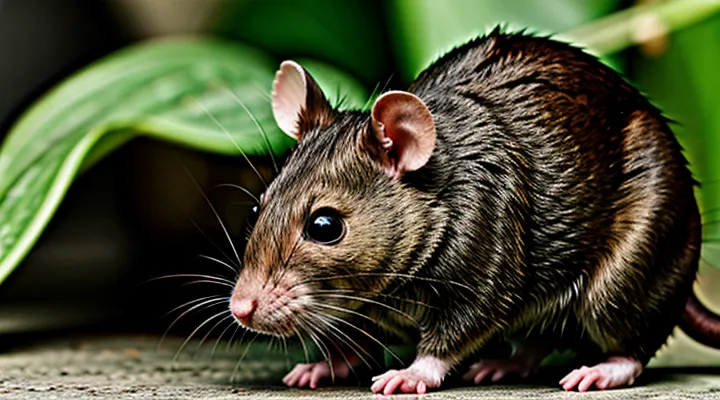
The Unique Anatomy of Rat Teeth
Incisors: The Ever-Growing Front Teeth
Structure and Composition
Rat incisors consist of two continuously growing shafts, each formed by a crown and a root. The crown is covered by enamel, a highly mineralized tissue that provides exceptional hardness. Beneath the enamel lies dentin, a porous matrix that supplies structural support and transmits forces to the pulp chamber.
The root region contains only dentin and pulp; enamel does not extend past the gum line. The pulp houses blood vessels and nerves, sustaining cellular activity required for perpetual eruption. Cementum lines the outer surface of the root, anchoring the tooth to the alveolar bone via periodontal ligaments.
Key compositional elements:
- Enamel: ~96% hydroxyapatite crystals, 4% organic matter and water; arranged in tightly packed prisms.
- Dentin: ~70% hydroxyapatite, 20% organic collagen, 10% water; composed of tubules that facilitate nutrient exchange.
- Cementum: ~45% hydroxyapatite, 55% organic collagen and water; provides a resilient attachment interface.
- Pulp: soft connective tissue containing fibroblasts, blood vessels, and sensory nerves; essential for growth regulation.
The enamel-dentin junction forms a seamless interface, preventing fracture during gnawing. The high mineral content of enamel yields a Vickers hardness of approximately 350 HV, while dentin exhibits a modulus of elasticity near 18 GPa, granting flexibility. This combination enables rats to exert substantial bite forces without damaging the tooth structure.
Understanding these layers informs proper dental care, such as providing abrasive materials to stimulate natural wear and preventing excessive plaque buildup that could compromise enamel integrity.
Function and Importance
Rats rely on continuously growing incisors for gnawing, food processing, and oral health. The incisors’ chisel‑shaped edges enable efficient cutting of hard materials, allowing access to seeds, nuts, and shelter components. Their self‑sharpening mechanism, produced by differential wear of enamel on the outer surface and softer dentin on the inner surface, maintains a functional edge without external intervention.
Key functional aspects:
- Food acquisition – incisors break down tough shells and fibrous plant matter, facilitating digestion.
- Habitat modification – gnawing creates nesting chambers and escape routes, influencing colony structure.
- Dental health maintenance – constant wear prevents overgrowth, which can lead to malocclusion, pain, and systemic infection.
- Sensory feedback – nerve‑rich teeth provide tactile information, guiding precise manipulation of objects.
The importance of these teeth extends to overall physiological stability. Proper tooth length ensures unobstructed intake of nutrients, supports normal weight gain, and reduces stress‑related behaviors. Malfunction or neglect of dental care can result in rapid health decline, highlighting the necessity of regular monitoring and, when needed, professional trimming or dietary adjustments to promote appropriate wear.
The Lifelong Growth Cycle
Rat incisors erupt shortly after birth and continue to lengthen throughout the animal’s life. Growth occurs at the root, where a permanent supply of dental pulp and enamel-producing cells pushes the crown outward. The enamel layer covers only the front surface, while dentin forms the rear, creating a self-sharpening edge as the tooth wears against hard objects.
Wear is the counterbalance to eruption. Daily gnawing on food, cage materials, and chewing toys removes enamel from the front surface and dentin from the back, maintaining a functional length. If wear is insufficient, incisors may overgrow, leading to malocclusion, difficulty eating, and potential injury to oral tissues.
Molars develop in a similar pattern but do not grow continuously. They erupt in stages during the juvenile period, reach full size by adulthood, and are replaced only once, if at all. Their occlusal surfaces flatten with age due to abrasive contact with food, but the overall size remains stable.
Effective management of the growth cycle includes:
- Providing constant access to chewable objects (e.g., wooden blocks, mineral chews) to ensure regular enamel wear.
- Monitoring incisor length weekly; excess beyond the normal gap between the upper and lower incisors indicates overgrowth.
- Offering a diet that includes hard components (e.g., pellets, seeds) to promote natural abrasion.
- Conducting periodic veterinary examinations to assess alignment and intervene with trimming when necessary.
Understanding the interplay between continuous eruption and wear enables precise care strategies that preserve dental health and prevent complications throughout the rat’s lifespan.
Molars: The Grinding Back Teeth
Location and Purpose
Rat incisors occupy the anterior region of the upper and lower jaws, extending from the alveolar ridge to the tip of the snout. The molars sit posteriorly on each side of the maxilla and mandible, forming a continuous chewing surface that aligns with the incisors when the mouth closes.
The dental arrangement serves several functions:
- Incisors cut and gnaw food, vegetation, and non‑nutritive materials; continuous growth compensates for wear.
- Molars grind and pulverize material, facilitating digestion and nutrient extraction.
- The enamel‑rich front edge of each incisor provides a self‑sharpening edge as the softer dentin behind erodes during use.
- The bilateral symmetry of the dentition enables precise bite force distribution, reducing stress on the jaw joints.
These locations and roles together allow rats to process a wide range of substances, maintain dental health, and support overall physiological performance.
Limited Growth Potential
Limited growth potential describes the finite capacity of rat incisors to increase in length despite their continuous eruption. The growth rate is constrained by genetic factors that determine the size of the dental germ, the availability of essential nutrients, and the balance between eruption and wear.
The primary influences on this limitation are:
- Genetic blueprint – sets maximum tooth length and enamel thickness.
- Dietary composition – supplies calcium, phosphorus, and vitamin D required for dentin and enamel formation.
- Occlusal wear – chewing on fibrous material reduces length, prompting compensatory eruption within the genetic ceiling.
- Hormonal regulation – thyroid and growth hormone levels affect cellular activity in the apical papilla.
When growth potential is exceeded, the animal may develop malocclusion, leading to overgrown incisors that impede feeding and cause oral trauma. Preventive management includes providing a high‑fiber diet, regular inspection of tooth length, and timely trimming by a qualified veterinarian.
Effective care strategies focus on maintaining the natural equilibrium between eruption and wear, thereby ensuring that the limited growth capacity remains sufficient for normal oral function.
Essential Care for Rat Dental Health
Common Dental Problems in Rats
Malocclusion: Misaligned Incisors
Malocclusion in rodent incisors occurs when the upper and lower front teeth fail to meet evenly, causing one or both jaws to develop an abnormal bite pattern. The condition frequently results from genetic predisposition, traumatic injury, or improper diet that does not promote natural wear.
Typical manifestations include:
- Overgrown incisors that curl outward or inward
- Uneven wear surfaces visible on the chewing edges
- Difficulty grasping food, leading to reduced intake
- Facial asymmetry or swelling around the jaw
If left untreated, misaligned incisors can impede normal chewing, cause oral pain, and predispose the animal to secondary infections. Early detection is essential for preventing progressive damage.
Management strategies focus on restoring proper occlusion and maintaining tooth length within functional limits:
- Provide a diet rich in fibrous materials such as hay, which encourages natural abrasion.
- Perform regular dental trimming under anesthesia to reshape the incisors and reestablish a balanced bite.
- Monitor weight and food consumption weekly to identify any decline in nutritional status.
- Conduct periodic veterinary examinations to assess occlusal alignment and detect emerging issues.
Preventive care relies on consistent environmental enrichment that promotes gnawing behavior, ensuring that the incisors experience regular, balanced wear. Adjustments to housing, such as offering chew blocks of appropriate hardness, support this objective and reduce the likelihood of malocclusion developing.
Overgrowth: When Incisors Get Too Long
Incisor overgrowth occurs when the continuously growing front teeth of a rat fail to wear down to a normal length. The enamel is harder than the dentin, causing the tooth to elongate sharply if not regularly trimmed by gnawing activity. Excessive length can interfere with feeding, cause oral tissue injury, and lead to systemic health problems.
Primary factors contributing to overgrowth include inadequate access to appropriate chew objects, dietary deficiencies that reduce natural abrasion, and genetic predisposition. Environmental conditions that limit natural gnawing behavior—such as confinement without safe materials—accelerate the problem. Additionally, dental disease or trauma that impairs normal tooth wear can precipitate excessive growth.
Observable indicators consist of visible protrusion of the incisors beyond the lips, difficulty grasping food, drooling, and signs of facial swelling or ulceration. Behavioral changes may include reduced activity and reluctance to explore. Regular visual inspection of the mouth enables early detection before complications develop.
Management protocol
- Provide a variety of safe, hard chew items (e.g., untreated wood blocks, ceramic chew toys) to promote natural wear.
- Conduct weekly oral examinations; measure incisor length against the lip margin.
- Trim overgrown teeth using a specialized rodent dental file or rotary tool, applying gentle pressure to avoid pulp exposure.
- Monitor post‑trimming behavior and feeding efficiency for at least 48 hours.
- Schedule veterinary assessment if trimming does not restore normal function or if signs of infection appear.
Abscesses and Infections
Abscesses and infections are common complications of dental disease in rats. Bacterial invasion occurs when the enamel and dentin are compromised, allowing pathogens to enter the pulp chamber and surrounding tissues. The resulting inflammation produces a localized collection of pus, often accompanied by swelling, heat, and pain.
Typical clinical signs include:
- Redness or edema around the jaw
- Discharge of purulent material from the oral cavity
- Reduced grooming or feeding behavior
- Audible grinding or clicking of teeth due to discomfort
Prompt veterinary intervention is essential. Treatment protocols generally involve:
- Radiographic assessment to determine the extent of the lesion.
- Surgical drainage of the abscess, followed by thorough debridement.
- Systemic antibiotic therapy, selected based on culture and sensitivity results.
- Analgesic administration to manage pain and facilitate recovery.
- Post‑operative monitoring of wound healing and oral function.
Prevention focuses on maintaining optimal oral health. Regular inspection of the incisors for cracks or overgrowth, provision of appropriate chewing materials, and a balanced diet reduce the risk of dental trauma and subsequent infection. Early detection of minor gum inflammation allows for conservative management before abscess formation.
Preventing Dental Issues
Dietary Considerations: The Importance of Chewing
Rats require a diet that promotes continuous wear of their continuously growing incisors. Hard, fibrous foods generate mechanical abrasion, preventing over‑growth and maintaining proper occlusion. Soft, processed items provide limited chewing stimulus, leading to uneven tooth length and potential malocclusion.
Adequate chewing also stimulates salivary flow, which supplies calcium and phosphate ions essential for enamel maintenance. Saliva buffers oral pH, reducing demineralization risk caused by acidic residues from certain foods.
Practical dietary guidelines:
- Include raw vegetables such as carrots, celery, and broccoli stems.
- Offer whole grains like unsalted oats or barley.
- Provide occasional wooden chew blocks or natural twigs.
- Limit sugary treats and excessive fruit puree, which do not contribute to tooth wear.
Providing Appropriate Chew Toys
Providing appropriate chew toys is essential for maintaining healthy incisors in pet rats. Continuous tooth growth demands regular abrasion; without sufficient wear, malocclusion and overgrowth can occur, leading to pain, difficulty eating, and infection.
Select toys made from safe, natural materials that encourage gnawing. Ideal options include untreated hardwood blocks, apple sticks, and sisal rope. Avoid plastics, painted surfaces, and chemically treated wood, as they can damage enamel or introduce toxins.
Size and shape matter. Toys should be large enough to prevent accidental ingestion of fragments but small enough for the rat to grasp comfortably. Rounded edges reduce the risk of injury to the mouth and gums.
Rotate the selection regularly. Introducing new textures prevents habituation and promotes balanced wear across the entire incisor length. A rotating schedule of three to four different toys per week maintains engagement and prevents selective chewing that could cause uneven tooth wear.
Clean and inspect toys daily. Remove debris, check for splintering, and discard any item showing signs of wear that could cause oral injury. Sterilize wooden toys with a mild, pet‑safe disinfectant and rinse thoroughly before reuse.
Monitor dental condition during routine health checks. Observe the rat’s chewing behavior, appetite, and any signs of drooling or facial swelling. Promptly replace worn toys and consult a veterinarian if abnormal wear patterns appear.
By adhering to these guidelines, caregivers ensure continuous, safe tooth abrasion, supporting overall oral health and preventing complications associated with unchecked incisor growth.
Regular Veterinary Check-ups
Rats possess continuously growing incisors; unchecked development leads to malocclusion, pain, and systemic illness. Regular veterinary examinations provide professional assessment of dental status and early intervention before complications arise.
Standard practice recommends examinations at intervals of three to six months for adult rats and more frequent visits for juveniles or individuals with a history of dental problems. Consistent scheduling ensures timely detection of abnormal growth patterns.
During each visit the veterinarian evaluates:
- Incisor length and symmetry
- Wear facets and edge sharpness
- Gum coloration and integrity
- Presence of lesions, abscesses, or tartar buildup
- Occlusion of molars and premolars
- Radiographic imaging when indicated
If overgrowth or misalignment is identified, the practitioner may perform precise trimming, prescribe corrective diets rich in fibrous material, or apply orthodontic devices. Treatment plans also include antimicrobial therapy for infections and pain management protocols.
Owners should monitor daily feeding behavior, observe for drooling, reduced food intake, or changes in grooming. Prompt presentation to a veterinarian at the first sign of abnormality supports effective management and preserves overall health.
Addressing Dental Problems
Trimming Overgrown Incisors
Overgrown incisors in rats compromise chewing efficiency and may cause oral injuries. Continuous growth is normal; however, insufficient wear leads to elongation that can puncture the palate or interfere with food intake.
Typical indicators include visible length beyond the gum line, difficulty grasping food, and excessive drooling. Early detection prevents pain and secondary infections.
Trimming procedure
- Restrain the rat gently but securely; a soft cloth or a specialized holder reduces stress.
- Use a pair of veterinary‑grade nail clippers or small rotary burrs designed for dental work.
- Position the instrument at the tip of the incisor, avoiding the root area where blood vessels reside.
- Apply a single, clean cut to reduce the tooth to the normal length, matching the opposing incisor.
- Inspect the trimmed surface for smoothness; irregular edges may cause tissue irritation.
- Release the animal and monitor for bleeding; apply a sterile gauze pad if necessary.
Post‑trimming care
- Offer soft food for 24 hours to ease chewing while the gums recover.
- Observe the rat for signs of discomfort, bleeding, or infection; contact a veterinarian if symptoms persist.
- Schedule regular checks every two to four weeks, adjusting frequency based on the animal’s age and diet.
Proper maintenance of incisors eliminates functional problems and contributes to overall health without the need for invasive interventions.
Surgical Interventions
Surgical intervention is required when rat dentition exhibits abnormalities that cannot be managed with routine trimming or dietary adjustments. Common indications include severe overgrowth, fractured incisors, malocclusion causing food refusal, and pathological lesions such as abscesses or tumors affecting the oral cavity.
Pre‑operative assessment should confirm the diagnosis through visual examination, radiography, and, when necessary, pulp vitality testing. Anesthesia protocols typically involve inhalant agents (isoflurane) or injectable combinations (ketamine‑xylazine) adjusted for the animal’s weight and health status. Monitoring of respiratory rate, heart rate, and body temperature throughout the procedure is essential to reduce peri‑operative risk.
The principal surgical procedures are:
- Incisor extraction – removal of a severely damaged or infected tooth, followed by placement of a hemostatic sponge and suturing of the gingival margin.
- Partial mandibulectomy – resection of a segment of the lower jaw to eliminate neoplastic growth, requiring fixation with titanium plates or pins.
- Orthodontic correction – placement of miniature braces or elastic bands to realign misdirected incisors, often combined with periodic trimming.
- Root canal therapy – debridement of the pulp chamber and sealing with biocompatible material to preserve tooth function when infection is confined to the root.
Post‑operative care includes analgesia (buprenorphine or meloxicam) administered at regular intervals, soft‑food diet for 48–72 hours, and daily inspection of the surgical site for signs of infection, dehiscence, or excessive swelling. Antibiotic therapy is indicated only when bacterial contamination is confirmed or prophylactically in high‑risk cases.
Complications to monitor comprise hemorrhage, dental pulp necrosis, alveolar bone loss, and relapse of malocclusion. Early detection and prompt intervention, such as additional trimming or adjustment of orthodontic devices, mitigate long‑term functional impairment and improve overall oral health outcomes for the animal.
Pain Management and Antibiotics
Dental disorders in rats generate acute discomfort that can impair feeding and weight maintenance. Prompt intervention prevents deterioration of oral health and systemic complications.
Effective analgesia relies on agents with rapid onset and minimal sedation. Common choices include:
- Buprenorphine, 0.01 mg/kg subcutaneously every 8–12 hours.
- Meloxicam, 0.2 mg/kg orally or subcutaneously once daily.
- Tramadol, 10 mg/kg orally every 12 hours for moderate pain.
Dosage adjustments are necessary for juvenile or compromised animals. Continuous monitoring of appetite, grooming behavior, and locomotion confirms therapeutic effectiveness.
Antibiotic therapy addresses secondary infections that often accompany dental abscesses or pulp exposure. Preferred drugs are:
- Enrofloxacin, 10 mg/kg orally twice daily for 7–10 days.
- Amoxicillin‑clavulanic acid, 20 mg/kg orally every 12 hours for 5–7 days.
- Trimethoprim‑sulfamethoxazole, 30 mg/kg orally every 12 hours for 7 days.
Selection depends on culture results, bacterial spectrum, and renal or hepatic function. Avoid prolonged courses without reassessment to limit resistance development. Regular inspection of the oral cavity, combined with proper analgesia and targeted antibiotics, ensures rapid recovery and preserves the rat’s dentition integrity.