
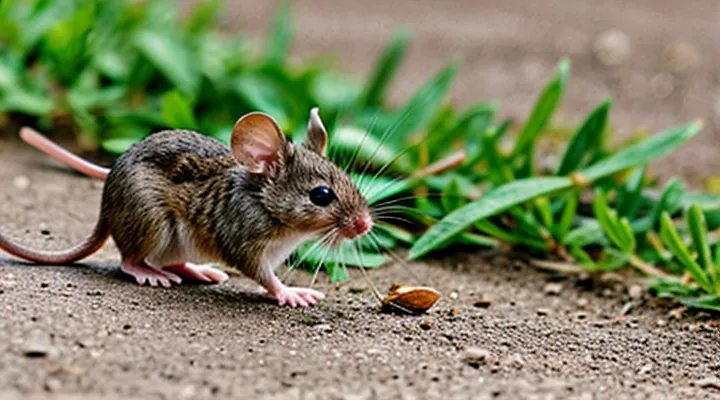
The Diverse World of Mice
A Global Presence
Mice inhabit every continent except Antarctica, thriving in diverse ecosystems ranging from tropical rainforests to arid deserts. Their success stems from a combination of physiological adaptability, rapid reproductive cycles, and opportunistic feeding habits.
Key factors enabling worldwide colonization:
- High reproductive rate: females can produce up to ten litters per year, each containing 5‑8 offspring, allowing populations to rebound quickly after disturbances.
- Dietary flexibility: omnivorous diet includes seeds, insects, carrion, and human waste, reducing dependence on specific food sources.
- Habitat tolerance: ability to nest in burrows, crevices, trees, and man‑made structures expands the range of suitable environments.
- Commensal relationship with humans: species such as the house mouse (Mus musculus) exploit urban and agricultural settings, facilitating accidental transport via cargo, ships, and vehicles.
Approximately 30 recognized mouse species belong to the genus Mus, while related genera (Peromyscus, Apodemus, Rattus) contribute additional members to the global mouse community. These species have been documented at elevations from sea level to over 4,000 m, demonstrating resilience to temperature extremes and varying oxygen levels.
Human activity accelerates dispersal. International trade routes introduce mice to isolated islands, where they often outcompete native rodents and disrupt local ecosystems. Monitoring programs in ports and airports employ baited traps and genetic screening to detect early invasions, preventing ecological damage.
Overall, the mouse’s combination of reproductive vigor, ecological versatility, and close association with human environments underpins its presence across the planet, making it one of the most ubiquitous small mammals on Earth.
Types of Mice
House Mouse
The house mouse (Mus musculus) is a globally distributed rodent that thrives in close association with human habitats. Originating in South Asia, it now occupies urban, suburban, and rural environments across all continents except Antarctica. Adaptability to varied climates stems from a high reproductive rate and flexible diet.
Adults measure 6–10 cm in body length, with tails of comparable size, and weigh 15–30 g. Lifespan in the wild averages 12–18 months; under laboratory conditions, individuals may live up to three years. Females become sexually mature at 5–6 weeks and can produce 5–10 litters per year, each containing 4–12 offspring. Gestation lasts 19–21 days, and weaning occurs at 21 days.
The species exhibits omnivorous feeding habits, consuming grains, seeds, insects, and refuse. Social organization is fluid; colonies form around abundant resources, with dominant individuals establishing temporary hierarchies. Communication relies on ultrasonic vocalizations, pheromonal cues, and tactile signals. Nest construction utilizes soft materials such as paper, cloth, and plant fibers.
Human interactions are multifaceted. As a pest, the house mouse damages stored food, contaminates surfaces, and incurs economic losses. Conversely, it serves as a principal model organism in genetics, neurobiology, and pharmacology, providing insights into disease mechanisms and therapeutic development. The species also functions as a reservoir for pathogens, including hantavirus and salmonella, highlighting its relevance to public health monitoring.
Key facts:
- Taxonomic classification: Kingdom Animalia, Phylum Chordata, Class Mammalia, Order Rodentia, Family Muridae.
- Reproductive capacity: up to 15 offspring per year per female under optimal conditions.
- Sensory abilities: detects ultrasonic frequencies up to 100 kHz, facilitating intraspecific communication.
- Genetic similarity: shares approximately 85 % of its genome with humans, underpinning its utility in biomedical research.
Field Mouse
Field mice belong to the genus Apodemus and are widespread across temperate regions of Europe, Asia, and parts of North America. Their compact bodies, typically 6–10 cm in length, are covered with dense, soft fur that varies from gray‑brown to reddish tones, providing camouflage among grasses and leaf litter.
Adaptations enable rapid foraging and escape. Strong hind limbs generate bursts of speed up to 13 km/h, while a highly flexible spine permits swift changes in direction. Sensory whiskers detect vibrations, and large, nocturnal eyes enhance low‑light vision. These traits support a diet dominated by seeds, grains, insects, and occasional fruit, allowing field mice to exploit seasonal food fluctuations.
Reproductive cycles are prolific. Females may produce three to five litters per year, each comprising 4–8 offspring. Gestation lasts approximately 21 days, and newborns reach independence within three weeks. High reproductive output compensates for predation pressure from birds of prey, snakes, and small carnivores.
Ecological contributions are measurable:
- Seed dispersal: transport and burial of kernels promote plant regeneration.
- Soil aeration: burrowing activity mixes organic material, enhancing nutrient turnover.
- Prey base: sustain populations of raptors, owls, and terrestrial predators.
Human interactions are primarily agricultural. Field mice can damage crops by consuming grain stores, yet their role in controlling insect populations offers indirect benefits. Integrated pest management strategies often balance these impacts by preserving natural predators and minimizing chemical interventions.
Conservation status remains stable across most of the species’ range, reflecting adaptability to varied habitats including meadows, forest edges, and cultivated fields. Monitoring programs track population dynamics to anticipate shifts caused by climate change or habitat fragmentation.
Deer Mouse
The deer mouse (genus Peromyscus) is a widespread North American rodent distinguished by its agility, adaptability, and ecological significance. Adult individuals typically measure 10–12 cm from nose to tail tip, with a gray‑brown dorsal coat and a white underbelly. Their large, dark eyes and long whiskers enhance nocturnal navigation, while a prehensile tail aids in climbing and balance.
Ecologically, deer mice serve as both predator and prey. Their diet includes seeds, insects, and fungi, allowing them to influence seed dispersal and insect population dynamics. Simultaneously, they provide a primary food source for owls, snakes, and carnivorous mammals, linking trophic levels across diverse habitats such as forests, grasslands, and arid regions.
Key biological characteristics:
- Reproductive capacity: up to five litters per year, each containing 3–7 offspring.
- Longevity: average lifespan in the wild ranges from 12 to 18 months; captive individuals may reach three years.
- Genetic relevance: genome sequencing has identified adaptations to high‑altitude environments and resistance to certain pathogens, making the species a model for biomedical research.
- Disease vector potential: capable of carrying hantavirus and Lyme‑disease agents, thereby influencing human health considerations in endemic areas.
Conservation status remains stable across most of the range, with population fluctuations driven primarily by habitat alteration and climate variability. Monitoring efforts focus on population density, disease prevalence, and genetic diversity to ensure continued ecological function.
Other Notable Species
Mice belong to a diverse order of small mammals, and several related species demonstrate remarkable adaptations. The common house mouse (Mus musculus) thrives in urban environments, exhibits rapid breeding cycles, and serves as a primary model organism in genetic research. The deer mouse (Peromyscus maniculatus) occupies a wide range of habitats across North America, displays nocturnal foraging behavior, and is a key reservoir for hantavirus transmission.
The field mouse, often identified as the wood mouse (Apodemus sylvaticus), prefers woodland and agricultural margins, constructs concealed nests, and shows seasonal coat color changes for camouflage. The harvest mouse (Micromys minutus) holds the record for smallest adult rodent size, utilizes flexible stems to build spherical nests, and demonstrates precise seed dispersal through its diet.
Additional notable species include:
- Spiny mouse (Acomys spp.) – possesses bristly fur, regenerates skin without scarring, and endures arid climates.
- African pygmy mouse (Mus minutoides) – measures less than 30 mm in body length, exhibits high metabolic rates, and survives in savanna ecosystems.
- California mouse (Peromyscus californicus) – forms monogamous pairs, displays biparental care, and serves as a model for social behavior studies.
These species illustrate the ecological breadth of small rodent mammals, each contributing distinct physiological traits and ecological roles that enhance understanding of mammalian biology.
Remarkable Adaptations and Biology
Physical Characteristics
Size and Weight
Mice are among the smallest mammals, with body lengths typically ranging from 2 cm to 10 cm, not including the tail. Tail length often matches or exceeds the body, extending an additional 5 cm to 12 cm in many species. The smallest representatives, such as the African pygmy mouse (Mus minutoides), measure just under 2 cm, while larger varieties like the deer mouse (Peromyscus maniculatus) approach 10 cm.
Weight varies proportionally with size. Adult house mice commonly weigh between 15 g and 30 g; the pygmy mouse averages 5 g to 8 g, and the larger deer mouse reaches 20 g to 40 g. Seasonal fluctuations and reproductive status can shift individual mass by several grams.
Key dimensions for reference:
- Body length (head‑body): 2–10 cm (0.8–4 in)
- Tail length: 5–12 cm (2–4.7 in)
- Weight: 5–40 g (0.18–1.4 oz)
These measurements illustrate the compact scale that characterizes the rodent group, underscoring their adaptability to confined habitats and diverse ecological niches.
Sensory Organs
Mice rely on a suite of highly specialized sensory structures that enable rapid detection of predators, navigation through complex environments, and efficient foraging. Their sensory organs operate at the limits of biological performance, delivering precise information with minimal latency.
-
Vibrissae (whiskers): Each whisker contains a dense array of mechanoreceptors that transduce air currents and surface contact into neural signals. The arrangement allows a mouse to construct a three‑dimensional map of its surroundings while moving at speeds exceeding 4 m s⁻¹. Whisker movement is coordinated by facial muscles, permitting active exploration of narrow gaps and texture discrimination.
-
Vision: Rod-dominated retinas provide high sensitivity in low‑light conditions, supporting nocturnal activity. Although visual acuity is modest—approximately 0.5 cycles per degree—mice detect motion and contrast effectively, facilitating escape responses.
-
Auditory system: The cochlea exhibits an extended high‑frequency range up to 100 kHz, far beyond human hearing. This capability detects ultrasonic vocalizations used for social communication and alerts to the approach of aerial predators. The middle ear’s ossicular chain amplifies sound pressure, preserving signal fidelity.
-
Olfaction: An olfactory epithelium housing over one million receptor neurons enables discrimination of thousands of odorants. Chemical cues guide mate selection, territorial marking, and food location. The vomeronasal organ processes pheromonal signals that modulate reproductive behavior.
-
Taste buds: Approximately 1,000 taste buds on the tongue and palate respond to sweet, bitter, salty, sour, and umami stimuli. Bitter detection serves as a toxin avoidance mechanism, while sweet perception drives carbohydrate intake.
Collectively, these sensory modalities form an integrated network that supports the mouse’s survival in diverse habitats, from agricultural fields to urban structures. Their efficiency illustrates evolutionary optimization of miniature neural circuitry.
Whiskers: The Mouse's Sixth Sense
Mouse whiskers, or vibrissae, are densely packed, highly innervated hairs extending from the snout, cheeks, and forelimbs. Each whisker is anchored in a follicle surrounded by a sinus cavity that detects minute air currents and surface contacts. The nerves within the follicle transmit mechanical signals to the brain with millisecond latency, enabling rapid spatial judgments.
The sensory system formed by whiskers provides several capabilities:
- Detection of objects within a few centimeters, even in total darkness.
- Measurement of texture and shape through active whisking motions.
- Assessment of airflow patterns, which helps maintain balance and avoid predators.
- Coordination of locomotion by supplying real‑time feedback during rapid runs and jumps.
Experimental studies show that mice deprived of vibrissae exhibit impaired navigation in mazes and reduced ability to locate food pellets. Evolutionary pressure favored the development of longer, more flexible whiskers in species that forage in confined or nocturnal environments, reinforcing the organ’s role as a tactile radar.
Acute Hearing
Mice possess an auditory system capable of detecting sounds far beyond the range of human hearing. Their hearing extends from approximately 1 kHz up to 100 kHz, with peak sensitivity around 15–20 kHz, allowing perception of ultrasonic vocalizations used in social interaction.
Key anatomical features supporting this capability include:
- Large, mobile pinnae that can swivel to capture sound from multiple directions.
- An elongated cochlear duct containing thousands of hair cells tuned to high‑frequency vibrations.
- A specialized middle‑ear ossicle arrangement that amplifies faint acoustic signals.
These adaptations enable mice to:
- Identify approaching predators by sensing subtle rustling or footfalls.
- Communicate with conspecifics through ultrasonic calls that remain inaudible to many larger mammals.
- Navigate complex burrow systems by relying on echoic cues and ambient noise gradients.
Behavioral experiments demonstrate detection thresholds as low as 20 dB SPL for frequencies near 20 kHz, a sensitivity comparable to that of many bat species. Comparative studies reveal that mouse auditory thresholds are roughly ten decibels lower than those of humans for the same ultrasonic range, confirming superior performance in high‑frequency detection.
Vision
Mice possess a compact visual apparatus adapted to a primarily nocturnal lifestyle. Their eyes are positioned on the sides of the head, granting a combined field of view of approximately 300 degrees, which reduces blind spots and facilitates predator detection.
Key visual characteristics include:
- Low visual acuity: Resolution averages 1–2 cycles per degree, sufficient for detecting motion rather than fine detail.
- Enhanced motion sensitivity: Retinal ganglion cells respond rapidly to moving stimuli, enabling swift escape responses.
- Limited color discrimination: Two types of cone photoreceptors detect short‑wave (blue) and medium‑wave (green) light; red wavelengths are largely invisible.
- High rod density: Rod cells dominate the retina, providing superior sensitivity under dim illumination and supporting scotopic vision.
Research on mouse vision informs neuroscience and genetics because the species’ genome is well‑characterized and experimental manipulation is straightforward. Comparative studies reveal that, despite modest acuity, the mouse visual system excels at detecting contrast and movement, traits that align with its ecological niche as a small, ground‑dwelling rodent.
Diet and Foraging
Omnivorous Nature
Mice consume a broad spectrum of foods, reflecting true omnivory. Their diet includes plant material such as seeds, grains, fruits, and leafy vegetation, alongside animal sources like insects, arachnids, and occasional carrion. This flexibility enables survival in diverse habitats, from agricultural fields to urban interiors.
Key components of a typical mouse diet:
- Seeds and cereals (approximately 30‑40 % of intake)
- Insects and larvae (15‑25 %)
- Fresh fruits and vegetables (20‑30 %)
- Small vertebrate carcasses or eggs (5‑10 %)
Digestive physiology supports rapid processing of both carbohydrate‑rich plant matter and protein‑dense animal tissue. Enzymatic adaptations allow efficient extraction of nutrients from starches, fats, and chitin. Seasonal fluctuations in food availability trigger corresponding shifts in consumption patterns, with increased insect predation during warmer months and heightened reliance on stored seeds in colder periods.
Omnivorous feeding behavior influences ecosystem dynamics. By dispersing seeds, mice contribute to plant regeneration; simultaneous predation on insects helps regulate pest populations. Their opportunistic foraging also brings them into close contact with human food stores, creating both agricultural benefits and potential contamination risks.
Food Storage Habits
Mice exhibit sophisticated food‑storage strategies that enhance survival during periods of scarcity. Individuals commonly gather seeds, grains, and insects, transporting them to concealed locations within their burrows or hidden caches in vegetation. This behavior reduces exposure to predators and competition, allowing the animal to maintain a steady nutrient supply.
Key aspects of mouse food storage include:
- Burrow chambers – dedicated sections of the underground nest are lined with soft material and stocked with collected items.
- Surface caches – shallow depressions under leaf litter or within crevices hold food that can be accessed quickly.
- Seasonal hoarding – during autumn, mice increase collection rates, anticipating winter shortages.
The selection of storage sites reflects risk assessment: concealed, dry, and temperature‑stable environments are preferred to prevent spoilage and theft. Mice also employ scent marking to identify personal caches, reducing accidental consumption of another’s reserves.
Memory and spatial cognition support this system. Experiments demonstrate that mice can recall the exact location of multiple caches over several weeks, navigating complex tunnel networks without external cues. This capability underscores the adaptive value of food storage within the species’ ecological niche.
Reproduction and Life Cycle
Rapid Breeding
Mice reproduce with extraordinary speed, a trait that underpins their success as one of the planet’s most adaptable mammals. Females reach sexual maturity at 4–6 weeks, allowing a new generation to appear within a month of birth. A single breeding pair can generate up to 10 litters per year, each containing 5–12 offspring, resulting in exponential population growth under favorable conditions.
Key reproductive parameters:
- Estrous cycle length: 4–5 days, enabling frequent mating opportunities.
- Gestation period: approximately 19–21 days, the shortest among placental mammals.
- Post‑natal development: pups become independent and capable of reproduction by 6 weeks.
- Litter size variability: influenced by nutrition, temperature, and social density, ranging from 3 to 14 individuals.
- Seasonal influence: longer daylight periods accelerate estrus frequency, increasing annual litter count.
Rapid breeding confers ecological advantages, such as swift colonization of new habitats, resilience to predation pressures, and the capacity to recover quickly from population setbacks. These characteristics make mice a model organism for studies of genetics, disease transmission, and population dynamics.
Nesting Behavior
Mice construct nests to regulate temperature, protect offspring, and conceal themselves from predators. Nests are typically built in concealed locations such as burrow entrances, behind stored food, or within dense vegetation. The structure consists of a compact core of soft materials surrounded by a sturdier outer layer that resists disturbance.
- Soft components: shredded paper, plant fibers, fur, and downy feathers.
- Structural elements: dry grass, twigs, and shredded cardboard.
- Additional items: food scraps and nesting pellets that add insulation.
Construction proceeds in stages. First, the mouse gathers loose fibers and compresses them into a dense mound, creating a warm microenvironment. Next, the outer layer is reinforced with sturdier debris, forming a protective barrier. Finally, the animal arranges the nest to align with ambient heat sources, such as sunlight‑warmed surfaces or the warmth of a burrow.
Nesting frequency varies with season. During colder months, mice increase material collection and nest size to conserve heat. In warmer periods, nests become smaller and are positioned in shaded, ventilated sites to prevent overheating. The adaptability of nest design reflects the species’ capacity to thrive in diverse habitats.
Predation and Survival Strategies
Natural Predators
Mice face constant pressure from a diverse array of carnivores that rely on their abundance and nocturnal activity. These predators shape mouse behavior, population cycles, and ecosystem dynamics.
- Barn owls (Tyto alba) hunt mice with silent flight and acute hearing, capturing prey from open fields and barns.
- Red-tailed hawks (Buteo jamaicensis) seize mice in mid‑air or from perches, using sharp vision to locate movement.
- Foxes (Vulpes vulpes) stalk mice in grasslands and woodlands, employing scent detection and swift pounces.
- Domestic cats (Felis catus) exploit human environments, ambushing mice that infiltrate homes and storage areas.
- Snakes such as the common garter (Thamnophis sirtalis) and rattlesnakes (Crotalus spp.) strike with rapid constriction or envenomation, often in burrows or under debris.
- Larger mammals, including coyotes (Canis latrans) and weasels (Mustela spp.), pursue mice through dense cover, relying on agility and relentless pursuit.
Predators adapt hunting techniques to the mouse’s evasive traits. Owls capitalize on low‑light conditions, while hawks use altitude to scan large territories. Mammalian hunters combine olfactory cues with chase endurance, and reptiles employ heat detection and ambush positioning. These strategies compensate for the mouse’s rapid reproduction and keen senses.
Predation exerts a regulatory effect on mouse numbers, preventing unchecked growth that could deplete vegetation and seed banks. Seasonal spikes in predator activity correspond with mouse breeding peaks, creating feedback loops that stabilize rodent densities across habitats.
Evasion Tactics
Mice employ a suite of evasion tactics that enable survival in diverse environments. Their small size, rapid reflexes, and sensory adaptations create a flexible defense system against predators and human interventions.
Key tactics include:
- Explosive sprint: Muscles generate bursts of speed exceeding 8 mph, allowing escape from sudden threats.
- Erratic zig‑zag: Unpredictable changes in direction reduce the likelihood of capture by visual hunters.
- Vertical leap: Hind‑limb power propels the animal up to 30 cm, facilitating clearance of obstacles and entry into narrow openings.
- Acoustic masking: High‑frequency vocalizations interfere with predator echolocation, while ear‑plugs reduce self‑generated noise during flight.
- Chemical concealment: Urine and scent glands release compounds that obscure the mouse’s odor trail, hindering scent‑based tracking.
Additional strategies involve nocturnal activity patterns, reliance on tactile whisker input for navigation in darkness, and the use of concealed burrow networks that provide immediate refuge. These behaviors collectively enhance the rodent’s ability to avoid detection and capture, supporting its widespread presence across urban and rural landscapes.
Intelligence and Behavior
Social Structures
Mice, despite their modest size, maintain organized social systems that influence survival and reproduction. Within a colony, individuals occupy distinct positions along a dominance gradient; dominant males secure preferential access to resources and mates, while subordinate members exhibit reduced aggression and deferential behavior. This hierarchy stabilizes group interactions and minimizes conflict.
Communication underpins the hierarchy. Scent glands deposit pheromones on nesting material and territorial borders, providing continuous identifiers of rank and reproductive status. Ultrasonic vocalizations accompany encounters, conveying threat or appeasement signals that adjust behavior without physical confrontation.
Family groups typically consist of a breeding pair and their offspring. Juveniles remain with the natal nest for several weeks, receiving maternal care and learning colony norms. After weaning, younger mice either disperse to establish new territories or integrate as subordinate helpers, increasing the colony’s foraging efficiency.
Key characteristics of mouse social structures:
- Dominance hierarchy: linear ranking, with clear alpha individuals.
- Chemical signaling: pheromone trails marking status and territory.
- Acoustic communication: ultrasonic calls modulating aggression and bonding.
- Family cohesion: prolonged parental care and cooperative offspring retention.
- Dispersal patterns: age‑dependent movement to reduce inbreeding and expand colonies.
These elements combine to produce a flexible yet stable network, enabling mice to adapt to variable environments while maintaining reproductive success.
Problem-Solving Abilities
Mice demonstrate sophisticated problem‑solving capabilities that rival those of larger mammals. Laboratory studies routinely present rodents with mazes, puzzles, and operant chambers; individuals learn to navigate complex routes, manipulate levers, and locate hidden food after only a few trials.
- In a water‑maze task, mice locate a submerged platform by recalling spatial cues, reducing search time by up to 70 % after three sessions.
- In a puzzle‑box experiment, subjects push, pull, or turn objects to open a compartment containing a reward, showing flexibility in selecting the most efficient action.
- When faced with a series of colored doors, mice discriminate based on reinforcement history, adjusting choices after a single error.
Neurophysiological recordings reveal that the hippocampus and prefrontal cortex coordinate during these tasks, encoding spatial maps and executive strategies. Synaptic plasticity within these regions strengthens after successful trials, supporting rapid acquisition of new solutions.
Ecologically, the ability to overcome obstacles enables mice to exploit diverse habitats, access concealed food sources, and evade predators. Adaptive problem solving thus contributes directly to survival and reproductive success in natural environments.
Communication Methods
Vocalizations
Mice produce a diverse repertoire of sounds that serve specific social and defensive functions. Ultrasonic squeaks, typically above 20 kHz, dominate their communication and are inaudible to humans. These high‑frequency calls convey aggression, mating readiness, or territorial claims, and can be distinguished by duration, pitch modulation, and repetition rate.
- Alarm calls: brief, sharply rising tones emitted when predators are detected; trigger immediate freezing or escape behaviors in nearby conspecifics.
- Courtship vocalizations: longer, modulated sequences that accompany pursuit and mounting; females respond with reciprocal ultrasonic pulses.
- Pup distress chirps: low‑amplitude, repetitive sounds produced when isolated; stimulate maternal retrieval and nursing.
- Social grooming chatter: soft, rhythmic chirps exchanged during close contact; reinforce affiliative bonds.
Mice also generate audible squeaks in the 4–8 kHz range during intense aggression or pain, providing a warning signal to rivals and a cue for observers. Recording equipment capable of capturing both ultrasonic and audible frequencies is essential for accurate analysis of mouse vocal behavior.
Scent Marking
Mice use scent marking to communicate territory boundaries, reproductive status, and individual identity. Specialized glands—such as the flank, urinary, and preputial glands—produce secretions that contain pheromones and volatile compounds. When a mouse deposits these chemicals on surfaces, conspecifics detect them with the vomeronasal organ, triggering instinctive behavioral responses.
Scent marks serve several functions:
- Territorial demarcation: Fresh deposits signal occupied space, reducing direct confrontations.
- Social hierarchy: Dominant individuals leave more abundant or potent marks, influencing rank perception.
- Mating cues: Females emit estrus‑related odors that attract males; males reciprocate with scent that conveys fitness.
- Pathway reinforcement: Repeated marking along travel routes creates a chemical map that guides navigation.
The effectiveness of scent marking depends on environmental factors. Moisture accelerates volatilization, while low temperatures preserve odor longevity. Mice adjust marking frequency according to population density, predator presence, and resource availability, ensuring optimal information transfer within their ecological niche.
Mice and Humans
Historical Interactions
As Pests
Mice thrive in human environments because of abundant food sources, shelter opportunities, and rapid reproductive cycles. Their presence leads to material loss, structural damage, and health hazards.
- Consumption of stored grains, cereals, and processed foods reduces inventory value and forces costly replacement.
- Gnawing behavior compromises insulation, wiring, and piping, raising fire risk and increasing repair expenses.
- Saliva and droppings contaminate surfaces, introducing pathogens such as Salmonella, E. coli, and hantavirus, which cause food‑borne illnesses and respiratory infections.
Population growth accelerates under favorable conditions: a single female can produce five litters per year, each containing up to twelve offspring. This exponential potential converts a minor intrusion into a severe infestation within weeks.
Control measures focus on exclusion, sanitation, and population suppression. Sealing entry points eliminates access, while regular cleaning removes attractants. Trapping and targeted rodenticides reduce numbers, but must be applied according to integrated pest management guidelines to avoid non‑target impacts and resistance development.
As Pets
Mice make surprisingly capable companions when kept responsibly. Their small size, rapid breeding cycle, and keen intelligence provide owners with a low‑maintenance, interactive pet that fits into limited living spaces.
A typical domestic mouse lives 1.5–2.5 years, with females generally outliving males. Regular health checks can detect common issues such as respiratory infections, dental overgrowth, and tumors early, extending lifespan and improving welfare.
Key requirements for a healthy mouse household include:
- Enclosure: Minimum floor area of 0.5 sq ft per mouse, solid bottom, ventilation, and secure lid. Provide nesting material, tunnels, and climbing structures to satisfy natural exploratory behavior.
- Social environment: Mice are highly social; groups of 2–5 individuals reduce stress and prevent stereotypic behaviors. Same‑sex groups avoid unwanted breeding, while mixed‑sex groups need careful monitoring.
- Diet: Commercial mouse pellets supplemented with fresh vegetables, limited fruits, and occasional protein treats. Fresh water must be available at all times; sipper bottles reduce contamination risk.
- Hygiene: Weekly cage cleaning, spot cleaning of soiled bedding daily, and regular disinfection of accessories prevent pathogen buildup.
- Enrichment: Puzzle wheels, chew blocks, and scent objects stimulate mental activity and prevent obesity.
Legal considerations vary by jurisdiction; some regions restrict ownership of wild‑type mouse strains due to ecological concerns. Verify local regulations before acquisition.
Breeding programs demand strict record‑keeping of lineage, birth dates, and health status to avoid inbreeding depression. Responsible breeders separate litters at three weeks, provide weaning diets, and retire breeding females after three successful cycles to preserve reproductive health.
Overall, mice offer a compact, curious, and educative pet option when owners adhere to precise husbandry standards, monitor health proactively, and respect social dynamics.
In Research
The laboratory mouse has become the primary vertebrate model for dissecting biological mechanisms because of its short reproductive cycle, well‑characterized physiology, and ease of genetic manipulation.
Researchers have sequenced the complete mouse genome, enabling precise identification of orthologous genes shared with humans. Transgenic and knockout techniques allow insertion, deletion, or alteration of specific loci, producing lines that replicate human genetic disorders with high fidelity.
Disease modeling relies on these engineered strains. Mouse models reproduce tumor progression, neurodegenerative pathology, cardiovascular impairment, and metabolic dysfunction, providing platforms for investigating disease onset, progression, and therapeutic response.
Pharmacological evaluation uses mice to assess efficacy, dosage, and toxicity of candidate compounds before clinical trials. Standardized protocols generate reproducible data on drug metabolism, organ-specific effects, and adverse reactions.
Recent methodological advances expand experimental capability:
- CRISPR‑Cas systems introduce targeted edits within a single generation.
- Optogenetic constructs enable real‑time control of neuronal activity.
- In vivo imaging technologies capture cellular processes in living animals.
- High‑throughput behavioral assays quantify cognition, anxiety, and social interaction.
Collectively, these research tools position the small rodent as an indispensable resource for translating molecular insights into medical interventions.
Cultural Significance
Folklore and Symbolism
Mice have appeared in myths, legends, and religious stories for millennia, serving as symbols of cunning, fertility, and transformation. In ancient Egyptian art, the mouse represented the god of the harvest, protecting grain stores from pests while also embodying the cycle of renewal. Classical Greek literature portrayed the mouse as a clever adversary of larger beasts, highlighting its ability to outwit stronger opponents through speed and stealth.
- East Asian traditions: Chinese folklore associates the mouse with wealth and abundance; the zodiac sign of the Rat (a close relative) is praised for resourcefulness and success in commerce. Japanese tales often depict mice as messengers of deities, delivering warnings or blessings to mortals.
- European folklore: Medieval English ballads feature mice as tricksters who steal cheese or infiltrate castles, illustrating the animal’s reputation for opportunism. In Celtic myth, the mouse appears as a guardian of hidden treasure, symbolizing the protective nature of small, overlooked creatures.
- Native American narratives: Certain tribes view the mouse as a spirit guide for hunters, teaching patience and careful observation. In Pueblo stories, the mouse’s quick movements embody the principle of adaptability in changing environments.
Symbolic meanings extend beyond narrative roles. In alchemical texts, the mouse signifies the volatile element of air, a conduit for transformation. Psychological interpretations link the mouse to the subconscious, representing hidden fears or desires that surface during introspection. Artistic representations frequently employ the mouse to critique social hierarchies, using its diminutive size to challenge notions of power and dominance.
Mice in Literature and Media
Mice have appeared repeatedly in narrative works, serving as protagonists, antagonists, and symbolic figures. Authors and creators exploit the rodent’s size, agility, and reputation for resourcefulness to convey specific themes without relying on abstract commentary.
- Aesop’s fable “The Lion and the Mouse” demonstrates reciprocal assistance between disparate species.
- Kate DiCamillo’s “The Tale of Despereaux” centers on a brave mouse who defies conventional expectations.
- E.B. White’s “Stuart Little” presents a cultured mouse navigating human society.
- Roald Dahl’s “The Witches” includes a mouse‑transformed boy who retains human intellect.
Cinematic and televised portrayals extend these literary precedents.
- Walt Disney’s “Mickey Mouse” established the mouse as an enduring cultural icon, influencing animation standards worldwide.
- “Tom and Jerry” features Jerry, whose tactical evasion of a cat underscores the mouse’s archetypal cleverness.
- The film “The Secret of NIMH” portrays a laboratory‑escaped mouse as a leader confronting ethical dilemmas.
- “Stuart Little” (1999) translates the literary character into a live‑action setting, emphasizing integration of a small mammal into a human household.
Across media, mice function as narrative devices that illustrate resilience, intelligence, and the capacity to influence larger systems despite physical limitations. Their recurring presence reflects both biological realism—small mammals possess acute senses and rapid reproduction—and mythic symbolism that resonates with audiences across generations.