
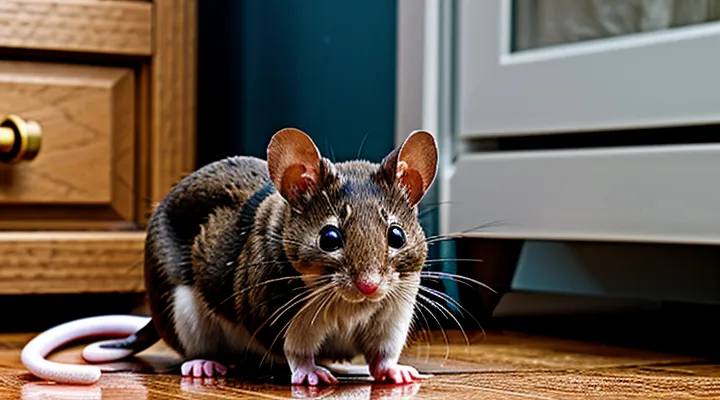
Understanding Mouse Infestations
Signs of Mouse Activity
Recognizing mouse activity is essential before implementing any poisoning strategy, because accurate detection prevents unnecessary exposure and improves control efficiency.
- Small, dark droppings about ¼ inch long, often found along walls, in cabinets, or near food sources.
- Gnaw marks on wood, plastic, or electrical wiring, typically ¼‑inch wide crescent cuts.
- Chewed or shredded packaging, especially around stored grains, cereal, or pet food.
- Visible footprints in dusty areas, accompanied by a faint musky odor.
- Streaks or spots of urine on surfaces, which may cause discoloration or a lingering smell.
- Accumulated shredded material, such as paper, fabric, or insulation, forming nests in concealed locations.
- Audible scratching or scurrying sounds, especially at night, emanating from walls, ceilings, or hidden voids.
Documenting these indicators enables targeted placement of poison baits, reduces risk to non‑target species, and supports effective eradication of the infestation.
Common Entry Points
Mice gain access to homes through a limited set of structural weaknesses. Recognizing these pathways enables precise placement of bait and reduces the risk of accidental exposure.
- Gaps beneath exterior doors, typically ¼‑inch or larger, allow easy passage.
- Openings around utility lines, such as electricity, cable, and water, often lack proper sealing.
- Cracks in foundation walls, especially where mortar has deteriorated, serve as direct tunnels.
- Unscreened vents, including dryer, attic, and crawl‑space vents, provide unobstructed routes.
- Gaps around pipe penetrations, particularly where pipes enter the building envelope, remain common entry points.
- Damaged or missing weather stripping on windows and doors creates additional openings.
- Holes in siding, siding panels, or soffits that have been compromised by weather or pests.
Inspect each potential entry point, seal with steel wool, caulk, or metal flashing, and position poison baits just inside the sealed area. This approach maximizes effectiveness while limiting exposure to non‑target species.
Choosing the Right Rodenticide
Types of Baits
Anticoagulants
Anticoagulant rodenticides act by disrupting the blood‑clotting cascade, causing fatal internal hemorrhage after a single or multiple feedings. The most common compounds belong to the second‑generation group—bromadiolone, difenacoum, brodifacoum, and flocoumafen—which bind vitamin K epoxide reductase with high affinity, preventing regeneration of active vitamin K and halting synthesis of clotting factors II, VII, IX, and X.
Efficacy depends on the species’ feeding habits and the bait’s palatability. Mice typically require a lower dose than larger rodents; a typical lethal dose (LD₅₀) for mice ranges from 0.1 mg to 0.5 mg of active ingredient per kilogram of body weight. Formulations designed for mouse control often contain 0.005 %–0.025 % anticoagulant, combined with attractants such as grain or peanut butter to ensure rapid consumption.
Safety considerations include:
- Use of tamper‑resistant bait stations to limit access by non‑target animals and children.
- Wearing disposable gloves when handling bait to avoid dermal exposure.
- Storing products in a locked, temperature‑controlled area to preserve potency.
- Disposing of unused bait and contaminated containers according to local hazardous‑waste regulations.
Resistance monitoring is essential. Repeated exposure to a single anticoagulant can select for genetic mutations that reduce binding affinity, rendering the poison ineffective. Rotating between different anticoagulant chemistries or integrating non‑chemical control measures—such as exclusion, sanitation, and trapping—helps maintain long‑term effectiveness.
Regulatory frameworks in many jurisdictions require labeling that specifies maximum application rates, required safety equipment, and post‑application monitoring. Compliance with these standards reduces the risk of accidental poisoning and supports responsible pest‑management practices.
Non-Anticoagulants
Non‑anticoagulant rodenticides provide alternatives to blood‑thinning agents, targeting mice through distinct physiological pathways while reducing secondary poisoning risks. These compounds act by disrupting cellular energy production, interfering with calcium metabolism, or releasing toxic gases within the digestive tract.
- Bromethalin – blocks mitochondrial ATP synthesis, causing rapid paralysis and death. Effective at low concentrations; resistant to degradation in typical indoor environments. Requires sealed bait stations to prevent access by non‑target species.
- Cholecalciferol (Vitamin D₃) – induces hypercalcemia, leading to cardiac and renal failure. Slow‑acting, allowing bait consumption without immediate aversion. Placement in tamper‑proof containers limits accidental exposure.
- Zinc phosphide – reacts with stomach acid to generate phosphine gas, a potent cellular toxin. Immediate lethality after ingestion; suitable for outdoor settings where bait stations can be secured against pets and wildlife.
- Sodium fluoroacetate (1080) – interferes with the citric acid cycle, causing metabolic collapse. Highly toxic; use restricted to professional pest‑control operators with certified training.
Safety measures common to all non‑anticoagulant products include:
- Deploying bait within locked or locked‑down stations that admit only mice sized openings.
- Positioning stations away from food preparation areas, children’s reach, and domestic animal pathways.
- Monitoring bait consumption and replacing stations promptly to maintain efficacy.
- Wearing protective gloves during handling and disposing of unused bait according to local hazardous‑waste regulations.
Regulatory guidelines often classify these agents as “restricted use” due to their toxicity profile. Compliance with label instructions and local statutes ensures effective mouse control while minimizing environmental impact and protecting non‑target organisms.
Bait Formulations
Pellets and Grains
Pellet and grain baits combine anticoagulant or neurotoxic compounds with food‑grade carriers that mimic natural rodent diets. The small, uniform size facilitates placement in tight spaces and reduces spillage, while the granular texture encourages rapid ingestion by mice.
Key characteristics to consider when selecting a pellet or grain formulation:
- Active ingredient concentration calibrated for mouse metabolism (typically 0.005–0.025 % for second‑generation anticoagulants, 0.05–0.1 % for acute neurotoxins).
- Carrier material resistant to moisture and UV degradation, ensuring potency throughout the exposure period.
- Palatability enhancers such as soy, wheat, or cereal bran that attract mice without appealing to non‑target species.
Application guidelines ensure efficacy while minimizing risk to humans and pets. Distribute baits at 1–2 g per 10 sq ft, focusing on runways, nesting sites, and concealed corners. Use tamper‑resistant stations or lock‑box containers where collateral exposure is a concern. Wear disposable gloves, avoid direct hand contact, and wash hands thoroughly after handling.
Storage and disposal practices preserve safety. Keep unopened packages in a locked, climate‑controlled area away from food supplies. After use, collect residual bait, place it in a sealed container, and follow local hazardous waste regulations for disposal. Regularly inspect bait stations for depletion or contamination, replenishing only as needed to maintain consistent control pressure.
Blocks
Block baits are solid, chew‑resistant formulations designed for targeted rodent control. Their dense matrix encases anticoagulant or neurotoxic agents, reducing spillage and limiting exposure to non‑target species.
Typical block compositions include:
- Warfarin‑based blocks (second‑generation anticoagulants)
- Bromadiolone blocks (high‑potency anticoagulants)
- Zinc phosphide blocks (phosphine‑generating toxicant)
- Metaldehyde blocks (neurotoxic action)
Placement guidelines prioritize concealed, low‑traffic areas where mice forage. Insert blocks into wall voids, behind appliances, or within sealed bait stations. Ensure each station contains a single block to monitor consumption accurately.
Safety measures:
- Wear disposable gloves when handling blocks.
- Store blocks in locked containers away from food preparation zones.
- Label containers with active ingredient and hazard warnings.
- Keep blocks out of reach of children and pets; use tamper‑proof stations.
After the infestation subsides, retrieve remaining blocks and dispose of them according to hazardous waste regulations. Documentation of block usage, including dates and locations, supports effective monitoring and compliance with pest‑management protocols.
Liquids
Liquid rodent toxicants provide rapid ingestion and systemic distribution, making them effective for indoor and outdoor mouse control. Formulations typically combine a potent active ingredient with a palatable carrier such as sugar solution, fruit juice, or dairy emulsion. The carrier masks the taste of the poison, encouraging consumption while minimizing aversion.
Key characteristics of suitable liquids include:
- High solubility of the active ingredient to ensure uniform concentration.
- Low volatility to reduce inhalation risk for humans and pets.
- Stability across a temperature range of 5 °C to 30 °C, preserving efficacy during storage.
- Compatibility with bait stations or drip applicators for precise placement.
Application procedures demand strict adherence to safety protocols. Wear nitrile gloves and eye protection when mixing or dispensing the solution. Measure the concentration according to the manufacturer’s label, typically 0.5 % to 2 % active ingredient by volume. Apply the bait in sealed, tamper‑resistant containers placed along walls, behind appliances, and near suspected runways. Limit exposure to children and non‑target species by locating stations out of reach and labeling them clearly.
Disposal of unused liquid poison follows hazardous waste regulations. Transfer residual solution into a sealed, puncture‑proof container, label it with contents and hazard level, and submit it to an authorized disposal facility. Clean all equipment with soap and water, then rinse with a neutralizing agent such as diluted sodium bicarbonate before final rinse. Record the batch number, concentration, and placement locations for future reference and compliance audits.
Safe Application Techniques
Placement Strategies
Indoor Placement
When deploying rodent bait inside a residence, prioritize areas where mice travel, concealment points, and proximity to food sources while preventing accidental exposure to non‑target occupants.
- Place bait stations along walls, behind appliances, and under cabinets, as rodents prefer linear routes.
- Position traps near known droppings, gnaw marks, or nesting material; these indicators confirm activity.
- Avoid open‑bowl bait; use tamper‑resistant containers to reduce risks for children and pets.
- Keep stations at least 12 inches off the floor to deter crawling insects and simplify cleaning.
- Locate bait away from food preparation surfaces, pantry shelves, and trash receptacles to prevent contamination.
After installation, inspect stations daily for consumption and replenish only when bait is depleted. Record the date and location of each check to track efficacy and identify persistent hotspots. Replace any compromised containers immediately to maintain safety standards. Regular monitoring ensures the poison remains effective while minimizing hazards within the indoor environment.
Outdoor Placement
When applying rodent poison outdoors, select locations that maximize exposure while minimizing risk to non‑target species. Place baits near established mouse pathways, such as along fence lines, garden edges, and beneath shrubbery where rodents seek shelter. Ensure the ground is dry; moisture degrades most anticoagulant formulations and reduces bait attractiveness.
Secure baits in weather‑resistant containers that protect against rain, wind, and direct sunlight. Containers should have small entry slots sized for mice but too narrow for larger animals. Position the containers at ground level, concealed by natural cover, yet visible enough for mice to detect the scent.
Key considerations for outdoor placement:
- Proximity to food sources (seed trays, compost piles, pet feed) to draw mice into the treated zone.
- Distance from water features; avoid placing baits directly on wet surfaces.
- Placement at least 10 feet away from human activity areas and pet pathways.
- Rotation of bait stations every 2–3 weeks to prevent bait avoidance and maintain efficacy.
Monitor each station regularly. Replace depleted baits promptly, and record removal rates to assess control progress. Adjust locations based on observed mouse movement patterns to sustain pressure on the population.
Protecting Non-Target Animals
Effective mouse control using toxic baits can jeopardize wildlife, pets, and domestic animals if precautions are not taken. The primary objective is to limit exposure of non‑target species while maintaining lethal efficacy against rodents.
Key measures to protect unintended victims include:
- Placement of bait stations in locations inaccessible to birds, reptiles, and mammals larger than the target rodent, such as behind sealed panels or within tamper‑proof containers.
- Use of low‑profile, recessed stations that prevent accidental contact by pets or children.
- Selection of bait formulations with reduced secondary toxicity, for example anticoagulants with shorter half‑lives or products requiring specific metabolic pathways absent in most non‑target organisms.
- Installation of physical barriers, such as mesh covers or lockable housings, that allow mouse entry but exclude larger animals.
- Scheduling applications during periods of low activity for vulnerable species, based on local wildlife behavior patterns.
Continuous monitoring reinforces protection. Regular inspection of bait stations identifies spillage, tampering, or unintended consumption. Immediate removal of compromised stations prevents secondary poisoning. Documentation of bait locations, quantities, and dates supports traceability and compliance with regulatory standards.
Adherence to regional regulations and manufacturer guidelines ensures that toxic rodent control does not compromise ecological integrity. Implementing the outlined safeguards yields a controlled environment where mouse populations are reduced without endangering other animals.
Handling and Storage of Rodenticides
Proper handling and storage of rodenticides prevent accidental poisoning, preserve product efficacy, and comply with regulatory standards. Use personal protective equipment (gloves, goggles, respirators) whenever the material is opened or transferred. Work in well‑ventilated areas and keep the substance away from food, drink, and open wounds.
- Wear appropriate gloves and eye protection.
- Keep containers closed when not in use.
- Avoid inhalation by using local exhaust or a fume hood.
- Wash hands and exposed skin immediately after contact.
- Do not mix rodenticides with other chemicals unless the label permits.
Store rodenticides in a dedicated, locked cabinet that resists corrosion and temperature extremes. Maintain a clear inventory, label each container with active ingredient, concentration, and hazard warnings, and separate the storage area from animal feed, cleaning supplies, and household items.
- Cabinet must be inaccessible to children and non‑authorized personnel.
- Temperature should remain within the range specified on the label (typically 15‑30 °C).
- Keep containers upright to prevent leaks.
- Use secondary containment trays to catch accidental spills.
- Conduct regular inspections for damage, leakage, or expired products.
In case of a spill, isolate the area, wear PPE, and apply an approved absorbent material. Dispose of contaminated waste according to local hazardous‑waste regulations. Provide immediate first‑aid treatment for skin or eye exposure and seek medical attention if ingestion is suspected. Record the incident, report it to the appropriate authority, and review handling procedures to prevent recurrence.
Monitoring and Follow-Up
Checking Bait Stations
Regular inspection of bait stations is essential for maintaining a reliable rodent‑control program. Consistent monitoring confirms that the poison remains attractive, that consumption rates are within expected limits, and that non‑target exposure is minimized.
- Verify that the bait is intact, moist, and free of mold; replace any compromised material immediately.
- Record the amount of bait present at each visit; a reduction of 10–20 % typically indicates successful uptake.
- Inspect the station for signs of tampering, damage, or displacement; reposition or repair as needed.
- Check for the presence of dead or incapacitated mice; remove carcasses promptly to prevent secondary poisoning of predators.
Document each inspection date, observations, and corrective actions in a log. This record provides traceability, supports compliance with local regulations, and enables adjustments to bait placement or formulation based on observed efficacy.
Disposal of Carcasses
Proper disposal of mouse carcasses is essential to prevent secondary poisoning, disease spread, and environmental contamination. After a lethal bait has been administered, handle each dead rodent with disposable gloves and place it in a sealed, puncture‑resistant container such as a heavy‑wall plastic bag or a dedicated carcass box. Label the container with “Poisoned Rodent – Hazardous Waste” to alert anyone handling it later.
When the container reaches capacity, transfer it to a licensed hazardous waste disposal service. Many municipalities require registration of the waste as toxic; verify local regulations before transport. If a professional service is unavailable, incineration in a high‑temperature furnace (minimum 850 °C) effectively destroys toxins, but only authorized facilities may perform this method.
For small‑scale operations, a double‑bagging system reduces the risk of leakage. Place the first bag inside a second, seal both, and store them in a locked, cool area away from food preparation zones. Dispose of the sealed bags through a certified hazardous waste collection point within 30 days of capture.
Key steps for safe carcass management:
- Wear gloves and protective clothing.
- Place each mouse in a puncture‑resistant, sealed bag.
- Label the bag with hazard information.
- Store bags in a secure, temperature‑controlled location.
- Arrange pickup by an authorized hazardous waste provider or use approved incineration.
Compliance with local health and environmental codes protects occupants, wildlife, and the surrounding ecosystem while maintaining the efficacy of the poisoning program.
Preventing Re-infestation
After a successful rodent poisoning operation, the most reliable way to keep the problem from returning is to eliminate conditions that attract mice and to monitor the environment continuously.
Seal entry points. Inspect walls, floors, and foundations for gaps larger than a quarter inch. Use steel wool, copper mesh, or cement to close holes around pipes, vents, and utility lines. Install door sweeps on all exterior doors.
Remove food sources. Store grains, pet food, and waste in airtight containers. Clean countertops, floors, and behind appliances daily to eliminate crumbs. Keep garbage bins covered and empty them regularly.
Control clutter. Eliminate stacks of cardboard, paper, and fabric that provide nesting material. Organize storage areas so that items are off the floor and against walls, reducing shelter opportunities.
Implement a monitoring schedule. Place non-toxic bait stations in strategic locations and check them weekly for activity. Record sightings, droppings, and gnaw marks to identify new hotspots promptly.
Maintain sanitation. Conduct routine deep cleaning of kitchens, pantries, and utility rooms. Use a vacuum with a HEPA filter to capture rodent debris and prevent the spread of disease.
Rotate control methods. Alternate between different types of bait and traps every few months to prevent mice from developing resistance or avoidance behavior.
By addressing structural vulnerabilities, limiting food access, reducing shelter, and maintaining vigilant observation, the likelihood of a renewed mouse presence drops dramatically, ensuring long‑term effectiveness of the poisoning strategy.
Alternative and Complementary Methods
Trapping
Snap Traps
Snap traps provide immediate, mechanical control of rodent infestations without chemical agents. The device consists of a spring‑loaded bar that delivers a rapid, lethal force when a mouse triggers the trigger plate. Proper selection, placement, and maintenance maximize effectiveness while minimizing risk to non‑target animals and humans.
Choose traps made of sturdy metal with a sensitivity rating suitable for small rodents. Models featuring a concealed trigger reduce accidental activation. Replace plastic components that show wear, as reduced tension compromises lethality.
Placement guidelines:
- Position traps along walls, behind appliances, and near known activity signs such as droppings or gnaw marks.
- Align the trigger plate perpendicular to the wall, with the bar facing the mouse’s approach path.
- Set traps in concealed areas, away from children and pets; consider using protective covers where necessary.
- Deploy one to two traps per identified hotspot; increase density in severe infestations.
Bait selection influences capture rates. Use small amounts of high‑protein attractants (e.g., peanut butter, cheese, or commercial rodent bait). Apply bait to the trigger plate without obstructing the mechanism.
Safety procedures:
- Wear disposable gloves when handling traps to avoid contaminating bait and to protect against disease.
- Inspect traps daily; remove captured rodents promptly to prevent odor buildup.
- Dispose of carcasses in sealed bags and discard according to local regulations.
- Reset or replace traps after each capture to maintain consistent pressure.
Regular monitoring identifies changes in activity patterns. Adjust trap locations based on observed movement, and rotate bait types periodically to prevent habituation. When snap traps are integrated into a comprehensive pest‑management plan, they deliver rapid reduction of mouse populations while eliminating reliance on toxic substances.
Live Traps
Live traps provide a non‑chemical option for capturing mice while preventing exposure to toxic substances. The device consists of a cage or tube with a trigger mechanism that closes securely once the rodent enters, allowing safe removal and release.
Key factors for successful use:
- Placement: Position traps along walls, behind appliances, or near known activity trails; mice prefer concealed routes.
- Bait selection: Use high‑protein items such as peanut butter, cheese, or dried fruit to attract target species.
- Trigger sensitivity: Adjust the trigger to respond to light pressure; overly sensitive mechanisms may close prematurely, while insensitive ones allow escape.
- Check frequency: Inspect traps at least twice daily to reduce stress on captured animals and to prevent predator attraction.
After capture, handle the trap with gloves to avoid disease transmission. Release the mouse at a distance of at least 200 meters from the building, preferably in a wooded or field area where shelter is available. Clean the trap with hot, soapy water and disinfect with a mild bleach solution before reuse to eliminate scent trails that could deter future captures.
Integrating live traps with a broader pest‑management plan—such as sealing entry points and maintaining sanitation—enhances overall effectiveness while limiting reliance on poisonous baits. This approach reduces risk to non‑target species, children, and pets, and complies with safety regulations governing rodent control.
Exclusion
Exclusion prevents mice from entering a building by eliminating all potential access points. Identify gaps larger than a quarter‑inch in walls, floors, roofs, foundations, vents, and utility openings. Seal each opening with durable, non‑chewable materials such as steel wool, copper mesh, or cement‑based caulk. Install door sweeps and weatherstripping on all exterior doors to block entry beneath the threshold.
Maintain the integrity of the exclusion barrier through regular inspection and repair. Replace damaged screens, repair cracked foundation joints, and verify that vent covers remain intact. Use metal flashing around pipe penetrations and secure crawl‑space vents with hardware cloth of at least 1 mm mesh.
Key actions for effective exclusion:
- Conduct a thorough visual survey of the property’s exterior and interior.
- Measure and document each opening that meets or exceeds 6 mm.
- Apply appropriate sealing material (steel wool, copper mesh, caulk) to each gap.
- Install reinforced barriers (hardware cloth, metal flashing) around utilities and vents.
- Fit door sweeps and maintain weatherstripping on all exterior doors.
- Schedule quarterly inspections to detect new breaches and perform timely repairs.
Sanitation
Effective rodent management begins with a clean environment that reduces food sources, shelter, and pathways for mice. Removing attractants and limiting access to consumables lowers the likelihood that poisoned bait will be ignored or shared with non‑target species.
- Store all food in sealed containers; discard crumbs and spills promptly.
- Clean beneath appliances, inside cabinets, and behind furniture where debris accumulates.
- Repair cracks, gaps, and holes in walls, floors, and foundations to block entry points.
- Eliminate clutter such as piles of paper, cardboard, or fabric that can serve as nesting material.
- Manage waste by using tightly fitting lids on trash bins and removing garbage regularly.
A well‑maintained area forces mice to encounter bait stations more readily, increasing the probability of ingestion while minimizing accidental exposure. Consistent sanitation practices also simplify monitoring of bait effectiveness and reduce the quantity of poison required for control.