
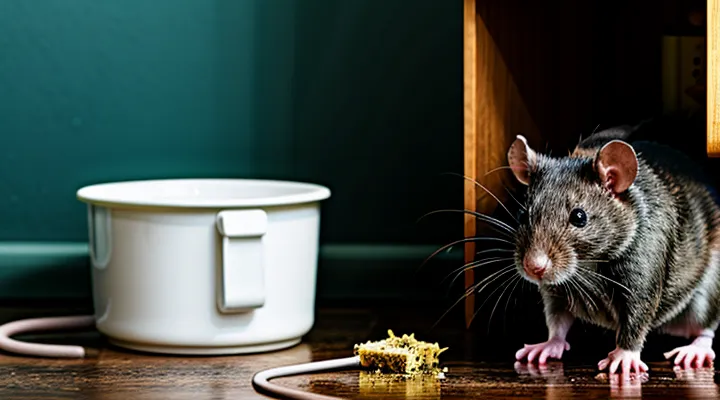
Understanding Rat Infestations
Identifying Rat Species
Common Urban Rats
Common urban rats consist primarily of the Norway rat (Rattus norvegicus) and the roof rat (Rattus rattus). The Norway rat prefers ground-level burrows, sewers, and basements; it measures 20‑25 cm in body length and weighs up to 500 g. The roof rat inhabits elevated structures such as attics, eaves, and roof spaces, is slimmer, and typically reaches 180 g. Both species exhibit nocturnal foraging, rapid reproduction (up to five litters per year), and an ability to exploit human food sources.
These rodents transmit pathogens, contaminate food, and damage wiring and insulation. Their presence creates a public‑health risk and economic loss, making targeted poisoning a common control strategy.
Effective rodent poisoning requires accurate species identification, placement of bait where rats travel, and dosage calibrated to body weight. Safety considerations include:
- Use anticoagulant baits formulated for rodents, avoiding products meant for larger mammals.
- Position bait stations in concealed locations inaccessible to children, pets, and non‑target wildlife.
- Apply the minimum effective amount per station; excess bait increases secondary poisoning risk.
- Label stations clearly with hazard warnings and keep records of deployment dates.
After bait placement, monitor activity with tracking powder or motion‑activated cameras. Replace depleted stations promptly and discontinue use once infestation signs subside. Proper documentation and adherence to local regulations ensure that poisoning remains a controlled, safe method for managing common urban rats.
Field Rats
Field rats (Rattus norvegicus and Rattus rattus) inhabit open fields, grain stores, and agricultural margins. Their diet consists primarily of seeds, insects, and plant material, which makes them attractive to bait formulations containing attractants such as wheat germ or peanut butter. Understanding their foraging patterns—typically active at dawn and dusk—allows placement of poison baits where rats are most likely to encounter them.
Effective poisoning requires substances with low secondary toxicity and rapid onset of action. Commonly used rodenticides for field environments include:
- Anticoagulants (warfarin‑type compounds) formulated in 0.025 % to 0.05 % concentrations; they disrupt blood clotting, leading to death within 3–7 days.
- Bromadiolone in 0.005 % to 0.02 % concentrations; a second‑generation anticoagulant with higher potency, suitable for resistant populations.
- Zinc phosphide pellets, 2 % to 3 % active ingredient; release phosphine gas upon ingestion, causing death within minutes.
Safety measures:
- Deploy baits in tamper‑proof stations that restrict access to non‑target species and children.
- Mark bait locations with warning signs and record coordinates for future monitoring.
- Rotate active ingredients every 6–12 months to prevent resistance buildup.
- Conduct post‑application surveys to verify mortality and remove uneaten bait promptly.
Environmental considerations include selecting biodegradable bait matrices, avoiding placement near water sources, and ensuring that dead rodents are disposed of according to local hazardous waste regulations. Proper documentation of bait type, concentration, and placement dates supports compliance with agricultural and wildlife protection statutes.
Signs of Rat Presence
Droppings and Urine Trails
Droppings and urine trails provide the most reliable indicators of active rat pathways. By locating fresh deposits, you can pinpoint the exact routes rats travel and the locations where bait will be most effective.
Identify recent deposits by examining the size, moisture, and odor. Fresh droppings appear dark, glossy, and retain a distinct smell; older ones are lighter and dry. Urine stains are visible as darkened surfaces or as a faint sheen on walls, floors, or piping.
Use the following procedure to incorporate these signs into a poisoning strategy:
- Trace the line of droppings from the source of infestation to the outermost point of activity. Mark the path with tape or chalk.
- Locate urine stains along the same route; these often indicate high‑traffic crossing points.
- Place anticoagulant or bromadiolone bait directly on the trail, ensuring it is concealed from non‑target animals but accessible to rats.
- Secure bait in tamper‑proof stations that can be positioned over the identified trail without exposing the poison to children or pets.
- Monitor the trail daily for new deposits, confirming bait consumption and adjusting placement as needed.
Accurate mapping of droppings and urine trails maximizes bait exposure while minimizing environmental risk. Continuous observation ensures the method remains effective and safe.
Gnaw Marks and Damage
The presence of gnaw marks on wiring, insulation, food containers, and structural elements signals active rodent activity and determines where bait should be positioned. Fresh incisors leave clean, shallow cuts; older damage shows ragged edges and frayed material. Identifying the location and severity of gnawing allows the operator to target high‑traffic zones while minimizing exposure to non‑target species.
When selecting a poisoning strategy, follow these steps:
- Survey all areas for gnaw marks; map each site on a simple diagram.
- Prioritize placements near fresh gnawing, as rats frequently revisit recent feeding paths.
- Use tamper‑resistant bait stations to prevent accidental contact by children or pets.
- Position stations at least 12 inches away from food preparation surfaces, water sources, and ventilation openings.
- Monitor stations daily; replace bait only after confirming consumption and remove any damaged material that could compromise safety.
Assessing the extent of damage informs the quantity of bait required. Light gnawing on a single pipe may need a single station, whereas extensive chewing on multiple conduits calls for several stations spaced evenly. Reducing the number of stations to the minimum necessary limits the risk of secondary poisoning while maintaining effective control.
Sounds and Sightings
Detecting rodent activity through auditory and visual cues is essential before applying any toxic bait. Rats emit high‑pitched squeaks, especially during nocturnal foraging, and produce rapid footfalls on hard surfaces. Persistent scratching noises from walls or ceilings indicate gnawing, while sudden, sharp thuds suggest movement through concealed passages. Monitoring these sounds with a digital recorder or a simple stethoscope can pinpoint active zones, allowing targeted bait placement and reducing unnecessary exposure.
Visible indicators complement acoustic data. Fresh droppings, approximately ¼‑inch long, dark and glossy, confirm recent presence. Gnaw marks on wood, plastic, or wiring reveal pathways and preferred routes. Grease trails left by whisker contact appear as faint, oily streaks along corners and baseboards. Accumulated urine stains, visible under ultraviolet light, highlight high‑traffic areas. Observing these signs during daylight inspections directs the selection of bait stations and informs the quantity of poison required for effective control.
When deploying bait, align placement with identified sound sources and sighting hotspots. Use tamper‑resistant containers positioned near active entry points, ensuring that non‑target species cannot access the poison. After deployment, continue auditory surveillance to verify reduced movement and visual checks for diminished droppings and gnaw marks. A decline in both sound frequency and sighting evidence confirms successful ingestion and allows safe removal of remaining bait.
Humane and Safe Rat Control Methods
Prevention Strategies
Sealing Entry Points
Sealing entry points prevents rats from accessing bait stations, reducing the likelihood of accidental exposure to non‑target animals and minimizing the amount of poison required. Effective exclusion begins with a systematic inspection of the building envelope.
- Identify gaps larger than ¼ inch around foundations, walls, doors, windows, utility penetrations, and vents.
- Use durable materials such as steel wool, copper mesh, or cement‑based sealants to close openings in masonry and concrete.
- Apply expanding polyurethane foam to irregular cracks, ensuring the foam is rated for pest exclusion.
- Install self‑closing door sweeps and weather‑stripping on all exterior doors.
After sealing, verify integrity by conducting a visual check and, if necessary, a smoke test to confirm that airflow is restricted. Maintain the barrier by inspecting for new damage after construction work, severe weather, or pest activity. Regular upkeep sustains a controlled environment where poison can be applied safely and efficiently.
Proper Food Storage
Proper food storage is essential for effective and safe rodent baiting. Secure containers prevent accidental exposure, maintain bait potency, and reduce unintended consumption by non‑target animals or humans.
Use airtight, lockable containers made of sturdy plastic or metal. Store baits in a cool, dry place away from direct sunlight. Keep containers at a temperature below 25 °C (77 °F) to preserve chemical stability. Label each container with the active ingredient, concentration, and hazard warnings.
- Choose containers with child‑proof seals.
- Separate bait from regular food supplies.
- Rotate stock regularly; discard any bait past its expiration date.
- Record inventory dates to track shelf life.
Maintain a log of storage conditions, including temperature checks and seal integrity inspections. Regular audits ensure compliance with safety regulations and support consistent bait effectiveness.
Yard Maintenance
Effective yard maintenance reduces the need for rodent poison and minimizes risk to non‑target animals. Regularly trim grass, remove debris, and keep vegetation away from building foundations. These actions eliminate shelter and foraging sites that attract rats.
Inspect the perimeter for gaps in fences, cracks in foundations, and openings around utility lines. Seal all entry points with metal flashing, concrete, or hardware cloth. A sealed perimeter prevents rodents from accessing the property and limits exposure to bait stations.
Store all rodenticides in locked containers, away from children and pets. Label containers clearly and keep them in a temperature‑controlled area. Use bait stations that lock automatically and allow only target species to enter. Place stations along walls, behind shrubs, and near known runways, never in open areas where wildlife may encounter them.
Maintain a clean environment by promptly disposing of fallen fruit, garden waste, and pet food. Use sealed compost bins and store feed in metal containers with tight lids. Reducing available food sources forces rats to seek bait, improving the efficiency of poisoning operations.
Checklist for safe yard preparation
- Mow lawn to a maximum height of 3 inches.
- Remove piles of wood, leaves, and mulch within 5 ft of structures.
- Repair cracks larger than ¼ inch in foundations and walls.
- Install rat‑proof barriers on vents and utility openings.
- Position locked bait stations at least 2 ft from non‑target habitats.
- Keep all poison containers locked and clearly labeled.
Consistent application of these maintenance practices creates a hostile environment for rats, reduces the quantity of poison required, and protects domestic animals and wildlife from accidental exposure.
Non-Toxic Baits and Traps
Live Traps and Relocation
Live traps provide a non‑chemical solution for removing rats while minimizing risk to humans, pets, and the environment. The device isolates the animal in a secure compartment, allowing safe transport to an appropriate release site. Proper use eliminates exposure to toxic substances and reduces secondary poisoning incidents.
Select a trap sized for the target species, preferably a sturdy, ventilated cage with a trigger mechanism that closes quickly. Position the trap along established runways, near food sources, or against walls where rats travel. Check the trap at least twice daily to prevent stress or injury to captured rodents.
When relocating a rat, follow these steps:
- Transport the trap to a location at least 5 kilometers from the original infestation area.
- Choose a habitat offering shelter, water, and natural food supplies, such as a wooded field or abandoned building.
- Release the animal gently, ensuring the door opens fully before stepping away.
- Record the release site and date for future reference and compliance with local wildlife regulations.
Adhering to these practices maintains control effectiveness while avoiding the hazards associated with poisonous baits.
Snap Traps and Disposal
Snap traps remain a reliable component of rodent control when used with poison baits. The trap’s spring mechanism quickly immobilizes the animal, preventing escape and reducing the risk of secondary contamination. Selecting a trap with a sturdy, insulated base prevents accidental contact with surfaces that could spread toxin residues.
When a poisoned rat is captured, immediate handling protects both the operator and the environment. Wear disposable gloves and, if possible, a protective apron. Place the trapped rodent in a sealed, puncture‑resistant container—such as a heavy‑wall plastic bag or a metal box with a tight lid. Label the container with a warning indicating the presence of poison.
Disposal follows a three‑step protocol:
- Containment – keep the sealed container isolated from food preparation areas and living spaces.
- Decontamination – clean the trap surface with a detergent solution, then rinse with water. Apply a disinfectant approved for toxic substances and allow it to air‑dry.
- Destruction – transport the sealed container to a licensed hazardous‑waste facility or, where permitted, place it in a municipal waste bin after double‑bagging and marking it as “poisoned animal.”
Regular inspection of traps ensures that no dead rodents remain unattended, which could attract scavengers and spread poison. Rotate trap placement to cover high‑traffic zones, and replace baits according to manufacturer guidelines to maintain efficacy.
Sticky Traps: Ethical Considerations
Sticky traps capture rats without chemical agents, relying on a coated surface that immobilizes the animal upon contact. The design eliminates the risk of secondary poisoning, but it introduces concerns about the animal’s welfare after capture.
- Prolonged immobilization can cause distress, dehydration, and injury before death.
- Lack of immediate euthanasia may conflict with humane‑kill standards required by many pest‑control regulations.
- Disposal of trapped rats often involves manual handling, raising occupational safety and disease‑transmission risks.
- Reuse of traps without thorough cleaning can spread pathogens between captures.
Ethical assessment requires balancing effectiveness against suffering. Acceptable practice includes using traps that cause rapid loss of consciousness, monitoring captured rodents at frequent intervals, and employing certified euthanasia methods once capture occurs. Documentation of trap checks and disposal procedures supports compliance with animal‑welfare guidelines and reduces legal liability.
Natural Repellents
Peppermint Oil and Other Scents
Peppermint oil serves as a potent olfactory deterrent in rodent control. Its volatile compounds overwhelm the rat’s sensory receptors, reducing the likelihood of entry into treated areas. When applied to surfaces, cotton pads, or incorporated into bait stations, the oil creates a hostile scent barrier without posing direct toxicity to non‑target species.
Effective use requires a concentration of 5‑10 % peppermint essential oil diluted in water or a carrier oil. Apply the solution to entry points, nesting sites, and along travel routes. Allow the scent to evaporate fully before sealing the area to prevent premature loss of potency. Avoid direct contact with food sources; the oil should remain isolated from consumable bait to prevent accidental ingestion by humans or pets.
Other aromatic agents demonstrate comparable repellent properties:
- Eucalyptus oil: strong menthol aroma, effective on wooden structures.
- Cinnamon oil: irritates nasal passages, suitable for indoor use.
- Clove oil: high phenolic content, deters nesting.
- Predator urine (fox, coyote): mimics natural threat cues, best applied on exterior perimeters.
- Ammonia solution: sharp vapour, useful for short‑term clearance of tunnels.
When integrating scents with toxic baits, maintain bait palatability by limiting the amount of oil to a thin coating. This approach masks the poison’s taste while preserving the lure’s attractiveness. Monitor bait consumption daily, replace saturated scent carriers, and ensure disposal follows local hazardous‑waste regulations.
Ultrasonic Devices
Ultrasonic devices emit high‑frequency sound waves that rodents cannot hear, creating an environment that discourages rats from nesting or foraging. The technology relies on transducers that convert electrical signals into acoustic energy, typically ranging from 20 kHz to 65 kHz. When installed correctly, the sound field covers a defined radius, usually 10–30 feet, and operates continuously or on a timed schedule.
Effectiveness depends on several variables: device placement, ambient noise levels, and the presence of obstacles that block sound propagation. Open spaces allow the ultrasonic field to spread uniformly, while cluttered areas may create dead zones where rats can avoid exposure. Regular inspection of the device’s power source and signal output ensures consistent performance.
When integrating ultrasonic devices into a broader rat‑poisoning strategy, observe the following safety and operational guidelines:
- Position units at least 12 inches off the floor and away from walls to prevent sound reflections that reduce coverage.
- Maintain a minimum distance of 6 inches from food storage or preparation surfaces to avoid unintended effects on non‑target species.
- Replace batteries or verify mains connections every six months; diminished power reduces frequency output.
- Conduct a preliminary trial for 48 hours, monitoring rat activity and adjusting device angles as needed.
Ultrasonic devices do not replace chemical baits but serve as a supplemental deterrent that lowers rat traffic in treated zones, reducing the likelihood of bait avoidance and enhancing overall control efficacy.
Predatory Animals as Deterrents
Predatory animals provide a practical layer of defense against rodent incursions, complementing chemical control strategies while reducing reliance on toxic substances. Species such as feral cats, barn owls, and certain mustelids naturally hunt rats, creating an environment that discourages settlement and reproduction.
- Ferrous‑clad feral cats establish territories that limit rat movement; regular health checks prevent disease transmission.
- Barn owls require nesting boxes positioned near fields or warehouses; they deliver high‑precision kills without contaminating food sources.
- European polecats and weasels excel in confined spaces like sheds; their scent alone can deter new entrants.
Effective deployment demands habitat preparation, including shelter, perches, and access to water. Monitoring predator activity through motion‑activated cameras ensures accountability and helps adjust placement. Integration with bait stations should consider timing; predators reduce bait consumption by lowering rat density, allowing lower toxin concentrations while maintaining efficacy.
Legal compliance varies by jurisdiction; most regions mandate permits for wildlife handling and restrict the introduction of non‑native species. Documentation of predator health, identification, and release locations satisfies regulatory requirements and supports ethical stewardship.
When combined with targeted, low‑dose anticoagulant baits, predatory presence amplifies overall control outcomes, shortens infestation periods, and minimizes secondary poisoning risks to non‑target fauna.
Chemical Rat Control: Safe Application
Choosing the Right Rodenticide
Anticoagulants: First and Second Generation
Anticoagulant rodenticides are divided into two generations that differ in chemical structure, potency, and resistance profile. First‑generation compounds, such as warfarin, diphacinone, and chlorophacinone, act by inhibiting vitamin K epoxide reductase, leading to depletion of clotting factors and fatal hemorrhage after several days of ingestion. Their delayed action reduces bait aversion, but many wild rat populations have developed genetic resistance, limiting effectiveness in long‑term control programs.
Second‑generation anticoagulants (SGARs) include brodifacoum, difenacoum, bromadiolone, and difethialone. These agents bind more tightly to the vitamin K cycle, require a single lethal dose, and retain activity against resistant strains. Their high lipid solubility results in prolonged tissue retention, increasing secondary poisoning risk for non‑target species. Proper placement of bait stations, use of tamper‑proof containers, and strict adherence to label‑specified application rates mitigate accidental exposure.
Key considerations for safe deployment:
- Identify target species and assess local resistance patterns before selecting a generation.
- Employ bait formulations with low palatability to non‑target wildlife (e.g., bittering agents).
- Monitor bait consumption and replace stations regularly to maintain potency.
- Record disposal of unused bait and contaminated materials according to regulatory guidelines.
Understanding the pharmacodynamics of each generation enables precise selection of an anticoagulant that balances efficacy against rat populations with minimized environmental impact.
Non-Anticoagulant Rodenticides
Non‑anticoagulant rodenticides provide an alternative to blood‑clotting agents for eliminating rats while reducing the risk of secondary poisoning. These compounds act through neurotoxicity, metabolic disruption, or gastric irritation, and are classified into several chemical families.
- Bromethalin interferes with mitochondrial function, causing rapid loss of nerve‑cell energy and paralysis.
- Zinc phosphide reacts with stomach acid to release phosphine gas, which collapses cellular respiration.
- Cholecalciferol (vitamin D₃) induces hypercalcemia, leading to kidney failure and cardiac arrest.
- Sodium fluoroacetate (1080) blocks the citric‑acid cycle, halting cellular ATP production.
Effective deployment requires precise dosing based on the target species’ weight, placement of baits in tamper‑proof stations, and exclusion of non‑target wildlife. Protective equipment—gloves, goggles, and respiratory masks—must be worn during handling, and any spills should be contained with absorbent material and disposed of according to hazardous‑waste regulations. Monitoring for bait consumption and verifying mortality within 24‑48 hours helps confirm efficacy and limits unnecessary exposure.
Resistance to anticoagulants has driven interest in these alternatives, but some rat populations exhibit reduced sensitivity to bromethalin or zinc phosphide. Rotating active ingredients and integrating mechanical controls, such as snap traps, sustain long‑term effectiveness. Environmental persistence varies; zinc phosphide degrades rapidly in soil, whereas bromethalin may linger and require post‑application testing of runoff.
Compliance with local pesticide statutes mandates registration of the specific formulation, labeling of active ingredients, and documentation of application dates. Record‑keeping supports regulatory audits and facilitates response to accidental ingestion incidents. By adhering to these protocols, practitioners can achieve reliable rat control while minimizing hazards to humans, pets, and ecosystem components.
Understanding Active Ingredients
Active ingredients are the chemical agents that cause lethal effects in rodents when delivered through bait. Their toxicity profiles, mode of action, and environmental behavior determine the efficacy and safety of any rodent‑control program.
- Anticoagulants (e.g., warfarin, bromadiolone, difenacoum) inhibit vitamin K recycling, leading to uncontrolled hemorrhage. First‑generation compounds require multiple feedings; second‑generation agents act after a single exposure.
- Neurotoxicants such as bromethalin disrupt mitochondrial function, producing rapid paralysis and death without blood loss.
- Metal phosphides (zinc phosphide, aluminum phosphide) generate phosphine gas in the stomach, causing cellular respiration failure.
- Calcium channel blockers (e.g., thallium carbonate) interfere with cardiac conduction, resulting in cardiac arrest.
Dosage recommendations are expressed in milligrams of active ingredient per kilogram of bait weight. Precise formulation ensures that a rat consumes a lethal dose while minimizing excess residues. Placement of bait stations in concealed, rodent‑only areas reduces non‑target exposure. Personal protective equipment and hand‑washing protocols are mandatory during handling and disposal.
Regulatory agencies classify each active ingredient according to toxicity class, permissible use, and required labeling. Monitoring for resistance, especially to anticoagulants, involves periodic laboratory testing of captured rodents. Rotating active ingredients or employing combination baits mitigates the development of tolerant populations.
Understanding the chemical properties, lethal thresholds, and regulatory constraints of active ingredients enables practitioners to select the most appropriate product for a given infestation, achieve rapid control, and maintain compliance with safety standards.
Safe Bait Placement
Protecting Children and Pets
When using rodent toxicants, the most reliable way to keep children and pets safe is to control exposure through strict handling, storage, and placement practices.
Store all poison formulations in a locked cabinet that is out of reach of anyone under 18 and of all animals. Use containers that are child‑resistant and clearly labeled with hazard symbols. Keep an inventory log that records the quantity, type, and date of acquisition; remove expired products promptly.
Apply bait only in locations inaccessible to non‑target species. Seal bait stations with tamper‑proof covers and place them behind appliances, inside wall voids, or within dedicated traps that require a small entry size. Avoid dispersing loose pellets on floors or countertops where accidental contact is likely.
Implement environmental barriers to reduce the chance of accidental ingestion:
- Install fencing or mesh around bait stations.
- Use motion‑activated deterrents to discourage pets from approaching.
- Maintain a clean indoor environment; promptly clean up any spilled bait with disposable gloves and seal waste in a labeled container.
When a poisoning incident is suspected, have emergency contact numbers for local poison control centers and veterinary services readily available. Keep the product’s safety data sheet (SDS) on hand to provide exact composition details to medical personnel.
Consider non‑chemical alternatives, such as snap traps or electronic devices, in areas where children and pets spend significant time. These methods eliminate the risk of secondary poisoning while still addressing the rodent problem.
Regularly educate household members about the dangers of rodent toxicants, emphasizing that bait is not a toy and must never be handled without supervision. Documentation of safety protocols and periodic reviews ensure that protective measures remain effective over time.
Using Bait Stations
Bait stations provide a contained environment for delivering rodenticides while minimizing exposure to non‑target species. The device consists of a sealed housing with entry slots sized for rats, a removable tray for the bait, and a lockable latch to prevent tampering. Proper placement, bait selection, and maintenance are essential for effectiveness and safety.
- Position stations along walls, behind appliances, and in dark corners where rodent activity is evident. Space devices 10–15 feet apart to create overlapping coverage.
- Use anticoagulant or acute‑acting formulations that comply with local regulations. Mix the poison with a palatable attractant such as grain, peanut butter, or dried fruit to encourage consumption.
- Secure each station with a tamper‑resistant latch and label it according to hazardous material guidelines. Record the installation date, product batch, and location for accountability.
- Inspect stations weekly. Replace depleted bait, remove damaged units, and document any signs of consumption or non‑target interference.
- Dispose of used bait and dead rodents following approved waste‑management protocols. Decontaminate the interior of the station with a mild detergent before reloading.
Adhering to these practices ensures that toxic bait remains confined to the intended target, reduces risk to pets and children, and supports a systematic approach to rat eradication.
Placement in Rat Pathways
Effective rodent control relies on precise bait placement along established rat routes. Identify high‑traffic zones by observing gnaw marks, droppings, and runways near walls, under appliances, and within concealed cavities. Position poison stations where rats travel unimpeded, typically at the midpoint of a pathway to maximize contact time.
- Locate the shortest, unobstructed segment of a runway.
- Secure bait in tamper‑proof containers to prevent non‑target exposure.
- Place stations low to the ground, no higher than 6 inches, matching the rat’s natural movement plane.
- Space stations 10–15 feet apart in linear corridors; increase density to 5 feet in heavily infested zones.
- Align stations perpendicular to the wall, allowing rats to approach from either side.
Maintain a clean environment around each station; remove competing food sources and debris that could divert attention. Inspect stations daily, replenish depleted bait, and record placement adjustments to track efficacy. Use gloves and protective equipment when handling poisons, and store unused material in locked containers away from children and pets. Continuous monitoring ensures the method remains safe and effective while minimizing unintended risks.
Disposal of Baits and Carcasses
Personal Protective Equipment
When handling rodent poisons, protective gear prevents skin absorption, inhalation, and accidental ingestion. Select equipment rated for chemical exposure; ensure it fits snugly and remains intact throughout the procedure.
- Nitrile or neoprene gloves, double‑layered if prolonged contact is expected.
- Full‑face safety goggles or a face shield to block splashes.
- Respiratory protection with an organic vapor cartridge; replace cartridges according to manufacturer guidelines.
- Disposable coveralls or lab coats made of impermeable material; seal cuffs and ankles with tape.
- Chemical‑resistant boots or shoe covers; keep footwear clean and free of residue.
Inspect each item before use. Replace damaged gloves, cracked goggles, or expired respirator filters. After application, remove PPE in a sequence that avoids contaminating clothing: gloves first, then goggles, followed by coveralls, and finally respirator. Decontaminate reusable gear with appropriate cleaning agents; discard single‑use items in sealed waste bags. Store all equipment in a dry, temperature‑controlled area to maintain integrity.
Adhering to these measures minimizes health risks and ensures compliance with safety regulations during toxic rodent control operations.
Safe Disposal Protocols
Effective disposal of rodent poison requires strict adherence to safety standards to protect humans, pets, and the environment. Use only containers approved for hazardous waste, seal them tightly, and label each with contents, concentration, and date of use. Store containers in a locked, ventilated area inaccessible to unauthorized personnel.
When a poisoned rat is recovered, handle the carcass with disposable gloves and a face shield. Place the animal in a double‑layered, puncture‑resistant bag, then seal the outer bag and place it inside a rigid, leak‑proof container. Dispose of the sealed package through a licensed hazardous waste disposal service; do not place it in regular trash or compost.
Key steps for compliant disposal:
- Equip personnel with PPE (gloves, goggles, protective clothing).
- Isolate the contaminated area to prevent cross‑contamination.
- Transfer the carcass to a double‑bag system, ensuring no leaks.
- Secure the outer container with tamper‑evident seals.
- Document the disposal event, including quantity of poison used and date.
- Submit the sealed package to an authorized hazardous waste collector within the regulatory timeframe.
Maintain records of all disposal activities for at least three years, and conduct periodic audits to verify compliance with local and federal regulations.
Preventing Secondary Poisoning
Effective rat poisoning requires measures that stop the toxin from harming non‑target animals. Primary risk arises when a poisoned rat is consumed by predators, scavengers, or pets, transferring the poison to secondary victims. Preventing this outcome protects wildlife, domestic animals, and public health.
Select bait stations that restrict access to rats only. Use tamper‑proof containers with entry holes sized for rodents. Position stations away from feeding areas of birds, cats, dogs, and wildlife. Ensure stations are mounted at least 12 inches above ground to deter ground‑dwelling scavengers.
Implement the following practices:
- Deploy anticoagulant baits with low secondary toxicity, such as diphacinone or bromadiolone, in accordance with label limits.
- Apply bait in limited, monitored quantities; remove excess after 24–48 hours.
- Conduct regular inspections to confirm bait consumption by rats and to replace depleted stations promptly.
- Install motion‑activated cameras or tracking devices to verify target species interaction and to detect unintended access.
- Provide alternative food sources for pets and wildlife near the treatment area to reduce the likelihood of bait ingestion.
Maintain detailed records of bait type, placement dates, and observed rodent activity. Promptly report any incidents of secondary poisoning to local veterinary or wildlife authorities. Continuous documentation supports compliance with regulatory standards and facilitates rapid response if non‑target exposure occurs.
Post-Extermination Measures
Cleaning and Sanitization
Disinfecting Contaminated Areas
After applying rodent toxicants, residues and bodily fluids often contaminate surfaces. Immediate decontamination prevents secondary exposure, limits odor that could attract other pests, and protects humans and domestic animals from accidental ingestion.
Key actions for effective area sanitation:
- Remove dead rodents and visible debris with disposable gloves; place material in sealed bags for disposal according to local hazardous waste regulations.
- Saturate the affected zone with an EPA‑approved disinfectant capable of neutralizing anticoagulant residues; follow manufacturer contact time.
- Rinse surfaces with clean water if the disinfectant label permits, then dry thoroughly to inhibit mold growth.
- Dispose of cleaning tools (mops, sponges) in sealed containers; consider single‑use items for high‑risk locations.
- Document the cleaning process, noting chemicals used, concentrations, and exposure times for compliance audits.
Proper disinfection restores safety, reduces the likelihood of accidental poison transfer, and maintains the integrity of the environment where rodent control measures have been implemented.
Odor Removal
Effective odor control is essential when employing lethal rodent control to prevent detection and maintain a safe environment.
After applying a poisoned bait, the primary sources of odor are the carcass, spilled bait, and any contaminated surfaces. Prompt removal of the carcass eliminates the most potent smell. Use thick, disposable gloves and place the dead rodent in a sealed, double‑layered plastic bag. Discard the bag according to local hazardous‑waste regulations.
Spilled bait should be collected with a scoop or paper towel, then enclosed in a sealable container. Adding a small amount of activated charcoal to the container absorbs volatile compounds.
For residual odors on floors, countertops, or equipment, apply one of the following agents:
- Baking soda: Sprinkle, let sit for 10 minutes, then vacuum or wipe clean.
- White vinegar: Dilute 1:1 with water, spray, and allow to air‑dry.
- Enzymatic cleaner: Follow manufacturer’s dilution rate, apply, and let the enzymatic action break down odor molecules.
Ventilation accelerates odor dispersion. Open windows and use fans to direct airflow outward. If the area is enclosed, run an exhaust fan for at least 30 minutes after cleanup.
Seal all waste containers with tape to prevent leakage. Store them in a locked, well‑ventilated cabinet until disposal.
Regular inspection of bait stations and immediate cleanup of any spills maintain low odor levels throughout the control operation.
Monitoring for Re-infestation
Regular Inspections
Regular inspections are essential for maintaining a safe and effective rodent‑poisoning program. They confirm that bait stations remain functional, that poison is fresh, and that no unintended exposure has occurred.
During each inspection, verify the following items:
- Station integrity: Check locks, seals, and structural condition; replace damaged components immediately.
- Bait condition: Ensure poison is within its expiration date, free of moisture, and not fragmented.
- Placement accuracy: Confirm stations are positioned according to the established layout, away from non‑target animals and human activity zones.
- Residue assessment: Look for spilled bait or dust; clean and re‑seal any affected stations.
- Target evidence: Record signs of rat activity (droppings, gnaw marks) to gauge bait effectiveness.
- Safety signage: Ensure warning labels are visible and legible at all times.
Inspections should occur at least once weekly in high‑risk areas and bi‑weekly elsewhere. Document findings in a standardized log, noting date, inspector, observations, and corrective actions taken. Promptly address any deviations to prevent loss of efficacy or accidental poisoning.
Consistent monitoring sustains the reliability of the poisoning strategy, minimizes hazards, and provides data for optimizing bait placement and dosage.
Maintenance of Control Measures
Effective rodent control relies on continuous upkeep of all deployed measures. Regular inspection, timely replenishment, and accurate documentation prevent gaps that allow rats to repopulate.
- Check bait stations at least once daily. Verify that each container remains sealed, bait is intact, and no non‑target animals have accessed the product.
- Replace degraded or exhausted bait promptly. Use the same concentration and formulation to maintain consistent efficacy.
- Record date, location, and quantity of bait applied in a logbook. Note any signs of activity, such as droppings or gnaw marks, to adjust placement density.
Sanitize equipment after each refill. Remove residue with a detergent solution, rinse thoroughly, and allow to dry before resealing. Dispose of used bait and contaminated materials in accordance with local hazardous‑waste regulations; never discard in regular trash.
Monitor the environment for secondary indicators of success. A decline in sightings, reduced damage to structures, and diminished gnaw marks confirm that control measures remain effective. If activity persists, reassess station placement, increase bait concentration within legal limits, or integrate additional methods such as exclusion or trapping.
Consistent maintenance eliminates the need for emergency escalation and ensures that poisoning remains a safe, controlled, and reliable component of an overall rat‑management program.