
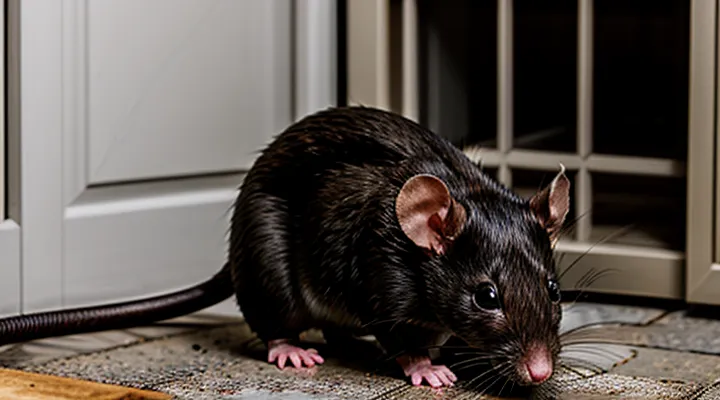
Understanding the Rat Problem
Identifying Signs of a Rat Infestation
Droppings and Urine Stains
Droppings and urine stains constitute the most visible evidence of a rat infestation and pose significant health hazards. Fresh feces appear as small, dark pellets about one‑half inch long; older droppings may turn brown and crumble easily. Urine leaves yellowish or amber stains on surfaces, often accompanied by a strong ammonia odor.
Health risks stem from pathogens carried in rodent waste, including hantavirus, leptospirosis, and salmonella. Inhalation of dried droppings or aerosolized urine particles can trigger respiratory illness. Direct contact may cause skin irritation or gastrointestinal infection.
Effective removal requires a systematic approach:
- Wear disposable gloves, a N‑95 respirator, and protective eyewear.
- Ventilate the area for at least 30 minutes before beginning cleanup.
- Collect solid droppings with a damp paper towel; place waste in a sealed plastic bag.
- Apply an enzymatic cleaner to urine‑stained fabrics or hard surfaces; allow the solution to soak for the manufacturer‑specified dwell time.
- Rinse with hot water, then dry thoroughly to prevent moisture accumulation.
- Dispose of cleaning materials in a sealed container and wash hands immediately after removal.
After decontamination, seal entry points and eliminate food sources to deter future activity. Regular inspection of hidden spaces—under appliances, inside wall cavities, and within attic insulation—facilitates early detection and prevents re‑contamination.
Gnaw Marks and Damage
Rats leave distinctive gnaw marks on wood, plastic, wiring, and insulation. The bite size usually matches the animal’s incisors, producing clean, straight cuts that may expose the underlying material. Such damage compromises structural integrity, creates fire hazards by exposing live wires, and provides additional entry points for further infestation.
Identifying gnaw damage quickly prevents escalation. Look for:
- Parallel bite marks on beams, baseboards, or cabinets.
- Shredded insulation or exposed copper wiring.
- Chewed holes around pipe penetrations, vent ducts, or utility conduits.
- Frayed cords or broken plastic fittings near food storage areas.
Repair and sealing eliminate the pathways rats use to access the interior. Effective measures include:
- Remove all gnawed sections and replace with intact material.
- Apply stainless‑steel mesh or cement‑based sealant to close holes larger than ¼ inch.
- Install metal conduit or protective sleeves over vulnerable wiring.
- Use rodent‑proof hardware cloth around openings for pipes and vents.
Addressing gnaw marks restores barriers, reduces the risk of secondary damage, and removes the conditions that enable a persistent rodent presence.
Unusual Noises
Unusual sounds within walls, ceilings, or flooring often reveal hidden rodent activity. Recognizing these acoustic clues enables swift intervention, reducing the likelihood of a persistent infestation.
Typical auditory signs include:
- Scratching or gnawing on structural timber, especially at night.
- Scurrying or pattering on insulation or ductwork.
- High‑pitched squeaks emitted when rats are startled.
- Soft thumping when they move through ceiling joists.
Each noise corresponds to specific behavior. Scratching indicates nesting or food storage; scurrying suggests travel routes; squeaks appear during defensive encounters; thumping marks movement through confined spaces. Identifying the pattern narrows the search area and informs placement of traps or bait stations.
Verification steps:
- Isolate the sound source by listening from multiple rooms while the house is quiet.
- Use a handheld recorder or smartphone app to capture the noise for analysis.
- Inspect visible entry points, gaps, and burrow signs near the identified zone.
- Deploy motion‑activated cameras or infrared detectors to confirm rodent presence.
Once activity is confirmed, implement permanent control measures:
- Seal all openings larger than ¼ inch with steel wool and cement.
- Install snap traps or electronic devices at confirmed pathways.
- Apply rodent‑specific bait in tamper‑proof stations, following safety guidelines.
- Maintain a clean environment by removing food residues and clutter that attract rodents.
Monitoring after treatment should continue for several weeks. Persistent or recurring noises indicate incomplete eradication and necessitate repeat inspection and additional trapping. Consistent attention to acoustic evidence ensures lasting removal of rats from a private residence.
Sightings of Live or Dead Rats
Observing live or dead rodents inside a residence provides direct evidence of an active infestation and should trigger immediate response measures.
A live rat sighting confirms that shelter, food, or water sources are accessible. The presence of a dead rat indicates that the population is large enough to experience internal competition or exposure to traps and poisons, confirming that control efforts have reached a critical point.
When a rat is seen, follow these steps:
- Record the exact location, time, and condition (alive, injured, dead).
- Photograph the evidence for future reference and for communication with pest‑management professionals.
- Seal any openings within a two‑meter radius of the sighting; use steel wool, caulk, or metal flashing to block entry points.
- Remove food sources: store pantry items in airtight containers, clean crumbs, and secure pet food.
- Eliminate water sources by fixing leaks and drying damp areas.
If a dead rat is found, additional precautions are required:
- Wear disposable gloves and a mask before handling the carcass.
- Dispose of the body in a sealed plastic bag, placed in a locked trash container for municipal pickup.
- Disinfect the surrounding area with a solution of 1 % bleach or a commercial rodent‑borne pathogen sanitizer.
- Inspect nearby walls, insulation, and crawl spaces for additional droppings or gnaw marks, which may signal hidden activity.
Documenting each sighting creates a timeline that helps identify patterns, assess the effectiveness of interventions, and guide the selection of targeted control methods. Prompt, systematic action after any rat observation significantly reduces the likelihood of re‑infestation and moves the household toward long‑term rodent exclusion.
Rat Nests and Burrows
Rat nests consist of shredded material, insulation, and food debris, while burrows are tunnels dug into walls, foundations, or soil. Both structures provide shelter, breeding sites, and pathways for movement, making them central to any successful eradication effort.
Identifying active nests and burrows requires observation of specific indicators:
- Gnaw marks on wood, plastic, or wiring.
- Fresh droppings, typically dark and pellet‑shaped, clustered near food sources.
- Grease or urine stains along walls and baseboards.
- Loose or displaced insulation, shredded paper, or fabric.
- Audible rustling sounds within walls or ceilings, especially at night.
Eliminating these habitats involves a systematic approach:
- Seal all entry points larger than a quarter‑inch using steel wool, metal mesh, or caulk to prevent re‑entry.
- Remove nesting material by vacuuming or disposing of contaminated insulation, fabric, and debris in sealed bags.
- Apply rodent‑specific bait or traps directly within discovered tunnels, ensuring placement along established runways.
- Use non‑toxic repellents, such as concentrated peppermint oil or ultrasonic devices, to discourage re‑colonization while permanent barriers take effect.
- Repair structural damage, reinforcing foundations, walls, and crawl spaces to eliminate future burrowing opportunities.
Sustained control depends on regular monitoring and sanitation:
- Conduct monthly inspections of potential nesting zones.
- Maintain a clean environment by storing food in airtight containers and promptly cleaning spills.
- Keep vegetation trimmed away from the building’s exterior to reduce cover for outdoor burrowing.
By targeting nests and burrows with precise identification, thorough removal, and ongoing preventive measures, homeowners can achieve lasting rat‑free conditions.
Understanding Rat Behavior and Biology
Rat Species Common in Homes
Rats that regularly invade private residences belong to a limited number of species, each with distinct habits that affect control strategies.
-
Norway rat (Rattus norvegicus) – Large, sturdy, prefers ground-level burrows, thrives in basements, crawl spaces, and near sewer lines. Recognizable by a blunt tail, brownish fur, and a head‑to‑body length of 20–25 cm. Frequently leaves droppings 1–2 cm long, gnaw marks on wood and plastic, and greasy footprints along walls.
-
Roof rat (Rattus rattus) – Smaller, agile, tail longer than the body, favors elevated locations such as attics, rafters, and roof voids. Typically found in warm, humid climates and near fruiting trees or stored grains. Signs include fine droppings 0.5–1 cm long, nests made of shredded paper or insulation, and gnawing on electrical wiring.
-
Black rat (Rattus rattus, variant) – Similar to roof rat but darker coat, often associated with older structures and historic homes. Shares the same vertical preferences and produces comparable evidence of activity.
-
Polynesian rat (Rattus exulans) – Rare in most domestic settings but may appear in coastal or island properties. Small size, brownish fur, and a tendency to occupy both ground and low‑level structures.
Understanding the specific species present informs the placement of traps, selection of bait, and timing of interventions, thereby increasing the likelihood of a lasting resolution.
Reproduction Rates and Lifespan
Rats reproduce quickly, making population growth a primary obstacle to lasting control. A female Norway rat (Rattus norvegicus) reaches sexual maturity at 5–6 weeks, can breed year‑round in indoor environments, and produces a litter every 21–23 days. Typical litters contain 6–12 pups; under optimal conditions a single female may generate 5–6 litters annually, resulting in more than 70 offspring per year.
- Sexual maturity: 5–6 weeks
- Gestation period: 21–23 days
- Litter size: 6–12 pups
- Breeding frequency: roughly every 3 weeks
- Annual offspring per female: 70 +
In a private residence, rats often live 1–2 years, with most mortality occurring before the third year due to predation, disease, or starvation. Indoor conditions—steady food supply, shelter, and stable temperature—extend survival toward the upper range, allowing multiple breeding cycles before death.
Rapid reproduction combined with a relatively long indoor lifespan creates a self‑sustaining infestation unless interventions interrupt the cycle. Effective eradication strategies must:
- Eliminate food sources to reduce breeding incentives.
- Seal entry points to prevent new individuals from joining the colony.
- Apply rodenticides or traps promptly after detection to remove breeding adults before they complete additional litters.
Understanding these biological parameters enables precise timing of control measures, ensuring that each generation is suppressed before it can replace the previous one, thereby achieving permanent removal of rats from the home.
Food and Water Preferences
Rats are attracted to specific food types and water sources, and recognizing these preferences is essential for lasting eradication in a residence. Their diet consists primarily of grains, seeds, nuts, and processed carbohydrates; they also seek protein from meat scraps, pet food, and insects. Sweet items such as fruit, candy, and syrups are highly appealing, while oily or fatty residues can draw them into hidden corners. Moisture is a critical factor: rats favor fresh water, damp surfaces, and condensation on pipes, as well as standing liquid from kitchen spillage, pet water bowls, and leaky appliances.
Key preferences to address:
- Grains, cereals, and dried pet food left uncovered
- Fruit, sweets, and any sugary residues on countertops
- Meat scraps, fish bones, and discarded poultry
- Fresh water in open containers or pet dishes
- Damp areas under sinks, behind appliances, and in basements
- Condensation on cold surfaces and leaking pipes
Eliminating access to these items—securing food in airtight containers, promptly cleaning spills, repairing leaks, and removing standing water—removes the primary incentives that sustain rat populations, supporting a permanent solution.
Entry Points and Hiding Places
Rats gain access to a residence through gaps, cracks, and openings that connect the interior to the exterior environment. Typical ingress routes include:
- Gaps around utility pipes, cables, and wiring penetrations
- Unsealed cracks in foundation walls, sill plates, and stairwells
- Openings beneath doors, windows, and garage doors
- Damaged or missing screens on vents, chimneys, and attic fans
- Roof eaves, soffits, and damaged shingles that expose the attic space
- Uncovered garbage bins, compost containers, and pet food stations
Once inside, rodents seek concealed locations that provide shelter, warmth, and proximity to food sources. Common concealment areas are:
- Insulation within walls, ceilings, and crawl spaces
- Stored items such as cardboard boxes, clothing, and seasonal décor placed against walls
- Cluttered basements, garages, and sheds where debris accumulates
- Behind appliances, especially refrigerators, stoves, and dishwashers
- Under floorboards, in joist cavities, and within hollow furniture legs
- Overhead structures like attic insulation and roof voids
Identifying and sealing each entry point, then eliminating potential hiding spots, creates a hostile environment that prevents re‑infestation and supports long‑term eradication.
Comprehensive Rat Exclusion Strategies
Inspecting Your Home for Entry Points
Exterior Inspection
A thorough exterior inspection forms the first line of defense against persistent rodent infestations in a residence. Identify all potential entry points by walking the perimeter and noting gaps larger than ¼ inch in walls, foundations, doors, windows, and utility openings. Examine the roofline for damaged eaves, missing shingles, or overhanging branches that provide shelter. Inspect vents, chimney caps, and crawl‑space vents for missing screens or deteriorated hardware. Check the exterior for signs of activity: gnaw marks on wood or plastic, droppings near trash cans, and fresh burrows in soil or mulch.
Key actions during the inspection:
- Seal cracks and holes with steel wool, copper mesh, or cement‑based sealant; avoid materials rats can chew through, such as soft caulk or wood shims.
- Install heavy‑duty metal flashing around door frames and utility penetrations.
- Repair or replace damaged siding, soffits, and fascia boards that create gaps.
- Trim vegetation to maintain a clear zone of at least three feet between plants and the building envelope.
- Ensure all trash receptacles have tight‑fitting lids and are positioned away from the structure.
- Fit vent covers and chimney caps with rat‑proof screens or mesh.
Document each finding with photos and a list of remedial tasks. Prioritize repairs that address the most accessible routes, typically gaps near the foundation and entry points for utilities. Completing these measures eliminates the primary pathways rats use to enter, establishing a solid barrier that supports long‑term control efforts inside the home.
Interior Inspection
A thorough interior inspection is essential for lasting rat control in a residence. Begin by identifying evidence of activity: droppings, gnaw marks, urine stains, and shredded materials. Focus on hidden areas where rats prefer darkness and proximity to food sources.
- Inspect walls, baseboards, and ceiling joists for small holes (¼‑½ in.) and cracks. Seal openings with steel wool and caulk or use metal flashing for larger gaps.
- Examine kitchen cabinets, pantry shelves, and behind appliances. Remove debris, clean spills, and store dry goods in airtight containers.
- Check utility rooms, laundry areas, and crawl spaces for exposed wiring, insulation, and vent openings. Repair damaged insulation and install mesh screens over vents.
- Review bathroom and bathroom cabinets for moisture accumulation. Eliminate standing water and repair leaks that attract rodents.
- Survey storage closets, garages, and basement corners for clutter. Keep items off the floor, use sealed bins, and maintain a tidy environment.
Document each finding, noting location, size of entry points, and severity of infestation. Prioritize repairs that block access routes, then implement sanitation measures to remove attractants. A systematic interior audit, followed by immediate remediation, creates an environment where rats cannot survive, supporting permanent eradication efforts.
Sealing All Entry Points
Repairing Foundation Cracks
Rats gain entry to a house through gaps in the foundation. Cracks in concrete or masonry create direct pathways to interior spaces, allowing rodents to travel from soil to living areas. Sealing these openings removes a primary route of infestation and supports long‑term exclusion.
The repair process consists of several precise actions:
- Inspection – Walk the perimeter, locate all visible fissures, and probe suspicious areas with a screwdriver or a wire to assess depth.
- Cleaning – Remove loose debris, dust, and vegetation from each crack. Use a wire brush and a vacuum to ensure a clean surface for bonding.
- Preparation – Apply a moisture‑resistant primer to the crack edges if the substrate is porous. This improves adhesion of the sealing material.
- Filling – For narrow fissures (up to ¼ inch), inject polyurethane foam sealant. For wider openings, pack hydraulic cement or a polymer‑modified mortar in layers, compacting each layer to eliminate voids.
- Curing – Allow the material to set according to manufacturer specifications, typically 24–48 hours for hydraulic cement and 6–8 hours for polymer mortar. Keep the area dry during this period.
- Verification – After curing, test the repaired spot with a thin wire or a flashlight to confirm that no gaps remain. Repeat the process for any missed cracks.
Regular monitoring of the foundation prevents new damage. After severe weather or settlement, repeat the inspection and address any emerging fissures promptly. Maintaining an intact foundation reduces the likelihood of rodents re‑entering, thereby sustaining a rat‑free environment in the home.
Sealing Gaps Around Pipes and Wires
Sealing gaps around pipes and wires removes the primary entry points that rodents use to infiltrate a residence. Identify all openings where plumbing, electrical conduits, and cable bundles pass through walls, floors, and foundations. Use a flashlight and a mirror to inspect hidden areas behind appliances, under sinks, and in crawl spaces.
Apply the following materials according to the size and location of each gap:
- Steel wool or copper mesh for openings larger than a quarter‑inch; it resists gnawing.
- Expanding polyurethane foam for irregular gaps up to two inches; choose a rodent‑resistant formulation.
- Cement‑based caulk for cracks in masonry or concrete; smooth it flush with the surface.
- Silicone sealant for small holes around fixtures; ensure a continuous, airtight bead.
Secure the filler material with a sturdy backing, such as metal flashing or a strip of plywood, to prevent rats from pushing the seal away. After the sealant cures, verify the integrity by probing with a thin probe; any movement indicates a need for reinforcement.
Maintain the barrier by inspecting it quarterly, especially after renovations or severe weather. Replace damaged sections promptly to preserve a continuous defense against future infestations.
Installing Mesh on Vents and Chimneys
Installing a metal mesh on all ventilation openings and chimney flues creates a physical barrier that prevents rats from entering the interior of a residence. The mesh must be made of stainless steel or galvanized wire with a minimum aperture of ¼ inch; larger gaps allow rodents to squeeze through, while smaller openings impede airflow and can cause condensation problems.
The installation process follows these steps:
- Measure each vent and chimney opening accurately, accounting for any irregular shapes.
- Cut the mesh to size, leaving a 1‑inch excess on all sides to allow secure fastening.
- Secure the mesh with heavy‑duty stainless‑steel screws or self‑tapping bolts, ensuring the fasteners are spaced no more than 2 inches apart.
- Seal the perimeter with a high‑temperature silicone sealant to eliminate any remaining gaps.
- Inspect the completed barrier for sharp edges or loose sections that could be exploited by rodents.
Regular inspection is essential. Check for corrosion, displacement, or damage after severe weather, and replace compromised sections promptly. Maintaining an intact mesh system significantly reduces the likelihood of rat intrusion, complementing other control measures such as proper food storage and waste management.
Securing Doors and Windows
Securing doors and windows eliminates the most common entry points for rodents, creating a physical barrier that prevents intrusion.
Begin by inspecting all openings. Look for cracks, gaps around frames, and worn weatherstripping. Measure each opening to determine the size of material required for sealing.
Select durable, rodent‑proof materials. Heavy‑duty steel mesh (¼‑inch wire) resists chewing and can be fastened with stainless‑steel screws. Expandable foam sealant fills irregular gaps but should be applied in thin layers to avoid creating voids that rats can exploit. For sliding doors, install brush seals along the track edges. Hinges must be equipped with tight‑closing mechanisms to eliminate gaps when the door is shut.
- Close all exterior doors; verify that latches sit flush with the frame.
- Apply steel mesh to ventilation openings, ensuring an overlap of at least 2 inches on each side.
- Replace damaged weatherstripping with silicone or rubber profiles that compress fully when closed.
- Fit door sweeps on the bottom edge of each door; adjust until no space remains between floor and sweep.
- Install security screens on windows; secure them with reinforced brackets and verify that they close tightly.
Perform a quarterly audit of all sealed points. Replace any material that shows wear, rust, or displacement. Maintaining a tight envelope around the home reduces the likelihood of re‑infestation and supports long‑term rodent exclusion.
Effective Rat Eradication Methods
Trapping Methods
Snap Traps
Snap traps deliver rapid, lethal control of rats without reliance on chemicals. Their mechanical design eliminates the need for ongoing bait replacement, making them suitable for long‑term infestation management inside a dwelling.
- Choose traps sized for Norway or roof rats; a 4‑inch trigger plate accommodates larger specimens.
- Select models with a sturdy spring mechanism rated for at least 20 lb of force to ensure clean kills.
- Position traps along established runways: behind appliances, beneath cabinets, and near wall junctions where droppings or gnaw marks appear.
- Set traps using the provided wire or plastic arm; avoid excessive tension that may cause premature release.
- Bait with a small amount of high‑fat food such as peanut butter or bacon, placed directly on the trigger plate to attract wary rodents.
After placement, monitor traps daily. Remove captured rats promptly, wearing disposable gloves, and dispose of them in sealed bags. Clean each trap with hot, soapy water to prevent scent buildup that could deter further activity. Re‑bait and reset traps until no new captures occur for at least three consecutive nights; this indicates that the local population has been effectively reduced.
Safety considerations include keeping traps out of reach of children and pets, securing the spring arm with a lockable cover when not in use, and storing unused traps in a locked cabinet. Proper handling prevents accidental activation and ensures the method remains a reliable component of a comprehensive rat‑elimination strategy for private homes.
Live Traps
Live traps provide a humane method for removing rats from a residence while allowing owners to relocate captured animals away from the property. The devices consist of a cage with a trigger mechanism that closes the door when the rodent enters to reach bait. Because the animal remains alive, the trap eliminates the need for poisons and reduces the risk of secondary poisoning.
Key considerations when selecting live traps include:
- Size: Choose a cage that accommodates adult rats (minimum interior dimensions 10 × 6 × 6 inches).
- Material: Stainless steel or heavy‑gauge wire prevents chewing and ensures durability.
- Trigger sensitivity: Adjustable levers allow fine‑tuning to respond to the weight of a rat without false closures.
- Secure lock: A latch that cannot be opened by the captured animal ensures containment until release.
Effective placement maximizes capture rates:
- Identify active runways by observing droppings, gnaw marks, and grease trails.
- Position traps perpendicular to walls, with the entry side facing the runway.
- Set bait such as peanut butter, dried fruit, or small pieces of meat on the trigger platform.
- Keep traps at least 12 inches off the floor to avoid interference from debris.
Monitoring and handling procedures:
- Check traps at least twice daily to prevent stress or dehydration of captured rats.
- Wear thick gloves when transporting cages to avoid bites.
- Release animals at least 2 miles from the home, preferably in a wooded area with sufficient shelter and food sources.
- Clean and disinfect cages after each use to eliminate scent trails that could deter future captures.
Integrating live traps with other control measures enhances long‑term success. Seal entry points, eliminate food sources, and maintain a tidy environment to reduce attractants. Regular inspection of trap locations and prompt removal of captured rodents prevent reinfestation and support a sustainable, rat‑free household.
Electronic Traps
Electronic traps deliver a high‑voltage shock that kills rodents instantly. The device consists of a baited chamber, a power source (usually a rechargeable battery or mains connection), and a circuit that detects the presence of a rat through a conductive bridge. When the animal enters and contacts the electrodes, the circuit releases a lethal pulse, ensuring immediate death and preventing disease transmission.
Key operational points:
- Power requirements: Choose a model with a reliable battery life of at least 12 months or a plug‑in option for continuous operation.
- Bait selection: Use a small amount of attractive food (peanut butter, dried fruit) to lure rats without contaminating the trap interior.
- Placement: Install traps along walls, behind appliances, and near known runways; rats prefer to travel close to surfaces.
- Safety features: Opt for units with insulated housing and a child‑proof lock to avoid accidental contact.
- Maintenance: Empty the carcass compartment weekly, clean the interior with a mild disinfectant, and test the voltage indicator before each refill.
Effectiveness stems from the rapid kill mechanism, which eliminates the need for repeated handling of live captures. Electronic traps also avoid the odor and mess associated with glue boards or snap traps, making them suitable for occupied residences. However, they do not address underlying attractants such as food waste or structural entry points. For permanent resolution, integrate electronic devices with sanitation measures, sealing of cracks, and regular inspections.
Cost considerations include the upfront price of the unit (typically $30‑$80) and the long‑term expense of batteries or electricity. Models with a warranty and replaceable electrode plates extend service life and reduce recurring costs. Selecting a reputable brand that provides clear voltage specifications and a documented kill rate ensures reliable performance in a home environment.
Placement Strategies for Traps
Effective trap placement determines the success of long‑term rat control in a residence. Identify all potential travel routes and concentrate devices where rodents must pass.
- Locate traps near walls, as rats prefer to move parallel to surfaces.
- Position devices at the junction of walls and ceilings, a common crossing point.
- Install traps within 12–18 inches of known gnaw marks, droppings, or nesting material.
- Place baited stations directly opposite entry points such as doors, windows, and utility openings.
- Deploy multiple traps in a “line” configuration along a corridor, spacing each 2–3 ft apart to cover the full width of the pathway.
- Use corner placements where two walls meet, creating a natural funnel.
- Avoid locations with heavy foot traffic or pet activity to reduce interference.
Maintain a consistent layout by checking trap locations weekly, moving any unused devices to newly identified hotspots, and ensuring baits remain fresh. This systematic approach maximizes capture rates and supports permanent rat elimination in the household.
Baits and Bait Stations
Types of Rat Baits
Rat baits fall into two primary categories: anticoagulant and non‑anticoagulant. Each class contains specific formulations that differ in active ingredient, mode of action, and regulatory restrictions.
- First‑generation anticoagulants (warfarin, chlorophacinone): require multiple feedings, effective against low‑level infestations, limited by resistance development.
- Second‑generation anticoagulants (bromadiolone, brodifacoum, difethialone): single‑dose lethal, higher potency, widely used for established colonies, subject to stricter placement rules.
- Metal phosphides (zinc phosphide, aluminum phosphide): release phosphine gas after ingestion, rapid action, suitable for outdoor perimeters, unsuitable for indoor use due to odor concerns.
- Vitamin D3 analogs (cholecalciferol): disrupt calcium metabolism, slower onset, low secondary poisoning risk, approved for indoor deployment in many jurisdictions.
- Bromethalin: neurotoxic compound causing fatal edema, single‑dose efficacy, limited resistance reports, requires careful handling to prevent non‑target exposure.
Selection depends on infestation severity, local resistance patterns, and safety considerations. Anticoagulant baits demand secure placement to avoid accidental ingestion by children or pets; bait stations with lockable lids meet this requirement. Non‑anticoagulant options provide alternatives when anticoagulant resistance is documented or when regulations restrict their use. Proper rotation of active ingredients reduces the chance of resistance buildup and enhances long‑term control.
Safe Placement of Bait Stations
Place bait stations where rats are most active while keeping them out of reach of children and pets. Install units near walls, behind appliances, in cupboards, and along known runways. Position stations 1–2 feet off the floor to prevent accidental contact and to discourage non‑target animals.
- Choose dry, sheltered spots; avoid direct sunlight, rain, or extreme temperatures that could degrade the poison.
- Secure stations to a solid surface with screws or brackets to prevent tipping.
- Ensure each unit is at least three feet from food preparation areas, children’s play zones, and pet feeding stations.
- Install a minimum of two stations per identified activity zone, spaced 10–15 feet apart to cover the full foraging range.
Before placement, inspect the area for gaps or cracks that allow rodent entry. Seal openings with steel wool, caulk, or metal flashing to force rats toward the bait. After installation, monitor stations weekly for consumption and replace depleted units promptly. Maintain a log of locations, dates of service, and observed activity to track effectiveness and adjust placement as needed.
Risks and Precautions with Baits
Bait stations present the most efficient means of controlling rodent populations, yet they carry inherent hazards that demand careful management. Direct contact with anticoagulant or neurotoxic baits can cause poisoning in children, pets, and non‑target wildlife. Accidental ingestion may result in internal bleeding, neurological impairment, or death, depending on the toxin type and dose. Secondary poisoning occurs when predators or scavengers consume poisoned rats, extending the risk beyond the household.
Precautions essential for safe bait deployment include:
- Placement of stations out of reach of children and domestic animals, preferably mounted on walls at least 12 inches above the floor.
- Use of tamper‑resistant containers that lock the bait inside while allowing rodent entry.
- Selection of baits formulated for indoor use, clearly labeled with hazard warnings and dosage instructions.
- Limiting the number of stations to the minimum required for effective coverage, typically one per 100 sq ft of infested area.
- Regular inspection of stations to remove dead rodents and replace expired bait.
- Recording the location and date of each station to track exposure and ensure timely removal during cleaning or renovation.
Training household members on proper handling, storage, and disposal procedures reduces the likelihood of accidental exposure. In cases of suspected poisoning, immediate medical or veterinary consultation and notification of local poison control centers are mandatory. By adhering to these safeguards, bait use remains a controlled, effective component of a comprehensive rat‑elimination strategy.
Professional Pest Control Services
When to Call a Professional
Rats that have established multiple entry points, leave droppings in concealed areas, or cause gnaw damage to wiring, plumbing, or structural components require immediate professional intervention. When visual evidence shows activity in more than two rooms, or when signs persist after a week of traps and sanitation, a licensed pest‑control service should be engaged.
Health hazards such as confirmed exposure to rodent‑borne pathogens, allergic reactions, or contamination of food storage areas also mandate expert assistance. Professionals possess certified rodenticides, bait stations, and exclusion techniques that comply with local regulations, reducing legal liability for homeowners.
If attempts to seal gaps, set snap or electronic traps, and maintain cleanliness have not reduced sightings, the infestation has likely reached a level beyond DIY capacity. In such cases, trained technicians can conduct a thorough inspection, identify hidden nests, and implement an integrated control plan that includes monitoring, safe chemical application, and long‑term exclusion measures.
Indicators for contacting a professional:
- Activity in three or more distinct locations
- Persistent droppings, urine stains, or gnaw marks after 7 days of DIY effort
- Damage to electrical wiring, insulation, or structural beams
- Confirmed health risk (e.g., disease exposure, severe allergies)
- Need for licensed chemical treatment or bait placement
- Uncertainty about proper sealing of entry points and property‑wide exclusion
Promptly hiring a qualified specialist prevents escalation, safeguards occupants, and ensures a permanent solution.
What to Expect from a Professional Service
A professional rat‑removal service begins with a thorough inspection of the property. Technicians identify entry points, nesting sites, and the extent of infestation. The inspection report includes a detailed map of activity zones and a list of structural vulnerabilities.
The next step is a tailored treatment plan. The plan specifies the type of bait or traps, placement strategy, and any required sealing of openings. All products used comply with health‑safety regulations and are selected to minimize risk to occupants and pets.
Implementation follows the agreed schedule. Technicians install traps or bait stations, apply exclusion measures, and document each action. Service personnel wear protective equipment and follow standard operating procedures to ensure consistent results.
After the initial treatment, a monitoring period allows verification of success. Professionals revisit the site to assess trap captures, replace consumables, and confirm that no new activity occurs. Most providers offer a warranty that includes follow‑up visits at no additional cost if rats reappear within a defined timeframe.
Typical cost components include:
- Inspection fee
- Materials and equipment
- Labor for installation and monitoring
- Warranty or guarantee coverage
Clients receive a written summary outlining the work performed, recommendations for long‑term prevention, and contact information for emergency support. The entire process aims to achieve lasting rat control while maintaining safety and compliance standards.
Preventing Future Rat Infestations
Maintaining Sanitation and Hygiene
Proper Food Storage
Storing food correctly removes a primary attraction for rodents and supports long‑term prevention in a household.
Seal all dry goods in containers made of glass, metal, or heavy‑wall plastic with airtight lids. Transfer bulk purchases into smaller, tightly closed bins; discard original packaging that can be torn open. Keep pantry shelves clear of crumbs and spills; wipe surfaces after each use with a mild detergent.
Maintain the refrigerator and freezer at recommended temperatures (below 40 °F / 4 °C for fresh food, below 0 °F / ‑18 °C for frozen items). Store raw meat on the lowest shelf in sealed trays to prevent drips. Inspect door seals regularly; replace any that show wear.
Implement a weekly routine:
- Remove expired items and discard them in sealed bags.
- Inspect containers for cracks or compromised seals.
- Clean floor and shelf edges to eliminate hidden food residues.
- Rotate stock so older products are used first.
Place pet food in reinforced containers and feed only the amount needed for each meal. Store outdoor trash in bins with tight‑fitting lids; empty them daily and keep them away from building walls.
By enforcing these storage practices, the home eliminates accessible food sources, reducing the incentive for rats to enter and establishing a sustainable barrier against infestation.
Waste Management
Effective waste management is a fundamental component of a lasting rat control strategy in a residential setting. Improperly stored garbage provides a reliable food source, encouraging rodents to enter and establish colonies.
- Use trash cans with tight-fitting lids; replace damaged seals promptly.
- Position containers away from building walls and keep them on a non‑absorbent surface.
- Empty bins daily, especially in warm months when decomposition accelerates.
- Separate organic waste for composting; store compost in a sealed, rodent‑proof bin or keep it outdoors in a fenced area.
- Avoid leaving pet food, birdseed, or kitchen scraps on countertops, floors, or countertops; store them in airtight containers.
Regular housekeeping reinforces these measures. Sweep floors and wipe surfaces after meals to eliminate remnants. Clean under appliances, behind cabinets, and in pantry corners where crumbs may accumulate. Discard expired or unused food items promptly.
Maintain a schedule for inspecting waste storage areas. Look for signs of gnawing, droppings, or nesting material. Repair any gaps, cracks, or holes in walls, floors, and around utility penetrations that could serve as entry points.
By integrating disciplined waste handling with broader sanitation practices, homeowners remove the primary attractant for rats, reducing the likelihood of re‑infestation and supporting a permanent solution.
Cleaning Up Spills and Crumbs
Maintaining a rat‑free residence requires eliminating food sources that lure rodents. Every liquid spill and visible crumb creates a potential attractant; prompt removal cuts off the incentive for rats to explore and establish a foothold.
- Wipe any liquid immediately with a disposable cloth or paper towel; avoid leaving damp patches on countertops, floors, or cabinets.
- Sweep or vacuum floors after each meal, focusing on edges, under appliances, and behind furniture where debris accumulates.
- Store dry goods in airtight containers made of metal or heavy‑wall plastic; avoid open bags or boxes that permit easy access.
- Dispose of food waste in bins equipped with fitted lids; empty the bins daily and clean them with a mild detergent to remove residue.
- Clean kitchen appliances—microwaves, toasters, coffee makers—after each use; remove crumbs from trays and drip pans.
- Mop hard surfaces with a disinfecting solution at least once a week to eliminate sticky residues that may hold scent trails.
Consistent execution of these actions deprives rats of nourishment, reduces scent markers, and diminishes the likelihood of a persistent infestation. The result is a cleaner environment that supports long‑term rodent exclusion.
Landscaping and Exterior Maintenance
Trimming Vegetation Away from the House
Trimming vegetation away from the house removes a primary pathway that rats use to reach roof eaves, windows, and doors. Dense shrubs, vines, and overgrown trees create cover and a bridge between the yard and the building, allowing rodents to move unnoticed and to gnaw on exterior materials.
To reduce this risk, follow a systematic clearance plan:
- Cut back all plants that touch the structure to a distance of at least 12 inches (30 cm).
- Remove any vines climbing walls, chimneys, or utility lines; dispose of them in sealed containers.
- Prune trees so that branches end at a minimum of 6 ft (2 m) from the roofline, eliminating aerial routes.
- Trim grass and groundcover to a height of no more than 3 inches (7.5 cm) within a 3‑ft (1‑m) perimeter of the foundation.
Maintain the cleared zone by scheduling monthly inspections. Replace fallen leaves, debris, and mulch that accumulate near the foundation, as they provide shelter and food sources for rodents. Use a sturdy barrier, such as metal flashing or a concrete skirt, to prevent new growth from re‑establishing contact with the structure.
Consistent vegetation management, combined with other exclusion measures, creates an environment where rats cannot easily approach the home, thereby supporting a long‑term solution to rodent infestation.
Removing Debris and Clutter
Debris and clutter create hiding places, nesting sites, and food caches that attract rats to residential interiors. When these materials are eliminated, the environment becomes inhospitable, reducing the likelihood of infestation.
- Conduct a room‑by‑room sweep to locate piles of cardboard, newspapers, insulation, and unused fabrics.
- Remove items that are no longer needed; donate, recycle, or discard them according to local regulations.
- Store retained belongings in sealed, hard‑sided containers with tight‑fitting lids.
- Vacuum or sweep floors daily to capture dropped fragments and droppings.
- Clean attic spaces, basements, and crawl‑spaces of insulation debris, wiring sheaths, and construction waste.
After clearing clutter, maintain a clean condition by scheduling regular inspections, keeping storage areas organized, and promptly disposing of waste. Consistent upkeep prevents re‑accumulation of shelter material, sustaining a rat‑free household.
Securing Outdoor Food Sources
Securing outdoor food sources removes the primary attraction that draws rats onto residential property. When food is inaccessible, rats lose the incentive to approach the house, reducing the likelihood of entry and nesting.
Implement the following measures:
- Store animal feed, birdseed, and garden produce in sealed, rodent‑proof containers made of metal or heavy‑wall plastic.
- Relocate bird feeders at least 10 feet from building foundations and install feeders with squirrel‑proof hardware to prevent spillage.
- Keep compost bins tightly covered; use lids with locking mechanisms and position bins away from walls.
- Remove fallen fruit, nuts, and seed pods from lawns and garden beds daily.
- Place garbage cans on elevated platforms, fit them with tight‑fitting lids, and empty them regularly.
- Feed pets indoors or use insulated, lockable feeding stations that close after each use.
Eliminating readily available sustenance outside the home creates an environment where rats find no viable food supply, supporting long‑term exclusion from the property.
Regular Monitoring and Early Detection
Routine Inspections
Routine inspections form the backbone of any lasting rodent control program in a residence. Regularly scheduled checks reveal early signs of infestation, allowing swift corrective measures before populations establish.
Key inspection elements include:
- Visual assessment of walls, ceilings, and attic spaces for gnaw marks, droppings, or urine stains.
- Examination of entry points such as gaps around pipes, vents, and utility lines; measure openings and seal any that exceed ¼ inch.
- Evaluation of interior clutter, stored food, and waste containers; ensure all items are stored in sealed, rodent‑proof containers.
- Monitoring of exterior features: foundation cracks, roof eaves, and landscaping that provide shelter or pathways.
Frequency guidelines:
- Monthly interior walkthroughs, focusing on high‑risk zones (kitchens, basements, garages).
- Quarterly exterior surveys, especially after seasonal weather changes that may create new openings.
- Immediate inspection following any observed activity, such as audible sounds or fresh droppings.
Documentation practices enhance effectiveness. Record inspection dates, observed conditions, corrective actions taken, and any repairs made. Maintain a log accessible to all household members and, if applicable, to pest‑management professionals.
Tools that improve detection:
- Flashlight with adjustable focus for dark corners.
- Magnifying glass to identify tiny gnaw marks.
- Infrared thermometer to spot heat signatures of hidden nests.
- Motion‑activated cameras for continuous monitoring in concealed areas.
When inspections uncover persistent or widespread signs, enlist a licensed exterminator. Professional assessment confirms structural vulnerabilities and prescribes targeted sealing, baiting, or trapping strategies.
Consistent implementation of these inspection protocols reduces the likelihood of reinfestation, supporting the broader objective of eradicating rats from a private dwelling.
Addressing Potential Issues Promptly
Addressing potential issues promptly prevents minor infestations from becoming entrenched problems. Immediate inspection after any sign of activity—droppings, gnaw marks, or noises—identifies breach points and nesting sites before populations expand. Early intervention reduces the need for extensive poison applications and lowers the risk of structural damage.
A systematic response includes the following actions:
- Seal all openings larger than a quarter‑inch with steel wool, caulk, or metal flashing.
- Install snap traps or electronic devices at identified pathways within 24 hours of detection.
- Conduct a thorough sanitation sweep: remove food sources, store perishables in airtight containers, and eliminate clutter that offers shelter.
- Record locations of traps, signs, and repairs in a log to track progress and detect recurring hotspots.
- Contact a licensed pest‑control professional if activity persists beyond a week of self‑implemented measures.
Consistent monitoring after each intervention ensures that any resurgence is caught at the earliest stage, maintaining a rat‑free environment over the long term.