
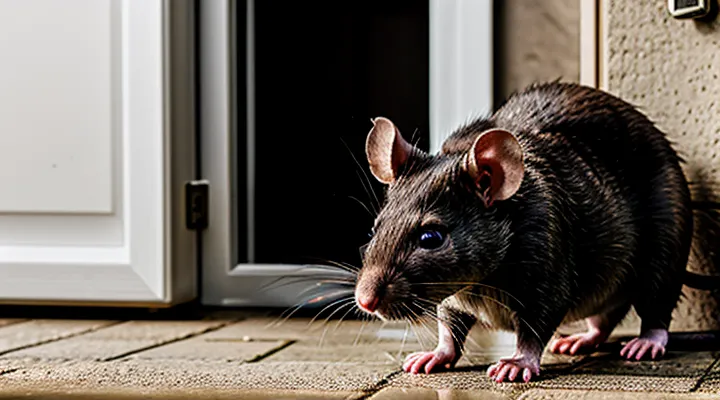
Understanding the Rat Problem
Signs of Rat Infestation
«Visual Sightings and Sounds»
Rats reveal their presence through distinct visual cues and audible signals. Recognizing these indicators early prevents infestation growth and guides the application of folk‑based deterrents.
Visible evidence includes fresh droppings, gnawed wood or wiring, and greasy tracks along walls. Droppings appear as small, dark pellets, typically ¼‑inch long, clustered near food sources or nesting sites. Gnaw marks display irregular, jagged edges, often on baseboards, furniture legs, or plastic containers. Grease smears manifest as dark, oily streaks that become noticeable under angled lighting.
Auditory signs consist of scratching, scurrying, and squeaking. Scratching sounds emerge when rodents move through insulation, drywall cavities, or attic spaces; the noise intensifies during nighttime when activity peaks. Squeaks are high‑pitched, brief, and usually heard when rats communicate or alarm each other.
Effective folk response relies on precise observation:
- Survey each room at dusk, when rats are most active, and note any droppings, gnaw marks, or grease trails.
- Use a flashlight at a low angle to accentuate tracks on vertical surfaces.
- Listen from a stationary position for 5‑10 minutes, recording the frequency and location of scratches or squeaks.
- Map all findings on a simple floor plan, marking visual and acoustic hotspots.
Documented patterns enable targeted placement of traditional deterrents such as herbal sachets, ultrasonic devices powered by natural frequencies, or predator‑scent sprays. By focusing on verified sight and sound evidence, homeowners can implement safe, time‑tested measures that eradicate rats without chemical intervention.
«Droppings and Urine Trails»
Rats leave dark, pellet‑shaped droppings and faint, yellowish urine stains that mark their pathways and nesting sites. These residues confirm activity, reveal movement patterns, and indicate where preventive measures must focus.
When handling droppings and urine, wear disposable gloves and a mask to avoid disease exposure. First, dampen the contaminated area with a solution of white vinegar and water (1:1). The acidity neutralizes ammonia odors that attract rodents. After a few minutes, scrub with a stiff brush and rinse with warm water. Follow the rinse with a spray of diluted citrus essential oil (e.g., lemon or orange, 10 ml per liter) to create an olfactory barrier that rats avoid.
The cleaned trails can be repurposed as guides for folk repellents:
- Sprinkle dried peppermint leaves, crushed garlic, or ground cayenne pepper along the former pathways.
- Place sachets of dried lavender or mothballs at identified crossing points.
- Apply a thin layer of powdered diatomaceous earth near entry holes; the fine particles irritate rat fur and disrupt scent marking.
All waste, including used cleaning cloths and residual droppings, should be sealed in a plastic bag and disposed of in an outdoor trash container. This prevents re‑contamination and eliminates lingering pheromones that could lure new intruders.
«Gnaw Marks and Damage»
Rats leave unmistakable evidence through gnaw marks, which signal ongoing infestation and impending damage. The marks appear as shallow, crescent‑shaped chew lines on wood, plastic, insulation, and wiring. Their presence indicates that rodents are testing material strength and seeking pathways for movement and nesting.
Typical consequences include:
- Compromised structural integrity: gnawed joists, beams, and support brackets weaken load‑bearing capacity.
- Electrical hazards: chewed insulation exposes live conductors, creating short circuits and fire risk.
- Water pipe leakage: rodents bite through copper or PVC, leading to corrosion, leaks, and mold growth.
- Contamination: saliva deposits introduce pathogens to food surfaces, storage containers, and dust.
Traditional folk approaches address gnaw marks by eliminating access and discouraging further chewing. Effective steps are:
- Seal all identified entry points with steel wool, copper mesh, or tightly fitting wood plugs; rodents cannot gnaw through these materials.
- Apply natural repellents—such as a mixture of peppermint oil and vinegar—directly onto gnawed surfaces; the strong scent deters further chewing.
- Place dried herbs (e.g., lavender, rosemary) or crushed cloves in cavities and along walls; the volatile oils act as a continuous deterrent.
- Use non‑toxic, homemade bait stations containing a blend of grated apple, oatmeal, and a small amount of powdered garlic; the bait attracts rats away from structural elements, allowing safe removal.
- Conduct regular inspections, focusing on previously gnawed zones, to verify that repairs remain intact and that no new chew marks appear.
By recognizing gnaw marks promptly and applying these safe, time‑tested measures, homeowners can prevent severe structural, electrical, and health damage while maintaining a rat‑free residence.
«Unusual Pet Behavior»
Rats can be driven out of a dwelling without chemicals by exploiting the instinctual actions of household animals that display atypical conduct. Cats that chase shadows, stalk moving objects, or exhibit sudden bursts of sprinting are especially effective when their play mimics predatory hunting. Directing a cat’s attention toward concealed rodent pathways—by placing a small moving toy or a feather wand near suspected entry points—activates this instinct and forces the rodents to retreat.
Dogs that dig, tunnel, or display heightened alertness to subtle floor vibrations can be trained to patrol basement walls and crawl spaces. A brief session of guided digging, using a shallow trench lined with a natural repellent such as peppermint oil, conditions the animal to associate the area with an unpleasant scent for rats, while simultaneously disturbing potential nests.
Birds kept as companions—parrots, finches, or canaries—occasionally exhibit aggressive swooping or loud vocalizations when a small movement is detected. Positioning a perch near attic vents encourages these reactions, creating an auditory and visual deterrent that discourages rat occupancy.
Practical steps:
- Identify pets that show irregular hunting or digging behaviors.
- Place natural repellents (e.g., dried mint, crushed garlic) along routes frequented by the animals.
- Conduct short, focused sessions where the pet engages with the targeted area, reinforcing the behavior with treats.
- Rotate the locations weekly to cover all potential entry points and prevent habituation.
Why Rats are a Problem
«Health Risks and Diseases»
Rats in domestic settings transmit pathogens that jeopardize human health and compromise indoor sanitation. Direct contact with urine, feces, or saliva, as well as inhalation of aerosolized particles, creates immediate exposure routes for bacterial, viral, and parasitic agents.
- Leptospirosis – spirochete bacteria spread through contaminated water or surfaces; symptoms include fever, muscle pain, and potential kidney failure.
- Hantavirus Pulmonary Syndrome – airborne particles from rodent droppings carry hantavirus; infection leads to severe respiratory distress and high mortality if untreated.
- Salmonellosis – Salmonella bacteria present in rodent feces cause gastrointestinal illness characterized by diarrhea, abdominal cramps, and fever.
- Rat‑Bite Fever – Streptobacillus moniliformis or Spirillum minus enter the bloodstream via bites or scratches; clinical picture features fever, rash, and arthralgia.
- Lymphocytic Choriomeningitis Virus (LCMV) – transmitted through rodent excreta; may result in meningitis, encephalitis, or congenital defects when pregnant women are infected.
- Ectoparasite‑borne diseases – fleas and mites carried by rats transmit plague, murine typhus, and other vector‑borne infections.
Persistent infestation amplifies bacterial load, increases allergen concentration, and encourages mold growth due to droppings, aggravating asthma and allergic reactions. Effective eradication using traditional, non‑chemical approaches reduces pathogen reservoirs without introducing toxic residues, thereby safeguarding occupants while preserving indoor environmental quality.
«Structural Damage to Homes»
Rats compromise the integrity of residential structures by gnawing through wood, insulation, and wiring. Their incisors continuously grow, prompting them to chew on any material that offers resistance, which leads to weakened load‑bearing elements, exposed electrical circuits, and loss of thermal protection.
Typical manifestations of rat‑induced damage include:
- Chewed joists and rafters, reducing support capacity.
- Severed electrical cables, creating fire hazards.
- Compromised plaster and drywall, resulting in cracks and moisture intrusion.
- Damaged PVC and metal pipes, causing leaks and corrosion.
Eliminating the infestation with proven, non‑chemical folk techniques halts further deterioration. Methods such as strategically placed natural deterrents, humane traps, and habitat modification remove the rodents while preserving the building’s fabric. By addressing entry points—sealing gaps around foundations, vents, and utility penetrations—homeowners prevent re‑infestation and protect structural components from future compromise.
Regular inspections after implementation confirm the absence of gnaw marks and verify that repaired sections remain intact. Maintaining a rodent‑free environment ensures the longevity of load‑bearing members, electrical safety, and overall building stability.
«Food Contamination»
Rats thrive on food that is exposed, spoiled, or improperly stored; eliminating these sources is essential for lasting removal using traditional, non‑chemical practices.
When rodents enter a dwelling they follow scent trails to readily available nourishment. Open pantry shelves, uncovered leftovers, and crumbs on countertops provide a continuous invitation. Contaminated food not only sustains the current infestation but also encourages breeding, making the problem self‑reinforcing.
Effective folk strategies to secure food supplies include:
- Storing grains, nuts, and dried goods in airtight containers of glass, metal, or heavy‑wall plastic.
- Wrapping fresh produce in cloth or placing it in sealed bins to block scent diffusion.
- Cleaning kitchen surfaces after each meal with a solution of vinegar and water; the acidity disrupts odor cues.
- Discarding expired items promptly, then sealing the waste in a container with a tight‑fitting lid before removal.
If contamination has already occurred, follow these steps:
- Remove all food from the premises.
- Sort items; discard any that show signs of spoilage, mold, or rodent damage.
- Wash reusable containers with hot, soapy water and a rinse of diluted lemon juice.
- Sprinkle ground diatomaceous earth around storage areas; the fine silica particles deter rodents without harming humans.
Routine maintenance preserves the achieved results. Conduct weekly inspections of storage containers, sweep floors to eliminate debris, and keep refuse bins sealed. Consistent application of these time‑tested measures removes the nutritional lure that sustains rats, supporting permanent eradication without resorting to hazardous chemicals.
Prevention: The First Line of Defense
Sealing Entry Points
«Inspecting Exterior Walls and Foundation»
Inspecting the exterior walls and foundation is the first practical step in any lasting rat‑removal plan that relies on traditional, non‑chemical tactics. Rats enter homes through gaps, cracks, and damaged sections of the building envelope; identifying these entry points prevents re‑infestation after other measures are applied.
- Walk the perimeter and examine all wall surfaces for holes larger than a quarter‑inch.
- Use a flashlight to spot gnaw marks, fresh droppings, or shredded material at the base of walls.
- Probe mortar joints, brick seams, and siding with a thin rod or screwdriver; any resistance indicates a solid barrier, while easy penetration marks a potential passage.
- Inspect the foundation for gaps around utility penetrations, vent pipes, and drainage tiles; seal any openings with steel wool, copper mesh, or expanding foam before applying folk repellents.
- Check for burrows or soil displacement near the foundation footing; fill these voids with a mixture of sand and diatomaceous earth to create an abrasive barrier that discourages tunneling.
After sealing identified breaches, apply safe folk deterrents directly to the repaired areas: sprinkle dried peppermint leaves or a few drops of essential oil on the exterior surface, plant strong‑scented herbs such as mint or lavender along the foundation line, and spread a thin layer of crushed garlic skins around vulnerable zones. These natural agents reinforce the physical barriers and create an environment hostile to rodents without compromising household safety.
«Securing Doors and Windows»
Securing doors and windows forms the first barrier against rodent entry, preventing rats from exploiting openings that lead directly into living spaces.
Begin by examining all exterior frames for cracks, gaps, or worn weatherstripping. Replace deteriorated seals with silicone‑based caulk or expandable foam, focusing on the perimeter where the frame meets the wall. Install tight‑fitting screens on vents and basement windows; choose mesh with openings no larger than ¼ inch to block even juvenile rats. Attach door sweeps to the bottom edge of each exterior door, ensuring the sweep contacts the threshold without hindering movement. Apply a thin strip of copper or aluminum foil along the lower edge of door frames; rodents dislike the texture and will avoid crossing it.
Additional measures reinforce the barrier:
- Fit magnetic closures on sliding doors to eliminate gaps when closed.
- Use natural repellents, such as cotton balls soaked in peppermint oil, placed near hinge pins and latch mechanisms; the scent discourages nesting.
- Install self‑closing hinges on rarely used doors, guaranteeing they return to a sealed position after each use.
- Regularly inspect for signs of wear; reapply sealants and replace damaged screens promptly.
By maintaining a tight seal around every entry point, the home eliminates the most common pathways rats use to invade, supporting long‑term, non‑chemical control.
«Blocking Gaps Around Pipes and Wires»
Seal every opening where utilities enter the house. Rats exploit even a ¼‑inch gap around water, gas, and electrical lines. Use steel wool or copper mesh to fill the space, then apply a layer of caulk or expanding foam that hardens. The metal barrier prevents chewing, while the seal eliminates the passage.
- Identify all pipe and wire penetrations on exterior walls, foundations, and crawl‑space ceilings.
- Insert a snug plug of steel wool into each gap; compress to eliminate voids.
- Overlay with self‑adhesive silicone sealant, smoothing to create a continuous membrane.
- For larger openings, fit a short piece of copper pipe or metal conduit, then seal as above.
Inspect the interior of closets, basements, and attics for hidden conduits. Replace plastic sleeves with metal conduit where possible; plastic is easily gnawed. Apply the same sealing technique to junction boxes and outlet plates, ensuring no exposed wiring remains uncovered.
Regularly verify the integrity of the barriers. Over time, caulk may shrink or foam can crack. Promptly reseal any deterioration to maintain an unbroken defense against rodent intrusion.
«Repairing Damaged Roofs and Vents»
A compromised roof and poorly sealed vents provide easy entry points for rodents seeking shelter and food. Gaps, cracked shingles, and broken vent covers allow rats to infiltrate walls, attics, and crawl spaces, where they can establish nests and contaminate the interior. Restoring the integrity of these structures eliminates the primary pathways that undermine any traditional rodent‑deterrent practices.
Repair procedure using low‑risk, folk‑based techniques
- Inspect every ridge, flash, and vent for cracks, holes, or missing tiles; mark defects with chalk for systematic treatment.
- Apply a natural, breathable sealant made from boiled linseed oil mixed with powdered chalk to fill gaps no larger than a quarter‑inch; the mixture hardens without releasing toxic fumes.
- Replace damaged shingles with reclaimed wood or reed thatching, secured with non‑metallic nails to avoid corrosion and maintain a rustic appearance.
- Reinforce vent openings with copper mesh covered by a thin layer of garlic‑infused wax; copper deters chewing, while garlic emits a scent rats avoid.
- Install a sloped, thatched vent hood treated with diluted peppermint oil; the slope prevents water pooling, and the oil adds an additional olfactory barrier.
- Conduct a final walkthrough, confirming that all seams are tight and that no loose material remains that could be used for nesting.
By sealing structural weaknesses with these traditional, non‑chemical methods, homeowners remove the environmental conditions that attract rats, thereby supporting any broader, safe folk approach to long‑term rodent control.
Maintaining a Clean Environment
«Proper Food Storage»
Storing food correctly removes the primary attractant that draws rodents into a residence. When edible items are sealed and inaccessible, rats lose the incentive to explore cabinets, pantry shelves, and countertops, reducing the likelihood of infestation.
- Use airtight containers made of glass, metal, or heavy‑wall plastic for grains, cereals, nuts, and dried fruit. Ensure lids lock firmly and inspect seals periodically for damage.
- Keep pet food in sealed bins and remove leftovers after each feeding. Store kibble in a refrigerator or freezer if not used within a week.
- Place fresh produce in the refrigerator or in sealed produce bags; avoid leaving fruit on open counters.
- Dispose of garbage daily in containers with tight‑fitting lids; store bins in a cool, dry area away from entry points.
- Clean up spills immediately; wipe surfaces with a mild detergent to eliminate scent traces that rats can follow.
Regular audits of storage areas prevent accidental exposure. Inspect pantry doors, cabinet hinges, and drawer slides for gaps larger than a quarter‑inch; seal openings with steel wool or silicone caulk. Rotate stock so older items are used first, minimizing the time food remains unattended. By maintaining these practices, a household eliminates a critical food source, making the environment inhospitable to rats without relying on chemicals or lethal traps.
«Regular Waste Disposal»
Proper waste handling directly reduces food sources that attract rodents. Secure containers prevent rats from accessing discarded material, breaking the attraction cycle.
- Use bins with tight‑fitting lids; inspect seals weekly for damage.
- Empty trash daily, especially in kitchens and dining areas.
- Store organic waste in sealed bags or compost bins that rats cannot enter.
- Keep the area around waste containers clear of debris, cardboard, and other hiding places.
- Position bins away from walls and corners; maintain at least a one‑meter clearance to discourage nesting.
Consistent removal of waste eliminates a primary incentive for rats to enter a dwelling, reinforcing other folk‑based deterrents and supporting long‑term rodent exclusion.
«Decluttering Indoors and Outdoors»
Decluttering removes shelter and food sources that attract rats, making it a cornerstone of any traditional, non‑chemical pest‑control plan. Inside the house, keep all storage areas orderly: place items on shelves rather than on the floor, seal containers with tight‑fitting lids, and discard broken or expired food immediately. Regularly sweep beneath appliances, behind furniture, and inside closets to eliminate crumbs and nesting material.
Outside the residence, maintain a clear perimeter. Trim vegetation so it does not touch the building, stack firewood at least two feet off the ground, and keep compost bins covered with a tight lid. Remove debris such as fallen branches, discarded pallets, and unused garden tools that could serve as hiding places. Store outdoor trash in sturdy containers with secure lids and empty them frequently.
Key actions for effective decluttering:
- Inspect storage rooms, garages, and sheds weekly; discard or relocate items that create clutter.
- Elevate items off the ground using pallets or shelves to improve airflow and visibility.
- Seal cracks, gaps, and holes in walls, floors, and foundations to block entry points.
- Use natural deterrents—such as dried mint leaves, crushed garlic, or strong peppermint oil—on surfaces where rats might explore, reinforcing the clean environment.
By systematically eliminating clutter both inside and around the home, you reduce the attractiveness of the property to rodents and create conditions where folk‑based, safe methods can work without interference.
«Managing Pet Food Access»
Managing pet food access is a critical component of traditional, low‑risk rat control in a residence. Food left unattended provides a steady attractant, encouraging rodents to establish a foothold. By eliminating this source, the likelihood of infestation drops dramatically.
Store dry kibble, canned meals, and treats in airtight containers made of metal or heavy‑wall plastic. Seal each container with a latch or clamp that prevents rodents from prying it open. Keep containers on a high shelf or inside a locked pantry, out of reach of both pets and pests.
When feeding pets, follow a strict schedule:
- Place the measured portion on a metal feeding tray.
- Remove uneaten food within 15 minutes.
- Clean the tray with hot, soapy water after each feeding session.
- Dispose of leftovers in a sealed bag before placing them in the trash bin.
Limit access points to the feeding area. Install a simple wooden or plastic barrier that blocks the pet’s reach to the floor while allowing the animal to eat comfortably. Ensure the barrier is anchored securely to prevent rats from slipping underneath.
Maintain a clean environment around the feeding zone. Sweep crumbs daily, vacuum corners weekly, and wipe surfaces with a vinegar‑water solution. Vinegar’s strong odor deters rodents without harming pets.
By securing pet food, timing meals, and enforcing rigorous cleanliness, traditional folk methods create an environment where rats find no sustenance, supporting long‑term eradication without chemical interventions.
Eliminating Water Sources
«Fixing Leaky Faucets and Pipes»
Leaking fixtures create damp environments that attract rodents. Sealing water sources removes a primary incentive for rats to enter living spaces, supporting long‑term, non‑chemical control methods.
Identify and repair leaks:
- Turn off water supply before inspection.
- Examine faucet joints, supply lines, and pipe connections for drips or corrosion.
- Replace worn washers, O‑rings, or cracked sections with appropriate fittings.
- Apply plumber’s tape to threaded joints to ensure a watertight seal.
- Test each repaired point by restoring water flow and observing for residual moisture.
After repairs, dry the affected area thoroughly and monitor for signs of rodent activity. Maintaining a dry interior reinforces traditional, safe strategies aimed at permanently deterring rats from a private residence.
«Draining Standing Water»
Eliminating rats from a home requires removing all sources of water that can sustain a colony. Standing water in basements, crawl spaces, or leaky pipes provides a reliable drinking supply, encouraging rodents to remain and reproduce. By eliminating these reservoirs, the environment becomes inhospitable, forcing rats to seek water elsewhere and reducing the likelihood of re‑infestation.
Practical steps for draining standing water:
- Inspect all rooms for leaks, condensation buildup, and puddles; prioritize basements, bathrooms, and kitchens.
- Repair faulty plumbing, replace cracked hoses, and seal cracks in foundations with waterproof mortar.
- Use a dehumidifier or proper ventilation to lower ambient humidity, preventing condensation on cold surfaces.
- Remove decorative water features, pet water bowls, and excess plant saucers; store them in sealed containers when not in use.
- Install gutter extensions and splash blocks to divert rainwater away from the building’s foundation.
Consistently monitoring moisture levels and promptly addressing new leaks sustains a dry environment, supporting long‑term rat deterrence while relying on traditional, non‑chemical methods.
Safe Folk Methods for Rat Repellent
Natural Scents and Repellents
«Peppermint Oil Application»
Peppermint oil works as a natural repellent because its strong scent overwhelms the olfactory receptors rats rely on for navigation and food detection. When applied correctly, the oil creates an environment that rats find hostile, encouraging them to vacate the premises and discouraging new infestations.
To maximize effectiveness, follow these steps:
- Dilute 10–15 drops of pure peppermint essential oil in 250 ml of water; add a teaspoon of mild dish soap to emulsify the mixture.
- Transfer the solution to a spray bottle and mist it generously along baseboards, entry points, and known rat pathways. Re‑apply every 48 hours, especially after cleaning or ventilation.
- Soak cotton balls in undiluted peppermint oil and place them in concealed locations such as behind appliances, inside wall cavities, and underneath furniture. Replace balls weekly to maintain potency.
- Combine oil‑treated cotton with a small piece of dried rosemary or cloves for a synergistic scent profile that further deters rodents.
Safety considerations: use only food‑grade peppermint oil, keep containers sealed, and avoid direct skin contact. Ventilate rooms after spraying to prevent respiratory irritation for occupants, particularly children and pets. Regular monitoring of rat activity will indicate whether the treatment remains sufficient or if additional placements are required.
«Eucalyptus Oil and Clove Repellent»
Eucalyptus oil and clove oil form a potent natural barrier against house rats. Their combined aroma overwhelms rodent olfactory receptors, prompting avoidance of treated zones.
Eucalyptus oil contains cineole, a volatile compound that irritates the respiratory system of rats. Direct exposure leads to reduced activity and relocation away from the source.
Clove oil supplies eugenol, a strong-smelling phenolic substance that repels rodents through sensory overload. Eugenol also disrupts scent trails used for navigation.
Application protocol:
- Dilute 10 ml of eucalyptus oil and 5 ml of clove oil in 500 ml of water.
- Transfer the mixture to a spray bottle.
- Apply generously to entry points, baseboards, and known nesting areas every 48 hours.
- Place cotton balls soaked in the undiluted blend inside cupboards, attic corners, and under sinks; replace weekly.
Human and pet safety:
- Concentrations below 2 % are non‑irritating for skin and respiratory passages.
- Keep treated cotton balls out of reach of children and small animals.
- Ventilate rooms after each spray to prevent lingering vapors.
Effectiveness monitoring:
- Inspect traps or motion sensors weekly for signs of activity.
- Reapply the solution after cleaning or when the scent fades, typically after three days.
- Combine with structural sealing of gaps for long‑term exclusion.
«Cayenne Pepper and Chili Flakes»
Cayenne pepper and chili flakes are among the most accessible folk repellents for rodent control. Their active component, capsaicin, irritates the nasal passages and mucous membranes of rats, prompting avoidance of treated areas.
Application guidelines:
- Preparation – Mix 2 tablespoons of cayenne powder or crushed chili flakes with 1 cup of water. Add a few drops of liquid soap to emulsify the solution.
- Placement – Saturate cotton balls, rags, or small cloth pads with the mixture. Position them along known rat pathways: behind appliances, under sinks, in wall voids, and near entry points.
- Frequency – Reapply every 3–5 days, or after cleaning, because capsaicin degrades with moisture and dust.
- Safety – Keep treated materials out of reach of children and pets. Wear gloves during preparation; avoid inhaling dry powder.
Effectiveness considerations:
- Capsaicin does not kill rats; it creates a sensory deterrent that reduces activity in treated zones.
- Success depends on consistent placement and renewal of the repellent.
- In heavily infested homes, combine cayenne or chili treatments with structural sealing and trapping for comprehensive control.
Limitations:
- Strong odors may be unpleasant for occupants.
- Moisture‑sensitive areas may require alternative delivery methods, such as sachets of dry pepper placed in sealed containers with perforated lids.
When integrated into a broader, non‑chemical pest‑management plan, cayenne pepper and chili flakes provide a low‑cost, environmentally benign option for discouraging rats from re‑entering a private residence.
«Onion and Garlic Placement»
Onion and garlic are traditional repellents that exploit rodents’ acute sense of smell. Their pungent vapors interfere with rats’ olfactory navigation, discouraging entry and lingering in treated areas. When applied correctly, these ingredients complement a broader strategy for lasting rodent control in a private residence while remaining non‑toxic to humans and pets.
- Slice fresh onions and crush garlic cloves to release oils.
- Place the prepared pieces on small trays or shallow dishes.
- Position trays near known entry points, such as gaps under doors, basement vents, and pantry shelves.
- Replace the material every 48 hours to maintain potency; discard any that become moldy or lose aroma.
- Avoid direct contact with food storage containers to prevent flavor contamination.
Consistent deployment creates an unfriendly scent barrier that deters rats without chemicals, supporting a sustainable, folk‑based eradication program.
«Bay Leaves and Their Effectiveness»
Bay leaves are frequently cited in traditional rodent control for their strong aromatic compounds, chiefly eucalyptol and other essential oils. These volatiles act as olfactory deterrents, overwhelming the sensitive nasal receptors of rats and prompting avoidance of treated areas.
Application methods include:
- Placing whole, dried leaves in corners, behind appliances, and along baseboards where rodent activity is observed.
- Packing crushed leaves into breathable fabric pouches and suspending them from ceiling beams or cupboard doors.
- Refreshing the material weekly to maintain potency, as volatile emission diminishes with time.
Effectiveness reports indicate short‑term reduction in rat presence, especially when bay leaves are combined with other non‑chemical deterrents such as mint or dried chilies. Laboratory tests show that high concentrations of eucalyptol can impair rodents’ ability to locate food, leading to displacement rather than immediate mortality.
Safety considerations:
- Bay leaves are non‑toxic to humans and pets when used in the described manner.
- They should be kept away from open flames, as the oils are flammable.
- Overreliance on aromatic deterrents may allow persistent infestations; mechanical exclusion (sealing entry points) and sanitation remain essential components of a comprehensive eradication strategy.
Plant-Based Deterrents
«Planting Mint Around the House»
Planting mint around a dwelling creates an environment that rats find unattractive. The strong aromatic compounds in mint, particularly menthol and pulegone, interfere with rats’ scent receptors, discouraging them from entering or nesting nearby.
To implement this method effectively:
- Choose a hardy mint variety such as spearmint or peppermint.
- Space plants 12–18 inches apart along foundation walls, entry points, and garden borders.
- Plant in containers or raised beds to prevent invasive spreading.
- Water regularly until established, then reduce frequency; mint tolerates dry periods.
- Trim foliage weekly to maintain strong scent emission.
- Replace plants after two growing seasons, as potency declines with age.
Complementary actions increase reliability:
- Seal cracks, gaps, and utility openings to remove physical entry routes.
- Remove food sources by storing grains, pet food, and waste in sealed containers.
- Keep outdoor debris, compost, and dense vegetation away from the house perimeter.
Mint’s natural repellant qualities, combined with thorough exclusion measures, provide a low‑risk, sustainable solution for long‑term rat deterrence in a private residence.
«Using Marigolds as a Barrier»
Marigolds create a living fence that discourages rats from entering residential spaces. The plants emit sulfur‑rich volatiles that rodents find unpleasant, reducing the likelihood of nesting or foraging near the flowers.
The repellent effect derives from pyrethrum and other essential oils released from leaves and blossoms. These compounds interfere with the rats’ olfactory receptors, prompting avoidance behavior without harming the animals or occupants.
- Select cultivars with strong fragrance, such as Tagetes erecta or Tagetes patula.
- Plant three to five seedlings per linear meter along foundations, doorways, and windowsills.
- Space each plant 30–45 cm apart to ensure overlapping scent zones.
- Combine with other deterrents, such as crushed mint or dried chilies, placed at the base of the row.
Maintain the barrier by watering regularly, trimming spent blooms, and replanting any lost specimens within two weeks of removal. Healthy growth maximizes volatile production and preserves the defensive perimeter.
When used alongside sanitation measures, sealed food storage, and humane traps, marigold barriers contribute to a comprehensive, low‑risk strategy for long‑term rat control in private homes.
«Borage and Its Rodent-Repelling Properties»
Borage (Borago officinalis) produces a strong, aromatic scent that rats find intolerable. The plant’s volatile oils, particularly gamma‑linolenic acid and eucalyptol, interfere with the rodents’ olfactory receptors, prompting avoidance of areas where the herb is present.
Application methods suited for domestic environments include:
- Planting borage in pots near entry points, windowsills, and kitchen cabinets; mature foliage releases repellent compounds continuously.
- Preparing a tea infusion from fresh leaves and stems, allowing it to cool, then spraying the solution on baseboards, behind appliances, and inside wall voids.
- Drying harvested material, crushing it into a coarse powder, and sprinkling the residue along crawl spaces, attic beams, and under sinks.
Borage is non‑toxic to humans and pets, making it compatible with households that avoid chemical poisons. Regular renewal of plants or reapplication of the tea and powder every four to six weeks maintains effective concentrations of repellent volatiles, ensuring long‑term deterrence of rat activity without compromising indoor air quality.
Acoustic and Light Deterrents
«Using Ultrasonic Devices»
Ultrasonic devices emit high‑frequency sound waves that rodents find uncomfortable, prompting them to vacate the area without physical harm. The technology aligns with low‑impact, traditional pest‑control practices, offering a non‑chemical alternative suitable for homes where safety and minimal disruption are priorities.
Effective deployment requires careful selection of units with adjustable frequency ranges (typically 20–65 kHz) and sufficient coverage (measured in square meters). Devices should be placed in locations where rats travel, such as wall voids, attic spaces, and near entry points. Avoid positioning near large metal objects or electronic equipment, as these can reflect or absorb the sound, reducing efficacy.
Maintenance consists of periodic battery replacement or power‑source verification, and cleaning of exterior surfaces to prevent dust accumulation that may dampen acoustic output. Regular testing—listening for a faint high‑pitched tone when the unit is active—confirms proper operation.
Integration with folk methods, such as natural deterrents (e.g., peppermint oil sachets) and structural sealing, enhances overall success. Combining acoustic repulsion with physical barriers creates a multi‑layered defense that discourages re‑infestation while preserving a humane approach.
«Strategic Lighting Placement»
Strategic lighting disrupts nocturnal activity patterns that rats rely on for foraging and nesting. Bright illumination in corridors, kitchens, and entry points forces rodents to seek darker, less favorable areas, reducing their presence in main living spaces.
Key principles for effective light deployment:
- Install high‑intensity LED fixtures near potential entry doors, basement stairwells, and pantry thresholds.
- Position motion‑activated lights at 1‑meter intervals along wall baseboards to create intermittent bursts of illumination as rats move.
- Use full‑spectrum bulbs with a color temperature of 5000 K or higher; rats are more sensitive to cool white light than to warm tones.
- Ensure lights cover the entire floor area without creating shadow zones where rodents can hide.
- Maintain a minimum of 300 lux on surfaces where food storage occurs; lower levels encourage concealment.
Timing enhances efficacy. Program lights to stay on during dusk and early night hours when rats are most active, then switch to low‑level night lighting to deter re‑entry. Combine lighting with traditional deterrents such as dried herbs (e.g., mint, rosemary) placed near the illuminated zones; the scent amplifies the aversive effect without chemicals.
Regular maintenance—clean lenses, replace burnt bulbs, and verify motion sensor sensitivity—prevents gaps in coverage that could allow rats to re‑establish pathways. When integrated with other folk practices, strategic lighting forms a non‑toxic barrier that significantly lowers rodent intrusion in a private residence.
Trapping and Removal (Humane Options)
Live Trapping Methods
«Setting Up Live Traps Safely»
Live traps provide a humane solution for removing rats without chemicals. Choose sturdy cages with a trigger mechanism that closes instantly when the animal enters. Position traps along walls, behind appliances, and near known activity zones; rats prefer concealed routes and avoid open spaces. Use fresh, aromatic bait such as peanut butter, dried fruit, or a small piece of cooked meat, placed on the trigger plate to entice entry.
- Inspect traps daily; relocate any that have captured non‑target species.
- Wear disposable gloves when handling traps to prevent scent transfer.
- Secure captured rats in a ventilated container with a lid before release.
- Release animals at least 10 kilometers from the residence, preferably in a wooded area with natural cover.
- Reset traps after each release, replenishing bait as needed.
Maintain a log of capture dates, locations, and bait types to identify patterns and adjust placement. Consistent monitoring and prompt removal of trapped rats prevent re‑infestation and ensure the method remains safe and effective.
«Baiting Techniques for Live Traps»
Effective bait selection is critical for attracting rats to live-catch devices while maintaining humane standards. Choose attractants that stimulate a rat’s natural foraging instincts and resist spoilage in indoor environments.
- Peanut butter – strong scent, adheres to trap surfaces, remains palatable for days.
- Sunflower or pumpkin seeds – high fat content, easy to secure with a small clip.
- Dried fruit pieces (apricot, raisin) – sweet aroma, lightweight for placement.
- Soft cheese (e.g., cream cheese) – powerful odor, suitable for short‑term use.
- Fresh herbs (mint, rosemary) – repels other pests, draws rats seeking aromatic foliage.
Prepare bait by mixing a small amount of peanut butter with crushed seeds or fruit to create a sticky paste. Apply a pea‑sized dollop to the trigger mechanism, ensuring the rat must contact the sensor to obtain the food. Avoid over‑loading, which can allow the animal to retrieve bait without activating the trap.
Placement strategy focuses on rat pathways: behind appliances, near wall voids, and within concealed corners. Position traps perpendicular to the wall, with the entrance facing the baseboard, because rats naturally hug surfaces while moving. Space traps 2–3 feet apart along a suspected run to maximize capture probability.
Check traps at least twice daily. Release captured rats promptly, preferably outdoors, following local wildlife regulations. After each capture, clean the trap with mild soap and water, then dry thoroughly before re‑baiting. Rotate bait types weekly to prevent habituation, which reduces trap effectiveness over time.
Safety considerations include wearing disposable gloves when handling bait and captured rodents, and sealing any food residues in a sealed bag before disposal. Maintaining a tidy indoor environment—removing crumbs, storing food in airtight containers, and sealing entry points—supplements baiting efforts and reduces reinfestation risk.
«Proper Release of Captured Rats»
Releasing captured rats correctly prevents their return to the home and supports long‑term rodent control. Improper release can place the animals near the residence, encouraging immediate re‑entry and undermining traditional safe practices.
Key considerations for a humane and effective release:
- Choose a location at least two kilometers from the dwelling, preferably in a wooded or agricultural area where natural predators exist.
- Verify that the site offers shelter, food sources, and water; this reduces stress on the animal and discourages it from seeking shelter elsewhere.
- Release the rat during daylight hours; bright conditions lower the chance of immediate nocturnal return.
- Wear gloves and handle the cage gently to avoid injury and to keep the rat calm.
- Open the cage slowly, allow the rat to exit on its own, and step back immediately to prevent human contact.
After release, seal all entry points in the house, remove attractants, and maintain traps or deterrents. Consistent application of these steps, combined with other folk‑based measures such as aromatic herbs and natural repellents, secures a lasting solution.
DIY Trap Alternatives
«Bucket Traps and Their Setup»
A bucket trap consists of a sturdy container, a ramp, and a trigger mechanism that directs a rat into the water or a deep pit. The container should hold at least five gallons to prevent the animal from reaching the rim. A wooden plank, cut to a gentle incline, serves as the ramp; coat it lightly with oil or butter to encourage smooth ascent. Secure the ramp to the bucket’s rim with nails or strong tape, ensuring no gaps where the rodent could escape.
To activate the trap, attach a spring‑loaded lever or a simple wooden stick that pivots when the rat steps on a trigger platform placed near the ramp’s end. When triggered, the lever releases the ramp, causing the rat to fall into the bucket. Position the trap along known runways—near walls, behind appliances, or in dark corners—where rats habitually travel. Place the device low enough that the rat cannot jump out, but high enough to avoid accidental human contact.
Bait selection influences capture rates. Use fresh peanut butter, dried fruit, or small pieces of cheese, applying a thin layer to the trigger platform. Replace bait every two days to maintain scent potency. After each capture, wear gloves, lift the bucket, and dispose of the rodent in a sealed bag. Refill the bucket with water or a non‑toxic deterrent, then reset the trigger before redeploying the trap.
Setup checklist
- 5‑gallon bucket with lid (optional for safety)
- 12‑inch wooden ramp, oil‑treated
- Trigger platform and lever (spring or wooden stick)
- Strong fastening material (nails, tape)
- Preferred bait (peanut butter, dried fruit, cheese)
- Protective gloves for handling captures
- Sealable disposal bags
Regular inspection—once daily—ensures the mechanism remains functional and prevents overflow. Relocating the trap to new activity zones every week disrupts established pathways, increasing overall effectiveness while maintaining a humane, folk‑based approach to rat eradication.
«Homemade Non-Lethal Traps»
Homemade non‑lethal traps provide a humane, cost‑effective solution for long‑term rat control in a private residence. The following guidelines outline materials, construction, placement, and maintenance without resorting to lethal measures.
Materials commonly available in a household or local market include:
- Sturdy cardboard or thin plywood for the trap frame.
- A small wooden dowel or chopstick to serve as a trigger lever.
- Natural bait such as peanut butter, dried fruit, or cheese.
- A smooth, flexible sheet of rubber or silicone to act as a release latch.
- String or thin rope for securing the trap to a fixed point.
Construction steps:
- Cut a rectangular base (approximately 30 cm × 20 cm) from the cardboard or plywood.
- Attach two upright side walls (10 cm high) using glue or staples, leaving a 2‑cm gap at the front for entry.
- Secure the rubber latch on the rear wall, ensuring it snaps shut when pressure is applied.
- Position the dowel as a trigger: place it across the entrance opening so that a rat’s weight tips the lever, releasing the latch and closing the door.
- Apply a thin layer of bait on the floor inside the trap, directly beneath the trigger point.
Placement guidelines:
- Locate traps along walls, near known runways, and close to food storage areas.
- Position traps in low‑traffic corners to reduce disturbance from humans or pets.
- Keep traps at least 30 cm away from open windows to prevent accidental escape.
Maintenance protocol:
- Inspect traps twice daily; release captured rats at a safe distance from the home (minimum 500 m) to prevent re‑entry.
- Clean the interior with mild soap and water after each capture to remove scent traces.
- Replace bait every 24 hours to maintain attractiveness.
- Rotate trap locations weekly to cover new activity zones.
By adhering to these procedures, occupants can achieve sustainable rat removal while preserving animal welfare and avoiding chemical hazards. The method relies on simple, locally sourced components and requires no specialized equipment, making it accessible for any homeowner seeking an effective, non‑lethal approach.
Long-Term Rat Management
Continuous Monitoring
«Regular Inspections for New Activity»
Consistent monitoring of rodent activity is a cornerstone of lasting eradication when employing traditional, non‑toxic techniques. Early detection prevents re‑establishment and reduces the need for intensive interventions.
Key elements of a regular inspection routine include:
- Frequency: Conduct visual checks at least twice weekly during the first month after treatment, then weekly for the next two months, and monthly thereafter.
- Focus areas: Examine entry points, food storage zones, waste containers, and hidden corners such as under appliances, behind cabinets, and in attic insulation.
- Evidence types: Look for fresh droppings, gnaw marks, urine stains, shredded materials, and audible scurrying. Fresh signs indicate recent presence.
- Documentation: Record date, location, and type of evidence in a logbook. Note any new gaps or damage that could serve as access routes.
- Immediate action: Seal identified openings with steel wool and caulk, replace compromised screens, and reinforce door sweeps. Apply folk deterrents—such as sachets of dried mint, crushed garlic, or a mixture of vinegar and water—directly at the site of activity.
Integrating these inspections with other folk methods—like planting pest‑repellent herbs around the perimeter and maintaining a clutter‑free interior—creates a comprehensive defense that discourages rats from returning. Regular reviews of inspection logs enable homeowners to adjust preventative measures promptly, ensuring the long‑term success of the eradication effort.
«Maintaining Prevention Measures»
Effective rat control does not end with the initial removal; ongoing vigilance preserves the results. After the infestation is cleared, maintain a hostile environment for rodents by eliminating the conditions that attract them.
- Seal all exterior openings larger than ¼ inch with steel wool, copper mesh, or caulk. Inspect doors, windows, and utility penetrations quarterly, repairing any gaps promptly.
- Store food in airtight containers made of glass or heavy‑sided plastic. Keep pantry shelves clean, wiping away crumbs after each use.
- Remove standing water sources. Fix leaky pipes, dry pet dishes overnight, and use absorbent trays beneath houseplants to prevent moisture buildup.
- Manage waste responsibly. Use bins with tight‑fitting lids, empty them daily, and keep compost heaps at a distance from the house.
- Trim vegetation away from the building’s foundation. Maintain at least a three‑foot clearance between shrubs and the exterior walls to reduce shelter opportunities.
Regular inspections reinforce these measures. Schedule a bi‑monthly walk‑through of the property, focusing on:
- Structural integrity of walls, floors, and roof vents.
- Condition of screens, weather stripping, and door sweeps.
- Presence of droppings, gnaw marks, or nesting material.
Document findings in a simple log, noting repairs performed and dates. Prompt correction of identified weaknesses prevents re‑infestation without resorting to chemical interventions. By integrating these routine actions into everyday household management, the home remains unattractive to rats, ensuring lasting protection.
Seeking Professional Advice (When Necessary)
«Recognizing When Folk Methods Aren't Enough»
Traditional home remedies can control a small, isolated rat problem, but they become ineffective when the infestation reaches a critical level. Recognizing the point at which folk techniques no longer provide protection prevents property damage and health hazards.
- Frequent sightings of rats during daylight hours
- Accumulation of droppings exceeding 10 cm² per night
- Gnaw marks on structural timber, wiring, or food containers
- Persistent odor of urine or feces despite traps and deterrents
- Evidence of breeding activity, such as nests or multiple juveniles
When any of these indicators appear consistently over a three‑day period, the colony size has likely surpassed the capacity of homemade traps, ultrasonic devices, or natural repellents. At that stage, rats can bypass barriers, develop resistance to scent‑based deterrents, and cause irreversible damage to insulation, wiring, and stored food.
Continuing to rely solely on folk methods under these conditions increases the risk of fire, contamination, and disease transmission. Professional pest‑control services bring calibrated bait stations, sealed exclusion work, and integrated monitoring that surpass the reach of DIY solutions.
To transition responsibly:
- Record observations: date, location, and type of evidence.
- Secure food sources and remove clutter that offers shelter.
- Contact a licensed exterminator experienced in humane, low‑toxicity protocols.
- Request a pre‑treatment inspection report outlining recommended exclusion and baiting measures.
- Verify that all chemicals used comply with residential safety standards and are applied according to the manufacturer’s guidelines.
By adhering to these criteria, homeowners can determine precisely when traditional remedies have been exhausted and when professional intervention becomes essential for permanent rat eradication.
«Consulting Pest Control Experts for Guidance»
Engaging professional pest‑control consultants provides a factual baseline before applying any traditional remedies. Experts can identify entry points, assess infestation severity, and verify that proposed folk techniques will not compromise structural integrity or household health.
During a consultation, specialists typically:
- Conduct a visual inspection of walls, ceilings, and utility spaces.
- Map rodent pathways and locate nesting sites.
- Compare conventional control options with safe, heritage‑based practices.
- Offer a written plan that integrates approved folk methods—such as plant‑derived repellents or homemade traps—into a comprehensive eradication strategy.
Following the expert’s guidance ensures that folk solutions are applied correctly, that non‑target species remain unharmed, and that the homeowner retains control over long‑term prevention without resorting to hazardous chemicals.