
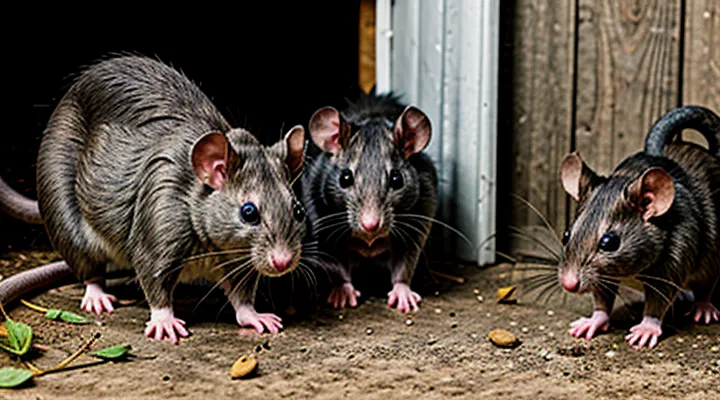
Understanding the Challenge of Rat Eradication in Multi-Animal Environments
Why Traditional Methods Fail
Traditional rodent control in agricultural barns often relies on snap traps, poison baits, and periodic sanitation. These approaches fail to provide lasting results because they ignore the ecological dynamics of a structure that houses multiple animal species.
- Snap traps target individual rodents but do not address the underlying population pressure. Surviving rats quickly repopulate, especially when food sources remain abundant.
- Poison baits pose a risk to livestock, poultry, and companion animals. Even when used with bait stations, secondary poisoning and bait aversion reduce effectiveness.
- Infrequent cleaning removes visible waste but cannot eliminate hidden food caches, nesting material, or structural gaps that allow rats to thrive.
Rats adapt to control measures. Repeated exposure to traps creates learned avoidance; bait shyness develops after sub‑lethal doses of anticoagulants. Moreover, barns with diverse animals generate continuous streams of feed spillage, bedding, and moisture, providing the resources rats need to survive and reproduce. Without a comprehensive strategy that seals entry points, manages waste, and integrates predator presence, conventional methods merely provide temporary suppression rather than permanent eradication.
The Risks to Other Animals
Toxicity of Common Baits
Understanding the toxic profile of rodent baits is essential when treating a barn that houses livestock, poultry, or companion animals. Selecting a product with an appropriate safety margin prevents accidental poisoning and protects the overall health of the herd.
- First‑generation anticoagulants (e.g., warfarin, chlorophacinone): Low acute toxicity; LD₅₀ in rats ranges from 20–30 mg kg⁻¹. Predominant risk is secondary poisoning through consumption of partially eaten carcasses.
- Second‑generation anticoagulants (e.g., bromadiolone, difethialone): Higher potency; LD₅₀ in rats 0.5–1 mg kg⁻¹. Persistent in liver tissue, increasing danger to predators and scavengers.
- Zinc phosphide: Releases phosphine gas upon ingestion; LD₅₀ in rats 3–5 mg kg⁻¹. Rapid onset of respiratory failure; toxicity extends to non‑target mammals that ingest bait directly.
- Bromethalin: Neurotoxic; LD₅₀ in rats 15–30 mg kg⁻¹. Causes cerebral edema; secondary effects observed in birds and small mammals.
- Cholecalciferol (vitamin D₃): Hypercalcemic agent; LD₅₀ in rats 2–5 mg kg⁻¹. Secondary poisoning documented in dogs and cattle that consume treated rodents.
Secondary poisoning arises when non‑target animals eat poisoned rats or encounter residual bait. Anticoagulants accumulate in liver tissue, making delayed mortality possible for predators and scavengers. Zinc phosphide and bromethalin produce acute effects that can affect any species that ingests the bait.
Safe application guidelines:
- Deploy tamper‑resistant bait stations positioned at least 10 feet from feed troughs, water sources, and nesting areas.
- Use the lowest effective concentration; consider first‑generation anticoagulants when rodent pressure is moderate.
- Monitor bait consumption daily; remove stations after a 48‑hour period to limit exposure.
- Conduct regular health checks on livestock and poultry for signs of anticoagulant or vitamin D toxicity (e.g., abnormal bleeding, lethargy, calcification).
- Integrate non‑chemical measures—such as sealing entry points, maintaining clean feed storage, and employing predator‑friendly habitat modifications—to reduce reliance on toxic baits.
By aligning bait selection with known toxicity thresholds and implementing rigorous containment practices, rat control can be achieved without compromising the safety of other animals residing in the barn.
Trapping Hazards
Trapping rodents in a livestock shelter introduces several safety concerns that must be addressed before implementation. Non‑target animals, such as chickens, goats, or dogs, can become entangled in snap or live‑catch devices, resulting in injury or death. Proper trap selection and placement reduce this risk; mechanical traps should be positioned away from feeding, watering, and resting zones used by other species.
Key hazards include:
- Bait contamination – food intended for rats may attract or poison domestic animals if accessed unintentionally.
- Disease transmission – handling trapped rodents without protective gear can expose workers to pathogens like leptospirosis or hantavirus.
- Trap malfunction – faulty mechanisms may fail to release captured rats, causing prolonged suffering and increased predator attraction.
- Structural damage – improperly secured traps can be knocked over, creating obstacles that impede movement of livestock.
Mitigation measures require clear separation of trapping stations, use of species‑specific triggers, and regular inspection of devices. Protective gloves, eye protection, and disposable masks should be worn during trap setting and disposal. Bait should be concealed in sealed containers reachable only by the target pest, and any spilled material must be promptly removed.
Finally, integrate trapping with complementary control methods, such as habitat modification and exclusion, to minimize reliance on devices that pose collateral threats. Continuous monitoring ensures that traps remain effective while safeguarding the health and welfare of all barn inhabitants.
Signs of a Rat Infestation
Droppings and Urine Trails
Rat droppings and urine trails provide the primary evidence of infestation and the main pathway for disease transmission within a barn that houses livestock or other animals. Identifying these signs enables targeted removal and prevents secondary health risks.
- Fresh droppings appear as dark, pellet‑shaped feces; older deposits become gray and crumble. Locate deposits near feed storage, water sources, and structural gaps.
- Urine trails are invisible to the naked eye but can be detected with ultraviolet light or by the damp, odorous patches on wood, bedding, or concrete surfaces.
Effective elimination requires three coordinated steps:
- Physical removal – Wear disposable gloves and a particulate‑filter respirator. Scoop all visible feces into sealed bags; scrub urine‑stained areas with absorbent pads. Dispose of waste in a sealed container approved for hazardous animal by‑products.
- Disinfection – Apply an EPA‑registered rodent‑specific disinfectant to all cleaned surfaces. Ensure contact time matches the product label, then rinse with clean water to avoid residue that could harm other animals.
- Environmental modification – Replace soiled bedding with fresh material. Seal cracks, install metal or concrete barriers, and elevate feed bins to remove contact points that attract rats. Use rodent‑proof storage containers to eliminate food sources that would otherwise encourage re‑infestation.
Regular monitoring of droppings and urine trails, combined with immediate cleaning and disinfection, disrupts rat activity cycles and reduces the likelihood of recurrence while maintaining a safe environment for all barn inhabitants.
Gnaw Marks and Burrows
Rats leave distinctive gnaw marks on wood, plastic, and wiring; these cuts are typically clean, angled, and show fresh, light-colored shavings. Detecting such damage early prevents escalation, especially where livestock, poultry, or horses share the structure. Inspect beams, feed troughs, and cage panels weekly; any new bite should be recorded and traced to a possible entry point.
Burrows appear as tunnels in straw, bedding, or the floor’s dirt layer. Active tunnels are moist, contain fresh droppings, and may have visible urine stains. In a barn with other animals, burrows often intersect feeding zones, increasing contamination risk. Mapping tunnel networks helps prioritize sealing and treatment zones.
Effective control measures focus on eliminating the physical evidence that attracts rodents:
- Seal all gnaw‑marked openings with steel wool, metal flashing, or cement‑based sealant; replace compromised panels promptly.
- Fill burrows with a mixture of sand, cement, and wire mesh; compact thoroughly to prevent re‑excavation.
- Install hard‑shelled barriers (e.g., metal flashing) around feed bins and water stations to deter chewing.
- Apply a rodent‑resistant coating to exposed wood and plastic surfaces; choose EPA‑approved formulations that do not harm co‑habiting livestock.
- Schedule monthly inspections of gnaw sites and burrow locations; document findings and remediation actions in a maintenance log.
By systematically identifying gnaw marks and burrows, reinforcing structural weak points, and maintaining a strict inspection regimen, a barn can achieve lasting rodent suppression while safeguarding the health of all resident animals.
Visible Sightings
Visible sightings provide the most immediate evidence of rodent activity in a barn that also houses livestock. Direct observation confirms the presence of rats, distinguishes active infestations from historical signs, and guides the allocation of control resources.
Key indicators that constitute a visible sighting include:
- Live rats moving along beams, walls, or feed troughs
- Fresh droppings, typically dark and pellet‑shaped, near food sources or nesting sites
- Gnawed wood, wire, or plastic identified during routine inspections
- Chewed or displaced bedding material
- Tracks in dust, straw, or mud leading to concealed pathways
Accurate documentation of each occurrence strengthens the eradication program. Record the date, time, exact location (e.g., north wall of the hay storage area), and environmental conditions. Use a simple log sheet or digital app to track frequency and pattern changes over weeks.
Data derived from sightings direct intervention measures. When a rat is observed near a specific feed line, position snap traps or bait stations within a two‑meter radius, ensuring they do not interfere with animal movement or feed distribution. In areas where only signs are present, install monitoring devices such as motion‑activated cameras to verify activity before deploying lethal control.
Integrating sighting data with livestock management minimizes disruption. Schedule inspections during low‑activity periods for the animals, avoid placing traps where they could be accessed by non‑target species, and maintain clean feed storage to reduce attractants that increase visible encounters.
Integrated Pest Management (IPM) for Barns
Assessing the Infestation and Barn Layout
Identifying Rat Entry Points
Rats gain access to barns through small openings that often go unnoticed. Systematic inspection reveals these vulnerabilities and enables permanent exclusion.
Begin by examining the building envelope. Look for gaps around:
- Door frames, especially where weather‑stripping is missing or damaged
- Window casings, including cracked or warped panes
- Ventilation ducts and fan housings, where metal or plastic collars are loose
- Roof eaves and soffits, focusing on cracked flashing or missing tiles
- Utility penetrations, such as pipe sleeves, electrical conduit, and water lines
Next, assess the foundation and floor structure. Identify:
- Cracks in concrete or stone walls exceeding ¼ inch
- Spaces beneath skids or raised platforms that lack sealant
- Drainage channels that allow water runoff to pool near the barn, creating moist pathways
Inspect interior surfaces for signs of rat activity that point to entry locations. Evidence includes:
- Gnaw marks on wood, plastic, or metal near seams
- Fresh droppings in corners, behind feed bins, or along walls
- Smudge tracks indicating frequent traffic
Use a flashlight and mirror to view hidden areas such as under beams, inside wall cavities, and behind stored equipment. Document each opening, measure its dimensions, and prioritize sealing based on size and proximity to animal housing. Apply appropriate materials—hardware cloth, steel wool, expanding foam, or cement mortar—to create a durable barrier that withstands chewing.
Completing this thorough identification process establishes the foundation for a lasting rat‑free environment while coexisting safely with other barn animals.
Mapping Rat Activity Areas
Identify rat pathways before any intervention. Visual cues such as droppings, gnaw marks, and burrow openings reveal movement corridors. Record observations on a scaled barn diagram, dividing the area into a grid of equal squares. Mark each square where evidence appears, creating a heat map of activity.
Use technology to supplement manual scouting. Install infrared motion cameras at suspected entry points; set them to record during night hours when rodents are most active. Deploy bait stations equipped with RFID tags or fluorescent powder to trace individual movements. Collect data weekly and overlay it onto the grid map.
Analyze the compiled map. Rank squares by frequency of sightings and by proximity to feed storage, water sources, and animal housing. Prioritize zones with the highest scores for immediate control measures.
Implement targeted actions based on the rankings:
- Seal openings in high‑score squares with steel mesh or cement.
- Place snap traps or electronic kill devices directly in those squares.
- Apply rodenticide bait stations only in confirmed hotspots, avoiding areas where livestock feed is stored.
- Schedule regular inspections of treated zones to confirm reduction in activity.
Maintain the map as a living document. Update it after each inspection cycle, noting any new activity clusters or successful eliminations. Continuous refinement ensures that control efforts remain focused, reduces collateral impact on other animals, and drives permanent removal of rats from the barn environment.
Evaluating Animal Access
Assessing how livestock and other barn animals move through the structure is a prerequisite for any lasting rodent‑control program. Every opening that permits animal traffic also creates a pathway for rats; eliminating those pathways reduces the likelihood of reinfestation.
Common routes include:
- Door and gate gaps
- Window frames and skylights
- Ventilation ducts
- Feed trough seams
- Water‑line conduits
- Structural cracks and utility holes
A systematic evaluation begins with a visual sweep of each listed area, followed by objective verification methods. Motion‑activated cameras record animal activity patterns, while chew‑sensitive tape or powdered chalk reveals intermittent rat movement. Footprint tracking mats placed at strategic points confirm the frequency of use.
Evaluation criteria focus on three factors: size of the opening, frequency of animal passage, and proximity to food or water sources. Openings larger than ¼ inch that are used daily and lie within five feet of feed storage rank highest for sealing priority. Smaller gaps that are rarely traversed receive secondary attention.
Remediation employs livestock‑compatible barriers: self‑closing hinges on doors, metal flashing over vent openings, reinforced feed trough lids, and steel mesh around water lines. All materials must withstand animal pressure without causing injury or restricting normal barn operations.
After modifications, a two‑week monitoring period with the same detection tools verifies the absence of new rodent activity. Persistent signs trigger a repeat of the access assessment, ensuring that every potential entry point remains secured.
Exclusion and Sanitation
Sealing Entry Points and Gaps
Sealing every opening that rats can use to reach the interior of a barn is the most reliable method for long‑term control, especially when the structure also houses livestock, poultry, or other animals. The process begins with a systematic inspection to locate all potential entry points.
- Gaps around doors and windows, including weatherstripping cracks
- Openings where utilities, pipes, and wires enter the building
- Holes in the roof, eaves, and vent caps
- Cracks in foundation walls, floorboards, and siding
- Spaces beneath feed bins, water troughs, and equipment racks
- Gaps around animal stalls, cages, and nesting boxes
After identification, follow these steps:
- Measure each opening to determine the appropriate sealing material.
- Choose durable, non‑toxic products such as steel wool, metal flashing, hardware cloth (minimum ¼‑inch mesh), or cement‑based sealants. For larger gaps, combine steel wool with expanding foam that is safe for animals.
- Clean the area to remove debris, dust, and loose material; a clean surface ensures adhesion.
- Apply the chosen material, overlapping edges to create a continuous barrier. Secure with nails, screws, or construction adhesive as needed.
- Inspect the seal after curing to confirm no residual openings remain.
- Schedule regular checks, especially after severe weather or building maintenance, to repair any new gaps promptly.
When sealing a barn that contains other animals, observe additional precautions:
- Avoid toxic chemicals that could be ingested or inhaled by livestock.
- Ensure ventilation openings are not obstructed; use mesh screens that allow airflow while blocking rodents.
- Verify that seals do not create sharp edges that could injure animals.
- Select materials resistant to chewing, as rats often test weak points.
A comprehensive sealing program eliminates the primary pathways rats use to enter, reducing the likelihood of infestation without relying on traps or poisons that may endanger cohabiting animals. Regular maintenance of these barriers sustains a rat‑free environment over the long term.
Removing Food Sources
Removing food sources is the most reliable way to break the rat population cycle in a barn that also houses livestock. Rats locate any accessible nourishment, reproduce rapidly, and spread disease; eliminating those attractants deprives them of the energy needed to survive and breed.
- Store grain, pellets, and other feed in metal containers equipped with tight‑fitting lids. Inspect seals weekly for wear or damage.
- Place feed bins on raised platforms or pallets to keep them off the concrete floor, preventing spillage onto the ground.
- Use automatic dispensers that release only the amount required for the day, reducing excess that can be knocked loose.
- Sweep and vacuum the floor after each feeding session. Remove crumbs, dropped feed, and any spilled water before they dry.
- Clean hay racks and haylofts regularly; discard moldy or damp hay that attracts rodents.
- Secure manure piles in covered, ventilated containers. Remove fresh droppings daily, as they provide both food and nesting material.
- Keep water troughs clean and free of standing water. Repair leaks promptly to avoid creating a secondary food source.
- Store pet or supplemental animal food in the same secure containers used for livestock feed; never leave bowls unattended overnight.
- Rotate storage areas periodically, moving feed away from high‑traffic zones to discourage rats from establishing routes.
Implementing a strict cleaning schedule and using rodent‑proof storage eliminates the primary incentive for rats to remain. Consistent enforcement of these practices creates an environment where the only viable option for rodents is to leave the barn entirely.
Proper Feed Storage
Storing feed correctly prevents rodents from accessing a reliable food source, which is critical when a barn houses livestock alongside a rat‑control program.
Keep feed in sealed, metal containers equipped with tight‑fitting lids. Containers should be elevated off the floor by at least 30 cm to eliminate direct contact with droppings and moisture. Position them along interior walls, away from animal feeding troughs, to reduce spill‑over.
Maintain a clean perimeter around storage units. Remove any spilled grain or hay within 24 hours, and sweep the surrounding area daily. Use a broom with stiff bristles to dislodge debris that could harbor insects, which in turn attract rats.
Implement a routine inspection schedule:
- Verify lid integrity and replace damaged seals weekly.
- Check for signs of gnawing or chew marks on containers during each inspection.
- Record any rodent activity—droppings, gnawed packaging, or burrows—immediately and adjust storage practices accordingly.
Control humidity by storing feed in a dry, well‑ventilated space. Install dehumidifiers or ensure adequate airflow to keep moisture levels below 15 %, preventing mold growth that attracts pests.
Separate feed types that emit strong odors, such as corn or soy, from the main storage area. Use odor‑proof bags or double‑layered containers to limit scent diffusion throughout the barn.
Finally, coordinate feed delivery times with pest‑management actions. Schedule deliveries during periods of heightened rodent activity, allowing immediate placement of new feed into sealed containers before rats can locate it. This synchronization reinforces the overall strategy to eradicate rats while maintaining the health and safety of other animals in the barn.
Managing Waste and Clutter
Effective waste handling and clutter reduction are critical components of any lasting rodent‑control program in a barn that also houses livestock. Accumulated feed residues, bedding, and manure create shelter and food sources that attract rats, compromising the health of other animals and the integrity of the facility. Eliminating these attractants reduces the likelihood of infestation and supports overall biosecurity.
Key actions include:
- Collect and remove all spilled grain, feed crumbs, and fruit waste daily; store feed in sealed, rodent‑proof containers.
- Replace bedding material on a regular schedule; discard soiled bedding in sealed bags and relocate it to a compost area located at least 30 feet from the barn.
- Install gutter and roof drainage that directs runoff away from the building foundation, preventing moisture buildup that encourages nesting.
- Keep equipment, tools, and feed carts off the ground on pallets or racks; arrange items to allow clear aisles for inspection and cleaning.
- Conduct weekly inspections of storage areas, noting any debris, broken containers, or signs of gnawing; repair or replace compromised items immediately.
By maintaining a clean, organized environment, the barn eliminates the primary resources rats need to survive, thereby supporting permanent eradication efforts while safeguarding the welfare of the other animals present.
Non-Toxic Control Methods
Live Trapping and Relocation
Live trapping provides a humane alternative to lethal control when rats share a barn environment with livestock, poultry, or horses. The method captures individuals alive, allowing relocation to a site where they cannot re‑enter the facility.
Effective trapping requires sturdy, multi‑catch cages equipped with a trigger mechanism sensitive enough to react to a rat’s weight but resistant to accidental closure by larger animals. Bait should be fresh, high‑protein items such as peanut butter or dried fruit, placed in a recessed compartment to prevent spillage and contamination of feed stores.
Procedure
- Position traps along established runways, near walls, and adjacent to feed bins where activity signs are evident.
- Check traps at least twice daily; remove captured rats promptly to reduce stress and prevent escape.
- Wear thick gloves and use a handling bag or bucket to transfer each animal, minimizing injury to both rat and handler.
- Record capture data (date, location, number) for later analysis of infestation patterns.
Relocation must comply with local wildlife regulations and consider ecological impact. Select a release area at least 5 km from the barn, featuring dense vegetation, natural water sources, and no competing rodent control programs. Release each rat during cooler evening hours to reduce predation risk. Disinfect traps and equipment after each use to avoid cross‑contamination between species.
Post‑relocation monitoring should include regular inspection of trap sites, assessment of bait consumption, and observation of any new activity. Integrating live trapping with complementary measures—such as sealing entry points, managing feed spillage, and maintaining clean bedding—strengthens long‑term exclusion of rats while preserving the health of cohabiting animals.
Snap Traps (with precautions)
Snap traps provide rapid, lethal control of rodents in a barn where livestock, poultry, or other animals are present. Their mechanical action eliminates rats without chemicals, reducing the risk of residue contamination.
Select traps made of sturdy steel with a spring tension rated for medium‑size rodents. Choose models with a trigger sensitivity that activates when a rat applies only a few grams of pressure, preventing premature releases that could startle other animals.
Placement follows a pattern of high activity zones:
- Along walls, behind feed bins, and near water sources where rats travel.
- In concealed corners, under beams, and within nesting cavities.
- At least 12 inches from the reach of larger barn animals to avoid accidental contact.
Set each trap with a bait that attracts rats but is unattractive or inaccessible to the barn’s primary inhabitants. Effective baits include:
- Small pieces of dried fruit or nuts.
- Peanut butter mixed with oats.
- Fresh, unseasoned cheese.
Secure the bait on the trigger plate using a thin wire or a small piece of cloth to prevent other animals from removing it.
Precautions to protect non‑target species:
- Install a protective guard or a wooden shield around the trap, leaving only the trigger opening exposed.
- Position traps on elevated platforms or inside sturdy boxes with a single entry hole sized for rats.
- Inspect traps daily; remove captured rats promptly to avoid attracting scavengers.
Disposal guidelines:
- Wear disposable gloves and a mask when handling trapped rodents.
- Place each carcass in a sealed plastic bag, then into a secondary container before disposal in an approved waste bin.
- Clean and disinfect traps with a diluted bleach solution (1 part bleach to 9 parts water) after each use, then rinse and allow to dry before resetting.
Routine monitoring enhances long‑term effectiveness. Record trap locations, capture counts, and any signs of non‑target interference. Adjust placement and bait types based on observed activity patterns to maintain consistent pressure on the rat population while safeguarding the barn’s other inhabitants.
Electronic Rodent Repellents
Electronic rodent repellents provide a non‑chemical option for reducing rat activity in barns that also contain livestock. These devices emit high‑frequency ultrasonic waves, electromagnetic pulses, or a combination of both, creating an environment that rodents find uncomfortable while remaining inaudible to most farm animals.
The technology relies on three mechanisms:
- Ultrasonic tones above 20 kHz disrupt rodent nervous systems.
- Electromagnetic fields interfere with the animals’ sensory perception.
- Randomized signal patterns prevent habituation.
Installation guidelines ensure effectiveness and safety:
- Position units at a minimum of one meter above the floor, away from metal structures that could reflect signals.
- Space devices 15–20 meters apart in large barns to maintain overlapping coverage zones.
- Connect units to a stable power source with surge protection to avoid interruptions.
Performance considerations include:
- Rodents adapt to constant frequencies; models that vary tone length and intensity maintain deterrent effect.
- Dense insulation or thick wooden walls can attenuate ultrasonic propagation; supplemental placement near entry points mitigates this limitation.
- Livestock such as cattle, horses, and sheep generally do not perceive ultrasonic emissions, but continuous monitoring for stress behaviors is advisable.
Integration with broader pest‑management strategies enhances durability of results:
- Seal gaps in the building envelope to limit re‑entry.
- Remove feed spillage and store grain in airtight containers.
- Employ trapping or bait stations in conjunction with electronic devices for a multi‑modal approach.
Maintenance requirements are minimal; most units operate continuously for up to 10,000 hours before battery replacement or component wear necessitates service. Periodic cleaning of the exterior surfaces prevents dust accumulation that could dampen signal output.
Overall, electronic repellents serve as a reliable component of a comprehensive plan to eradicate rats from barns housing other animals, offering continuous, low‑risk protection without chemical residues.
Biological Control (When Applicable)
Barn Cats (with caveats)
Barn cats serve as a biological control agent for rodent populations in barns that also house livestock. Their predatory instincts keep rat numbers low without chemical interventions, reducing the risk of contaminating feed or water supplies.
Advantages include continuous hunting activity, low acquisition cost, and minimal interference with daily barn operations. Cats require only basic shelter, occasional feeding, and routine veterinary care, making them a sustainable component of an integrated pest‑management plan.
Caveats:
- Health concerns: cats can contract and transmit diseases such as toxoplasmosis, which may affect other animals or farm workers.
- Predation on non‑target species: kittens, small poultry, or rabbit kits may become accidental victims.
- Territorial disputes: multiple cats can fight, causing stress and injuries that diminish effectiveness.
- Reproductive control: unneutered cats may produce litters, increasing stray populations and competition for resources.
- Environmental tolerance: extreme temperatures or poor ventilation can compromise cat health and reduce hunting efficiency.
Effective management requires selecting healthy, neutered individuals; providing insulated housing near feed storage; supplying a balanced diet while encouraging hunting; conducting regular health screenings; and monitoring interactions with other livestock. Complementary measures—such as sealing entry points, maintaining clean feed areas, and using traps where necessary—enhance overall rat suppression.
When integrated with proper oversight, barn cats contribute significantly to lasting rodent control while coexisting with other farm animals.
Natural Predators (e.g., owls)
Natural predators can provide continuous pressure on rodent populations in a barn that also houses livestock. Owls, especially barn owls (Tyto alba), thrive in agricultural structures and hunt rats efficiently during low‑light periods when rodents are most active.
Key advantages of employing owls include:
- Minimal maintenance; birds require only nesting boxes and occasional cleaning.
- Compatibility with most farm animals; owls are silent and pose no threat to cattle, sheep, or horses.
- Reduction of chemical reliance, decreasing risk of residue in animal feed.
To integrate owls effectively, follow these steps:
- Install sturdy, predator‑proof nesting boxes at heights of 10–15 feet, facing away from prevailing winds.
- Provide an unobstructed flight corridor of at least 6 feet on each side of the entrance to facilitate easy access.
- Ensure a consistent supply of perches and roosting spots near the barn walls.
- Monitor occupancy monthly; replace damaged boxes promptly to maintain a stable population.
Complementary natural predators, such as feral cats, raptors (e.g., hawks), and snake species, can augment owl activity. When introducing multiple predators, stagger their habitats to avoid territorial conflicts and to maximize coverage of different barn zones. Regular observation of predator behavior and rodent activity will confirm the efficacy of the biological control program.
Using Baits and Poisons Safely (Last Resort)
Secure Bait Stations
Secure bait stations are enclosed containers that hold rodenticide or non‑chemical attractants while preventing access by livestock, pets, and wildlife. Their design incorporates lockable lids, sturdy construction, and weather‑resistant seals, ensuring that only target rats can enter.
When choosing a station, consider the following attributes:
- Tamper‑proof lock or latch that resists prying by larger animals.
- Material resistant to corrosion and temperature extremes.
- Size appropriate for the bait amount required for the infestation level.
- Certification from reputable pest‑control authorities.
Placement determines effectiveness and safety. Install stations along walls, behind feed bins, and near known runways, keeping a minimum distance of 3 feet from feed troughs, water sources, and animal housing. Mount stations at a height of 4–6 inches above the floor to discourage larger mammals while remaining accessible to rats. Avoid locations prone to flooding or excessive dust, which can degrade bait quality.
Maintain stations through a regular inspection schedule. Every 48 hours, verify that the lock remains intact, replace depleted bait, and record observations of rodent activity. Replace any damaged units immediately to eliminate gaps in the barrier. Documentation of bait type, concentration, and replacement dates supports compliance with agricultural regulations and facilitates adjustments to the control program.
Integrating secure bait stations with complementary measures—such as habitat modification, exclusion of entry points, and predator encouragement—creates a comprehensive strategy that reduces rat populations while safeguarding cohabiting animals.
Non-Toxic Alternatives (e.g., birth control baits)
Effective rat management in barns that also house livestock requires solutions that protect all species while eliminating rodent populations. Non‑toxic methods meet this demand by avoiding chemical hazards and preserving the health of chickens, goats, or horses.
Fertility‑control baits represent a primary option. These products contain compounds that interrupt reproductive cycles without causing death. When placed in tamper‑proof stations, they reduce breeding rates, leading to a gradual decline in the rat population. The baits are formulated to be unpalatable to larger animals, preventing accidental ingestion.
Additional non‑chemical strategies complement fertility control:
- Environmental sanitation: Remove spilled feed, store grain in sealed containers, and eliminate standing water to reduce attractants.
- Physical barriers: Install metal mesh around feed troughs and seal gaps in walls, floors, and rooflines to prevent entry.
- Predatory encouragement: Provide nesting boxes for barn owls or install perches for feral cats, allowing natural predators to access the interior.
- Trap‑only programs: Use snap or electric traps positioned away from animal pathways; regularly inspect and reset devices.
Implementing a combined approach maximizes efficacy. Begin with rigorous sanitation, install barriers, then introduce fertility‑control stations and, where appropriate, encourage predators. Monitor rodent activity weekly; adjust bait density and trap placement based on observed trends. Over several months, the reproductive suppression and reduced food sources produce a stable, rat‑free environment without compromising the safety of other barn inhabitants.
Monitoring and Removal of Carcasses
Effective rat control in a barn that also houses livestock requires a systematic approach to carcass management. Decomposing bodies attract rats, provide breeding sites, and spread disease. Prompt identification and removal of dead animals eliminates these resources and reduces the likelihood of infestation.
Monitoring should be continuous. Install motion‑activated cameras or infrared sensors near feeding areas, water troughs, and shelter zones to detect carcasses that may be hidden from visual inspection. Assign a staff member to perform visual checks at least twice daily, focusing on corners, bedding, and hard‑to‑reach spaces. Record findings in a log, noting location, time, and condition of each carcass.
Removal procedures must follow biosecurity standards:
- Wear disposable gloves and protective clothing.
- Use sealed, puncture‑resistant containers for transport.
- Dispose of carcasses in an approved rendering facility or deep burial site at a minimum depth of 1.5 m, away from feed storage.
- Disinfect the area with an EPA‑registered rodenticide‑compatible sanitizer after removal.
- Replace bedding and clean feeding equipment to prevent residual odors that could draw rodents.
Integrate carcass control with overall pest‑management plans. Rotate cleaning schedules, maintain proper ventilation, and store feed in rodent‑proof containers. Regularly audit the system to verify compliance and adjust monitoring frequency based on seasonal rat activity. Consistent execution of these steps sustains a rat‑free environment while protecting the health of other barn animals.
Long-Term Prevention and Maintenance
Regular Inspections
Regular inspections form the backbone of any lasting rodent‑control program in a barn that also houses livestock or poultry. A systematic review of the structure, feed storage, and animal areas identifies entry points, nesting sites, and food sources before infestations become severe.
A practical inspection schedule includes:
- Weekly visual walks along walls, ceilings, and roof eaves to spot gnaw marks, droppings, or burrows.
- Bi‑monthly checks of feed bins, water troughs, and bedding for spillage, contamination, or compromised seals.
- Quarterly thorough examinations of exterior foundations, ventilation openings, and drainage channels, using flashlights and mirrors to locate hidden gaps.
During each visit, inspectors should record:
- Location and description of any rodent activity.
- Condition of barriers such as metal flashing, mesh, or concrete sealing.
- Status of sanitation measures, including waste removal frequency and cleanliness of feeding equipment.
Documentation allows trend analysis, enabling timely reinforcement of weak points and verification that corrective actions—such as tightening wire mesh or repairing damaged roofing—remain effective. Integrating inspection results with the overall health‑management plan for the other animals ensures that rodent control does not interfere with routine husbandry practices, while maintaining a safe environment for all species.
Sustained Sanitation Practices
Maintaining a rat‑free barn that also houses livestock requires a disciplined sanitation program that continues indefinitely. Cleanliness eliminates food sources, reduces shelter, and discourages rodent activity, creating conditions that favor the health of all animals.
Daily procedures focus on eliminating fresh attractants. Sweep feed aisles, wipe down troughs, and promptly collect spilled grain. Store feed in sealed containers and keep manure piles compacted and covered. Inspect water containers for residue and replace standing water that could serve as a drinking source.
Weekly actions address accumulated waste and hidden harborage. Remove and replace bedding in animal stalls, scrub walls and ceilings with a disinfectant solution, and conduct a visual scan for droppings or gnaw marks. Rotate stored feed to prevent long‑term exposure and discard any compromised product.
Monthly or quarterly tasks target the barn’s infrastructure. Seal cracks, repair damaged screens, and install metal flashing around ventilation openings. Install or refresh wire mesh on doorways and windows. Perform a comprehensive inspection of roofing, gutters, and foundation to identify entry points that may have developed since the last check.
Integration with animal husbandry practices reinforces the sanitation effort. Align feeding schedules to limit excess feed, use automated dispensers that reduce spillage, and schedule veterinary health checks that include observation of rodent‑related damage. Document all cleaning activities in a logbook to verify compliance and identify trends that require corrective action.
Sustained sanitation checklist
- Remove spilled feed and grain immediately.
- Store all feed in airtight containers.
- Cover and compact manure piles daily.
- Clean water troughs and replace standing water each day.
- Replace stall bedding and scrub surfaces weekly.
- Inspect for droppings, gnaw marks, and signs of activity weekly.
- Seal cracks, repair screens, and install rodent‑proof mesh monthly.
- Conduct structural inspection of roof, gutters, and foundation quarterly.
- Align feeding schedules with automated dispensers to minimize waste.
- Record all tasks in a centralized log for accountability.
Animal-Safe Barn Modifications
Effective rat control in a barn that also houses livestock requires structural changes that do not endanger the resident animals. The following modifications meet that requirement.
- Seal all exterior gaps larger than ¼ inch with metal flashing, hardware cloth, or expanding foam that is certified non‑toxic to mammals and birds.
- Install a raised, smooth‑sided floor or concrete slab to eliminate hiding spaces beneath feed storage areas.
- Replace wooden joists and beams that have visible gnaw marks with steel or pressure‑treated lumber that resists chewing.
- Fit feed bins with lockable, rodent‑proof lids made of heavy‑gauge plastic or metal; ensure latch mechanisms cannot be opened by curious animals.
- Position water troughs on elevated platforms equipped with metal guards to prevent rats from climbing and contaminating the supply.
- Apply a non‑chemical, pet‑safe deterrent such as peppermint oil‑infused mats or ultrasonic emitters along walls and corners; verify that devices emit frequencies outside the hearing range of the barn’s animals.
- Create a clear perimeter of at least three feet around the building, removing vegetation, debris, and compost piles that provide shelter for rodents.
- Install motion‑activated lights powered by solar panels to discourage nocturnal activity without disturbing livestock.
These measures reinforce the barn’s envelope, remove food and water access points, and eliminate nesting sites while maintaining a safe environment for all animals inside.
Educating Barn Owners and Staff
Educating barn owners and staff is a prerequisite for lasting rodent eradication in facilities that house multiple animal species. Knowledgeable personnel recognize signs of infestation, apply preventive measures, and coordinate with pest‑control professionals to avoid re‑colonization.
Training must cover:
- Species‑specific health risks posed by rats to livestock, poultry, and equines.
- Identification of gnaw marks, droppings, and nesting sites.
- Sanitation standards that eliminate food and water sources: secure feed storage, prompt waste removal, and routine cleaning of troughs and bedding.
- Structural exclusion techniques: sealing gaps larger than ¼ inch, installing metal mesh on ventilation openings, and reinforcing doors with self‑closing latches.
- Monitoring protocols: placing snap traps or electronic sensors in high‑traffic zones, recording capture data daily, and reviewing trends weekly.
- Emergency response actions: immediate isolation of affected areas, humane removal of captured rodents, and notification of veterinary staff.
Implementation requires a documented training schedule, periodic refresher sessions, and written standard operating procedures accessible to all workers. Performance metrics—such as trap success rates and sanitation audit scores—must be reviewed monthly to verify compliance and adjust strategies. Continuous education ensures that staff maintain vigilance, thereby sustaining a rat‑free environment while safeguarding the health of all barn‑resident animals.
When to Call Professional Pest Control
Rats in a barn that also houses livestock present health risks, property damage, and competition for feed. While many owners can manage low‑level infestations with traps and sanitation, certain conditions demand professional intervention.
Signs that a professional pest‑control service is required include:
- Population density exceeds a few active nests, indicated by frequent sightings, droppings, or gnaw marks across multiple zones of the building.
- Structural damage is evident, such as chewed wiring, compromised ventilation ducts, or weakened beams that could jeopardize animal safety.
- Evidence of disease transmission, for example, sudden illness in livestock that correlates with rodent activity.
- Ineffectiveness of DIY measures after a reasonable trial period (typically two weeks of consistent trapping and sanitation).
- Presence of protected or endangered wildlife nearby that restricts the use of certain rodenticides, necessitating expert assessment and legal compliance.
Professional services provide advantages that exceed the capabilities of most owners:
- Access to licensed rodenticides and bait stations approved for use in environments with other animals, reducing the risk of accidental poisoning.
- Ability to conduct a thorough inspection, identify hidden entry points, and implement exclusion techniques that seal the barn against re‑infestation.
- Coordination with veterinary professionals to monitor animal health during eradication efforts.
- Documentation required for insurance claims or regulatory compliance, ensuring accountability and traceability.
When any of the listed indicators appear, contacting a certified pest‑control provider promptly prevents escalation, protects livestock, and safeguards the long‑term integrity of the barn. Delay increases the probability of extensive damage, higher control costs, and potential health crises among the animals.