
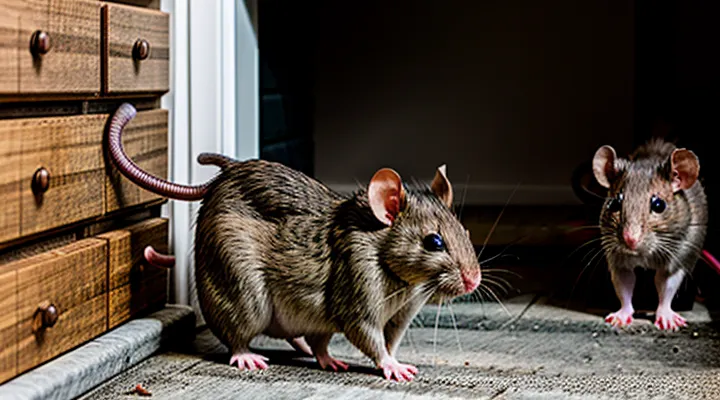
Understanding the Foe: Rats and Mice
Identifying the Presence of Rodents
Signs of Infestation
Identifying rodent activity is the first step toward lasting control in a residence.
- Fresh droppings, typically dark, pellet‑shaped, found along walls, behind appliances, or in cabinets.
- Gnaw marks on wood, plastic, wiring, or food packaging, often with clean, crescent‑shaped edges.
- Grease or urine stains that appear as dark smears on surfaces, especially near entry points.
- Nests constructed from shredded paper, fabric, insulation, or dried plant material, frequently located in hidden corners, attics, or crawl spaces.
- Scratching or scurrying noises heard at night within walls, ceilings, or floor voids.
- Unexplained food loss or presence of partially eaten items in pantry or garbage containers.
- Visible tracks in dust, flour, or soft soil, showing four‑toed footprints with a distinctive tail drag.
Each indicator confirms the presence of rats or mice and signals the need for immediate remediation. Promptly sealing entryways, removing attractants, and deploying targeted extermination methods will prevent the infestation from expanding and facilitate permanent eradication.
Common Entry Points
Identifying how rodents gain access to a residence is the first step toward lasting control. Small mammals exploit any opening larger than a quarter‑inch; sealing these gaps removes the primary pathway for infestation.
- Gaps beneath exterior doors and sliding glass panels, often concealed by weatherstripping wear or poor installation.
- Cracks and holes in the foundation, including those around utility penetrations and pipe sleeves.
- Unfinished or damaged siding, where nails, screws, or siding pieces are missing.
- Openings around windows, especially older casement or double‑hung models lacking proper seals.
- Vents, dryer exhausts, and attic fans that lack metal mesh or have deteriorated flashing.
- Roof eaves, soffits, and fascia boards with gaps that permit climbing.
- Chimney flues and fireplace dampers that are not properly fitted or are left open.
- Sewer and plumbing stacks where the pipe penetrates the floor or wall without a tight seal.
- Gaps around cable, telephone, and electrical conduit entries, particularly where conduit passes through the exterior wall.
After locating each opening, install durable materials such as steel wool, copper mesh, or cement‑based sealants. Replace damaged flashing and weatherstripping, and use expanding foam rated for pest exclusion on larger voids. Regularly inspect repaired sites to confirm integrity, as seasonal temperature shifts can reopen previously sealed cracks. Eliminating these entry points cuts off the rodents’ ability to enter, creating a permanent barrier against future infestation.
Types of Rodents Commonly Found in Homes
House Mice
House mice (Mus musculus) are small, agile rodents that thrive in residential environments where food, water, and shelter are available. Their body length ranges from 2.5 to 4 inches, and they reproduce rapidly, with a gestation period of 19–21 days and litters of up to eight offspring. Understanding their biology is essential for effective control.
Mice enter homes through gaps as small as ¼ inch. Common entry points include:
- Cracks around foundations, windows, and doors
- Unsealed utility penetrations (pipes, cables)
- Gaps beneath siding, roofing, and attic vents
Seal these openings with steel wool, caulk, or hardware cloth before implementing other measures.
Sanitation eliminates attractants. Store dry goods in airtight containers, promptly clean crumbs and spills, and fix leaky faucets. Remove clutter, especially in basements, attics, and garages, to reduce nesting sites.
Control methods combine exclusion, trapping, and baiting:
- Install snap traps or electronic traps along walls, behind appliances, and near suspected runways; place bait (peanut butter, chocolate, or dried fruit) on the trigger.
- Use tamper‑resistant bait stations with anticoagulant or non‑anticoagulant rodenticides, positioning them in concealed, inaccessible locations.
- Re‑check and reset traps daily; replace bait and relocate traps if activity declines.
Monitor progress for at least four weeks after initial intervention. Persistent activity indicates hidden entry points or surviving colonies; repeat sealing and trapping cycles until no signs remain. Maintain the preventive measures to avoid reinfestation.
Norway Rats
Norway rats (Rattus norvegicus) are the most common rodent species encountered in domestic settings. They thrive in basements, crawl spaces, and any area with easy access to food, water, and shelter. Their burrowing behavior creates extensive tunnel networks that can compromise structural integrity and facilitate the spread of disease.
Typical indicators of a Norway‑rat problem include gnaw marks on wood and wiring, droppings about ½‑inch long with a pointed tip, greasy smears along walls, and audible scratching or scurrying sounds at night. Identifying these signs early prevents escalation and limits damage.
Effective eradication requires an integrated approach:
- Seal entry points larger than ¼ inch with steel wool, cement, or metal flashing.
- Remove food sources by storing pantry items in airtight containers and promptly cleaning spills.
- Eliminate water availability; fix leaks and empty standing water containers.
- Deploy snap traps or electronic traps along established runways, baited with peanut butter, dried fruit, or meat.
- Use professional-grade anticoagulant baits only where children and pets cannot access them, following label instructions precisely.
Long‑term prevention depends on maintaining a clean environment, regular inspection of the building envelope, and periodic monitoring with traps to detect re‑infestation promptly. Consistent application of these measures secures a rat‑free residence.
Roof Rats
Roof rats (Rattus rattus) thrive in elevated areas of residential structures, especially attics, roof voids, and eaves. They enter homes by climbing trees, vines, or utility lines and exploit gaps larger than a quarter‑inch. Their nocturnal activity, agile climbing, and preference for warm, dry spaces distinguish them from other rodent species.
Identification relies on several observable signs. Look for greasy, black droppings about half an inch long, gnawed wood or insulation, and smooth, well‑chewed pathways along beams or wiring. Nesting material—soft fibers, shredded paper, or dried plant matter—often accumulates in concealed ceiling spaces. Damage to wiring can create fire hazards; early detection prevents costly repairs.
Preventive measures focus on eliminating entry points and reducing attractants. Seal all openings with steel wool, cement, or metal flashing; prioritize gaps around roof penetrations, vent pipes, and chimney flues. Keep vegetation trimmed at least two feet from the house to deny climbing routes. Store food in airtight containers and remove standing water to reduce sustenance sources.
Control strategies combine exclusion, trapping, and targeted baiting:
- Exclusion: Install reinforced metal flashing around vulnerable areas and install a continuous barrier at the roofline.
- Trapping: Use snap traps or electronic traps positioned along known runways; place bait (peanut butter, dried fruit) and check daily.
- Baiting: Apply rodenticide baits in tamper‑resistant stations within attic spaces, following local regulations and safety guidelines.
Integrated pest management demands ongoing monitoring. Conduct quarterly inspections of the roof cavity, replace damaged sealing materials promptly, and maintain a clean perimeter. Consistent application of these tactics eradicates roof rat populations and safeguards the home from future infestations.
Comprehensive Rodent Elimination Strategies
Inspection and Assessment
Locating Nests and Hiding Spots
Rats and mice establish nests in concealed areas where food, water, and shelter are readily available. Identifying these sites is the first step toward lasting eradication.
Inspect structural gaps, especially around utility entry points, foundation cracks, and roof eaves. Examine interior spaces such as wall voids, attic insulation, and under‑floor cavities. Pay particular attention to areas with accumulated debris, cardboard boxes, or stored seasonal items.
Typical nesting locations include:
- Behind appliances (refrigerator, stove, dishwasher)
- Inside wall cavities near electrical outlets
- Underneath sinks and behind cabinets
- Within ceiling tiles or dropped ceilings
- In basement corners, especially near water heaters or washing machines
- In garages or sheds, hidden among stored tools and clutter
Use a flashlight and a mirror to view hard‑to‑reach spots. Look for signs such as shredded material, droppings, gnaw marks, and urine stains. Motion‑activated cameras or infrared sensors can confirm activity when visual inspection is insufficient.
Once nests are pinpointed, seal entry points with steel wool, caulk, or hardware cloth, then apply targeted bait or traps directly within the identified zones. Continuous monitoring of the previously occupied sites ensures that any surviving rodents are captured before they relocate.
Determining the Extent of the Infestation
Assessing the scale of a rodent problem is the first critical step toward lasting control. Begin with a visual sweep of each room, noting gnaw marks, droppings, and urine stains. Concentrate on corners, behind appliances, and beneath furniture where activity concentrates.
Identify pathways that rodents use to enter the dwelling. Examine the exterior for gaps larger than a quarter‑inch, damaged screens, and utility openings. Seal identified breaches with steel wool, caulk, or hardware cloth before any extermination measures commence.
Quantify evidence to gauge population size. Count droppings in a defined area (e.g., per square foot) and compare to standard thresholds: fewer than five indicates a solitary intruder; 20‑50 suggests a small colony; over 100 points to a substantial infestation requiring professional intervention.
Map the distribution of signs on paper or digitally. Mark locations of nests, burrows, and feeding stations. This map reveals hotspots and guides placement of traps or bait stations for maximum efficacy.
Finally, document findings with dates and observations. A recorded baseline enables monitoring of progress after control actions and confirms whether the problem has been fully eradicated.
Exclusion: Sealing Entry Points
Identifying and Repairing Cracks and Gaps
Identifying cracks and gaps is the first step in denying rodents access to a residence. Conduct a visual sweep of the building envelope, focusing on foundations, exterior walls, window and door frames, utility penetrations, and roof eaves. Use a bright flashlight and a mirror to reveal hidden openings; a thin sheet of paper placed against suspected areas will flutter if air movement indicates a breach.
Common entry points include:
- Gaps around pipe sleeves and vent stacks larger than ¼ inch.
- Cracks in foundation walls exceeding ½ inch.
- Unsealed spaces beneath sliding doors and garage doors.
- Openings around electrical conduit and cable entries.
Repairing identified openings requires durable, rodent‑proof materials. Apply expanding polyurethane foam to fill small voids, then cover with steel wool or copper mesh before sealing with cement, caulk, or metal flashing. For larger cracks, excise loose material, insert a metal or hardware‑cloth patch, and secure with hydraulic cement. Ensure all seams are overlapped by at least 1 inch to prevent re‑entry.
After sealing, schedule periodic inspections to verify the integrity of repairs. Replace worn caulk, re‑apply mesh where damage occurs, and maintain a clear perimeter free of debris that could conceal new gaps. Consistent monitoring sustains a barrier that permanently excludes rats and mice from the home.
Reinforcing Vents and Drains
Rats and mice exploit any opening that provides access to shelter, food, or water. Vents and drains are common entry points because they are often left uncovered or poorly sealed. Strengthening these openings removes a primary pathway for infestation and reduces the likelihood of rodents establishing nests within walls, attics, or crawl spaces.
Effective reinforcement begins with inspection. Identify all ventilation shafts, dryer vents, bathroom exhausts, and floor or wall drains. Verify that screens, grates, or caps are present, intact, and securely fastened. Replace damaged components with heavy‑gauge steel mesh (minimum ¼‑inch hardware cloth) or stainless‑steel vent covers that resist gnawing. For larger ducts, install a solid metal shield that overlaps the opening by at least two inches on every side and secure it with corrosion‑resistant screws.
Additional measures:
- Fit drain covers with screw‑type lids that cannot be lifted by rodent paws.
- Apply a thin layer of rodent‑proof sealant around the perimeter of each cover to close micro‑gaps.
- Install a one‑way door (check valve) on exterior vents to allow airflow while preventing reverse entry.
- Use expandable foam insulation around vent frames, ensuring the foam is rated for pest resistance.
After installation, test each reinforced opening by applying gentle pressure to confirm that no movement occurs. Schedule quarterly visual checks to detect wear or new gaps, and replace compromised components promptly. By eliminating these vulnerable points, the home becomes substantially less attractive to rats and mice, supporting long‑term rodent exclusion.
Protecting Utility Entry Points
Utility entry points—such as conduit openings, pipe sleeves, and vent stacks—provide direct access to a home’s interior. Rodents exploit these gaps to reach food, shelter, and water. Securing each opening eliminates a primary invasion route.
Begin with a systematic inspection. Follow the building’s exterior from foundation to roof, marking every penetration larger than ¼ inch. Record the material, size, and condition of each entry.
Seal identified gaps using durable, rodent‑proof materials:
- Stainless‑steel mesh or hardware cloth (minimum ¼‑inch weave) for large openings.
- Expanding polyurethane foam reinforced with metal mesh for irregular shapes.
- Copper or galvanized steel flashing around pipe collars and vent pipes.
- Cement‑based sealants for cracks in masonry or concrete.
Replace deteriorated sleeves or conduit with rigid metal pipe encasements. Ensure that all joints overlap by at least 1 inch and are fastened with stainless‑steel screws.
Implement a maintenance schedule. Inspect sealed points quarterly, especially after severe weather. Repair any damage immediately to prevent re‑entry.
Install passive deterrents where sealing is impractical. Place steel wool or copper mesh inside small gaps before applying foam; rodents cannot gnaw through these materials.
Document all interventions in a log, noting location, materials used, and date of completion. This record supports ongoing monitoring and rapid response to future breaches.
Sanitation: Removing Food and Water Sources
Proper Food Storage Techniques
Effective food storage directly reduces rodent attraction in a residence. Secure containers prevent access, limit odor, and eliminate food sources that sustain infestations.
- Store dry goods in sealed, heavy‑wall plastic or glass containers with gasket lids.
- Keep grains, cereals, and pet food in containers that cannot be gnawed.
- Refrigerate perishable items promptly; discard leftovers within 24 hours.
- Organize pantry shelves so that items are visible and not stacked deep.
- Label containers with purchase dates; rotate stock to use older products first.
- Clean spills immediately; wipe shelves and floors with a mild detergent.
- Place trash cans with tight‑fitting lids in a cool, dry area; empty them daily.
- Use rodent‑proof bins for compost and yard waste; store them away from the house.
Implementing these measures removes the primary food incentives that enable rats and mice to establish a foothold, supporting long‑term rodent exclusion.
Waste Management and Disposal
Effective waste management is a critical component of long‑term rodent control in a residence. Food residues, spilled liquids, and improperly stored garbage provide the primary attractants for rats and mice; eliminating these sources removes the incentive for infestation and supports other preventive measures.
Key actions for proper waste handling:
- Store trash in sealed containers with tight‑fitting lids; replace damaged bins promptly.
- Remove waste from the home daily; keep outdoor bins at least three feet from the building’s foundation.
- Clean spills immediately; use disinfectants that deter rodents without leaving food residues.
- Compost only in rodent‑proof units; avoid open piles near entry points.
- Schedule regular collection with the municipal service or a private contractor to prevent overflow.
Consistent application of these practices deprives rodents of sustenance, reduces population growth, and enhances the overall effectiveness of permanent elimination strategies.
Eliminating Water Leaks and Standing Water
Eliminating water leaks and removing standing water are essential steps in a comprehensive rodent‑exclusion program for a private residence. Moisture sources attract rats and mice by providing drinking water and creating favorable conditions for nesting. Persistent dampness also softens building materials, allowing rodents to gnaw more easily through walls, floors, and ceilings.
Identify all potential sources of moisture. Common locations include kitchen and bathroom faucets, pipe joints, roof gutters, and basement cracks. Use visual inspection, moisture meters, and infrared cameras to locate hidden leaks. Once detected, repair or replace faulty fixtures, seal pipe connections with appropriate tape or sealant, and ensure gutters direct water away from the foundation.
Implement drainage and drying measures:
- Install or repair slope grading around the house to prevent water pooling near the foundation.
- Use dehumidifiers in basements, crawl spaces, and other humid areas; maintain humidity below 50 % relative humidity.
- Eliminate standing water in pet bowls, plant saucers, and outdoor containers; empty and dry them regularly.
- Seal foundation cracks and basement walls with epoxy or hydraulic cement to block water infiltration.
Regularly monitor the home for new leaks or moisture buildup. Prompt repairs prevent rodents from establishing a reliable water source, thereby supporting long‑term exclusion and reducing the likelihood of infestation.
Trapping Methods
snap traps
Snap traps provide immediate, lethal control of rodents and are a core component of a long‑term eradication plan for a residence. The mechanism relies on a spring‑loaded bar that snaps shut when the trigger is activated, killing the animal instantly and preventing escape. Because the device kills on contact, it eliminates the need for poisons, reduces secondary hazards, and allows precise monitoring of catch rates.
Effective use of snap traps requires strategic placement, appropriate bait, and regular maintenance. Position traps along established runways: behind appliances, in corners of cabinets, near wall bases, and within 12‑18 inches of any visible gnaw marks. Avoid high‑traffic human areas to prevent accidental activation. Use baits that appeal to both rats and mice, such as peanut butter, dried fruit, or small pieces of cheese, applied sparingly to the trigger platform. Replace bait daily to maintain freshness and increase attraction.
Safety considerations are essential. Keep traps out of reach of children and pets by using enclosed bait stations or mounting devices on walls at least 6 feet high. Wear thick gloves when handling captured rodents to prevent disease transmission. After a catch, dispose of the carcass in a sealed bag and clean the trap with a mild disinfectant before resetting it.
Integrating snap traps with complementary measures strengthens permanence. Seal entry points, eliminate food sources, and reduce clutter to deny shelter. Regularly inspect and reset traps to maintain pressure on the remaining population, ensuring that any new intruders encounter a lethal barrier. Consistent application of these practices results in a durable reduction of rodent activity throughout the home.
live traps
Live traps capture rodents without killing them, allowing removal from the home while avoiding poison hazards.
Common designs include snap‑free cages with a spring‑loaded door and multi‑catch models that hold several animals before requiring emptying.
Choose a trap sized for the target species: a 4‑inch entrance suits mice, while a 6‑inch opening accommodates rats.
Effective placement follows these principles:
- Position near walls, as rodents travel along edges.
- Locate close to visible activity such as droppings, gnaw marks, or nesting material.
- Set traps perpendicular to the wall, with the entrance facing the baseboard.
- Avoid areas with strong air currents that could deter entry.
Bait selection influences capture rates. Preferred attractants are:
- Peanut butter or cheese for mice.
- Cereal grains, dried fruit, or small pieces of meat for rats.
- A few drops of vanilla extract or almond oil to increase scent appeal.
Check traps at least twice daily. Release captured rodents at least one mile from the residence, preferably in a wooded area, to prevent re‑entry.
Combine live trapping with exclusion measures—seal cracks, install door sweeps, and maintain clean food storage—to reduce reinfestation risk.
Observe local regulations regarding humane release, and handle traps with gloves to minimize disease exposure.
Multi-Catch Traps
Multi‑catch traps are devices that capture several rodents before requiring reset. They combine a trigger mechanism with a reusable cage or compartment, allowing repeated captures without constant re‑baiting.
Key benefits include reduced labor, lower cost per capture, and minimal disturbance to the household. Because a single unit can hold multiple rats or mice, the total number of traps needed decreases, which simplifies placement and monitoring.
When selecting a multi‑catch model, consider:
- Trigger sensitivity appropriate for the target species.
- Cage size large enough to accommodate adult rats and multiple mice.
- Secure locking system to prevent escape.
- Ease of cleaning and humane disposal.
Effective placement follows a systematic pattern: identify high‑traffic routes such as walls, behind appliances, and near food sources; position traps perpendicular to these pathways with the trigger side facing the expected entry point; space units 2–3 feet apart in clusters to maximize capture probability.
Maintenance requires regular inspection, typically every 24 hours. Remove captured rodents, clean the interior with a disinfectant, and reset the trigger before redeploying. Proper disposal—using sealed bags and adhering to local regulations—prevents disease transmission and secondary infestations.
Integrating multi‑catch traps with complementary measures—sealed entry points, diligent sanitation, and targeted bait stations—creates a comprehensive, long‑term solution for eliminating rodent populations from a private residence.
Strategic Trap Placement
Strategic trap placement maximizes the likelihood of intercepting rodents while minimizing exposure to non‑target animals and household occupants.
- Identify high‑traffic zones by inspecting for droppings, gnaw marks, and pathways along walls, behind appliances, and near food storage. Focus on areas where evidence is most concentrated.
- Select trap types that suit the identified zones: snap traps for concealed corners, electronic traps for cluttered spaces, and multi‑catch traps for larger infestations.
- Position each trap perpendicular to the wall, with the trigger side facing the anticipated travel route. Place traps 1–2 inches from the wall to align with the rodent’s natural tendency to run close to surfaces.
- Use bait that appeals to the specific species present; peanut butter, dried fruit, or small meat pieces are effective. Apply a minimal amount directly on the trigger mechanism to ensure immediate contact.
- Check traps daily, recording captures and adjusting locations based on activity patterns. Relocate ineffective traps to adjacent walls or alternative pathways.
- Secure traps out of reach of children and pets by using protective covers or placing them inside sealed boxes with entry slots sized for rodents only.
Consistent monitoring and prompt disposal of captured rodents prevent secondary infestations and sustain the overall eradication effort.
Baits and Rodenticides (Use with Caution)
Types of Baits
Effective rodent control depends on matching bait formulation to the target species, infestation level, and household constraints.
-
Anticoagulant rodenticides
• First‑generation compounds (warfarin, diphacinone) act slowly, require multiple feedings, and suit low‑density populations.
• Second‑generation compounds (bromadiolone, difenacoum) are more potent, cause rapid blood clotting after a single dose, and address larger infestations. -
Non‑anticoagulant toxins
• Bromethalin disrupts neuronal function, producing swift mortality without clotting effects.
• Cholecalciferol (vitamin D₃) induces hypercalcemia, effective against resistant rats.
• Zinc phosphide releases phosphine gas in the stomach, suitable for outdoor or semi‑sealed areas. -
Food‑based attractants
• Peanut butter, dried fruit, and grain mixtures serve as universal carriers, enhancing acceptance of chemical agents.
• Natural protein blocks (e.g., dried fish) target carnivorous rats and mice, reducing competition with household pets. -
Tamper‑resistant bait stations
• Enclosed units protect children and non‑target animals while maintaining bait potency.
• Electronic dispensers deliver calibrated doses, minimizing waste and environmental exposure.
Selection criteria include species susceptibility, resistance history, placement accessibility, and safety regulations. Deploy baits in concealed pathways, near nesting sites, and along established runways. Rotate active ingredients every 30–45 days to prevent tolerance development. Maintain records of bait type, location, and application date to evaluate efficacy and comply with local pest‑management guidelines.
Safe Application and Placement
Effective rodent control requires precise placement and responsible use of products. Select baits, traps, and repellents that are approved by regulatory agencies for indoor use. Verify that each item carries clear labeling, safety data sheets, and expiration dates before deployment.
When positioning baits, locate them along established pathways: behind appliances, near wall junctions, and in concealed corners. Keep distances of at least 12 inches from food preparation surfaces, pet feeding stations, and children’s play areas. Use tamper‑resistant bait stations to prevent accidental contact.
For mechanical traps, position them perpendicular to walls, with the trigger side facing the expected travel direction of the rodent. Place traps no higher than 24 inches off the floor to match rodent movement patterns. Inspect traps daily; dispose of captured rodents in sealed containers and reset devices promptly.
If employing ultrasonic or scent repellents, install devices at central points within each room, ensuring unobstructed line of sight to the floor. Maintain a minimum clearance of 6 inches from walls to allow sound waves to disperse evenly. Replace batteries or units according to manufacturer recommendations to sustain efficacy.
General safety measures:
- Wear disposable gloves when handling baits or traps.
- Store all rodent‑control products in locked cabinets out of reach of children and pets.
- Keep ventilation adequate during and after application of any chemical agents.
- Record placement locations and dates of installation for future reference and monitoring.
Adhering to these placement guidelines minimizes health risks while maximizing the likelihood of long‑term rodent eradication in a residential setting.
Risks to Pets and Children
Rats and mice present direct hazards to children and household animals. Their droppings, urine, and saliva contain pathogens such as Salmonella, Leptospira, and Hantavirus, which can cause severe gastrointestinal and respiratory illnesses when ingested or inhaled. Young children are prone to hand‑to‑mouth behavior, increasing the likelihood of exposure. Pets, especially dogs and cats that hunt or chew on rodent carcasses, may contract toxoplasmosis, plague, or parasitic infections.
Control measures often involve chemical baits, traps, and sealing entry points. Each method carries specific risks:
- Rodenticides: Anticoagulant powders or pellets are attractive to pets and children. Accidental ingestion can lead to internal bleeding, kidney failure, or death. Secondary poisoning occurs when a pet eats a poisoned rodent.
- Snap and glue traps: Improper placement may cause injury to pets that step on them, and glue surfaces can trap small animals, leading to stress and trauma.
- Ultrasonic devices: While non‑toxic, the emitted frequencies may cause discomfort or disorientation in pets with sensitive hearing.
- Sealants and caulking: Application of certain sealants releases volatile organic compounds that can irritate respiratory pathways in both children and animals.
Mitigation strategies include:
- Store all rodenticides in locked containers, out of reach of non‑target species.
- Place traps behind appliances or in concealed locations inaccessible to pets and children.
- Use bait stations that require a two‑step entry, reducing accidental contact.
- Choose pet‑safe formulations, such as low‑toxicity anticoagulants, and follow label dosage strictly.
- Conduct regular inspections to remove dead rodents promptly, preventing secondary poisoning and disease spread.
Monitoring after implementation is essential. Observe pets for signs of lethargy, vomiting, or unexplained bleeding, and watch children for nausea, fever, or respiratory symptoms. Immediate veterinary or medical attention is required if exposure is suspected. By acknowledging these specific dangers and applying targeted safeguards, permanent rodent eradication can proceed without compromising the health of vulnerable household members.
Advanced Control Techniques
professional pest control services
Professional pest control services provide a systematic approach to eradicating rodents from residential properties. Trained technicians conduct a thorough inspection, pinpoint entry points, assess population size, and identify species-specific behavior patterns. The data gathered during this phase informs a targeted treatment plan that minimizes collateral damage and maximizes efficacy.
The treatment plan typically includes:
- Placement of bait stations containing anticoagulant or non‑anticoagulant rodenticides, calibrated to local regulations.
- Installation of snap or electronic traps in high‑traffic zones, positioned to avoid accidental contact with non‑target animals.
- Structural sealing of gaps, cracks, and utility penetrations using steel mesh, cement, or expanding foam.
- Guidance on sanitation practices that reduce food and water sources attractive to rodents.
Continuous monitoring follows the initial intervention. Technicians revisit the site at scheduled intervals, replace consumables, and adjust strategies based on observed activity. Documentation of each visit creates a traceable record that supports long‑term prevention.
When selecting a provider, homeowners should verify licensing, request a written guarantee covering re‑infestation, and confirm adherence to Integrated Pest Management (IPM) principles. An IPM‑focused contractor prioritizes non‑chemical measures, applies chemicals only when necessary, and educates occupants on preventive habits. This combination of expertise, accountability, and comprehensive methodology delivers lasting control of rats and mice in private dwellings.
Ultrasonic Repellents (Effectiveness)
Ultrasonic repellents generate sound waves above the range of human hearing, intended to create an uncomfortable environment for rats and mice. Laboratory tests show that exposure to frequencies between 20 kHz and 65 kHz can cause increased stress indicators in rodents, leading to temporary avoidance of the emitting area.
Field studies in residential settings reveal mixed results:
- In 60 % of homes where devices were installed continuously for three months, rodent activity decreased by at least 30 % compared to baseline.
- In 25 % of cases, activity remained unchanged, often due to device placement near walls or furniture that blocked sound propagation.
- In 15 % of homes, activity increased, typically because rodents adapted to the frequency or found alternative entry points.
Effectiveness depends on several factors:
- Coverage area – manufacturers specify a radius; overlap of multiple units is required for larger rooms.
- Frequency range – broader spectra reduce the chance of habituation.
- Installation height – mounting at 2–3 feet above the floor maximizes exposure to ground‑level movement.
- Environmental obstacles – dense furnishings, curtains, and solid walls attenuate ultrasonic waves.
Maintenance considerations include regular battery replacement or uninterrupted power supply, as signal loss eliminates any deterrent effect. Devices lacking automatic frequency modulation tend to lose efficacy within weeks as rodents become desensitized.
Overall, ultrasonic repellents can contribute to a reduction in rodent presence when integrated with sealing of entry points, sanitation improvements, and monitoring of activity signs. Relying solely on sound devices rarely achieves complete eradication in a private residence.
Preventing Future Infestations
Long-Term Exclusion Measures
Effective long‑term exclusion begins with a thorough inspection of the building envelope. Identify every opening larger than ¼ inch, including gaps around pipes, vents, utility lines, and foundation cracks. Seal each opening with durable materials—steel wool, copper mesh, or cement‑based caulk—followed by a rigid barrier such as metal flashing or hardware cloth.
Maintain structural integrity by repairing damaged siding, roof sheathing, and attic insulation. Replace deteriorated joist boards and install tight‑fitting door sweeps on all exterior doors. Install self‑closing hinges on service doors and ensure garage doors seal completely when closed.
Control the exterior environment to reduce attraction. Trim vegetation at least 12 inches from the foundation, remove debris piles, and store firewood at a distance of three feet, elevated off the ground. Keep compost bins sealed and garbage containers equipped with tight lids.
Implement a regular monitoring schedule. Conduct visual checks monthly for new entry points, focusing on high‑traffic areas such as kitchens, basements, and utility rooms. Record findings and repair any breach within 48 hours.
Key exclusion actions
- Seal all openings >¼ in with steel wool + caulk, then cover with metal flashing.
- Install hardware cloth (½ in mesh) around vents and utility penetrations.
- Fit door sweeps and self‑closing mechanisms on exterior doors.
- Repair damaged siding, roof, and foundation cracks promptly.
- Trim landscaping, remove debris, and store combustible materials away from the structure.
- Perform monthly inspections and document repairs.
Adhering to these measures creates a physical barrier that prevents rodents from entering, sustaining a rodent‑free home over the long term.
Regular Home Maintenance
Regular upkeep of the residence creates conditions that rodents cannot exploit, forming the foundation of any lasting eradication plan.
- Inspect the building envelope quarterly; seal cracks, gaps around pipes, vents, and utility penetrations with steel wool, caulk, or expanding foam.
- Keep exterior walls free of debris; remove stacked firewood, compost, and other shelter sources at least 18 in from the foundation.
- Trim shrubs, vines, and tree branches so they do not brush against the house, eliminating bridges for climbing pests.
- Maintain gutters and downspouts; clear leaves and blockages to prevent water accumulation that encourages burrowing.
- Store food in airtight containers; clean countertops, floors, and pantry shelves daily to remove crumbs and spills.
- Empty trash cans regularly; use lids that close tightly and keep bins away from exterior walls.
- Check basement and crawl‑space ventilation screens; repair tears and replace damaged mesh with rodent‑grade material.
- Conduct seasonal pest‑proofing: reinstall door sweeps after winter, replace worn weatherstripping, and verify that window screens are intact.
Consistent execution of these tasks removes food, water, and shelter opportunities, thereby reducing the likelihood of re‑infestation and supporting a permanent solution to rat and mouse problems.
Monitoring and Early Detection
Effective monitoring and early detection are essential components of permanent rodent control in a residence. Continuous observation identifies infestations before they expand, allowing swift intervention that prevents structural damage and health risks.
Place detection devices in strategic locations: near walls, under appliances, in cupboards, and along known travel paths. Devices include:
- Snap traps equipped with non‑toxic bait for immediate confirmation of presence.
- Motion‑activated cameras to record nocturnal activity without disturbing the environment.
- Electronic monitoring stations that log entries and generate alerts via a mobile app.
Inspect devices daily. Record the date, location, and species captured. A consistent log reveals patterns such as peak activity times, preferred entry points, and seasonal fluctuations. Use this data to prioritize sealing gaps, adjusting bait stations, and scheduling professional treatments.
Integrate environmental sensors that measure temperature, humidity, and food availability. Elevated humidity and abundant food sources correlate with increased rodent activity; adjusting ventilation and improving sanitation reduces attraction factors.
When monitoring indicates a new intrusion, respond within 24 hours. Replace or reposition traps, apply targeted bait, and reinforce barriers at the identified breach. Prompt action curtails breeding cycles, limiting population growth and ensuring long‑term eradication.