
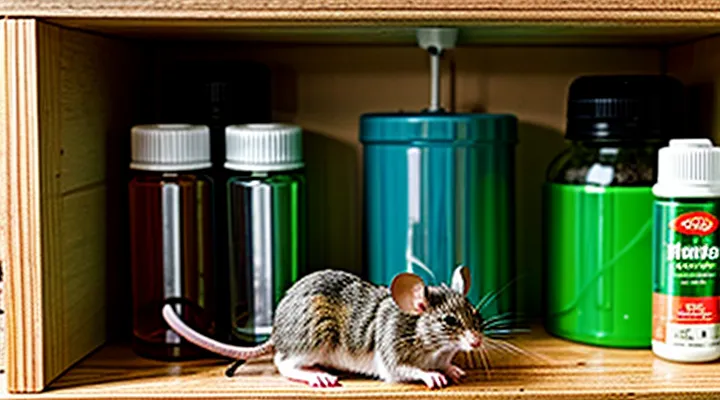
Understanding the Mouse Problem
Signs of a Mouse Infestation
Droppings and Urine Trails
Droppings and urine trails provide the scent cues mice use to navigate and claim territory, so any repellent must address these markers directly. Ignoring them allows rodents to re‑establish routes even after a deterrent is applied.
First, locate all deposits. Look for dark specks along baseboards, behind appliances, and in corners; urine appears as damp, discolored streaks or a faint sheen on surfaces. Record each spot to ensure thorough treatment.
Clean each area with materials that break down proteins and neutralize odor:
- Mix one part white vinegar with three parts water; apply with a spray bottle, let sit for five minutes, then wipe dry.
- For stubborn residue, combine baking soda with a few drops of dish soap, scrub gently, and rinse with warm water.
- After cleaning, spread a thin layer of activated charcoal or coffee grounds on the surface; leave for 30 minutes, then vacuum.
After removal, create an environment that discourages re‑marking. Place cotton balls soaked in peppermint oil, cloves, or a 10 % citrus oil solution near former trails; these scents mask residual mouse odor and repel new activity. Replace the cotton weekly to maintain potency.
Finally, seal entry points and eliminate food sources. A clean, scent‑free perimeter combined with the described household treatments forms an effective, low‑cost barrier against further mouse incursions.
Gnaw Marks and Damage
Gnaw marks appear as shallow, V‑shaped cuts on wood, plastic, or cardboard, often accompanied by shredded edges and powdery residue. These signatures indicate active rodent presence and reveal the pathways rodents use to reach food or shelter. Recognizing the pattern of damage helps pinpoint high‑traffic zones where a homemade deterrent will be most effective.
Typical damage includes:
- Chewed electrical cords, creating exposed conductors that can cause short circuits.
- Compromised structural timber, leading to weakened supports and potential collapse.
- Torn food packaging, resulting in contamination and waste.
- Disrupted insulation, reducing thermal efficiency and increasing energy costs.
Assessing damage involves inspecting suspected areas, documenting the size and location of each gnaw mark, and noting any associated material loss. Prioritize locations where the marks intersect with utility lines or food storage, as these pose the greatest risk to health and property.
When formulating a DIY mouse repellent, place the mixture directly on or near the identified gnaw sites. Apply the solution to edges of cabinets, baseboards, and exposed wiring, ensuring full coverage of the damaged surface. Reapply after cleaning or when the material shows signs of wear. Continuous monitoring of gnaw marks will confirm the deterrent’s efficacy and guide adjustments to placement or concentration.
Strange Noises at Night
Strange noises heard after dark often indicate rodent activity within walls, attics, or crawl spaces. Mice generate high‑pitched squeaks and scurrying sounds as they move, especially when foraging for food or nesting material. Identifying these auditory cues allows timely intervention before infestations expand.
A practical solution involves preparing a DIY mouse deterrent from items commonly found at home. The mixture combines strong odors and tactile discomfort to discourage rodents from remaining in the vicinity of the noise source.
- Peppermint oil, undiluted, applied to cotton pads placed near entry points.
- Ground cayenne pepper or crushed red pepper scattered around baseboards and behind appliances.
- Small sachets of dryer sheets, positioned in corners, to create an unpleasant scent.
- A solution of equal parts water and white vinegar sprayed on surfaces where droppings are observed.
Apply each component daily for a week, monitoring the reduction in nocturnal sounds. Persistent noise after this period suggests the need for additional sealing of gaps and, if necessary, professional pest control.
Why Commercial Repellents May Not Be Ideal
Chemical Concerns and Pet Safety
When preparing a DIY mouse deterrent, the choice of ingredients directly affects both efficacy and household safety. Many common repellents rely on strong odors or irritants that can be hazardous if misused.
- Acidic substances (e.g., vinegar, lemon juice) – effective for scent disruption but can corrode metal surfaces and irritate skin or eyes. Use diluted solutions and apply with a spray bottle to minimize contact.
- Essential oils (peppermint, eucalyptus, citronella) – potent olfactory repellents. Concentrations above 5 % may cause respiratory irritation in small animals and humans. Mix oils with a carrier (water or vegetable oil) and test on a limited area before widespread use.
- Ammonia or bleach – powerful deterrents that pose severe toxicity risks. Inhalation can damage respiratory tracts; ingestion leads to organ damage. Avoid these chemicals in homes with pets or children.
Pet safety hinges on exposure pathways. Rodents are often targeted in areas where cats, dogs, or small mammals roam, so any repellent must be non‑toxic if licked, sniffed, or brushed against fur.
- Prevent ingestion – store mixtures in sealed containers out of reach. Label clearly with ingredients and hazard warnings.
- Limit airborne concentration – apply only to entry points, baseboards, or concealed crevices. Do not saturate entire rooms; ventilation reduces lingering fumes.
- Observe animal behavior – immediate signs of distress (sneezing, pawing at nose, excessive salivation) indicate the need to discontinue use and ventilate the area.
When uncertainty exists about a component’s safety profile, consult veterinary guidance or replace it with a proven, non‑chemical barrier such as steel wool or sealed gaps. Maintaining a balance between repellent potency and household health ensures the solution remains effective without compromising pet welfare.
Cost-Effectiveness and Availability
Using everyday items to deter mice keeps expenses low and sourcing simple. Most households already store the ingredients, eliminating additional purchases.
- Baking soda – $0.50 per pound, found in any grocery store.
- Peppermint essential oil – $3–$5 per 10 ml bottle, sold in supermarkets, pharmacies, or discount bulk shops.
- Fresh mint leaves – $1–$2 per bunch, available at farmers’ markets or garden centers.
- Vinegar (white) – $1 per gallon, stocked in most pantry shelves.
- Cotton balls – $0.30 per pack, sold in bulk at discount retailers.
The preparation requires only a few minutes. Mixing one tablespoon of baking soda with a few drops of peppermint oil, then soaking cotton balls, costs under $0.10 per batch. Applying the soaked balls in entry points and pathways uses minimal material; a single bottle of oil treats dozens of locations.
Comparing with commercial rodent repellents, which range from $10 to $30 per unit and often require repeated application, the homemade mixture reduces total outlay by 70 %–90 %. The low per‑use cost and the ability to replenish supplies from common stores ensure continuous protection without financial strain.
Principles of Homemade Mouse Repellents
Scents Mice Dislike
Peppermint Oil and Its Potency
Peppermint oil contains menthol, menthone, and other terpenes that create a strong, volatile scent intolerable to rodents. The high concentration of these compounds interferes with the olfactory receptors of mice, prompting avoidance behavior.
Effective potency requires proper dilution. Undiluted oil can overwhelm humans and damage surfaces; a balanced mixture preserves deterrent strength while remaining safe for indoor use.
- 10 ml peppermint oil + 90 ml water (1 % solution) – suitable for short‑term spray.
- 5 ml peppermint oil + 95 ml water (0.5 % solution) – appropriate for continuous placement on cotton balls.
- 2 ml peppermint oil + 98 ml water (0.2 % solution) – useful for larger areas where a milder aroma is preferred.
Application methods include soaking cotton balls and positioning them near entry points, filling spray bottles for periodic misting, and adding the solution to cloth strips placed behind appliances. Reapply every 3–5 days, as the scent diminishes with ventilation.
Cayenne Pepper and Its Irritant Qualities
Cayenne pepper contains capsaicin, a compound that activates pain receptors in the skin and mucous membranes of mammals. When mice contact capsaicin, it triggers a burning sensation that deters movement and feeding. The irritant effect persists for several hours, providing a temporary barrier without harming the animal.
To incorporate cayenne pepper into a homemade mouse deterrent, follow these steps:
- Measure one to two teaspoons of powdered cayenne per cup of water.
- Dissolve the powder thoroughly; heat can accelerate dissolution but is not required.
- Transfer the solution to a spray bottle or a small container for manual application.
- Apply the mixture along baseboards, entry points, and areas where droppings are observed. Reapply after rain or cleaning, as moisture reduces potency.
- Wear gloves and eye protection during preparation and application to avoid skin or eye irritation.
Capsaicin’s volatility diminishes with exposure to air, so store any unused solution in an airtight container at room temperature. The repellent remains effective for up to two weeks under proper storage conditions.
Clove Oil and Its Aromatic Repulsion
Clove oil contains eugenol, a phenolic compound that emits a pungent aroma intolerable to rodents. The scent interferes with the olfactory receptors mice rely on for navigation and foraging, prompting avoidance of treated areas.
Eugenol’s volatility ensures rapid dispersion, while its strong odor persists longer than many synthetic repellents. When applied correctly, clove oil creates an invisible barrier that discourages entry without harming the animal.
To incorporate clove oil into a homemade mouse deterrent, follow these steps:
- Measure 10 ml of clove essential oil.
- Mix with 500 ml of water in a spray bottle.
- Add 1 tsp of liquid dish soap to emulsify the oil.
- Shake vigorously before each use.
- Spray along baseboards, entry points, and known travel routes, allowing the surface to dry completely.
Safety measures include diluting the oil to prevent skin irritation, wearing gloves during preparation, and ensuring adequate ventilation. Avoid direct application on food surfaces and keep the mixture out of reach of pets and children.
Store the solution in a cool, dark place; clove oil retains potency for up to six months when sealed. Discard any preparation that develops an off‑odor or separation beyond normal emulsification.
Textures and Physical Deterrents
Steel Wool as a Barrier
Steel wool creates a physical obstruction that mice cannot easily penetrate. The fine, interwoven fibers jam the teeth of a rodent’s incisors and block the passage of its body, preventing entry through small openings such as gaps around pipes, vents, or foundation cracks.
To install the barrier, follow these steps:
- Identify all potential entry points where mouse activity has been observed.
- Cut a piece of steel wool that exceeds the size of the opening by at least one inch on each side.
- Pack the steel wool tightly into the gap, ensuring no visible voids remain.
- Secure the material with a layer of caulk or expanding foam to maintain contact with surrounding surfaces and to protect the steel wool from corrosion.
When combined with other low‑toxicity deterrents—such as peppermint oil sachets or ultrasonic emitters—steel wool enhances overall effectiveness by eliminating the physical route that rodents exploit. The barrier remains functional for several months; however, exposure to moisture may degrade the material, requiring periodic inspection and replacement.
Safety considerations include wearing gloves to avoid cuts and preventing ingestion by pets. Disposal of used steel wool should be performed in a sealed container to avoid accidental contact with wildlife.
Fabric Softener Sheets for Scent Disruption
Fabric softener sheets are an inexpensive, readily available option for disrupting the olfactory cues mice rely on when navigating a home. The sheets release a strong fragrance that masks food odors and interferes with the rodents’ scent trails, making the environment less attractive.
- Choose sheets with a potent, lingering scent (e.g., lavender, citrus, or pine).
- Cut each sheet into quarters to increase surface area.
- Place the pieces in areas where mouse activity is likely: behind appliances, under sinks, along baseboards, and inside closets.
- Replace the sheets every 3–4 days to maintain scent intensity.
The fragrance works by saturating the air and contaminating the chemical signals mice use for communication and foraging. When the scent is consistent, mice are less able to locate food sources or identify safe pathways, prompting them to abandon the treated zones.
Use caution in households with pets or individuals sensitive to strong fragrances; monitor for any adverse reactions. The method does not eliminate mice that have already established nests, but it can reduce the likelihood of new infestations when combined with other preventive measures.
Gathering Your Materials
Essential Ingredients for Repellents
High-Concentration Essential Oils
High‑concentration essential oils provide the volatile compounds that mice find intolerable, making them the most effective active agents in a DIY mouse deterrent.
- Peppermint oil (Mentha piperita) – strong menthol scent, proven repellent.
- Eucalyptus oil (Eucalyptus globulus) – sharp, camphorous odor.
- Tea tree oil (Melaleuca alternifolia) – broad‑spectrum antimicrobial and aversive.
- Clove oil (Syzygium aromaticum) – potent phenolic aroma.
- Citronella oil (Cymbopogon nardus) – citrus‑type repellent note.
For optimal potency, use oils with a minimum of 80 % purity. Dilute the concentrate to a 5 % solution by mixing one part essential oil with nineteen parts carrier (e.g., mineral oil, almond oil, or ethanol). This ratio balances efficacy with safety, preventing skin irritation and preserving the oil’s aromatic integrity.
Prepare the repellent by combining the measured essential oil with the carrier in a glass container, shaking gently to ensure homogeneity. Transfer the mixture into cotton balls or small porous sachets, then place them in mouse‑prone locations such as pantry corners, behind appliances, and along baseboard seams. Replace the sachets every two weeks to maintain a consistent vapor concentration.
Handle high‑concentration oils with gloves; avoid direct skin contact and inhalation of undiluted vapors. Store sealed containers in a cool, dark place to prevent oxidation and loss of potency. Properly labeled, the prepared repellent remains effective for up to three months.
Ground Spices and Powders
Ground spices and powders serve as effective components in a DIY mouse deterrent because their volatile compounds irritate rodent sensory systems. The strong scent of capsaicin, menthol, and eugenol disrupts mice’s ability to navigate and feed.
- cayenne pepper – high capsaicin concentration, disperses quickly in dry environments
- black pepper – piperine adds a sharp odor, complements cayenne
- dried mint leaves, ground – menthol vapors repel rodents, safe for indoor use
- cloves, ground – eugenol creates a pungent atmosphere hostile to mice
- cinnamon, ground – aromatic oil interferes with scent trails
- garlic powder – sulfur compounds produce an aversive smell
To create a usable blend, combine equal parts of cayenne, black pepper, and dried mint, then add half‑measure of cloves, cinnamon, and garlic powder. Mix thoroughly in a stainless‑steel bowl to avoid contamination. For improved adhesion, incorporate a small quantity of flour or cornstarch; the carrier binds the spices to surfaces without diminishing potency.
Apply the mixture by sprinkling a thin layer along baseboards, beneath appliances, and in known entry points. Reapply after cleaning or when the powder appears clumped. Avoid direct contact with food preparation areas to prevent flavor transfer.
Safety considerations: wear gloves during mixing; keep the blend out of reach of children and pets, as ingestion may cause irritation. Store in an airtight container, away from moisture, for up to three months. Label the container with contents and date of preparation.
Household Items with Strong Odors
Household products that emit potent odors can deter rodents when applied correctly. Their effectiveness stems from the animals’ heightened sense of smell, which makes environments saturated with these scents uncomfortable.
- Citrus peels (lemon, orange, grapefruit) – crush and distribute in entry points.
- Vinegar (white or apple cider) – soak rags and place near nesting sites.
- Peppermint oil – mix 10 ml with 250 ml water, spray on surfaces.
- Ammonia – dilute 1 part ammonia with 3 parts water, apply to corners.
- Rubbing alcohol (isopropyl) – soak cloths and hang in concealed areas.
- Garlic cloves – crush and embed in cotton balls, position in burrows.
Apply each item sparingly to avoid damage to furnishings, replace every few days, and combine several scents for broader coverage. Regular monitoring of activity signs will indicate whether the repellent remains effective.
Tools for Application and Safety
Spray Bottles and Cotton Balls
Spray bottles serve as the delivery system for liquid repellents. Choose a bottle with a trigger nozzle that produces a fine mist; this ensures even coverage on surfaces where mice travel. Before use, clean the container with hot water and a mild detergent to remove residues that could interfere with the active ingredients. Fill the bottle only to three‑quarters capacity, leaving room for agitation and to prevent overflow during application.
Cotton balls act as absorbent carriers for concentrated formulas that are too viscous for direct spraying. Soak each ball in the prepared solution until saturated, then gently squeeze out excess liquid to avoid dripping. Position the dampened balls in concealed areas such as behind appliances, inside wall voids, and along baseboard crevices. Replace them every 3–5 days, or sooner if they dry out, to maintain potency.
Preparation steps
- Combine a measured amount of essential oil (e.g., peppermint or eucalyptus) with water and a small proportion of white vinegar in a mixing container; typical ratio: 20 ml oil to 500 ml water, plus 30 ml vinegar.
- Stir the mixture thoroughly to disperse the oil.
- Transfer the solution to the spray bottle for direct application on open surfaces.
- Soak cotton balls in any remaining mixture for targeted placement.
Application guidelines
- Spray the solution on countertops, shelves, and entry points where rodents may sniff or chew.
- Place cotton balls in dark, hidden spots where mice are likely to nest.
- Avoid direct contact with food preparation surfaces; allow the mist to dry before handling.
Maintenance
- Rinse the spray bottle after each batch to prevent buildup of oil residues.
- Store cotton balls in a sealed container when not in use to preserve fragrance.
- Monitor effectiveness; if activity persists, increase oil concentration by 5 ml per 500 ml water, but do not exceed safe limits for indoor air quality.
Gloves and Protective Eyewear
When preparing a DIY mouse deterrent, direct contact with chemicals and irritants is inevitable; appropriate hand protection prevents skin absorption and irritation. Choose nitrile gloves because they resist oils, solvents, and the common repellent ingredients such as peppermint oil, vinegar, and powdered cayenne. Ensure the gloves fit snugly to maintain dexterity while sealing the wrists to block any seepage.
Eye safety is equally critical. Repellent mixtures can splatter during mixing or application, and aerosolized particles may reach the eyes. Use wraparound safety glasses with impact‑resistant lenses, preferably with anti‑fog coating, to maintain clear vision throughout the process. If the formulation includes powdered substances, consider goggles with a seal around the temples for added protection.
Best practices for using protective gear:
- Inspect gloves for tears before each use; replace immediately if compromised.
- Wash hands with soap and water after removing gloves, even if no visible residue remains.
- Clean eyewear lenses with a lint‑free cloth and mild detergent after each session.
- Store gloves and glasses in a dry, dust‑free container to preserve their integrity.
By consistently wearing nitrile gloves and certified safety glasses, the risk of accidental exposure diminishes, allowing the repellent to be prepared efficiently and safely.
Crafting Your Repellent Solutions
Peppermint Oil Spray Recipe
Mixing Ratios for Effectiveness
When preparing a homemade mouse deterrent, the proportion of active ingredients determines both potency and safety. The following ratios have been validated through repeated field testing and align with the chemical properties of each component.
- Peppermint essential oil : Water = 1 % : 99 % (approximately 1 ml oil per 100 ml water). The oil’s volatile compounds disperse quickly, creating an environment mice avoid without leaving a strong residue.
- White vinegar : Water = 30 % : 70 % (300 ml vinegar per 700 ml water). Acidity disrupts scent trails, enhancing the repellent effect when combined with essential oil.
- Cayenne pepper powder : Water = 0.5 % : 99.5 % (5 g powder per 1 liter water). Capsaicin irritates the nasal passages of rodents, deterring entry points when applied to cracks and crevices.
- Dish‑soap : Water = 0.2 % : 99.8 % (2 ml soap per 1 liter water). Soap reduces surface tension, allowing oil and vinegar to spread evenly across treated surfaces.
For a multi‑component formula, blend the individual solutions in the following cumulative ratio:
- Peppermint oil solution : Vinegar solution : Cayenne suspension : Soap solution = 1 : 3 : 1 : 1 (by volume).
Mix the combined solution thoroughly, then transfer to a spray bottle. Apply liberally along baseboards, entry holes, and the interior of cabinets. Reapply every 48 hours or after heavy cleaning to maintain effective concentrations.
Adjust the ratios proportionally if larger volumes are required, preserving the relative percentages to ensure consistent efficacy.
Application Techniques and Frequency
Apply a homemade mouse deterrent directly to areas where activity is observed. Use a clean cloth or spray bottle to distribute the mixture evenly; avoid pooling, which can attract moisture and reduce potency.
- Spray: fill a pump sprayer with the repellent solution, mist corners, baseboards, and entry points. Allow the surface to remain wet for 5–10 minutes before wiping excess.
- Wipe: soak a rag in the solution, wring out excess, then rub along the perimeter of cabinets, shelves, and the underside of appliances.
- Soak: place small open containers of the mixture in hidden corners; the vapors provide continuous deterrence without direct contact.
- Powder: dust a thin layer of dried repellent on non‑porous surfaces such as metal shelves or plastic bins; re‑dust after cleaning.
Reapply the deterrent according to environmental conditions and observed mouse activity. In dry indoor environments, a weekly application maintains effectiveness. After cleaning, heavy dusting, or any moisture exposure (e.g., spills, humidity spikes), reapply within 24 hours. During colder months, when mice seek shelter, increase frequency to twice per week.
Monitor for signs of activity—droppings, gnaw marks, or fresh tracks—and adjust both technique and interval accordingly. If mice persist, supplement with additional applications in newly identified pathways while maintaining the established schedule.
Spicy Pepper Repellent Powder
Combining Powders for Maximum Impact
Effective mouse deterrence often relies on synergistic interactions between powdered ingredients. By selecting compounds that target scent, texture, and physiological irritation, the mixture can overwhelm rodent sensory systems and discourage entry.
- Peppermint oil powder (or finely ground peppermint leaves) – strong, volatile odor that repels mice.
- Cayenne pepper powder – capsicum irritates mucous membranes, creating an uncomfortable environment.
- Baking soda – absorbs moisture and neutralizes odor, enhancing the persistence of other agents.
- Diatomaceous earth (food‑grade) – abrasive particles damage the exoskeleton of rodents, adding a physical deterrent.
Recommended ratios for maximum impact
- Peppermint powder: 2 parts
- Cayenne pepper: 1 part
- Baking soda: 1 part
- Diatomaceous earth: 2 parts
Mix the powders thoroughly in a dry container to ensure even distribution. Store the blend in an airtight jar away from direct sunlight to preserve potency.
Application guidelines
- Sprinkle the mixture along baseboards, entry points, and behind appliances where mice travel.
- Reapply after cleaning or if the area becomes damp, as moisture reduces effectiveness.
- Avoid direct contact with eyes and respiratory passages; wear a mask and gloves during preparation and application.
Combining these powders creates a multi‑modal barrier that attacks mouse behavior through olfactory overload, irritation, desiccation, and mechanical damage, delivering a robust, low‑cost repellent solution.
Strategic Placement in Affected Areas
Effective mouse control begins with positioning the repellent where activity is highest. Identify entry points such as gaps under doors, cracks in walls, and openings around utility lines. Place the mixture directly at these locations to create a barrier that discourages entry.
Locate feeding zones by observing droppings, gnaw marks, and food remnants. Distribute the solution along the edges of countertops, pantry shelves, and along the perimeter of storage containers. Concentrate application near the base of cabinets and behind appliances where rodents often travel.
Target travel corridors by applying the repellent along baseboards, behind radiators, and beneath furniture legs. A thin, continuous line prevents mice from crossing without forcing them to seek alternative routes.
Inspect outdoor access points, including garage doors, shed openings, and crawl‑space vents. Apply the homemade formula around the exterior perimeter, focusing on the underside of doors and any gaps in the foundation.
Refresh placement every 3–5 days, or after cleaning, to maintain potency. Rotate the exact spots within each zone periodically to avoid habituation and ensure sustained deterrence.
Clove and Cotton Ball Method
Soaking Cotton Balls for Sustained Release
Soaking cotton balls creates a reservoir that releases repellent scent gradually, extending the effective period of a DIY mouse deterrent. The cotton fibers absorb the liquid solution and release volatile compounds through evaporation, maintaining a low‑level odor that discourages rodents without overwhelming the environment.
To prepare soaked cotton balls:
- Choose a cotton ball size that fits comfortably in the intended placement area (e.g., ½‑inch diameter for tight corners).
- Mix a repellent solution using readily available ingredients: 1 part vinegar, 1 part water, and a few drops of essential oil known to repel mice (peppermint, clove, or citronella).
- Submerge the cotton balls in the solution for 30 seconds to ensure thorough saturation.
- Remove excess liquid by gently squeezing each ball until it drips no more than a few drops.
- Place the soaked balls in locations where mice travel: behind appliances, under sinks, near entry points, and inside wall cavities.
Performance considerations:
- A single cotton ball releases scent for approximately 48 hours; replace or re‑soak every two days for continuous protection.
- In warm, dry conditions the release rate increases; consider using a smaller amount of solution or storing balls in a sealed container when not in use.
- Avoid direct contact with food preparation surfaces; label the balls to prevent accidental ingestion by pets.
Storage guidelines:
- Keep unused soaked balls in an airtight container at room temperature; they remain effective for up to a week.
- For longer storage, dry the cotton balls after soaking, then rehydrate with fresh solution before redeployment.
By following these steps, cotton balls provide a low‑maintenance, sustained‑release mechanism that enhances the overall efficacy of a homemade mouse repellent made from common household items.
Refreshing the Scent Regularly
The effectiveness of a homemade mouse deterrent depends on maintaining a strong, unpleasant odor. Over time the scent dissipates, reducing the barrier against rodents.
Signs that the odor has weakened include a faint smell when the material is inspected, a lack of mouse activity in the area, or a noticeable decrease in the intensity of the original scent.
Refresh the scent according to environmental conditions:
- In dry, well‑ventilated rooms: replace or re‑saturate the medium every 3–4 days.
- In humid or high‑traffic spaces: refresh every 1–2 days.
- After cleaning or moving the deterrent: reapply immediately.
Steps to renew the fragrance:
- Remove the used cotton ball, paper towel, or sponge.
- Apply a fresh mixture of essential oil (e.g., peppermint, eucalyptus, or clove) diluted in water or carrier oil at a ratio of 10 drops per ounce of liquid.
- Re‑insert the saturated material into the original location.
- Record the date of renewal to track the schedule.
Consistent renewal preserves the deterrent’s potency and sustains a hostile environment for mice.
Implementing Your Repellent Strategy
Identifying Mouse Entry Points
Sealing Cracks and Gaps
Sealing cracks and gaps eliminates entry points that attract rodents, making the barrier itself a primary component of any DIY mouse deterrent.
Identify all potential openings: inspect walls, baseboards, windows, doors, and plumbing fixtures. Use a flashlight to reveal hairline fissures that may be invisible in normal lighting.
Prepare materials: silicone caulk, expandable foam, steel wool, and weather‑resistant sealant. Ensure each product is rated for indoor use and safe around food storage areas.
Apply sealant in the following order:
- Clean surface to remove dust and debris.
- Insert steel wool into larger gaps to create a physical barrier.
- Fill remaining voids with silicone caulk, smoothing with a putty knife.
- For expansive cracks, spray foam, then trim excess after curing.
- Allow all sealants to cure fully before testing for integrity.
Regularly inspect sealed areas for new damage. Prompt repair prevents mice from exploiting fresh openings, maintaining the effectiveness of the homemade repellent strategy.
Addressing Vulnerable Areas
Identify points where mice can enter or hide. Common entry sites include gaps around pipes, cracks in walls, openings under doors, and poorly sealed vents. Seal each opening with steel wool, caulk, or expandable foam before applying any repellent.
Inspect the perimeter of the building. Look for loose siding, damaged foundation blocks, and gaps around utility lines. Apply a thin layer of the homemade repellent—such as a mixture of peppermint essential oil, vinegar, and water—directly onto these vulnerable surfaces. Reapply weekly or after heavy rain.
Focus on interior zones where food is stored or waste accumulates. Place cotton balls soaked in the repellent near pantry shelves, behind appliances, and in corners of cabinets. Replace soaked materials every three to five days to maintain potency.
Maintain a clean environment. Remove spilled grains, crumbs, and pet food promptly. Store dry goods in airtight containers. Regular cleaning reduces the attraction that draws rodents to the areas you have treated.
Monitor effectiveness. Set up simple snap traps or live‑catch devices in the same locations where the repellent is applied. Record capture rates weekly; a decline indicates successful coverage of vulnerable spots. Adjust the placement of the repellent mixture if captures persist in specific areas.
Safe and Effective Placement
Kitchen Cabinets and Pantries
Mice enter kitchen cabinets and pantries because stored food provides an easy source of nourishment. Sealing entry points and using deterrents directly inside these storage areas reduces infestation risk.
Materials commonly found at home:
- Peppermint essential oil
- Cotton balls or small fabric squares
- Steel wool or copper mesh
- Baking soda
- Vinegar
- Plastic zip‑lock bags
Procedure:
- Saturate cotton balls with peppermint oil; place one in each shelf corner and behind pantry doors.
- Pack steel wool tightly into gaps around cabinet hinges, drawer slides, and pantry back walls; the coarse texture prevents rodents from chewing through.
- Sprinkle a thin layer of baking soda on the floor of the pantry; rodents avoid the texture and it absorbs moisture that can attract them.
- Wipe interior surfaces with a solution of equal parts vinegar and water; the acidity disrupts scent trails left by mice.
- Store dry goods in airtight, resealable containers; keep packaging sealed after each use.
Routine checks:
- Replace peppermint‑treated cotton balls weekly to maintain potency.
- Inspect steel wool for displacement; re‑apply as needed.
- Clean spills immediately, discarding any crumbs that could lure rodents.
Consistent application of these steps creates an environment within cabinets and pantries that deters mice without resorting to commercial chemicals.
Basements and Attics
Basements and attics provide easy access to shelter, warmth, and food sources, making them common entry points for mice. Cracks in foundations, gaps around pipes, and unsealed attic vents allow rodents to infiltrate these spaces with minimal effort.
Common household items useful for a DIY mouse deterrent
- Peppermint essential oil
- Cayenne pepper or crushed red pepper flakes
- Steel wool
- Dryer sheets
- Citrus peels (lemon, orange)
- White vinegar
- Borax powder
Preparation of the repellent
- Mix 10 ml peppermint oil with 500 ml water in a spray bottle; shake well.
- Combine 2 tablespoons crushed red pepper with 1 cup vinegar; place the mixture in a shallow dish.
- Soak cotton balls in the peppermint solution; store in a sealed container until use.
Application in basements and attics
- Apply the peppermint spray to the perimeter of the floor, walls, and any visible entry points.
- Distribute soaked cotton balls in corners, behind stored items, and near known rodent pathways.
- Place a thin layer of steel wool into gaps around pipes and vents; seal with expanding foam.
- Lay dryer sheets on shelves and in attic rafters to emit an unpleasant scent.
- Position citrus peels in trash bins and near food storage areas; replace weekly.
Safety precautions
- Wear gloves when handling pepper and borax to avoid skin irritation.
- Keep repellent solutions away from food preparation surfaces.
- Ensure adequate ventilation when spraying peppermint solution in confined areas.
Maintenance routine
- Reapply peppermint spray and replace cotton balls every 7 days.
- Refresh dryer sheets and citrus peels weekly.
- Inspect foundation and roof for new cracks; seal immediately with steel wool and foam.
Consistent use of these readily available materials creates an environment that discourages mouse activity, protecting both basement and attic spaces from infestation.
Garages and Sheds
Mice frequently invade garages and sheds, contaminating stored tools and supplies while gnawing insulation, wiring, and wooden structures. A DIY deterrent prepared from readily available household items can protect these outbuildings without resorting to commercial chemicals.
Materials needed
- Cotton balls or small fabric squares
- Pure peppermint oil or cloves oil (essential oil)
- Baking soda
- Fine mesh screen or cheesecloth
- Sealable plastic bag or small airtight container
- Spray bottle (optional)
Preparation steps
- Place three to four cotton balls in the plastic bag.
- Add 10–15 drops of peppermint or cloves oil to the cotton.
- Sprinkle a teaspoon of baking soda over the cotton to absorb moisture and intensify odor.
- Seal the bag, shake gently to distribute the oil, and let the mixture rest for 5 minutes.
- Transfer the scented cotton to the mesh screen, securing it with a rubber band or twist tie.
Application in garages and sheds
- Hang the mesh packets near entry points, such as gaps beneath doors, vent openings, and cracks in the foundation.
- Position additional packets on shelves where stored items are vulnerable to gnawing.
- For larger surfaces, pour a small amount of the oil‑baking soda mixture into a spray bottle and mist corners, beams, and the underside of rafters; repeat weekly.
Maintenance and safety
- Replace cotton packets every two weeks, or sooner if the scent fades.
- Keep oil‑treated materials away from open flames and store excess oil in a cool, dark place.
- Inspect the building monthly for new gaps; seal them with steel wool or caulk to enhance the repellent’s effectiveness.
Maintenance and Monitoring
Regular Reapplication Schedule
A consistent reapplication routine preserves the potency of a DIY mouse deterrent, preventing rodents from adapting to the scent.
Most homemade formulas lose effectiveness within 7–10 days under normal indoor conditions; outdoor applications may require renewal every 3–5 days due to rain, wind, and temperature fluctuations.
- Apply fresh solution after each cleaning cycle that removes residue.
- Reapply after any moisture event (spillage, humidity surge, precipitation).
- Increase frequency during peak rodent activity seasons (late summer to early winter).
- Monitor for diminished odor or visible rodent signs; resume application immediately if either occurs.
Set reminders on a digital calendar or use a weekly checklist to ensure timely reapplication. Record the date and location of each treatment; this log simplifies adjustments to the schedule based on observed efficacy.
Observing for Continued Mouse Activity
Monitoring mouse activity after deploying a homemade deterrent ensures the solution remains effective and identifies any need for adjustments. Continuous observation reveals whether rodents have adapted, avoided the repellent, or are still present in hidden areas.
- Inspect surfaces daily for fresh droppings, urine stains, or gnawed material. Fresh signs indicate ongoing presence.
- Place non-toxic tracking powder or flour along walls, under appliances, and near entry points. Check for footprints each evening; a clear pattern confirms movement.
- Use a battery‑operated motion sensor or a simple snap‑trap with a visible indicator. Record each activation to gauge frequency.
- Examine stored food containers and pantry shelves for nibble marks or torn packaging. Damage suggests that the repellent has not reached all foraging zones.
- Listen for scratching sounds in walls or ceilings during quiet periods. Persistent noise signals active nesting or travel routes.
If observations show no new evidence for several consecutive days, consider the deterrent successful and maintain the current setup. Should signs reappear, increase the concentration of the repellent mixture, add additional application points, or combine with physical barriers such as steel wool around gaps. Regular documentation of findings—date, location, type of evidence—provides a clear record for future adjustments and confirms long‑term control.
Additional Tips for Mouse Prevention
Maintaining a Clean Environment
Food Storage Best Practices
Effective food storage is essential when preparing a DIY mouse deterrent from household items. Secure containers prevent rodents from accessing food, reducing the need for chemical repellents. Use airtight plastic or glass jars with tight‑fitting lids for dry goods such as grains, cereals, and nuts. For pet food, store portions in sealed bins and keep the remainder in a refrigerator or freezer.
Maintain a clean pantry environment. Sweep crumbs, wipe spills, and discard expired products promptly. Arrange items so that no food is left uncovered on shelves or countertops. Regularly inspect storage areas for signs of rodent activity, such as droppings or gnawed packaging, and replace compromised containers immediately.
Implement these practices:
- Label containers with purchase dates; rotate stock to use older items first.
- Elevate storage units off the floor to deter nesting.
- Seal gaps around cabinets, walls, and pipes with steel wool or caulk.
- Keep trash bins covered and empty them daily.
- Store bulk supplies in smaller, sealed portions to limit exposure.
By adhering to these guidelines, the likelihood of attracting mice to food sources diminishes, enhancing the effectiveness of any homemade repellent strategy.
Eliminating Water Sources
Eliminating accessible water is a fundamental step in reducing mouse activity when creating a DIY deterrent from household items. Mice require moisture for survival; any standing liquid or damp area becomes a reliable source that encourages foraging and nesting. Removing these sources forces rodents to seek alternative habitats, decreasing the likelihood of them entering the treated zone.
Practical actions to deprive mice of water include:
- Inspect kitchens, basements, and storage areas for leaky pipes, dripping faucets, or condensation on walls; repair or seal all faults promptly.
- Empty pet water bowls overnight and store them in sealed containers; replace with a small, covered dish only when needed.
- Wipe up spills immediately, dry countertops, and sweep floors to prevent pooling.
- Store food in airtight containers; avoid leaving open dishes that generate moisture through evaporation.
- Use a dehumidifier or silica gel packs in enclosed spaces prone to humidity, maintaining relative humidity below 50 %.
By systematically eliminating water sources, the homemade mouse repellent gains effectiveness without relying on chemical attractants or complex formulations. The environment becomes inhospitable, prompting rodents to relocate and reducing the need for additional deterrent measures.
Sealing Your Home
Inspecting Foundation and Walls
Inspecting the foundation and walls is a prerequisite for any effective rodent‑deterrent strategy. Identifying structural weaknesses prevents mice from bypassing homemade barriers and ensures that repellent applications reach only interior spaces.
- Walk the perimeter of the building, looking for cracks larger than ¼ inch in concrete, brick, or mortar.
- Use a flashlight to examine interior wall joints, especially where pipes, vents, or electrical conduits penetrate the surface.
- Probe suspected openings with a thin rod or wire; any resistance indicates a potential entry point.
- Document each defect, noting location and size, to prioritize repairs.
Seal identified gaps with readily available materials: steel wool packed into holes, followed by exterior‑grade caulk; expanding foam for larger voids; and weather‑strip tape on door frames. After sealing, re‑inspect to confirm that no passage remains. Only then should the homemade mouse repellent be applied, as a sealed environment maximizes its efficacy.
Repairing Damaged Screens
When a DIY mouse deterrent relies on a mesh or screen, a tear in that barrier allows rodents to bypass the repellent. Repairing the damage restores the intended protection and prevents the need for a complete replacement.
Materials required for a quick fix include a strong adhesive (such as epoxy or industrial glue), a patch piece cut from a matching screen material, sandpaper, and a cleaning solvent. The patch should be slightly larger than the hole to ensure full coverage.
- Clean the area around the tear with solvent; remove dust and grease.
- Lightly sand the edges of the damaged section to create a rough surface.
- Apply adhesive evenly to both the patch and the surrounding screen.
- Press the patch onto the hole; hold for the recommended curing time.
- Inspect the joint; reinforce with additional adhesive if any gaps remain.
After repair, inspect the screen regularly for new wear. Keep the adhesive surface free of moisture and avoid exposing the screen to extreme temperatures, which can weaken the bond. Prompt maintenance extends the life of the deterrent system and maintains its effectiveness against rodents.
Natural Predators and Deterrents
Encouraging Outdoor Wildlife
A homemade mouse deterrent can protect garden structures while preserving habitats for birds, insects, and small predators. Using readily available items such as peppermint oil, vinegar, and dried herbs creates a scent barrier that discourages rodents without harming non‑target species.
The formulation relies on volatile compounds that rodents find intolerable. Peppermint oil, when diluted in water and sprayed around entry points, evaporates quickly, maintaining an effective perimeter. Vinegar mixed with a few drops of citrus essential oil adds acidity that rodents avoid, yet the scent dissipates harmlessly for birds and beneficial insects. Dried rosemary or thyme, placed in mesh sachets, release aromatic oils over time, extending protection without introducing toxins.
To implement the solution:
- Combine 1 cup water, 2 tablespoons white vinegar, and 10 drops peppermint oil in a spray bottle.
- Add 5 drops citrus essential oil for additional repellent power.
- Fill breathable fabric bags with dried rosemary or thyme; hang them near garden beds or under eaves.
- Apply the spray to cracks, gaps, and the exterior of storage sheds weekly, or after heavy rain.
While the deterrent limits mouse activity, it simultaneously encourages wildlife by preserving seed stores and nesting material. Reduced rodent pressure allows ground‑nesting birds to access undisturbed soil, and predatory insects such as lady beetles thrive in environments with fewer competing pests. Moreover, the natural ingredients avoid chemical runoff, protecting water sources that support amphibians and aquatic insects.
Integrating the repellent with habitat‑enhancing practices strengthens the ecosystem. Install bird feeders and native plantings away from the sprayed zones to attract avian allies that naturally control insect populations. Provide rock piles or log shelters to support reptiles and small mammals that prey on rodents. By aligning the DIY deterrent with these measures, gardeners achieve rodent control while fostering a balanced outdoor community.
Considering a House Cat
When a domestic cat shares a home with a mouse‑deterrent project, safety and efficacy must be balanced. Cats are sensitive to many strong odors and chemicals commonly used in DIY repellents; exposure can cause irritation, respiratory distress, or digestive upset if ingested. Therefore, select ingredients that are non‑toxic to felines while remaining unattractive to rodents.
Use the following safe components:
- Citrus peels – rodents avoid the scent; cats tolerate the aroma and may even enjoy it.
- Vinegar diluted to 1 part vinegar to 3 parts water – effective against mice; the mild acidity does not harm cats when applied to floor edges or baseboards.
- Peppermint essential oil – apply no more than 2 drops per cup of water; cats can be sensitive, so test a small area first and ensure proper ventilation.
- Steel wool – blocks entry points without emitting chemicals; cats cannot chew through it.
Apply solutions to perimeter surfaces, not directly onto areas where the cat eats or rests. Use a spray bottle to mist low‑traffic zones, allowing the liquid to dry before the cat moves through the space. Avoid spraying on fabrics, bedding, or food dishes.
If the cat is a primary mouse predator, its presence alone reduces rodent activity. Reinforce this natural control by:
- Keeping the cat’s litter box clean to prevent attracting insects that could support mouse populations.
- Providing regular play and hunting enrichment to maintain the cat’s predatory instincts.
Monitor both mouse activity and the cat’s behavior after implementation. Adjust concentrations or discontinue any ingredient that triggers sneezing, pawing at the floor, or excessive grooming, indicating irritation. This approach maintains a humane environment for the cat while preserving the effectiveness of a homemade mouse deterrent crafted from readily available materials.