
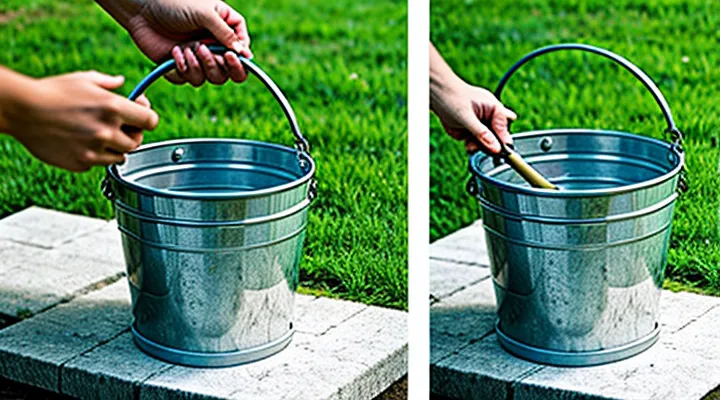
Understanding the Need for a DIY Rat Trap
Why Choose a DIY Solution?
«Cost-Effectiveness»
A homemade bucket rat trap delivers measurable financial savings compared with factory‑produced alternatives. The initial outlay consists of a standard 5‑gallon plastic bucket (≈ $2), a length of sturdy rope or twine (≈ $0.50), a short wooden dowel for the trigger mechanism (≈ $0.30), and inexpensive bait such as peanut butter (≈ $0.20). The total material cost stays under $3, whereas commercial snap or live‑capture traps typically retail between $10 and $30 each.
The trap’s design permits repeated use without additional purchases. The bucket can be emptied, cleaned, and refilled; the rope and trigger remain functional after countless cycles. In contrast, many commercial devices degrade after a few captures, requiring replacement and increasing long‑term expense.
Longevity derives from the durability of the bucket and the simplicity of the mechanism. Plastic containers resist corrosion, and the wooden trigger can be sanded and reshaped if worn. Maintenance involves only occasional cleaning, a task that adds no monetary cost.
Cost‑reduction strategies include:
- Repurposing a discarded bucket from household waste.
- Using old rope from garden supplies instead of new twine.
- Harvesting wooden scraps from furniture projects for the trigger.
- Bulk buying bait ingredients to lower per‑unit price.
By sourcing materials from existing household items and limiting purchases to essential components, the DIY bucket rat trap achieves a cost‑effective solution that outperforms conventional products in both price and durability.
«Customization and Control»
Customization and control are essential for a successful homemade bucket rat trap. Adjusting the trap’s dimensions, trigger sensitivity, and bait selection allows you to target specific rodent behavior and environmental conditions.
Begin with the bucket size. Choose a container that matches the expected size of the target pest; a 5‑gallon bucket works for most urban rats, while a larger 10‑gallon model accommodates bigger specimens. Resize the opening by cutting a circular hole in the lid or a sturdy piece of plywood, then attach a hinged ramp that can be angled to increase or decrease the difficulty of entry.
Select a trigger mechanism that offers precise control over activation force. Common options include:
- A spring‑loaded lever that releases when a weight of 0.5–1 kg is applied.
- A rope‑and‑pulley system calibrated to drop the bucket after a specific number of trips.
- A magnetic latch that disengages when a metal plate is disturbed.
Fine‑tune the trigger by adjusting screw tension or repositioning the pivot point. Test the mechanism with a known weight before deployment to ensure reliable operation.
Bait placement also influences control. Use a small amount of high‑protein food (e.g., peanut butter or cooked meat) secured to a detachable platform. The platform can be swapped quickly for different attractants, allowing you to respond to changes in rat diet preferences.
Finally, position the trap where rodent traffic is highest, such as along walls, near waste bins, or under eaves. Secure the bucket to the ground with stakes or heavy objects to prevent displacement after a catch.
By systematically modifying size, trigger, bait, and placement, you maintain full control over the trap’s performance, increasing capture rates while minimizing collateral damage.
«Types of Rat Traps and Their Efficacy»
«Ethical Considerations»
When constructing a homemade bucket trap for rats, the first ethical issue concerns animal welfare. The device should cause rapid loss of consciousness, minimizing suffering. Designs that rely on crushing or drowning may be considered inhumane; incorporating a quick‑kill mechanism, such as a snap‑back lid, improves humane outcomes.
Legal compliance forms the second consideration. Local wildlife regulations often classify rats as pests, yet some jurisdictions require permits for lethal traps or forbid certain trap types. Verify municipal codes before deployment to avoid legal penalties.
Environmental impact demands attention. Discarded traps can become litter, and bait substances may contaminate soil or water. Use biodegradable materials when possible and store bait in sealed containers to prevent accidental exposure to non‑target species.
Alternative control methods should be evaluated. Exclusion techniques—sealing entry points, maintaining sanitation, and eliminating food sources—reduce reliance on lethal devices. Integrated pest management, which combines habitat modification with monitoring, offers a less lethal approach.
Finally, disposal of captured rodents must follow health guidelines. Wear protective gloves, place the animal in a sealed bag, and dispose of it in accordance with local waste regulations to prevent disease transmission.
Key ethical checkpoints
- Ensure rapid, painless death
- Confirm legality of trap type and usage
- Minimize environmental contamination
- Prioritize non‑lethal prevention measures
- Follow safe, sanitary disposal procedures
Gathering Your Materials
«Essential Components»
«The Bucket»
The bucket serves as the capture chamber for a homemade rat trap. Choose a sturdy plastic or metal container with a capacity of at least five gallons; larger volumes reduce the need for frequent emptying. A transparent side allows visual confirmation of captures without disturbing the device.
Select a bucket with a secure lid that can be modified to hold a bait platform. Ensure the rim is smooth to prevent damage to the ramp or the animal’s paws. A wide opening facilitates placement of the bait and cleaning after each use.
Prepare the bucket as follows:
- Drill a 2‑inch hole near the top edge, centered on the side opposite the ramp.
- Insert a short PVC pipe or metal sleeve to reinforce the opening and prevent tearing.
- Attach a hinged lid to the top, allowing quick access for bait replacement and disposal.
- Secure a sturdy wooden or plastic ramp that leads from ground level to the lip of the bucket; angle the ramp at approximately 30 degrees for easy ascent.
Position the trap along established rodent pathways, preferably against a wall where rats naturally travel. Anchor the bucket to the floor or a nearby structure to prevent tipping when an animal enters. Keep the ramp dry and free of debris to maintain traction.
After each capture, open the hinged lid, remove the contents, and rinse the bucket with hot water and a mild detergent. Dry thoroughly before resetting the trap to avoid residual scents that might deter future activity. Regular maintenance prolongs the effectiveness of the bucket component and ensures humane handling of captured rodents.
«The Bait»
Choosing the right bait determines the trap’s effectiveness. Rats prefer high‑calorie, protein‑rich foods with a strong odor. Suitable options include:
- Peanut butter mixed with oats or cornmeal
- Cooked bacon or small pieces of sausage
- Sunflower seeds or pumpkin seeds, lightly salted
- Fresh fruit such as banana or apple slices, bruised to release scent
Combine a thick, sticky base (e.g., peanut butter) with a secondary attractant to keep the rodent engaged long enough to fall. Apply the mixture to the inner rim of the bucket, ensuring a uniform coating that will not easily detach when the rat climbs. Position the bait directly beneath the entry ramp so the animal must step onto the slick surface before reaching the food source.
For indoor setups, use a smaller amount of bait to avoid attracting non‑target species. In outdoor installations, increase the quantity proportionally to the trap’s size, but avoid excess that could spill onto the ground and create a mess. Replace bait every 2–3 days, or sooner if it becomes contaminated, to maintain potency.
Safety considerations: handle raw meat with gloves, store unused bait in a sealed container, and keep the trap out of reach of children and pets. Proper bait management maximizes capture rates while minimizing unintended exposure.
«The Mechanism»
The mechanism of a homemade bucket rat trap relies on gravity and a simple trigger to convert an animal’s forward motion into a rapid descent. A sturdy plastic bucket, positioned upside down, serves as the capture chamber; a smaller inner bucket or container creates a platform that tilts when weight is applied. A sturdy stick or dowel, anchored to the bucket rim, acts as a lever; a taut rope or fishing line connects the lever to a baited trigger plate.
- Bucket: 5‑gallon container, cut to form a shallow depression for the inner platform.
- Inner platform: lightweight tray or plastic lid, balanced on the lever.
- Lever: wooden dowel or metal rod, pivoting on the bucket rim.
- Trigger: spring‑loaded snap‑back hinge or a simple wooden latch, released by the rat’s weight.
- Bait: food placed on the trigger plate, positioned just beyond the lever’s fulcrum.
When a rat steps onto the baited plate, its weight depresses the trigger, releasing the latch. The lever pivots, causing the inner platform to tip and the rat to fall into the inverted bucket. The bucket’s rim prevents escape; a secure lid or cover can be added after capture. The entire system operates without electricity, requires only basic tools, and can be assembled in under an hour.
«Optional Enhancements»
«Ramps and Ladders»
Ramps and ladders form the access system that guides a rodent from the ground into the capture bucket. A properly angled ramp encourages upward movement, while a ladder provides a stable surface for the animal to ascend to the trap’s trigger point.
The ramp should be constructed from a durable, non‑slippery material such as plywood or coated wood. An incline of 30–45 degrees offers a balance between ease of climb and minimal effort for the rodent. The ramp length must exceed the bucket’s diameter by at least 12 inches to allow a gradual slope. Secure the ramp to the bucket rim with stainless‑steel brackets, ensuring no gaps where the rodent could escape.
A ladder positioned at the ramp’s upper end delivers a platform for the rat to step onto the trigger mechanism. Recommended ladder specifications:
- Rung spacing: 1.5 inches to match the animal’s stride.
- Rung width: 1 inch, cut from the same material as the ramp.
- Total height: equal to the bucket’s rim height plus an additional 2 inches to accommodate the trigger lever.
- Attachment: bolts through pre‑drilled holes in the bucket rim, tightened with lock washers to prevent loosening.
Integrate the ramp and ladder by aligning the ladder’s base with the ramp’s apex, creating a seamless transition. Install a lightweight trigger bar on the ladder’s far edge; when the rodent reaches the top rung, its weight depresses the bar, tilting the bucket and causing a swift drop into the collection container.
Regular inspection of the ramp’s surface and ladder’s joints prevents wear that could reduce effectiveness. Replace any splintered or warped sections immediately to maintain a reliable capture system.
«Attractants
Effective attractants are the cornerstone of any bucket-based rat trap. They must lure rodents into the bucket long enough for the mechanism to activate.
Select attractants that match the local rat diet. Common options include:
- Peanut butter – strong odor, high fat content.
- Corn kernels – sweet taste, easy to attach to a bait platform.
- Dried fruit pieces – appealing scent, minimal mess.
- Commercial rodent lures – formulated with pheromones and food extracts.
Apply the chosen bait sparingly to the trap’s entry point. A thin layer of peanut butter on a small wooden dowel prevents rats from reaching the bucket without triggering the release lever. For cereal or dried fruit, secure the morsel with a piece of wire mesh to keep it from falling prematurely.
Position the trap along established rodent pathways. Place it near walls, behind appliances, or adjacent to garbage containers where rats travel. Ensure the bucket rests on a stable surface; a wobbling container reduces capture efficiency.
Maintain attractant potency by refreshing the bait every 48 hours. Stale or dried bait loses scent strength, decreasing trap success. Dispose of used bait in a sealed bag to avoid contaminating other areas.
When constructing the trap, avoid using toxic chemicals as attractants. Non‑toxic food items eliminate health hazards for humans and pets while preserving the trap’s humane intent.
Step-by-Step Assembly
«Preparing the Bucket»
«Drilling Holes for the Rod»
When preparing the rod that will support the bait platform, precise hole placement determines the trap’s reliability. Measure the rod length, then mark two points exactly 1 inch from each end; these marks indicate where the bucket’s lip will pass through. Use a ¼‑inch drill bit to create clean, perpendicular holes at the marks. Insert a metal washer into each hole before threading the rod, preventing the wood from splitting under load.
- Drill depth: stop ¼ inch short of the opposite surface to keep the washer flush.
- Drill speed: maintain a moderate RPM to avoid overheating and burr formation.
- Cleaning: remove shavings with compressed air or a brush before assembling the rod.
After drilling, test the fit by sliding the bucket’s rim through the holes; the rod should move freely while the washers hold the bucket securely in place. This alignment minimizes wobble, allowing the trap to trigger reliably when a rat steps onto the bait platform.
«Adding Water (Optional)»
Adding water to a bucket rat trap is optional but can increase mortality by drowning. The water should be shallow enough to prevent the animal from climbing out while allowing it to become submerged quickly after falling.
- Place a shallow tray or a few inches of water at the bottom of the bucket.
- Use a non‑toxic, non‑volatile liquid such as plain tap water; avoid chemicals that could harm scavengers or the environment.
- Ensure the bucket’s rim remains dry to maintain the bait’s effectiveness and to keep the trap’s entrance functional.
- Verify that the bucket is stable; a wobbling container may allow the rat to escape before submersion.
Considerations: Water temperature does not affect performance, but cold water may slow the rat’s movements. Drain and replace the water after each capture to prevent bacterial growth. If water is omitted, the trap relies solely on the bucket’s depth and a smooth interior surface to keep the rodent trapped.
«Constructing the Rolling Mechanism»
«Attaching the Can or Bottle»
Attaching the can or bottle is the critical link that converts a simple bucket into an effective rat capture device. Begin by selecting a sturdy metal can (such as a coffee can) or a thick-walled plastic bottle that fits snugly over the bucket’s rim. Clean the container to remove debris and allow the adhesive to bond securely.
- Position the container upside‑down so the opening aligns with the bucket’s lip.
- Apply a continuous bead of strong waterproof adhesive (silicone or epoxy) around the bucket’s outer edge.
- Press the container firmly against the adhesive, ensuring the rim of the can or bottle sits flush with the bucket’s interior surface.
- Hold the assembly in place for the recommended curing time—typically 10–15 minutes for silicone, longer for epoxy—to prevent slippage.
- Verify the seal by gently pulling the container outward; it should resist movement without gaps.
If a mechanical fastener is preferred, drill two small holes through the bucket rim and the container wall, then secure them with stainless‑steel screws and washers. Tighten until the connection is rigid, but avoid overtightening that could crack the plastic.
The completed attachment creates a smooth, funnel‑shaped entry that guides rodents into the bucket while preventing escape. Ensure the joint remains intact after each use, reapplying adhesive or tightening screws as needed. This method provides a reliable, low‑cost solution for constructing a functional rat trap.
«Securing the Rod»
Securing the rod is the critical link that converts the bucket’s tipping motion into a reliable trigger. Begin by selecting a sturdy metal or wooden dowel, at least ¼ inch in diameter, long enough to span the bucket’s interior and extend outside the rim. Insert the dowel through a pre‑drilled hole near the bucket’s lip, ensuring it rests on the rim’s edge without slipping. Anchor the external end to a fixed point—such as a wooden block or a heavy base—using a tight‑fit clamp or a set screw. Verify that the rod moves freely when the bucket is lifted but locks in place when pressure is applied to the bait platform.
Key steps for proper installation:
- Drill a ¼‑inch hole 1 inch below the bucket rim; keep the hole clean of burrs.
- Thread the rod through the hole, allowing a 2‑inch overhang on the outside.
- Position a wooden block directly behind the rod’s external end; secure with a metal clamp tightened to at least 30 Nm.
- Test movement: lift the bucket slightly; the rod should pivot upward without resistance.
- Apply a small weight to the bait platform; the rod must snap back, pulling the release latch and tipping the bucket.
After assembly, lubricate the contact points with a thin layer of silicone spray to reduce friction and prevent rust. Re‑check alignment weekly, tightening the clamp if any play develops. Properly secured, the rod will reliably activate the trap each time a rat steps onto the platform.
«Setting Up the Bait»
«Placement on the Rolling Mechanism»
Proper placement of the bucket on the rolling mechanism determines the trap’s reliability. Align the bucket’s rim with the axle so that the weight of a captured rat forces the bucket to rotate smoothly toward the collection chamber. Ensure the axle is centered; an off‑center mount creates uneven torque and may cause the bucket to jam.
- Insert the axle through the bucket’s opening, positioning it exactly at the midpoint of the rim.
- Secure the axle with a lock nut or zip tie to prevent lateral movement.
- Test rotation by pulling the bucket forward; it should roll freely with minimal resistance.
- Adjust the axle height until the bucket rests just above the trigger platform, allowing the rat’s weight to tip the platform and release the bucket.
A correctly positioned bucket eliminates binding, guarantees consistent activation, and maximizes capture efficiency.
«Additional Bait in the Bucket»
Adding a secondary attractant to the bucket significantly increases capture rates. The extra lure should be placed near the entry point, where rats first encounter the trap, and must remain accessible without contaminating the primary bait.
- Peanut butter mixed with a small amount of cornmeal – strong scent, easy to spread on the ramp.
- Dried fruit pieces (e.g., apricot or banana) – sweet aroma draws nocturnal foragers.
- Small portions of cooked meat or fish – powerful odor, best for carnivorous individuals.
- Commercial rodent gel – concentrated pheromones, apply a thin line on the interior rim.
Apply each bait sparingly; excess can cause spillage, reducing the trap’s effectiveness. Replace the secondary lure every two to three days to maintain freshness and prevent desensitization.
Deployment and Maintenance
«Strategic Placement of the Trap»
«Identifying Rat Activity Zones»
Rats concentrate their movements in areas where food, water, shelter, and travel routes intersect. Look for droppings, gnaw marks, and greasy smears along walls, behind appliances, and near garbage containers. Fresh droppings are dark and pellet‑shaped; older ones turn lighter and crumble. Chewed edges on baseboards, wires, or cardboard indicate frequent passage. Oil‑rich footprints appear as dark streaks on smooth surfaces.
Identify pathways by tracing the direction of droppings and gnaw marks. Rats prefer low‑light routes along walls, under pipes, and through gaps under doors. Examine exterior foundations for burrows, vents, and utility openings that connect indoor spaces to the outside. Mapping these observations on a simple sketch helps pinpoint high‑traffic zones where a bucket trap will be most effective.
Typical locations for placing a homemade bucket trap include:
- Directly behind appliances where food residues accumulate.
- Near pantry shelves or cabinets showing rodent signs.
- Along wall junctions where droppings form linear patterns.
- At entry points such as garage doors, crawl‑space hatches, or utility openings.
«Safety Considerations for Pets and Children»
When constructing a bucket rat trap, keep pets and children out of the hazard zone. Place the device on a stable surface away from high‑traffic areas such as playrooms, walkways, and feeding stations. Secure the bucket to prevent tipping; a sturdy base or adhesive strips on the floor work well.
Use non‑toxic bait, such as peanut butter or dried fruit, to avoid accidental poisoning if a child or animal contacts it. Store bait in a sealed container until deployment, and limit the amount placed in the trap to reduce spill risk.
Cover the trap with a rigid lid that locks in place, ensuring only the intended target can enter. Verify that the latch cannot be opened by small hands or paws. If the trap is positioned near a fence or gate, install a barrier that blocks access while allowing rodents to approach.
Inspect the trap daily. Remove captured rodents promptly, dispose of them in a sealed bag, and clean the bucket with a disinfectant solution. After each use, reset the mechanism and verify that all safety features remain functional.
Maintain a record of trap locations and inspection dates. This log helps track exposure risks and confirms that safety measures are consistently applied.
«Regular Monitoring and Emptying»
«Disposing of Captured Rats»
After a rat is secured in a bucket trap, immediate and safe disposal prevents disease spread and secondary infestations. Wear disposable gloves, then transfer the animal into a sturdy, sealable container such as a thick plastic bag or a metal box with a tight lid. Ensure the container is labeled as hazardous waste to avoid accidental contact.
- Place the sealed container in a freezer for at least 24 hours; the low temperature renders the rat inert and kills any parasites.
- After freezing, double‑bag the specimen, remove all air, and seal the outer bag securely.
- Dispose of the double‑bagged carcass according to local regulations: most municipalities accept it as regular trash if sealed, while some require drop‑off at a licensed animal‑waste facility.
- If local law permits, burial is acceptable only in a deep trench (minimum 3 feet) away from water sources and food gardens; cover the grave with soil and compact it thoroughly.
Alternatively, professional pest‑control services can handle disposal. Contact a licensed provider, supply the sealed container, and request a certificate of destruction if documentation is required for compliance inspections.
«Rebaiting and Resetting»
Rebaiting restores the trap’s attraction after each capture. Remove the spent bait, wipe the interior of the bucket with a damp cloth, and apply a fresh mixture of peanut butter, dried fruit, or commercial rodent lure. Place the new bait on the trigger platform, ensuring it does not touch the bucket rim. Verify that the platform moves freely and that the bait will cause the rodent to fall when disturbed.
Resetting prepares the device for the next encounter. Follow these steps:
- Lift the bucket, empty any debris, and inspect the release mechanism for rust or obstruction.
- Reattach the lid securely, confirming the hinge pivots without resistance.
- Re‑install the trigger arm, aligning it with the bait platform.
- Test the trap by gently pulling the arm; the bucket should tip when the arm is released.
Perform rebaiting and resetting after each catch to maintain consistent performance.
«Troubleshooting Common Issues»
«Rats Avoiding the Trap»
Rats often bypass a bucket trap because the device fails to meet their instinctual criteria for safety and access. When the entrance is too wide, rats can see the open interior and detect the sudden drop, prompting them to retreat. A smooth, reflective surface inside the bucket can also signal danger, as rodents rely on tactile cues to gauge stability. Additionally, strong odors from the bait or the trap material may alert rats to an artificial construct, causing avoidance.
Key factors that trigger avoidance:
- Entrance size larger than the rat’s head, allowing visual assessment of depth.
- Lack of textured grip on the interior walls, reducing perceived foothold.
- Use of synthetic materials that emit unfamiliar scents.
- Placement in high‑traffic areas where rats have established alternative routes.
To reduce avoidance, adjust the trap as follows:
- Resize the entry tunnel to a diameter just large enough for a rat’s body, forcing a narrow passage that limits visual inspection.
- Line the bucket’s interior with coarse sand or shredded newspaper to provide a tactile foothold and diminish the sense of a void.
- Select natural bait such as peanut butter mixed with oats, and pre‑wash the bucket to eliminate manufacturing residues.
- Position the trap along established rodent pathways, near walls or concealed corners, and secure it to prevent movement that could alert the animals.
By aligning the trap’s physical characteristics with rat behavior, the likelihood of successful capture increases while the tendency to avoid the device diminishes.
«Trap Malfunctions»
When a bucket rat trap fails, the problem usually falls into one of three categories: mechanical, bait‑related, or placement errors.
- Mechanical issues
- Trigger mechanism sticks or does not release.
- Bucket lid does not close fully, allowing escape.
- Rope or string loosens, reducing tension.
- Bait problems
- Bait loses scent quickly, making the trap unattractive.
- Bait spills, contaminating the trigger area and preventing movement.
- Placement mistakes
- Trap positioned on an uneven surface, causing instability.
- Location lacks rat activity, resulting in no captures.
- Nearby obstacles block the escape route, confusing the animal.
Causes and corrections
A jammed trigger often results from friction between the rope and the bucket rim. Apply a small amount of lubricant or replace the rope with a smoother material such as fishing line. If the lid fails to seal, verify that the hinge is aligned and that the latch engages without excess slack. Loose rope can be tightened with a simple knot or a small screw that secures the end to the bucket side.
Bait that loses potency should be refreshed every 24‑48 hours. Use highly aromatic foods—peanut butter, dried fruit, or meat scraps—wrapped in a breathable mesh to prevent spillage while allowing scent diffusion.
Improper placement is corrected by leveling the trap on a flat board or using a sturdy platform. Verify rat traffic by checking for gnaw marks or droppings before installing the device. Ensure the escape path is clear; a smooth, sloped ramp leading directly into the bucket improves capture rates.
Preventive steps
- Test the trigger repeatedly before deployment; it must snap back within a second of activation.
- Secure all knots with a double‑overhand finish to avoid loosening.
- Store bait in an airtight container when not in use to preserve odor.
- Rotate trap locations weekly to cover multiple foraging zones and reduce habituation.
By addressing mechanical, bait, and placement factors systematically, most malfunctions can be eliminated, resulting in a reliable, self‑resetting bucket trap for rodent control.
Safety and Ethical Considerations
«Handling Live vs. Drowned Rats»
«Release Options for Live Traps»
When a rat is captured alive in a bucket trap, the manner of release determines both the effectiveness of control and the ethical outcome. Choose a method that prevents re‑entry, minimizes stress for the animal, and complies with local regulations.
-
Remote release – Transport the rodent at least one mile from the capture site to an area lacking food sources and shelter. Prefer wooded or agricultural land where natural predators exist. Secure the animal in a sturdy container during transport, open the lid gently, and step back to allow immediate escape.
-
Habitat‑compatible release – If long‑distance relocation is impractical, select a site within the same ecological zone but far enough to deter return (e.g., a field or vacant lot separated by natural barriers). Ensure the location does not adjoin residential or commercial properties.
-
Seasonal consideration – Release during milder weather to reduce mortality from exposure. Avoid extreme heat, cold, or heavy precipitation, which can quickly incapacitate a stressed rodent.
-
Legal compliance – Verify that the chosen area is not a protected wildlife reserve or a location where releasing non‑native species is prohibited. Document the release location and date in case of future inquiries.
-
Humane handling – Prior to release, inspect the rat for injuries. If severe wounds are present, consider euthanasia following humane guidelines rather than releasing a compromised animal.
Implementing one of these release strategies after a live‑capture bucket trap ensures that the pest management effort remains effective while respecting animal welfare and legal obligations.
«Humane Disposal Methods»
When a bucket trap captures a rat, the next step is to release the animal safely and ethically. Position the trap near an open area such as a garden or vacant lot, away from structures and traffic. Open the lid or remove the bucket quickly, allowing the rat to exit without injury. Ensure the release site offers shelter and natural food sources, reducing the likelihood of immediate recapture.
Key considerations for humane disposal:
- Use gloves to avoid bites and protect against disease.
- Transport the live rat in a ventilated container if the release site is not adjacent.
- Release at dusk or dawn when predators are less active, minimizing stress.
- Avoid disposing of the animal in landfill or sewage systems; these methods cause unnecessary suffering and ecological harm.
After release, clean the trap thoroughly with a detergent solution and a disinfectant such as a 10% bleach mixture. Rinse, dry, and inspect for damage before reassembly. Regular maintenance prevents disease transmission and ensures the trap remains effective for future use.
«Preventing Re-infestation»
«Sealing Entry Points»
Sealing entry points prevents rats from bypassing a bucket trap and reduces the likelihood of new infestations. Identify all gaps where rodents can access the area—cracks in walls, gaps around pipes, vent openings, and gaps under doors. Apply the following measures:
- Fill cracks with steel wool followed by expanding foam; steel wool deters chewing while foam solidifies the seal.
- Install metal flashing around pipe penetrations; secure with stainless‑steel screws to avoid corrosion.
- Use weather‑stripping on door thresholds; compressible strips close gaps without impeding door operation.
- Cover vent openings with hardware cloth of ¼‑inch mesh; attach with self‑tapping screws and seal edges with silicone caulk.
- Apply concrete patch to larger holes in foundation walls; smooth surface to prevent rodent footholds.
After sealing, verify each repair by probing with a thin rod; any remaining openings indicate a need for additional material. A fully sealed environment forces rats toward the bucket trap, increasing capture efficiency and minimizing future damage.
«Sanitation Practices»
Effective sanitation is essential when constructing and maintaining a bucket rat trap. Clean surfaces prevent disease transmission and reduce attraction of additional rodents. Begin by washing the bucket, lid, and any reusable components with hot, soapy water. Rinse thoroughly and allow to air‑dry before assembly.
Use a disinfectant solution (e.g., diluted bleach at 1 % concentration) to treat the interior of the bucket after each capture. Apply the solution, let it sit for at least five minutes, then rinse with clean water. This eliminates pathogens left by trapped rats and minimizes odor that could draw new pests.
When placing the trap, select a location with minimal foot traffic and away from food storage. Ensure the area is free of debris, spilled waste, or standing water. Regularly sweep the surrounding ground and remove any droppings or gnawed material.
After a capture, follow these steps:
- Wear disposable gloves.
- Cover the bucket with a tight‑fitting lid.
- Transport the sealed bucket to a designated disposal site.
- Empty contents into a sealed plastic bag.
- Dispose of the bag according to local hazardous‑waste regulations.
- Clean and disinfect the bucket before resetting the trap.
Maintain a schedule of weekly inspections. Document any signs of contamination, such as foul odors or visible residue, and address them immediately. Consistent sanitation reduces the risk of secondary infestations and protects human health while the trap remains operational.