
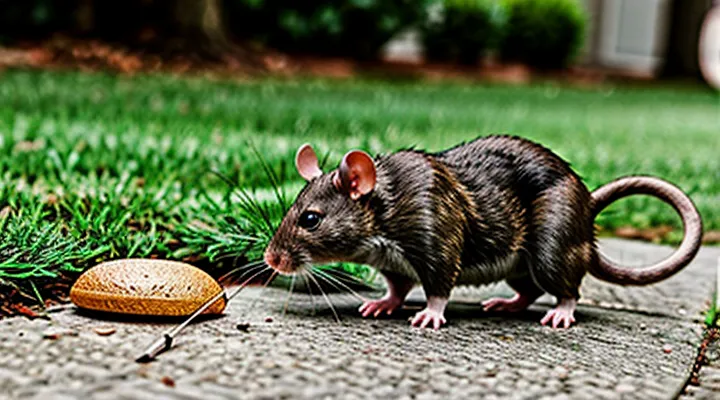
Understanding Rat Behavior
Why Rats Are Drawn to Certain Environments
Food Sources
Rats respond strongly to high‑energy, aromatic foods that satisfy their omnivorous diet. Selecting the right bait increases capture success and reduces the time required for an encounter.
- Peanut butter – dense fat and strong scent; adheres to traps, preventing escape.
- Sunflower seeds – high in oil, easily cracked, attractive to both wild and urban rats.
- Cooked bacon or sausage – rich protein and fat, releases volatile compounds that draw rats from distances.
- Fruit pieces (apple, banana, grapes) – sugars stimulate foraging behavior; soft texture allows quick consumption.
- Pet food (dry kibble or canned meat) – formulated for mammals, emits familiar odors that rats recognize.
- Bread crumbs mixed with cheese – carbohydrate‑fat combination, simple to prepare and dispense.
When deploying bait, place it directly on the trigger mechanism to ensure contact. Use minimal amounts to avoid spillage, which can deter the animal or attract non‑target species. Rotate food types every few days to prevent habituation; rats quickly lose interest in a single scent if it becomes predictable.
Effective bait selection, combined with strategic placement, forms a core component of successful rat luring strategies.
Shelter and Nesting Sites
Rats are drawn to secure, concealed locations that mimic natural burrows. Providing such environments increases the likelihood that a rat will explore a baited area and remain long enough to encounter the lure.
Key characteristics of effective shelter:
- Small entrance (2‑3 cm) that limits predator access while allowing rat entry.
- Dark interior with minimal light penetration; use solid‑sided containers or stacked boxes.
- Soft, insulating material such as shredded paper, cotton, or dry leaves to facilitate nesting.
- Stable temperature range (15‑25 °C) achieved by placing shelters away from direct sunlight or drafts.
- Low vibration and noise; position shelters on solid surfaces rather than on vibrating equipment.
Implementation steps:
- Select a container (e.g., a PVC pipe, wooden box, or metal can) that meets size requirements.
- Cut an opening near the bottom, smooth edges to prevent injury.
- Line the interior with nesting material; replace regularly to maintain freshness.
- Anchor the shelter to the ground or a stable surface to prevent movement.
- Place the shelter adjacent to bait stations, ensuring a clear path between entrance and lure.
By integrating these shelter elements, rat‑attraction setups become more credible to the target animal, encouraging entry, exploration, and interaction with the bait.
Water Access
Rats require a reliable source of water to survive, and the promise of hydration can be a powerful attractant when setting a trap. Fresh, clean water placed near bait increases the likelihood that a rat will investigate the area and encounter the capture device.
- Use a shallow dish (e.g., a disposable plastic lid) filled with a few milliliters of tap water. The shallow depth prevents spillage while providing a visible liquid surface.
- Add a few drops of vanilla extract or fruit juice to the water. The scent enhances the appeal without compromising the moisture.
- Position the water container within a foot of the bait. Proximity encourages the rodent to move from the water source to the food source, guiding it toward the trap.
- Replace the water daily. Stagnant water loses attractiveness and may deter activity.
When deploying water as a lure, ensure the container is stable and cannot be overturned easily. Secure the dish to the floor with a small amount of tape if necessary. Avoid using scented soaps or chemicals that could mask the water’s natural appeal. Maintaining a clean environment around the trap reduces false alarms caused by other wildlife.
Common Rat Species and Their Habits
Norway Rats
Norway rats (Rattus norvegicus) are the most common target for trapping in urban and suburban settings. Their omnivorous diet, nocturnal activity, and preference for ground-level pathways make them responsive to specific attractants.
Effective attractants include:
- High‑fat foods such as peanut butter, bacon grease, or cheese.
- Protein sources like cooked meat scraps, canned fish, or boiled eggs.
- Sweet items such as honey, jam, or fruit puree.
- Strong aromatic compounds, for example, anise oil, cinnamon, or citrus peel.
Successful placement follows these principles:
- Position bait within 1–2 feet of known runways, near walls, or behind debris.
- Secure bait on a stable platform to prevent spillage and maintain scent concentration.
- Deploy bait during the early night hours when rats are most active.
- Rotate bait types weekly to prevent habituation.
Safety measures require:
- Wearing gloves when handling bait to avoid disease transmission.
- Disposing of leftover bait in sealed containers to deter non‑target wildlife.
- Cleaning the area after each trapping session to remove urine and droppings.
Roof Rats
Roof rats (Rattus rattus) prefer elevated locations such as attics, eaves, and roof spaces, where they can move quickly along wiring, pipes, and rafters. Their nocturnal activity and strong climbing ability make them especially vulnerable to traps placed high above ground level.
Effective attraction strategies focus on the rats’ dietary preferences and sensory cues. Use a combination of high‑protein foods (e.g., sardines, cooked chicken) and sweet items (e.g., dried fruit, peanut butter) to stimulate both taste and olfactory responses. Apply a thin layer of the chosen bait to a sturdy platform that can support the animal’s weight without sagging.
Placement guidelines:
- Position bait stations 6–10 feet above the floor, directly under known runways or near entry points such as soffit gaps.
- Secure stations to structural elements to prevent displacement by wind or other wildlife.
- Rotate bait types every 3–4 days to maintain novelty and reduce habituation.
Trap selection should match the roof rat’s size and behavior. Snap traps with a 2‑inch trigger force, equipped with a solid steel base, provide rapid kill and minimal escape risk. Live‑catch cages must feature a smooth interior and a latch that closes automatically when the rat steps onto the trigger plate.
Environmental considerations enhance success:
- Reduce competing food sources by sealing garbage containers and eliminating birdseed spillage on rooftops.
- Repair roof leaks and seal cracks larger than ¼ inch to remove water sources that attract rats.
- Install metal flashing or mesh over vent openings to block re‑entry after removal.
Monitoring involves daily inspection of bait stations and traps. Record capture dates, locations, and bait type to identify patterns and adjust the lure strategy accordingly. Consistent data collection accelerates elimination and prevents reinfestation.
House Mice (Distinction from Rats)
Understanding the differences between house mice and rats is essential when planning baiting strategies. House mice (Mus musculus) are considerably smaller, typically 2–4 inches in body length, whereas common rats (Rattus spp.) range from 7–10 inches. This size disparity influences trap selection, bait size, and placement height.
Key distinguishing characteristics:
- Body shape: Mice have a slender, triangular head and a relatively long, hairless tail; rats possess a broader head with a thick, scaly tail.
- Droppings: Mouse droppings are about ¼ inch long, smooth, and dark; rat droppings measure up to ½ inch, are spindle‑shaped, and have a rougher texture.
- Nesting habits: Mice construct small, concealed nests using shredded paper or fabric; rats build larger nests from insulation, cardboard, or debris, often near food sources.
- Activity patterns: Mice remain active throughout the night and may venture into higher locations such as ceiling panels; rats prefer ground‑level movement but can also use walls and pipes.
- Damage profile: Mice gnaw on soft materials, electrical wiring, and grain containers; rats cause more extensive structural damage, chew through thicker materials, and can contaminate larger food supplies.
Recognizing these traits enables precise bait placement that targets rats while minimizing unintended attraction of house mice. Selecting bait with a size and scent profile appealing to rats—larger pieces of protein or grain—reduces the likelihood of mouse interference. Monitoring droppings and gnaw marks confirms which species is present, allowing adjustments to the lure strategy for optimal effectiveness.
Preparing for Luring Efforts
Essential Tools and Materials
Traps (Types and Placement)
Effective rat control relies on selecting the appropriate trap and positioning it where rodents are most active.
- Snap traps: spring‑loaded, deliver immediate kill, suitable for high‑traffic areas.
- Live‑catch traps: cage‑style, allow relocation, require frequent monitoring.
- Glue boards: adhesive surface, capture without killing, best for confined spaces.
- Electronic traps: deliver a high‑voltage shock, provide quick, humane death, useful where sanitation is critical.
- Baited stations: combine poison with a sealed container, reduce accidental exposure, ideal for long‑term management.
Placement determines success.
- Align traps along walls, because rats travel close to vertical surfaces.
- Position near known droppings, gnaw marks, or food residues, as these indicate foraging routes.
- Set traps behind appliances, in cabinets, and within concealed gaps where rats hide.
- Maintain a spacing of 1–2 feet between successive traps to create a continuous barrier.
- Ensure traps are level, stable, and not obstructed by debris that could interfere with activation.
Regular inspection, prompt removal of captured rodents, and replacement of bait maintain trap efficiency and prevent avoidance behavior.
Baits (Attractants and Effectiveness)
Bait selection determines the success of any rat‑attraction effort. Effective attractants fall into three categories: food‑based, scent‑based, and synthetic.
- Food‑based: grains, nuts, dried fruit, and meat products. High protein and fat content increase appeal.
- Scent‑based: natural oils such as peanut butter, cheese, and vanilla, plus commercial rodent‑specific pheromones. Strong odor compensates for distance.
- Synthetic: powdered formulations containing powdered milk, molasses, or proprietary attractant blends. Designed for long‑term stability and consistent release.
Effectiveness depends on palatability, freshness, and placement. Fresh bait retains moisture and aroma, attracting rats more reliably than stale material. Position baits along walls, near burrows, or in concealed corners where rats travel. Moisture and temperature influence scent diffusion; warm, humid conditions accelerate volatilization, while extreme cold reduces odor release.
Regular monitoring and bait rotation prevent habituation. Replacing spent bait every 24–48 hours sustains interest and reduces the chance of bait shyness. Combining food and scent components yields synergistic attraction, especially in environments where rats have access to alternative food sources.
Safety Equipment
When attempting to attract a rat, personal protection must precede any baiting technique. Direct contact with rodents or their waste can transmit pathogens such as leptospirosis, hantavirus, and salmonella; therefore, appropriate barriers between the handler and the animal are mandatory.
- Disposable nitrile or latex gloves, changed after each exposure.
- Protective eyewear or face shield to prevent splashes from bait solutions.
- Respirator mask rated N95 or higher when using strong-smelling attractants.
- Waterproof disposable coveralls or aprons to isolate clothing from contamination.
- Heavy-duty boots with steel toe caps and waterproof lining for stability on wet or uneven surfaces.
- First‑aid kit stocked with antiseptic wipes, bandages, and antibiotic ointment.
Equipment should be inspected before each session for tears, punctures, or compromised seals. After use, all disposable items must be sealed in biohazard bags and discarded according to local regulations. Reusable gear, such as goggles and boots, requires thorough washing with detergent, followed by disinfection with a 10 % bleach solution. Maintaining this protocol reduces health risks while ensuring the rat‑luring operation proceeds safely and efficiently.
Site Inspection and Identification of Rat Activity
Droppings and Urine Stains
Droppings and urine stains provide essential olfactory cues that rats use to locate food sources and safe pathways. By harvesting these materials and deploying them strategically, you can create a scent trail that encourages a target rat to follow a predetermined route toward a trap or bait station.
- Collect fresh droppings from active infestation sites; older specimens lose potency. Place them in a sealed container to preserve odor, then distribute small amounts along the intended path, spacing each deposit 12–18 inches apart.
- Acquire urine stains by soaking absorbent pads in fresh urine collected from captured rodents. Apply the pads to the same route, alternating with droppings to mimic natural marking behavior.
- Reinforce the scent line with a few drops of synthetic rat pheromone, if available, to amplify the signal and increase the likelihood of investigation.
Safety considerations are mandatory. Wear disposable gloves and a mask when handling waste to prevent pathogen exposure. Dispose of used materials in sealed bags and clean all tools with a disinfectant after each session. By integrating droppings and urine stains into a controlled scent corridor, you exploit the rat’s innate reliance on scent markers, guiding it reliably toward the intended capture point.
Gnaw Marks
Gnaw marks provide reliable evidence of rat presence and movement patterns. Fresh incisions on wood, plastic, or wiring reveal active foraging routes, preferred entry points, and preferred chewing materials. Identifying these signatures allows precise placement of bait and traps, increasing capture efficiency.
When evaluating gnaw marks, consider the following factors:
- Depth and width: deeper, wider cuts indicate larger individuals or repeated activity.
- Orientation: marks aligned with structural seams suggest preferred pathways.
- Location: marks near concealed corners or behind appliances signal hidden nesting zones.
Use gnaw marks to guide lure placement. Position scented bait directly adjacent to fresh incisions, ensuring the odor reaches the rat’s tactile sensors. Combine this with a trap set a short distance beyond the mark, exploiting the animal’s tendency to continue along established routes. Reinforce the area with chew‑resistant materials to prevent damage while maintaining the lure’s visibility.
Monitoring gnaw marks after initial deployment confirms whether rats are responding. A reduction in fresh marks signals successful diversion; persistent or expanding marks indicate the need to adjust bait type, scent strength, or trap proximity. Continuous assessment based on gnaw mark patterns maintains optimal attraction and control throughout the operation.
Runways and Burrows
Effective rat attraction relies on creating pathways that mimic natural movement corridors and shelter sites. Runways consist of narrow, low‑profile tracks that guide a rodent toward bait. Use materials such as thin wooden slats, plastic strips, or tightly packed cardboard. Position the runway so it connects a concealed entry point to the bait station, keeping the surface smooth to encourage continuous travel. Secure the ends with tape or clips to prevent displacement by other animals or environmental factors.
Burrows replicate the protected environment rats seek when foraging. Construct a shallow depression lined with soft bedding—e.g., shredded paper, cotton, or fine straw—and conceal it under a thin layer of soil or mulch. Place the bait at the deepest point, ensuring the entrance remains unobstructed. To enhance realism, add a few twigs or small stones near the opening, replicating natural debris.
Implementation checklist:
- Select runway material that matches the target area’s texture.
- Align runway direction with prevailing rodent traffic patterns.
- Build burrow depth of 2–4 cm, sufficient for concealment without excessive excavation.
- Use high‑protein or grain‑based bait, secured to prevent spillage.
- Inspect and adjust both structures daily for wear or displacement.
Effective Luring Strategies
Bait Selection and Application
Food Baits (Examples and Best Practices)
Effective food bait selection determines trap success. Choose attractants that align with a rat’s natural diet and sensory preferences. High‑protein items—such as peanut butter, cooked bacon, and canned fish—release strong odors that stimulate the rodent’s sense of smell. Carbohydrate‑rich foods, including dried fruit, cereal, and cornmeal, provide palatable alternatives when protein sources are scarce. For environments where rats have adapted to human waste, a mixture of cheese and sugary syrup can increase appeal.
Common bait options
- Peanut butter (unsalted, smooth)
- Cooked bacon or ham pieces
- Canned sardines or tuna, crushed
- Dried fruit (raisins, apricots)
- Sweetened cereal or cornmeal
- Cheese cubes (sharp varieties)
- Sugar‑water gel or syrup
Best practices ensure bait remains effective and safe. Apply a thin layer to the trap trigger to prevent rats from removing the entire bait without engaging the mechanism. Secure bait to the trap with adhesive or a small piece of mesh to avoid spillage. Replace bait every 24–48 hours to maintain freshness and scent potency. Store unused bait in airtight containers to preserve aroma and prevent spoilage. Position traps near known runways, walls, or feeding stations, ensuring the bait’s scent can travel unobstructed.
Non-Food Baits (Nesting Materials)
Rats seek secure, insulated sites for building nests. Soft, absorbent materials satisfy this need and can be employed as non‑food attractants. Common items include shredded paper, cotton batting, fabric strips, and wood shavings. Each material offers a distinct texture and scent profile that appeals to the rodent’s instinct to line burrows and hide.
When deploying nesting‑material baits, follow these guidelines:
- Position bundles near known travel routes, such as along walls, behind appliances, or under furniture.
- Secure the material in a small, perforated container to prevent dispersal while allowing scent diffusion.
- Use a quantity equivalent to a handful; excess material may deter rather than attract.
- Replace the bait every 3–5 days to maintain freshness and prevent mold growth.
Selection criteria focus on durability, low odor to humans, and resistance to moisture. Cotton and fabric retain shape longer than paper, while wood shavings provide a natural scent that complements the rat’s habitat preferences.
Integrating nesting materials with conventional traps enhances capture rates. Place the bait adjacent to the trigger mechanism, ensuring the rat contacts the trap while investigating the bundle. This strategy targets the species’ nesting behavior rather than its foraging drive, expanding the range of effective luring techniques.
Scent Lures
Scent lures exploit a rat’s acute sense of smell to draw it toward a trap or bait station. The chemicals used mimic food odors, pheromones, or waste scents that rats find irresistible, creating a localized attraction zone without visual cues.
Typical components include:
- Peanut butter or cheese extracts, providing strong protein and fat aromas.
- Commercial rodent attractants formulated from grain, fruit, or meat essences.
- Synthetic pheromones that trigger social or mating behaviors.
- Waste‑derived odors such as urine or fecal extracts, which signal the presence of conspecifics.
Effective deployment follows a precise sequence:
- Apply a thin, even layer of the chosen lure to the trap surface or a disposable feeder.
- Position the lure directly in the entry point of the trap, ensuring contact with the trigger mechanism.
- Place the trap along established rodent pathways, preferably near walls, corners, or concealed routes.
- Refresh the scent every 24–48 hours, or sooner if environmental conditions degrade the odor.
Proper handling minimizes risk to non‑target species and humans. Store lures in airtight containers at low temperature to preserve potency. Use gloves when applying oily or pheromone‑based products to prevent cross‑contamination. Dispose of spent lures according to local regulations, avoiding release into the environment.
When combined with strategic trap placement, scent lures significantly increase capture rates by creating a reliable olfactory cue that guides rats directly to the device.
Trap Placement and Setup
High-Traffic Areas
Targeting locations where rats move most frequently maximizes the chance of a successful lure. Concentrating bait in these zones aligns the attractant with established pathways, reducing the distance rodents travel before encountering food.
Typical high‑traffic zones include:
- Kitchen countertops and pantry shelves where food residues accumulate.
- Under‑sink cabinets and utility closets that offer shelter and easy access to waste.
- Garbage bins and compost containers positioned near building entrances.
- Basement corners and crawl‑space junctions where humidity and darkness persist.
- Wall voids and conduit openings that connect multiple rooms.
Rats repeatedly traverse these areas because they provide consistent food sources, shelter, and routes to other parts of the structure. Placing lure material directly in these spots exploits the animals’ habitual movement patterns, increasing encounter rates without additional effort.
Effective deployment steps:
- Survey the premises to locate the most frequented pathways and entry points.
- Clean surfaces surrounding each target zone to remove competing odors that could mask the bait.
- Position small, concealed bait stations directly on the floor or inside crevices within the identified zones.
- Monitor stations daily, replenishing bait as needed and noting any shifts in rodent activity.
- Rotate stations periodically to prevent habituation and maintain attraction levels.
By focusing on high‑traffic locations, the lure aligns with natural rat behavior, delivering consistent results with minimal resource investment.
Concealed Locations
Rats avoid open areas where they feel exposed, so bait must be hidden in places that offer shelter and limited visibility. Selecting concealed spots increases the likelihood that a rat will approach the lure without perceiving danger.
- Behind wall cavities or within insulation gaps
- Inside unused appliance compartments (e.g., dishwasher, dryer)
- Beneath floorboards or in crawl‑space openings
- Within ceiling tiles or dropped ceilings
- Inside furniture voids such as sofa cushions or hollow table legs
- In garden debris piles, compost bins, or under mulch
Placement should align with known rat pathways: near walls, along baseboards, and close to food sources. Secure bait in a thin, perforated container that disguises scent while allowing access. Ensure the cover blends with surrounding material to prevent visual detection.
Additional concealment tactics include:
- Wrapping bait in natural fibers (e.g., cotton) that match the environment.
- Using scent‑neutral adhesives to attach bait to hidden surfaces.
- Rotating locations regularly to avoid habituation.
By integrating these concealed positions and methods, the lure remains undetected, encouraging rats to investigate and consume the bait.
Securing Traps
Securing traps ensures that bait remains effective and that captured rodents do not escape, preserving the integrity of the lure strategy.
Proper placement of a trap involves anchoring it to a stable surface, such as a wall or floor, using brackets, screws, or heavy-duty adhesive. The anchor must resist the animal’s attempts to pull or push the device away.
Key actions for securing traps:
- Attach a metal or reinforced plastic plate to the trap’s base and fasten it with stainless‑steel screws into the surrounding structure.
- Use zip ties or steel clips to bind moving parts, preventing disassembly when a rat bites the trigger.
- Apply a non‑slip mat or rubber pad beneath the trap to eliminate sliding on smooth surfaces.
- Verify that all connections remain tight after each capture; re‑tighten any loosened hardware before resetting the bait.
Regular inspection of the anchoring system detects wear, corrosion, or loosening that could compromise performance. Replace damaged components promptly to maintain consistent trapping efficiency.
Environmental Modifications to Enhance Luring
Eliminating Competing Food Sources
When attempting to attract a rat, the presence of alternative nourishment directly reduces the likelihood that the target bait will be chosen. Rats evaluate all available options and gravitate toward the most accessible, least risky source. Removing those alternatives forces the animal to focus on the presented lure.
Key actions for eliminating competing food sources:
- Store all dry goods in sealed containers; metal or heavy‑plastic bins prevent rodents from sniffing or chewing entry points.
- Keep garbage bins tightly closed and empty them daily; use liners that rats cannot easily tear.
- Clean kitchen surfaces immediately after meals; wipe away crumbs, spills, and food residues.
- Remove pet feeding stations at night; place bowls on elevated platforms or schedule feeding times to limit exposure.
- Seal entry points around utility lines, vents, and gaps in walls; block pathways that lead to hidden food caches.
After these measures, place bait in a discreet, low‑traffic area where the rat can approach without encountering other options. The reduced competition increases bait acceptance and improves overall capture efficiency.
Sealing Entry Points
Sealing entry points creates a controlled environment that forces rats to travel through designated pathways, increasing the likelihood of encountering bait. By eliminating alternative routes, the animal’s movement becomes predictable, allowing traps and attractants to be placed where they will be most effective.
Typical entry points include gaps around utility pipes, cracks in foundations, holes behind appliances, and openings at door thresholds. Small rodents can exploit openings as narrow as a quarter‑inch, so thorough inspection of walls, floors, and ceilings is essential.
- Inspect exterior walls for weather‑stripping damage and replace worn sections.
- Apply steel wool or copper mesh to holes larger than ¼ in., then seal with expanding foam or cement.
- Use caulk or silicone sealant on cracks around windows, vents, and baseboards.
- Install metal flashing over gaps around plumbing and electrical conduits.
- Verify that doors and windows close tightly; adjust hinges or install sweep strips as needed.
After sealing, rats are compelled to use the remaining unobstructed routes, which should be equipped with bait stations or traps. This confinement reduces bait avoidance and improves capture rates, ultimately enhancing the overall success of rat attraction efforts.
Reducing Clutter
Reducing clutter creates a clear pathway for bait placement and increases the visibility of scent trails, both of which are essential for successful rat attraction strategies. Excess material blocks scent diffusion, shelters rodents from approaching bait, and makes it difficult to monitor activity. By eliminating unnecessary items, you improve the effectiveness of any lure technique.
Key benefits of decluttering the target area:
- Unobstructed scent distribution allows odor to reach rats from a greater distance.
- Visible bait positions encourage rodents to investigate rather than avoid hidden spots.
- Simplified layout facilitates regular inspection and timely replenishment of attractants.
- Fewer hiding places reduce the chance that rats will establish alternative nests away from the bait.
Practical steps to achieve a tidy environment:
- Remove all non‑essential objects from the floor and walls within a three‑meter radius of the bait site.
- Store food containers, tools, and waste in sealed, elevated storage units.
- Sweep or vacuum surfaces daily to eliminate crumbs and debris that can mask the lure’s odor.
- Organize cords, pipes, and equipment to prevent gaps where rats might conceal themselves.
- Conduct a weekly audit to identify new items that could reintroduce clutter and address them immediately.
A disciplined approach to decluttering directly enhances the reliability of rat‑luring efforts, ensuring that bait remains the focal point of the environment and that monitoring data reflects true activity levels.
Post-Luring Actions and Prevention
Safe Trap Management
Disposal of Captured Rats
Effective disposal of captured rats requires swift, humane, and sanitary actions to prevent disease spread and secondary infestations. After a successful capture, handle the animal with protective gloves and place it in a sealed, puncture‑resistant container to isolate it from the environment.
- Euthanasia: Apply a CO₂ chamber or a certified rodent‑kill agent according to local regulations; ensure the method induces rapid loss of consciousness.
- Immediate burial: Dig a pit at least 1 meter deep, place the sealed container inside, and cover with compacted soil. Verify that the burial site complies with zoning laws and is inaccessible to scavengers.
- Incineration: Transport the sealed container to an authorized incinerator. Follow waste‑management protocols to document the disposal process.
- Professional pest‑control services: Engage licensed contractors who can execute disposal in accordance with health‑department standards and provide disposal certificates.
- Biodegradable disposal bags: For small numbers, use approved compostable bags that meet hazardous‑waste criteria, then place them in a designated animal‑waste bin for municipal processing.
After disposal, disinfect all equipment, gloves, and surfaces with an EPA‑registered rodent‑pathogen sanitizer. Record the date, method, and location of each disposal to maintain compliance with pest‑management documentation requirements.
Cleaning and Reusing Traps
Maintaining trap hygiene directly impacts capture success and reduces the risk of disease transmission. Regular cleaning preserves the mechanism’s reliability, allowing the same device to function across multiple deployment cycles.
- Remove all organic material and debris with a disposable brush or paper towel.
- Submerge the trap in a solution of hot water and a mild detergent; agitate for two minutes.
- Rinse thoroughly under running water to eliminate residual soap.
- Disinfect by immersing in a 10 % bleach solution for five minutes, then rinse again.
- Air‑dry completely on a clean surface before reassembly.
After cleaning, inspect each component for wear, corrosion, or broken springs. Replace damaged parts promptly. Reapply fresh bait according to the chosen attraction method, ensuring consistent placement to avoid habituation. Store the trap in a sealed container to prevent contamination until the next use.
Long-Term Rat Prevention
Sanitation Practices
Sanitation directly influences rat attraction. Poor hygiene provides food, water, and shelter, creating an environment where rodents thrive.
Key sanitation measures include:
- Eliminate food residues from floors, countertops, and equipment.
- Store all food in sealed containers made of metal or thick plastic.
- Dispose of waste daily in tightly closed bins; clean bins regularly to remove spillage.
- Remove standing water from sinks, drip trays, and floor drains.
- Keep storage areas uncluttered; discard cardboard, paper, and other materials that can serve as nesting sites.
- Seal cracks, gaps, and openings around pipes, vents, and doors to prevent entry.
- Maintain clean surfaces with disinfectants that leave no organic residue.
- Implement a scheduled cleaning routine, documenting tasks and frequencies.
Each practice reduces the resources rats seek, increasing the likelihood that bait or lure will be the sole attractant. Consistent application of these procedures enhances the effectiveness of any rat‑attraction strategy.
Structural Repairs
Structural repairs can be leveraged to improve rat‑attraction strategies. Reinforcing walls, sealing gaps, and installing guide rails create defined pathways that direct rodents toward bait stations. Precise placement of repair materials ensures that rats encounter lures without encountering escape routes.
Key repair actions for effective rat luring:
- Install smooth, continuous ledges along baseboards to serve as travel corridors.
- Seal all openings larger than ¼ inch with steel wool and cement, leaving only intentional entry points near bait.
- Embed low‑profile channels in flooring to funnel movement toward traps.
- Use durable, non‑porous sealants around pipe joints to prevent alternative routes.
By integrating these structural modifications, the environment becomes a controlled conduit that increases rat exposure to attractants while minimizing unintended shelter. The result is a predictable flow of target rodents into designated lure zones.
Ongoing Monitoring
Effective rat attraction relies on continuous observation of bait performance and animal behavior. Monitoring should begin immediately after bait placement and continue throughout the exposure period. Record the time of initial activity, frequency of visits, and any changes in feeding patterns. Adjust bait type, scent concentration, or placement based on real‑time data to maintain high engagement.
Key monitoring actions:
- Inspect traps or stations at regular intervals (e.g., every 2–4 hours) to note capture rates.
- Log environmental variables such as temperature, humidity, and recent rainfall, which influence rodent activity.
- Compare current results with baseline data from previous attempts to identify trends.
- Replace or reposition bait when capture frequency declines for more than one inspection cycle.
Documenting each observation creates a feedback loop that refines lure effectiveness, prevents bait saturation, and reduces wasted resources. Consistent data collection enables rapid response to shifting rat behavior, ensuring the attraction strategy remains optimal over time.