
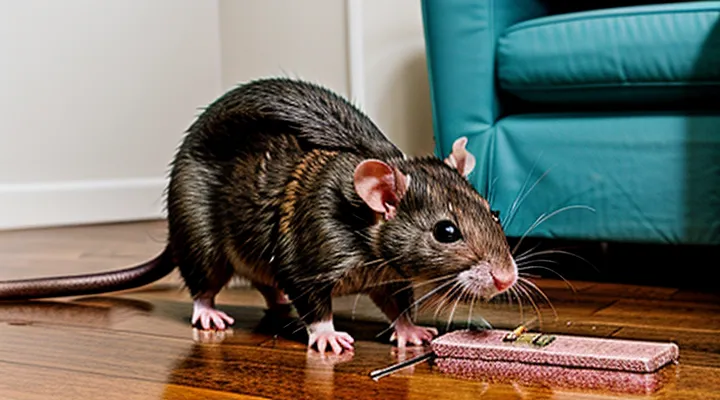
Understanding the Threat: Why Rats are Dangerous in Apartments
Health Risks and Diseases Transmitted by Rats
Rats in residential units carry pathogens that can cause severe illness, making disease prevention a critical component of any eradication effort.
- Leptospirosis – bacteria spread through urine-contaminated water or surfaces; symptoms include fever, headache, muscle pain, and potential kidney failure.
- Hantavirus pulmonary syndrome – inhalation of aerosolized rodent droppings or saliva; early signs are fever, muscle aches, progressing to respiratory distress.
- Salmonellosis – ingestion of food or water tainted with rat feces; results in abdominal cramps, diarrhea, and fever.
- Rat‑bite fever (Streptobacillus moniliformis) – direct bite or scratch introduces bacteria; manifests as fever, rash, arthritis, and septicemia.
- Lymphocytic choriomeningitis virus (LCMV) – exposure to contaminated droppings or nesting material; produces flu‑like illness, meningitis, or encephalitis.
- Plague (Yersinia pestis) – transmitted via flea bites that have fed on infected rats; leads to swollen lymph nodes, fever, and, if untreated, septicemia or pneumonic complications.
Common clinical manifestations across these infections include fever, chills, muscle aches, gastrointestinal upset, and respiratory distress. Early recognition and medical evaluation improve outcomes.
When executing rodent control, adopt measures that minimize exposure:
- Wear disposable gloves, N‑95 respirators, and protective clothing.
- Seal food, water, and waste containers to prevent contamination.
- Use traps or baits placed in sealed areas; avoid direct contact with carcasses.
- After removal, disinfect surfaces with a bleach solution (1 part bleach to 9 parts water) or an EPA‑approved disinfectant.
- Dispose of dead rodents in double‑bagged, sealed containers; follow local hazardous waste regulations.
Understanding the specific health threats associated with rats guides safe elimination practices and protects occupants from preventable disease.
Property Damage Caused by Rats
Rats in a residential unit create extensive structural and aesthetic harm that compromises safety and increases repair costs. Their gnawing instinct targets materials capable of being chewed, leading to the following damage:
- Electrical wiring: exposed wires cause short circuits, fire hazards, and costly rewiring.
- Plumbing: PVC and rubber seals are bitten, resulting in leaks, water damage, and mold growth.
- Insulation: shredded fiberglass reduces thermal efficiency, raising heating and cooling expenses.
- Furniture and upholstery: fabric and wood are shredded, diminishing comfort and resale value.
- Appliances: cords, hoses, and vent ducts are compromised, leading to malfunction or premature replacement.
- Storage containers: food packaging and canned goods are punctured, prompting contamination and waste.
Beyond physical deterioration, rat activity contaminates surfaces with urine and droppings, creating health risks and necessitating professional decontamination. Addressing these issues before implementing extermination measures prevents further deterioration and reduces the overall financial burden of restoration.
Identifying a Rat Infestation in Your Apartment
Signs of Rat Presence
Droppings and Urine Trails
Droppings and urine trails provide the most reliable evidence of a rat’s presence in a dwelling. Recognizing these signs enables precise targeting of lethal actions while minimizing unnecessary exposure to chemicals.
Typical rat feces are dark, cylindrical pellets about ½ inch long, often found near food sources, along walls, or in hidden corners. Urine appears as a faint, oily sheen on surfaces, may cause discoloration on fabrics, and leaves a strong, musky odor detectable with a trained nose.
Both waste products carry pathogens such as Hantavirus, leptospirosis, and salmonella. Direct contact or inhalation of aerosolized particles can lead to serious illness; therefore, protective equipment is mandatory during any handling.
Safe removal procedure:
- Wear disposable gloves, a N‑95 respirator, and eye protection.
- Ventilate the area by opening windows for at least 15 minutes before work.
- Moisten droppings with a disinfectant solution (e.g., 10 % bleach) to reduce dust.
- Gently scrape the material into a sealable bag; avoid sweeping or vacuuming dry waste.
- Apply the same disinfectant to urine‑stained surfaces; allow a 10‑minute dwell time before wiping with disposable rags.
- Dispose of all contaminated materials in a double‑bagged, sealed container; discard according to local hazardous waste regulations.
Mapping the distribution of feces and urine guides placement of traps or bait stations directly along the rat’s travel routes. Concentrating lethal devices where waste accumulates maximizes kill rates and reduces the need for widespread chemical applications, ensuring a safer environment for occupants.
Gnaw Marks on Food and Structures
Gnaw marks on food and structural elements provide direct evidence of rodent activity. Their presence confirms that rats are accessing stored provisions and compromising building integrity. Identifying these signs early prevents contamination and structural damage.
Typical characteristics include:
- Parallel or V‑shaped bite marks on cardboard, wood, or plastic.
- Crushed or shredded food packaging with irregular edges.
- Rounded holes in wires, insulation, or furniture legs.
- Fresh droppings near the damaged area, indicating recent activity.
Each type of gnaw mark suggests a specific behavior:
- Food packaging damage points to foraging and potential disease transmission.
- Structural damage indicates nesting or movement pathways that may weaken walls or floors.
- Wire chewing creates fire hazards and can interrupt electrical systems.
Effective response steps:
- Isolate and discard all compromised food items; seal remaining supplies in airtight containers.
- Repair or replace damaged structural components to eliminate entry points.
- Install sturdy, metal‑based barriers where gnaw marks appear, such as steel wool or copper mesh.
- Set up snap traps or electronic devices in proximity to the identified damage zones; position baits directly on or near gnaw marks for maximum attraction.
- Conduct a thorough inspection of adjacent rooms and ceilings to locate additional signs and expand control measures accordingly.
Continuous monitoring of gnaw‑related evidence ensures that elimination efforts remain effective and that re‑infestation is detected before it escalates.
Unusual Noises at Night
Unusual sounds after dark often signal rodent activity within a residence. The timing, location, and type of noise help differentiate rats from other sources such as plumbing or HVAC systems.
Typical nocturnal rat noises include:
- Scraping or scratching on walls and ceilings as the animal moves through concealed pathways.
- Rapid, light footfalls on floorboards, especially near stored food or garbage.
- High‑pitched squeaks when the rat is startled or communicating with others.
- Gnawing on insulation, wiring, or furniture, producing intermittent, metallic tones.
To verify an infestation, conduct a systematic inspection: examine hidden corners, behind appliances, and within wall voids for droppings, urine stains, or gnaw marks. Deploy motion‑activated cameras or infrared flashlights to capture activity during peak hours. Traps placed along identified runways confirm presence and provide data on population size.
Safe removal techniques for apartments prioritize containment and minimal exposure to occupants:
- Snap traps positioned perpendicular to walls, baited with peanut butter or dried fruit, deliver rapid, lethal force without chemicals.
- Live‑capture cages with secure locks allow relocation outdoors, provided local regulations permit release.
- Secured bait stations containing anticoagulant pellets reduce risk of accidental poisoning; they must be placed out of reach of children and pets.
- After trapping, seal entry points using steel wool, caulk, or metal flashing to prevent re‑entry.
Preventive measures eliminate attractants and block future incursions:
- Store food in airtight containers and clean crumbs promptly.
- Dispose of garbage daily in sealed bags.
- Repair cracks in foundation, gaps around pipes, and damaged screens.
- Maintain low humidity levels to deter nesting.
Addressing nighttime noises with these diagnostic and control steps removes the rat threat efficiently while preserving the safety of the living environment.
Locating Rat Entry Points and Nests
Identifying how rats access an apartment and where they establish nests is essential for any safe eradication strategy. Without pinpointing these sites, traps and baits remain ineffective and the infestation persists.
Common entry points include:
- Gaps around utility pipes, especially where they penetrate walls or floors.
- Cracks in foundation walls, window frames, or door thresholds larger than ¼ inch.
- Openings behind appliances, such as refrigerators, stoves, and dishwashers, where ventilation ducts connect to exterior walls.
- Unsealed vents, dryer exhausts, and attic hatches.
- Small holes in siding, roofing, or balcony railings that provide direct outdoor access.
Inspect each potential opening by feeling for drafts, using a flashlight to trace rodent pathways, and applying a thin piece of paper or foil to detect chew marks. Seal verified gaps with steel wool, copper mesh, or expanding foam, then cover with cement, caulk, or metal flashing for durability.
Locating nests requires observing rat behavior and signs of activity. Indicators include:
- Accumulated droppings in concealed corners, behind cabinets, or within wall cavities.
- Chewed insulation, wiring, or cardboard near storage areas.
- Grease or urine stains along walls, baseboards, and under furniture.
- Gnawed holes in food packaging or pantry shelves.
- Presence of shredded material, such as fabric, paper, or plant matter, forming a compact mound.
Focus search efforts in damp, dark locations where food sources are abundant, such as under sinks, behind refrigerators, and within crawl spaces. Use a mirror on an extendable pole to view hidden crevices, and consider a low‑light camera to monitor activity without disturbing the rats.
Once entry points are sealed and nests identified, deploy traps or bait stations directly at these sites. Continuous monitoring and prompt removal of discovered nests prevent re‑infestation and support a swift, humane resolution.
Non-Lethal and Safe Rat Control Methods
Exclusion and Proofing Your Apartment
Sealing Gaps and Cracks
Sealing gaps and cracks is a fundamental component of any safe rat‑control plan for a residential unit. By eliminating access routes, the likelihood of a rat entering the living space drops dramatically, reducing the need for lethal traps or poisons.
First, conduct a systematic inspection of walls, floors, windows, doors, and utility penetrations. Look for openings larger than ¼ inch, as rats can squeeze through spaces as small as ½ inch. Pay special attention to areas around pipes, vents, and baseboards where deterioration is common.
Select durable, non‑toxic materials such as steel wool, copper mesh, silicone caulk, expanding foam, or cement‑based sealants. Use a putty knife, caulking gun, and a utility knife to prepare the surfaces before application. For larger gaps, install metal flashing or hardware cloth to provide a permanent barrier.
- Clean the opening of dust and debris.
- Insert steel wool or copper mesh to fill the gap partially.
- Apply caulk or expanding foam over the filler, smoothing it to create a flush surface.
- Allow the sealant to cure according to the manufacturer’s instructions.
- Inspect the sealed area regularly for signs of new damage.
Routine checks after sealing are necessary. Re‑apply sealant if cracks reappear due to building movement or moisture. Maintaining an airtight envelope around the apartment prevents re‑infestation and supports a humane, chemical‑free approach to rat management.
Securing Food and Waste
Securing food and waste eliminates the primary attraction that draws rats into a living space. By removing accessible sources, you reduce the likelihood of an infestation and increase the effectiveness of any lethal control measures.
Store all edible items in sealed containers made of metal or thick plastic. Containers should have tight‑locking lids that rats cannot chew through. Keep pantry shelves free of spilled crumbs; wipe surfaces after each use.
Handle garbage promptly. Place waste in bins with lids that lock securely. Empty indoor bins daily and transfer contents to an outdoor container with a tight‑fit lid. Avoid leaving food scraps, fruit peels, or pet food exposed overnight.
Maintain a regular cleaning schedule:
- Sweep floors and vacuum carpets at least once a day.
- Clean under appliances, inside cabinets, and behind furniture where debris can accumulate.
- Wash dishes immediately; do not let them sit in the sink.
Dispose of organic waste in sealed bags before placing them in the outdoor bin. Use biodegradable bags that tie tightly, preventing rats from tearing them open.
Limit outdoor attractants that can be carried inside. Keep compost piles, bird feeders, and pet food stations at a distance from the building’s entry points and use rat‑proof containers for each.
By implementing these measures, you deny rats the nutrition they need to survive, making any safe extermination method more decisive and reducing the risk of re‑infestation.
Trapping with Live Traps
Choosing the Right Live Trap
Choosing a live trap that matches the size of an adult rat is essential; the cage should allow the animal to enter fully without risk of injury. A reliable trigger mechanism—spring‑loaded or pressure‑sensitive—must activate instantly when the rat steps on the bait platform, preventing escape. Durable construction, preferably stainless steel or reinforced plastic, resists gnawing and maintains structural integrity over repeated use. Compatibility with a variety of baits, such as peanut butter, dried fruit, or commercial rodent attractants, enhances capture rates.
Key features to evaluate:
- Internal dimensions of at least 12 × 8 × 8 inches.
- Sensitive trigger that requires less than 5 lb of pressure.
- Secure locking door that remains closed until manually released.
- Removable tray for easy cleaning.
- Non‑slip base to keep the trap stable on smooth surfaces.
Effective placement involves positioning the trap along walls, behind appliances, and near known foraging routes. Check the trap every 12 hours to reduce stress on captured rats and to prevent odor buildup. After release, disinfect the cage with a diluted bleach solution and allow it to dry completely before reuse.
Safety measures include keeping traps out of reach of children and pets, wearing disposable gloves when handling captured rodents, and disposing of bait residues promptly. Proper selection and maintenance of a live trap provide a controlled, humane solution for eliminating rats from an apartment while minimizing health hazards.
Baiting and Placement Strategies
Effective rodent control in apartments relies on precise bait selection and strategic placement. Choose baits that combine rapid action with low toxicity to humans and pets. Common options include:
- Anticoagulant blocks (e.g., brodifacoum) for long‑term exposure.
- Fast‑acting neurotoxins (e.g., bromethalin) for quick results.
- Non‑chemical traps pre‑baited with attractive food items for environments where chemicals are prohibited.
Placement determines success. Follow these guidelines:
- Identify high‑traffic routes: along walls, behind appliances, and near waste containers.
- Position baits perpendicular to the wall, with the front edge facing the expected travel direction.
- Maintain a minimum distance of 12 inches between individual stations to prevent bait avoidance.
- Secure stations in concealed locations—under cabinets, inside closets, or within sealed bait boxes—to limit accidental contact.
Safety measures are mandatory. Seal all bait stations after deployment, label them clearly, and keep them out of reach of children and non‑target animals. Replace stations every 3–4 weeks or when bait consumption reaches 75 percent. Document placement locations for future inspection and compliance with local pest‑control regulations.
Releasing Trapped Rats Safely
When a live trap catches a rat inside a dwelling, the priority shifts from elimination to humane release. The animal must be handled in a way that prevents injury, reduces the risk of disease transmission, and avoids re‑entry into the living space.
First, prepare a release site at least 200 meters from the building, preferably in a wooded or grassy area with shelter and access to water. Wear disposable gloves, secure the trap, and keep the lid closed until the rat is positioned on the ground. Open the trap slowly, step back, and allow the rat to exit without chasing it.
Key steps for safe release:
- Disinfect gloves and any tools after handling the trap.
- Transport the trap in a sealed container to prevent escape during transit.
- Place the trap on its side on the ground, open the door fully, and wait for the rat to leave voluntarily.
- Observe the animal for a brief moment to confirm it has exited, then retrieve the trap and seal it.
- Clean the trap with a diluted bleach solution, rinse, and dry before future use.
Document the release location and date for future reference. This systematic approach minimizes health hazards and supports responsible rodent management in residential settings.
Natural Repellents and Deterrents
Peppermint Oil and Other Scents
Peppermint oil is a volatile essential oil whose strong menthol aroma disrupts the olfactory receptors of rodents. When applied to cotton balls, cloth strips, or spray bottles, the scent creates an environment that rats avoid, reducing the likelihood of intrusion. For optimal coverage, place treated items near entry points, behind appliances, and in concealed corners where sightings have occurred. Reapply every 48 hours, as the fragrance dissipates quickly in indoor air.
Other aromatic compounds function similarly:
- Eucalyptus oil – high concentration of cineole repels rodents; apply as a spray or soak in fabric.
- Citronella oil – citrus‑like odor deters rats; use in diffusers or soak pads.
- Clove oil – contains eugenol, a natural irritant; disperse on cotton swabs in suspected pathways.
When employing scented deterrents, combine them with mechanical traps to increase efficacy. Position snap or live‑capture traps adjacent to scented zones; the rat’s aversion to the odor drives it toward the baited device. Ensure that all oil‑treated materials are kept out of reach of children and pets, and avoid direct contact with skin to prevent irritation.
Safety considerations include ventilating the apartment after application, using only food‑grade essential oils, and testing a small area for surface reactions before widespread use. Properly labeled containers and precise measurements prevent accidental overexposure.
Ultrasonic Devices: Do They Work?
Ultrasonic repellents emit high‑frequency sound waves that are inaudible to humans but claimed to deter rodents. Laboratory studies show that rats experience temporary discomfort when exposed to frequencies above 20 kHz, yet the effect diminishes after a few days as the animals habituate. Field trials in residential settings report mixed outcomes: some users observe reduced activity, while others see no change.
Key factors influencing performance:
- Frequency range: devices typically operate between 20 kHz and 65 kHz; effectiveness varies with species and individual sensitivity.
- Coverage area: manufacturers list a nominal square‑footage, but walls, furniture, and open doors limit sound propagation.
- Power source: battery‑operated units may deliver inconsistent output compared to mains‑plugged models.
- Placement: optimal locations are near entry points, nesting sites, or along travel routes; improper positioning reduces impact.
Scientific reviews conclude that ultrasonic devices cannot replace proven control methods such as sealing entry points, setting snap traps, or employing bait stations. They may serve as a supplemental deterrent in a comprehensive plan, provided users monitor rat activity and adjust strategies accordingly. Continuous exposure without observable reduction suggests discontinuation and reliance on mechanical or chemical controls.
Lethal but Safe Rat Control Methods (When Necessary)
Snap Traps: Safe Setup and Placement
Types of Snap Traps
Snap traps provide immediate, lethal action against rats in a dwelling, eliminating the pest without the use of chemicals. Their design relies on a spring‑loaded bar that delivers a rapid, fatal strike when the animal activates the trigger mechanism. Proper placement and bait selection enhance effectiveness while minimizing risk to occupants.
Common varieties include:
- Wooden spring traps – traditional, lightweight models with a wooden base and metal spring; suitable for tight spaces and easy to conceal.
- Plastic spring traps – durable, moisture‑resistant constructions; often feature a transparent housing for visual monitoring of captures.
- Heavy‑duty steel traps – reinforced frames and stronger springs designed for larger rodents; ideal for areas where rats exhibit greater strength.
- Multi‑catch snap traps – equipped with a hinged cage that holds several rats before requiring reset; useful in high‑infestation scenarios.
Selection should consider the size of the target rodent, the level of infestation, and the accessibility of the installation site. Ensure traps are set away from children and pets, using non‑poisonous bait such as peanut butter or dried fruit to attract rats while avoiding accidental exposure. Regular inspection and prompt disposal of captured animals maintain hygiene and prevent secondary health hazards.
Proper Baiting Techniques
Select an attractant that matches the rat’s diet preferences. Common choices include peanut butter, dried fruit, or a mixture of grain and protein. Test a small amount first to confirm acceptance before scaling up.
Place bait inside a tamper‑resistant station. The container should allow only the target rodent to access the poison while preventing children, pets, or non‑target wildlife from contact. Position stations along walls, near known runways, and behind appliances where rats travel.
Pre‑bait the area by setting stations with non‑lethal attractant for several days. This establishes a reliable feeding pattern and reduces the chance of the rat avoiding the poisoned bait on first encounter.
Rotate active ingredients every two weeks to prevent bait shyness and resistance. Common active ingredients include bromadiolone, brodifacoum, or difenacoum, each requiring strict adherence to label dosage.
Seal all food storage areas, clean spills promptly, and remove alternative food sources. Reducing competing options forces the rat to rely on the provided bait, increasing efficacy.
Monitor stations daily. Replace any consumed or disturbed bait promptly, and record the number of active stations to assess control progress. When activity ceases for a minimum of five days, remove all bait stations and conduct a final inspection to confirm elimination.
Safe Handling and Disposal of Trapped Rats
When a rat is captured in a living space, immediate and careful action prevents disease transmission and secondary infestations. Wear disposable nitrile gloves, a mask, and eye protection before touching the trap. Place the sealed trap in a sturdy, airtight container such as a heavy‑duty plastic bag or a metal box with a lid. Ensure the container is labeled “Dead rodent – biohazard” to alert anyone handling it later.
Dispose of the sealed container according to local regulations. Most municipalities require placement in a designated animal waste bin or a special collection service. If such a service is unavailable, store the container in a locked area away from food preparation zones and arrange for a licensed pest‑removal contractor to retrieve it.
Key steps for safe handling and disposal:
- Personal protection – gloves, mask, eye shield.
- Containment – seal trap in airtight bag or box.
- Labeling – clearly mark as hazardous animal waste.
- Transport – keep container upright, avoid spills.
- Disposal – follow local authority guidelines or use professional service.
After disposal, clean the trap and surrounding area with a disinfectant containing at least 1 % bleach solution. Rinse with water, allow to dry, and store for future use only if it remains undamaged. Regularly inspect traps for damage and replace them promptly to maintain efficacy and safety.
Electronic Traps: A Modern Approach
How Electronic Traps Work
Electronic traps eliminate rats by delivering a rapid, high‑voltage shock that causes instantaneous death. The device contains a rechargeable battery or mains‑connected power supply, a detection circuit, and a conductive killing plate. When a rodent steps onto the plate, its weight completes an electrical circuit, triggering a pulse of several thousand volts for a fraction of a second. The shock overloads the animal’s cardiac system, resulting in immediate cessation of vital functions.
Key components include:
- Sensing element – pressure‑sensitive or infrared sensor that distinguishes live movement from static objects.
- Power module – sealed lithium‑ion cell or AC adapter providing consistent voltage output.
- Killing plate – stainless‑steel grid with insulated edges to prevent accidental discharge.
- Safety lock – child‑proof latch and indicator light that disables the circuit when the trap is opened for cleaning.
Operation proceeds in three steps: place a small amount of attractive bait on the plate, close the safety latch, and allow the sensor to monitor activity. Upon activation, the circuit delivers the shock, and an audible click confirms a kill. The trap then locks automatically, containing the carcass until disposal.
Advantages over traditional snap or poison methods:
- Immediate mortality reduces suffering.
- No chemical residues, eliminating secondary poisoning risk.
- Reusable, requiring only periodic battery recharge and cleaning.
- Compact design fits discreetly under furniture or behind appliances.
For effective deployment, locate traps along walls, near known runways, and close to food sources. Ensure the device rests on a stable, non‑conductive surface. After each kill, open the latch, remove the body, wipe the plate with a mild disinfectant, and reset the trap. Regularly inspect battery charge and replace the unit if the indicator shows reduced voltage. Following these practices maintains a safe, hygienic environment while controlling rat infestations.
Advantages and Disadvantages
Effective rat control in a residential unit involves methods that balance efficacy with safety for occupants and pets.
-
Snap traps
Advantages: Immediate kill, no chemicals, reusable, inexpensive.
Disadvantages: Requires precise placement, risk of accidental injury, may cause distress to observers. -
Electronic traps
Advantages: Quick, humane death, no poison, low noise, easy to clean.
Disadvantages: Higher upfront cost, needs power source, limited capacity before emptying. -
Live‑capture cages
Advantages: Allows relocation, no lethal chemicals, reusable.
Disadvantages: Requires immediate release far from the building, potential for escape, may cause prolonged stress to the animal. -
Rodenticides formulated for indoor use
Advantages: High efficacy, minimal placement effort, can target hidden infestations.
Disadvantages: Toxic to children and pets, strict storage requirements, possible secondary poisoning, may leave residues. -
Ultrasonic repellents
Advantages: Non‑lethal, silent to humans, no mess, simple installation.
Disadvantages: Effectiveness varies by species and layout, limited range, may lose efficacy as rats habituate.
Choosing a method demands assessment of the living environment, presence of vulnerable individuals, and willingness to manage traps or chemicals. Combining complementary approaches—such as sealing entry points while employing snap or electronic traps—often yields the most reliable results without compromising safety.
Preventing Future Rat Infestations
Maintaining Apartment Cleanliness
Maintaining a clean living space reduces food sources, nesting material, and shelter that attract rodents, making pest control more effective. Regular removal of crumbs, spills, and garbage eliminates the primary incentives for rats to enter an apartment.
Key cleaning practices include:
- Storing food in sealed containers and promptly disposing of leftovers.
- Sweeping and mopping floors daily, focusing on corners and under appliances.
- Cleaning countertops, tables, and kitchen surfaces after each meal.
- Emptying trash bins regularly and using liners that prevent leaks.
- Inspecting and sealing gaps around pipes, vents, and door frames to block entry points.
A tidy environment also simplifies the safe application of control measures. When surfaces are free of debris, traps and bait stations can be placed accurately, reducing the risk of accidental exposure to non‑target occupants. Moreover, reduced clutter allows quick identification of rodent activity, enabling timely intervention before populations grow.
Integrating rigorous cleaning routines with approved control techniques creates a comprehensive strategy that minimizes health hazards and ensures a safe, rat‑free apartment.
Regular Inspections and Maintenance
Regular inspections detect early signs of rodent activity, allowing swift, humane intervention before infestations become severe. Inspect walls, ceilings, and hidden corners weekly for droppings, gnaw marks, or urine stains. Pay special attention to areas near food storage, plumbing, and ventilation ducts, where rats seek shelter and water.
Maintain the apartment to eliminate entry points and reduce attractants. Seal cracks, gaps around pipes, and openings around doors with steel wool or silicone caulk. Keep trash containers with tight-fitting lids and dispose of waste daily. Store food in sealed containers and clean spills immediately to remove scent trails.
Practical maintenance checklist:
- Verify that all screens and window seals are intact.
- Examine exterior foundations for burrows or debris.
- Test door sweeps for wear and replace as needed.
- Rotate and clean trap stations weekly to ensure effectiveness.
- Record inspection findings in a log to track patterns and actions taken.
Seeking Professional Pest Control Assistance
Professional pest‑control services provide the most reliable means of eradicating a rat infestation in a dwelling while protecting occupants and property. Trained technicians identify entry points, assess the severity of the problem, and apply treatments that comply with health‑safety regulations. Their expertise eliminates the need for improvised traps or hazardous chemicals that could endanger residents, especially children and pets.
When selecting a provider, follow these steps:
- Verify licensing and certification with local health authorities.
- Request documentation of the specific rodent‑control methods used (e.g., bait stations, exclusion techniques, low‑toxicity traps).
- Compare written guarantees regarding follow‑up visits and efficacy.
- Confirm that the company follows integrated pest‑management (IPM) principles, prioritizing prevention over chemical reliance.
- Obtain a detailed cost estimate that includes inspection, treatment, and any necessary sealing of structural gaps.
Professional interventions typically involve:
- A thorough inspection to locate nests, droppings, and pathways.
- Installation of tamper‑resistant bait stations or snap traps positioned in concealed areas.
- Sealing of holes, cracks, and utility penetrations to block future access.
- Post‑treatment monitoring to confirm complete removal and to prevent recurrence.
Engaging qualified experts reduces health risks associated with rodent‑borne diseases, minimizes property damage, and ensures compliance with local regulations. Prompt consultation after the first signs of activity prevents the infestation from escalating and safeguards the living environment.