
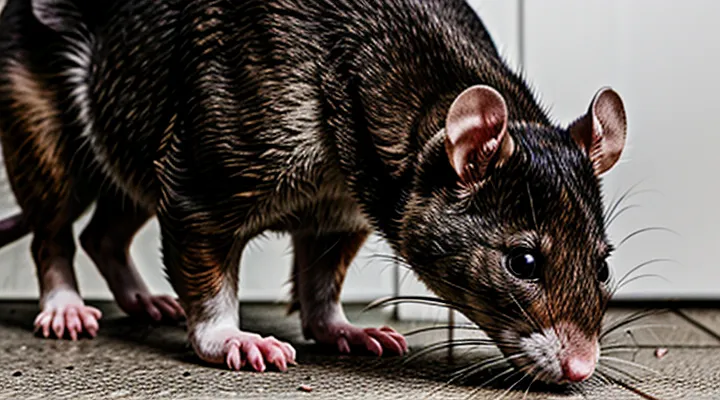
Understanding the Rat Problem
Identifying Rat Infestation Signs
Droppings and Urine Trails
Droppings and urine trails provide reliable evidence of rat activity and guide targeted intervention. Fresh droppings appear as dark, pellet‑shaped feces, typically 0.5–1 cm in length, located near food sources, nesting sites, and travel paths. Older droppings darken and may adhere to surfaces, indicating prolonged occupancy.
Urine trails leave a faint, oily sheen on smooth surfaces; when illuminated with ultraviolet light, they fluoresce, revealing hidden routes. The combination of fecal deposits and urine markings outlines the rat’s corridor network, enabling precise placement of traps, baits, or exclusion measures.
Key considerations for effective use of these indicators:
- Identify high‑traffic zones by mapping droppings clusters and urine streaks.
- Prioritize sanitation to remove attractants; eliminate food residues that sustain droppings accumulation.
- Apply bait stations and snap traps along established trails, positioning devices perpendicular to the flow of urine markings.
- Seal entry points adjacent to identified pathways to interrupt movement and prevent reinfestation.
- Conduct periodic inspections using UV detection to verify trail disruption after treatment.
Understanding droppings and urine trails reduces unnecessary chemical applications, focuses resources on active zones, and enhances the success rate of rat control programs.
Gnaw Marks and Damage
Gnaw marks provide the most immediate visual evidence of a rat presence. Fresh incisors leave shallow, crescent‑shaped bites on soft materials such as plastic, wood, or insulation. Older marks appear deeper, with splintered edges and occasional shavings. The pattern of damage indicates the animal’s movement routes and preferred foraging areas.
Typical damage caused by rodents includes:
- Severed electrical wiring, creating fire hazards and equipment failure.
- Compromised structural beams, leading to weakened support and costly repairs.
- Contaminated food containers, resulting in spoilage and health risks.
- Chewed sealant and caulking, opening additional entry points for further infestation.
Identifying gnaw marks enables targeted intervention. Once damage is mapped, control measures focus on:
- Sealing identified entry routes with steel wool, metal flashing, or cement.
- Placing snap traps or electronic devices along established pathways, prioritizing locations with fresh bite marks.
- Deploying bait stations near damaged food storage, ensuring placement away from non‑target species.
- Monitoring repaired areas for new gnaw evidence, adjusting trap density as needed.
Prompt remediation of gnaw‑related damage reduces the likelihood of population growth and limits property loss. Continuous inspection of vulnerable surfaces maintains the effectiveness of any rat control program.
Unusual Noises
Unusual sounds often precede visible evidence of rodent activity. Scratching behind walls, gnawing on insulation, and high‑pitched squeaks indicate the presence of rats concealed within structural cavities. Recognizing these acoustic cues enables timely intervention before infestations expand.
Typical noises and their implications:
- Rapid scratching on wood or drywall – suggests movement through concealed passages.
- Persistent gnawing on plastic or wiring – signals attempts to enlarge nesting sites.
- Intermittent squeaking, especially at night – denotes social interaction among a breeding colony.
- Rattling of stored grain containers – points to foraging behavior near food sources.
When such sounds are detected, targeted control measures can be deployed. Placement of snap traps or electronic devices along identified pathways maximizes capture rates. Monitoring devices that record acoustic activity provide quantitative data for evaluating the effectiveness of interventions and adjusting trap density accordingly.
Integrating sound detection with visual inspections, droppings analysis, and odor assessment creates a comprehensive surveillance framework. This multifaceted approach reduces reliance on chemical treatments and supports sustainable rodent management.
Sightings
Sightings refer to any direct or indirect observation of rats within residential, commercial, or industrial environments. Accurate documentation of these occurrences provides the baseline data required for targeted eradication strategies.
Common sites where rats are detected include:
- Kitchen and pantry storage areas
- Basement or crawl‑space openings
- Sewer and drainage systems
- Garbage collection points
- Structural gaps around utility penetrations
Temporal trends reveal heightened activity during evening hours and in warmer months, when food availability and breeding rates increase. Night‑time inspections, combined with motion‑activated cameras, improve detection reliability.
Accompanying signs often accompany visual confirmations: gnaw marks on packaging, droppings resembling small black pellets, and distinct musky odor. Recording each element alongside the sighting enhances the precision of control measures and facilitates rapid response.
Common Rat Species and Behavior
Norway Rats («Rattus norvegicus»)
Norway rats, scientifically designated as «Rattus norvegicus», are large, robust rodents commonly found in urban and agricultural environments. Adults reach lengths of 20–25 cm excluding the tail, exhibit brown to gray fur, and possess strong incisors capable of gnawing through wood, plastic, and concrete. Their nocturnal activity and strong swimming ability enable colonization of sewers, basements, and outdoor structures.
Typical indicators of an infestation include dark, cylindrical droppings measuring 1–2 cm, gnawed building materials, visible runways along walls or under appliances, and audible scratching noises during night hours. These signs confirm the presence of breeding populations and the need for immediate intervention.
Effective control measures comprise several complementary actions:
- Sanitation: Eliminate food sources by storing grain, waste, and pet food in sealed containers; promptly clean spills and manage garbage in rodent‑proof bins.
- Exclusion: Seal entry points larger than 6 mm with steel wool, cement, or metal flashing; repair damaged screens, vents, and foundation cracks.
- Trapping: Deploy snap traps or electronic devices along established runways, setting them perpendicular to walls with bait such as peanut butter or dried fruit.
- Baiting: Use anticoagulant or non‑anticoagulant rodenticides in tamper‑resistant stations, following label instructions and local regulations to minimize non‑target exposure.
- Biological control: Introduce predatory species, such as barn owls, where appropriate, to supplement mechanical methods.
An integrated approach, combining habitat modification, physical barriers, and targeted lethal devices, yields the highest reduction in population density. Continuous monitoring through periodic inspection of droppings and trap activity ensures that control efforts remain effective and that re‑infestation is detected promptly.
Roof Rats («Rattus rattus»)
Roof rats, scientifically referred to as «Rattus rattus», inhabit elevated structures such as attics, eaves, and roof voids. Their agile climbing ability allows them to access food sources stored in upper levels of residential and commercial buildings. Typical coloration ranges from black to brown, with a tail longer than the head‑body length, distinguishing them from other urban rodent species.
These rodents cause structural damage by gnawing insulation, wiring, and wooden components, increasing fire risk and utility costs. They also contaminate food supplies with urine, feces, and pathogens, posing health hazards to occupants.
Effective detection relies on visual inspection of droppings, gnaw marks, and nest materials in concealed ceiling spaces. Listening for nocturnal scurrying sounds provides additional confirmation of active infestations.
Control measures focus on prevention, mechanical removal, and chemical intervention:
- Seal entry points larger than ¼ inch using steel wool, cement, or metal flashing.
- Eliminate food and water sources by storing provisions in airtight containers and repairing leaks.
- Deploy snap traps or multi‑capture devices along known travel routes, positioning them perpendicular to walls.
- Apply anticoagulant baits in tamper‑resistant stations, ensuring placement beyond reach of non‑target species.
- Encourage natural predators, such as owls, by installing nesting boxes on building exteriors.
When employing rodenticides, follow label instructions, wear protective equipment, and monitor for secondary poisoning risks. Integrating exclusion, sanitation, and targeted trapping yields the most sustainable reduction of roof‑rat populations.
Non-Lethal Rat Control Methods
Prevention and Exclusion
Sealing Entry Points
Sealing entry points stops rats from accessing indoor spaces. Identifying potential openings requires a systematic inspection of the building envelope. Focus on gaps around pipes, vents, doors, windows, and foundation cracks. Measure each opening to determine appropriate filler material.
- Install steel wool or copper mesh in small cracks, then apply expanding foam sealant for added durability.
- Fit metal flashing over gaps surrounding utility penetrations; secure with stainless‑steel screws.
- Replace damaged weatherstripping on doors and windows with compression‑fit profiles.
- Cover ventilation openings with fine‑mesh hardware cloth, securing edges with corrosion‑resistant staples.
- Repair foundation cracks using hydraulic cement that expands upon curing; smooth surface to prevent re‑entry.
After installation, perform a follow‑up inspection to verify that all seals remain intact. Schedule periodic checks, especially after seasonal temperature changes, to detect wear or new gaps. Maintaining a sealed exterior reduces the likelihood of rat intrusion and supports long‑term pest‑management objectives.
Eliminating Food and Water Sources
Eliminating food and water sources is a fundamental component of rat control. Rats survive by exploiting accessible sustenance; removing these resources forces the population to relocate or perish.
Identify all potential feeding sites. Examine kitchens, pantries, and dining areas for spilled grains, crumbs, or pet food. Store dry goods in sealed containers made of metal or thick plastic with tight‑fitting lids. Clean surfaces after each meal to eliminate residues that attract rodents.
Manage waste effectively. Use bins with solid lids and empty them daily. Position containers away from building walls and elevate them on platforms to prevent rats from climbing. Dispose of organic waste in sealed bags before placing it in external dumpsters.
Control water availability. Repair leaking pipes, faucets, and roof gutters promptly. Wipe down sinks and countertops to remove standing water. Store pet water bowls only when animals are present, and clean them regularly.
Maintain a tidy environment. Trim vegetation and remove debris near building foundations to reduce shelter and foraging opportunities. Keep compost piles covered with impermeable material and turn them infrequently.
Implement these measures consistently. Continuous monitoring and prompt remediation of new food or water sources sustain long‑term rat population suppression.
Maintaining Cleanliness
Maintaining a clean environment directly reduces the availability of food, water, and shelter that attract rodents. Eliminating these resources deprives rats of the conditions needed for survival and reproduction.
- Store food in sealed containers; discard leftovers promptly.
- Remove clutter such as cardboard boxes, piles of newspapers, and unused equipment.
- Clean spills and crumbs from countertops, floors, and equipment immediately.
- Empty trash bins daily; use lids that close securely.
- Keep gutters, drains, and exterior areas free of debris and standing water.
Regular inspection of interior and exterior spaces identifies emerging sanitation lapses. Prompt corrective action prevents re‑establishment of rodent habitats. Consistent adherence to these practices sustains a hostile environment for rats, supporting broader pest‑management efforts.
Live Trapping and Release
Choosing the Right Traps
Selecting an appropriate trap is essential for successful rodent control. Evaluate target size, activity patterns, and environment before committing to a specific device.
Common trap categories include:
- «snap traps» – rapid kill, suitable for indoor and outdoor use.
- «live‑catch traps» – humane capture, require regular monitoring.
- «electronic traps» – instant death via high‑voltage shock, minimal mess.
- «glue boards» – simple placement, best for secondary infestations.
Key selection factors:
- Size of the rodent population: high density favors snap or electronic options; low density may be managed with live‑catch devices.
- Location accessibility: confined spaces benefit from glue boards; open areas accommodate snap traps.
- Desired outcome: humane removal mandates live‑catch traps; eradication calls for lethal mechanisms.
- Safety considerations: households with children or pets should prioritize enclosed or electronic models to reduce accidental contact.
Proper deployment enhances effectiveness. Place traps along walls, behind objects, and near known runways. Bait with high‑protein attractants such as peanut butter or dried meat. Check traps at least twice daily; dispose of captured rodents according to local regulations and reset devices promptly. Regular maintenance, including cleaning and bait replacement, sustains trap performance over extended periods.
Baiting and Placement Strategies
Effective baiting begins with selecting a product that matches the target species’ feeding habits. Anticoagulant blocks, bromadiolone, and zinc phosphide formulations each provide rapid ingestion and delayed mortality, reducing the chance of bait avoidance. Palatability enhancers such as wheat germ, peanut butter, or dried fruit increase acceptance in urban and rural environments.
Placement strategies follow a systematic grid to ensure coverage while minimizing non‑target exposure. Key steps include:
- Identify active runways, burrow entrances, and food sources within the infested area.
- Position bait stations 1–2 m apart along these pathways, keeping stations at least 0.5 m above ground to deter scavengers.
- Use tamper‑resistant containers equipped with a single‑entry slot, limiting access to rodents while protecting children and pets.
- Rotate station locations every 7–10 days to prevent bait shyness and to target new foraging routes.
Monitoring involves regular inspection of stations for bait consumption, spoilage, and signs of non‑target interference. Record counts of removed baits and replace depleted units promptly to maintain lethal dose availability. Adjust placement density based on observed activity levels; high‑traffic zones may require stations every 0.75 m, whereas peripheral areas can be spaced up to 3 m apart.
Safety protocols mandate personal protective equipment during bait handling, secure storage in locked containers, and clear labeling with hazard warnings. Disposal of unused bait follows local hazardous waste regulations to avoid environmental contamination.
Humane Release Protocols
Humane release protocols provide a systematic approach for returning captured rats to environments where they can survive without posing a threat to human habitations. The process begins with immediate assessment of the animal’s health status; visual inspection for injuries, signs of disease, and overall condition determines suitability for release. Only individuals free of contagious pathogens and without severe trauma proceed to the next stage.
Selection of release sites follows ecological compatibility criteria. Ideal locations feature abundant shelter, natural food sources, and distance of at least 500 meters from residential structures. Urban green spaces, abandoned fields, and forest edges meet these requirements, reducing the likelihood of re‑entry into human‑occupied areas.
The release procedure consists of the following steps:
- Containment verification – ensure the transport cage is secure and ventilated.
- Acclimatization – hold the rat in a shaded, quiet area for 10–15 minutes to reduce stress.
- Gradual opening – tilt the cage lid slightly, allowing the animal to exit voluntarily.
- Observation – watch for immediate retreat behavior; if the rat hesitates, provide a brief period before attempting again.
- Final departure – confirm the rat moves away from the release point and disappears into cover.
Documentation of each release, including date, time, GPS coordinates, and health notes, supports compliance with local wildlife regulations and facilitates monitoring of population impacts. Continuous review of release outcomes informs adjustments to protocol details, ensuring ethical standards and effectiveness remain aligned.
Lethal Rat Control Methods
Trapping for Extermination
Snap Traps: Usage and Safety
Snap traps are mechanical devices that deliver a rapid, lethal force to a rodent when the trigger is activated. The design typically includes a spring‑loaded bar, a bait holder, and a release mechanism that snaps shut upon contact.
Correct usage
- Place the trap on a flat surface, aligning the trigger side toward anticipated rodent pathways.
- Secure the bait (e.g., peanut butter, dried fruit) in the designated holder, ensuring it does not obstruct the trigger.
- Set the spring mechanism by pulling back the bar until the latch clicks into place.
- Position the trap perpendicular to the wall, with the front edge facing the wall, as rats often travel along edges.
- Check the trap at regular intervals, preferably every few hours, to confirm functionality and minimize animal suffering.
Safety precautions
- Wear thick gloves when handling the trap to prevent accidental activation.
- Keep traps out of reach of children and non‑target animals; store them in sealed containers when not in use.
- Ensure the work area is well‑ventilated if using scented baits that may cause respiratory irritation.
- Dispose of captured rodents according to local regulations, using sealed bags to avoid contamination.
Maintenance and disposal
- After a catch, release the tension by lifting the latch with a tool, then remove the dead rodent.
- Clean the trap with mild detergent and water; dry thoroughly before resetting.
- Inspect the spring and latch for wear; replace the trap if any component shows signs of fatigue.
Electric Traps: Operation and Efficacy
Electric traps eliminate rodents by delivering a high‑voltage shock that instantly incapacitates the animal. The device consists of a sealed chamber, a conductive grid, and a power source—typically a 9 V battery or mains‑connected transformer. When a rat enters the chamber and contacts the grid, a circuit completes, triggering a pulse of approximately 2,000 V for a fraction of a second. The enclosure prevents exposure to non‑target species and contains the carcass for easy disposal.
Key operational considerations include:
- Placement near established runways, feeding stations, or wall voids maximizes encounter rates.
- Activation sensors may be mechanical (pressure plate) or infrared; infrared models reduce false triggers from debris.
- Battery‑powered units require periodic replacement; mains‑connected units offer continuous operation but must be installed with proper grounding.
- Safety mechanisms such as insulated outer casings and lock‑out switches protect humans and pets during handling.
Efficacy assessments consistently show capture rates above 85 % within 48 hours of deployment in infested environments. Laboratory trials report mortality within seconds of contact, eliminating the risk of prolonged suffering. Field studies indicate that electric traps reduce population density more rapidly than bait stations, especially when integrated into a comprehensive management plan that includes sanitation and exclusion measures.
Glue Traps: Ethical Considerations and Effectiveness
Glue traps function by coating a sticky surface with a powerful adhesive that immobilizes rodents upon contact. The device requires strategic placement along established runways, near food sources, or in concealed corners where activity signs are evident. When a rat steps onto the trap, it becomes firmly adhered, preventing escape and subsequent damage to property.
Effectiveness depends on several variables. High‑traffic locations increase capture probability; traps must be inspected regularly to replace saturated units. Adhesive potency declines in humid environments, reducing success rates. Proper sanitation enhances results, as clutter and competing food sources distract target animals.
Ethical considerations focus on the level of distress inflicted. Immobilization causes prolonged suffering, potential injury, and inability to access water or food. Many jurisdictions classify glue traps as inhumane, restricting or banning their sale. Alternatives such as snap traps, electronic devices, or exclusion techniques provide rapid death or prevention without prolonged agony. Professional pest managers often recommend humane options to align with animal‑welfare standards and legal requirements.
Key points:
- Rapid immobilization but high suffering potential.
- Requires frequent monitoring and environmental control.
- Subject to regulatory restrictions in several regions.
- Viable only when integrated with comprehensive sanitation and exclusion measures.
Rodenticides (Rat Poison)
Types of Rodenticides
Rodenticides constitute the primary chemical category employed in rat eradication strategies. Their action mechanisms divide into anticoagulant and non‑anticoagulant groups, each with distinct active ingredients and usage parameters.
Anticoagulant rodenticides interrupt blood clotting, leading to fatal internal hemorrhage. First‑generation compounds, such as warfarin and chlorophacinone, require multiple feedings to achieve mortality. Second‑generation agents, including brodifacoum, difenacoum and bromadiolone, possess higher potency and often succeed after a single exposure.
- Warfarin – first‑generation, low potency, multiple‑dose requirement.
- Chlorophacinone – first‑generation, moderate potency, multiple‑dose requirement.
- Brodifacoum – second‑generation, high potency, single‑dose effectiveness.
- Difenacoum – second‑generation, high potency, single‑dose effectiveness.
- Bromadiolone – second‑generation, high potency, single‑dose effectiveness.
Non‑anticoagulant rodenticides act through alternative physiological pathways. Bromethalin disrupts neuronal energy metabolism, causing cerebral edema. Zinc phosphide releases phosphine gas upon ingestion, producing rapid systemic toxicity. Cholecalciferol (vitamin D₃) induces hypercalcemia, leading to organ failure.
- Bromethalin – neurotoxic, delayed mortality, low secondary poisoning risk.
- Zinc phosphide – gas‑producing, rapid mortality, high acute toxicity.
- Cholecalciferol – hypercalcemic, delayed mortality, low environmental persistence.
Effective deployment demands awareness of resistance development, especially against first‑generation anticoagulants, and adherence to regulatory limits governing hazardous substances. Placement of baits in tamper‑proof stations minimizes non‑target exposure, while periodic monitoring confirms efficacy and guides adjustments to the control program.
Safe Application and Placement
Effective rodent extermination strategies require precise handling of toxic agents to prevent accidental exposure. Use only products approved by regulatory agencies and read the label before any application. Personal protective equipment – gloves, mask, and eye protection – must be worn throughout the process.
Key considerations for placement:
- Position bait stations along established travel routes, typically within 1‑2 m of walls, away from direct sunlight and moisture.
- Install stations at a height of 10‑15 cm above the floor to deter non‑target animals while remaining accessible to rats.
- Secure stations to immovable objects using screws or zip ties to prevent displacement by curious pets or children.
- Maintain a minimum distance of 3 m from food preparation areas, water sources, and entry points to human dwellings.
- Replace stations regularly, inspecting for damage or depletion at intervals not exceeding 48 hours.
When applying liquid or aerosol formulations, follow these protocols:
- Apply only in enclosed spaces such as attics, basements, or crawl spaces, ensuring adequate ventilation after treatment.
- Use calibrated sprayers to deliver the recommended dose per square meter, avoiding overspray onto surfaces that may be touched by occupants.
- Seal off treated areas for the duration specified on the product label, typically 2‑4 hours, before re‑entry.
Record all application dates, locations, and product details in a logbook. This documentation supports compliance with health‑safety regulations and facilitates future monitoring of control efficacy.
Risks to Children, Pets, and Wildlife
Effective rat control methods present several hazards for non‑target organisms. Chemical baits, particularly anticoagulant rodenticides, can be ingested accidentally by children exploring contaminated areas. Even low‑dose exposure may cause internal bleeding, requiring urgent medical intervention. Secure placement of bait stations behind locked doors and use of tamper‑resistant containers reduce this risk.
Pets, especially dogs and cats, are vulnerable to secondary poisoning. Consumption of poisoned rodents or direct contact with bait leads to similar hemorrhagic effects. To protect companion animals, consider:
- Placement of bait stations out of pet reach.
- Use of low‑toxicity formulations such as zinc phosphide where appropriate.
- Adoption of mechanical traps that do not involve toxicants.
Wildlife faces indirect threats from widespread rodenticide use. Scavengers, birds of prey, and small mammals may feed on dead rats containing residues, resulting in population declines. Mitigation strategies include:
- Limiting bait distribution to interior spaces.
- Employing snap traps or live‑capture devices in outdoor settings.
- Conducting regular monitoring for non‑target mortality.
In addition to chemical hazards, physical traps pose injury risks. Spring‑loaded traps can cause limb damage if triggered by a child or pet. Protective barriers and signage around trap locations are essential preventive measures.
Overall, responsible implementation of rat eradication strategies depends on strict control of bait accessibility, selection of low‑impact devices, and continuous assessment of environmental effects. Failure to address these risks compromises public health and biodiversity.
Proper Disposal of Carcasses
Proper disposal of rat carcasses prevents disease spread, deters scavengers, and reduces attraction of new rodents. Immediate handling limits decomposition odors and pathogen proliferation. Use gloves, sealed containers, and disinfectants to protect personnel and the environment.
Key procedures for safe carcass management include:
- Place each dead rat in a heavy‑duty, leak‑proof bag; seal the bag securely.
- Store sealed bags in a designated, locked area away from food preparation zones.
- Arrange collection by a licensed wildlife removal service or municipal hazardous‑waste program within 24 hours.
- Apply a registered disinfectant to the exterior of the bag before transport.
- After removal, clean and disinfect all tools, surfaces, and containers used during handling.
Documentation of disposal dates, quantities, and service provider details supports compliance with local health regulations and facilitates traceability in pest‑control records. Regular review of disposal protocols ensures alignment with evolving public‑health guidelines.
Professional Pest Control Services
When to Call an Expert
When signs indicate that a rat problem exceeds the capacity of DIY measures, professional assistance becomes necessary. Indicators include:
- Visible activity in multiple rooms or across several floors.
- Damage to electrical wiring, insulation, or structural components.
- Presence of droppings, urine stains, or gnaw marks in food preparation areas.
- Persistent odor despite cleaning and trapping attempts.
- Evidence of disease carriers, such as fleas or mites, that pose health risks.
- Local regulations that restrict the use of certain rodenticides without a licensed applicator.
Engaging a certified pest‑control specialist provides access to advanced detection tools, regulated chemicals, and integrated management plans that reduce recurrence. Professionals can also conduct a thorough risk assessment, ensuring that control methods comply with safety standards and minimize exposure to occupants and pets.
Delay in seeking expert help often results in expanded infestation, increased property damage, and higher long‑term costs. Prompt consultation after the first reliable indication of a widespread problem safeguards health, preserves structural integrity, and restores a safe environment.
Benefits of Professional Extermination
Professional extermination delivers results that exceed typical DIY attempts. Trained technicians apply targeted rodent‑specific solutions, ensuring rapid population reduction and minimal collateral damage. Precise placement of baits and traps eliminates hidden nesting sites, preventing re‑infestation.
Key advantages include:
- Verified efficacy through industry‑standard protocols;
- Compliance with health‑safety regulations, reducing liability;
- Access to restricted‑use chemicals unavailable to the public;
- Comprehensive inspection that identifies structural vulnerabilities;
- Ongoing monitoring and warranty coverage for sustained control.
Engaging certified specialists transforms a reactive response into a proactive management plan, securing property integrity and safeguarding occupants from disease transmission.
Integrated Pest Management («IPM») Approaches
Integrated Pest Management («IPM») provides a systematic framework for reducing rat populations while minimizing environmental impact. The approach combines preventive measures, targeted interventions, and ongoing assessment to achieve sustainable control.
Core elements of rat‑focused IPM include:
- Habitat modification: eliminate food sources, water access, and shelter.
- Structural exclusion: seal entry points, install barriers, and maintain building integrity.
- Mechanical control: deploy snap traps, live‑catch devices, and electronic deterrents.
- Biological agents: introduce natural predators or pathogens where applicable.
- Chemical application: use rodenticides selectively, following strict dosage and placement guidelines.
- Monitoring: conduct regular inspections, set tracking stations, and record activity levels.
Implementation begins with a thorough site survey to identify infestation hotspots and assess risk factors. Data from the survey guide the selection of appropriate exclusion techniques and trap placement. Chemical measures are introduced only after non‑chemical options prove insufficient, and they are applied according to integrated schedules that limit resistance development.
Continuous monitoring validates the efficacy of each action. Recorded reductions in sign activity trigger adjustments to the control plan, ensuring resources are allocated efficiently. Documentation of outcomes supports long‑term management decisions and compliance with regulatory standards.
Safety and Post-Extermination Procedures
Handling and Disposal of Rat Carcasses
Protective Gear Recommendations
When handling rodents, exposure to pathogens, bite injuries, and chemical agents is common. Protective equipment reduces health risks and ensures safe execution of control measures.
- Thick‑walled disposable gloves, nitrile or latex, prevent direct contact with saliva, urine, and contaminated surfaces. Replace gloves promptly if torn or punctured.
- Half‑face respirator equipped with a P100 filter safeguards against aerosolized viruses, bacteria, and dust generated during trapping or extermination. Verify seal before each use.
- Safety goggles or face shields provide barrier against splashes of disinfectants and accidental strikes from aggressive rodents. Choose models with anti‑fog coating for clear vision.
- Disposable coveralls, preferably liquid‑resistant, protect clothing and skin from contaminants. Secure seams and fasten cuffs to avoid gaps.
- Slip‑resistant, steel‑toe boots shield feet from bites and falling debris while offering traction on uneven terrain.
In addition to gear, inspect all items for damage before each operation, store them in a clean, dry environment, and follow manufacturer‑specified disposal procedures after use. Consistent application of this equipment forms a reliable defense against occupational hazards in rodent management.
Sanitization and Disinfection
Sanitization and disinfection constitute the foundation of any successful rat‑control programme. Clean surfaces eliminate food residues that attract rodents, while effective disinfectants destroy pathogens left by their activity.
Key actions for sanitization include:
- Removal of spilled grain, crumbs, and organic waste from floors, counters and storage areas.
- Regular emptying and cleaning of trash containers, ensuring lids seal tightly.
- Washing of feeding stations and water dispensers with hot, soapy water before each use.
- Vacuuming of corners, cracks and crevices where droppings may accumulate.
Disinfection procedures focus on eliminating disease‑causing agents:
- Application of EPA‑registered rodent‑specific disinfectants to surfaces after thorough cleaning.
- Use of a 1 % bleach solution on high‑risk zones such as kitchens, basements and utility rooms; contact time of at least five minutes required.
- Fogging or misting of enclosed spaces with approved aerosol disinfectants to reach hidden areas.
- Verification of disinfectant efficacy through routine swab testing and laboratory analysis.
Integrating sanitization and disinfection with trapping, exclusion and baiting creates a comprehensive approach. Continuous monitoring of cleanliness levels ensures that rodent populations cannot re‑establish, thereby enhancing the overall effectiveness of control measures.
Preventing Future Infestations
Long-Term Monitoring
Long‑term monitoring is essential for confirming the success of rat eradication programs and preventing reinfestation. Continuous observation provides data on population trends, identifies residual activity, and allows timely adjustments to control measures. Monitoring should extend beyond the immediate treatment period, typically covering several months to a year, depending on local climate and building conditions.
Key components of an effective monitoring plan include:
- Placement of bait stations or snap traps in strategic locations such as walls, ceilings, and utility corridors to detect hidden activity.
- Regular inspection intervals, for example weekly during the first month and bi‑weekly thereafter, with detailed records of captures or bait consumption.
- Use of tracking media (e.g., powdered flour or non‑toxic dye) to reveal movement paths and nesting sites that may escape direct observation.
- Integration of electronic sensors or motion‑activated cameras in high‑risk zones to supplement manual checks.
Data collected through these methods should be analyzed to assess trends, verify the absence of new breeding colonies, and determine when the program can be declared complete. Documentation of results supports compliance with health and safety regulations and provides a reference framework for future pest‑management initiatives.
Ongoing Exclusion Efforts
Effective rat control relies heavily on sustained exclusion practices that prevent ingress into buildings and storage areas. Continuous monitoring of structural gaps, utility penetrations, and ventilation openings identifies vulnerabilities before infestations establish. Sealing identified breaches with durable materials such as steel wool, cement, or metal flashing eliminates pathways that rodents exploit.
Key components of an ongoing exclusion program include:
- Regular inspection schedules aligned with seasonal activity peaks.
- Installation of rodent‑proof door sweeps and weather‑strip seals on all exterior doors.
- Replacement of deteriorated pipe sleeves and conduit seals with rigid, non‑chewable fittings.
- Maintenance of roof and soffit integrity through prompt repair of damaged flashing or tiles.
- Implementation of a documented tracking system that logs inspection dates, findings, and corrective actions.
Consistent application of these measures reduces re‑entry risk, supports long‑term population suppression, and complements other control tactics. Monitoring results and adjusting exclusion tactics in response to emerging structural changes ensure the program remains effective over time.