
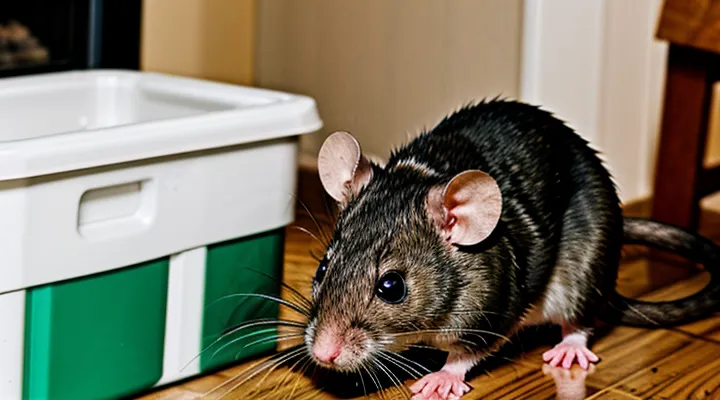
Understanding Fancy Rats
What are Fancy Rats?
History and Domestication
Fancy rats trace their lineage to the brown rat (Rattus norvegicus), a species that expanded from northern China and Mongolia into Europe during the 18th century. Early European ports recorded dense populations of wild rats, prompting pest control measures that inadvertently introduced captive breeding. By the mid‑1800s, breeders in England began selecting individuals for temperament and coloration, establishing the first recognized “fancy” strains. These efforts coincided with the rise of laboratory research, where rats served as experimental models; the parallel development of pet‑oriented lines accelerated genetic diversity.
Key milestones in the domestication process include:
- 1850s: Emergence of organized rat shows in England, formalizing standards for appearance and behavior.
- 1880s: Publication of the first breed manuals, providing guidance on selective breeding and care.
- Early 1900s: Expansion of breeding clubs across the United States, fostering exchange of exotic coat patterns.
- 1930s–1950s: Integration of pet rats into scientific facilities, reinforcing docile traits through repeated handling.
- Late 20th century: Global hobbyist networks popularized miniature and dwarf varieties, cementing the rat’s status as a companion animal.
Domestication refined several physiological and behavioral traits. Compared with wild conspecifics, fancy rats exhibit reduced aggression, heightened sociability, and an increased tolerance for human proximity. Selective breeding also produced a spectrum of coat colors, fur lengths, and body sizes, none of which occur naturally in wild populations. These characteristics result from generations of controlled mating, genetic drift, and intentional mutation.
Understanding this historical trajectory informs current husbandry practices. The species’ long‑standing relationship with humans has produced a robust genetic foundation for adaptability to indoor environments, making it a suitable candidate for domestic care when provided with appropriate enrichment, nutrition, and hygiene.
Temperament and Intelligence
Fancy rats display a highly social temperament. They form strong bonds with human caregivers, seek interaction, and respond positively to gentle handling. Their innate curiosity drives exploration of new objects and environments, making enrichment essential to prevent boredom. Aggressive or fearful behaviors often stem from inadequate socialization or sudden changes in routine; consistent, calm exposure to handling reduces such responses.
Intelligence in fancy rats is evident through rapid learning, problem‑solving, and memory retention. They navigate mazes, manipulate simple mechanisms, and can be trained to perform tricks using clicker or treat reinforcement. Their ability to remember spatial layouts enables efficient foraging and escape avoidance when obstacles are introduced.
Key considerations for managing temperament and intelligence:
- Provide daily interaction sessions lasting 10‑15 minutes to reinforce social bonds.
- Offer a variety of manipulable toys, tunnels, and climbing structures to satisfy curiosity.
- Rotate enrichment items weekly to maintain novelty and mental stimulation.
- Implement short training exercises (e.g., target touching, obstacle negotiation) to harness problem‑solving skills.
- Observe individual preferences; some rats favor climbing, others prefer digging, and adjust cage layout accordingly.
Understanding these behavioral traits allows caretakers to create a stable, stimulating environment that supports the well‑being of domesticated fancy rats.
Why Choose a Fancy Rat as a Pet?
Social Animals
Fancy rats thrive on interaction with their own species. A single rat often exhibits stress behaviors such as excessive grooming, reduced activity, or aggression toward humans. Housing two or more rats together satisfies their innate need for companionship and promotes natural social structures.
Group housing requires careful selection of compatible individuals. Introduce newcomers gradually, monitor for signs of dominance, and provide multiple nesting sites and feeding stations to reduce competition. When a compatible group is established, the rats display cooperative grooming, synchronized play, and shared exploration of the enclosure.
Social enrichment extends beyond cage mates. Daily handling, gentle voice interaction, and supervised out‑of‑cage play sessions reinforce trust and reduce fear. Provide objects that encourage cooperative behavior, such as tunnels that can be navigated together and chewable toys that accommodate multiple users.
Key practices for maintaining a socially healthy rat environment:
- Keep a minimum of two rats of the same sex or a neutered pair to prevent breeding.
- Offer at least three separate shelters within the cage to allow individual retreat.
- Supply multiple water bottles and food dishes to avoid resource guarding.
- Rotate enrichment items weekly to sustain curiosity and interaction.
- Observe group dynamics daily; intervene if persistent bullying or injury occurs.
By respecting the species’ social nature, owners create a stable, low‑stress setting that supports physical health, mental well‑being, and the longevity of their fancy rats.
Trainability and Interaction
Fancy rats possess a high capacity for learning and respond well to consistent, positive reinforcement. Their short attention span favors brief sessions of 5–10 minutes, repeated several times daily, which solidify desired behaviors without causing stress.
Training techniques that yield reliable results include:
- Clicker conditioning: pair a distinct sound with a food reward, then mark the exact moment the rat performs the target action.
- Target training: present a small stick or fingertip, reward the rat for touching it, then guide the target to shape movement patterns such as coming when called or navigating a simple obstacle.
- Cue association: introduce a verbal word (e.g., “up”) immediately before offering a treat for the corresponding action, reinforcing the link through repetition.
Interaction hinges on regular, gentle handling. Begin by allowing the rat to explore the hand while remaining stationary; progress to brief lifts and short periods of confinement in a secure cup. Daily tactile contact reduces fear, encourages trust, and improves the animal’s willingness to cooperate during grooming, health checks, and enrichment activities.
Enrichment devices—tunnels, climbing structures, puzzle feeders—stimulate problem‑solving skills and reinforce training outcomes. Rotate items weekly to maintain novelty and prevent habituation. Observe the rat’s response: rapid engagement indicates mental well‑being, whereas avoidance or aggression signals overstimulation or inadequate socialization.
Common issues include inconsistent cue timing, excessive session length, and reliance on food rewards alone. Mitigate these problems by establishing a predictable schedule, limiting each training episode, and gradually introducing intermittent reinforcement to sustain motivation.
Low Maintenance (Relative to Other Pets)
Fancy rats require less daily attention than many traditional companions. Their diet consists of a single commercial pellet formula supplemented occasionally with fresh vegetables; a measured portion delivered once or twice daily satisfies nutritional needs without complex meal planning. Water bottles need refilling only when the level drops, and the rats will self‑regulate intake, eliminating the need for multiple feeding stations.
Grooming demands are minimal. Rats groom themselves, so owners need only provide a clean cage and replace bedding weekly. Regular cage cleaning—removing waste and wiping surfaces—prevents odor and disease, a task that typically occupies less than an hour per week. Health monitoring involves observing behavior and weight; any sudden changes warrant a veterinary check, but routine examinations are infrequent compared to species with longer lifespans or higher susceptibility to chronic conditions.
Key low‑maintenance factors include:
- Simple feeding routine: single‑type pellets plus occasional fresh produce.
- Self‑grooming: no brushing or bathing required.
- Compact housing: a cage of modest dimensions fits easily in standard living spaces.
- Low veterinary frequency: routine checks once or twice a year suffice for most healthy rats.
- Affordable upkeep: cost of food, bedding, and occasional toys remains lower than that of larger pets such as dogs or cats.
Preparing for Your Fancy Rat
Essential Supplies
Cage Selection
Choosing an appropriate enclosure is the first step in providing a healthy environment for a domesticated fancy rat. The cage must accommodate the animal’s natural activity level, support hygiene, and prevent injury.
- Minimum floor area: at least 2 sq ft per rat; larger space reduces stress and encourages exercise.
- Height: 12 inches or more to allow climbing and vertical enrichment.
- Bar spacing: no wider than ½ inch to prevent head or paw entrapment.
- Door size: large enough for easy handling and cleaning without compromising structural integrity.
Material selection influences durability and safety. Solid plastic bases resist chewing and simplify cleaning; metal frames provide stability but should be powder‑coated to avoid rust. Avoid cages with untreated wood that can splinter or absorb urine.
Ventilation must balance airflow with protection from drafts. Mesh panels on the upper portion allow fresh air circulation, while solid sides maintain warmth. Ensure all openings are covered with fine mesh to block escape.
Accessories should be securely attached and easy to remove for routine disinfection. Include a solid floor with removable trays, a chew‑safe hideout, and a climbing platform. Provide a water bottle with a stainless‑steel nozzle and a food dish that can be lifted for cleaning.
Regular maintenance includes weekly removal of waste, monthly deep cleaning with a mild, non‑toxic cleanser, and inspection of bars and locks for wear. Proper cage selection, combined with consistent upkeep, creates a stable setting that supports the rat’s physical and behavioral needs.
Size and Bar Spacing
A suitable enclosure for a fancy rat must provide ample floor space to support natural exploratory behavior and prevent musculoskeletal stress. Minimum recommended dimensions are 24 inches (61 cm) long, 12 inches (30 cm) wide, and 12 inches (30 cm) high for a single rat; each additional rat requires an extra 12 inches of length or width. Larger enclosures improve air circulation, reduce waste concentration, and allow for enrichment items without overcrowding.
Bar spacing directly affects safety and comfort. The distance between horizontal bars should not exceed ½ inch (12 mm); larger openings allow a rat’s tail or feet to become trapped, leading to injury. Vertical bars may be spaced up to 1 inch (25 mm) without compromising security, provided the cage includes a solid back panel to prevent escape. Recommended specifications:
- Horizontal bar spacing: ≤ ½ inch (12 mm)
- Vertical bar spacing: ≤ 1 inch (25 mm)
- Wire gauge: 18–20 gauge for durability
- Cage material: rust‑free, easy‑to‑clean coating
Adhering to these dimensions ensures a secure, spacious habitat that promotes the health and well‑being of domestic fancy rats.
Type (Wire vs. Tank)
Wire cages offer unrestricted airflow, reducing humidity buildup and limiting odor accumulation. The metal mesh permits visual inspection of the animal’s condition without opening the enclosure, which minimizes stress. Standard dimensions for a single fancy rat should not fall below 24 × 12 × 12 inches; larger units prevent overcrowding and allow enrichment items such as tunnels and climbing structures. Secure latch mechanisms prevent escape while allowing quick removal for cleaning. Regular cleaning of the bars and tray eliminates waste residues and prevents bacterial growth.
Plastic tanks create a sealed environment, protecting rats from drafts and external contaminants. Transparent walls enable observation from multiple angles, and a solid base prevents chewing damage. Minimum interior volume should exceed 2 ft³ per rat to avoid confinement stress. Tanks require a ventilation system—drilled holes with mesh covers or built‑in fans—to maintain air exchange. Frequent substrate replacement and periodic disinfection of the interior surface are essential to control odor and pathogens.
Comparison:
- Ventilation: wire cage > tank (unless tank equipped with active airflow).
- Temperature stability: tank > wire cage (insulated walls reduce temperature fluctuations).
- Escape risk: wire cage < tank (latches vs. potential lid failure).
- Enrichment flexibility: wire cage > tank (easier attachment of accessories).
Substrate Options
Choosing an appropriate bedding material directly impacts a rat’s respiratory health, waste management, and natural foraging behavior. The substrate must absorb moisture, resist mold, and be safe for continuous chewing.
- Paper‑based bedding (e.g., recycled paper pellets, shredded paper) – low dust, high absorbency, biodegradable; may compact over time, requiring regular fluffing.
- Aspen shavings – moderate dust, good absorbency, non‑aromatic; unsuitable for species that gnaw heavily, as shavings can splinter.
- Coconut fiber (coir) – excellent moisture retention, minimal dust, natural scent; can become moldy if not fully dried between changes.
- Fleece liners – virtually dust‑free, reusable after washing, provides a soft surface; initial cost higher, must be laundered weekly to prevent odor buildup.
- Hemp or flax bedding – low to moderate dust, biodegradable, pleasant texture; slightly less absorbent than paper products.
- Corncob bedding – high absorbency, low dust; contains natural oils that may irritate sensitive respiratory tracts in some rats.
Selection criteria include dust generation, absorbency rate, ease of cleaning, and chew safety. Low‑dust options such as paper products, fleece, and hemp reduce the risk of respiratory irritation. Materials that compact or retain moisture must be replaced or aerated at least twice weekly to prevent bacterial growth. For rats that chew extensively, avoid brittle wood shavings that can splinter; prefer soft, chew‑friendly substrates like fleece or paper pellets. Regular inspection of the enclosure for signs of mold, excessive ammonia odor, or debris accumulation ensures a hygienic environment and supports long‑term health.
Safe and Absorbent Materials
When housing a fancy rat, the choice of materials that contact the animal directly influences health and comfort. Materials must resist bacterial growth, prevent ingestion of harmful fibers, and manage moisture without leaking.
- Paper‑based bedding – shredded, untreated paper absorbs urine efficiently, remains dust‑free, and can be replaced daily. Brands formulated for small mammals guarantee low‑pH composition, reducing skin irritation.
- Fleece liners – tightly woven polyester fleece provides a reusable surface that wicks moisture away from the cage floor. Regular washing at 60 °C eliminates pathogens; the fabric’s softness prevents abrasions.
- Coconut husk (coir) mats – natural fibers with high absorbency, suitable for short‑term use. Ensure the product is free of preservatives and dust; replace when saturated to avoid mold.
- Wooden chew blocks – untreated hardwood such as apple or willow offers safe gnawing surfaces while absorbing minor saliva. Avoid softwoods (pine, cedar) that release volatile oils.
- Non‑stick silicone mats – thin, flexible sheets placed beneath bedding absorb spills, simplify cleaning, and resist bacterial colonization. Verify that the silicone is food‑grade and free of plasticizers.
For litter, consider the following absorbent options:
- Paper pellets – compressed, low‑dust pellets that expand when wet, providing a clean substrate that can be scooped without spreading particles.
- Recycled wheat straw – biodegradable, high‑capacity absorbent; ensure the straw is processed without chemical treatments.
- Corn‑based granules – granular substrate that clumps when wet, facilitating removal of soiled portions; select formulations without added fragrances.
All selected materials should be free of scented additives, dyes, or chemical preservatives. Conduct regular inspections for signs of moisture saturation, mold, or wear, and replace compromised items promptly. Maintaining a sterile, absorbent environment minimizes respiratory risks, skin lesions, and urinary infections, supporting the well‑being of a domesticated fancy rat.
Materials to Avoid
Fancy rats are sensitive to chemicals, sharp edges, and materials that can cause injury or illness. Selecting safe components for cages, accessories, and bedding eliminates preventable health problems.
Avoid the following substances and products:
- Untreated or chemically treated wood (e.g., pine, cedar) that releases aromatic oils irritating to respiratory passages.
- Metal parts coated with zinc, galvanized steel, or lead‑based paint, which can leach toxic metals when chewed.
- Plastic containers made from low‑grade polymers such as PVC, which may contain phthalates and softeners that rats ingest.
- Wire mesh with coarse spacing that can trap paws or cause bruising.
- Fabrics dyed with azo or metallic pigments, including some synthetic fleece and bright‑colored ribbons.
- Scented candles, incense, and essential‑oil diffusers; volatile compounds can overwhelm a rat’s delicate olfactory system.
- Household cleaners, disinfectants, and aerosol sprays stored within reach of the enclosure.
- Toxic houseplants (e.g., philodendron, dieffenbachia, oleander) placed near the habitat.
Replace prohibited items with safe alternatives: untreated hardwood (e.g., aspen, beech), stainless‑steel accessories, food‑grade polyethylene or polypropylene containers, fine‑mesh stainless‑steel cages, plain cotton or fleece bedding, and unscented, non‑chemical cleaning solutions. Consistent use of these materials promotes a stable, healthy environment for a pet rat.
Food and Water
Provide a balanced diet to meet the high metabolic rate of a pet rat. Offer a commercial rodent pellet as the staple; choose a formulation with at least 18 % protein and low fat. Supplement with fresh vegetables such as carrots, broccoli, and leafy greens; limit portions to avoid gastrointestinal upset. Include occasional fruit—apple slices, berries, or banana—no larger than a thumb‑size piece per day. Offer a small amount of cooked lean protein, for example boiled chicken or scrambled egg, twice weekly.
Maintain constant access to clean, fresh water. Use a stainless‑steel bottle with a chew‑proof tip; replace the bottle weekly and refill daily. Check for leaks and ensure the spout remains unclogged. In hot weather, increase water volume and verify that the bottle is positioned away from direct sunlight.
Avoid toxic foods. Do not feed chocolate, caffeine, alcoholic beverages, raw potatoes, or processed snacks containing salt, sugar, or artificial additives. Remove all citrus peel, onion, garlic, and avocado from the diet.
Monitor intake. Record daily consumption of pellets and fresh foods; note any refusal or sudden change. Adjust portions if the rat shows signs of weight loss or excessive weight gain. Provide a clean water source and a nutritionally complete diet to support health, activity, and longevity.
Pellets and Blocks
Providing your fancy rat with a balanced diet that includes high‑quality pellets and blocks supports dental health, nutrient intake, and waste reduction. Pellets are formulated to deliver essential vitamins, minerals, and protein in a consistent ratio, minimizing the need for precise portion calculations. Blocks, typically composed of compressed hay or fiber, encourage natural gnawing behavior, which helps prevent overgrown incisors and promotes gastrointestinal motility.
Select pellets that list a reputable rodent blend as the first ingredient and contain less than 5 % added sugars or artificial flavors. Verify that the product is specifically marketed for small rodents, as formulations for larger species may contain inappropriate nutrient levels. For blocks, choose varieties made from timothy hay, oat straw, or a mixture of grasses, ensuring they are free of mold, dust, and chemical preservatives.
Proper storage preserves nutritional value and prevents contamination. Keep pellets in an airtight container placed in a cool, dry location; discard any product that becomes damp or clumped. Store blocks in a ventilated area, away from direct sunlight, and replace them when they become excessively worn or brittle.
Feeding guidelines:
- Offer 1–2 ½ tablespoons of pellets per day for an adult fancy rat, adjusting the amount based on body condition and activity level.
- Provide a fresh block in the cage at all times; replace it every 7–10 days or when it shows significant wear.
- Supplement pellets and blocks with a modest portion of fresh vegetables (e.g., leafy greens) and occasional protein treats; limit these additions to no more than 10 % of the total diet.
- Monitor intake daily; a sudden decrease may indicate illness or dietary intolerance.
Regularly inspect teeth and coat condition. If incisors appear uneven or the coat looks dull, reassess the pellet quality and block availability, and consider consulting a veterinarian familiar with small‑animal nutrition.
Fresh Foods and Treats
Fresh produce supplies essential nutrients that domestic fancy rats cannot obtain from pellets alone. Incorporate a daily portion of vegetables, fruits, and occasional protein treats to maintain optimal health and coat condition.
Safe vegetables include:
- Bell peppers (any colour)
- Broccoli florets
- Spinach (limited amount)
- Kale (small pieces)
- Carrots (shredded)
- Zucchini
- Cucumber
- Peas (fresh, not canned)
Acceptable fruits, offered in moderation because of natural sugars:
- Apple (core removed)
- Blueberries
- Strawberries
- Kiwi
- Pear
- Melon (cantaloupe, honeydew)
Protein treats enrich diet and support growth:
- Cooked chicken breast, unseasoned
- Boiled egg, chopped
- Small pieces of plain tofu
- Low‑fat cottage cheese
- Mealworms (live or dried, limited frequency)
Feeding guidelines:
- Provide fresh items in small, bite‑size pieces to prevent choking.
- Remove uneaten produce after two hours to avoid spoilage.
- Introduce new foods gradually, monitoring for digestive upset.
- Balance treats with a base of high‑quality rat pellets to meet caloric requirements.
- Store vegetables and fruits in the refrigerator, wrapped to retain moisture.
Consistent rotation of safe fresh foods and occasional protein treats promotes a balanced diet, vigorous activity, and a glossy coat in a pet fancy rat kept indoors.
Water Bottle vs. Bowl
Providing fresh water is a basic requirement for any domesticated fancy rat. Two delivery methods dominate: a sipper bottle equipped with a stainless‑steel or plastic nozzle, and a shallow ceramic or plastic bowl.
The sipper bottle offers a sealed environment that limits spillage and reduces exposure to bedding, droppings, and cage mates. The nozzle delivers a controlled stream, keeping water cool and limiting bacterial growth. Regular cleaning of the nozzle and bottle interior prevents biofilm formation. Rats may need a brief period to learn how to lift the nozzle; once accustomed, they drink efficiently. Potential drawbacks include occasional nozzle blockage, the need for a sturdy bottle holder, and the requirement to monitor water level to avoid complete depletion.
The bowl presents an open surface that allows drinking from any angle and eliminates mechanical parts. Filling a bowl is quick, and the design accommodates multiple rats simultaneously. However, an uncovered bowl collects debris, accelerates evaporation, and creates a breeding ground for microbes if not refreshed frequently. Rats often gnaw the rim, which can lead to cracks in ceramic bowls or chewing damage in plastic variants. Spillage is common, especially in cages with active climbers.
Choosing between the two depends on cage layout, rat temperament, and hygiene priorities. A practical approach:
- Install a sipper bottle in cages with limited floor space or where spill control is critical.
- Use a bowl in spacious enclosures where rats exhibit strong chewing behavior and where frequent water changes are feasible.
- Rotate between bottle and bowl every few weeks to encourage drinking variety and to detect any preference changes.
- Clean the selected device daily with mild, unscented detergent; sterilize weekly with a diluted bleach solution (1 % concentration) followed by thorough rinsing.
Consistent water availability, combined with routine sanitation, sustains rat health regardless of the chosen delivery system.
Enrichment and Toys
Enrichment prevents boredom, reduces stress, and promotes natural behaviors in pet fancy rats. Providing a variety of stimuli satisfies their curiosity and supports physical health.
- Climbing structures: wooden ladders, rope bridges, and PVC tunnels encourage vertical movement and muscle development. Secure attachments to the cage prevent accidental falls.
- Chewing items: untreated hardwood blocks, natural twine, and cardboard tubes allow gnawing, which protects teeth from overgrowth. Rotate objects weekly to maintain interest.
- Foraging opportunities: hide small food pieces inside paper rolls, egg cartons, or commercially available puzzle feeders. This mimics search behavior and stimulates problem‑solving skills.
- Manipulable toys: plastic beads, small balls with textured surfaces, and silicone rings can be carried and explored. Choose items without sharp edges or toxic coatings.
- Sensory enrichment: introduce safe scents such as lavender or rosemary on a cotton swab for brief exposure. Monitor reactions and discontinue if the rat shows aversion.
Regularly inspect all toys for wear, cracks, or splintering. Replace damaged items promptly to avoid injury. Clean reusable accessories with mild soap and hot water; rinse thoroughly to eliminate residue. By integrating diverse, safe enrichment into the daily routine, owners create an environment that mirrors the complexity of a rat’s natural habitat while supporting overall well‑being.
Tunnels and Hiding Spots
Providing tunnels and hiding spots is essential for a fancy rat’s physical health and psychological well‑being in a household setting. These structures satisfy the species’ instinct to burrow, explore confined spaces, and retreat from stressors.
A well‑designed environment includes:
- Closed‑end tunnels made from safe, chew‑resistant plastics or untreated hardwood. Lengths of 12–18 inches allow continuous movement without excessive exposure.
- Cubes, domes, or igloo‑style hides that offer a dark interior. Minimum interior height of 4 inches prevents cramping.
- Layered bedding beneath tunnels, such as paper‑based substrate, creates a semi‑natural burrow floor while remaining easy to clean.
- Vertical elements like stacked tubes or a multi‑level hide system, encouraging climbing and providing alternative escape routes.
Placement considerations:
- Position tunnels away from direct drafts and heat sources to maintain a stable microclimate.
- Locate hides near food and water stations but also in quieter corners to give rats optional retreat zones.
- Secure all connections with non‑toxic adhesives or snap‑fit designs to prevent accidental disassembly.
Maintenance practices:
- Inspect tunnels weekly for cracks, sharp edges, or chew damage; replace compromised sections immediately.
- Clean hides with mild, unscented soap and rinse thoroughly; dry before reassembly.
- Rotate or rearrange tunnel layouts every few weeks to stimulate mental activity and prevent territorial stagnation.
Selecting appropriate materials, arranging them thoughtfully, and performing regular upkeep create an environment that mirrors natural burrowing behavior while supporting the health of a domesticated fancy rat.
Chewing Materials
Rats continuously grind their incisors; without adequate chewing material the teeth can overgrow, leading to pain and health issues. Supplying a variety of safe, durable objects satisfies this natural behavior and protects dental health.
- Untreated hardwood blocks (apple, willow, birch, oak)
- Fresh, pesticide‑free branches from non‑toxic trees (hazel, maple, pine)
- Uncoated cardboard tubes or rolls
- Plain paper products (unbleached paper towel rolls, tissue)
- Commercially manufactured chew toys labeled “rat safe,” made from untreated wood or natural fibers
- Mineral chews containing calcium and phosphorus for enamel reinforcement
Materials that present hazards must be excluded:
- Soft plastics that can splinter or melt
- Painted, stained, or varnished wood treated with chemicals
- Cedar, pine, or other aromatic woods that release volatile oils
- Metal objects with sharp edges or exposed wiring
- Rubber items containing phthalates or other toxic additives
Regular inspection and rotation prevent wear from creating sharp fragments. Replace any item showing cracks, splintering, or excessive saliva buildup. Clean reusable objects with warm water; avoid harsh detergents that may leave residue.
Introduce new chewables one at a time, observing the rat’s interaction for signs of aversion or distress. Provide at least two distinct textures in each enclosure to encourage exploration and maintain dental wear. Consistent access to appropriate chewing material supports oral health and overall well‑being.
Ladders and Ropes
Ladders and ropes add vertical complexity to a fancy rat’s enclosure, encouraging natural climbing behavior and muscle development. Properly selected and installed, they reduce boredom and support joint health.
- Choose sturdy, non‑toxic materials such as untreated wood, acrylic, or natural fiber rope. Diameter of ropes should be at least ¼ inch to prevent tail entanglement. Ladder rungs must be spaced no more than 1 inch apart to match the rat’s small paws.
- Ensure all components are securely anchored to the cage frame or a dedicated support pole. Use stainless‑steel bolts or zip ties that cannot be chewed through.
- Position ladders and ropes at varying heights, creating a graduated network that allows the rat to move upward and downward without excessive jumps. Keep the highest platform within a comfortable reach, roughly 4–5 inches above the floor.
- Regularly inspect for fraying rope, loose bolts, or splintered wood. Replace damaged parts immediately to avoid injury. Clean surfaces weekly with a mild, pet‑safe disinfectant; rinse thoroughly to eliminate residue.
Integrating ladders and ropes into the habitat provides a safe, stimulating environment that aligns with the species’ instinctive need to explore vertical spaces. Continuous observation will reveal the rat’s preferences, allowing adjustments that maintain optimal enrichment.
Travel Carrier
A travel carrier provides a secure environment for a fancy rat during transport, protecting the animal from stress, injury, and exposure to contaminants.
Key criteria for selecting a carrier include:
- Internal dimensions that allow the rat to turn, stretch, and lie flat comfortably.
- Multiple ventilation openings that prevent overheating while shielding the rat from drafts.
- Durable, non‑toxic materials that resist chewing and are easy to disinfect.
- Secure, latch‑type doors that cannot be opened by the rat.
- A non‑slip base or removable tray to contain bedding and waste.
The interior should measure at least 10 cm in height, 15 cm in width, and 20 cm in length for an adult fancy rat. Larger cages reduce confinement stress and accommodate a small amount of bedding or a hideout.
Plastic carriers with sturdy snap‑locks offer lightweight portability and straightforward cleaning. Metal cages provide superior ventilation but may be heavier and require rust‑proof finishes. Soft fabric carriers are useful for short trips but must include a rigid frame to prevent collapse.
Safety features such as a double‑latch mechanism, rounded edges, and a secure mesh window prevent escape and injury. A removable, washable liner simplifies sanitation after each use.
Gradual acclimation reduces anxiety: place the carrier in the rat’s enclosure, line it with familiar bedding, and allow free exploration for several days. Introduce treats inside the carrier and practice short, calm movements before any longer journey.
Typical applications include veterinary appointments, temporary relocation, and travel with the owner. Proper carrier selection and habituation ensure that transport does not compromise the health or wellbeing of the pet rat.
Choosing Your Rat
Where to Acquire Your Rat
Acquiring a fancy rat responsibly begins with identifying reputable sources.
Breeders who specialize in domesticated rats provide health records, lineage information, and often conduct pre‑sale health screenings. Verify the breeder’s reputation through references, online reviews, or membership in a recognized rodent‑breeding association. Expect a clean cage, regular veterinary checks, and a guarantee against congenital diseases.
Rescue groups and animal shelters occasionally have rats available for adoption. These organizations typically assess the animal’s health, provide basic vaccinations, and may offer behavioral insights. Adoption fees usually cover initial veterinary care and support the shelter’s operations.
Pet‑store inventory varies widely. Select stores that display clear health certifications, maintain quarantine areas, and allow observation of the rat’s activity level and coat condition. Request documentation of recent health checks and inquire about the store’s supplier network.
Online classifieds (e.g., community forums, local marketplace platforms) can connect owners with private sellers. Prioritize sellers who can present veterinary records, a recent health exam, and a clean living environment. Arrange an in‑person meeting to evaluate the rat’s demeanor, grooming, and overall condition before finalizing the transaction.
Key considerations when choosing a source
- Verified health documentation (vaccination, parasite treatment, genetic screening)
- Transparent breeding or rescue practices
- Ability to observe the rat’s behavior and physical condition directly
- Compliance with local regulations regarding rodent ownership
- Post‑acquisition support, such as guidance on diet, housing, and veterinary care
By focusing on these criteria, prospective owners can secure a healthy, well‑socialized fancy rat and lay the foundation for successful long‑term care.
Breeders vs. Pet Stores
Choosing a source for a fancy rat influences its long‑term wellbeing. Breeders and pet stores present distinct advantages and drawbacks that affect health, temperament, and owner responsibility.
Breeders typically maintain detailed health records, perform genetic screening, and separate litters by sex to prevent unwanted breeding. They often raise pups in a quiet, controlled environment, providing early handling that reduces fear of humans. Many breeders supply a starter kit that includes a cage, bedding, and a feeding guide, reducing the initial setup burden.
Pet stores offer immediate availability and lower upfront cost. Their inventory rotates quickly, allowing prospective owners to compare several animals in one visit. However, rats from retail outlets frequently lack comprehensive health documentation, may have been exposed to stressors such as loud noises and frequent handling by multiple staff, and are sometimes housed in overcrowded conditions that increase disease risk.
Key considerations when deciding between the two options include:
- Health documentation: Breeders usually provide veterinary checks and vaccination history; pet stores rarely do.
- Socialization: Early, consistent human interaction is common with breeder‑raised pups; retail rats may be less accustomed to gentle handling.
- Price and accessories: Breeder prices are higher but often include essential supplies; pet store purchases require separate acquisition of cages, bedding, and enrichment items.
- Availability: Pet stores allow same‑day acquisition; breeders may have waiting lists or limited litter sizes.
Evaluating these factors against personal priorities—such as budget, willingness to invest time in initial care, and desire for a rat with known lineage—will guide the selection of the most suitable source for a healthy, well‑adjusted pet rat.
Rescue Organizations
Rescue organizations specialize in locating, rehabilitating, and rehoming abandoned or unwanted fancy rats. They perform health assessments, quarantine, and basic veterinary care before making animals available to prospective owners. Adopting through a rescue ensures that the rat has already undergone a preliminary health screening, reducing the risk of introducing disease into a household.
When considering a rescue rat, follow these steps:
- Contact the organization to inquire about current availability and adoption criteria.
- Complete an application that details living conditions, experience with small rodents, and intended care plan.
- Arrange a meet‑and‑greet to observe the rat’s behavior and assess compatibility.
- Review the provided health records, including vaccinations, deworming, and any noted medical issues.
- Sign an adoption contract that outlines responsibilities, such as regular veterinary visits and proper enclosure maintenance.
Rescue groups also supply educational resources on diet, enrichment, and cage setup tailored to the needs of domesticated fancy rats. Many maintain online forums where adopters can exchange advice and troubleshoot problems. Some organizations partner with veterinarians to offer discounted check‑ups, which helps maintain long‑term health and welfare.
Choosing a rescue rat aligns with ethical sourcing practices, minimizes the demand for commercial breeding, and supports networks that prioritize animal well‑being. By collaborating with these groups, owners gain access to reliable information, ongoing support, and a community dedicated to the responsible care of pet rats.
Health Checks Before Adoption
Before bringing a fancy rat into a home environment, a thorough health assessment protects both the animal and the future owner. The evaluation should occur at the source—breeder, rescue, or shelter—and be confirmed by a qualified veterinarian.
Key elements of the pre‑adoption examination:
- General appearance – alertness, clean fur, and appropriate body weight for the rat’s age.
- Respiratory system – clear nasal passages, no wheezing or labored breathing.
- Dental health – incisors evenly worn, free of overgrowth or malocclusion.
- Gastrointestinal function – regular, well‑formed droppings; absence of diarrhea or mucus.
- Skin and coat – no lesions, parasites, or excessive scratching.
- Eyes and ears – bright, clear eyes; ear canals free of discharge or crust.
- Vaccination and parasite control – documented deworming and, where applicable, vaccination records.
- Veterinary clearance – written health certificate confirming that the rat is free of contagious diseases and fit for domestic life.
A short quarantine period of at least seven days in a separate cage allows observation of any delayed symptoms. Monitoring during this time should include daily checks of appetite, activity level, and stool consistency. Any abnormalities require immediate veterinary consultation before integrating the rat with other household pets.
Number of Rats (Pairs or More)
Keeping more than one fancy rat is a practical necessity rather than an optional preference. Rats are highly social mammals; isolation leads to stress, immune suppression, and reduced longevity. Pairing or grouping them satisfies innate behavioral requirements and promotes natural grooming, play, and hierarchy formation.
A minimum of two rats ensures mutual stimulation. When housed together, they establish a stable social structure that reduces aggression and prevents the development of stereotypic behaviors. Larger groups (three or more) provide additional benefits: diversified interactions, shared vigilance against predators, and increased opportunities for enrichment use. However, group size must align with cage capacity to avoid overcrowding.
Key considerations for multi‑rat housing:
- Space allocation: Provide at least 2 sq ft (0.19 m²) of floor area per rat; larger enclosures improve movement and reduce territorial disputes.
- Shelter and nesting: Offer multiple hideouts and nesting materials to accommodate individual preferences and hierarchical needs.
- Feeding stations: Install separate feeding bowls to prevent dominant rats from monopolizing food; water bottles should be accessible from all levels.
- Health monitoring: Observe each rat for signs of illness; group housing can mask subtle symptoms, so regular individual checks are essential.
- Breeding control: If breeding is not intended, sex the rats appropriately or separate males from females after sexual maturity to prevent unwanted litters.
In summary, a minimum of two fancy rats fulfills their social requirements, while larger groups enhance environmental enrichment and behavioral health, provided that cage dimensions, resources, and health protocols are scaled accordingly.
Male vs. Female Rats
Male fancy rats typically reach a slightly larger size than females, with body length up to 25 cm compared to 22 cm for most females. Males often display more pronounced territorial marking, producing stronger urine odor that can affect cage hygiene. Females generally emit a milder scent and may be less inclined to mark territory, reducing the frequency of deep cleaning. Both sexes grow at comparable rates, but males may gain a few extra grams of muscle mass by adulthood.
Behavioral distinctions influence social housing. Males can be more aggressive toward each other, especially when unneutered, leading to higher risk of fights in same‑sex groups. Females usually tolerate cohabitation with other females better, though a dominant female may still assert control over resources. Mixed‑sex pairs often coexist peacefully if both are spayed/neutered; otherwise, breeding can occur unintentionally.
Health considerations differ modestly. Males are prone to testicular tumors after two years of age; regular palpation of the scrotum can detect abnormalities early. Females may develop mammary tumors, particularly if exposed to high‑fat diets; monitoring the abdominal area for swelling is advisable. Both sexes share common ailments such as respiratory infections and dental overgrowth, requiring identical preventive care.
Key points for domestic care
- Size: males slightly larger, may need larger enrichment items.
- Odor: males produce stronger urine; increase cage ventilation.
- Social dynamics: avoid same‑sex male groups unless neutered; females tolerate each other better.
- Reproductive control: spay/neuter to prevent unwanted litters and reduce aggression.
- Health screening: palpate testes in males, examine mammary tissue in females annually.
Daily Care and Routine
Diet and Nutrition
Staple Diet
A balanced staple diet is critical for the health of a domesticated fancy rat. Commercially prepared rat pellets provide a reliable source of protein, fat, fiber, and essential vitamins. Select a pellet formulated for small rodents, offering 14–20 % protein, 5–7 % fat, and adequate fiber to promote normal digestion.
Supplement pellets with fresh produce to increase micronutrient variety. Acceptable items include:
- Dark leafy greens (kale, spinach, romaine lettuce) – a few leaves daily.
- Carrots, bell peppers, and broccoli – small portions, 1–2 cm pieces.
- Apples, blueberries, and pears – seed‑free, limited to ½ tsp per day.
Protein enrichment can be achieved with occasional animal‑derived foods:
- Cooked chicken breast, boiled egg, or low‑fat turkey – ½ tsp, 2–3 times per week.
- Small amounts of plain, unsalted tofu or low‑fat cottage cheese – ½ tsp, weekly.
Water must be fresh, clean, and available at all times. Replace daily and use a stainless‑steel bottle to prevent contamination.
Avoid toxic items entirely: chocolate, caffeine, alcohol, raw beans, onions, garlic, citrus peels, and high‑fat processed snacks. These foods can cause severe illness or death.
Typical daily intake for an adult fancy rat ranges from 1 – 1.5 tsp of pellets, supplemented with the fresh items listed above. Adjust portions based on body condition, activity level, and age. Regular weight monitoring ensures the diet meets nutritional requirements without leading to obesity.
Safe Fruits and Vegetables
Fancy rats thrive on a varied diet that includes fresh produce. Offering fruits and vegetables supplies essential vitamins, minerals, and fiber that support dental health and immune function.
Safe options include:
- Apples (core removed, no seeds)
- Blueberries
- Strawberries (halved)
- Pears (skin removed if waxed)
- Bananas (small slices)
- Carrots (raw or lightly steamed)
- Bell peppers (any color)
- Cucumbers (seedless)
- Zucchini
- Leafy greens such as romaine lettuce, kale, and spinach (offered in limited amounts)
Preparation guidelines: wash produce thoroughly to eliminate pesticides; remove pits, seeds, and stems that may contain toxins; cut into bite‑size pieces to prevent choking; serve at room temperature.
Portion control: limit fruit to no more than one tablespoon per day to avoid excess sugar; vegetables may be offered up to two tablespoons daily, divided across meals. Rotate items regularly to provide nutritional diversity and prevent boredom.
Avoid hazardous foods: citrus fruits, grapes, raisins, avocado, raw potatoes, and any produce with mold or decay. Store fresh items in a sealed container in the refrigerator and discard leftovers after 24 hours to maintain freshness and prevent bacterial growth.
Protein Sources
Protein is a critical nutrient for a pet fancy rat, supporting growth, tissue repair, and immune function. Adult rats require approximately 14–16 % protein in their diet, while juveniles need 18–20 % to sustain rapid development. Sources must be high‑quality, digestible, and free from contaminants.
Common commercial rat blocks and pelleted mixes already contain balanced protein levels. Supplementary protein can be offered safely when the following guidelines are observed:
- Cooked lean meats – chicken breast, turkey, lean beef; boiled or steamed without seasoning, cut into ½‑inch cubes.
- Eggs – hard‑boiled, shredded; provide a complete amino acid profile, limited to two small eggs per week to avoid excess fat.
- Low‑fat dairy – plain yogurt, cottage cheese; serve in small spoonfuls, monitor for lactose intolerance.
- Legumes – cooked lentils, split peas, black beans; rinse thoroughly, serve in moderation due to fiber content.
- Soy products – tofu, tempeh; plain, unseasoned, cut into bite‑size pieces.
- Insect protein – dried mealworms, crickets; high in protein and fat, suitable as occasional treats.
Foods to avoid include raw meat (risk of pathogens), processed meats (high sodium, preservatives), and high‑fat snacks such as bacon or sausage. Nuts and seeds contain protein but also excessive fat; they should be limited to a few pieces weekly.
When introducing new protein items, observe the rat for signs of digestive upset—soft stools, reduced appetite, or lethargy—and discontinue any offending food. Rotate protein sources to provide a varied amino acid profile and reduce the risk of nutrient deficiencies.
Treats and Moderation
Treats provide essential enrichment for pet rats, but they must be offered in controlled amounts to prevent obesity and nutritional imbalances.
A balanced treat regimen includes:
- Small pieces of fresh fruit (apple, pear, berries) – no more than one teaspoon per day.
- Vegetables such as carrot, broccoli, or leafy greens – ½ teaspoon daily.
- Commercial rat treats formulated with low sugar and high protein – limit to two pieces per week.
- Occasional protein boosts (hard‑boiled egg, cooked chicken) – one bite once a week.
Treats should never replace the staple diet of high‑quality rat pellets. The daily caloric contribution of treats must stay under 10 % of total intake. Monitoring body condition score weekly helps detect weight gain early; a healthy rat maintains a smooth, rounded silhouette without excess fat deposits on the back and hips.
When introducing a new treat, observe the rat for 24 hours to ensure no digestive upset. Rotate varieties to prevent nutrient deficiencies and to keep interest high. Store fresh treats in the refrigerator and discard any that become moldy or wilted.
Consistent moderation preserves dental health, supports stable blood sugar, and reinforces positive interaction without compromising overall well‑being.
Foods to Avoid
Veterinary guidelines identify several food categories that can cause health problems in pet rats. These animals have sensitive digestive systems and specific nutritional requirements; inappropriate items may lead to gastrointestinal distress, obesity, or toxic reactions.
- Citrus fruits and juices – high acidity can irritate the stomach lining and cause diarrhea.
- Raw or undercooked beans – contain lectins that interfere with nutrient absorption and may trigger severe vomiting.
- Chocolate and caffeine‑containing products – methylxanthines are toxic, producing rapid heart rate, tremors, and potentially fatal seizures.
- Sugary sweets, candy, and processed snacks – excess sugars promote obesity, dental disease, and metabolic disorders.
- Salty foods, including chips and pretzels – sodium overload can lead to dehydration, kidney strain, and hypertension.
- Alcohol and fermented beverages – ethanol is rapidly toxic, causing respiratory depression and organ failure.
- High‑fat animal products such as bacon, sausage, and fried foods – excessive fat contributes to liver disease and pancreatitis.
- Artificial sweeteners, especially xylitol – induce rapid insulin release, resulting in hypoglycemia and liver damage.
- Onions, garlic, and related Allium species – contain compounds that damage red blood cells, leading to anemia.
- Dairy products – many rats lack lactase; consumption often results in bloating, gas, and diarrhea.
Eliminating these items from a rat’s diet reduces the risk of acute illness and supports long‑term vitality. Regularly review ingredient labels and avoid human snack foods unless they are specifically formulated for rodents.
Cage Maintenance
Daily Spot Cleaning
Daily spot cleaning keeps a fancy rat’s environment hygienic and reduces the risk of illness. Routine removal of waste, food crumbs, and damp bedding prevents bacterial growth and odor buildup.
Typical dirty areas include the corner of the cage, the feeding platform, the water bottle rim, the hideout entrance, and any soiled sections of bedding. Inspect these spots each evening and address them before the next day’s activity.
- Remove visible droppings and leftover food with a small brush or paper towel.
- Wipe the feeding platform and water bottle rim with a damp cloth.
- Replace any damp or clumped bedding with a fresh patch of dry material.
- Clean the hideout entrance by pulling out debris and smoothing the interior surface.
- Disinfect the cage floor corner with a veterinarian‑approved sanitizer, following the product’s dilution instructions.
Use unscented, non‑toxic cleaners such as diluted white vinegar (1 part vinegar to 4 parts water) or a commercial rodent‑safe disinfectant. Rinse surfaces with clean water and dry thoroughly before returning the rat to the cage.
Avoid harsh chemicals, bleach, or strong fragrances, as they can irritate the rat’s respiratory system. Wear disposable gloves to prevent cross‑contamination and wash hands after each cleaning session.
Weekly Deep Cleaning
A thorough weekly cleaning routine prevents odor buildup, controls parasites, and maintains a healthy environment for pet rats.
- Empty the cage completely; dispose of all bedding, nesting material, and waste.
- Scrub the base, walls, and bars with hot water and a mild, animal‑safe detergent; rinse until no suds remain.
- Disinfect surfaces using a diluted solution of white vinegar (1 part vinegar to 4 parts water) or a commercial rodent‑approved sanitizer; allow a 10‑minute contact time, then rinse.
- Launder reusable items (tunnels, hammocks, toys) in hot water; dry fully before returning them to the cage.
- Replace bedding with a fresh, absorbent layer of paper‑based or aspen shavings; add a small amount of clean nesting material.
- Inspect all accessories for wear or damage; discard any that show cracks or frayed edges.
- Reassemble the cage, arrange enrichment items, and return the rats promptly to minimize stress.
Consistent weekly deep cleaning, combined with daily spot cleaning, sustains optimal hygiene and supports the well‑being of domestic fancy rats.
Odor Control
Odor control is essential for maintaining a pleasant environment when housing a fancy rat indoors. Regular cleaning prevents the buildup of ammonia from urine and reduces lingering scent.
- Clean the cage bottom daily with a mild, unscented detergent; rinse thoroughly to avoid chemical residue.
- Replace bedding every 1–2 weeks, choosing absorbent, low‑dust materials such as paper‑based or aspen shavings.
- Spot‑clean soiled areas immediately; a small amount of diluted white vinegar neutralizes odors without harming the animal.
- Provide a well‑ventilated enclosure; position the cage away from direct drafts but ensure fresh air circulation.
- Use a sealed, easy‑to‑empty waste container beneath the cage to contain smells.
- Consider an activated‑carbon filter in the cage’s ventilation system; replace according to manufacturer guidelines.
Proper diet also influences odor. High‑protein, low‑fat feeds produce less waste. Avoid excess fruit or sugary treats that can increase urinary output.
Monitoring humidity helps control bacterial growth. Keep ambient humidity between 40 % and 60 % and clean water bottles regularly to prevent mold.
Implementing these measures consistently eliminates unpleasant smells, supporting both the rat’s health and the household’s comfort.
Bedding Changes
Regularly swapping the substrate prevents odor buildup, reduces the risk of respiratory irritation, and limits parasite proliferation. Remove all soiled material, clean the cage floor with a mild, unscented disinfectant, rinse thoroughly, and allow it to dry before adding fresh bedding.
- Change frequency: at least once every 24‑48 hours for standard wood‑chip or paper bedding; weekly for highly absorbent hemp or corn‑cob mixes.
- Inspection points: visible droppings, damp spots, lingering smell, or clumping indicate immediate replacement.
- Preparation steps: discard old substrate, scrub the bottom tray, dry with a clean towel, then spread a uniform layer of new material 1‑2 inches deep.
- Material selection: avoid cedar or pine shavings due to aromatic oils; prefer paper pulp, aspen, or hemp for safety and absorbency.
Consistent bedding turnover supports a clean environment, promotes healthy grooming behavior, and simplifies overall cage maintenance.
Socialization and Handling
Building Trust
Establishing confidence with a pet fancy rat requires predictable interactions, consistent routines, and respect for the animal’s boundaries. Begin each session by approaching the cage calmly, allowing the rat to observe without direct eye contact. Speak in a low, steady tone; sudden noises trigger avoidance rather than cooperation.
- Offer treats by hand only after the rat has approached voluntarily.
- Move slowly, keeping movements within the rat’s field of vision.
- Place a hand inside the cage for brief periods, withdrawing if the rat retreats.
- Gradually increase the duration of gentle handling, focusing on the neck and under the chin where rats naturally allow contact.
Positive reinforcement solidifies the bond. Reward calm behavior immediately with a favorite food item, then retreat to give the rat space. Avoid forcing the rat onto the palm; coercion creates stress and undermines trust.
Monitor body language: flattened ears, a tucked tail, or rapid grooming indicate discomfort. Adjust the approach until the rat displays relaxed posture, whisker forward, and occasional grooming while being held. Consistency over weeks transforms initial caution into steady companionship, enabling safe handling and enriched daily life.
Proper Handling Techniques
Proper handling begins with a calm approach. Allow the rat to see your hand, then move slowly toward it. Extend a fingertip and wait for the animal to investigate before attempting to lift.
When lifting, support the chest with one hand and the hindquarters with the other. Avoid gripping the tail; the tail is fragile and can be injured by pressure. Keep the rat close to your body to reduce stress and prevent sudden jumps.
During routine interaction, use the following techniques:
- Gentle petting – stroke the back from head to tail using light pressure. Do not press on the belly, which is a vulnerable area.
- Hand‑feeding – hold a small piece of food between thumb and forefinger, offering it directly to the mouth. This reinforces trust and encourages calm behavior.
- Restraint for health checks – place the rat on a flat surface, cup it securely with both hands, and keep the head slightly elevated. Perform quick examinations of eyes, ears, and teeth; release the animal immediately after the check.
- Socialization sessions – limit handling time to 5‑10 minutes for new rats, gradually extending the duration as the animal becomes accustomed to human contact.
When the rat shows signs of agitation—scratching, rapid breathing, or attempts to bite—pause the interaction. Return the animal to its enclosure and allow it to settle before resuming. Consistency in handling methods builds confidence and reduces the likelihood of defensive behavior.
Cleaning hands before and after contact prevents the transfer of pathogens. Use mild soap and warm water; avoid harsh chemicals that could leave residues on the rat’s fur.
By adhering to these practices, caretakers ensure safe, stress‑free handling that supports the rat’s well‑being and strengthens the human‑animal bond.
Playtime Outside the Cage
Providing supervised opportunities for a fancy rat to leave its enclosure promotes physical health, mental stimulation, and social interaction. The animal should be confined to a rat‑proofed area that eliminates gaps, sharp objects, and toxic substances. Secure windows, doors, and ventilation openings; remove cords, loose fabric, and small items that could be ingested. A dedicated play space—such as a tiled kitchen floor, a low‑profile plastic tub, or a sealed cardboard box—allows safe exploration while preserving the household environment.
Before each session, inspect the rat’s paws and coat for injuries or debris. Trim nails if they become overgrown, and ensure the animal’s teeth are properly filed. Hand‑wash any surfaces that will be used, then dry them thoroughly to prevent slipping. Provide a non‑slippery mat or a layer of shredded paper to give traction and a familiar texture.
Typical activities that encourage natural behaviors include:
- Climbing a short wooden ladder or a stack of sturdy books.
- Navigating a maze constructed from cardboard tubes.
- Chewing on untreated wood blocks or natural fiber toys.
- Foraging for hidden treats within a shallow dish of shredded paper.
- Gentle handling exercises, such as allowing the rat to climb onto a gloved hand.
Limit each play period to 15–30 minutes, adjusting duration based on the individual’s stamina and enthusiasm. Observe the rat continuously; intervene immediately if signs of stress, aggression, or attempts to escape arise. After the session, return the animal to its cage, provide fresh water, and inspect the play area for damage before the next use. Consistent, brief outings reinforce confidence and reduce stereotypic behaviors while maintaining a secure home environment.
Importance of Human Interaction
Fancy rats thrive on regular human contact. Consistent handling satisfies their innate need for social engagement, preventing isolation‑induced anxiety.
Interaction lowers cortisol levels, supports immune function, and encourages exploratory behavior. Rats that receive daily attention display brighter coats, steadier weight, and fewer abnormal habits such as excessive grooming or repetitive circling.
Effective engagement follows a predictable routine. Allocate 10–15 minutes each day for gentle petting, soft vocalization, and brief play sessions. Allow the rat to approach voluntarily; avoid forced restraint that may trigger fear responses.
- Offer treats by hand to reinforce trust.
- Rotate toys and tunnels while the rat watches, stimulating curiosity.
- Speak in a calm tone during handling to create an auditory cue for safety.
- Observe body language: relaxed whiskers and open ears indicate comfort; flattened ears or rapid breathing signal distress.
Sustained human interaction cultivates a bond that simplifies health monitoring, facilitates veterinary examinations, and enriches the overall quality of life for a domesticated fancy rat.
Exercise and Enrichment
Out-of-Cage Playtime
Out‑of‑cage playtime supplies the physical activity and mental stimulation that a domestic fancy rat requires to remain healthy. Rats are natural explorers; confining them to a cage for the majority of the day can lead to muscle loss, weight gain, and behavioral issues. Providing regular, supervised sessions outside the enclosure addresses these risks directly.
A typical session should last between fifteen and thirty minutes, depending on the individual’s age, health, and energy level. Younger rats tolerate longer periods, while seniors may need shorter, more frequent intervals. Sessions scheduled two to three times daily create a predictable routine that reduces stress.
Safety measures are non‑negotiable. The play area must be rat‑proofed: gaps larger than ½ inch are sealed, cords are hidden, and toxic substances are removed. Soft flooring, such as fleece or a low‑pile carpet, prevents injuries. All objects within reach should be non‑toxic and free of sharp edges.
Enrichment items enhance the experience. Recommended accessories include:
- Small wooden tunnels and PVC tubes for crawling
- Climbing structures made from untreated branches or rat‑grade ladders
- Puzzle feeders that release treats when manipulated
- Chewing blocks of safe wood or mineral material
Each item should be inspected before use and cleaned regularly to avoid bacterial buildup.
Supervision remains essential throughout the entire period. Rats can slip through tiny openings, chew electrical cords, or ingest small objects. A dedicated caretaker must observe the rat, intervene if hazardous behavior occurs, and guide the animal toward appropriate activities.
After playtime, the rat should be returned to its cage promptly. The cage must be cleaned of any debris introduced during the session. Providing fresh water and a small portion of food helps the rat re‑hydrate and refuel.
Monitoring the rat’s condition after each session reveals whether adjustments are needed. Indicators of adequate exercise include smooth gait, alert posture, and normal grooming. Signs of fatigue or distress—such as excessive panting, trembling, or prolonged hiding—require a reduction in duration or frequency.
Implementing these guidelines ensures that out‑of‑cage playtime contributes positively to the rat’s overall well‑being while maintaining a safe household environment.
DIY Toys and Activities
Providing a variety of homemade enrichment items prevents boredom and promotes natural behaviors in pet rats. Simple materials found around the home can be transformed into safe, stimulating toys without costly purchases.
- Cardboard tubes from paper towels, cut to appropriate length, serve as tunnels for exploration and nesting. Ensure edges are smooth to avoid injury.
- Untreated wooden blocks, sanded down, function as climbing platforms. Attach a few small hooks to create hanging perches for resting.
- Rolled paper towel rolls, stuffed with shredded tissue, become chewable tubes that satisfy gnawing instincts. Replace when worn.
- Small fabric pouches, sewn from cotton, can hold treats and encourage problem‑solving when sealed with a knot or Velcro.
- Plastic bottle caps, cleaned thoroughly, act as lightweight balls for rolling games. Supervise to prevent swallowing.
In addition to static toys, interactive activities reinforce mental agility. Rotate items weekly to maintain novelty; remove any damaged pieces promptly. Introduce puzzle challenges by hiding food inside folded paper or inside a partially sealed container, prompting the rat to manipulate the object for reward. Short, supervised free‑range sessions on a safe floor surface allow the animal to explore new textures and climb on low furniture, enhancing muscular development.
Regular observation of the rat’s engagement levels guides adjustments. If a toy is ignored, replace it with a different shape or material. Consistent enrichment, crafted from household supplies, sustains health and encourages natural curiosity in domesticated fancy rats.
Foraging Opportunities
Providing foraging opportunities satisfies a rat’s natural instinct to search for food, reduces boredom, and encourages problem‑solving. A well‑designed foraging system should combine variety, safety, and ease of cleaning.
Use everyday items to hide treats. Suitable options include:
- Cardboard tubes cut to length, sealed at one end, filled with small pieces of fresh fruit, vegetables, or commercial rat treats.
- Small plastic containers with removable lids; place food inside and secure the lid with a simple latch or a piece of tape that the rat can pull.
- Paper bags folded into pockets, each pocket containing a different flavor or texture.
- Wooden blocks drilled with holes just large enough for a grain seed; rats must manipulate the block to extract the morsel.
Select foods that are nutritionally appropriate and safe for rodents. Recommended choices are:
- Fresh vegetables such as carrot shavings, broccoli florets, or kale leaves, offered in bite‑size portions.
- Fruits like apple slices, blueberries, or banana chunks, limited to a few pieces per day to avoid excess sugar.
- Whole grains—oats, barley, or quinoa—served dry or lightly dampened.
- Commercially formulated rat treats, used sparingly to complement fresh foods.
Rotate foraging puzzles regularly. Changing the type of container, the location in the cage, and the hidden food prevents habituation and sustains interest. Place puzzles at various heights—floor level, on a platform, or hanging from the cage bar—to encourage climbing and reaching.
Maintain hygiene by cleaning containers after each use. Rinse with warm water, avoid soap residues, and dry thoroughly before refilling. Inspect all items for cracks or sharp edges that could injure the animal.
Integrating these foraging strategies creates a dynamic environment that aligns with a pet rat’s natural behavior while preserving health and safety.
Rat-Proofing Your Home
Ensuring a domestic environment is safe for a fancy rat requires eliminating access points, protecting hazards, and maintaining hygiene.
Secure all potential entryways. Inspect walls, floors, and ceilings for holes larger than a quarter‑inch; seal gaps with steel wool, caulk, or hardware cloth. Install tight‑fitting screens on windows and vents. Keep doors closed when not in use, and use door sweeps to block the space beneath.
Protect electrical and mechanical components. Cover exposed wiring with conduit or split‑loom tubing. Place cable protectors over cords that reach the cage area. Store power strips and adapters out of reach, preferably on high shelves or inside locked cabinets.
Manage food and waste. Store dry feed in airtight containers made of glass or heavy‑plastic with secure lids. Remove uneaten food promptly to prevent scavenging. Dispose of bedding and droppings daily in sealed bags to reduce odor and bacterial growth.
Remove small objects that could be swallowed or lodged. Conduct regular room sweeps to collect paper clips, loose screws, rubber bands, and similar items. Keep decorative items made of fragile glass or delicate ceramics away from the rat’s activity zone.
Establish a dedicated play space. Choose a room or area that can be isolated with a pet‑gate or a temporary enclosure. Provide a solid, chew‑resistant floor covering such as linoleum or vinyl; avoid loose carpet or rugs that can be shredded.
Implement routine inspections. Weekly, walk through each room, checking for new cracks, loose fittings, or displaced covers. Document findings and repair immediately to maintain a continuously secure habitat.
By following these measures, a household becomes a controlled setting that minimizes risk and supports the health and well‑being of a fancy rat.
Health and Wellness
Common Health Issues
Respiratory Infections
Respiratory infections are a frequent health concern for domesticated fancy rats. Prompt identification and management reduce morbidity and prevent spread within a household.
Typical agents include Mycoplasma pulmonis, Streptococcus spp., and viral pathogens such as Sendai virus. Clinical signs appear rapidly and may involve one or more of the following:
- Nasal discharge, clear to purulent
- Labored breathing, audible wheeze or crackles
- Sneezing or audible snort
- Reduced activity, loss of appetite
- Ocular discharge accompanying nasal symptoms
Early veterinary assessment is essential. Diagnostic procedures often combine physical examination, radiography, and, when indicated, bacterial culture or PCR testing.
Preventive measures focus on environmental control and husbandry practices:
- Maintain cage temperature between 68‑74 °F (20‑23 °C) and relative humidity below 60 %.
- Provide adequate ventilation without drafts.
- Use dust‑free bedding such as paper or aspen; avoid pine or cedar.
- Implement a strict quarantine period of at least two weeks for new arrivals, with health monitoring before integration.
- Perform regular cleaning: replace soiled bedding weekly, disinfect surfaces with a rodent‑safe solution, and wash food dishes daily.
Treatment protocols generally involve antimicrobial therapy based on sensitivity results, supportive care with humidified air, and nutritional support to sustain body condition. Adjust dosages according to the rat’s weight and monitor for adverse reactions.
Long‑term health depends on consistent observation of respiratory status, immediate response to abnormal signs, and adherence to hygiene standards throughout the animal’s life.
Tumors
Tumors are a common health concern for domesticated fancy rats and can develop in various organs, including the mammary glands, lungs, and abdominal cavity. Early detection relies on observing physical changes such as unexplained weight loss, palpable masses, respiratory distress, or altered behavior. Regular physical examinations, at least once a month, increase the likelihood of identifying tumors before they progress.
Diagnostic steps include:
- Palpation of the abdomen and limbs for solid growths.
- Visual inspection of the skin and fur for ulcerations or swellings.
- Veterinary imaging (radiographs, ultrasound) to locate internal masses.
- Fine‑needle aspiration or biopsy for histopathological confirmation.
Risk factors encompass advanced age, genetic predisposition, and chronic exposure to irritants such as tobacco smoke or certain chemicals in bedding. Maintaining a clean environment, providing a balanced diet rich in antioxidants, and avoiding excessive exposure to pollutants reduce the probability of tumor formation.
When a tumor is confirmed, treatment options depend on type, location, and stage:
- Surgical removal offers the best prognosis for localized masses.
- Chemotherapy may be considered for malignant tumors that cannot be fully excised.
- Palliative care, including analgesics and anti‑inflammatory drugs, improves quality of life for terminal cases.
Owners should schedule routine veterinary check‑ups, keep detailed health records, and act promptly upon any abnormal findings. Early intervention and consistent monitoring are essential for extending the lifespan and welfare of a pet fancy rat affected by neoplastic disease.
Abscesses
Abscesses are localized collections of pus that develop beneath the skin or within deeper tissues of a fancy rat. They arise when bacteria enter through wounds, dental disease, or contaminated bedding, and the immune response walls off the infection.
Typical indicators include swelling that feels firm or fluctuant, a red or hairless spot, heat, pain on palpation, reduced appetite, lethargy, and occasional discharge. Rapid identification prevents systemic spread and minimizes discomfort.
Treatment protocol:
- Veterinary examination to confirm diagnosis and identify the causative agent.
- Needle aspiration or surgical incision to drain purulent material.
- Administration of appropriate antibiotics based on culture results; broad‑spectrum agents may be used initially.
- Analgesics to control pain.
- Regular wound cleaning with sterile saline or antiseptic solution.
- Monitoring for recurrence over a 7‑10‑day period.
Prevention strategies:
- Keep cages dry and free of soiled bedding; replace substrate weekly.
- Inspect teeth and oral cavity during routine handling; address overgrowth promptly.
- Trim nails to avoid puncture injuries.
- Quarantine new arrivals for at least two weeks and perform health screening.
- Provide a balanced diet rich in vitamin C to support immune function.
Maintaining a clean environment, regular health checks, and prompt veterinary care reduce the likelihood of abscess formation and promote overall well‑being of domestic fancy rats.
Mites and Lice
Mites and lice represent the most frequent ectoparasitic problems in domesticated fancy rats. Both groups are microscopic arthropods that attach to the skin, fur, or ears, feeding on blood or skin debris. Infestations cause irritation, hair loss, and secondary infections, which can compromise the animal’s health and welfare.
Typical signs of an infestation include:
- Excessive scratching or grooming
- Redness, scabs, or crusts on the skin
- Visible specks of movement in the fur, especially around the ears and tail base
- Hair thinning or bald patches
- Unexplained weight loss or lethargy
Prevention relies on maintaining strict hygiene and environmental control. Clean the cage daily, replace bedding weekly, and disinfect all accessories with a rodent‑safe solution. Quarantine any new rat for at least two weeks and perform a visual inspection before integration. Avoid overcrowding; a minimum of 12 inches of floor space per animal reduces stress and the likelihood of parasite spread.
When an infestation is confirmed, immediate treatment is required. Recommended steps are:
- Administer a veterinary‑prescribed topical acaricide or insecticide, following the product’s dosage and frequency instructions precisely.
- Treat the entire environment: wash all bedding, clean cage surfaces with a dilute bleach solution (1 % concentration), and replace any porous items that cannot be disinfected.
- Repeat the treatment after seven days to eliminate any newly hatched parasites.
- Monitor the rat for at least four weeks, recording any recurrence of symptoms and consulting a veterinarian if symptoms persist.
Regular health checks, including skin and fur examinations during routine handling, help detect infestations early. Prompt identification and thorough eradication protect the rat’s comfort and prevent the spread of mites and lice to other household pets.
Dental Problems
Dental health is a primary concern for pet fancy rats because continuously growing incisors can develop problems that affect feeding, weight, and overall wellbeing.
Rats’ incisors grow approximately 0.5 mm per day. Without sufficient wear, the teeth may become overgrown, misaligned, or develop sharp points that damage oral tissues. Common dental disorders include malocclusion, overgrowth, and dental abscesses. Early detection relies on observing specific signs:
- Difficulty chewing or dropping food
- Excessive drooling or blood‑tinged saliva
- Pushed‑out or uneven teeth visible on the palate
- Weight loss despite normal food intake
- Pawing at the mouth or facial swelling
Preventive measures focus on diet, environmental enrichment, and regular inspection:
- Provide a high‑fiber diet rich in chewable items such as timothy hay, untreated wooden blocks, and safe chew toys to promote natural tooth wear.
- Offer fresh vegetables (e.g., carrots, broccoli) that require gnawing, supplementing the standard pellet or lab block diet.
- Rotate chew toys weekly to prevent selective wear patterns.
- Conduct a visual oral examination at least once a week, looking for asymmetry, exposed pulp, or discoloration.
- Schedule a professional veterinary check‑up every six months, or sooner if any of the listed signs appear.
If a dental issue is identified, intervention may involve trimming overgrown incisors under anesthesia, correcting malocclusion with orthodontic devices, or treating infections with antibiotics. Prompt treatment prevents secondary complications such as oral ulceration, reduced food intake, and systemic infection.
Maintaining optimal dental health ensures that a fancy rat can chew efficiently, maintain proper nutrition, and enjoy a longer, healthier life in a domestic setting.
Recognizing Signs of Illness
Changes in Behavior
Keeping a fancy rat in a household setting inevitably leads to observable shifts in its behavior. Recognizing these shifts allows owners to maintain animal welfare and prevent problems before they develop.
- Greater sociability: rats that receive regular, gentle handling become more confident and seek interaction with people.
- Heightened nocturnal activity: lighting changes and a stable routine often intensify night‑time exploration and play.
- Increased grooming: a clean cage and balanced diet encourage meticulous self‑care, evident in longer grooming sessions.
- Persistent chewing: new objects, cage accessories, and wiring present novel textures that rats test by gnawing.
- Territorial marking: the presence of multiple rats or a confined space can trigger scent‑marking with urine or glandular secretions.
- Stress signals: reduced appetite, excessive hiding, or repetitive pacing indicate discomfort with the environment.
Underlying causes include environmental enrichment, dietary composition, frequency of human interaction, and health status. Insufficient enrichment reduces mental stimulation, prompting compulsive chewing or pacing. Nutritional deficiencies may manifest as lethargy or altered grooming. Inconsistent handling can produce fear responses, while undiagnosed illness often appears first as changes in activity or appetite.
Effective management relies on systematic observation and prompt adjustment:
- Record daily activity patterns, noting deviations from baseline.
- Provide a rotating selection of chewable toys, tunnels, and climbing structures.
- Maintain a consistent feeding schedule with a balanced mix of pellets, fresh vegetables, and occasional protein treats.
- Limit exposure to loud noises and abrupt temperature fluctuations.
- Conduct regular health checks, focusing on weight, coat condition, and respiratory sounds.
- If stress signs persist, re‑evaluate cage size, social grouping, and handling techniques.
By monitoring behavior closely and responding with targeted environmental modifications, owners can ensure that domesticated fancy rats thrive both physically and psychologically.
Physical Symptoms
Monitoring a pet rat’s physical condition is essential for early detection of health problems. Observable changes provide the most reliable indicators of distress.
- Weight loss or failure to gain expected weight
- Dull, patchy, or hairless fur
- Nasal or ocular discharge, including watery eyes or crusty nose
- Labored breathing, wheezing, or audible rattling sounds
- Diarrhea, loose stools, or blood in feces
- Lethargy, reduced activity, or reluctance to explore
- Abnormal posture, such as a hunched back or flattened abdomen
- Swelling of the abdomen or limbs
Each sign warrants immediate attention. Weight loss may signal metabolic or gastrointestinal issues; fur abnormalities often reflect parasites or skin infections; discharge suggests respiratory infection; breathing irregularities can indicate pneumonia or airway blockage; digestive disturbances point to dietary intolerance or infection; lethargy may be a symptom of systemic illness; abnormal posture frequently accompanies pain or organ enlargement; swelling indicates fluid accumulation or tumor development.
When any of these symptoms appear, isolate the rat, assess environmental factors (temperature, bedding, diet), and contact a veterinarian experienced with rodents. Provide supportive care—hydration, warmth, and a stress‑free environment—while awaiting professional guidance. Prompt intervention improves recovery prospects and reduces the risk of complications.
When to Seek Veterinary Care
Veterinary attention is required when a fancy rat shows any of the following signs:
- Respiratory distress, such as wheezing, labored breathing, or persistent nasal discharge.
- Sudden weight loss or failure to gain weight despite adequate food.
- Persistent diarrhea, blood in stool, or abnormal fecal consistency.
- Unexplained lethargy, loss of coordination, or frequent seizures.
- Visible injuries, open wounds, or swelling that does not improve within 24 hours.
- Dental problems evident as drooling, difficulty chewing, or noticeable overgrown incisors.
- Changes in eye appearance, including cloudiness, discharge, or redness.
Routine veterinary examinations are essential for disease prevention and early detection. Schedule a health check at least twice a year, even when the rat appears healthy. During these visits, the veterinarian will assess weight, dental condition, skin integrity, and internal organ function. Vaccinations against common rodent pathogens are recommended for rats that have contact with other animals or are housed in multi‑rat environments.
If a rat experiences a traumatic event—such as a fall, bite, or ingestion of a toxic substance—seek professional care immediately. Prompt treatment reduces the risk of infection, organ damage, and chronic pain. In all cases, contact a veterinarian experienced with small mammals; their specialized knowledge ensures accurate diagnosis and appropriate treatment for the unique physiology of fancy rats.
Finding a Rat-Savvy Vet
Importance of Exotics Vets
Exotic‑animal veterinarians possess the specific training required to diagnose and treat conditions that are uncommon in typical household pets. Their expertise allows accurate identification of respiratory, gastrointestinal, and skin disorders that frequently affect domesticated fancy rats, preventing misdiagnosis and reducing the risk of severe health complications.
Key contributions of specialized vets include:
- Accurate disease detection – laboratory testing and imaging techniques tailored for small rodents reveal infections and metabolic issues early.
- Nutritional guidance – recommendations for balanced diets, vitamin supplementation, and safe treat options help maintain optimal body condition.
- Dental maintenance – professional trimming and monitoring of continuously growing incisors prevent malocclusion and associated pain.
- Behavioral counseling – advice on environmental enrichment and handling reduces stress‑induced behaviors that can compromise welfare.
- Regulatory compliance – assistance with legal requirements for exotic pet ownership ensures owners meet local health and safety standards.
Engaging an exotic‑animal practitioner minimizes trial‑and‑error approaches, shortens recovery times, and supports long‑term vitality for pet rats kept in a home setting.
Questions to Ask Your Vet
When a fancy rat becomes a household companion, professional guidance is essential for preventing disease, ensuring proper nutrition, and addressing behavioral concerns. A veterinary appointment provides the opportunity to clarify care requirements and establish a health‑maintenance plan.
- What vaccinations, if any, are recommended for pet rats?
- Which parasites (external and internal) should be screened regularly?
- What dietary components are necessary for optimal growth and dental health?
- How often should weight and body condition be evaluated?
- Which signs indicate respiratory, gastrointestinal, or skin problems that require immediate attention?
- What preventive measures reduce the risk of common infections such as Mycoplasma or Sendai virus?
- Are there specific grooming or cage‑cleaning protocols that minimize stress and illness?
- Which diagnostic tests are useful for detecting silent conditions, such as tumors or organ dysfunction?
- How should pain or discomfort be assessed and managed in a small rodent?
- What schedule of routine examinations and lab work is appropriate for a mature rat versus a juvenile?
After the consultation, record the veterinarian’s recommendations, note any prescribed treatments, and schedule follow‑up visits according to the suggested timeline. Monitoring weight, appetite, activity level, and grooming habits between appointments helps detect deviations early and supports long‑term well‑being.
Preventative Care
Regular Health Checks
Regular health examinations are a cornerstone of responsible fancy‑rat ownership. Routine assessments detect early signs of disease, prevent complications, and support a long, comfortable life for the pet.
A practical schedule includes a brief visual check daily, a more thorough inspection weekly, and a professional veterinary visit every three to six months. Adjust intervals for young, elderly, or medically vulnerable rats.
During each hands‑on review, observe and evaluate the following items:
- Coat condition: smooth, glossy, free of bald patches or excessive shedding.
- Eyes and ears: clear, bright, without discharge or crusting.
- Nose and mouth: moist, free of crust, no abnormal secretions.
- Teeth: visible upper incisors should be even, without overgrowth or sharp edges.
- Skin: absence of lesions, redness, or parasites.
- Weight: stable or gradual change; sudden loss may indicate illness.
- Behavior: normal activity, grooming, and appetite; lethargy or aggression warrants attention.
- Stool and urine: normal consistency and color; blood or mucus signals gastrointestinal issues.
Veterinary appointments should address vaccinations, parasite control, and dental trimming when necessary. Professionals can perform blood work, imaging, and detailed oral examinations that owners cannot replicate at home.
Maintain a health log that records dates of checks, weight measurements, observed abnormalities, and veterinary interventions. Consistent documentation simplifies trend analysis and assists the veterinarian in making informed decisions.
By adhering to a disciplined examination routine, owners safeguard the well‑being of their fancy rats and reduce the likelihood of severe health crises.
Maintaining a Clean Environment
A healthy environment reduces the risk of respiratory infections, skin problems, and stress in pet fancy rats. Cleanliness directly influences the animal’s lifespan and behavior.
Daily maintenance includes:
- Removing uneaten food and fresh produce before they spoil.
- Spot‑cleaning soiled bedding and droppings from the cage floor.
- Refilling water bottles with fresh, filtered water.
- Checking and tightening cage locks to prevent escapes.
Weekly procedures extend the daily routine:
- Empty the entire cage, discarding all bedding.
- Wash the cage, bars, and accessories with warm water and a mild, unscented detergent; rinse thoroughly.
- Disinfect surfaces using a diluted, rat‑safe solution (e.g., a 1:10 dilution of white vinegar or a commercial rodent sanitizer); allow to air‑dry.
- Replace bedding with a fresh layer of absorbent, dust‑free material such as paper pulp or aspen shavings.
Additional considerations:
- Use separate containers for food and water to avoid cross‑contamination.
- Position the cage on a stable, non‑carpeted surface to simplify cleaning and prevent moisture buildup.
- Store cleaning supplies out of the rat’s reach to avoid accidental ingestion.
Consistent application of these practices sustains a sanitary habitat, supports the animal’s physiological needs, and minimizes the workload for the caretaker.
Proper Nutrition
Proper nutrition underpins the health, growth, and behavior of a domesticated fancy rat. Balanced intake supplies the nutrients required for dental maintenance, immune function, and energy levels.
A reliable diet combines three elements:
- Commercially formulated rat pellets, providing consistent protein, fat, fiber, and micronutrients.
- Fresh vegetables such as leafy greens, carrots, and bell peppers, offering vitamins, minerals, and hydration.
- Limited fruits (e.g., apple slices, berries) and occasional protein treats like boiled egg or cooked chicken, used sparingly to avoid excess calories.
Portion sizes depend on age and activity. Adult rats typically consume 1–2 tablespoons of pellets daily, supplemented with 1–2 cups of chopped vegetables. Juvenile rats require slightly larger portions of protein‑rich pellets. Feed twice a day, removing uneaten fresh food after 30 minutes to prevent spoilage.
Avoid foods known to be toxic: chocolate, caffeine, raw beans, onions, garlic, and high‑fat processed snacks. Monitor body condition; rapid weight gain signals overfeeding, while weight loss may indicate illness or inadequate intake.
Provide fresh water at all times, refreshed daily. A small bottle with a stainless‑steel sipper prevents contamination. If a rat shows a preference for drinking from a bowl, ensure it remains clean and shallow to reduce the risk of drowning.
Supplementation is rarely needed when high‑quality pellets are the staple. In cases of specific deficiencies, a veterinarian may recommend calcium or vitamin D drops, administered according to professional guidance.
Advanced Topics and Considerations
Breeding Fancy Rats (Discouraged for Amateurs)
Ethical Considerations
When a fancy rat becomes a household companion, the owner assumes a duty to respect the animal’s intrinsic worth. The first ethical requirement is to provide an environment that meets the species’ physiological and psychological needs. This includes adequate space, enrichment items that stimulate natural behaviors, and a diet that mirrors the nutrient profile of wild conspecifics.
- Ensure cage dimensions allow for unrestricted movement and multiple levels for climbing.
- Supply chewable objects, tunnels, and nesting material to prevent boredom and stress.
- Offer a balanced diet of high‑quality pellets, fresh vegetables, and occasional protein sources, avoiding foods toxic to rodents.
Second, the owner must recognize the rat’s capacity for pain and distress. Routine health checks, prompt veterinary attention for injuries or illness, and humane handling techniques reduce suffering. Euthanasia should be considered only when quality of life deteriorates irreversibly, following professional veterinary guidance.
Third, breeding practices demand scrutiny. Commercial breeding operations often prioritize profit over welfare, resulting in genetic defects and overcrowded conditions. Prospective owners should source rats from reputable breeders who conduct health screenings, avoid inbreeding, and provide socialization from an early age. Adoption from rescues is an ethical alternative that reduces demand for mass‑produced litters.
Finally, the relationship between human and rat must be based on mutual consent. Forced interactions, excessive handling, or confinement without escape routes undermine the animal’s autonomy. Training should employ positive reinforcement, rewarding desired behaviors without coercion.
Adhering to these principles guarantees that keeping a fancy rat at home aligns with moral responsibility, safeguards the animal’s well‑being, and fosters a respectful partnership.
Genetic Health
Genetic health determines the longevity and quality of life for a fancy rat kept in a domestic environment. Awareness of breed‑specific predispositions allows owners to anticipate problems and intervene early.
Common hereditary conditions include:
- Respiratory tumors, especially in females, linked to the “tumor‑prone” genotype.
- Dental malocclusion, resulting from jaw‑bone anomalies that affect tooth wear.
- Skin ulceration, associated with the “hair‑loss” allele found in certain coat varieties.
- Cardiomyopathy, observed in lines with a documented cardiac gene mutation.
Preventive actions:
- Obtain rats from reputable breeders who provide health certificates and pedigree records confirming absence of known deleterious alleles.
- Request genetic screening results for the parent pair; DNA tests for tumor susceptibility and cardiac markers are widely available.
- Conduct regular veterinary examinations, focusing on oral health, respiratory sounds, and cardiac auscultation to detect early signs of inherited disease.
- Maintain a balanced diet rich in calcium and vitamin D to support dental integrity and bone health, reducing the impact of genetic predispositions.
By integrating genetic information into daily care, owners minimize the risk of serious disorders and promote a stable, healthy life for their pet rodents.
Housing Pregnant Does and Pups
Pregnant female rats require a secure, spacious enclosure that accommodates gestation and the subsequent litter. A cage measuring at least 30 × 45 cm provides sufficient floor area; larger dimensions reduce stress and allow natural movement.
Before parturition, replace standard bedding with a deep layer (5–7 cm) of absorbent, dust‑free material such as paper pulp or aspen shavings. Include a nest box or a rolled towel to encourage nest building; the mother will rearrange the material to create a warm, insulated cavity.
Maintain ambient temperature between 20 °C and 24 °C and relative humidity of 45–55 %. Sudden fluctuations impair milk production and can lead to neonatal hypothermia. Position the cage away from drafts, direct sunlight, and noisy equipment.
After birth, limit handling to essential health checks. The litter should remain undisturbed for the first 10–12 days; premature separation increases mortality. Provide a separate, identical cage for weaning once pups reach 3 weeks of age, ensuring identical bedding, food, and water supplies.
Key points for successful housing
- Use a cage with solid sides and a secure latch; avoid wire floors that damage paws.
- Supply fresh water via a sipper bottle; replace daily to prevent contamination.
- Offer a high‑quality rodent diet enriched with protein and calcium; supplement with a small amount of soft fruit or vegetable for the mother.
- Clean the enclosure weekly, but refrain from deep cleaning during the first week of lactation to preserve the mother’s scent.
- Monitor the nest for signs of overheating, moisture buildup, or inadequate bedding depth; adjust promptly.
Proper enclosure design, environmental stability, and minimal disturbance create conditions that support healthy gestation, safe delivery, and robust growth of the newborn rats.
Advanced Training and Tricks
Clicker Training
Clicker training provides a reliable method for shaping desirable behaviors in pet rats, enhancing both mental stimulation and owner‑rat interaction. The technique relies on a distinct, consistent sound followed by an immediate reward, allowing the animal to associate the cue with a positive outcome.
To implement clicker training effectively, follow these steps:
- Acquire a small handheld clicker that produces a clear, audible snap.
- Introduce the clicker by pressing it and immediately offering a preferred treat, such as a tiny piece of raisin or a commercial rat treat. Repeat until the rat shows anticipation of a reward upon hearing the click.
- Select a simple behavior (e.g., coming to the hand, standing on hind legs) and wait for a spontaneous attempt. Click the moment the behavior occurs, then deliver the treat.
- Gradually shape more complex actions by rewarding successive approximations, reducing the distance between the click and the target behavior as proficiency increases.
- Conduct short sessions—five to ten minutes—several times daily to maintain focus and prevent fatigue.
Consistent timing between the click and the reward is critical; any delay disrupts the association and reduces efficacy. Use a limited variety of treats to preserve their motivational value, and keep the clicker’s tone distinct from ambient noises in the household. Over time, the rat will respond to the click alone, enabling precise cueing for routine care tasks such as stepping onto a cleaning platform or tolerating gentle handling during grooming.
Agility Courses
Agility courses provide mental stimulation and physical exercise for domesticated fancy rats, helping prevent obesity and boredom. Construct the course using safe, non‑toxic materials such as untreated wood, solid‑plastic tunnels, and natural rope. Ensure all elements are free of sharp edges, loose strings, or small parts that could be swallowed.
Key components of a rat agility setup:
- Low‑profile platforms, 2–3 cm high, spaced no more than 10 cm apart.
- Straight and curved tunnels, 5–8 cm in diameter, long enough for the rat to traverse without turning sharply.
- Small hurdles, 1–2 cm tall, made from smooth wood or plastic.
- Climbing ladders or rope rungs, securely anchored to the base.
- Textured mats or woven pads for traction on elevated sections.
Placement guidelines:
- Position the course on a stable surface, such as a sealed tabletop or a low‑profile cage shelf.
- Anchor each element with non‑slip pads or silicone adhesives to prevent movement during use.
- Arrange the obstacles in a linear or circular pattern, allowing the rat to move forward and back without excessive turning.
Training protocol:
- Introduce one element at a time, allowing the rat to explore and become comfortable.
- Use small food rewards, such as a piece of fruit or a seed pellet, to encourage progression.
- Gradually increase the number of obstacles, maintaining a pace that matches the rat’s confidence level.
- Conduct sessions for 5–10 minutes, two to three times daily, to avoid fatigue.
Maintenance recommendations:
- Clean all components weekly with mild, unscented soap and rinse thoroughly.
- Inspect for wear, splintering, or loose connections before each use.
- Replace any damaged parts immediately to preserve safety.
A well‑designed agility course integrates seamlessly with the rat’s enclosure, offering regular, low‑stress activity that supports overall health and behavioral well‑being.
Problem-Solving Games
Problem‑solving games provide essential mental stimulation for domesticated fancy rats, reducing boredom‑induced behaviors and supporting cognitive health. Interactive puzzles encourage natural foraging instincts, promote dexterity, and strengthen the bond between owner and pet.
Effective games include:
- Maze tubes with removable barriers that require the rat to navigate around obstacles to reach a treat.
- Food‑dispensing balls that release kibble only after the animal rolls them a specific number of times.
- Stackable wooden blocks with hidden compartments, encouraging the rat to lift and explore each piece.
- Puzzle boxes with sliding panels that must be aligned to open a latch, offering a reward upon successful completion.
Implementation guidelines:
- Introduce one game at a time, allowing the rat to become familiar with the mechanics before adding complexity.
- Use high‑value treats sparingly to reinforce successful problem solving without creating dependency on food rewards.
- Rotate games weekly to maintain novelty and prevent habituation.
- Inspect all components for splinters, loose parts, or toxic finishes before each session.
- Supervise initial attempts to ensure the rat does not become trapped or develop unsafe chewing habits.
Regular sessions of 10–15 minutes, two to three times per day, align with the species’ short attention span and provide consistent enrichment without overwhelming the animal. Integrating these activities into daily care routines enhances overall well‑being and supports a thriving indoor environment for the pet rat.
Introducing New Rats
The Importance of Gradual Introductions
Gradual introductions are a fundamental component of successful domestication for a fancy rat. Abrupt exposure to new stimuli—such as a cage, human handling, or other pets—provokes acute stress responses, which can manifest as elevated heart rate, suppressed immune function, and aggressive or fearful behavior. By extending the acclimation period, the animal’s hypothalamic‑pituitary‑adrenal axis stabilizes, allowing physiological parameters to return to baseline before additional challenges are presented.
A stepwise approach minimizes risk of injury and promotes confidence. Typical progression includes:
- Environment familiarization – Place the rat in a small, secure area with familiar bedding for 10‑15 minutes. Observe for signs of calmness (e.g., grooming, exploration) before extending the duration.
- Human interaction – Introduce a hand at a distance, allowing the rat to sniff. Gradually reduce distance over successive sessions, rewarding calm approach with a treat.
- Enclosure expansion – Transfer the rat to a larger cage only after it consistently displays relaxed behavior in the initial space. Ensure the new habitat contains familiar objects (nesting material, hideouts) to reduce novelty.
- Social integration – When adding a second rat, keep individuals separated by a transparent barrier for 24‑48 hours. Monitor body language; proceed to a brief, supervised encounter only after both display neutral or positive signals.
Consistent pacing respects the rat’s natural learning curve. Rapid transitions often result in chronic stress, which correlates with decreased appetite, weight loss, and heightened susceptibility to respiratory infections. Conversely, a measured schedule supports stable weight gain, regular grooming, and reliable bonding with caretakers. Implementing these incremental steps ensures the rat adapts safely to domestic life while maintaining optimal health and behavior.
Neutral Territory Method
The neutral territory method provides a controlled environment for introducing a new fancy rat to an existing resident without triggering territorial aggression. By conducting interactions in a space that neither rat claims as a home, the animals can assess each other without the pressure of defending a familiar enclosure.
Key steps for implementation:
- Select a clean, ventilated area separate from the primary cage—such as a plastic playpen or a large, empty box.
- Place neutral bedding and a few enrichment items to encourage exploration.
- Allow the rats to enter the space simultaneously, monitoring body language for signs of stress or dominance.
- Keep the session brief (5–10 minutes) and repeat daily, gradually extending duration as tolerance improves.
- Once mutual tolerance is evident, transition the pair to a shared enclosure, maintaining the neutral zone for occasional supervised sessions.
Benefits include reduced fighting, faster social integration, and lower risk of injury. The method also minimizes scent marking conflicts, as both rats encounter unfamiliar odors only within the shared neutral space.
Consistent application, combined with regular health checks and a balanced diet, supports stable social structures and overall well‑being for domesticated fancy rats.
Signs of Successful Integration
Successful integration of a fancy rat into a household environment manifests through observable behavioral and physiological markers. These indicators confirm that the animal perceives the space as safe and social bonds are forming.
- The rat approaches humans voluntarily, seeks contact, and remains calm during handling.
- Grooming occurs regularly, with the rat spending time cleaning its fur and showing no signs of over‑grooming or hair loss.
- Appetite is consistent; the rat eats a balanced diet without hesitation and shows interest in fresh foods.
- Exploration is frequent; the rat navigates the cage, tunnels, and enrichment items confidently, displaying curiosity rather than avoidance.
- Vocalizations are low‑volume chirps or gentle squeaks, indicating contentment rather than distress cries.
- Body posture is relaxed: limbs are loose, tail is relaxed, and the rat lies stretched out or curled comfortably.
- Defecation patterns are regular, with no incidents of diarrhea or constipation, reflecting stable digestive health.
- The rat sleeps in communal areas of the cage, often near other rats or preferred humans, demonstrating trust in shared spaces.
When these signs appear consistently over several weeks, they confirm that the fancy rat has adapted to domestic conditions and established a stable relationship with its caregivers. Continuous observation ensures any regression is detected early, allowing prompt adjustment of the environment or care routine.
Old Age Care
Special Dietary Needs
A pet fancy rat requires a diet that supplies complete protein, adequate fiber, and essential micronutrients. Commercial rat blocks formulated for laboratory or pet use provide a reliable base; they contain balanced levels of amino acids, calcium, and phosphorus. Supplement the base with fresh foods to enhance nutritional diversity and prevent deficiencies.
- Protein sources: cooked chicken, boiled egg, low‑fat cottage cheese (no added salt).
- Fiber sources: raw carrots, broccoli florets, small amounts of whole‑grain pasta.
- Vitamin C: fresh bell pepper, kale, or a vitamin C supplement, because rats cannot synthesize this vitamin.
- Hydration: fresh water daily, changed at least once every 24 hours; avoid sugary drinks.
Treats must remain under 10 % of total caloric intake. Overfeeding fruit or high‑sugar items can lead to obesity and dental disease. Foods to exclude entirely include chocolate, caffeine, raw potatoes, and any processed snack containing artificial sweeteners or excessive salt.
Breeding or pregnant rats exhibit increased calcium and protein requirements; a modest increase in high‑quality protein and calcium‑rich foods such as plain yogurt or calcium‑fortified pellets is advisable. Regular health checks enable early detection of diet‑related issues, allowing prompt adjustment of the feeding regimen.
Comfort and Accessibility Modifications
Providing a secure, spacious enclosure is the foundation for a rat’s well‑being. Select a cage with a minimum floor area of 120 × 60 cm, incorporate solid flooring to prevent foot injuries, and line the base with absorbent, dust‑free bedding such as paper pulp. Replace bedding weekly to maintain dryness and odor control.
- Thick, shredded paper or fleece for nesting.
- Low‑profile cardboard tunnels for concealment.
- Elevated platforms with non‑slip surfaces for resting.
- Soft, washable hammocks positioned away from drafty corners.
Accessibility improvements reduce stress and promote natural movement. Install a ramp with a gentle 15‑degree incline, secured to the cage wall, allowing easy transition between levels. Ensure door hinges operate smoothly and latch with minimal force; a lever‑type latch is preferable to a twist‑lock. Position food and water dispensers at reachable heights; stagger them to prevent accidental spills onto bedding.
- Adjustable ramp length for gradual height changes.
- Sliding drawer system for bedding changes without cage removal.
- Transparent side panels for visual monitoring while minimizing disturbance.
- Removable, easy‑clean water bottle with a stainless‑steel spout to prevent rust.
Regular maintenance sustains comfort. Clean the cage and accessories with mild, unscented soap, rinse thoroughly, and dry before reassembly. Inspect all structural components weekly for wear, tightening bolts and replacing damaged ramps or platforms promptly. By adhering to these modifications, a fancy rat experiences a stable, navigable environment that supports health and activity.
Saying Goodbye
Saying goodbye to a pet rat is a necessary component of responsible home care. The decision follows the animal’s health decline, age‑related issues, or irreversible injury. Recognizing the moment early prevents prolonged discomfort and respects the rat’s welfare.
Practical measures for a humane farewell include:
- Consulting a veterinarian to confirm the diagnosis and discuss euthanasia options.
- Scheduling the procedure in a calm, familiar environment to reduce stress.
- Preparing a quiet space with soft bedding, familiar scents, and minimal disturbances.
- Holding the rat gently, supporting its body to avoid injury, and speaking in a soothing tone.
- Using a veterinarian‑approved euthanasia method that ensures rapid loss of consciousness and painless death.
- Disposing of the body according to local regulations, with options for burial, cremation, or pet memorial services.
After the rat’s passing, coping strategies help owners process loss. Maintaining a routine, sharing memories with fellow rat owners, and allowing time for grief are effective. If emotional distress persists, seeking professional counseling or joining support groups provides additional assistance.