
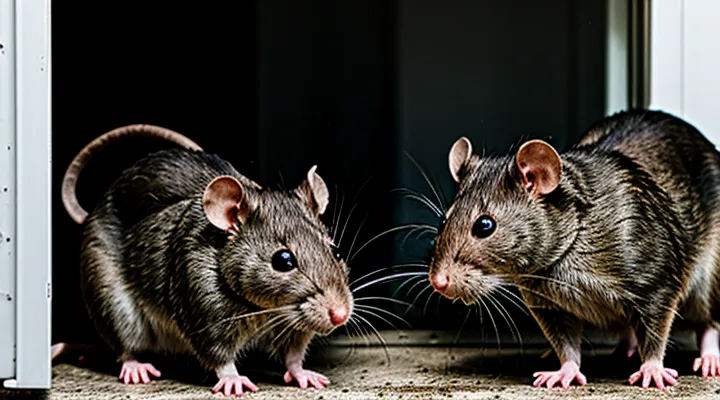
Understanding Your Rat Problem
Signs of Rat Infestation
Droppings and Urine
Rat droppings and urine are primary indicators of infestation and major sources of disease transmission. Fresh droppings appear as ¼‑inch black pellets, often found near food storage, along walls, and in concealed areas. Urine stains manifest as darkened surfaces with a strong, musky odor, especially noticeable on wood, fabric, or insulation.
Health risks stem from pathogens such as Hantavirus, Leptospira, and Salmonella, which survive in moist droppings for several days and can become airborne when disturbed. Direct contact or inhalation of aerosolized particles may cause severe respiratory or renal complications.
Effective management requires systematic identification, safe removal, and thorough disinfection:
- Conduct a visual survey of all rooms, attics, basements, and crawl spaces; note concentration and distribution of droppings and urine stains.
- Wear disposable gloves, N‑95 respirator, and protective eyewear before handling contaminated material.
- Moisten droppings with a 1:10 bleach solution (5 % sodium hypochlorite) for at least five minutes to prevent aerosolization.
- Collect softened pellets with a disposable scoop, place them in a sealed bag, and dispose of them in a waste container approved for biohazard material.
- Apply the same bleach solution to urine‑stained surfaces; scrub for several minutes, then rinse with clean water.
- After cleaning, allow the area to dry completely; moisture encourages rodent activity and bacterial growth.
- Seal entry points and eliminate food sources to prevent re‑contamination.
Regular monitoring of droppings and urine, combined with prompt, properly executed sanitation, reduces health hazards and supports long‑term rodent control.
Gnaw Marks
Gnaw marks are the most reliable visual indicator of active rat presence. They appear where rodents bite through wood, plastic, insulation, or wiring to enlarge pathways, access food, or create nests. Recognizing these signs enables timely intervention before damage escalates.
Typical characteristics include:
- Parallel bite marks ¼‑½ inch apart, forming a V‑shaped or U‑shaped notch.
- Clean, smooth edges on softer materials; rough, splintered edges on harder surfaces.
- Fresh marks exhibit bright, white interior surfaces, while older ones darken with oxidation.
Presence of gnaw marks implies:
- Established travel routes linking shelter to food sources.
- Potential compromise of structural integrity, especially in load‑bearing beams or wall studs.
- Increased risk of electrical faults if wiring is chewed.
Practical steps to eliminate the threat:
- Locate all gnaw marks and map their distribution to identify primary entry points.
- Seal openings larger than ¼ inch with steel wool, metal flashing, or cement; reinforce vulnerable areas with hardware cloth.
- Remove or secure food items that attracted the rodents; store bulk goods in airtight containers.
- Install snap traps or electronic traps along identified pathways; position bait adjacent to gnaw marks for maximum effectiveness.
- Conduct a post‑treatment inspection after 48 hours, confirming that no new gnaw marks appear and that all traps remain set.
Consistent monitoring of gnaw marks provides early warning of re‑infestation, allowing rapid corrective action and preserving building safety.
Scratching Noises
Rats produce distinctive scratching sounds when moving through walls, ceilings, or insulation. The noise often intensifies at night when rodents are most active, and it may be heard as intermittent, high‑pitched rasping or continuous dull scraping. Identifying the exact location of the sound helps determine entry points and nesting sites.
To address scratching noises effectively:
- Inspect walls, floors, and roof voids for gnaw marks, droppings, or burrow openings.
- Seal cracks, gaps around pipes, and utility penetrations with steel wool, caulk, or metal mesh.
- Set snap traps or electronic traps near the source of the sound; place bait such as peanut butter or dried fruit.
- Deploy snap‑fit or expandable foam insulation to block concealed pathways after confirming no live rodents remain.
- Monitor the area for several days; a sudden cessation of scratching may indicate successful removal, while continued noise suggests remaining activity.
If noises persist after these steps, consider professional pest control to conduct a thorough inspection and apply rodent‑specific deterrents. Regular maintenance of building exteriors and interior sanitation reduces the likelihood of future scratching disturbances.
Nests and Burrows
Rats construct nests and burrows in concealed locations that provide shelter, food storage, and a safe route for movement. Typical sites include wall voids, attic insulation, behind appliances, under floorboards, and dense vegetation near building foundations. Identifying these structures requires visual inspection for gnaw marks, droppings, shredded material, and disturbed soil.
Practical steps to eliminate nests and burrows:
- Seal entry points larger than ¼ inch with steel wool, metal flashing, or cement; focus on gaps around pipes, vents, and utility lines.
- Remove nesting material by extracting insulation, cardboard, or fabric found in hidden cavities; dispose of it in sealed containers.
- Apply rodent‑resistant sealing compounds to cracks and joints; prioritize foundation walls and basement perimeters.
- Install sturdy, tamper‑proof traps directly inside confirmed burrow tunnels; position them perpendicular to the passage for maximum contact.
- Conduct regular monitoring, recording any new signs of activity and reinforcing barriers as needed.
Consistent maintenance of structural integrity and prompt removal of discovered nests prevent re‑infestation and disrupt the rat population’s breeding cycle.
Identifying Rat Species
Norway Rats
Norway rats (Rattus norvegicus) are the most common urban rodent, thriving in sewers, basements, and garbage storage areas. Their adaptability, high reproductive rate, and nocturnal foraging behavior make them a persistent nuisance in residential and commercial settings.
Effective control begins with habitat modification. Eliminate food sources by securing waste in sealed containers, promptly cleaning spills, and removing pet food after feeding. Reduce shelter by sealing cracks larger than ¼ inch, installing metal flashing around pipe entries, and maintaining clear vegetation around structures. Regular inspection of crawl spaces and attics helps identify entry points before infestations expand.
Chemical and mechanical measures complement habitat management. Use snap traps or electronic devices placed along walls, near active runways, and close to food sources. When employing anticoagulant baits, follow label instructions, place stations out of reach of children and non‑target animals, and monitor for signs of consumption. For severe infestations, professional fumigation may be necessary, but it requires thorough preparation of the premises and post‑treatment ventilation.
A systematic approach ensures lasting results:
- Conduct a comprehensive survey to locate signs of activity (droppings, gnaw marks, burrows).
- Seal all identified entry points with steel wool, cement, or metal mesh.
- Implement sanitation protocols: store waste in rodent‑proof containers, clean food preparation areas daily.
- Deploy traps or bait stations strategically, checking and resetting them every 24 hours.
- Record trap catches and bait consumption to assess population decline.
- Re‑evaluate the environment after two weeks; repeat sealing and sanitation as needed.
Monitoring continues after apparent eradication. Maintain regular inspections, keep food sources inaccessible, and preserve structural integrity to prevent re‑infestation. Consistent application of these practices reduces Norway rat populations and minimizes health risks associated with their presence.
Roof Rats
Roof rats (Rattus rattus) are agile climbers that occupy attics, eaves, and roof spaces. Their slender bodies allow movement through small openings, and they prefer elevated nesting sites close to food sources such as fruit trees, bird feeders, and roof debris.
Typical signs of infestation include gnaw marks on wooden beams, droppings (3‑5 mm long, dark, cylindrical), greasy smears along walls, and faint scratching noises at night. Early detection prevents extensive damage to insulation, wiring, and structural components.
Effective control relies on three core steps:
- Exclusion: Seal gaps larger than ¼ inch using steel wool, metal flashing, or cement. Install tight-fitting vent covers and repair roof cracks promptly. Trim tree branches that touch the roof to eliminate bridge pathways.
- Sanitation: Remove food attractants by storing grain, pet food, and compost in sealed containers. Keep outdoor areas free of fallen fruit and clean up debris that could serve as shelter.
- Population reduction: Deploy snap traps or electronic traps in active runways, positioning them perpendicular to walls with bait such as dried fruit, peanut butter, or cat food. For larger infestations, consider professional placement of bait stations containing anticoagulant rodenticides, following label instructions and safety regulations.
Monitoring devices, such as non‑lethal glue boards, help verify trap success and identify remaining activity zones. Regular inspection of attic insulation, wiring, and structural elements ensures that any re‑entry attempts are detected early.
Combining exclusion, sanitation, and targeted trapping creates a sustainable solution that eliminates roof rat populations while minimizing risk to non‑target species and household occupants.
House Mice (Distinction)
Distinguishing house mice from rats is essential for any rodent‑control plan. House mice (Mus musculus) are smaller, typically 2–4 inches long, with a slender body, large ears, and a pointed snout. Rats (Rattus spp.) exceed 7 inches, possess a bulkier build, shorter ears, and a blunt snout. Size and body shape allow rapid visual identification, reducing misapplication of traps or baits.
Habitat preferences differ. Mice thrive in interior spaces, nesting behind walls, under appliances, and within stored food containers. Rats favor sewers, basements, and outdoor burrows but will also enter structures when food is abundant. Recognizing these patterns directs inspection efforts to appropriate zones.
Feeding behavior influences control tactics. Mice consume grains, cereals, and soft foods, often contaminating pantry items. Rats prefer larger food sources, such as meat scraps and vegetable waste. Selecting baits that match the target species’ diet improves lethality and reduces non‑target exposure.
Control measures must reflect these distinctions:
- Traps: Snap traps sized for mouse jaws, placed along wall edges, work best for mice; larger, robust traps suit rats.
- Baits: Low‑dose anticoagulant pellets formulated for mouse metabolism provide effective poisoning; rat‑specific formulations contain higher concentrations.
- Exclusion: Seal gaps smaller than ¼ inch to block mouse entry; rat entry points often require ½‑inch or larger closures.
- Sanitation: Remove food residues, store grain in airtight containers, and keep garbage tightly covered to deter mice; rat control additionally benefits from regular waste removal and landscape maintenance.
Understanding morphological, ecological, and behavioral differences ensures that each species receives appropriate treatment, preventing wasted effort and enhancing overall pest‑management success.
Prevention: Keeping Rats Away
Sealing Entry Points
Inspecting Your Home
A thorough inspection of the residence is the first decisive step in eliminating a rat problem. Identify entry points, nesting sites, and food sources before implementing control measures.
Begin at the building’s exterior. Examine walls, foundations, and roof for gaps larger than ¼ inch. Seal openings with steel wool, cement, or metal flashing. Pay special attention to utility penetrations, vent covers, and pipe sleeves.
Inside the home, focus on areas where rodents seek shelter and food. Inspect:
- Attic and crawl spaces for droppings, gnaw marks, and shredded insulation.
- Kitchen cabinets, pantry shelves, and behind appliances for crumbs, spills, and food debris.
- Storage rooms, basements, and closets for clutter that provides concealment.
- Garbage bins and recycling containers for leaks or uncovered openings.
Document each finding with photographs or notes. Record the location, type of damage, and estimated severity. This inventory guides the selection of traps, baits, and exclusion materials, and provides a baseline for monitoring progress.
Conduct the inspection during daylight when rats are less active. Use a flashlight, flashlight‑compatible mirror, and a thin probe to test suspect gaps. Replace damaged wiring or insulation that may attract rodents.
Completing a systematic inspection eliminates guesswork, targets interventions precisely, and reduces the likelihood of recurrence.
Using Appropriate Materials
Effective rodent control begins with selecting materials that match the behavior and size of the target pests. Durable, tamper‑resistant components prevent escape and reduce the risk of accidental poisoning.
- Snap traps made of hardened steel, equipped with a solid base to absorb impact.
- Live‑capture cages constructed from reinforced wire mesh with smooth interior walls to avoid injury.
- Bait stations fabricated from polyethylene or stainless steel, featuring sealed compartments that allow only rodent access.
- Sealants such as expanding polyurethane foam, silicone caulk, and steel wool for closing entry points around pipes, vents, and foundation cracks.
- Protective gloves and goggles made of nitrile or polycarbonate to ensure safe handling of traps and chemicals.
Installation should follow these steps: place snap traps perpendicular to walls where rodents travel, secure bait stations at least 12 inches from food preparation areas, apply sealant after confirming no active burrows, and inspect all devices weekly for damage or capture signs. Replace worn or compromised materials promptly to maintain efficacy.
Maintaining Cleanliness
Food Storage
Proper food storage is a cornerstone of any effective rat control plan. Secure containers prevent rodents from accessing nutrition sources, reducing the attraction of an infestation.
Use airtight, metal or heavy‑plastic containers with tight‑fitting lids for all dry goods—cereals, grains, nuts, pet food, and spices. Store containers on shelves, not directly on the floor, to keep them out of reach of climbing rats.
Label each container with the purchase date and rotate stock regularly. Discard expired or spoiled items promptly; decomposing food emits odors that draw rats.
Maintain cleanliness in pantry and kitchen areas:
- Sweep crumbs and spills immediately after meals.
- Wipe down countertops and shelves with a mild detergent.
- Empty trash bins nightly and use bins with sealed lids.
- Keep recycling bins free of food residues; rinse containers before storage.
Inspect storage areas weekly for signs of gnawing, droppings, or urine stains. Repair any gaps or holes in walls, floors, and cabinets that exceed a quarter‑inch, as rats can squeeze through openings of that size.
By eliminating accessible food sources and maintaining a disciplined storage routine, the likelihood of rat activity diminishes markedly, supporting broader pest‑management efforts.
Waste Management
Effective waste management reduces food sources that attract rodents and limits shelter opportunities. Implementing strict control over refuse handling is essential for long‑term rat suppression.
- Use containers with sealed, lockable lids; inspect for cracks before placement.
- Position bins away from building walls and elevate them at least 12 inches from the ground.
- Empty waste daily in high‑risk areas; schedule more frequent pickups during warmer months.
- Separate organic material, such as kitchen scraps and garden waste, into compost systems that employ aeration, moisture control, and a secure cover.
- Store pet food, bird seed, and other consumables in metal or heavy‑duty plastic containers with tight seals.
Maintain a clean perimeter by sweeping debris, removing fallen fruit, and clearing vegetation that can conceal droppings. Regularly inspect alleyways, dumpsters, and loading zones for spilled litter; promptly collect and dispose of it in sealed bags.
Adopt a routine inspection schedule: weekly checks of container integrity, monthly review of waste collection contracts, and quarterly audits of storage practices. Document findings and corrective actions to ensure accountability.
By eliminating accessible waste, the environment becomes inhospitable to rats, supporting broader control measures without reliance on chemical or trapping methods.
Yard Maintenance
Maintaining a clean and organized yard reduces the likelihood of rodent infestations. Overgrown vegetation, accumulated debris, and unsecured compost provide shelter and food sources for rats, making the property attractive to them.
- Trim grass and shrubs regularly to eliminate dense cover.
- Remove piles of leaves, wood, or other organic material that can serve as nesting sites.
- Store firewood off the ground and away from structures.
- Keep compost bins sealed with tight-fitting lids; avoid adding meat or dairy scraps.
- Clear gutters and downspouts of clogs to prevent standing water that attracts insects, which in turn lure rats.
- Inspect and repair cracks in foundations, fence lines, and exterior walls to block entry points.
Routine inspection of the perimeter identifies new entryways or emerging harborage areas. Promptly seal openings with metal flashing, concrete, or durable sealant. Schedule seasonal clean‑up sessions to remove fallen fruit, seed heads, and discarded containers that could become food supplies.
Consistent yard upkeep, combined with vigilant monitoring, forms a critical component of any effective rodent control plan. By eliminating habitats and food sources, the environment becomes inhospitable to rats, supporting broader eradication efforts.
Eliminating Water Sources
Fixing Leaks
Rats are attracted to any reliable water source. Leaking pipes, dripping faucets, and condensation on pipes create moist environments that support rodent activity. Eliminating these sources removes a primary incentive for rats to enter and remain in a building.
- Identify all visible leaks in kitchens, bathrooms, basements, and utility rooms.
- Repair cracked or corroded pipe sections with appropriate fittings or sealants.
- Replace worn washers and O‑rings on faucets and valves.
- Insulate exposed piping to prevent condensation in humid areas.
- Test repaired fixtures by running water and observing for drips over several minutes.
After repairs, monitor for new moisture signs weekly for the first month. Persistent dampness indicates incomplete fixes or hidden leaks that require further inspection. Maintaining a dry interior environment reduces the likelihood of future rat infestations.
Draining Standing Water
Standing water provides rats with a reliable source of drinking moisture and a habitat for insects that supplement their diet; eliminating it removes a critical attractant. When water accumulates in basements, crawl spaces, or exterior depressions, rats can establish nests nearby, increasing the likelihood of infestation.
- Identify all locations where water pools after rain or leaks, including gutters, downspouts, foundation cracks, and indoor floor drains.
- Repair broken pipes, seal foundation gaps, and install waterproof membranes to prevent seepage.
- Grade soil around the building so that surface runoff flows away from the structure.
- Install or maintain proper drainage systems such as French drains, sump pumps, and catch basins.
- Regularly clean and empty containers that collect rainwater, pet bowls, and bird feeders to avoid accidental reservoirs.
By systematically removing these water sources, the environment becomes less hospitable to rats, reducing the chance of entry and breeding.
Eradication: Methods for Removal
Trapping Strategies
Snap Traps
Snap traps provide a rapid, humane method for terminating rodent activity. The device consists of a spring‑loaded bar that releases with a single trigger, delivering a lethal blow to the animal’s neck. Proper use maximizes effectiveness and minimizes risk to non‑target species.
- Choose a trap size appropriate for the target species; larger models accommodate Norway rats, while smaller versions suit roof rats.
- Bait the trap with high‑protein or high‑fat foods such as peanut butter, bacon bits, or dried fruit. Apply a pea‑sized amount directly on the trigger mechanism to ensure immediate contact.
- Position traps along established runways: behind walls, near baseboards, in corners, and close to food sources. Align the trigger end toward the anticipated direction of travel.
- Secure the trap to a stable surface using the built‑in clamps or a piece of wood to prevent displacement by strong rodents.
- Wear disposable gloves when handling traps to avoid transferring human scent, which can deter rats.
- Check traps daily. Dispose of captured rodents in sealed bags, then clean the trap with hot, soapy water before reuse.
Advantages of snap traps include low cost, immediate results, and no reliance on chemicals. Limitations involve the need for regular monitoring and the potential for accidental activation by children or pets if placed improperly. When integrated with sanitation measures and exclusion techniques, snap traps become a central component of an effective rodent control program.
Live Traps
Live traps capture rats without killing them, allowing humane removal from infested areas. They consist of a cage or box with a one‑way entry mechanism that closes when the animal steps on a trigger plate.
Choose traps made of sturdy metal or heavy‑duty plastic, sized to accommodate adult rats (minimum interior dimensions 12 × 8 × 6 in). Ensure the trigger is sensitive enough to react to a rat’s weight but not so delicate that it closes on non‑target species.
Place traps along walls, behind appliances, and near known activity sites. Position the entry hole facing the wall, because rats prefer to run parallel to surfaces. Bait with high‑protein foods such as peanut butter, dried fruit, or small pieces of cooked meat. Replace bait daily to maintain attractiveness.
Check traps at least twice daily. When a rat is caught, wear thick gloves, cover the trap with a cloth, and transport it to a release site at least 2 miles from the building. Release the animal at dusk, near vegetation or a wooded area, to increase survival chances.
Observe local regulations concerning the capture and relocation of rodents. Dispose of any droppings or urine with appropriate disinfectants to prevent disease transmission. Regularly clean traps with hot, soapy water before reuse.
Electronic Traps
Electronic traps provide a rapid, chemical‑free method for eliminating rats. They operate by delivering a high‑voltage shock when a rodent completes an electrical circuit, causing immediate fatality.
Key considerations when selecting an electronic trap:
- Voltage rating of at least 2,000 V, ensuring sufficient lethality for adult rats.
- Battery or mains power source; battery models allow placement in areas without outlets.
- Capacity for multiple kills; larger chambers reduce the need for frequent emptying.
- Safety features such as insulated housing and a child‑proof lock.
Effective placement maximizes capture rates:
- Identify active runways by observing droppings, gnaw marks, and fresh footprints.
- Position traps perpendicular to the runway, with the entry side facing the direction of travel.
- Maintain a distance of 12–18 inches from walls to accommodate the rat’s natural tendency to follow edges.
- Use additional traps at junctions where several pathways converge.
Safety and maintenance guidelines:
- Disconnect power before cleaning; wear disposable gloves to avoid contamination.
- Remove dead rodents promptly, dispose of them in sealed bags, and sanitize the interior with a mild disinfectant.
- Test the trap weekly by pressing the trigger; a consistent click indicates proper function.
- Replace batteries or inspect power cords at least monthly to prevent power loss.
Advantages of electronic traps:
- Immediate result eliminates the risk of disease transmission from live captures.
- No bait required, reducing attraction of non‑target species.
- Reusable design lowers long‑term expense compared to disposable snap traps.
Limitations to consider:
- Initial purchase price is higher than traditional traps.
- Effectiveness depends on correct placement; improper positioning reduces success.
- Requires access to electricity or regular battery replacement.
Integrating electronic traps with complementary measures—such as sealing entry points and removing food sources—produces a comprehensive rat control program that minimizes reinfestation risk.
Trap Placement and Baiting
Effective rat control depends on precise trap positioning and appropriate bait selection. Place traps along established runways, typically the edges of walls, behind appliances, and near concealed food sources. Target areas where droppings, gnaw marks, or burrows are visible; rats prefer routes that offer shelter and concealment.
Select bait that appeals to the local rat population. Common options include:
- Peanut butter mixed with oats
- Fresh fruit or vegetable slices (apple, carrot)
- Commercial rodent attractants containing grain or protein
Apply a small amount of bait—no more than a pea‑size portion—to the trigger mechanism. Excess bait can cause rats to feed without activating the trap, reducing capture rates.
Secure traps to prevent displacement by other animals or household activity. Use snap traps with spring tension calibrated for adult rats, or multi‑catch live traps for humane removal. Inspect traps daily; replace bait and reset mechanisms promptly to maintain effectiveness.
When deploying traps in occupied spaces, ensure they are out of reach of children and pets. Wear gloves when handling bait and traps to avoid transferring scent, which may deter rodents. Record capture locations to identify patterns and adjust placement accordingly. Continuous monitoring and strategic relocation of traps increase the likelihood of eliminating an infestation.
Baits and Rodenticides
Types of Rodenticides
Rodenticides are chemical agents specifically formulated to control rat populations. Their effectiveness depends on the active ingredient, mode of action, and appropriate deployment.
Anticoagulant rodenticides interfere with blood clotting, causing fatal internal bleeding after a single or multiple feedings. First‑generation compounds (e.g., warfarin, chlorophacinone) require repeated exposure; second‑generation agents (e.g., bromadiolone, difenacoum, brodifacoum) achieve lethality after one dose and retain potency for longer periods in the environment.
Non‑anticoagulant rodenticides act through alternative physiological pathways. Zinc phosphide releases phosphine gas in the stomach, producing rapid respiratory failure. Bromethalin disrupts neuronal energy metabolism, leading to paralysis and death. Cholecalciferol (vitamin D₃) induces hypercalcemia, resulting in cardiac and renal failure. Strychnine causes swift neuromuscular collapse but is restricted in many jurisdictions due to high toxicity to non‑target species.
Key considerations when selecting a rodenticide:
- Target species and infestation severity
- Availability of bait stations and placement options
- Risk of secondary poisoning for predators and scavengers
- Regulatory restrictions and required licensing
- Environmental persistence and disposal requirements
Proper application follows label instructions, integrates bait protection, and includes monitoring to confirm reduction in rat activity. Combining chemical control with sanitation and habitat modification enhances long‑term success.
Safety Precautions for Use
When implementing rat control measures, prioritize personal and environmental safety to prevent injury, contamination, and unintended harm.
- Wear disposable gloves and, when handling chemicals, use protective eyewear and a mask designed for particulate or vapor protection.
- Store rodenticides in locked containers, out of reach of children and non‑target animals; label each container with active ingredient and hazard warnings.
- Follow manufacturer dosage instructions precisely; avoid exceeding recommended amounts, which can increase toxicity risks.
- Place snap traps, live‑catch traps, or bait stations in locations inaccessible to pets and small wildlife, such as behind appliances or within sealed bait boxes.
- Inspect traps regularly; dispose of captured rodents using sealed bags and double‑bagged trash to prevent disease transmission.
- Ensure proper ventilation when applying fumigants or aerosols; evacuate the area if required by product guidelines.
- Keep fire extinguishers and first‑aid kits nearby; be prepared to treat accidental exposure according to material safety data sheets.
- Document all placements, chemicals used, and dates of application to maintain a clear safety record and facilitate future monitoring.
Adhering to these precautions minimizes health hazards while maintaining effective rat eradication efforts.
Placement Considerations
Effective rat control depends on strategic positioning of devices and barriers. Locate traps and bait stations along walls, behind appliances, and in dark corners where rodents travel. Place devices near known droppings, gnaw marks, or food sources. Ensure each item rests on a stable surface to prevent displacement by the animal.
Key placement guidelines:
- Position snap traps or electronic units perpendicular to the wall, with the trigger end facing the baseboard.
- Install bait stations at least 12 inches off the ground, avoiding direct sunlight and moisture.
- Set motion-activated deterrents at entry points such as doorways, vents, and utility openings.
- Distribute multiple devices evenly across a 100‑square‑foot area to increase encounter probability.
- Replace or reposition devices after each capture to maintain effectiveness.
Seal gaps larger than ¼ inch with steel wool, caulk, or hardware cloth. Inspect structural joints, pipe penetrations, and roof eaves regularly; reinforce any openings before deploying control measures. Proper spacing and consistent monitoring reduce the likelihood of rat migration and enhance overall eradication results.
Natural Deterrents
Peppermint Oil
Peppermint oil is a volatile plant extract that rodents find highly unpleasant. The strong menthol scent overwhelms rats’ olfactory receptors, causing them to avoid treated areas.
Application methods:
- Soak cotton balls in undiluted oil and place them in corners, behind appliances, and in wall voids where activity has been observed. Replace every 3–4 days to maintain potency.
- Mix 10 ml of oil with 250 ml of water, add a few drops of dish‑soap as an emulsifier, and spray the solution along baseboards, entry points, and near food storage. Reapply after rain or cleaning.
- Insert a few drops onto ragged fabric strips and tuck them into gaps around pipes and ducts. Secure with tape to prevent displacement.
Effectiveness depends on concentration and environmental conditions. Fresh oil retains its repellent properties for up to two weeks; exposure to sunlight or heat accelerates degradation. Combining peppermint oil with physical barriers—such as steel mesh or sealed gaps—enhances overall control.
Safety considerations:
- Oil is non‑toxic to humans and pets when used as directed, but direct contact may cause skin irritation. Wear gloves during handling.
- Do not apply near open flames; the oil is flammable.
- Avoid excessive use in confined spaces to prevent respiratory discomfort.
Limitations:
- Peppermint oil deters but does not eliminate established infestations. Persistent colonies require trapping or professional extermination.
- Strong odors may be unpleasant to occupants; ventilation mitigates lingering scent.
Integrating peppermint oil into a comprehensive rodent‑management plan provides a natural, low‑risk deterrent that reduces the likelihood of rat intrusion when applied consistently and in conjunction with exclusion techniques.
Essential Oils
Essential oils provide a chemical deterrent that interferes with the olfactory system of rodents, reducing their willingness to occupy treated areas. The volatile compounds evaporate quickly, creating an environment that rats find unpleasant without leaving toxic residues.
Effective oils include:
- Peppermint oil – high menthol concentration, strong scent.
- Eucalyptus oil – contains eucalyptol, repels rodents.
- Citronella oil – citrus aroma, disrupts nesting behavior.
- Clove oil – eugenol component, irritates sensory receptors.
- Tea tree oil – terpinen-4-ol, contributes to aversive effect.
Application guidelines:
- Dilute oil in water at a ratio of 10 ml oil per liter of water; add a few drops of mild detergent to improve surface tension.
- Soak cotton balls or cloth strips, place them in corners, walls, and entry points where activity is observed.
- Replace soaked material every 3–5 days to maintain potency.
- Combine multiple oils in a single solution for broader spectrum repellent effect.
- Avoid direct contact with food storage areas to prevent flavor contamination.
When used consistently, essential oil treatments diminish rat presence, complementing structural sealing and sanitation measures for comprehensive pest control.
Ultrasonic Devices (Effectiveness)
Ultrasonic emitters generate sound waves above the human hearing range, intended to disturb rodent nervous systems. Laboratory trials show a rapid decline in activity when devices operate at frequencies between 20 kHz and 30 kHz, but effectiveness diminishes after rodents acclimate to the signal.
- Initial exposure reduces foraging within the first 48 hours.
- Continuous use in confined spaces maintains a modest deterrent effect.
- Open environments allow sound to dissipate, limiting impact.
- Devices placed near entry points achieve the highest success rates.
Field studies indicate that ultrasonic units alone rarely eradicate infestations. Integration with sanitation measures, exclusion techniques, and trapping yields measurable population reductions. Devices that adjust frequencies dynamically perform better than static models, yet still require periodic monitoring to verify continued efficacy.
Post-Extermination: Cleanup and Follow-Up
Safely Disposing of Carcasses
Disposing of dead rodents must protect public health, prevent secondary infestations, and comply with local regulations. Follow these steps to handle carcasses safely.
- Wear disposable gloves and, if available, a face mask. Remove clothing that may contact the body and wash hands thoroughly after the task.
- Place the carcass in a sealed, puncture‑resistant bag. Double‑bagging reduces the risk of leakage.
- Add an absorbent material such as kitty litter, sawdust, or sand to the bag. This absorbs fluids and limits odor.
- Label the bag with the date of collection and the species, then store it in a cool, dry location away from food preparation areas.
- Contact the municipal waste authority or a licensed pest‑control service to arrange pickup or disposal. Many jurisdictions require carcasses to be delivered to a hazardous‑waste facility or incinerated.
- If a professional service is unavailable, place the sealed bag in a heavy‑duty trash container and schedule immediate collection. Do not leave the bag in outdoor bins for extended periods.
After disposal, clean and disinfect any tools, surfaces, and containers that contacted the carcass. Use a solution of 1 % bleach (10 ml of household bleach per liter of water) or an EPA‑approved disinfectant. Allow the disinfectant to remain on the surface for at least ten minutes before rinsing.
Maintain records of disposal dates and methods. Documentation assists in compliance audits and helps track the effectiveness of rodent‑control efforts.
Cleaning Contaminated Areas
Disinfection Protocols
Effective rat control requires thorough disinfection after removal to eliminate pathogens, odors, and attractants. Follow a systematic protocol to protect health and prevent reinfestation.
-
Initial assessment – Identify contaminated zones, including droppings, urine stains, and nesting material. Mark areas for targeted treatment.
-
Personal protection – Wear disposable gloves, N‑95 respirator, goggles, and protective clothing. Dispose of used PPE in sealed bags.
-
Mechanical removal – Vacuum or sweep loose debris with a HEPA‑filtered unit. Collect waste in sealed containers for incineration or approved disposal.
-
Surface cleaning – Apply an enzymatic cleaner to break down organic matter. Rinse with hot water (≥ 60 °C) to reduce residual moisture.
-
Chemical disinfection – Use a registered rodent‑specific disinfectant (e.g., quaternary ammonium or hydrogen peroxide formulation) at the manufacturer‑recommended concentration. Ensure contact time of 10–15 minutes before wiping or rinsing.
-
Hard-to-reach areas – Spray foam or aerosol disinfectant into cracks, vents, and behind appliances. Allow full drying before sealing openings.
-
Verification – Perform swab tests on representative surfaces. Confirm microbial counts meet local health‑agency thresholds before reoccupying the space.
-
Documentation – Record date, locations treated, products used, and verification results. Retain records for at least 30 days for regulatory review.
Adhering to this protocol removes residual contamination, reduces disease risk, and diminishes the likelihood of future rodent activity.
Ventilating Spaces
Proper airflow reduces the likelihood of rodent infestations. Stagnant, humid environments attract rats because they provide shelter and abundant food sources. By maintaining dry, well‑ventilated areas, you limit these conditions.
- Install exhaust fans in kitchens, basements, and storage rooms to remove excess moisture.
- Ensure vents are covered with fine mesh to prevent entry while allowing air movement.
- Keep windows open when weather permits, or use trickle vents to promote continuous circulation.
- Check that ventilation ducts are sealed at connections; gaps can serve as entry points.
Regular inspection of ventilation components is essential. Replace clogged filters, repair broken fans, and verify that mesh screens remain intact. When ventilation systems are functional, temperature and humidity levels stay within ranges that discourage rat habitation.
Combine ventilation improvements with other control measures—such as sealing entry points and removing food residues—to achieve comprehensive rodent management.
Monitoring for Reinfestation
Regular Inspections
Regular inspections are a cornerstone of any effective rat‑control program. Detecting signs of activity early prevents infestations from expanding and reduces the need for extensive remedial actions.
- Inspect the exterior of the building weekly. Look for gnaw marks on siding, chewed vegetation, and fresh droppings near foundations, doors, and utility openings.
- Examine interior spaces monthly. Focus on kitchens, storage areas, and crawl spaces; check for urine stains, gnaw holes, and nesting material such as shredded paper or fabric.
- Verify the integrity of seals and barriers each quarter. Ensure that door sweeps, weather‑stripping, and vent covers are intact and that no gaps exceed ¼ inch.
- Record findings in a log. Note location, type of evidence, and date; use the data to identify patterns and prioritize treatment zones.
Consistent documentation enables targeted interventions, such as sealing entry points or deploying traps in hot spots. Integrating regular inspections with sanitation measures and habitat reduction creates a comprehensive approach that limits rat populations before they become unmanageable.
Continued Prevention Measures
Maintain a rat‑free environment with systematic, long‑term actions. After the initial eradication, focus on the following measures:
- Seal all openings larger than ¼ inch. Use steel wool, cement, or metal flashing to block gaps around pipes, vents, doors, and foundation cracks.
- Store food in airtight containers. Keep pantry shelves clean, discard expired items, and clean up spills immediately.
- Manage waste efficiently. Place garbage in sealed bins, remove bags from outdoor areas daily, and keep compost piles away from structures.
- Eliminate standing water. Repair leaks, empty pet water dishes at night, and ensure drainage systems function properly.
- Trim vegetation that contacts the building. Maintain a clear perimeter of at least three feet to reduce shelter and climbing routes.
- Conduct quarterly inspections. Check for new entry points, droppings, gnaw marks, and signs of activity; address findings promptly.
- Deploy monitoring devices. Use snap traps or electronic sensors in high‑risk zones to detect re‑infestation early.
- Encourage natural predators. Install owl boxes or allow cats, where appropriate, to increase predation pressure on residual rodents.
Consistent application of these practices prevents recurrence and sustains the results achieved by initial rat control efforts.
When to Call Professionals
Large Infestations
Large rat infestations demand a coordinated response that addresses population size, habitat, and food sources simultaneously. Ignoring any component allows the colony to rebound quickly, rendering isolated measures ineffective.
First, conduct a thorough inspection to locate entry points, nesting sites, and active runways. Document findings with photographs and sketches, then prioritize actions based on risk level and accessibility.
Implement an integrated control plan that includes the following elements:
- Exclusion: Seal cracks, gaps, and utility openings larger than ¼ inch with steel wool, cement, or metal flashing. Install door sweeps and repair damaged roofing or siding.
- Sanitation: Remove all accessible food, water, and debris. Store waste in sealed containers, clean spills immediately, and eliminate clutter that provides shelter.
- Mechanical trapping: Deploy snap traps or multi‑catch devices along identified runways, near walls, and at entry points. Place traps baited with peanut butter, dried fruit, or meat, and check them daily.
- Chemical control: Apply rodenticides only where exclusion and sanitation have reduced non‑target exposure. Use tamper‑resistant bait stations, follow label directions, and rotate active ingredients to prevent resistance.
- Monitoring: Install motion‑activated cameras or track plates to verify activity reduction. Record capture rates and adjust trap density or bait placement accordingly.
When the infestation exceeds several hundred individuals, or when structural damage is evident, enlist a licensed pest‑management professional. Experts can conduct large‑scale baiting operations, perform structural repairs, and provide ongoing surveillance to prevent re‑infestation.
Persistent Problems
Rats often reappear despite initial eradication attempts, indicating underlying issues that must be addressed to achieve lasting control. Persistent infestations typically stem from structural vulnerabilities, incomplete sanitation, and inadequate monitoring.
- Gaps in building envelope: cracks, holes, and unsealed utility penetrations provide entry points.
- Food sources left accessible: unsecured waste containers, spilled grain, and pet food attract rodents.
- Water availability: leaking pipes, condensation, and standing water sustain populations.
- Insufficient bait placement: uneven distribution or premature removal of poison reduces effectiveness.
- Lack of ongoing inspection: failure to detect early activity allows colonies to expand unnoticed.
Each problem requires a targeted response. Seal all openings with steel wool, cement, or metal flashing; conduct regular visual checks of exterior walls and foundations. Implement strict waste management: store refuse in rat‑proof containers, clean spills promptly, and limit outdoor feeding. Repair leaks, install drip‑free fixtures, and eliminate standing water. Distribute bait stations strategically, following manufacturer guidelines for density and rotation. Establish a schedule for routine inspections, using tracking powders or motion‑activated cameras to identify new activity early. By systematically eliminating these recurring factors, rat populations can be suppressed permanently.
Health Concerns
Rats carry pathogens that can affect humans directly through bites, scratches, or indirect contact with contaminated surfaces. Their droppings and urine contain harmful agents that survive for weeks, increasing the risk of disease transmission in homes and workplaces.
- Hantavirus – inhalation of aerosolized particles from dried urine or feces can cause severe respiratory illness.
- Leptospirosis – contact with water or soil contaminated by rat urine may lead to kidney and liver damage.
- Salmonellosis – ingestion of food tainted by rodent feces produces gastrointestinal distress.
- Lymphocytic choriomeningitis virus (LCMV) – exposure through bites or contaminated bedding may result in neurological symptoms.
- Allergic reactions – proteins in dander and urine can trigger asthma attacks or dermatitis in sensitive individuals.
Effective mitigation focuses on eliminating exposure and reducing infestation sources. Seal entry points, store food in airtight containers, and maintain regular cleaning of areas where droppings may accumulate. Use protective equipment—gloves, masks, and eye protection—when handling contaminated materials, and disinfect surfaces with a solution containing at least 1 % bleach. Promptly remove dead rodents and dispose of them in sealed bags to prevent secondary contamination. Implement a monitoring program that includes traps or electronic detectors to verify that the population remains below the threshold where health risks become significant.