
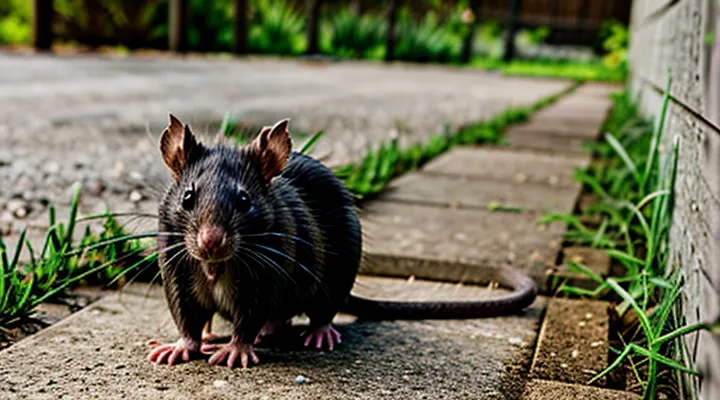
Understanding the Rat Problem
Identifying Signs of a Rat Infestation
Droppings and Urine Trails
Droppings and urine trails provide the most reliable evidence of rat activity on a property. Fresh droppings appear as dark, pellet‑shaped feces, typically ½ to ¾ inch long, while older deposits darken and crumble. Urine trails are invisible but can be detected by a faint, musky odor or by using a blacklight that causes organic stains to fluoresce.
Identifying these signs enables targeted control measures. Health hazards associated with rodent waste include bacterial infections (Leptospira, Salmonella) and viral agents (Hantavirus). Direct contact or inhalation of aerosolized particles during cleaning can transmit disease, making proper protective equipment essential.
Effective removal follows a systematic approach:
- Wear disposable gloves, N‑95 respirator, and protective clothing.
- Ventilate the area for at least 30 minutes before beginning.
- Collect solid droppings with a damp paper towel; place in a sealed plastic bag.
- Apply an enzymatic cleaner to urine‑contaminated surfaces; allow the recommended dwell time.
- Rinse with hot water and a disinfectant (e.g., 10% bleach solution); let stand for 10 minutes.
- Dispose of waste according to local hazardous‑waste regulations.
After cleaning, seal entry points and eliminate food sources to prevent re‑infestation. Continuous monitoring of droppings and urine trails confirms the success of eradication efforts.
Gnaw Marks
Gnaw marks serve as a reliable indicator of rodent presence. Fresh incisions display smooth, clean edges, while older ones become ragged and may show splintered wood or chewed insulation. Size correlates with the animal’s teeth span; typical rat bites range from ¼ inch to ½ inch across.
Location reveals activity patterns. Marks on baseboards, cable conduits, and structural timbers suggest nesting sites, whereas damage to food containers, pantry doors, and garbage bins points to foraging routes. Distinguish rat marks from those of squirrels or mice by examining bite depth—rats produce deeper, more forceful cuts.
Systematic inspection reduces oversight. Begin at ground level, trace each gnaw mark upward, and map all affected areas. Record material type, dimensions, and proximity to water sources or food supplies. This inventory guides targeted intervention.
Effective response includes:
- Sealing entry points with steel wool, metal flashing, or cement‑based caulk.
- Replacing compromised wiring, insulation, or structural components.
- Applying rodent‑resistant materials such as metal or hard‑plastic trims in high‑risk zones.
- Installing bait stations or traps near identified gnaw locations, ensuring placement complies with local regulations.
- Conducting follow‑up checks weekly for at least six weeks to confirm the absence of new marks.
Prompt remediation of gnaw damage eliminates shelter, disrupts feeding pathways, and prevents escalation of infestation.
Tracks and Runways
Tracks and runways are the physical manifestations of rat movement across a property. Identifying these pathways allows targeted intervention, reducing the need for broad‑scale measures.
Rats establish tracks along walls, under decks, and through utility corridors. Runways appear as flattened, well‑worn routes connecting food sources, nesting sites, and water points. Recognizing the pattern of these features reveals the most active sections of an infestation.
Effective control follows a systematic approach:
- Survey the site for fresh gnaw marks, droppings, and smoothed surfaces that indicate active tracks.
- Map each runway, noting entry points such as gaps under doors, vent openings, and utility penetrations.
- Seal identified entryways with metal flashing, concrete, or hardware cloth to prevent further access.
- Install bait stations and traps directly on the mapped runways, ensuring placement at least 12–18 inches apart to intercept traveling rats.
- Monitor bait consumption and trap captures daily, adjusting station locations as activity shifts.
Regular maintenance of the mapped network prevents re‑establishment. Repairing damaged flooring, trimming vegetation that contacts structures, and keeping storage areas organized eliminate new tracks and runways before they become functional routes.
Nests and Burrows
Rats establish nests and burrows in concealed areas that provide shelter, food access, and proximity to structural support. Typical locations include wall voids, insulation cavities, crawl spaces, under decks, and dense vegetation near foundations. Recognizing these sites is essential for effective eradication.
Key indicators of active nests:
- Fresh droppings clustered near concealed openings
- Chewed insulation, wiring, or wood
- Strong musky odor, especially in enclosed spaces
- Visible gnaw marks on structural elements
- Presence of shredded nesting material such as paper, fabric, or plant debris
To eliminate nests and burrows:
- Conduct a thorough inspection using flashlights and mirrors to locate hidden cavities.
- Seal entry points larger than ¼ inch with steel wool, metal flashing, or cement; smaller gaps can be closed with caulk.
- Deploy snap traps or electronic traps directly inside identified nesting zones; position bait at least 5 cm from the trap to encourage entry.
- Apply rodenticide baits in tamper‑resistant stations near burrow entrances, following label instructions and local regulations.
- Remove and discard nesting material in sealed bags; sanitize the area with a disinfectant solution to reduce disease risk.
Preventive measures focus on habitat disruption:
- Trim vegetation to create a clear zone of at least 1 m around the building.
- Store firewood and debris away from walls and elevate them off the ground.
- Maintain clean gutters and roof eaves to eliminate moisture that attracts rodents.
- Install motion‑activated lighting around potential entry points to deter nocturnal activity.
Regular monitoring, combined with prompt repair of structural gaps, reduces the likelihood of re‑infestation. Effective control hinges on locating and destroying nests before rats can reproduce and expand their burrow network.
Unusual Noises
Unusual sounds often reveal hidden rodent activity. Scratching within walls, gnawing on insulation, and rapid footfalls in ceiling spaces indicate that rats are present and moving through concealed passages.
Identifying the source of noise helps prioritize control measures. When a sound is heard at night, focus on areas near food storage, water lines, and structural gaps. Persistent squeaking from attic insulation suggests nesting, while intermittent gnawing on baseboards points to foraging routes.
Effective response includes:
- Sealing entry points larger than a quarter‑inch with steel wool and cement.
- Installing snap traps or electronic devices along walls where noise originates.
- Deploying bait stations in concealed corners, ensuring placement away from non‑target species.
- Conducting a thorough inspection of HVAC ducts and vent openings to remove potential travel paths.
Monitoring after intervention confirms success. Absence of the previously recorded noises for several days, combined with visual confirmation of trapped or dead rodents, indicates that the infestation has been substantially reduced. Continuous maintenance of sealed openings and regular sanitation prevents recurrence.
Common Entry Points for Rats
Cracks in Foundations
Cracks in a building’s foundation create direct pathways for rats to enter interior spaces, providing shelter, access to food sources, and routes for nesting. The size and location of these openings determine the level of risk; even gaps as small as a quarter‑inch can be exploited by determined rodents.
Inspection should focus on visible fissures along the perimeter wall, gaps around utility penetrations, and joints where concrete meets brick or stone. Look for signs such as displaced mortar, water seepage, or debris accumulation, which often indicate active deterioration. Use a flashlight and a tactile probe to confirm the dimensions of each opening.
Repair options include:
- Epoxy injection for hairline splits, delivering a strong, water‑resistant seal.
- Hydraulic cement for larger gaps, expanding as it cures to fill irregular voids.
- Concrete patching compounds for deep or structural cracks, applied in layers to restore integrity.
- Metal flashing or steel mesh reinforcement around utility openings, preventing future widening.
Preventive actions involve maintaining a dry environment around the foundation, directing downspout discharge away from the base, and regularly clearing vegetation that could conceal entry points. Routine visual checks after heavy rain or seasonal temperature shifts help detect new fissures before they become usable by rodents.
Gaps around Pipes and Wires
Rats enter buildings through openings that surround utility penetrations. Even small gaps around water, gas, and electrical lines provide a pathway to food, shelter, and nesting sites. Identifying and sealing these voids eliminates a primary access point and reduces the likelihood of infestation.
Inspect the exterior of the structure for visible cracks, holes, or spaces where pipes and wires pass through walls, foundations, and crawl spaces. Pay special attention to:
- Areas around basement drain lines
- Junctions where irrigation or sprinkler systems emerge
- Entry points for telephone, cable, and fiber optic cables
- Gaps around HVAC ductwork and vent stacks
Use materials that resist gnawing and weathering. Recommended sealants include:
- Stainless‑steel mesh or hardware cloth (minimum ¼‑inch opening) placed over the opening, then secured with screws.
- Expanding polyurethane foam formulated for rodent control, applied in thin layers to avoid excess buildup.
- Cement‑based mortar or concrete patch for larger cracks in foundations.
- Silicone or acrylic caulk for small seams around conduit sleeves.
After sealing, verify the integrity of each repair by probing with a thin rod or flashlight. Re‑inspect quarterly, especially after heavy rain or seasonal temperature changes, to detect new gaps caused by settling or erosion.
Maintaining a tight envelope around all pipe and wire penetrations removes a critical entry route, directly contributing to a rat‑free property.
Unsealed Vents and Chimneys
Unsealed vents and chimneys provide direct pathways for rats to enter a building. Gaps around vent covers, chimney crowns, and flue pipes often measure less than an inch, yet they are sufficient for a rodent to squeeze through. Once inside, rats can access insulation, wiring, and stored food, creating health hazards and structural damage.
Inspection should begin with a visual survey of all exterior ventilation openings. Look for cracked or missing metal screens, loose flashing, and deteriorated mortar around the chimney stack. Use a flashlight to examine the interior of the flue for chew marks or droppings, which confirm active use.
To eliminate these entry points, follow a systematic sealing process:
- Replace damaged vent screens with stainless‑steel mesh of ¼‑inch opening or smaller.
- Install vent caps that incorporate a hinged door, allowing airflow while blocking rodents.
- Apply high‑temperature silicone caulk around the perimeter of vent housings and chimney crowns.
- Fit a chimney sealant or stainless‑steel chimney collar that fits tightly over the crown and is secured with masonry screws.
- Wrap the exterior of the chimney flue with metal flashing, overlapping each layer and sealing seams with furnace cement.
- Inspect and repair any gaps around pipe penetrations, using expandable foam rated for outdoor use, then cover with metal mesh.
After sealing, monitor the area for signs of re‑entry. Set up motion‑activated cameras or place chew‑resistant bait stations near vulnerable points for at least two weeks. Regular maintenance—re‑tightening fasteners, replacing corroded mesh, and clearing debris from vent covers—prevents future infestations.
Damaged Roofs and Gutters
Damaged roofs and gutters create entry points and shelter for rats, directly undermining efforts to eliminate these pests from a property. Cracks, loose shingles, and broken flashing allow rodents to climb inside attic spaces, while clogged or broken gutters collect debris that provides nesting material and easy access to the building’s exterior.
Inspect the roof surface for missing or broken tiles, warped decking, and exposed rafters. Seal all gaps with metal flashing, steel wool, or high‑grade rodent‑proof sealant. Replace deteriorated shingles and reinforce vulnerable sections to prevent future breaches.
Maintain gutters by removing leaves, twigs, and other organic buildup. Ensure water flows freely to avoid standing pools that attract insects and rodents. Install gutter guards where feasible, and repair any sagging or detached sections to eliminate gaps that rats could exploit.
Implement a regular maintenance schedule:
- Quarterly roof walk‑through to locate and repair damage.
- Monthly gutter cleaning to clear debris and check for blockages.
- Annual professional inspection of roof and drainage systems.
By addressing roof and gutter damage promptly, property owners remove critical habitats and pathways, reinforcing overall rat‑control strategies and safeguarding structures from further infestation.
Open Doors and Windows
Opening doors and windows creates direct pathways that encourage rats to leave a building voluntarily. When exterior openings are unobstructed, rodents can locate an exit without encountering barriers that force them to remain hidden. This approach works best in conjunction with exclusion measures that seal off entry points after the animals have vacated.
Key actions:
- Ensure all exterior doors are fully opened for a minimum of 30 minutes each day.
- Keep windows that open inward or outward ajar, allowing natural airflow and visibility of escape routes.
- Remove obstacles such as furniture, boxes, or debris near openings that could block movement.
- Monitor openings for signs of activity; close them only after no rodents are observed for several hours.
- After rats have exited, apply durable sealants, metal flashing, or hardware cloth to all potential entry gaps.
The method relies on the instinct of rats to avoid confined spaces and seek open environments. By providing clear, accessible exits, property owners reduce the need for chemical or lethal controls while encouraging humane displacement. Continuous observation ensures that the openings remain effective and that re‑entry is prevented once sealing is completed.
Prevention and Exclusion Strategies
Sealing Entry Points
Using Steel Wool and Caulk
Steel wool and caulk provide a simple, long‑lasting barrier against rat entry. Rats cannot gnaw through tightly packed steel fibers, and caulk seals the surrounding gaps, preventing the rodent from exploiting the same opening.
Apply the material as follows:
- Identify all potential entry points: gaps around pipes, vents, door frames, and foundation cracks.
- Insert a generous amount of steel wool into each opening, ensuring the fibers fill the space completely.
- Press the steel wool firmly against the surrounding surface to eliminate loose edges.
- Immediately cover the packed area with silicone or acrylic caulk, smoothing it to create a seamless seal.
- Allow the caulk to cure according to the manufacturer’s instructions before exposing the area to moisture or pressure.
Key advantages:
- Mechanical resistance: steel wool’s abrasive texture defeats the rat’s incisors.
- Chemical durability: caulk adheres to wood, concrete, and metal, maintaining integrity despite weather fluctuations.
- Cost efficiency: both materials are inexpensive and widely available at hardware stores.
Inspect the sealed points regularly. Replace steel wool that becomes compressed or displaced, and reapply caulk if cracks develop. Combining this method with proper sanitation and trimming of vegetation reduces the overall attraction of the property to rodents, reinforcing the exclusion strategy.
Repairing Damaged Structures
Rats infiltrate properties by exploiting weakened or broken structural elements. Prompt repair of damaged components removes these access points and reduces the likelihood of re‑infestation.
First, inspect all exterior and interior surfaces for signs of gnawing, corrosion, or missing material. Focus on roof edges, soffits, eaves, vents, utility openings, and foundation cracks. Document each defect before proceeding.
Second, seal identified breaches with appropriate materials:
- Steel‑wool or copper mesh for small holes, then cover with cement or metal flashing.
- Expandable polyurethane foam for larger gaps, followed by a rigid barrier such as plywood or metal sheeting.
- Weather‑resistant sealants on joints around doors, windows, and pipe entries.
Third, replace compromised structural members. Remove and discard gnawed wood, insulation, or drywall. Install new, rodent‑resistant items—use pressure‑treated lumber, metal studs, or fire‑rated gypsum board where feasible.
Fourth, reinforce vulnerable areas. Add metal flashing to roof overhangs, install rodent‑proof vent covers, and fit heavy‑duty door sweeps. Ensure that all openings maintain a minimum clearance of ¼ inch to prevent entry.
Fifth, implement ongoing maintenance. Schedule quarterly inspections to detect new damage early. Keep vegetation trimmed away from the building envelope, and store firewood or debris at least 18 inches from the foundation.
By systematically repairing and fortifying structures, property owners eliminate the primary pathways rats use to enter, thereby supporting long‑term rodent control.
Installing Mesh on Vents
Rats enter buildings through unprotected vents, using the openings as pathways to reach shelter and food sources. Covering vents with appropriate mesh creates a physical barrier that prevents entry while maintaining airflow.
To install vent mesh effectively:
- Measure the vent opening accurately; record width and height to select mesh that fits without gaps.
- Choose stainless‑steel or galvanized steel mesh with openings no larger than ¼ inch (6 mm); smaller apertures block juvenile rodents as well.
- Cut the mesh to size, leaving a ½‑inch (12 mm) excess on all sides for secure attachment.
- Clean the vent frame, removing rust, debris, and old sealant to ensure proper adhesion.
- Position the mesh over the vent, align edges with the frame, and fasten using stainless‑steel screws or self‑drilling rivets spaced every 2–3 inches (5–7 cm).
- Apply a high‑quality, weather‑resistant sealant around the perimeter of the mesh to seal any potential gaps.
- Inspect the installation regularly for signs of wear, corrosion, or displacement; replace damaged sections promptly.
A properly sealed vent eliminates a common access point, reducing the likelihood of rodent infestation and supporting broader pest‑control measures on the property.
Maintaining a Clean Environment
Proper Food Storage
Proper food storage eliminates one of the primary attractants for rats, making the environment less inviting for infestation. Secure containers, airtight seals, and placement away from walls prevent rodents from detecting and accessing food sources.
- Use metal or heavy‑walled plastic containers with lockable lids for dry goods, pet food, and grain.
- Store perishable items in refrigeration units that close tightly; inspect seals regularly for damage.
- Keep all food waste in sealed bins; empty bins daily and store them in a locked area.
- Position containers on sturdy shelving, not directly on the floor, to reduce gnawing opportunities.
- Label containers with inspection dates; rotate stock to avoid spoilage that attracts pests.
Eliminating accessible food reduces the likelihood that rats will establish pathways across the property. Combine these storage practices with regular sanitation and structural repairs for comprehensive rodent management.
Regular Trash Disposal
Effective rodent control begins with consistent waste management. Food remnants in trash attract rats, providing a reliable source of nourishment. By eliminating that resource, the property becomes less appealing to infestations.
Implement a routine that includes:
- Securing bins with tight‑fitting lids that cannot be pried open.
- Removing waste from containers at least once daily in high‑traffic areas.
- Placing bins away from building foundations and entry points.
- Cleaning spillage around trash stations immediately after disposal.
- Inspecting containers weekly for damage and repairing or replacing compromised units.
These practices reduce food availability, disrupt rat foraging patterns, and support long‑term pest suppression on the property.
Cleaning Up Spills and Crumbs
Rats are attracted to food residues; eliminating spills and crumbs removes a primary incentive for infestation.
- Wipe surfaces immediately after any liquid or solid spillage.
- Sweep or vacuum floors daily, paying special attention to corners, under appliances, and behind furniture.
- Use a damp cloth or mop with a neutral detergent to dissolve sticky residues that may cling to surfaces.
Maintain a strict waste‑management routine. Seal trash bins with tight‑fitting lids, empty them at least once daily, and store organic waste in sealed containers. Regularly clean pet feeding areas, removing leftover food and droppings before they dry.
Inspect storage zones such as pantries, garages, and sheds. Store dry goods in airtight containers, and keep shelves free of dust and debris. Periodic deep cleaning—moving items, vacuuming crevices, and washing shelving—prevents hidden accumulations that could sustain rodent activity.
By consistently eradicating food traces, the environment becomes unsuitable for rats, supporting broader eradication efforts.
Decluttering Outdoor Areas
Effective rat control begins with removing shelter and food sources in exterior spaces. Overgrown vegetation, piled debris, and unsecured storage create habitats that attract rodents. By streamlining outdoor areas, you limit the opportunities for rats to nest and travel.
- Trim shrubs and trees to ground level where possible; maintain a clearance of at least 12 inches between foliage and structures.
- Remove all piles of firewood, compost, or construction material; store them on raised platforms with a minimum gap of 6 inches from walls.
- Consolidate loose stones, bricks, and garden waste into a single, covered container; dispose of the material promptly.
- Keep lawns mowed and grass short; eliminate tall weeds that provide cover.
- Secure garbage bins with tight-fitting lids; position them away from building foundations.
- Inspect and seal gaps around doors, vents, and utility penetrations; use metal flashing or concrete to block entry points.
Regular maintenance of these practices prevents rats from establishing permanent colonies. A tidy perimeter reduces the need for chemical interventions and supports long‑term pest management.
Eliminating Food and Water Sources
Securing Pet Food
Pet food left uncovered provides a reliable food source that attracts rodents, making it one of the most preventable entry points for infestations. Proper storage eliminates this attraction and reduces the likelihood that rats will establish a foothold on the premises.
Store all dry and wet pet food in containers made of metal or heavy‑wall plastic with airtight seals. Ensure lids lock securely and that containers are placed on a surface that cannot be chewed, such as concrete or tile. Keep the storage area clean; sweep away spilled crumbs and discard expired food promptly.
Maintain a routine that includes the following actions:
- Transfer leftovers to sealed containers within 15 minutes of feeding.
- Place containers on elevated shelves, at least 12 inches above the floor, to limit gnawing access.
- Inspect containers weekly for signs of damage or rodent activity; replace compromised units immediately.
- Remove outdoor feeding stations at night; if feeding must occur outdoors, use metal feeders designed to block entry.
By integrating these measures into daily property management, the attraction of pet food to rats is effectively neutralized, supporting broader efforts to eradicate rodent presence.
Removing Fallen Fruit
Fallen fruit on the ground provides a readily available food source that encourages rats to settle near the property perimeter and move inward. The sweet, moist remnants attract not only rats but also insects that serve as additional prey, creating a self‑sustaining ecosystem for rodent populations.
When fruit is left to decompose, it releases odors that travel several meters, signaling abundant nourishment to foraging rats. This leads to increased activity, breeding, and the potential spread of disease. Moreover, the presence of fruit can mask the effectiveness of traps and bait stations by offering an alternative food option.
To eliminate this risk, follow a systematic removal routine:
- Daily inspection: Walk the yard each morning and identify any fruit that has fallen from trees or bushes.
- Immediate collection: Pick up fruit by hand or with a rake, placing it in a sealed bag.
- Prompt disposal: Transfer sealed bags to a locked outdoor trash container with a tight‑fitting lid; avoid compost piles that remain accessible to wildlife.
- Ground cleaning: Sweep or use a leaf blower to clear residual pulp and seeds that could attract rodents.
- Preventive pruning: Trim branches that overhang the ground to reduce fruit drop.
Integrating fruit removal with other rat‑control measures—such as sealing entry points, maintaining cleared vegetation, and deploying bait stations—creates a comprehensive strategy that limits food availability and discourages infestation. Consistent execution of these actions reduces the likelihood of rats establishing a foothold on the property.
Repairing Leaky Faucets and Pipes
Leaking faucets and pipes create persistent water sources that attract rats and provide pathways into structures. Continuous moisture encourages rodents to explore and establish nests, making leak repair a critical element of rodent eradication on a property.
Eliminating water leaks reduces the availability of drinking sites, forces rats to seek alternative habitats, and limits their ability to travel through concealed gaps. When the water supply is removed, population pressure declines, and other control measures become more effective.
To locate and repair leaks:
- Inspect all visible fixtures, including kitchen and bathroom taps, showerheads, and outdoor spigots; tighten connections and replace worn washers.
- Examine exposed piping for corrosion, cracks, or condensation; seal joints with plumber’s tape or pipe sealant, and replace damaged sections.
- Test concealed plumbing by monitoring water meters for unexplained usage; employ infrared cameras or moisture meters to detect hidden drips behind walls or under floors.
- After repairs, run water at full pressure for several minutes to confirm that no further seepage occurs.
Following leak elimination, reinforce entry points by caulking gaps around pipes, installing metal flashings, and ensuring that vent openings are covered with mesh. Combine these actions with sanitation practices and trapping to achieve comprehensive rodent control.
Draining Standing Water
Standing water creates a reliable source of drinking fluid for rats, encouraging them to settle near structures. Removing these reservoirs eliminates a primary attractant and forces rodents to search elsewhere, reducing the likelihood of infestation.
Effective drainage requires a systematic approach:
- Identify all low‑lying areas where water accumulates after rain or irrigation.
- Repair cracks, gaps, or broken seams in foundations, sidewalks, and patios that allow water to pool.
- Install or clean existing French drains, culverts, and downspout extensions to ensure continuous flow away from buildings.
- Grade the terrain around the property so surface runoff moves toward designated drainage channels rather than lingering near foundations.
- Use a sump pump in basements or crawl spaces where groundwater seepage is common; maintain the pump regularly to prevent failure.
- Remove containers, buckets, and tarps that can collect rainwater; store them upside down or in sealed locations.
By eliminating standing water, the environment becomes unsuitable for rat habitation, supporting broader pest‑control measures and protecting the property from damage.
Rat Control Methods
Trapping Methods
Snap Traps
Snap traps provide a rapid, humane solution for eliminating rats from residential or commercial premises. The mechanism relies on a spring‑loaded bar that delivers an instantaneous kill when the animal triggers the trigger plate. This method avoids the prolonged suffering associated with glue boards or poison.
Key benefits include:
- Immediate result; each trap kills a rat instantly.
- No chemical residues; safe for children and pets when placed correctly.
- Low cost; a pack of ten traps can be purchased for a few dollars.
- Reusability; traps can be reset after each catch.
Effective deployment requires careful planning. Position traps along walls, behind appliances, in dark corners, and near known runways. Align the trigger plate perpendicular to the wall so the rat approaches from the side, increasing the likelihood of activation. Use a small amount of attractive bait—such as peanut butter, dried fruit, or a piece of bacon—placed on the trigger plate, ensuring the bait does not obstruct the spring mechanism.
Safety considerations are essential. Wear thick gloves when handling traps to prevent accidental discharge. Place traps out of reach of non‑target animals and children. After a capture, dispose of the carcass in a sealed bag and clean the trap with a disinfectant before resetting.
Maintenance involves regular inspection. Check traps daily; replace bait as it dries or becomes contaminated. Replace any damaged traps promptly to maintain efficacy. A systematic rotation of trap locations, combined with diligent sanitation and sealing of entry points, maximizes long‑term rat control on the property.
Live Traps
Live traps are cage‑style devices that capture rats without killing them, allowing for humane removal. The trap consists of a hinged door that closes when the animal triggers a pressure plate or treadle.
Select a trap sized for the target species; adult rats require a cage at least 12 × 8 × 8 inches. Larger models accommodate groups and reduce escape risk. Choose models with sturdy construction, smooth interior surfaces, and secure latches to prevent accidental release.
Place traps along established runways, near walls, behind appliances, and in dark corners. Position them perpendicular to the wall, with the entrance facing the travel route. Avoid locations with direct sunlight or heavy foot traffic that may deter rodents.
Effective bait includes peanut butter, dried fruit, nuts, or small pieces of meat. Apply a pea‑sized amount to the trigger plate, ensuring the scent is strong enough to attract but not so abundant that the rat can eat without activating the mechanism.
Check traps at least twice daily. Remove captured rats promptly to prevent stress and potential disease transmission. Release animals at a distance of 2–3 miles from the property, in a habitat where they can find shelter and food, complying with local wildlife regulations.
Advantages of live traps include humane capture, avoidance of toxic anticoagulants, and suitability for properties with pets or children. Limitations involve regular monitoring, proper handling to avoid bites, and the need for a release plan. Integrating live traps with sanitation, exclusion of entry points, and population monitoring enhances overall effectiveness in eradicating rat infestations.
Glue Traps (with ethical considerations)
Glue traps provide a rapid method for capturing rats on a property. The adhesive surface immobilizes the animal when it steps onto the board, allowing immediate removal. Their low cost and ease of placement make them attractive for short‑term interventions.
Effectiveness:
- Captures rodents within minutes of contact.
- Requires minimal equipment; a single trap can cover a 2‑ft² area.
- Visible results aid in assessing infestation levels.
Ethical considerations:
- Immobilization causes prolonged suffering; rats may die from stress, dehydration, or injury before removal.
- Non‑target species, such as birds or small mammals, can become trapped accidentally.
- Humane disposal demands prompt euthanasia or professional handling to minimize pain.
Regulatory guidance:
- Some jurisdictions restrict glue trap usage or require labeling that warns of animal welfare concerns.
- Compliance with local pest‑control ordinances reduces legal risk.
Best practices to mitigate ethical issues:
- Position traps along confirmed rat pathways, away from food preparation zones and wildlife corridors.
- Inspect traps every few hours; remove captured rats promptly.
- Use protective gloves and seal captured specimens in a labeled container for humane euthanasia or disposal according to veterinary guidelines.
- Supplement glue traps with exclusion measures—seal entry points, maintain sanitation, and employ rodent‑proof storage—to lower reliance on lethal methods.
Alternative solutions:
- Snap traps provide quick death with reduced suffering when correctly set.
- Live‑capture cages allow release, though relocation may violate local wildlife regulations.
- Integrated pest‑management programs combine habitat modification, monitoring, and targeted baiting for long‑term control.
When glue traps are employed, strict adherence to placement, monitoring, and disposal protocols limits animal distress and aligns pest control with ethical standards.
Baits and Rodenticides
Understanding Different Types of Baits
Effective rat control begins with selecting the appropriate bait. Different bait categories target specific behaviors and present distinct safety profiles.
-
Anticoagulant rodenticides (first‑generation: warfarin, chlorophacinone; second‑generation: brodifacoum, bromadiolone). They interfere with blood clotting, causing death after several days. Suitable for indoor use where non‑target exposure is limited. Resistance can develop with repeated use.
-
Acute toxicants such as bromethalin and zinc phosphide act rapidly, leading to death within hours. Bromethalin disrupts cellular energy production; zinc phosphide releases phosphine gas when ingested. These baits are effective against warfarin‑resistant populations but require strict placement to prevent accidental poisoning of pets or wildlife.
-
Natural attractants paired with low‑dose anticoagulants (peanut butter, dried fruit, grain). The food component increases acceptance, while the embedded poison delivers a delayed lethal effect. Best for environments where rats are wary of commercial formulations.
-
Non‑chemical baits, for example, scented wax blocks or protein‑based pellets, contain no poison and rely on ingestion to deliver a mild irritant that discourages feeding. They are appropriate for sensitive areas such as food‑processing facilities where chemical residues are prohibited.
Placement considerations enhance efficacy across all types. Position baits along established runways, near wall voids, and close to nesting sites. Secure bait stations to prevent tampering, and rotate bait classes every 30–45 days to mitigate resistance. Monitor consumption daily; replace depleted units promptly to maintain constant pressure on the rodent population.
Understanding the mode of action, resistance potential, and safety requirements of each bait class allows property managers to construct a targeted, sustainable rat‑control program without resorting to indiscriminate poisoning.
Safe Placement of Rodenticides
Place rodenticides where rats are active but access by pets, children, and wildlife is prevented. Use tamper‑resistant bait stations and lock them with a key or combination lock. Install stations at least 2 feet above ground and away from food preparation areas, waste containers, and water sources. Position bait near walls, in corners, or along established runways; rats prefer concealed routes.
Select locations that provide shelter from rain, wind, and direct sunlight. Cover stations with weather‑proof lids that maintain interior humidity but do not trap heat. Avoid placement on concrete slabs where runoff can carry toxin into storm drains.
Secure stations to fixed structures using metal brackets or heavy‑duty clips. Verify that stations cannot be lifted or moved by non‑target animals. Check for gaps that allow small mammals or birds to reach the bait; seal openings with mesh or metal flashing.
Maintain a record of each station’s exact position, installation date, and product type. Rotate stations every 30 days to prevent bait degradation and to monitor effectiveness. Replace any damaged or compromised units immediately.
Comply with local regulations regarding rodenticide use. Keep safety data sheets on site and ensure that only trained personnel handle the chemicals. Provide clear signage indicating the presence of toxic bait and restrict entry to authorized staff.
Monitor stations regularly. Record any signs of non‑target exposure and adjust placement accordingly. Remove all bait when the rat problem is resolved to eliminate unnecessary environmental risk.
Risks to Non-Target Animals and Children
Rats removal efforts can inadvertently threaten pets, wildlife, and children if control methods are not carefully managed. Toxic baits contain anticoagulants or neurotoxins that may be ingested by non‑target mammals or cause secondary poisoning when a predator consumes a poisoned rat. Snap traps and glue boards pose physical injury risks to curious children and small animals that might trigger the device. Outdoor bait stations left unsecured can be accessed by roaming dogs, cats, or birds, leading to accidental exposure.
Key hazards include:
- Direct ingestion of rodenticide by children or pets.
- Secondary poisoning through the food chain.
- Physical trauma from mechanical traps.
- Environmental contamination of soil and water from dispersed poison.
Mitigation measures:
- Place bait stations behind locked fences or in tamper‑proof containers.
- Use low‑toxicity baits approved for limited exposure and follow label dosage strictly.
- Locate snap traps out of reach of children and domestic animals, preferably in sealed bait boxes.
- Conduct regular inspections to remove uneaten bait and replace damaged traps.
- Notify household members and caretakers about the presence of control devices and store all rodenticides in locked cabinets.
Implementing these precautions reduces the likelihood of accidental harm while maintaining an effective rat control program.
Natural Deterrents and Repellents
Peppermint Oil
Peppermint oil is a natural repellent frequently employed to discourage rodent activity on residential and commercial sites. The oil’s strong menthol scent overwhelms rats’ sensitive olfactory system, prompting them to avoid treated areas.
Effective use requires consistent application:
- Dilute 10‑15 ml of peppermint essential oil in one litre of water; add a few drops of mild dish‑soap to improve adhesion.
- Fill a spray bottle with the solution and mist along baseboards, entry points, and known pathways.
- Reapply every 3‑4 days, especially after rain or heavy cleaning, to maintain potency.
- Place cotton balls soaked in undiluted oil inside sealed containers near burrows or gaps; replace weekly.
Peppermint oil does not eradicate established infestations. It works best as part of an integrated approach that includes sealing openings, removing food sources, and setting traps. Overreliance on the oil may lead to temporary displacement rather than elimination.
Safety considerations: the oil is non‑toxic to humans and most pets when used as directed, but direct contact with undiluted oil can irritate skin and eyes. Store in a cool, dark place to preserve aromatic compounds.
When combined with structural exclusion and mechanical control methods, peppermint oil contributes to a comprehensive strategy for removing rats from a property.
Ultrasonic Devices (effectiveness debate)
Ultrasonic devices emit high‑frequency sound waves that rodents cannot hear but are claimed to cause discomfort and drive them away. The technology operates on a simple premise: continuous or intermittent tones create an environment perceived as hostile, prompting rats to vacate the area.
Evidence supporting efficacy
- Laboratory studies show temporary aversion when rats are exposed to specific frequencies.
- Field trials in small, enclosed spaces report reduced activity for limited periods.
Evidence questioning efficacy
- Independent surveys of residential and commercial sites reveal minimal long‑term impact.
- Rats quickly habituate to constant tones, resuming normal foraging behavior after adaptation.
- Devices often fail to penetrate walls, insulation, and clutter, leaving hidden nests unaffected.
Factors influencing performance
- Frequency range: effectiveness declines outside 20–30 kHz, the band most rodents detect.
- Coverage area: manufacturers frequently overstate square footage; actual effective radius may be half the advertised value.
- Environmental noise: ambient sounds can mask ultrasonic emissions, diminishing potency.
- Species variability: Norway rats and roof rats exhibit different auditory thresholds, altering response.
Practical recommendations
- Use ultrasonic units only as supplemental measures, not primary control methods.
- Combine with proven tactics such as exclusion, trapping, and sanitation to achieve reliable results.
- Verify product specifications, ensure placement near entry points, and rotate frequencies if possible to delay habituation.
- Conduct periodic monitoring to assess activity levels; discontinue use if no measurable decline occurs.
Overall, ultrasonic technology remains controversial; peer‑reviewed data suggest limited, short‑term deterrence, while long‑term eradication requires integrated pest‑management strategies.
Ammonia
Ammonia’s strong odor acts as a deterrent for rats, disrupting their scent trails and making treated areas unattractive for nesting and foraging.
To employ ammonia effectively, follow these steps:
- Dilute household ammonia with water in a 1:1 ratio; higher concentrations increase the risk of corrosion and health hazards.
- Soak absorbent cloths or cotton balls in the solution and place them in known rodent pathways, near burrow entrances, and under appliances.
- Replace the treated material every 48 hours, as the scent fades quickly.
- Seal any openings that allow ammonia fumes to escape into occupied living spaces; ensure adequate ventilation during application.
Safety considerations are essential. Wear gloves and eye protection, avoid direct skin contact, and keep the solution away from children and pets. Do not apply ammonia on surfaces that can be damaged by its alkalinity, such as certain metals or painted wood.
Ammonia works best when combined with structural exclusion, sanitation, and trapping. By eliminating food sources, sealing entry points, and using ammonia as a temporary repellent, the overall rodent management program becomes more reliable.
Professional Pest Control
When to Call an Expert
Large Infestations
Large rat populations overwhelm standard control measures, requiring a systematic approach that addresses the entire colony and the conditions that support it. The first step is a comprehensive inspection to locate nesting sites, food sources, and entry points. Mapping activity patterns helps prioritize interventions and prevents missed hotspots.
Sanitation eliminates the resources that sustain a massive infestation. Remove all accessible food, store waste in sealed containers, and clean surfaces to eradicate spillage. Repair structural damage, seal gaps larger than ¼ inch, and install metal flashing around vents, pipes, and doors to block future entry.
Effective population reduction combines multiple tactics:
- Mechanical traps: Place snap or multi‑catch traps along walls, near nests, and in high‑traffic corridors. Check and reposition daily to maintain pressure on the colony.
- Bait stations: Deploy anticoagulant or non‑anticoagulant baits in tamper‑proof stations, positioning them out of reach of non‑target animals. Rotate active ingredients to prevent resistance.
- Rodenticides: Apply granular or pelleted products in concealed locations when traps and baits prove insufficient. Follow label instructions and safety protocols strictly.
- Professional extermination: Engage licensed pest‑control operators for large‑scale deployments, including fumigation or rodent‑specific baiting programs that exceed DIY capabilities.
Monitoring continues after initial reduction. Install motion‑activated cameras or tracking plates to verify ongoing activity. Maintain rigorous sanitation and structural integrity to prevent resurgence. When the colony size drops below a threshold, transition to preventive maintenance, focusing on exclusion and regular inspection. This layered strategy eliminates existing rats and safeguards the property against future large‑scale invasions.
Recurring Problems
Rats often return after an initial removal effort because underlying issues remain unaddressed. Persistent entry points, such as gaps around utility lines, vents, and foundation cracks, allow new rodents to infiltrate. Without sealing these openings, any extermination will be temporary.
Food sources sustain infestations. Improper waste storage, uncovered compost, and pet feed left outdoors provide continuous nourishment. Even occasional spillage can support a growing population, prompting rapid recolonization.
Water availability drives repeated incursions. Leaking pipes, standing puddles, and damp basements attract rats seeking hydration. Regular inspection of plumbing and drainage systems is essential to eliminate this draw.
Habitat suitability within structures encourages long‑term occupancy. Cluttered storage areas, unused crawl spaces, and dense vegetation near the building create shelter. Removing debris and maintaining clear zones around the property reduces hiding places.
Typical recurring problems can be summarized:
- Unsealed cracks and holes in the building envelope
- Inadequate waste management and food debris
- Persistent moisture from leaks or poor drainage
- Accumulated clutter providing shelter
Addressing each factor systematically prevents rats from reestablishing a foothold, ensuring that control measures remain effective over time.
Inaccessible Areas
Effective rat control demands attention to spaces that are difficult to reach. These zones—such as wall voids, crawl spaces, attic insulation, and sealed pipe cavities—offer shelter and travel routes that standard traps and baits cannot access directly.
Inspection should begin with a systematic visual survey, supplemented by infrared cameras or borescopes where sightlines are blocked. Identify entry points, gnaw marks, droppings, and nesting material. Document each location to prioritize treatment.
Treatment options for inaccessible areas include:
- Gel baits applied with syringes into cracks and holes; the adhesive consistency adheres to surfaces and remains effective for weeks.
- Dust formulations (e.g., diatomaceous earth or boric acid) sprinkled into voids; particles contact rodents as they move, causing dehydration or metabolic disruption.
- Foam sealants that both block entry and embed rodenticide particles, sealing gaps while delivering a lethal dose.
- Electronic monitoring devices placed in concealed chambers; they record activity and trigger targeted bait release.
After application, seal identified openings with steel wool, metal flashing, or expanding polyurethane foam. Schedule follow‑up inspections at two‑week intervals to verify absence of new signs and to re‑treat any areas where activity persists. Continuous maintenance of barriers and regular sanitation eliminates the conditions that attract rats to hidden habitats.
What to Expect from a Professional Service
Inspection and Assessment
Effective rat control begins with a thorough inspection and accurate assessment of the property. Inspectors must examine interior and exterior areas for droppings, gnaw marks, burrows, and live sightings. Particular attention should be given to kitchens, storage rooms, basements, attics, and any concealed spaces where rodents can hide.
During the assessment, the following actions are essential:
- Identify all possible entry points, such as gaps around pipes, vents, doors, and foundation cracks.
- Map the locations of activity signs to determine the extent of infestation.
- Evaluate environmental conditions that favor rodent habitation, including food sources, water availability, and clutter.
- Estimate population size based on the frequency and distribution of evidence.
Document each finding with photographs, measurements, and notes. Compile the data into a concise report that ranks the severity of the problem and outlines priority actions. This information forms the basis for selecting appropriate control methods, allocating resources, and monitoring progress.
Treatment Plan and Implementation
A successful rat eradication effort begins with a detailed treatment plan that aligns inspection findings with control objectives. First, conduct a thorough survey to locate nesting sites, food sources, and travel pathways. Document entry points, structural vulnerabilities, and signs of activity such as droppings, gnaw marks, and urine stains. This data forms the basis for targeted interventions and measurable outcomes.
Next, select control methods that match the severity of the infestation and the property’s operational constraints. Options include:
- Snap traps positioned along walls and near known runways.
- Electronic traps with rapid kill mechanisms for indoor use.
- Bait stations containing anticoagulant or non‑anticoagulant rodenticides, placed in tamper‑resistant containers.
- Exclusion measures such as steel mesh, cement, or expanding foam to seal gaps larger than ¼ inch.
Implement the chosen tactics according to a schedule that maximizes effectiveness while minimizing disruption. Deploy traps and bait stations in a grid pattern, maintaining a minimum spacing of 10–15 feet. Check devices daily for captures, replace bait, and record results. After two weeks, assess trap success rates; adjust placement or increase density if activity persists. Conduct a final inspection to verify the absence of fresh signs before declaring the operation complete.
Finally, establish a maintenance routine to prevent re‑infestation. Perform quarterly inspections, repair any new openings, and enforce sanitation practices that eliminate food and water sources. Keep detailed logs of observations, interventions, and outcomes to support ongoing pest management decisions.
Follow-Up and Prevention Advice
After eliminating a rodent infestation, verify that the problem is truly resolved. Inspect traps, bait stations, and any nesting sites for fresh activity. If evidence of movement appears, re‑apply control measures immediately; otherwise, document the date of completion and the methods used.
Maintain a barrier that prevents future entry. Seal gaps larger than ¼ inch around foundations, utility penetrations, and vent openings. Install metal flashing or copper mesh on crawl‑space vents and chimney flues. Replace damaged weatherstripping on doors and windows.
Control food sources that attract rats. Store grain, pet food, and waste in sealed containers. Keep garbage bins covered and remove refuse from the premises at least daily. Eliminate standing water and clear vegetation that offers shelter near building foundations.
Implement a regular monitoring schedule:
- Conduct visual inspections of exterior and interior perimeters monthly.
- Check for droppings, gnaw marks, or new burrows during each visit.
- Reset or replace traps and bait stations quarterly, even if no activity is detected.
- Review structural integrity annually and repair any newly discovered openings.
Consistent application of these steps sustains a rat‑free environment and reduces the likelihood of re‑infestation.