
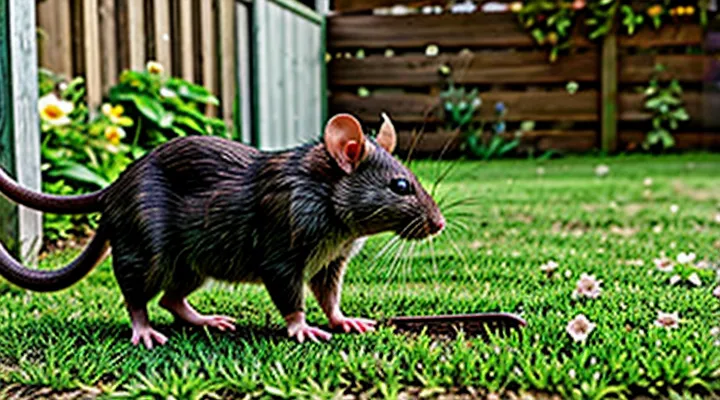
Understanding the Rat Problem in Your Garden
Identifying Rat Activity
Signs of Rats
Identifying rat activity is essential before any control measures can be applied in a garden setting. Observable indicators provide reliable evidence of infestation and guide targeted interventions.
- Dark, cylindrical droppings, ½ to ¾ inch long, often found near food sources, along pathways, or under vegetation.
- Gnaw marks on plant stems, irrigation hoses, wooden structures, or plastic mulch.
- Burrow entrances with smooth, round openings, frequently located at the base of trees, under garden beds, or near compost piles.
- Parallel tracks in soft soil or mulch, typically 2–3 inches apart, showing a distinct toe‑pad imprint.
- Chewed or wilted seedlings, especially young vegetables and herbs.
- Nests constructed from shredded leaves, grass, or fabric, hidden in concealed corners, under rocks, or within dense foliage.
- Strong, musky odor emanating from occupied areas, noticeable during warm weather.
- Scratching or scurrying sounds heard at night, often near dense cover or storage sheds.
Each sign confirms the presence of rats and helps prioritize removal tactics such as trapping, habitat modification, or bait placement. Prompt detection limits damage to crops and reduces the likelihood of disease transmission.
Common Rat Habitats in Gardens
Rats exploit garden environments that provide shelter, food, and water. Identifying these locations is essential for effective rodent control.
Typical garden habitats include:
- Dense groundcover such as tall grasses, weeds, or mulched beds that conceal burrows.
- Compost heaps and organic waste piles, especially when moisture levels are high.
- Stacked firewood, lumber, or garden tools left outdoors, offering protected nesting sites.
- Irrigation lines, drip emitters, and standing water containers that supply drinking sources.
- Fruit trees and berry bushes with fallen produce, creating a steady food supply.
- Vegetable plots where crops are harvested or left exposed, providing both nourishment and cover.
- Areas beneath sheds, greenhouses, or fence gaps where rats can enter and hide.
Preventive measures target these habitats by maintaining clear vegetation, regularly turning compost, storing wood off the ground, fixing leaks, removing debris, and sealing entry points. Removing the conditions that attract rodents reduces their presence and limits the need for chemical interventions.
Why Rats are Attracted to Your Garden
Food Sources
Rats persist in garden environments primarily because of readily available food. Removing or protecting these resources reduces the likelihood of infestation.
- Compost piles left open provide organic matter that rats readily consume. Use sealed containers or tightly covered bins to prevent access.
- Birdseed, pet food, and fallen fruit attract rodents. Store feeds in airtight containers and collect dropped produce promptly.
- Garden waste, such as vegetable trimmings, creates a continuous food supply. Dispose of waste in sealed bags and remove it from the garden area regularly.
- Mulch and leaf litter can conceal food remnants. Keep mulch depth shallow and clear debris that may harbor edible material.
- Irrigation runoff that leaves moist soil encourages insects, which serve as secondary food for rats. Adjust watering schedules to avoid excess moisture and reduce insect populations.
Addressing each food source eliminates the primary incentive for rats to occupy garden spaces, thereby supporting long‑term control efforts.
Shelter and Hiding Spots
Rats thrive in garden environments that offer protected shelter and concealed hiding places. Removing or altering these sites reduces the attractiveness of the area and limits the rodents’ ability to establish nests.
Typical garden shelters include:
- Stacked firewood or lumber left against walls or fences.
- Thick mulch layers, leaf piles, or compost heaps that retain moisture.
- Dense vegetation such as tall grasses, overgrown hedges, and groundcovers.
- Unsealed gaps under sheds, decks, or garden structures.
- Burrows created in soft soil near irrigation lines or drainage channels.
To eliminate suitable refuge, follow these steps:
- Store firewood off the ground, elevate it on pallets, and keep it at least two feet away from any structure.
- Maintain mulch depth no greater than three inches; turn it regularly to expose hidden activity.
- Trim vegetation weekly, keeping grass and hedges below six inches and removing debris promptly.
- Seal all cracks, holes, and openings in sheds, fences, and foundations with metal flashing, concrete, or hardware cloth.
- Install a solid barrier—such as a buried strip of hardware cloth—around the perimeter of garden beds to prevent burrowing.
Consistently applying these measures removes the essential shelter rats need to survive, thereby supporting broader efforts to eradicate them from the garden.
Water Availability
Rats are attracted to any reliable water source. In a garden, dripping hoses, standing puddles, birdbaths, and leaky irrigation emit moisture that sustains rodent populations. Reducing water availability directly limits the ability of rats to survive and reproduce.
Effective water management requires eliminating unintended moisture. Seal pipe joints, repair sprinkler leaks, and adjust irrigation timers to deliver water only when plants need it. Replace open containers with sealed feeders and remove excess debris that can collect rainwater.
Practical steps:
- Inspect all irrigation components weekly; tighten fittings and replace damaged hoses.
- Install drip‑irrigation emitters with shut‑off valves to prevent runoff.
- Cover or empty birdbaths and pet water dishes at night.
- Elevate compost bins and store garden waste on dry platforms.
- Use mulch that drains quickly, avoiding dense, water‑retaining layers near plant bases.
By denying rats easy access to water, the garden becomes an inhospitable environment, decreasing the likelihood of infestation.
Prevention: Making Your Garden Unattractive to Rats
Eliminating Food Sources
Securing Bins and Composts
Rats are drawn to garden waste containers that are open, loosely sealed, or made of soft material. Food residues in bins and nutrient‑rich compost provide a reliable food source, while gaps in lids or weak structures offer easy entry points.
- Use sturdy, lockable lids made of metal or thick rigid plastic; ensure they close flush with the container rim.
- Replace weak hinges or latches with reinforced hardware that cannot be chewed through.
- Position bins on a solid, elevated platform to keep them off the ground and away from burrowing activity.
- Install a tight‑fitting, rat‑proof screen around compost piles; the mesh should have openings no larger than ¼ inch.
- Keep the interior of bins clean; rinse out food scraps before disposal to eliminate lingering odors.
- Regularly inspect containers for signs of damage, such as gnaw marks or loose seams, and repair immediately.
Consistent maintenance reduces attractants and prevents rats from establishing a foothold. Removing spilled waste, turning compost frequently, and storing bins in a sheltered area further diminish the likelihood of infestation. Implementing these measures creates a barrier that deters rodents from exploiting garden waste, supporting a healthier outdoor environment.
Harvesting Produce Promptly
Harvesting produce promptly removes food sources that attract rats, directly reducing their presence in the garden. When ripe fruit or vegetables remain on plants, they emit scent cues that guide rodents to the area. Immediate collection eliminates these cues and limits the opportunity for rats to establish feeding sites.
Quick removal also prevents waste buildup. After harvesting, discard any damaged or overripe portions, and clean the ground of plant debris. Removing organic matter eliminates shelter and nesting material, making the environment less hospitable for rodents.
Proper storage further deters infestation. Transfer harvested crops to sealed containers or refrigerated units as soon as possible. Closed containers prevent rats from accessing food, while refrigeration slows decay that could otherwise draw pests.
Implementing these practices creates a cycle of reduced attractants and limited resources for rats, supporting broader rodent‑control measures in the garden.
- Pick ripe produce as soon as it reaches maturity.
- Trim and dispose of wilted or fallen vegetation daily.
- Store harvested items in airtight containers or refrigeration.
- Clean planting beds after each harvest to remove residual matter.
Consistent execution of these steps lowers the likelihood of rat activity, complementing other control strategies such as habitat modification and trapping.
Removing Pet Food and Bird Seed
Pet food and bird seed are attractive food sources that sustain rat populations in outdoor spaces. Eliminating these resources reduces the likelihood of rats establishing nests and reproducing near garden beds.
To deny rats access to edible attractants, follow these steps:
- Store pet meals in sealed, rodent‑proof containers made of metal or heavy‑wall plastic. Keep the containers inside a shed or garage, away from direct sunlight.
- Feed pets outdoors only when you can supervise the area. Remove any leftovers immediately after the animal finishes eating.
- Place bird feeders on sturdy poles at least six feet above ground and at least ten feet from trees, fences, or structures that could serve as a bridge for rats.
- Use feeders equipped with weight‑sensitive perches that close access to seed when non‑target species, such as squirrels or rats, attempt to feed.
- Collect spilled seed and debris daily. Sweep the ground beneath feeders and seal it with a thin layer of mulch or gravel to discourage burrowing.
- Opt for seed mixes with larger kernels that are difficult for rats to manipulate, or switch to suet blocks that dissolve quickly and leave minimal residue.
Consistently applying these measures removes the primary food incentives that draw rats into garden environments, thereby supporting broader pest‑control efforts.
Reducing Shelter and Hiding Spots
Tidying Garden Debris
Removing garden debris cuts shelter and food sources that attract rodents. Decaying leaves, fallen branches, and uncollected fruit create hiding places and nesting material. Regularly clearing these elements forces rats to seek less favorable habitats elsewhere.
Key actions include:
- Collecting and composting leaf litter in sealed containers.
- Cutting back overgrown shrubs and trimming grasses to ground level.
- Disposing of fruit drops and vegetable remnants in rat‑proof bins.
- Removing standing water by draining puddles and fixing irrigation leaks.
- Storing garden tools, pots, and equipment off the ground or in locked sheds.
Implementing these measures reduces the attractiveness of the garden for rats, limits their ability to establish colonies, and supports broader pest‑control efforts. Consistent maintenance maintains a hostile environment for rodents and promotes a healthier, more productive garden.
Trimming Overgrown Vegetation
Trimming overgrown vegetation removes the dense cover that rats use for nesting and movement, thereby limiting their ability to establish a foothold in garden spaces. When shrubs, tall grasses, and weeds are cut back, sightlines improve, exposing rodents to predators and making the environment less inviting.
Regular maintenance prevents regrowth that could restore shelter. Early‑season pruning reduces the window for rats to colonize, while late‑season trimming eliminates residual hideouts before winter, when rodents seek protection.
Effective trimming procedure:
- Identify zones with height exceeding 12 inches or dense thickets near structures.
- Use hedge shears, electric trimmers, or manual cutters to reduce plant height to a uniform level, leaving at least 3–4 inches of clearance from the ground.
- Remove cut material promptly; dispose of it in sealed bags or burn it to eliminate potential nesting sites.
- Apply a mulch layer no thicker than 2 inches to discourage re‑growth while maintaining soil health.
- Inspect trimmed areas weekly for new shoots or weed sprouts, and trim as needed.
Consistent execution of these steps reduces habitat complexity, discourages rat activity, and supports broader pest‑management efforts in the garden.
Sealing Entry Points to Structures
Sealing entry points prevents rats from accessing garden structures such as sheds, greenhouses, and tool sheds. Identify gaps larger than ¼ inch by inspecting walls, foundations, doors, windows, vents, and utility penetrations. Use a flashlight and mirror to detect hidden openings behind insulation or under eaves.
Apply durable materials appropriate to each location. Steel wool or copper mesh works for small cracks; reinforce with expanding polyurethane foam for medium gaps. For larger openings, install metal flashing or cement‑based mortar. Ensure all doors and windows have tight-fitting latches and weatherstripping.
Maintain a sealed environment by:
- Conducting a quarterly inspection of exterior walls and foundations.
- Repairing damage caused by weather, rodents, or plant growth promptly.
- Keeping vegetation trimmed at least 12 inches from structures to reduce shelter.
- Storing feed and compost in sealed containers away from building perimeters.
A systematic sealing program eliminates access routes, thereby reducing the likelihood of rat infestation in garden‑adjacent buildings.
Garden Maintenance Practices
Regular Cleaning
Regular cleaning disrupts the food sources and shelter that attract rodents to garden areas. Removing waste, fallen fruit, and plant debris eliminates the attractants that rats rely on for survival.
- Collect and dispose of compost that is not properly covered; use sealed containers or a compost bin with a tight‑fitting lid.
- Sweep pathways, patios, and under‑planting zones daily to clear grain, seed, and other organic matter.
- Trim overgrown vegetation and prune low‑lying branches that create concealed routes and nesting sites.
- Empty bird feeders and pet food dishes after each use, storing leftovers in airtight containers.
- Clean gutters and drainage ditches regularly to prevent water accumulation, which encourages rodent activity.
Consistent execution of these tasks reduces the likelihood of infestation by denying rats the conditions they need to thrive. Incorporating a scheduled cleaning routine into garden maintenance ensures long‑term control without reliance on chemical measures.
Proper Storage of Materials
Proper storage of garden items reduces the likelihood that rats will find shelter and food sources. Keep all materials that could serve as nesting sites or nutrition away from ground level and sealed from rodent entry.
- Store wood piles, compost, and mulch in covered containers with tight-fitting lids.
- Elevate stored items on concrete blocks or metal racks at least 12 inches above the soil.
- Use metal or heavy‑duty plastic bins for feed, seed, and fertilizer; inspect seals regularly for damage.
- Position storage units away from garden borders, preferably on a cleared, debris‑free surface.
Maintain a clean perimeter around stored supplies. Remove spilled seeds, discarded fruit, and any organic debris daily. Replace damaged containers promptly to prevent gaps that rats can exploit.
Regular inspection of storage areas identifies early signs of infestation, such as gnaw marks, droppings, or nesting material. Prompt removal of these indicators, combined with the storage practices outlined above, creates an environment that discourages rat habitation and supports effective pest management in the garden.
Effective Methods for Rat Control
Non-Lethal Approaches
Natural Repellents
Rats can be deterred in a garden by employing substances that exploit their aversion to strong odors, irritating textures, and unpleasant tastes. These methods avoid chemicals, preserve plant health, and minimize impact on non‑target wildlife.
- Peppermint essential oil – Saturate cotton balls with the oil and place them near burrows, pathways, and vegetable rows; the menthol scent overwhelms rodent olfactory receptors.
- Capsaicin spray – Mix ground hot peppers with water and a mild surfactant; apply to garden edges and mulch. The active compound irritates mucous membranes, prompting avoidance.
- Garlic and onion extracts – Combine crushed garlic or onion with water, let steep, then spray foliage and soil surfaces; sulfur compounds create an environment rodents find hostile.
- Predator urine – Distribute dried fox, coyote, or owl urine pellets around the perimeter; the scent of natural predators triggers innate fear responses.
- Rough mulch – Use coarse wood chips or shredded bark; the uneven texture hinders movement and makes nesting uncomfortable.
- Plant deterrents – Cultivate mint, rosemary, or lavender along borders; their volatile oils complement other repellents and reinforce a hostile scent profile.
Apply repellents consistently, especially after rain, and rotate substances to prevent habituation. Monitoring activity and adjusting placement ensures sustained effectiveness without resorting to toxic interventions.
Garden Layout Modifications
Adjusting garden geometry can limit rat movement and reduce shelter availability. Eliminate dense ground cover by trimming low‑lying vegetation and removing piles of leaves, wood, or compost that provide hiding places. Replace mulches that retain moisture with coarse, well‑draining materials; rats favor damp, soft substrates.
Elevate planting areas to discourage burrowing. Construct raised beds with smooth, hard‑sided containers, ensuring the base rests on compacted soil or a concrete slab. Install a perimeter of metal or plastic edging at least 12 inches deep, extending outward from the bed to block entry tunnels.
Create clear zones around structures. Keep a minimum of three feet of open space between fences, sheds, and any vertical surfaces. Use gravel or crushed stone in these gaps; the abrasive surface deters gnawing and makes traversal uncomfortable for rodents.
Control water sources. Direct irrigation runoff away from planting zones with sloped grading. Install drip‑line systems that limit surface moisture, and ensure drainage channels empty into a designated runoff area rather than pooling near root zones.
Introduce plant species that emit strong scents rats avoid, such as mint, rosemary, or lavender, and place them along borders and near entry points. Combine these with predator‑friendly habitats—rock piles, perches, and nesting boxes—to encourage natural hunters that further suppress rat populations.
Seal all ground‑level openings in garden structures. Apply metal flashing or concrete caulk to gaps around pipe penetrations, fence posts, and foundation seams. Regularly inspect and repair any damage to maintain a continuous barrier.
Trapping and Relocation
Trapping and relocation provide a practical approach to reducing rat activity in garden areas.
Select a trap that matches the target size and behavior. Common options include:
- Snap traps with strong springs for immediate kill.
- Live‑catch cages with secure doors for humane capture.
- Multi‑catch box traps that hold several individuals before collection.
Choose bait that attracts rats without appealing to non‑target wildlife. Effective choices are dried fruit, peanut butter, or small pieces of meat placed on a sturdy platform.
Position traps along established runways, near burrow entrances, and close to food sources. Set traps at dusk, check them early each morning, and reset or replace as needed. Ensure traps are anchored to prevent displacement by wind or other animals.
When a live‑catch trap secures a rat, follow a standardized relocation protocol:
- Wear thick gloves to avoid bites.
- Transport the cage in a covered container.
- Release the animal at least 1 kilometer from the garden, preferably in a wooded or field environment with adequate cover.
- Observe the release site briefly to confirm the animal exits the cage.
Comply with local wildlife regulations regarding the distance and permitted species for release. Dispose of deceased rodents according to municipal guidelines to prevent disease spread.
Lethal Approaches (Use with Caution)
Snap Traps
Snap traps deliver rapid, humane termination of garden rats and require minimal equipment. Choose a model with a sturdy spring mechanism and a secure trigger plate; stainless‑steel construction resists rust and prolongs service life.
- Position traps along established runways, near burrow entrances, and close to food sources. Align the trigger plate perpendicular to the wall to maximize contact.
- Use attractive bait such as peanut butter, dried fruit, or small pieces of meat. Apply a thin layer to the trigger plate; avoid excess that may cause premature activation.
- Set the trap by pulling the spring arm back until the latch clicks. Verify that the mechanism releases cleanly when pressure is applied.
- Check traps daily. Remove captured rats promptly, wearing disposable gloves. Dispose of carcasses in sealed bags or according to local wildlife regulations.
- Reset or replace traps after each catch. Inspect springs for fatigue; replace the entire trap if the spring no longer snaps fully.
Safety considerations include placing traps out of reach of children and pets, securing them with protective covers when not actively monitored, and storing unused traps in a locked container. Regular maintenance—cleaning trigger plates, lubricating springs, and checking for rust—ensures consistent performance throughout the gardening season.
Electronic Traps
Electronic traps provide a rapid, humane solution for eliminating rats that frequent garden areas. These devices deliver a high‑voltage shock that kills rodents instantly, preventing suffering and reducing the risk of disease transmission.
The effectiveness of an electronic trap depends on several factors. Choose a model with a sufficient voltage rating (typically 2,000–4,000 V) to ensure lethal contact. Verify that the trigger mechanism is sensitive enough to activate with the weight of a rat but not with debris or small insects. Opt for a unit equipped with a clear indicator—LED or audible alarm—that confirms each capture, allowing timely disposal.
Proper placement maximizes results. Locate traps along established runways, near burrow entrances, or beside food sources. Position devices on a stable, dry surface to maintain electrical integrity. Space multiple traps 10–15 feet apart in high‑traffic zones to cover a larger area without overlap.
Maintenance procedures are straightforward. After each kill, disconnect the power source, remove the carcass, and clean the interior with a mild disinfectant. Replace the battery or recharge the unit according to the manufacturer’s schedule; most models provide a battery‑life indicator. Inspect wiring and contacts regularly for corrosion or damage.
Safety considerations protect humans and non‑target animals. Ensure the trap is shielded by a protective cage that prevents accidental contact. Install the device out of reach of children and pets, and follow local regulations regarding electrical pest‑control equipment.
Cost analysis reveals that electronic traps have a higher upfront price than snap traps but lower long‑term expenses. The one‑time purchase eliminates the need for repeated bait replenishment, and the rapid kill rate reduces the total number of devices required.
Integrating electronic traps with complementary methods—such as habitat modification, exclusion barriers, and proper waste management—creates a comprehensive approach that minimizes reinfestation and sustains a rat‑free garden.
Baits (Chemical Rodenticides)
Chemical rodenticides provide a rapid method for reducing rat populations in garden environments. They work by delivering a toxic dose when the animal consumes the bait, leading to mortality within hours. Effectiveness depends on correct product selection, precise placement, and adherence to safety protocols.
Common categories include anticoagulants, acute toxins, and cholecalciferol formulations. Anticoagulants, such as bromadiolone and difethialone, disrupt blood clotting and require multiple feedings for lethal effect. Acute toxins, for example, zinc phosphide, cause rapid death after a single ingestion. Cholecalciferol (vitamin D₃) induces hypercalcemia, leading to organ failure.
Key considerations for deployment:
- Choose a product labeled for outdoor use and specifically for rat control.
- Determine the appropriate concentration based on manufacturer guidelines and the severity of infestation.
- Position baits in tamper‑resistant stations near active runways, food sources, and burrow entrances.
- Maintain stations at least 2 m from non‑target wildlife, children, and domestic animals.
- Inspect stations daily; replace depleted bait and record removal rates to assess efficacy.
- Rotate active ingredients every 4–6 weeks to prevent resistance development.
Safety measures are mandatory. Wear gloves when handling baits, store containers in locked cabinets, and dispose of unused product according to local hazardous‑waste regulations. After successful control, remove all bait stations and monitor for residual activity before replanting edible crops.
Regulatory compliance varies by jurisdiction; consult agricultural extension services or environmental agencies to verify permissible active ingredients and required labeling. Properly managed chemical baiting, combined with sanitation and habitat modification, yields a reliable reduction of rat activity in garden settings.
Safe Use of Baits
Using rodent bait safely protects non‑target wildlife, pets, and humans while reducing garden rat populations. Select baits that contain anticoagulants or bromethalin only when the product is labeled for outdoor use and approved by local authorities.
- Choose a bait formulation with a concentration appropriate for the size of the target species.
- Verify that the packaging includes a tamper‑resistant container.
- Prefer products with a delayed‑action toxin to allow the rat to feed away from the bait site before symptoms appear.
Place bait stations at least 2 meters from vegetable beds, compost piles, and water sources. Position stations along established runways, near burrow entrances, or under low vegetation where rats travel. Secure each station to the ground or a sturdy base to prevent displacement by wind or animals.
Wear disposable gloves when handling bait, and wash hands thoroughly afterward. Store unused bait in its original sealed container, away from food preparation areas and out of reach of children. Dispose of expired or uneaten bait according to label instructions, typically by mixing with a non‑hazardous material and placing in a sealed landfill bag.
Regularly inspect stations, replace depleted bait, and rotate locations every 4–6 weeks to prevent bait shyness. Document placement maps and dates to track effectiveness and ensure compliance with environmental regulations.
Placement Considerations
Effective rodent control in a garden depends on precise positioning of traps, bait stations, and exclusion devices. Place each element along established runways, identified by fresh gnaw marks, droppings, or clear pathways between burrows and food sources. Avoid random distribution; concentrate effort where activity concentrates.
Considerations for optimal placement include:
- Proximity to water sources such as irrigation lines or puddles, which attract rodents.
- Distance from shelter areas like dense mulch, compost piles, or debris stacks.
- Alignment with natural travel routes, typically along fence lines, garden edges, or under vegetation.
- Accessibility for regular inspection and replenishment of bait.
- Safety for non‑target wildlife and children; use protected stations or tamper‑resistant traps.
Set snap traps or electronic devices a few inches from the runway, with the trigger side facing the expected direction of movement. Bait stations should be positioned 1–2 feet off the ground, concealed but not sealed, to prevent scavenging by birds. Physical barriers—hardware cloth, metal flashing, or cemented edges—must be installed at the base of garden beds, around raised planters, and across potential entry points at a depth of at least 6 inches.
Regular monitoring confirms efficacy. Replace exhausted bait, relocate ineffective devices, and adjust barrier coverage as rodent patterns shift. Consistent evaluation ensures sustained reduction of garden‑dwelling rats.
Risks to Pets and Wildlife
Eliminating rodents from a garden can expose domestic animals and native species to hazardous conditions. Chemical rodenticides, for example, are anticoagulants that may cause internal bleeding if ingested by a pet or wildlife. Secondary poisoning occurs when a predator consumes a poisoned rat, leading to organ damage or death. Bait stations left uncovered can be accessed by curious dogs, cats, or hedgehogs, resulting in accidental exposure.
Potential risks include:
- Toxic ingestion – direct consumption of poison pellets or contaminated prey.
- Non‑target mortality – loss of birds, reptiles, and beneficial insects that encounter bait.
- Disruption of food web – reduction of a prey source may force predators to seek alternative, possibly less safe, food.
- Environmental persistence – some rodenticides remain active in soil and water, affecting amphibians and aquatic life.
Mitigation measures demand careful selection of control methods, secure placement of baits, and monitoring of pet behavior to prevent unintended contact. Integrated pest management, employing traps and habitat modification, reduces reliance on poisons and lowers the probability of collateral harm.
Professional Pest Control Services
When to Call a Professional
Rats can cause extensive damage to plants, soil structure, and garden infrastructure. When signs indicate that the problem exceeds the capacity of simple traps or bait stations, professional assistance becomes necessary. Indicators include multiple active burrows covering a large area, observable gnawing of irrigation lines or wooden supports, and the presence of droppings in quantities that suggest a breeding population.
Health hazards also trigger the need for expert intervention. If rats are contaminating edible produce, spreading pathogens, or if residents experience allergic reactions to rodent allergens, a licensed pest‑control service should be engaged promptly to mitigate risk.
The following situations warrant hiring a specialist:
- Repeated failure of DIY methods after several weeks of effort.
- Evidence of structural damage to garden features that requires repair beyond basic maintenance.
- Legal or regulatory constraints, such as protected wildlife zones or local ordinances that limit the use of certain poisons.
- Requirement for advanced equipment, such as infrared cameras or live‑trap monitoring systems, which are not typically available to homeowners.
- Time‑sensitive projects where a rapid reduction of the rat population is essential to prevent loss of crops or upcoming events.
Prompt professional involvement in these circumstances prevents escalation, safeguards public health, and preserves the long‑term viability of the garden.
What to Expect from a Professional
A professional pest‑control specialist begins with a thorough on‑site inspection. The technician identifies entry points, evaluates the extent of the infestation, and notes any factors that may attract rodents, such as food sources or shelter.
The service plan is presented in writing. It outlines the chosen control methods—traps, bait stations, or exclusion techniques—along with the materials and equipment to be used. All products comply with local regulations and are selected to minimize risk to non‑target wildlife, pets, and humans.
During treatment, the professional follows safety protocols: protective gear is worn, bait is placed in tamper‑proof stations, and traps are positioned to avoid accidental capture of other animals. The work is performed efficiently, typically within a few hours, depending on garden size.
After the initial application, the provider schedules follow‑up visits. These inspections verify that activity has ceased, adjust placements if needed, and offer recommendations for long‑term prevention, such as sealing gaps or removing attractants.
Clients receive a written warranty that specifies the duration of coverage for re‑infestation and the conditions under which additional visits are provided at no extra charge.
Key elements to expect from a qualified service:
- Licensed and insured personnel
- Detailed inspection report
- Customized control strategy
- Use of approved, low‑toxicity products
- Clear timeline for treatment and follow‑up
- Written guarantee of results
Understanding these components helps homeowners assess the professionalism and reliability of the contractor hired to eliminate rats from garden areas.
Long-Term Rat Management Strategies
Integrated Pest Management (IPM) Principles
Monitoring and Inspection
Effective rodent management in garden environments begins with systematic monitoring and inspection. Continuous observation identifies population size, movement patterns, and entry points, providing the data needed for targeted interventions.
Monitoring focuses on tangible indicators. Look for fresh droppings, gnawed plant stems, burrow openings, and damaged irrigation components. Record the location, quantity, and condition of each sign to establish a baseline and detect trends over time.
Inspection should follow a regular schedule. Conduct visual surveys at dawn and dusk when rats are most active, repeating the process weekly during peak breeding months and biweekly in cooler periods. Adjust frequency if new activity emerges or after implementing control measures.
- Trail cameras positioned near suspected pathways
- Motion‑activated infrared sensors for nocturnal detection
- Sticky boards placed along fence lines to capture footprints
- Soil probes to expose shallow burrow systems
- Checklists for recording damage, droppings, and gnaw marks
Data gathered during monitoring and inspection informs the selection and placement of control tactics such as bait stations, traps, and habitat modification. By maintaining accurate records and revisiting inspection results after each intervention, gardeners can verify efficacy, refine strategies, and sustain a rat‑free landscape.
Prevention as a Priority
Effective rat control starts with proactive prevention. Eliminating attractants and denying shelter removes the conditions rats need to thrive.
- Remove fallen fruit, nuts, and vegetable waste promptly.
- Store compost in sealed containers with tight-fitting lids.
- Keep grass trimmed to a maximum height of 6 inches; short turf discourages burrowing.
- Clear debris, woodpiles, and dense shrubs that provide hiding places.
Install physical barriers to block entry points. Use metal mesh with openings no larger than ¼ inch around garden beds, raised planters, and irrigation lines. Seal cracks in foundations, fences, and garden structures with cement or steel wool. Place smooth, hard‑surface edging around planting areas to prevent gnawing and climbing.
Maintain regular inspection routines. Check traps, bait stations, and barrier integrity weekly. Record any signs of activity—droppings, gnaw marks, or burrow entrances—and address them immediately. Consistent monitoring prevents small infestations from escalating into larger problems.
Targeted Interventions
Effective rat control in garden environments relies on precise, action‑oriented measures that address the specific conditions attracting rodents. Targeted interventions focus on disrupting the rats’ access to food, shelter, and travel routes, thereby reducing population pressure without indiscriminate pesticide use.
Identify high‑risk zones such as compost piles, low‑lying vegetation, and irrigation channels. Apply exclusion tactics by sealing gaps in fences, installing metal or concrete barriers beneath raised beds, and using hardware cloth to cover drainage openings. These physical obstacles prevent entry and limit movement.
Deploy live‑capture traps or snap traps directly along established runways and near known foraging sites. Position traps perpendicular to walls, with bait that matches the rats’ dietary preferences—peanut butter, dried fruit, or animal protein. Check traps daily, remove captured rodents promptly, and reset devices to maintain pressure on the population.
Use strategically placed bait stations containing anticoagulant or non‑anticoagulant rodenticides only where non‑target species are excluded. Ensure stations are tamper‑proof, mounted on sturdy bases, and regularly inspected for consumption rates and signs of secondary poisoning.
Implement habitat modification to diminish shelter availability:
- Remove dense ground cover and prune overgrown shrubs.
- Store garden waste in sealed containers.
- Keep feed for poultry or pets in locked bins.
- Regularly turn compost to discourage nesting.
Consider biological control where appropriate. Encourage predatory birds by installing nest boxes, and promote the presence of natural rat predators such as feral cats or barn owls in accordance with local wildlife regulations.
Maintain a monitoring schedule: record trap catches, inspect exclusion points, and adjust bait placement based on activity patterns. Continuous data collection enables rapid adaptation of interventions, ensuring sustained reduction of rat presence in the garden.
Community-Wide Approaches
Discussing with Neighbors
Open communication with nearby residents establishes a coordinated front against garden‑dwelling rodents. Shared boundaries mean that a single untreated plot can re‑infest adjacent yards, so mutual awareness and joint action reduce the likelihood of recurring problems.
- Identify all households bordering the affected area; create a contact list with phone numbers or email addresses.
- Schedule a brief meeting or group message to explain the observed rodent activity, the risks to plants and health, and the proposed control measures.
- Agree on a timeline for implementing traps, bait stations, or habitat modifications, ensuring that each property follows compatible practices.
- Assign responsibilities: one party may monitor bait placement, another may handle waste‑management improvements, while a third checks for entry points such as gaps in fences.
- Document the plan in writing; distribute copies to all participants and keep records of actions taken and dates of implementation.
- Establish a follow‑up schedule, such as a monthly check‑in, to assess effectiveness, adjust tactics, and address any new sightings.
Consistent dialogue minimizes misunderstandings and fosters accountability. When neighbors understand their role in the collective effort, preventive steps become routine, and the garden environment remains less attractive to rats.
Local Council Initiatives
Local authorities implement several coordinated actions to reduce rodent activity in residential green spaces. Programs typically include systematic placement of bait stations and snap traps in high‑risk zones, monitored by trained pest‑control officers who record captures and adjust locations according to seasonal patterns.
Waste‑management policies form a core component of municipal efforts. Regular collection schedules, sealed containers, and fines for improper disposal limit food sources that attract rats. Some councils provide complimentary compost bins with secure lids to discourage scavenging.
Public‑information campaigns deliver practical guidance to homeowners. Leaflets and online portals outline steps such as removing debris, trimming vegetation, and sealing entry points. Workshops conducted by environmental health departments demonstrate safe trap handling and proper waste segregation.
Financial incentives encourage private participation. Grants cover the cost of professional extermination services for low‑income households, while subsidies offset expenses for installing rodent‑proof fencing around garden beds. Eligible residents apply through a streamlined online portal, receiving approval within ten business days.
Enforcement measures reinforce preventive strategies. Inspectors conduct quarterly audits of commercial properties, issuing notices for non‑compliance with sanitation standards. Persistent violations result in escalating penalties, ensuring accountability across the community.