
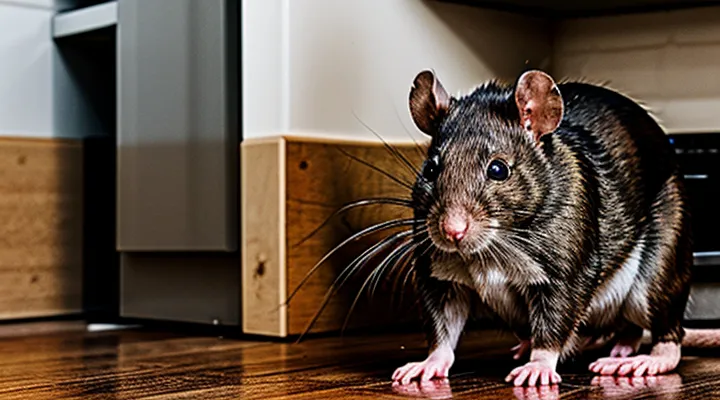
«Understanding the Rat Problem in Second-Floor Apartments»
«Identifying Signs of Rats»
«Droppings and Urine Smells»
Rats leave dark, pellet‑shaped feces and a sharp, ammonia‑like odor from their urine. Spotting these signs confirms infestation and indicates health hazards such as Hantavirus, leptospirosis, and salmonella. Immediate removal prevents contamination of food surfaces and reduces attractants for other pests.
To eliminate droppings and urine odors:
- Wear disposable gloves and a N‑95 respirator; avoid direct skin contact and inhalation of particles.
- Seal the area with plastic sheeting; prevent dust from spreading to other rooms.
- Use a disposable paper towel or damp cloth to collect solid waste; place material in a sealed bag and discard in an outdoor trash bin.
- Apply an enzymatic cleaner specifically formulated for rodent waste; follow manufacturer’s contact time to break down organic residues and neutralize odor.
- After cleaning, ventilate the apartment for at least 30 minutes; open windows and use a fan to exhaust stale air.
- Inspect adjacent walls, ceilings, and hidden corners for additional deposits; repeat the cleaning cycle where necessary.
Regular monitoring reduces the likelihood of re‑infestation. Place disposable trap cards or sticky pads in suspected pathways; replace them weekly to detect new activity. Maintain a strict food‑storage protocol—store all edibles in sealed containers and eliminate crumbs—to discourage rats from returning and producing fresh waste.
«Gnaw Marks and Damage»
Rats leave distinctive gnaw marks on a variety of materials. Wood framing, baseboards, electrical wiring, and plastic pipes often show clean, crescent‑shaped bites that are deeper than those caused by insects. The damage is not merely cosmetic; chewed wires can expose live conductors, creating fire hazards, while compromised structural members weaken floor joists and increase the risk of collapse.
Identifying gnaw damage helps confirm an infestation and guides remediation:
- Examine exposed timber for smooth, shallow cuts that follow the grain.
- Inspect outlet covers and switch plates for missing sections or exposed copper.
- Look behind appliances for shredded insulation or chewed hose clamps.
- Check pantry shelves and food containers for bite marks around the edges.
Each finding indicates the extent of the problem and determines which areas require sealing, repair, or replacement before any control measures are applied. Ignoring gnaw marks allows rats to maintain access routes and continue damaging the apartment’s infrastructure.
«Scratching Noises»
Scratching noises are often the first audible sign that rodents have entered a second‑floor residence. The sound typically originates from walls, ceilings, or floor joists where rats gnaw and move along structural cavities. Recognizing the pattern—intermittent, sharp, and occurring at night—helps distinguish it from normal building creaks.
When scratching is detected, immediate inspection is required. Locate the source by tracing the noise to the nearest wall or ceiling panel. Look for droppings, gnaw marks, and grease stains, which confirm activity. Once the entry point is identified, seal it with steel wool and heavy‑duty caulk; rats cannot chew through these materials.
Control measures should follow a systematic approach:
- Set snap traps or electronic traps along the identified pathways, positioning them perpendicular to the wall.
- Use bait that appeals to rats, such as peanut butter or dried fruit, and replace it every 48 hours.
- Deploy motion‑activated ultrasonic devices near suspected routes to deter further movement.
- Maintain a clean environment: store food in sealed containers, eliminate standing water, and remove clutter that offers hiding places.
After traps are placed, monitor them daily. Remove captured rodents promptly, disinfect the area with a diluted bleach solution, and re‑inspect for additional scratches. Persistent noises after initial treatment indicate remaining occupants; repeat sealing and trapping until the sound ceases.
Finally, schedule periodic checks of all potential entry points, especially after renovations or seasonal changes. Consistent vigilance prevents re‑infestation and ensures the dwelling remains free of rodent activity.
«Sightings»
Rats on a second‑floor unit reveal themselves through distinct signs that demand immediate attention. Droppings appear as small, dark pellets near food sources, in corners, or under appliances; their presence confirms active foraging. Gnaw marks on wood, plastic, or wiring indicate pathways and potential entry points. Grease‑filled streaks along walls or ceilings expose frequent travel routes, while shredded insulation or nesting material signals a breeding site.
Typical sighting scenarios include:
- A live rat scurrying across the hallway or disappearing behind furniture.
- Fresh gnawed holes near windows, vents, or pipe penetrations.
- Audible scratching or squeaking during quiet nighttime hours.
Each observation should be recorded with time, location, and any accompanying evidence. This data guides the placement of traps, baits, and sealing efforts, ensuring that interventions target the most active zones. Prompt reporting of sightings to building management or a pest‑control professional accelerates response, preventing population growth and structural damage.
«Why Rats Are in Your Apartment»
«Food Sources»
Rats are drawn to readily available nutrition, and an apartment on an upper level provides the same incentives as any other dwelling. Identifying and removing these incentives is a prerequisite for successful control.
Common food sources include:
- Uncovered pantry items such as grains, cereals, and dried fruit.
- Pet food left in bowls overnight or stored in open containers.
- Leftover crumbs on countertops, floors, and behind appliances.
- Fruit, vegetables, or bread stored in plastic bags without sealing.
- Garbage that is not sealed or is placed in bins without tight-fitting lids.
To eliminate these attractants:
- Store all dry goods in metal or heavy‑glass containers with airtight seals.
- Transfer pet meals to sealed containers after each feeding; remove bowls after pets finish eating.
- Clean surfaces immediately after meal preparation; sweep or vacuum floors nightly.
- Place all produce in refrigeration units or sealed containers; discard any spoiled items promptly.
- Use trash cans equipped with lockable lids; empty them daily and keep the exterior of bins clean.
Consistent enforcement of these practices deprives rodents of sustenance, reducing their presence in a second‑floor residence.
«Water Sources»
Rats survive by accessing water; eliminating all potential sources is essential for effective rodent control in a second‑floor flat.
Identify and repair leaks. Inspect kitchen and bathroom pipes, faucets, and showerheads for drips. Seal any cracks around fixtures with waterproof caulk. Replace worn washers and tighten connections.
Remove standing water. Empty and dry sinks, bathtubs, and trays after use. Wipe down countertops and appliance surfaces to eliminate moisture residues.
Control condensation. Install vent fans in bathroom and kitchen to reduce humidity. Use a dehumidifier in damp areas such as closets or laundry spaces.
Limit pet water availability. Provide fresh water in sealed containers that can be emptied overnight. Clean bowls daily to prevent spillage.
Secure external water entry. Check balcony railings and window sills for puddles after rain; wipe away water promptly. Ensure that drainage gutters and downspouts direct water away from the building façade.
Maintain cleanliness. Sweep crumbs and food debris that retain moisture. Store dry goods in airtight containers to prevent accidental spills.
Implement these measures consistently; the removal of water supplies deprives rats of a critical resource, forcing them to abandon the premises.
«Entry Points»
Rats reach a second‑floor flat through gaps that connect the interior with the building’s exterior, utility shafts, and neighboring units. Detecting and eliminating these openings stops infestations before they begin.
Common entry points include:
- Cracks around window frames and sliding doors; seal with silicone caulk or metal flashing.
- Gaps under baseboards, floor joists, and vent covers; fill with expanding foam or steel wool, then cover with plaster.
- Openings around plumbing, electrical conduit, and cable entries; surround with metal mesh or heavy-duty pipe wrap.
- Unsealed holes in exterior walls, roof eaves, and soffits; repair with cement or metal plates.
- Unscreened vents, dryer exhausts, and chimney flues; install tight-fitting screens or louvered covers.
Inspection steps:
- Walk the perimeter of the apartment at eye level; note any visible cracks or holes.
- Use a flashlight to examine behind appliances, under sinks, and inside closets for concealed gaps.
- Press smoke from a incense stick near suspected sites; movement indicates airflow that rats could exploit.
- Record each opening and prioritize based on size and proximity to known rat pathways.
Sealing protocol:
- Clean the area to remove debris and dust.
- Apply a durable, non‑chewable material such as steel wool, copper mesh, or cement mortar.
- Cover the filler with a permanent sealant—silicone, epoxy, or concrete patch.
- Verify the repair by re‑testing for airflow; repeat if necessary.
Regular maintenance, including annual checks of the building’s exterior and interior joints, prevents new access points from forming and sustains a rat‑free environment on the second floor.
«Shelter and Harborage»
Rats seek shelter in areas that provide darkness, warmth, and protection from predators. In a second‑floor apartment, typical harborage sites include wall voids, attic insulation, beneath kitchen cabinets, and inside closets where stored boxes create clutter. Exterior structures such as balcony railings, eaves, and nearby utility shafts also serve as entry points and temporary nests.
Identify and eliminate these habitats by following a systematic approach:
- Inspect all interior walls and ceilings for gnaw marks, droppings, and shredded material.
- Remove piled items from closets and storage spaces; keep floors clear.
- Seal gaps larger than ¼ inch with steel wool and caulk, focusing on pipe penetrations, vent openings, and cracks around windows.
- Replace damaged insulation with rodent‑resistant material and install mesh screens on vent covers.
- Reduce moisture sources by fixing leaks, using dehumidifiers, and keeping sinks and drains dry.
After securing potential shelters, monitor for signs of activity for at least two weeks. Persistent evidence indicates remaining harborage that requires additional sealing or professional intervention.
«Implementing Effective Rat Control Strategies»
«Sealing Entry Points»
«Inspecting Walls and Floors»
Inspect the interior surfaces where rodents travel. Begin at each wall junction, focusing on gaps between plaster and trim, and the perimeter where the floor meets the wall. Look for gnaw marks, fresh droppings, and oily streaks that indicate active pathways.
- Use a flashlight to reveal dark crevices.
- Run a gloved hand along baseboards to feel for loose material or burrows.
- Examine vent covers, electrical boxes, and pipe sleeves for chew damage.
- Check under appliances and behind furniture for shredded insulation or nesting material.
Record any openings larger than a quarter‑inch; rats can squeeze through smaller spaces. Seal gaps with steel wool and caulk, or install metal flashing where necessary. Replace damaged drywall or flooring sections to eliminate hidden shelters. Continuous monitoring after repairs confirms the effectiveness of the intervention.
«Checking Pipes and Vents»
Inspecting plumbing and ventilation systems is essential when eliminating rodent activity in a second‑floor residence. Rats travel through concealed routes; pipes and vents often serve as shortcuts between floors and external walls.
Begin with all visible pipework. Examine exposed sections for gnaw marks, droppings, or shredded insulation. Use a flashlight to peer inside junction boxes and under sinks. Seal any gaps larger than a quarter inch with steel wool followed by a copper‑based mesh or silicone caulk. Replace cracked pipe sleeves and repair loose fittings that could create entry points.
Next, assess vent shafts. Remove vent covers and look for nesting material, urine stains, or fresh gnaw impressions on the metal housing. Install vent screens made of heavy‑gauge steel mesh to block passage while preserving airflow. Ensure that the screens are secured with stainless‑steel screws to prevent removal by determined rodents.
For concealed areas, employ a flexible inspection camera. Insert the probe into wall cavities, behind appliances, and through vent ducts. Record any evidence of activity and map the routes for targeted bait placement or trap deployment.
Finally, maintain a regular inspection schedule. Re‑evaluate pipes and vents monthly, especially after heavy rain or building repairs, to confirm that seals remain intact and no new breaches have formed. Consistent monitoring prevents re‑infestation and supports long‑term pest control success.
«Securing Doors and Windows»
Rats enter apartments through gaps around doors and windows; sealing these openings eliminates a primary access route.
- Install weather‑stripping on all exterior doors, ensuring a tight seal when the door is closed.
- Fit door sweeps that reach the floor to block gaps under the door panel.
- Replace damaged or warped door frames with solid wood or metal jambs.
- Apply steel wool or copper mesh to holes in door hinges, locksets, and surrounding casings, then cover with expanding foam for added rigidity.
Window protection requires similar attention.
- Fit tight‑closing sliding or casement windows with brush seals along the perimeter.
- Use removable screens made of fine mesh (no larger than ¼ inch) to prevent rodents while allowing ventilation.
- Seal cracks around window frames with caulk or silicone, focusing on the lower sill where rats are most likely to gnaw.
Regular inspection maintains effectiveness.
- Check seals quarterly for wear, compression, or displacement.
- Repair any damage immediately; even small openings can be exploited.
- Keep doors and windows closed when not in use, especially at night when rodent activity peaks.
By systematically securing doors and windows, the apartment denies rats the pathways they need to infiltrate the living space.
«Addressing Gaps Around Utilities»
Rats enter second‑floor apartments through tiny openings that surround water lines, electrical conduits, gas pipes, and ventilation ducts. Identifying and sealing these gaps eliminates a primary pathway for infestation.
Begin by inspecting every utility entry point. Look for cracks, holes, or gaps larger than ¼ inch. Pay special attention to:
- Pipe sleeves where water, gas, or sewer lines penetrate walls or floors.
- Cable bundles that pass through drilled holes.
- HVAC vents and dryer exhaust flues.
- Junction boxes and electrical panels with loose wiring gaps.
Use materials that resist gnawing. For irregular openings, apply steel wool tightly packed, then cover with expanding polyurethane foam or a metal mesh. For uniform gaps around pipes, wrap with copper or stainless‑steel flashing, securing it with corrosion‑resistant screws. Seal joints with silicone caulk formulated for high‑temperature environments when appropriate.
After sealing, verify the work by running a light source or smoke pencil along the sealed areas; any visible leakage indicates a missed opening. Re‑inspect quarterly, especially after seasonal temperature changes, to ensure that seals remain intact and that no new utility penetrations have been created.
By systematically eliminating these utility‑related gaps, the apartment removes a critical access route, reducing the likelihood of rat activity and supporting long‑term pest control.
«Sanitation and Food Storage»
«Eliminating Food Sources»
Eliminating food sources removes the primary incentive for rodent activity and forces the population to seek sustenance elsewhere, reducing their presence in a second‑floor residence.
Secure all pantry items in airtight containers made of metal or heavy‑wall plastic. Transfer dry goods, canned foods, and pet supplies into these containers and label them to prevent accidental exposure.
Remove crumbs and spills immediately. Sweep floors, vacuum carpets, and wipe countertops after each meal. Dispose of food waste in a sealed trash can with a tight‑fitting lid; empty the bin daily to avoid odor buildup.
Store animal feed in a locked cabinet or in containers with a gasket seal. Keep feeding stations for pets away from walls and clean up any leftover food promptly.
Inspect and seal entry points that could allow food to enter walls or ceiling voids. Use steel wool or copper mesh backed by caulk to block gaps around pipes, vents, and electrical conduits.
Maintain a regular cleaning schedule:
- Daily: wipe kitchen surfaces, sweep floors, empty trash.
- Weekly: deep‑clean appliances, vacuum upholstery, inspect storage areas.
- Monthly: audit pantry organization, replace worn seals, check for hidden food deposits.
By denying rodents easy access to nutrition, the likelihood of infestation diminishes dramatically, supporting long‑term control in a high‑rise dwelling.
«Proper Waste Management»
Effective waste management is essential for preventing rat infestations in a second‑story residence.
Secure containers made of sturdy plastic or metal with tight‑closing lids should be used for all household garbage. Place containers on a stable surface away from walls to discourage rodents from climbing.
Maintain a schedule for removing waste. Empty trash bins at least twice a week, and more frequently if food waste accumulates. Transfer contents to a sealed outdoor dumpster or municipal collection point promptly.
Avoid storing food scraps in open dishes. Instead, deposit organic waste in sealed compost bins designed to deter pests, or freeze leftovers until disposal.
Eliminate sources that attract rats by:
- Disposing of expired or spoiled food immediately.
- Cleaning spills and crumbs from countertops, floors, and appliances.
- Keeping pet food sealed and removing uneaten portions after each feeding.
Inspect waste containers regularly for holes, cracks, or damaged seals. Repair or replace compromised units without delay.
By implementing these practices, residents reduce the availability of food and shelter, making the apartment environment inhospitable to rats and supporting long‑term pest control.
«Cleaning Spills and Crumbs»
Cleaning spills and crumbs eliminates food sources that attract rodents. In a second‑story flat, waste that remains on countertops, floors, or behind appliances provides a reliable supply for rats, encouraging them to stay and reproduce. Immediate removal of liquid residues and solid debris reduces the likelihood that rats will establish a foraging trail.
- Wipe all surfaces with a disinfectant after each meal; include cabinets, tables, and the edges of appliances.
- Sweep or vacuum floors daily; focus on corners, under furniture, and along baseboards where particles accumulate.
- Mop with a solution that removes sticky residues; avoid leaving standing water that can become a moisture source.
- Empty trash cans each night; use containers with tight‑fitting lids and line them with a fresh bag.
- Clean pet feeding areas after every use; rinse bowls and remove any spilled food immediately.
Consistent execution of these actions creates an environment lacking sustenance, making it difficult for rats to survive on the second floor.
«Storing Food in Airtight Containers»
Storing food in airtight containers deprives rodents of accessible food sources, directly reducing the attraction of rats to a second‑story residence. When food cannot be smelled, tasted, or reached, rats are less likely to establish foraging routes inside the unit.
Key practices for effective containment:
- Choose containers made of heavy‑wall plastic, glass, or metal with lock‑tight seals.
- Label each container with its contents and the date of purchase to prevent prolonged storage of expired items.
- Transfer bulk items such as grains, cereals, nuts, and pet food from original packaging into the sealed containers.
- Keep containers on shelves away from walls and plumbing where rats might gnaw or hide.
- Inspect seals regularly for cracks or wear; replace compromised containers immediately.
By eliminating readily available nutrition, airtight storage supports broader rodent‑control measures such as sealing entry points and maintaining cleanliness, creating an environment where rats cannot thrive on the second floor.
«Trapping and Removal»
«Types of Traps: Snap, Live, Electronic»
Effective rodent control in a second‑level flat relies on selecting the appropriate trap. Three common options—snap, live‑catch, and electronic—address different priorities such as immediate kill, humane capture, or automated elimination.
-
Snap traps: Steel bar strikes a spring‑loaded platform, delivering a lethal blow. Placement near walls, behind appliances, and in concealed pathways maximizes contact. Bait with high‑protein foods (peanut butter, bacon) improves attraction. After activation, dispose of carcasses promptly to prevent disease spread.
-
Live‑catch traps: Cage‑style device lures rats with bait and closes a door when weight is applied. Allows relocation or humane euthanasia. Position in active runways; check every few hours to reduce stress and avoid escape. Clean and disinfect between uses to prevent scent buildup.
-
Electronic traps: Battery‑powered unit emits a high‑voltage shock upon entry, killing instantly. Sensors detect size, reducing false triggers from non‑target animals. Ideal for indoor use where noise and mess must be minimized. Replace batteries as indicated; empty dead‑rat compartment weekly.
«Strategic Placement of Traps»
Effective rat control in a second‑floor residence depends on positioning traps where rodents travel, hide, and feed. Identify pathways by inspecting walls, ceilings, and floor joists for gnaw marks, droppings, and burrow openings. Place traps near these indicators to intercept movement.
- Align traps perpendicular to walls, with the trigger facing the expected travel direction.
- Position devices within 12‑18 inches of known entry points, such as utility openings or vent shafts.
- Set traps along the edges of cabinets, behind appliances, and under sinks where food residues accumulate.
- Deploy a line of traps at least 3 feet apart in high‑traffic zones to create a barrier.
- Use a combination of snap and electronic traps to address both cautious and aggressive rats.
Secure each trap to a stable surface to prevent displacement by vibrations from foot traffic or building systems. Replace bait daily with fresh food items (peanut butter, dried fruit) to maintain attraction. Rotate trap locations weekly to discourage avoidance behavior and to locate hidden activity zones.
Monitor captures for patterns; a concentration of catches indicates a primary route. Increase trap density along that corridor while maintaining coverage elsewhere. Remove dead rodents promptly, disinfect the area, and reset the trap with new bait to sustain effectiveness.
«Baiting Techniques»
Effective baiting targets rats that have established nests on upper‑level residential units. Properly selected baits, combined with strategic placement, can reduce population density without extensive structural work.
Safety is paramount. Use only EPA‑registered products, wear gloves, and keep all toxic substances out of reach of children and pets. Seal food containers, clear clutter, and repair any water leaks before deploying bait to prevent accidental exposure and to increase lure attractiveness.
- Pre‑bated blocks: Hardened pellets containing anticoagulant or bromethalin compounds. Their slow‑acting nature allows rats to return to the nest, spreading the toxin to others.
- Gel bait: High‑viscosity formulation applied to cracks, behind appliances, or inside wall voids. Gel adheres to surfaces, reducing waste and limiting access to non‑target species.
- Stationary snap traps with attractant: Combine mechanical capture with a small amount of food lure (peanut butter, dried fruit). Effective for immediate reduction when placed near active runways.
- Electronic bait stations: Battery‑powered units that deliver a lethal dose of a fast‑acting toxin when the rat contacts the sensor. Designed to limit exposure to humans and pets.
Placement should follow the rats’ established pathways. Identify fresh droppings, gnaw marks, and urine trails; position bait within 12‑18 inches of these signs, preferably along walls, behind furniture, and near entry points such as utility openings. Avoid placing bait directly on countertops or in kitchens.
Inspect stations daily. Replace depleted or contaminated bait, record capture numbers, and adjust locations based on observed activity. After the infestation subsides, remove all bait devices, clean the area with a disinfectant solution, and maintain sanitation to deter re‑infestation.
«Safe Disposal of Captured Rats»
Capturing a rat does not end the pest‑control process; the animal must be handled and eliminated in a way that protects health, prevents disease spread, and complies with local regulations.
- Wear disposable nitrile gloves before touching the rodent.
- Place the dead or euthanized rat in a sturdy, sealable plastic bag; expel excess air and tie the knot tightly.
- Insert the sealed bag into a second bag for double containment.
- Dispose of the double‑bagged carcass in a municipal waste container designated for dead animals, or follow the city’s specific guidelines for wildlife disposal.
- If local law requires, label the bag with “dead animal” and the date of capture before discarding.
- For large numbers or recurring infestations, contact a licensed pest‑control professional to arrange bulk removal and proper documentation.
After disposal, clean the work area with a disinfectant solution (e.g., 1 % bleach) and wash hands thoroughly, even if gloves were used. This procedure eliminates health risks and ensures compliance with sanitary standards.
«Using Repellents and Deterrents»
«Natural Repellents»
Rats in a second‑story flat can be discouraged without chemicals by using strong natural odors and barriers.
- Peppermint oil: soak cotton balls, place them behind appliances, under cabinets, and in wall voids. Refresh every few days to maintain potency.
- Cayenne or hot pepper spray: mix ground pepper with water, strain, and spray along baseboards, entry points, and around food storage. Reapply after cleaning or rain.
- Garlic and onion: crush cloves, spread in corners and near suspected burrows; the pungent scent deters gnawing. Replace weekly.
- Ammonia vapor: place small open containers in hidden corners; the sharp fumes create an inhospitable environment. Use with caution, ventilating the area after 24 hours.
- Dryer sheets: tuck scented sheets in drawers, closets, and behind furniture; the lingering fragrance repels rodents for several weeks.
Apply repellents consistently, seal cracks, and keep food sealed to reduce attractants. Natural methods reduce health risks and avoid residue, but monitor activity; persistent infestations may require professional intervention.
«Electronic Deterrents»
Electronic deterrents offer a non‑chemical option for controlling rodent activity in a second‑floor residence. Devices emit signals that rodents find uncomfortable, prompting them to vacate the area.
Typical categories include:
- Ultrasonic emitters – generate high‑frequency sound waves beyond human hearing. Rats experience disorientation and avoid zones where the signal persists.
- Electromagnetic field (EMF) units – produce low‑intensity electromagnetic pulses that interfere with the nervous system of rodents, reducing their willingness to remain.
- Vibration or shockwave generators – create subtle tremors through floors or walls, discouraging nesting.
Effective deployment follows these guidelines:
- Position units at least 12 inches above the floor, near known entry points such as utility shafts, vent openings, and gaps around pipes.
- Ensure unobstructed line of sight for ultrasonic models; obstacles diminish signal reach.
- Overlap coverage zones in larger apartments to prevent safe havens between devices.
- Replace batteries or refresh power sources according to manufacturer specifications, typically every 6–12 months.
- Verify that pets, particularly rodents kept as companions, are not exposed to the devices.
Performance data indicate that ultrasonic and EMF units achieve a 60‑80 % reduction in rodent sightings after two weeks of continuous operation. Success rates drop when devices are placed in isolated rooms or when structural materials (e.g., concrete walls) block signal transmission.
Limitations include:
- Diminished efficacy in cluttered environments where furniture blocks sound paths.
- Potential habituation; rats may adapt after prolonged exposure, requiring periodic relocation of units.
- Incompatibility with certain electronic equipment that can interfere with EMF output.
When incorporated with sealing of entry points and proper sanitation, electronic deterrents become a reliable component of a comprehensive rodent‑control strategy for upper‑level apartments.
«Professional-Grade Repellents»
Professional-grade repellents provide a reliable option for eliminating rodents in a second‑story flat. These products are formulated for durability, potency, and safety in residential environments.
-
Ultrasonic devices emit frequencies beyond human hearing that disrupt rodent nervous systems. Place units near entry points, in kitchen cabinets, and under sinks. Ensure continuous power supply; most models lose effectiveness after a power interruption.
-
Electronic deterrents combine ultrasonic waves with electromagnetic fields. Install according to manufacturer instructions, typically at ceiling height to maximize coverage. Verify compatibility with nearby electronic appliances to avoid interference.
-
Chemical repellents contain concentrated rodent‑deterrent compounds such as methyl nonyl ketone or peppermint oil derivatives. Apply in thin layers along baseboards, behind appliances, and around drainage pipes. Use gloves and a mask to prevent skin irritation; store remaining product in a locked container.
-
Granular formulations release volatile substances that create an inhospitable atmosphere. Distribute evenly in crawl spaces, vent openings, and any accessible voids. Reapply after cleaning or heavy foot traffic that may disturb the granules.
Key considerations when selecting a professional-grade solution:
- Efficacy rating – Choose products verified by independent trials or pest‑control certifications.
- Safety profile – Verify that the formulation complies with residential safety standards and does not pose a risk to children or pets.
- Coverage area – Match the device’s or product’s effective radius to the layout of the apartment; multiple units may be necessary for larger floor plans.
- Maintenance requirements – Prefer systems with minimal upkeep, such as battery‑free units that plug directly into outlets.
Implement the chosen repellents alongside basic exclusion measures: seal cracks, install door sweeps, and eliminate food sources. Consistent application of professional-grade deterrents, combined with proper sanitation, reduces rodent activity and prevents re‑infestation.
«When to Call Professional Pest Control»
«Persistent Infestations»
Rats that survive initial control measures create a recurring problem in a second‑floor apartment. Their persistence stems from hidden entry points, inadequate sanitation, and incomplete bait coverage. Each of these factors reinforces the others, allowing the colony to expand despite early interventions.
Typical indicators of a lingering infestation include fresh droppings in concealed corners, gnaw marks on wiring or furniture, and audible scurrying behind walls. When these signs appear after treatment, they signal that some individuals have evaded contact with poison or traps and are reproducing.
Effective resolution requires a systematic approach:
- Conduct a thorough inspection of the unit and adjacent spaces; seal cracks, gaps around pipes, and openings under doors with steel wool and caulk.
- Replace or augment bait stations, ensuring placement along walls, behind appliances, and in dark areas where activity is highest. Use multiple stations to increase encounter probability.
- Deploy snap traps or electronic traps in locations where droppings are concentrated; set them with appropriate sensitivity to capture wary rodents.
- Implement a strict waste‑management routine: store food in sealed containers, remove garbage daily, and eliminate spills promptly.
- Schedule follow‑up inspections weekly for at least a month, documenting any new evidence of activity and adjusting control measures accordingly.
Long‑term prevention depends on maintaining a sealed environment, regular sanitation, and continuous monitoring. By eliminating shelter, food, and water sources while applying comprehensive baiting and trapping, the likelihood of a re‑established rat population diminishes dramatically.
«Large Rat Populations»
Large rat colonies in a second‑floor apartment present distinct challenges. High numbers increase competition for food, amplify noise, and accelerate structural damage. Evidence of a sizable infestation includes multiple droppings per square meter, gnaw marks on wiring and furniture, and frequent sightings along walls and ceilings.
Identifying the scale of the problem requires systematic observation. Conduct a 24‑hour visual sweep, count active burrows or nests in concealed spaces, and measure droppings density. A threshold of more than ten droppings per 1 ft² typically signals a population capable of rapid expansion.
Effective reduction of a massive colony follows a three‑phase protocol:
- Containment – Seal entry points larger than ¼ in., install metal mesh on vents, and block gaps around pipes.
- Eradication – Deploy professional-grade bait stations at least 10 ft apart, position snap traps near known pathways, and rotate toxicants every 48 hours to prevent bait aversion.
- Verification – Monitor trap activity for two weeks, re‑inspect for fresh droppings, and repeat baiting if capture rates exceed 20 % of placed devices.
Sustaining a low‑population environment depends on rigorous sanitation. Store food in sealed containers, remove waste nightly, and maintain a dry interior. Regular inspections of structural seams and utility penetrations prevent re‑colonization, ensuring the apartment remains free of extensive rat activity.
«Difficulty in Locating Entry Points»
Rats that have gained access to a second‑floor flat often enter through small, hidden openings. Identifying these passages is difficult because they are frequently concealed by insulation, wall panels, or exterior cladding. The rodents’ ability to squeeze through gaps as narrow as ¼ inch means that even minor cracks can serve as viable routes.
Typical entry locations include:
- Gaps around window frames and sliding doors, especially where weather‑stripping is worn or missing.
- Openings at the junction of exterior siding and interior drywall, often masked by paint.
- Unsealed utility penetrations for plumbing, electrical wiring, or HVAC ducts.
- Cracks in the foundation or balcony railing that connect the interior to the building envelope.
- Small holes behind appliances, such as refrigerators or dishwashers, where ventilation ducts pass through walls.
Effective detection strategies involve systematic inspection:
- Conduct a visual sweep of all exterior walls, looking for torn caulking, splintered wood, or rusted metal.
- Use a flashlight to examine the underside of floorboards and the perimeter of the balcony for gnaw marks or droppings.
- Apply a non‑toxic tracking powder along suspected routes; rat footprints will become visible after a few hours.
- Deploy motion‑activated cameras near potential gaps to capture nocturnal activity.
- Seal any identified openings with steel wool, caulk, or metal mesh before applying a permanent sealant.
Because the entry points are often concealed, thorough inspection and targeted sealing are essential steps toward eliminating the infestation.