
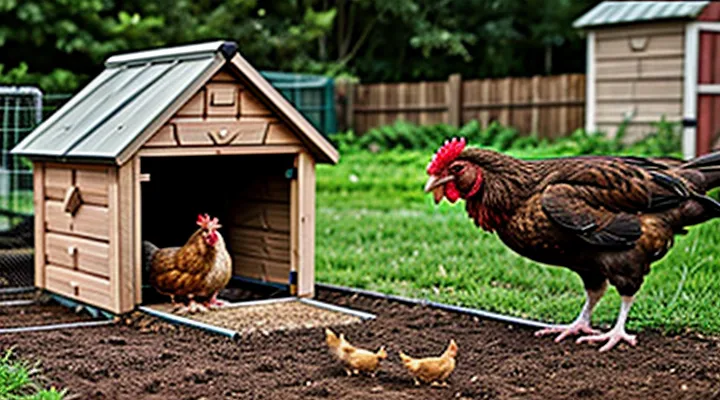
Understanding the Rat Problem
Why Rats are Attracted to Chicken Coops
Food Sources
Rats are attracted to any readily available food within a chicken enclosure. The primary sources include:
- Loose or spilled poultry feed
- Whole‑grain or cracked corn left on the floor
- Seed mixes and kitchen scraps
- Uneaten treats or supplemental feed
- Pet food stored near the coop
- Compost piles or rotting vegetation in the surrounding area
Each of these items provides a high‑calorie, easily accessible meal for rodents. Removing the attraction eliminates the incentive for rats to enter the coop.
Secure feed in airtight, metal containers with tight‑fitting lids. Place feeders on elevated platforms that prevent rats from climbing or chewing through. Clean the coop daily; sweep up any feed that falls from feeders and dispose of it in a sealed trash receptacle. Avoid scattering grain on the ground; use measured portions that chickens can consume within a short period.
Inspect the coop perimeter for debris, leaf litter, and overgrown grass that can conceal food sources. Trim vegetation to a few inches from the structure. Relocate compost bins at least ten feet away and cover them with a solid lid. Remove any spilled feed from adjacent walkways promptly.
By eliminating all accessible food, the coop becomes an unattractive environment for rats, reducing the likelihood of infestation without reliance on chemical controls.
Shelter and Security
A well‑constructed coop limits rat access by eliminating entry points and providing a stable environment for chickens. Use hardware‑grade wire mesh (minimum ½‑inch openings) for all ventilation and windows, and secure it with rust‑proof staples or screws. Seal gaps around doors, windows, and utility lines with metal flashing or expanding foam that rats cannot chew through.
Maintain structural integrity to prevent rodents from exploiting wear. Replace rotted wood, cracked panels, and corroded fasteners promptly. Install a hinged, latch‑equipped door that closes tightly; a latch should require a two‑handed motion to discourage accidental opening by poultry.
Implement these security measures:
- Fit the coop’s floor with a concrete slab or raised platform that includes a metal skirt extending at least 12 inches outward and 2 inches underground.
- Attach a smooth‑sided metal or PVC apron around the base of the coop to block climbing.
- Use a lockable, weather‑sealed latch on all access doors.
- Position feed and water containers on elevated platforms to keep them out of reach from ground‑level pests.
- Conduct weekly inspections for new holes, loose wire, or damaged seals, and repair immediately.
A rigid, gap‑free enclosure combined with regular inspections creates a hostile environment for rats, reducing the likelihood of infestation while protecting the flock’s health and productivity.
Water Access
Proper water management reduces rodent attraction in a poultry enclosure. Provide water only when chickens need it, and remove containers after each use. Use narrow, sealed troughs that prevent rats from climbing or entering. Install automatic drinkers with break‑away lids that close when not in use. Place water sources away from walls and nesting boxes to limit easy access for rats.
- Choose metal or heavy‑duty plastic containers; lightweight buckets are easily overturned.
- Elevate drinkers on sturdy stands at least 12 inches above the floor.
- Clean spillage daily; any standing water encourages rodent activity.
- Inspect seals and fittings weekly for cracks that could become entry points.
- Consider drip‑feed systems that deliver water directly to chickens, eliminating open pans.
Limiting water availability without compromising flock health forces rodents to seek alternative sources, thereby decreasing their presence in the coop. Regular maintenance of water equipment sustains hygiene and deters rat infestation.
Signs of a Rat Infestation
Droppings and Urine
Rat droppings and urine create a potent attractant for further rodent activity and a health hazard for chickens. Droppings appear as dark, pellet‑shaped feces near feeding stations, nesting boxes, and corners where rats travel. Urine stains manifest as yellowish discoloration on wood, straw, or metal surfaces and emit a strong ammonia odor.
Effective management requires immediate removal and thorough sanitation:
- Collect all visible droppings with disposable gloves and a sealed bag; discard in a sealed container.
- Scrape urine‑soaked material from perches, litter, and feed trays; replace with fresh, dry bedding.
- Wash contaminated surfaces with a solution of one part bleach to nine parts water; let stand for at least ten minutes before rinsing.
- Apply a rodent‑repellent disinfectant (e.g., a commercial enzyme cleaner) to neutralize residual scent markers that rats use for navigation.
- Dry all cleaned areas completely; moisture encourages both rat activity and bacterial growth.
Regular inspection—twice weekly for the first month, then weekly—identifies new deposits before they accumulate. Maintaining a droplet‑free, odorless environment removes the primary sensory cues that draw rats into the coop, thereby supporting long‑term rodent exclusion.
Gnaw Marks
Gnaw marks are the most reliable visual evidence of rodent intrusion in a poultry enclosure. They appear as clean, crescent‑shaped bites on wood, plastic, or metal, often accompanied by splintered edges. The size of the teeth imprint correlates with the animal’s age; larger, deeper cuts indicate mature rats, while shallow nicks suggest juveniles.
Typical locations include:
- Perimeter boards where the coop meets the ground.
- Feed troughs and water containers.
- Wire mesh near ventilation openings.
- Nesting boxes and roosting rails.
Each set of marks points to a specific weakness that rodents exploit for entry or for accessing food and water. Identifying the exact spot allows targeted repairs and prevents further damage.
To address gnaw marks promptly:
- Clean the area with a disinfectant to remove saliva and urine.
- Remove compromised material; replace with steel‑reinforced hardware cloth or solid wood.
- Seal gaps with stainless‑steel mesh, expanding foam, or metal flashing.
- Install snap traps or electronic bait stations near the repaired site.
- Monitor the repaired area daily for new bites.
Long‑term prevention relies on eliminating opportunities for chewing:
- Cover all feed containers with tight‑locking lids.
- Keep the coop floor dry and free of spilled grain.
- Install a continuous perimeter of ¼‑inch hardware cloth buried 6 inches underground.
- Conduct weekly inspections, focusing on corners, joints, and any repaired sections.
By treating gnaw marks as actionable data rather than incidental damage, owners can interrupt the infestation cycle, protect flock health, and maintain structural integrity of the coop.
Burrows and Tunnels
Rats exploit existing burrows and create tunnels beneath a chicken coop to gain undetected access to feed, nesting material, and shelter. These sub‑surface passages are typically shallow, extending 6–12 inches below the ground, and connect to larger holes in the coop’s foundation or walls.
Identify burrow entrances by looking for fresh soil mounds, gnawed wood, or droppings near the coop perimeter. Follow each opening to its source; multiple tunnels often converge into a central nesting chamber. Seal all visible openings with heavy‑duty hardware cloth (½‑inch mesh) or cement, ensuring the material is buried at least 12 inches deep to prevent re‑excavation.
Implement preventative measures that disrupt tunnel formation:
- Install a concrete or stone apron around the coop base, extending 2 feet outward and sloping away from the structure.
- Lay a 3‑inch layer of crushed stone or galvanized hardware cloth beneath the coop floor, overlapping seams by 6 inches.
- Keep feed storage elevated and sealed; remove spillage promptly to eliminate attractants that encourage burrowing.
- Conduct quarterly inspections of the ground surrounding the coop, repairing any new openings immediately.
By eliminating existing burrows, reinforcing the coop foundation, and maintaining a clean, unattractive environment, rats lose the underground routes they rely on, reducing the likelihood of infestation.
Sightings
Observing rat activity inside a chicken enclosure is the first step toward effective control. Direct sightings provide immediate evidence, while indirect signs confirm a developing problem.
When rats are seen, they typically appear at dusk or before sunrise, moving along the coop’s perimeter or climbing the feeder. They may be spotted crossing the run, entering the nesting boxes, or dragging debris into hidden corners. Note the time of day, number of individuals, and their behavior; multiple sightings in a short period indicate a breeding population.
In addition to visual encounters, look for these reliable indicators:
- Fresh droppings, approximately one centimeter long, scattered on perches, feed trays, and dust bedding.
- Gnawed wood, wire mesh, or plastic components, especially around feed containers and water lines.
- Chewed seed hulls, corn kernels, or grain found outside the feed trough.
- Burrows or tunnels along the coop walls, often concealed by straw or shavings.
- Fresh urine stains, leaving a distinct odor on surfaces and bedding.
Document each observation with date, location, and description. Consistent records reveal patterns such as preferred entry points, peak activity times, and population growth. Use this information to prioritize sealing gaps, setting traps, and deploying bait stations precisely where rats are most active. Prompt action after the first confirmed sighting prevents escalation and protects the flock’s health.
Preventing Rat Infestations
Securing the Chicken Coop
Rat-Proofing Materials
Use hardware cloth with a mesh opening no larger than ¼ inch for all exterior walls, floor, and roof openings. The material resists gnawing and provides a permanent barrier. Welded wire of similar gauge offers comparable strength but may be heavier to install; select a thickness of at least 20 gauge.
Apply metal flashing around vent pipes, water lines, and any protruding hardware. Galvanized steel or stainless‑steel flashing prevents corrosion and maintains structural integrity for years. Seal all seams with a durable, rod‑resistant silicone caulk; ensure the sealant remains flexible to accommodate temperature changes.
Install a concrete or cement floor slab at least 4 inches thick. Concrete eliminates gaps where rodents can burrow and provides a clean, easy‑to‑sanitize surface. If a full slab is impractical, use a cement‑based floor coating over a sturdy base board, extending the coating up the walls by at least 2 inches.
Choose door hinges and latches made of steel, equipped with self‑closing mechanisms. Reinforce door frames with metal corner brackets and apply rod‑proof strips along the interior edge of each door. Ensure all access points close tightly; even a 1‑mm gap can allow entry.
Recommended rat‑proofing materials:
- ¼‑inch hardware cloth (galvanized or stainless steel)
- 20‑gauge welded wire mesh
- Galvanized steel flashing
- Rod‑resistant silicone caulk
- Concrete slab (minimum 4 inches) or cement floor coating
- Steel hinges and self‑closing latches
- Metal corner brackets and rod‑proof door strips
Select each component for durability, corrosion resistance, and mesh size that prevents gnawing. Install without gaps, secure all fasteners, and verify that every opening is sealed before introducing chickens.
Sealing Entry Points
Effective rat control in a poultry house begins with eliminating every opening that rodents can exploit. Identify all potential entry points by inspecting the coop’s foundation, walls, roof, and ventilation structures. Pay special attention to gaps around doors, windows, feed bins, and utility lines. Measure each opening; even a quarter‑inch crack can admit a determined mouse.
- Apply steel wool or copper mesh to fill gaps larger than a half‑inch before sealing with a durable caulk or expanding foam.
- Use hardware cloth (½‑inch or smaller mesh) to cover larger holes, securing it with stainless‑steel screws to prevent corrosion.
- Install self‑closing hinges on doors and windows; adjust the latch so it fully seals when closed.
- Seal gaps around pipe penetrations with metal flashing and silicone sealant designed for exterior use.
- Cover ventilation openings with fine wire mesh, ensuring the mesh is firmly attached and does not obstruct airflow.
After repairs, conduct a water‑spray test: spray a light mist around the coop’s perimeter and observe for air movement that indicates remaining leaks. Re‑inspect after heavy rain or seasonal temperature changes, as building materials can shift and create new openings. Maintaining a sealed envelope prevents reinfestation and supports long‑term rodent exclusion.
Elevating the Coop
Elevating the coop creates a physical barrier that prevents rats from accessing nesting boxes, feed, and water. Raising the structure at least 12–18 inches off the ground forces rodents to climb, a task they avoid when safer routes are unavailable.
A solid, non‑slick platform reduces footholds. Use pressure‑treated lumber, metal brackets, or concrete blocks to support the floor. Space the supports evenly to avoid sagging and to distribute weight, which limits gaps where rats can squeeze through. Install a smooth, metal or PVC skirt around the perimeter of the raised floor; anchor it firmly into the ground and overlap seams to eliminate openings larger than ¼ inch.
Provide a secure ramp or ladder for chickens. The ramp should be steep enough to discourage rats but equipped with a rough surface or wire mesh to give chickens traction. Ensure the ramp’s base rests on a solid surface to prevent wobbling that could attract rodents.
Maintain clearance beneath the coop. Keep the area free of debris, vegetation, and stored feed. Regularly sweep the underside to remove droppings and nesting material, which otherwise attract pests.
Key actions for successful elevation:
- Raise the coop minimum 12 inches above ground.
- Use durable, non‑porous materials for the floor and skirt.
- Seal all gaps, joints, and vent openings with metal mesh or steel wool.
- Install a rat‑proof ramp with a textured surface.
- Keep the space under the coop clean and free of attractants.
By implementing these measures, the coop becomes a hostile environment for rats while remaining accessible and safe for the flock.
Managing Food and Water
Storing Feed Properly
Proper feed storage is a critical factor in preventing rodent activity within a poultry enclosure. Feed that is exposed to moisture, air, or easy access points creates an attractive food source, encouraging rats to enter and remain.
- Use airtight containers made of metal or heavy-duty plastic; ensure lids seal completely.
- Position containers on raised platforms or shelves to keep them off the ground, reducing direct contact with droppings and gnaw marks.
- Store feed in a cool, dry area away from the coop’s door and ventilation openings; temperature fluctuations can attract pests.
- Label each container with the date of purchase and rotate stock so older feed is used first, preventing spoilage that draws rodents.
- Inspect containers regularly for cracks, holes, or compromised seals; replace damaged units immediately.
Maintain a clean perimeter around the feed storage zone. Remove spilled grain or crumbs daily, and sweep the area to eliminate residual scents. By restricting food availability through rigorous storage practices, the incentive for rats to infiltrate the chicken environment diminishes significantly.
Using Rat-Proof Feeders
Rat‑proof feeders prevent rodents from accessing grain while allowing chickens to feed freely. The design typically incorporates a metal or heavy‑duty plastic housing with a small entry slot that closes under the weight of a chicken. When a bird steps on the platform, the latch opens; when the bird steps off, the latch shuts, blocking larger pests.
Key characteristics of an effective feeder:
- Solid construction; steel or reinforced polymer resists gnawing.
- Weighted base; prevents tipping by rats.
- Self‑closing mechanism; restricts entry to animals lighter than chickens.
- Easy cleaning; detachable trays reduce contamination risk.
- Secure mounting; bolts or brackets attach the unit to the coop wall or floor.
Installation steps:
- Choose a location away from walls where rats could climb.
- Mount the feeder at chicken head height, typically 12–18 inches above the ground.
- Verify that the latch opens with a chicken’s weight and closes when the bird steps away.
- Fill the feeder with feed, ensuring no excess grain spills onto the coop floor.
- Inspect the unit weekly for damage, rust, or latch wear; replace components as needed.
Maintenance practices enhance durability. Clean the interior after each feeding cycle to remove droppings and seed remnants. Apply a food‑grade rust inhibitor to metal parts quarterly. Replace worn seals promptly to maintain the tight closure that blocks rodent entry.
Integrating rat‑proof feeders with other rodent‑control measures—such as sealed storage containers, regular coop cleaning, and predator‑friendly landscaping—creates a comprehensive barrier. The result is reduced grain loss, lower disease transmission risk, and a healthier environment for the flock.
Limiting Spillage
Limiting spillage is a fundamental component of rodent management in a poultry enclosure. Food and water that fall onto the floor create a constant attractant for rats, encouraging them to linger and reproduce. By keeping the coop clean and preventing waste from accumulating, you remove a primary food source and reduce the likelihood of infestation.
Implement the following practices to control spillage:
- Feed chickens in a designated trough with raised edges; clean any leftovers before they reach the ground.
- Use a waterer with a spill‑proof design; wipe the area around it daily.
- Install a sloped floor or removable litter trays that channel debris into a collection bin.
- Remove cracked feed bags and replace them with airtight containers.
- Sweep or rake the coop floor at least once per day, disposing of waste in a sealed container away from the coop.
Consistent application of these measures deprives rats of easy access to food, forcing them to seek alternative habitats and reducing the overall population pressure within the coop environment.
Removing Standing Water
Standing water creates a reliable drinking source for rats, encouraging them to explore and inhabit a chicken enclosure. Eliminating these reservoirs removes one of the most attractive elements of the environment and forces rodents to seek food elsewhere.
Identify all locations where water accumulates: low spots in the floor, leaking gutters, puddles under feed containers, and condensation on metal surfaces. Inspect the coop after rain and during cleaning cycles to detect hidden pools.
Take corrective actions:
- Repair roof, walls, and drainage to prevent leaks.
- Grade the coop floor toward a proper runoff channel or install a sloped base.
- Use absorbent bedding and change it regularly to keep the surface dry.
- Position waterers on raised platforms with drip trays that can be emptied daily.
- Install gutters with downspouts that direct water away from the structure.
Maintain a schedule that includes weekly visual checks, monthly cleaning of waterer trays, and quarterly inspection of the coop’s exterior for erosion or damage. Consistent removal of standing water reduces rat attraction, supports healthier poultry, and simplifies overall pest management.
Maintaining a Clean Environment
Regular Coop Cleaning
Regular cleaning of a chicken enclosure removes food scraps, droppings, and nesting material that attract rodents. When waste accumulates, rats locate the coop as a reliable source of nourishment and shelter; eliminating these resources forces the pests to seek alternative habitats.
A systematic cleaning routine includes:
- Daily removal of spilled feed and broken eggs.
- Weekly scrubbing of perches, roosts, and floor surfaces with a disinfectant safe for poultry.
- Bi‑weekly replacement of bedding material, ensuring all soiled layers are discarded in sealed containers.
- Monthly inspection of ventilation openings, doors, and cracks; seal any gaps that could serve as entry points.
Consistent execution of these steps reduces the environmental cues that draw rats, supporting long‑term pest management in a poultry coop.
Removing Clutter
Removing unnecessary items from a chicken coop reduces hiding places and food sources that attract rats. Loose bedding, broken equipment, and excess feed containers create a maze of shelter where rodents can breed and move undetected. By eliminating these elements, you limit the coop’s suitability for infestation.
Key actions:
- Clear all broken or unused structures; dispose of them far from the coop.
- Store feed in sealed, metal containers with tight-fitting lids.
- Keep nesting boxes and perches clean; wipe away spilled grain after each feeding.
- Trim vegetation and remove debris within a two‑meter radius to prevent rodents from using it as a runway.
- Organize tools on racks or shelves, leaving floor space open for regular inspection.
A clutter‑free environment simplifies monitoring, making it easier to spot signs of rodent activity and to apply additional control measures promptly. Regular maintenance of this order maintains a hostile setting for rats and supports overall coop health.
Trimming Vegetation
Trimming vegetation around a poultry enclosure reduces shelter and travel routes for rodents, making the area less attractive to them. Dense grass, weeds, and low branches provide cover for rats to hide during daylight and to move between food sources undetected.
- Cut grass to a height of 4–6 inches, removing any clumps that could conceal burrows.
- Remove weeds and tall plants within a 10‑foot perimeter of the coop; pull roots to prevent regrowth.
- Trim low-hanging branches and shrubs so that no foliage touches the ground or the coop structure.
- Dispose of trimmed material away from the coop; composting in a sealed container prevents rodents from accessing it.
- Inspect the trimmed zone weekly and repeat mowing after heavy rain or rapid growth periods.
A clear perimeter forces rats to travel in open sight, exposing them to predators and reducing their ability to approach the coop unnoticed. Maintaining this vegetation control consistently complements other rodent‑deterrent measures and helps keep the chicken environment safe.
Methods for Rat Control
Non-Lethal Approaches
Live Traps
Live traps provide a humane solution for removing rats from a poultry enclosure. They capture the animal without killing it, allowing owners to relocate the rodent away from the coop.
Select a trap designed for medium‑sized rodents. Common models include:
- Wire cage traps with a spring‑loaded door.
- Multi‑catch traps that hold several rats before needing emptying.
- Box traps with a hinged lid activated by a pressure plate.
Bait the trap with foods rats prefer, such as peanut butter, dried fruit, or cracked corn. Place the bait at the far end of the cage to ensure the rat must fully enter before the door closes.
Optimal placement follows rat activity patterns. Position traps along walls, near droppings, or beside gnaw marks. Keep traps at least 12 inches off the ground to prevent chickens from reaching them.
Check traps at least twice daily. Remove captured rats promptly to avoid stress and potential disease transmission. Release the animal at least five miles from the coop, preferably in a wooded area where it cannot return.
Advantages of live traps:
- No lethal chemicals or poisons.
- Reduces risk of secondary poisoning for chickens.
- Allows monitoring of capture rates to assess infestation severity.
Disadvantages:
- Requires regular maintenance and handling of live rodents.
- May not eliminate a large population quickly without multiple traps.
- Legal restrictions on relocation vary by region; verify local wildlife regulations before release.
Integrating live traps with sanitation measures—securing feed, sealing entry points, and removing debris—enhances overall effectiveness in controlling rat presence within the chicken coop.
Natural Deterrents
Natural deterrents can suppress rodent presence in a poultry enclosure without chemicals.
Peppermint oil, diluted with water, creates an olfactory barrier that rodents avoid. Apply the mixture to the coop’s exterior walls and near entry points, reapplying weekly.
Garlic cloves, crushed and scattered around the perimeter, emit a scent that repels rats. Replace the cloves every ten days to maintain potency.
Cayenne pepper, sprinkled in thin layers on the floor and in nesting boxes, irritates rodent sensory receptors. Use sparingly to avoid harming chickens; a light dusting suffices.
Predator urine, such as that of foxes or owls, can be purchased in spray form. Distribute the spray near suspected pathways; the scent signals danger, prompting avoidance.
Herbs like rosemary, thyme, and sage produce strong aromas that deter rodents. Plant these around the coop or hang dried bundles inside to create a continuous deterrent field.
Motion-activated lights or ultrasonic emitters disrupt nocturnal activity. Position devices at tunnel openings and feed storage areas; power them continuously for maximum effect.
Implementing these measures together forms a multi‑sensory barrier, reducing rat intrusion while preserving a safe environment for poultry.
Predators and Guard Animals
Using natural predators and guard animals can suppress rodent populations in a poultry enclosure without chemicals. Predatory species hunt rats, create a hostile environment, and reduce the need for traps or poisons.
Cats are the most common choice; a healthy, indoor‑trained cat will patrol the coop, chase, and kill rats. Ferrets excel at entering tight spaces and flushing rodents from hidden burrows. Certain dog breeds, such as terriers, are bred to chase and capture small vermin; they can be taught to monitor the coop perimeter. Birds of prey, including owls and hawks, deter rats from the area when nesting boxes are installed nearby.
Integrating guard animals requires careful planning. Animals must be healthy, vaccinated, and accustomed to chickens to prevent aggression toward the flock. Provide separate shelter, food, and water to avoid competition. Regularly inspect the coop for injuries caused by the predators and adjust the animal’s access if stress signs appear in the chickens.
- Select predator species compatible with local climate and coop layout.
- Keep predators confined to designated zones using fences or enclosures.
- Rotate or supplement predators to maintain hunting motivation.
- Monitor rodent activity weekly and record any changes.
- Ensure predators do not become a source of disease for the flock by maintaining veterinary care.
Lethal Approaches
Snap Traps
Snap traps are a rapid‑acting method for eliminating rats that infiltrate a poultry enclosure. The device consists of a spring‑loaded bar that snaps shut when the baited trigger is disturbed, delivering an instantaneous lethal force. Because the mechanism does not rely on poison, it eliminates the risk of contaminating feed or eggs.
Effective deployment requires strategic placement. Position traps along walls, near entry points, and behind feed containers where rats travel. Secure each trap on a stable surface to prevent wobbling, which can cause missed kills and allow rats to escape. Use a small amount of attractive bait—such as peanut butter, dried fruit, or bits of grain—placed directly on the trigger plate. Replace bait daily to maintain scent strength.
Selection criteria focus on size and durability. Choose traps rated for 200–300 g rodents; larger models accommodate adult rats. Stainless‑steel construction resists rust in the humid environment of a coop. Ensure the trigger sensitivity is adjustable, allowing fine‑tuning to avoid premature activation by chickens or other non‑target animals.
Maintenance involves regular inspection. Remove dead rodents promptly to prevent disease spread and to keep the trap functional. After each capture, clean the trigger mechanism with a mild disinfectant, then dry thoroughly before resetting. Replace worn springs or broken components to preserve snap force.
Advantages of snap traps include:
- Immediate kill, reducing suffering.
- No chemical residues, preserving food safety.
- Low cost per unit, enabling extensive coverage.
- Reusability, decreasing long‑term expenses.
Limitations to consider:
- Requires careful positioning to avoid harming birds.
- Effectiveness depends on consistent baiting and monitoring.
- May need frequent resetting in high‑infestation scenarios.
Integrating snap traps with complementary measures—such as sealing gaps, removing attractants, and maintaining clean bedding—creates a comprehensive rodent‑control program for a chicken coop.
Electric Traps
Electric traps provide rapid, humane control of rodent populations in poultry housing. The devices deliver a high‑voltage shock that instantly incapacitates a rat upon contact with the electrified grid. Because the kill is instantaneous, the method eliminates the risk of prolonged suffering and reduces the chance of disease transmission within the coop.
Key considerations when selecting and deploying electric traps:
- Voltage rating of at least 2,000 V to ensure reliable lethality for adult rats.
- Enclosed housing to prevent chickens from accessing the electrified components.
- Battery‑operated or solar‑powered models for locations without reliable electricity.
- Built‑in indicator lights that signal successful captures, facilitating timely removal of carcasses.
Placement guidelines maximize effectiveness while safeguarding poultry:
- Install traps along established runways, typically near walls, feed stations, or water lines where rats travel.
- Position devices at least 12 inches above the coop floor to avoid accidental contact by chickens.
- Space multiple units evenly when the infestation covers a large area; a density of one trap per 50 sq ft is a practical benchmark.
Maintenance procedures ensure continued performance:
- Empty captured rodents daily to prevent odor buildup that could attract additional pests.
- Clean the grid with a mild detergent and dry thoroughly to preserve conductivity.
- Test the power source weekly; replace batteries or recharge solar panels as needed.
Cost factors influence adoption decisions. Basic models range from $30 to $60 per unit, while heavy‑duty, weather‑sealed options can exceed $120. Bulk purchases often qualify for discounts, reducing per‑trap expense for larger operations.
When combined with complementary measures—such as sealing entry points, removing food sources, and maintaining clean bedding—electric traps become a central component of an integrated rodent‑management program for chicken coops.
Baits and Rodenticides
Baits and rodenticides provide a direct method for reducing rat populations in a poultry enclosure. Their effectiveness depends on correct product selection, precise placement, and strict adherence to safety protocols.
- Anticoagulant rodenticides (e.g., brodifacoum, bromadiolone) disrupt blood clotting, leading to death after several days of ingestion.
- Non‑anticoagulant options (e.g., zinc phosphide) release phosphine gas in the stomach, causing rapid mortality.
- First‑generation anticoagulants (warfarin, chlorophacinone) require multiple feedings; second‑generation compounds act after a single dose.
Place bait stations at least three feet from feed and water containers, using tamper‑resistant containers that prevent chickens from accessing the product. Position stations along walls, near entry points, and in concealed corners where rats travel. Secure stations with lockable lids and label them clearly.
Apply the amount specified on the label, accounting for the size of the target area and the estimated rat activity. Rotate products annually to mitigate resistance development. Monitor stations weekly, removing uneaten bait and replenishing as needed. Record observations to assess population trends.
Comply with local regulations governing rodenticide use in agricultural settings. Dispose of expired or unused bait according to hazardous waste guidelines. Maintain records of product name, batch number, and application dates for traceability and regulatory review.
Professional Pest Control
Professional pest control offers a systematic approach to eliminating rodent activity in a poultry enclosure. Certified technicians begin with a thorough inspection, identifying entry points, nesting sites, and food sources. They document structural vulnerabilities such as gaps around doors, vent openings, and utility lines.
After assessment, technicians implement a combination of control measures:
- Sealing all exterior openings using steel mesh, cement, or weather‑resistant caulking.
- Installing bait stations equipped with tamper‑proof containers and rodenticide formulations approved for use around livestock.
- Deploying snap traps or electronic devices in concealed locations to reduce population quickly.
- Applying rodent‑proof flooring or concrete barriers beneath coop foundations to prevent burrowing.
Throughout the process, technicians follow strict safety protocols to protect chickens from secondary poisoning. They schedule follow‑up visits to monitor trap activity, replace consumables, and verify that exclusion methods remain intact. Documentation of each service visit provides traceability and compliance with agricultural regulations.
Choosing a licensed pest‑control provider ensures access to regulated products, expertise in rodent behavior, and liability coverage in case of unintended damage. The result is a durable reduction in rodent pressure, safeguarding bird health, feed quality, and overall coop integrity.
Post-Extermination Measures
Cleaning and Sanitizing
Removing Carcasses
Removing carcasses promptly eliminates a primary food source that attracts rats to a poultry enclosure. Decomposing birds release scent cues that rats detect from considerable distances, encouraging repeated visits and breeding. Consequently, any dead bird left in the coop or surrounding area creates a persistent draw for rodent activity.
Effective carcass management requires a systematic approach:
- Daily inspection – Walk the coop each morning and evening, checking nesting boxes, roosts, and the floor for signs of mortality.
- Immediate removal – Place each carcass in a sealed, waterproof container or heavy‑duty bag to contain odor.
- Sanitary disposal – Transport sealed containers to a licensed rendering facility, incinerator, or deep freezer for later disposal. If local regulations permit, bury the carcass at a depth of at least three feet, away from water sources.
- Disinfection – After removal, clean the affected area with a diluted bleach solution (1 part bleach to 9 parts water) or an approved poultry‑safe disinfectant. Rinse and allow to dry completely before restoring bedding.
- Preventive measures – Install a dedicated “dead‑bird” bin near the coop entrance, ensuring it is covered and emptied regularly. Rotate bedding weekly to reduce moisture that can mask odors.
Maintaining a strict carcass‑removal routine reduces the nutritional incentive for rats, limits population growth, and supports overall biosecurity within the chicken environment.
Disinfecting the Coop
After eliminating rodents, the coop must be disinfected to prevent disease and discourage re‑infestation. Begin by removing all bedding, feed, and debris. Sweep the floor, walls, and perches to eliminate droppings and nesting material. Rinse surfaces with hot water (at least 140 °F) to dissolve organic residues.
Apply a veterinary‑approved disinfectant that is effective against bacterial, viral, and parasitic agents. Follow the manufacturer’s dilution ratio, ensuring full coverage of all surfaces, including cracks, feeder trays, and water lines. Allow the solution to remain for the contact time specified on the label, typically 10–15 minutes.
Rinse the coop with clean water to remove chemical residues, then dry thoroughly. Use fans or open the structure to promote airflow. Replace bedding with fresh, absorbent material and inspect for any damage that could provide shelter for rodents.
Disinfection checklist
- Remove bedding, feed, and waste
- Sweep and vacuum interior surfaces
- Rinse with hot water (≥140 °F)
- Apply approved disinfectant at correct dilution
- Observe required contact time
- Rinse and dry completely
- Re‑stock with clean bedding and inspect for repairs
A systematic approach ensures a sanitary environment, reduces the likelihood of disease transmission, and makes the coop less attractive to future rodent activity.
Monitoring for Reinfestation
Regular Inspections
Regular inspections form the cornerstone of an effective rodent control program in a poultry enclosure. By systematically examining the coop, owners can detect early signs of infestation before populations expand.
- Inspect the building weekly during the breeding season and bi‑weekly in colder months. Adjust frequency if activity spikes.
- Check the interior for gnaw marks on wood, droppings near feeding stations, shredded bedding, and broken wire mesh.
- Examine the exterior for burrows, pathways, and gaps larger than ¼ inch. Pay special attention to vents, doors, and utility openings.
- Test feed containers for chew damage and verify that lids seal tightly. Replace any compromised containers immediately.
- Review water lines for leaks that may attract rats. Repair or reroute sources of standing water.
Document each visit with a checklist, noting location, type of evidence, and corrective actions taken. Maintaining records enables trend analysis, helping to predict peak activity periods and to evaluate the success of deterrent measures. Prompt remediation—such as sealing entry points, trimming vegetation, and resetting bait stations—prevents small problems from escalating into full‑scale infestations.
Continued Prevention Strategies
Effective long‑term control of rodent activity in a poultry enclosure requires a combination of structural, environmental, and management measures.
Secure the building envelope. Seal all gaps larger than ¼ inch in walls, doors, windows, and ventilation openings with metal flashing, hardware cloth, or expanding foam. Install a tight‑fitting latch on every door and ensure that latches engage fully when closed.
Eliminate food sources. Store feed in sealed metal containers with tight lids. Clean spilled grain and droppings daily. Use automatic dispensers that release only the amount needed for each feeding period.
Limit shelter options. Remove debris, piles of straw, and loose nesting material that provide cover. Keep the coop floor dry and well‑ventilated; replace wet bedding promptly. Trim vegetation within a two‑meter perimeter to reduce hiding places.
Implement regular monitoring. Conduct weekly visual inspections for gnaw marks, droppings, and burrow entrances. Place snap traps or electronic monitors along known travel routes and check them at least every 48 hours.
Maintain predator presence. Encourage barn owls, hawks, or trained feral cats by providing perches and nesting boxes. Their natural hunting activity deters rodents from establishing colonies.
Schedule periodic maintenance. Re‑apply sealants after severe weather, replace damaged hardware cloth, and rotate trap locations to avoid habituation.
Document actions. Keep a log of inspections, repairs, and trap counts to identify trends and adjust strategies promptly.