
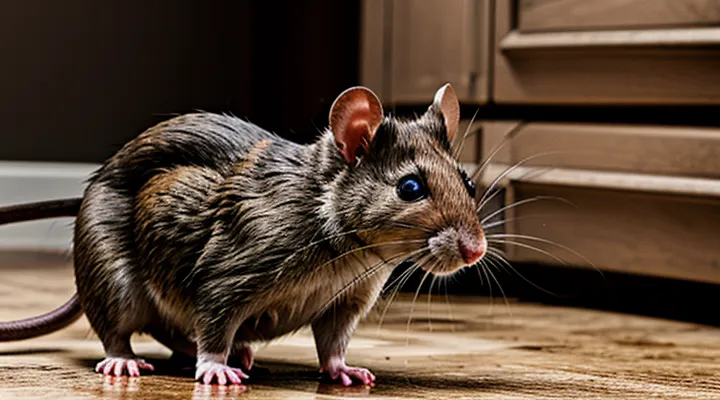
Understanding the Pest Problem
Identifying Rodent Infestation
«Signs of Rats and Mice»
«Signs of Rats and Mice» provide the first indication that a rodent problem exists inside a residence. Early detection allows timely intervention and prevents extensive damage.
- Dark, cylindrical droppings, typically ¼‑inch long, found along walls, behind appliances, or in cabinets.
- Gnaw marks on wood, plastic, or wiring, often exhibiting a clean, beveled edge.
- Fresh tracks in dust, flour, or low‑traffic areas; footprints may show four toes on the front feet and five on the hind feet.
- Small, shredded nests constructed from insulation, fabric, or paper, located in concealed spaces such as attics, basements, or wall voids.
- Scratching or scurrying noises, especially at night, emanating from ceilings, walls, or ceiling voids.
- Strong, oily odor resembling stale cheese or urine, commonly detected near nesting sites.
- Damaged food packaging, chewed open containers, or spilled grain and cereal residues.
- Visible burrow entrances or runways in insulation, mulch, or stored firewood.
Each sign confirms the presence of either rats or mice and should trigger a targeted control strategy to eliminate the infestation and protect the household environment.
«Common Entry Points»
Identifying and sealing entryways is a prerequisite for eliminating rodent infestations. Failure to block access allows rats and mice to re‑enter even after extermination measures.
Typical ingress locations include:
- Gaps around plumbing, electrical, and gas lines; these openings often measure less than a quarter inch.
- Cracks in foundation walls or slab; moisture‑induced expansion can widen these fissures over time.
- Unscreened or damaged vent openings; vents for dryer exhaust, bathroom fans, and attic ventilation frequently lack adequate mesh.
- Spaces beneath exterior doors; weatherstripping gaps exceeding one centimeter provide convenient passage.
- Openings in eaves, soffits, and roof fascia; loose siding or missing shingles create direct routes to attic spaces.
- Utility entry points for cable, telephone, and satellite lines; improper sealing leaves holes for rodents to exploit.
- Access panels in basements and crawl spaces; hinges without tight closures serve as entryways.
- Damaged window screens or broken glass; rodents can squeeze through openings as small as ¾ inch.
Each identified point should be inspected, cleaned, and sealed with appropriate materials such as steel wool, caulk, concrete, or metal flashing. Regular maintenance of these barriers reduces the likelihood of future intrusion and supports long‑term control efforts.
Risks Associated with Rodents
«Health Hazards»
Rats and mice introduce a range of health threats that compromise indoor environments. Their presence creates direct exposure to pathogens, contaminants, and allergens, each capable of causing serious illness.
Key hazards include:
- Bacterial infections such as salmonellosis and leptospirosis, transmitted through urine, feces, and contaminated surfaces.
- Viral diseases, notably hantavirus pulmonary syndrome, spread by inhalation of aerosolized droppings.
- Parasitic infestations, including fleas and mites that may bite humans and transmit additional pathogens.
- Allergic reactions triggered by rodent dander and urine proteins, leading to asthma exacerbations and rhinitis.
- Food spoilage and contamination, resulting from gnawing and deposition of droppings on stored items.
Mitigating these risks requires prompt elimination of rodents, sealing entry points, and thorough sanitation of affected areas. Failure to address the identified threats sustains a cycle of infection and deteriorates indoor air quality.
«Property Damage»
Rats and mice inflict extensive structural and financial loss. Their incisors gnaw through wood, insulation, and plastic, compromising load‑bearing elements and exposing interiors to moisture. Electrical wiring is a frequent target; chewed cables create short circuits, increase fire risk, and necessitate costly repairs. Stored food and packaging are contaminated by droppings and urine, rendering products unsellable and violating health regulations.
Common manifestations of damage include:
- Compromised wooden beams and joists
- Deteriorated insulation and drywall
- Severed or exposed electrical conductors
- Corroded plumbing fixtures
- Contaminated food supplies and packaging
Addressing the problem promptly prevents escalation. Effective control measures—such as sealing entry points, deploying bait stations, and engaging professional extermination services—eliminate the source of damage and protect the integrity of the dwelling. Regular inspections verify that repairs remain intact and that re‑infestation does not recur.
Prevention Strategies
Sealing Entry Points
«Inspecting Your Home's Exterior»
Inspecting the exterior of a residence is a critical step in preventing rodent infestations. Identify all potential entry points by walking around the building and examining the foundation, walls, and roofline. Pay particular attention to gaps larger than one‑quarter inch, as these allow rats and mice to gain access. Seal cracks with steel wool and caulk, and install door sweeps on all exterior doors.
Check the surrounding environment for conditions that attract rodents. Remove dense vegetation, debris, and woodpiles that provide shelter. Keep firewood stored off the ground and at least three feet away from the house. Ensure that garbage containers have tight‑fitting lids and are positioned away from the building.
Look for signs of activity that indicate a current problem. Common indicators include droppings, gnaw marks, and burrow entrances near the foundation. Track footprints in dusty areas or mud to locate high‑traffic routes. Install motion‑activated lights or cameras to monitor nocturnal movement.
Maintain a regular inspection schedule. Conduct a thorough exterior review at least once each season, and after severe weather events that may create new openings. Document findings and repairs to track progress and prevent future re‑infestations.
«DIY Sealing Methods»
Effective rodent exclusion begins with sealing every potential entry point. Identifying gaps, cracks, and openings in walls, floors, and foundations eliminates the primary pathways that rats and mice exploit to access indoor spaces.
«DIY Sealing Methods» include:
- Apply steel wool tightly into small holes, then cover with expanding polyurethane foam to create a durable barrier.
- Use cement-based mortar to fill larger cracks in masonry, ensuring the mixture adheres firmly and cures completely.
- Install self-adhesive metal flashing around vent openings and utility penetrations, securing edges with silicone sealant for added waterproofing.
- Seal gaps around doors and windows with weatherstripping or silicone caulk, paying special attention to the bottom of doors and any movable panels.
- Fill gaps around pipe sleeves using a two-part epoxy putty, shaping it to match surrounding surfaces for a seamless finish.
After sealing, inspect the structure regularly for new damage caused by settling or weather. Promptly repairing any fresh openings maintains a continuous barrier, preventing future infestations and supporting long‑term rodent control.
«Professional Exclusion Services»
Professional exclusion services provide a systematic approach to eliminating rodent presence from residential environments. Specialists conduct detailed inspections to locate activity hotspots, identify structural vulnerabilities, and assess the severity of infestation.
The core components of the service include sealing gaps, installing barriers, and applying exclusion techniques that prevent re‑entry. Materials such as steel mesh, caulking, and weather‑resistant sealants are used to close openings around foundations, vents, and utility penetrations. Advanced methods may incorporate pressure‑tested door sweeps and reinforced chimney caps.
Benefits of engaging qualified providers are measurable: reduced recurrence rates, compliance with health‑safety regulations, and minimized reliance on chemical control. Professional teams also offer documentation of completed work, facilitating insurance claims and property assessments.
When selecting a contractor, consider the following criteria:
- Valid licensing and certification for pest‑management operations.
- Documented experience in residential rodent exclusion.
- Clear service guarantees and post‑treatment monitoring.
- Transparent pricing structure and written contract terms.
Choosing a reputable provider ensures that exclusion measures are applied consistently, safeguarding the home against future rodent incursions. The strategic implementation of «Professional Exclusion Services» represents a reliable component of comprehensive rodent management.
Eliminating Food and Water Sources
«Proper Food Storage»
Proper food storage is a critical element in preventing rodent activity inside residential premises. Food that is easily accessible provides a reliable energy source for rats and mice, encouraging them to establish nests and expand their presence.
Secure containers made of metal or thick plastic eliminate exposure. Choose vessels with airtight seals and avoid cracked lids. Place containers on shelves rather than on the floor to reduce the chance of rodents climbing onto them.
Maintain a strict cleaning routine. Sweep crumbs and spills immediately, and wipe surfaces with a disinfectant after each meal. Dispose of waste in bins equipped with tight‑fitting lids; empty them regularly to avoid buildup.
Implement the following practices:
- Store dry goods such as grains, cereals, and pet food in sealed containers.
- Keep fresh produce in the refrigerator or in containers that close securely.
- Rotate stock to use older items first, preventing long‑term storage that may attract pests.
- Position trash cans away from walls and doors, and use liners that can be sealed before removal.
By eliminating food sources, the incentive for rodents to enter and remain in the home diminishes dramatically, supporting broader pest‑control efforts.
«Managing Waste»
Effective rodent control begins with disciplined waste management. Food remnants, standing water, and clutter provide the resources rodents need to survive and reproduce. Eliminating these resources reduces the likelihood of infestation and supports long‑term prevention.
Secure storage of refuse is essential. Use containers with tight‑fitting lids, place them on a hard, non‑absorbent surface, and keep them away from walls and entry points. Regularly empty bins to prevent accumulation; a weekly schedule is sufficient for most households. When disposing of waste, seal bags tightly and place them directly into the exterior container. This practice eliminates odors that attract rodents.
Additional waste‑related measures include:
- Removing pet food after each feeding and storing it in airtight containers.
- Composting only in rodent‑proof bins, with lids that lock securely.
- Discarding cardboard boxes, paper rolls, and other packaging materials promptly, rather than allowing them to pile up.
- Cleaning under appliances and furniture to eliminate hidden crumbs and droppings.
Maintain a clean environment around the home’s perimeter. Sweep sidewalks, clear debris, and trim vegetation that contacts the building. These actions deny rodents shelter and pathways to interior spaces.
Implementing disciplined waste handling, combined with sealing entry points and monitoring activity, creates conditions unsuitable for rats and mice. Consistent practice of the outlined steps sustains a rodent‑free residence.
«Addressing Moisture Issues»
Moisture creates an inviting environment for rats and mice because these pests require water for survival. Reducing available moisture directly limits their ability to establish nests and reproduce within residential spaces.
Common sources of excess humidity include leaking faucets, cracked pipes, condensation on cold surfaces, damp basements, and standing water around foundations. Regular inspection of plumbing fixtures, roof sheathing, and exterior drainage reveals hidden leaks before they become attractants.
Practical measures to eliminate moisture:
- Repair all plumbing leaks promptly; replace corroded fittings and seal joints with appropriate tape or sealant.
- Install or upgrade ventilation in bathrooms, kitchens, and crawl spaces to disperse humid air.
- Deploy dehumidifiers in areas with persistent high relative humidity, maintaining levels below 50 %.
- Ensure proper grading around the house; direct rainwater away from the foundation using gutters and downspouts.
- Seal cracks and gaps in walls, floors, and foundation walls with waterproof caulk or expanding foam.
A consistently dry interior deprives rodents of a critical resource, forcing them to seek alternative habitats and reducing the likelihood of infestation. Maintaining «dry environment» conditions is a fundamental component of effective rodent control in residential settings.
Maintaining a Clean Environment
«Indoor Cleaning Practices»
Effective indoor cleaning is essential for preventing rodent infestations. Regular removal of food residues, crumbs, and spills eliminates attractants that draw rats and mice into living spaces. All food items should be stored in sealed containers made of glass, metal, or heavy‑duty plastic; open packages encourage foraging and increase the likelihood of rodent activity.
Dust and debris must be cleared from corners, under appliances, and behind furniture. Vacuuming with a HEPA filter captures droppings, urine stains, and shed fur that can serve as scent markers for rodents. After vacuuming, mop hard floors with a disinfectant solution to eradicate residual odors that may guide pests.
Sanitation of waste areas reduces nesting opportunities. Trash bins require tight‑fitting lids and should be emptied daily. Compost containers must be kept outdoors, away from the house foundation, and sealed to prevent rodents from accessing organic material.
A systematic cleaning schedule supports long‑term control:
- Daily: wipe countertops, sweep floors, dispose of food waste.
- Weekly: vacuum upholstery, mop floors, clean under appliances.
- Monthly: inspect storage areas, rotate pantry items, deep‑clean pantry shelves.
- Quarterly: professionally sanitize ducts, vents, and hard‑to‑reach spaces.
By maintaining these practices, the indoor environment becomes inhospitable to rats and mice, decreasing the risk of infestation and the need for more aggressive control measures.
«Outdoor Yard Maintenance»
Effective rodent control begins outside the building envelope. Proper outdoor yard maintenance reduces the likelihood that rats and mice will seek shelter inside.
Eliminate food sources by removing fallen fruit, birdseed, and pet food from the ground. Store all feed in sealed containers and clean up spills promptly. Trim vegetation so that shrubs, grass, and vines do not touch the foundation; a 3‑foot clearance creates a barrier that discourages entry.
Inspect the perimeter for gaps and cracks. Seal openings larger than ¼ inch with steel wool, caulk, or hardware cloth. Install flashing or metal mesh around utility lines, vents, and drainage pipes to block rodent pathways.
Maintain drainage to prevent standing water. Direct runoff away from the house using gutters, downspouts, and graded soil slopes. Dry conditions make the yard less attractive to gnawing pests.
Implement regular yard sanitation:
- Remove debris, wood piles, and compost heaps that provide shelter.
- Store firewood at least 18 inches off the ground and away from the structure.
- Keep garbage cans tightly sealed and locate them away from the building.
Create a physical barrier by installing a low fence of fine mesh (½ inch) around garden beds and vegetable plots. This prevents rodents from entering planting areas where they might find cover and food.
Schedule periodic inspections, especially after heavy rains or seasonal changes. Early detection of burrows, gnaw marks, or droppings allows prompt corrective action before infestations reach the interior.
By integrating these outdoor yard maintenance practices, the risk of indoor rodent activity is significantly reduced, supporting a healthier, pest‑free living environment.
Eradication Methods
Trapping Techniques
«Snap Traps»
Snap traps provide rapid, mechanical control of rodent populations. The device consists of a sturdy base, a spring‑loaded bar, and a bait platform. When a rodent contacts the trigger, the bar snaps shut, delivering an instantaneous kill.
Effective deployment requires strategic placement. Position traps along walls, behind appliances, and near known activity zones. Ensure the trigger side faces the wall, as rodents typically travel close to surfaces. Use a small amount of attractive bait—peanut butter, dried fruit, or bacon—applied to the bait platform. Replace bait daily to maintain potency.
Safety considerations are essential. Wear thick gloves when handling traps to prevent accidental discharge. Keep traps out of reach of children and non‑target animals. After capture, transport the trap to a sealed container before disposal. Follow local regulations for dead‑animal handling.
Advantages of snap traps include:
- Immediate mortality, reducing disease transmission risk.
- No reliance on chemicals or electricity.
- Low cost and reusable components.
Limitations involve:
- Potential for non‑target captures if improperly placed.
- Requirement for regular monitoring and bait renewal.
- Necessity for humane disposal practices.
Integrating snap traps with complementary methods—such as sealing entry points and maintaining cleanliness—enhances overall efficacy in eliminating rats and mice from residential environments. Continuous assessment of trap performance and adjustment of placement ensure sustained control.
«Glue Traps»
Glue traps provide a passive method for capturing rodents that enter residential spaces. The adhesive surface immobilizes the animal upon contact, allowing for later identification and removal. Placement near known activity zones—such as behind appliances, within wall voids, or along baseboard edges—maximizes capture rates.
Key considerations for effective use include:
- Selecting traps sized for target species; larger traps accommodate rats, while smaller ones suit mice.
- Positioning traps perpendicular to travel paths, with the sticky side facing the expected direction of approach.
- Securing traps to prevent accidental displacement by pets or children; adhesive backing or tape can anchor the device.
- Monitoring traps daily to limit suffering and reduce the risk of secondary infestations from dead rodents.
Safety aspects demand attention. Glue traps contain potent adhesives that may cause skin irritation; gloves are advisable during handling. Disposal should follow local regulations, placing trapped rodents in sealed bags before discarding. Repeated use in a single area can lead to habituation, diminishing effectiveness over time.
Alternatives such as snap traps, electronic devices, or exclusion techniques may complement glue traps in an integrated pest‑management plan, offering options for humane control and reduced reliance on adhesive methods.
«Live Traps»
Live traps provide a humane alternative for residential rodent control. These devices capture rats and mice without lethal injury, allowing for relocation away from the dwelling.
Key factors when selecting a live trap include:
- Size appropriate for target species; larger traps suit rats, smaller ones suit mice.
- Sturdy construction to prevent escape once an animal is inside.
- Easy-to-clean design for hygiene and reuse.
Effective placement follows a logical pattern. Position traps along walls, behind appliances, and near known activity zones, as rodents travel close to surfaces. Bait with high‑protein foods such as peanut butter, dried fruit, or small pieces of cheese. Secure bait to prevent removal without triggering the trap.
Monitoring requires daily inspection. Upon capture, handle the animal with gloves, transport it to a suitable release site at least several miles from the home, and release it promptly. Reset the trap with fresh bait to maintain continuous pressure on the infestation.
Regular maintenance enhances success. Clean traps after each use, inspect for damage, and replace worn components. Combine live trapping with sanitation measures—seal entry points, eliminate food sources, and reduce clutter—to prevent re‑entry.
«Proper Trap Placement»
Effective rodent control relies on strategic trap positioning. Correct placement maximizes capture rates while minimizing exposure to non‑target animals.
- Identify high‑traffic routes by observing droppings, gnaw marks, and grease trails. Focus on walls, baseboards, and concealed pathways.
- Position traps perpendicular to the wall, with the trigger end facing the rodent’s expected direction of travel. This orientation forces the animal to encounter the trigger mechanism.
- Place traps one to two feet apart along a continuous line in each identified pathway. Overlapping coverage prevents gaps that rats or mice could bypass.
- Secure traps at a height of 2–4 inches above the floor for mice and 4–6 inches for rats. This aligns with typical running lanes.
- Use bait that matches local rodent preferences, such as peanut butter or dried fruit, and apply a small amount directly on the trigger plate.
- Check traps daily, reset or relocate any that remain untouched after 24 hours. Frequent monitoring maintains pressure on the population and reduces the chance of trap avoidance.
Consistent adherence to these placement guidelines ensures efficient reduction of rodent activity throughout the residence.
Rodenticides (Baits)
«Types of Baits»
Effective rodent control in residential settings relies on selecting appropriate bait formulations. Different bait categories address varying infestation levels, target species, and safety requirements.
- Anticoagulant baits contain compounds such as warfarin, bromadiolone or difenacoum. They interfere with blood clotting, leading to delayed mortality. Suitable for established populations; secondary‑poisoning risk necessitates careful placement away from non‑target animals.
- Non‑anticoagulant rodenticides include bromethalin, chlorophacinone and zinc phosphide. They act on the nervous system or produce toxic gases within the digestive tract. Rapid action makes them effective against wary rodents, but they may cause acute toxicity to pets if accessed.
- Food‑based attractants rely on natural palates: peanut butter, dried fruit, grain mixtures, or cheese. Often combined with low‑dose toxicants to increase acceptance. Ideal for low‑density infestations and situations where chemical exposure must be minimized.
- Snap‑trap baits consist of small food items placed on mechanical devices. They provide immediate kill without chemical residues, useful in occupied homes where poison use is restricted.
- Electronic‑trap baits incorporate conductive plates and a food lure. They deliver a high‑voltage shock, resulting in swift mortality. Low maintenance and reusable, they suit long‑term monitoring programs.
Choosing a bait involves assessing infestation severity, target species behavior, and household safety constraints. Position baits along wall edges, near known activity zones, and out of reach of children and pets. Regular inspection and replenishment maintain effectiveness while preventing bait shyness.
«Safe Use and Placement»
Effective rodent control depends on correct application and positioning of devices and substances. «Safe Use and Placement» requires strict adherence to product instructions, local regulations, and household safety standards.
- Position traps along walls, behind appliances, and in concealed pathways where rodents travel. Keep traps out of reach of children and pets, using sealed containers or elevated platforms when necessary.
- Install bait stations in insulated wall voids, attic corners, and crawl‑space openings. Seal stations with tamper‑resistant covers, and label each unit with hazard warnings.
- Avoid placing toxic baits near food preparation surfaces, dishes, or pet feeding areas. Maintain a minimum clearance of 3 feet from any consumable item.
- Use personal protective equipment (gloves, masks) when handling chemicals. Dispose of used traps and expired bait according to municipal hazardous‑waste guidelines.
- Conduct regular inspections to confirm that devices remain functional and correctly oriented. Replace malfunctioning units promptly to prevent accidental exposure.
Consistent compliance with these placement principles minimizes health risks while maximizing the effectiveness of rodent eradication efforts in residential environments.
«Risks to Pets and Children»
Rodent control measures can unintentionally endanger household animals and young children. Toxic substances placed for extermination may be reached by curious paws or hands, leading to acute poisoning or chronic health effects. Physical traps pose a risk of injury if triggered by non‑target occupants. Additionally, rodents themselves carry pathogens that can be transmitted to pets and children through bites, scratches, or contaminated droppings.
- Accidental ingestion of «rodenticides» causes internal hemorrhage, organ failure, or neurological symptoms.
- Contact with «snap traps» or glue boards can result in lacerations, amputations, or skin irritation.
- Exposure to rodent‑borne diseases such as leptospirosis, hantavirus, and salmonellosis may occur via contaminated surfaces.
- Secondary poisoning arises when a pet consumes a poisoned rodent, extending toxic effects beyond the target pest.
Preventive actions reduce these hazards. Store bait in tamper‑resistant containers and locate stations out of reach of children and pets. Opt for low‑toxicity formulations, such as bait blocks with reduced active ingredient concentrations, when possible. Employ sealed bait stations that require deliberate entry, and regularly inspect placement to ensure no leakage. Supervise children in areas where control devices are active, and educate caregivers about the signs of rodenticide exposure. Prompt veterinary assessment is essential if a pet shows unexplained lethargy, bleeding, or vomiting after potential contact.
Natural and Repellent Methods
«Essential Oils»
Essential oils provide a non‑chemical option for deterring rodents that enter residential spaces. Their strong aromatic compounds interfere with the olfactory receptors of rats and mice, prompting avoidance of treated areas. Application methods include cotton balls, spray solutions, and diffusion devices, each delivering volatile molecules to target zones such as entry points, nesting sites, and food storage locations.
Commonly effective oils are:
- peppermint oil – high menthol concentration, disrupts sensory perception
- eucalyptus oil – contains eucalyptol, repels rodents through irritant vapour
- citronella oil – strong citrus scent, discourages indoor activity
- clove oil – eugenol component, toxic at high concentrations, deters feeding
- tea tree oil – terpinen‑4‑ol, creates an inhospitable environment
For practical use, saturate cotton balls with 10–15 drops of the selected oil and place them in concealed corners, under appliances, and near known rodent pathways. Refresh the material weekly to maintain potency. Alternatively, mix 1 part oil with 1 part water and a few drops of mild surfactant, then spray directly onto surfaces; avoid excessive moisture that could damage furnishings. Combining multiple oils may broaden the spectrum of repellent activity, though overlapping scents should be tested for effectiveness before widespread deployment.
«Ultrasonic Devices»
«Ultrasonic Devices» operate by emitting sound waves at frequencies above 20 kHz, a range inaudible to humans but irritating to rodents. The emitted pulses create a hostile acoustic environment that disrupts feeding, nesting and communication, prompting mice and rats to vacate the area.
Effective deployment requires positioning units where rodent activity is observed. Recommended placement guidelines include:
- Mounting devices at ceiling height to maximize coverage.
- Installing one unit per 500 sq ft, with additional units in multi‑room layouts.
- Avoiding obstruction by furniture or cabinets that block sound propagation.
- Connecting to a continuous power source or using high‑capacity batteries for uninterrupted operation.
Studies indicate that «Ultrasonic Devices» reduce rodent presence by 30–70 % when environmental conditions comply with the above guidelines. Success rates decline in cluttered spaces, open‑plan homes with high ceilings, or when rodents become acclimated to a constant frequency.
Limitations are notable. Sound attenuation occurs through walls and dense materials, limiting effective range. Rodents may adapt to a single frequency, necessitating devices with rotating or variable frequencies. Devices do not address existing infestations; they serve as a deterrent rather than a removal method.
Safety considerations confirm that ultrasonic emissions pose no risk to humans. Some pets, particularly small mammals and certain bird species, may perceive the frequencies; manufacturers advise testing device placement in the presence of sensitive animals.
Maintenance involves periodic inspection of speaker grills for dust accumulation, verification of power status, and replacement of batteries according to manufacturer specifications. Routine checks ensure consistent output and prolong device lifespan.
«Predators (Cats)»
Cats possess instinctive hunting behaviors that can suppress rodent populations within homes. Their keen senses, rapid reflexes, and predatory drive enable detection of concealed mice and rats, often before these pests cause damage. A resident cat typically patrols perimeters, investigates hidden spaces, and may leave evidence of activity, such as droppings, that alerts occupants to ongoing infestations.
Advantages of employing feline predators include continuous monitoring, reduction of chemical pesticide reliance, and natural removal of individual rodents. Cats also discourage new intruders, as the scent of a predator signals an unsafe environment.
Effective integration of cats into rodent control requires several practical steps:
- Ensure the cat is healthy, vaccinated, and regularly dewormed to prevent disease transmission.
- Provide access to areas where rodents hide, such as basements, attics, and crawl spaces, while maintaining safe pathways.
- Supply adequate food and water to sustain the cat’s energy without encouraging overreliance on supplemental feeding that might diminish hunting motivation.
- Monitor the cat’s activity, noting signs of successful captures or ongoing rodent presence, and adjust environmental conditions accordingly.
- Keep the cat indoors or supervised during nighttime to prevent escape and protect local wildlife.
Cautions involve recognizing that not all felines exhibit strong predatory instincts; some may ignore small rodents entirely. Additionally, cats cannot eliminate large infestations alone; professional pest management may be necessary for severe cases. Regular sanitation, sealing entry points, and removing food sources remain essential components of a comprehensive rodent mitigation strategy.
When to Call a Professional
«Signs of a Severe Infestation»
Rats and mice leave unmistakable evidence when populations exceed normal levels. Recognizing these indicators prevents damage escalation and guides effective control measures.
Typical signs of a severe infestation include:
- Extensive droppings on countertops, floors, and stored food packages;
- Gnaw marks on wooden structures, wiring, and plastic containers;
- Strong musky odor persisting despite routine cleaning;
- Visible runways in dust or insulation, forming continuous pathways along walls;
- Frequent sightings of live or dead rodents, especially during daylight hours;
- Presence of nests constructed from shredded paper, fabric, or insulation material.
Additional clues involve damage to stored provisions, such as shredded packaging or missing grains, and increased activity around entry points like vents, gaps beneath doors, and utility openings. Prompt identification of these factors enables decisive action toward eliminating rodents from the home.
«Benefits of Professional Pest Control»
«Benefits of Professional Pest Control» offer a decisive advantage when tackling rodent infestations in residential settings. Trained technicians conduct comprehensive inspections that identify hidden entry points, nesting sites, and population density, enabling precise intervention.
- Targeted application of licensed rodenticides reduces exposure to non‑target species and household occupants.
- Integrated pest‑management strategies combine baiting, trapping, and structural modifications for lasting control.
- Compliance with health and safety regulations guarantees that treatment methods meet statutory standards.
- Professional monitoring schedules detect early signs of re‑infestation, preventing recurrence before damage escalates.
- Economical outcomes arise from reduced waste of over‑the‑counter products and minimized property repair costs.
- Documentation of actions provides liability protection and supports insurance claims if necessary.
«What to Expect from an Exterminator»
When a professional rodent control service arrives, the process follows a predictable sequence. First, the technician conducts a thorough inspection of the property, identifying entry points, nesting sites, and signs of activity such as droppings, gnaw marks, or urine trails. This assessment determines the extent of the infestation and informs the selection of control methods.
After the inspection, the exterminator presents a written plan that outlines the recommended actions. The plan typically includes:
- Sealing of structural gaps, cracks, and utility openings to prevent re‑entry.
- Placement of bait stations or traps in strategic locations, chosen based on observed pathways.
- Application of rodenticides, if required, following strict safety protocols and local regulations.
- Scheduling of follow‑up visits to monitor effectiveness and adjust measures as needed.
During the service, the specialist explains safety precautions for occupants and pets, describes proper waste disposal of captured rodents, and provides guidance on sanitation practices that reduce attractants. All equipment used complies with industry standards, and records of bait placement and trap checks are documented for accountability.
The final stage involves a post‑treatment evaluation. The exterminator verifies that activity indicators have ceased, confirms that all devices are removed or secured, and offers recommendations for long‑term prevention, such as regular inspections and habitat modification. Clients receive a detailed report summarizing findings, actions taken, and any residual risks that may require attention.