
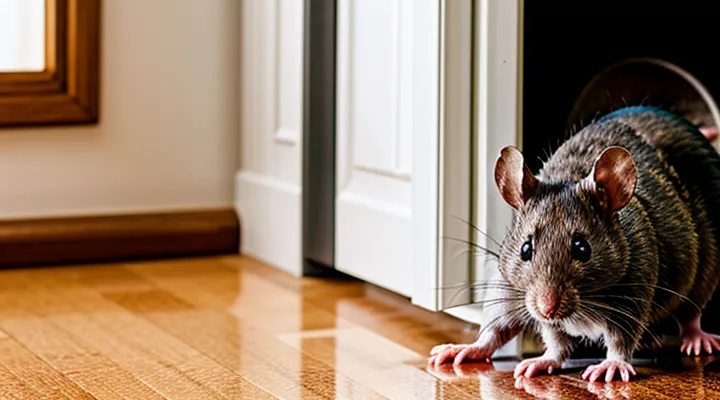
Understanding the Problem: Signs and Dangers
Identifying a Rodent Infestation
Common Signs of Rats and Mice
Recognizing rodent activity is the first step toward effective control in a residence.
- Droppings resembling small dark grains, often found along walls, in cabinets, or near food packages.
- Gnaw marks on wood, plastic, wiring, or insulation, typically ¼‑inch wide with sharp, fresh edges.
- Nests built from shredded paper, fabric, or insulation, located in hidden corners, attics, or under appliances.
- Scratching sounds at night, especially in walls, ceilings, or crawl spaces.
- Grease or urine trails that appear as dark streaks on surfaces or in corners.
- Unexplained food loss or contamination, accompanied by shredded packaging.
Each indicator confirms the presence of rats or mice and helps pinpoint infestation hotspots. Droppings provide a reliable species clue: rats produce larger, oval pellets, while mice leave smaller, spindle‑shaped ones. Gnaw marks reveal where animals access the structure, guiding sealant application. Nests indicate long‑term habitation, suggesting the need for thorough removal. Auditory evidence confirms active foraging, and grime tracks expose travel routes. Detecting these signs promptly enables targeted elimination measures and prevents further property damage.
Differentiating Between Rats and Mice
Rats and mice may appear similar but several physical and behavioral traits allow reliable separation, which is essential for effective control measures.
- Size: Rats typically measure 9–11 inches (body length) and weigh 300–500 g, whereas mice range 2.5–4 inches and weigh 15–30 g.
- Tail: Rat tails are thick, hairless, and proportionally shorter than the body; mouse tails are slender, covered with fine hair, and equal to or longer than the body.
- Ears and Eyes: Rats have relatively small ears and eyes compared to head size; mice possess large ears and prominent eyes.
- Snout Shape: Rats display a blunt, rounded snout; mice show a pointed, triangular snout.
- Droppings: Rat feces are ½–¾ inch long, cylindrical, and have blunt ends; mouse droppings are about ¼ inch, spindle‑shaped, and taper at both ends.
- Gnaw Marks: Rats leave larger, irregular holes, often ¼ inch or wider; mice create neat, round openings roughly ¼ inch in diameter.
- Nesting Materials: Rats use coarse items such as shredded paper, insulation, and debris; mice favor softer fibers like cotton, fabric scraps, and shredded cardboard.
Recognizing these distinctions directs inspection, trapping, and baiting strategies toward the appropriate species, preventing misapplication of control products and reducing the likelihood of persistent infestations.
Risks Associated with Rodents
Health Hazards and Diseases
Rodents living in a private residence pose direct threats to human health through contamination of food, surfaces, and air. Their urine, feces, and saliva contain pathogens that can survive for weeks in the home environment, increasing the risk of infection for occupants of all ages.
Common illnesses transmitted by rats and mice include:
- Hantavirus pulmonary syndrome, acquired from inhaling aerosolized droppings.
- Leptospirosis, a bacterial infection entering through cuts or mucous membranes.
- Salmonellosis, caused by ingestion of food contaminated with rodent feces.
- Lymphocytic choriomeningitis (LCM), a viral disease spread by mouse excreta.
- Rat-bite fever, resulting from bacterial infection after a bite or wound exposure.
- Plague, though rare, can be carried by fleas that infest rodents.
Beyond infectious diseases, rodent allergens trigger asthma and allergic rhinitis, especially in children. Persistent exposure to dander and urine proteins can exacerbate respiratory conditions, leading to increased medication use and medical visits.
Effective control measures—such as sealing entry points, removing food sources, and employing traps or professional extermination—directly reduce pathogen load. Regular sanitation and prompt disposal of dead rodents prevent secondary contamination, safeguarding the household’s overall health.
Property Damage and Contamination
Rats and mice cause extensive structural harm. Their incisors continuously grow, prompting persistent gnawing that compromises wood, plastic, and metal components. Common targets include:
- Door frames and window casings, leading to gaps that facilitate further entry.
- Electrical wiring, increasing fire risk and potential system failure.
- Insulation material, reducing thermal efficiency and creating cold spots.
Contamination follows physical damage. Rodent excreta introduce pathogens and allergens into living spaces. Urine and feces contaminate surfaces, food supplies, and air ducts, fostering bacterial growth and triggering respiratory reactions. Their saliva can transfer diseases such as hantavirus, leptospirosis, and salmonellosis, posing direct health threats to occupants.
The combination of compromised infrastructure and biological hazards accelerates repair costs and diminishes property value. Immediate mitigation prevents escalation, preserves structural integrity, and safeguards resident health.
Prevention Strategies
Sealing Entry Points
Inspecting Your Home’s Exterior
Inspecting the exterior of a residence is the first step in preventing rat and mouse infestations. Begin at ground level and move outward, noting any cracks, gaps, or openings in foundations, walls, and utility penetrations. These defects provide direct access for rodents and must be sealed before interior treatment.
Identify potential entry points and conditions that attract pests. Look for overgrown vegetation, debris piles, and stored items that create shelter. Ensure all doors and windows close tightly and that screens are intact.
- Examine the foundation for cracks larger than ¼ inch; fill with cement or steel wool and caulk.
- Check gaps around pipes, vents, and cables; use metal flashing or expandable foam to close them.
- Inspect the roof eaves, soffits, and fascia for holes; repair with metal mesh or sealant.
- Trim trees and shrubs so they do not touch the building; rodents use branches as bridges.
- Remove woodpiles, compost, and litter from the perimeter; keep a clearance of at least three feet.
- Verify that exterior doors have weather‑stripping and that pet doors are equipped with tight‑fitting covers.
A thorough exterior assessment eliminates the primary routes rodents use to enter, reducing the need for interior control measures and supporting long‑term pest‑free living.
Repairing Gaps and Cracks
Rats and mice enter homes through openings as small as a quarter‑inch. Identifying and sealing these entry points eliminates the primary route of infestation.
Start by inspecting the exterior and interior of the building. Pay particular attention to:
- Gaps around doors, windows, and sliding panels.
- Cracks in foundation walls, basement floors, and crawl‑space walls.
- Openings around utility penetrations, such as pipes, vents, and wiring sleeves.
- Gaps beneath and behind appliances, cabinets, and countertops.
Use durable, rodent‑proof materials to close each opening. Recommended options include:
- Steel wool or copper mesh, tightly packed into narrow gaps before applying sealant.
- Expanding polyurethane foam, applied in layers no thicker than 1 in., then trimmed and covered with metal flashing.
- Cement or mortar for concrete cracks, applied with a trowel and smoothed to match surrounding surface.
- Sheet metal flashing or hardware cloth (½ in. mesh) for larger holes, secured with screws and sealed with silicone caulk.
When sealing, follow these steps:
- Clean the area of debris, dust, and loose material.
- Insert a filler (steel wool or mesh) to block the passage.
- Apply sealant or mortar, ensuring full coverage and adhesion.
- Allow the material to cure according to manufacturer instructions before exposing the area to moisture or traffic.
Regularly re‑inspect repaired sections, especially after severe weather or building renovations, to confirm that seals remain intact. Prompt maintenance prevents re‑entry and supports long‑term rodent control.
Protecting Vents and Drains
Protecting ventilation openings and drainage systems blocks primary pathways that rodents use to infiltrate a residence. Small gaps around vent covers, dryer exhausts, and pipe penetrations allow rats and mice to travel from exterior spaces directly into living areas. Sealing these points eliminates the need for chemical controls inside the home and reduces the likelihood of re‑infestation.
- Install metal or heavy‑duty mesh (¼‑inch or smaller) over all exterior vents, ensuring a snug fit around the frame.
- Apply stainless‑steel hardware cloth to dryer exhaust ducts and chimney flues; secure with rust‑proof screws.
- Fit removable, louvered vent covers with tight‑closing hinges; check for wear each season.
- Seal gaps around plumbing stacks, sewer lines, and floor drains with expanding foam or silicone caulk, then cover with a rat‑proof grate.
- Use back‑flashing and flashing tape around roof vent penetrations to prevent water intrusion while maintaining a solid barrier.
Regular inspection maintains the integrity of these barriers. After severe weather, verify that mesh screens remain intact and that fasteners have not loosened. Replace damaged components promptly; even a single opening larger than a quarter inch can serve as an entry point. Incorporating these measures into routine home maintenance creates a long‑term defense against rodent intrusion.
Maintaining a Clean Environment
Proper Food Storage
Proper food storage is essential for preventing rodent infestations in a residence. Food left exposed provides a reliable source of nutrition, encouraging rats and mice to enter and remain in the home. Secure containers eliminate this attraction and support long‑term control measures.
- Use airtight, plastic or glass containers with snap‑tight lids for all dry goods, including cereals, grains, nuts, and pet food.
- Store bulk items in smaller, sealed packages after opening the original packaging.
- Keep refrigerated or frozen foods covered at all times; avoid leaving leftovers on countertops or in open dishes.
- Place pantry items on shelves away from walls and floor level to reduce easy access for climbing rodents.
- Clean up spills immediately and dispose of waste in bins with tight‑fitting lids that are emptied regularly.
Consistent implementation of these practices removes the food incentive that drives rodents to seek shelter in private homes, thereby reinforcing broader eradication efforts.
Waste Management Practices
Effective waste management eliminates food sources that attract rodents. Securely stored trash prevents mice and rats from locating meals inside the home.
- Use containers with tight‑fitting lids; replace damaged seals promptly.
- Empty garbage daily, especially in warm weather, to avoid decomposition odors.
- Place bins away from exterior walls and keep the area around them clean.
- Dispose of organic waste (fruit peels, meat scraps) in sealed bags before discarding.
Cleanliness of indoor disposal areas also matters. Store recyclables in closed bins and rinse containers to remove residue. Remove pet food after each feeding and keep bowls on elevated platforms that rodents cannot climb.
Outdoor waste sites require regular maintenance. Keep compost piles covered, turn them frequently, and locate them at least 10 feet from the house. Eliminate debris, fallen leaves, and standing water that can harbor insects, which in turn feed rodents.
Implementing these practices reduces the likelihood of infestations and supports broader pest‑control efforts.
Decluttering and Organization
A cluttered environment provides shelter, food sources, and pathways that attract rodents. Removing excess items and arranging remaining belongings reduces hiding places and makes inspection easier.
- Store food in airtight containers; keep pantry shelves clear of crumbs and spills.
- Eliminate piles of newspapers, cardboard, and fabric scraps that can serve as nesting material.
- Keep storage closets organized with labeled bins; avoid stacking boxes directly against walls.
- Regularly purge unused items; donate or discard objects that have been idle for more than six months.
- Maintain a tidy garage and basement; install shelving to keep tools and equipment off the floor.
Organizing the home also facilitates the placement of preventive measures. When floors are free of debris, traps and bait stations can be positioned directly on travel routes, improving their effectiveness. Clear pathways allow for thorough sealing of entry points, as gaps become visible without obstruction.
A disciplined decluttering routine—weekly inspections, systematic sorting, and proper disposal—creates an environment that deters rats and mice by eliminating the conditions they require to thrive.
Landscaping and Yard Maintenance
Trimming Vegetation
Keeping garden plants and surrounding greenery well trimmed reduces the likelihood that rats and mice will use vegetation as a pathway to a house. Dense foliage offers shelter, nesting material, and a bridge between outdoor habitats and interior entry points. By limiting these conditions, homeowners create a less attractive environment for rodent activity.
- Cut back shrubs, vines, and low‑lying trees so that branches end at least six inches above the ground. This eliminates climbing routes that rodents use to reach roofs and eaves.
- Trim back hedges to a width of no more than three feet. Narrow hedges prevent rats and mice from moving laterally along a continuous cover.
- Remove dead or decaying plant matter. Decomposing material provides food sources and nesting sites for rodents.
- Keep grass at a height of two to three inches. Short grass exposes the ground, making it easier to spot signs of activity and reducing shelter.
- Clear vegetation away from the foundation by at least a foot. This creates a clear zone that discourages rodents from approaching the building envelope.
Regular maintenance of outdoor plantings complements other control measures, such as sealing gaps and eliminating food sources inside the home. Together, these actions form a comprehensive strategy for preventing rat and mouse infestations in a private residence.
Removing Debris and Potential Hiding Spots
Removing clutter and sealing potential shelters are essential steps in eliminating rodents from a residence. Items such as cardboard boxes, piles of laundry, and unused appliances create warm, dark environments that attract rats and mice. Dispose of unnecessary objects, store remaining belongings in sealed plastic containers, and keep floors clear of debris. Regularly vacuum corners and under furniture to eliminate food particles that could draw pests.
Identify structural gaps that serve as entry points or nesting sites. Inspect walls, baseboards, and the underside of cabinets for cracks, holes, or gaps larger than a quarter inch. Seal openings with steel wool, caulk, or expanding foam designed for pest control. Pay special attention to areas around pipes, vents, and electrical wiring, as rodents often exploit these routes.
Maintain a routine of cleaning and inspection:
- Remove food waste promptly and store dry goods in airtight containers.
- Keep countertops and dining surfaces free of crumbs.
- Perform monthly checks of sealed areas to ensure integrity.
Consistent removal of debris and thorough sealing of hiding spots deprive rodents of shelter and food, dramatically reducing the likelihood of infestation.
Securing Outdoor Structures
Securing exterior buildings, sheds, and other outdoor structures blocks entry points that rodents exploit to reach a residence. Unsealed cracks, gaps around doors, and poorly fitted vents provide easy access for rats and mice, allowing them to establish nests close to food sources.
- Inspect roofs, walls, and foundations for holes larger than a quarter‑inch; repair with steel wool, copper mesh, or cement.
- Install metal flashing around eaves, soffits, and vent openings; replace wooden lathes with steel where possible.
- Fit tight‑closing doors on sheds and garages; add weather‑stripping to prevent gaps.
- Elevate stored items such as firewood, gardening tools, and pet feed at least twelve inches off the ground; use sealed containers for food.
- Trim vegetation that contacts structures; maintain a clearance of at least two feet to reduce climbing pathways.
- Remove debris, compost piles, and standing water that attract rodents; keep the area around structures clean and dry.
Regular maintenance of outdoor constructions eliminates shelter and travel routes for rodents, reducing the likelihood that they will infiltrate the home. Implementing these measures creates a physical barrier that complements indoor control strategies and sustains a rodent‑free environment.
Eradication Methods
Trapping Solutions
Types of Traps: Pros and Cons
Effective rodent control begins with selecting the appropriate trap. Different mechanisms address distinct infestation scenarios, and each presents specific benefits and drawbacks.
Snap traps deliver rapid mortality, reducing population quickly.
- Pros: immediate result, low cost, reusable after cleaning.
- Cons: requires careful placement to avoid accidental injury, may cause distress to observers, ineffective against very large rodents.
Glue boards capture rodents passively.
- Pros: simple deployment, no moving parts, useful for monitoring activity levels.
- Cons: humane concerns due to prolonged suffering, limited to small species, adhesive loses effectiveness in dusty environments.
Electronic traps employ a high‑voltage shock to kill instantly.
- Pros: consistent lethality, minimal handling of dead animals, reusable with battery power.
- Cons: higher purchase price, dependence on power source, may deter some pests if not positioned correctly.
Live‑catch cages allow relocation of captured animals.
- Pros: humane option, suitable for pets or protected species, reusable after release.
- Cons: requires immediate release to prevent stress, risk of escape if not secured, may attract predators if left unattended.
Choosing a trap hinges on the severity of the problem, ethical considerations, and budget constraints. Rapid elimination favors snap or electronic devices, while monitoring or humane release points to glue boards or live‑catch cages. Align the selection with the specific conditions of the home to achieve efficient rodent reduction.
Effective Trap Placement Strategies
Place traps where rodents travel most often. Their pathways run along walls, under appliances, and through narrow openings. Position devices directly against the baseboard or a few inches from it, because rats and mice prefer to move with their bodies close to a surface for safety.
Identify active zones by observing droppings, gnaw marks, or fresh smears of urine. Set a trap at each confirmed point, spacing them 12–18 inches apart along the same wall. If a single route is suspected, arrange a linear series of traps to block the passage.
Target areas where food is stored or prepared. Install baited stations near pantry shelves, behind the refrigerator, and under the sink. Ensure the trap’s trigger is accessible from the side the rodent will approach, not from the opposite direction.
Secure traps in concealed locations to prevent pets or children from accidental contact. Use snap or electronic devices inside cabinets, behind furniture, or within insulated wall cavities. For outdoor entry points, fit snap traps or live‑catch cages within the gap, sealing the opening after capture.
Maintain trap effectiveness by checking them at least twice daily. Replace bait with fresh material each time a trap is emptied, and relocate any untouched trap to a more active spot after 48 hours. Rotate devices periodically to prevent rodents from learning trap patterns.
By concentrating devices along verified runways, near food sources, and within protected zones, the likelihood of successful capture increases dramatically, leading to rapid reduction of the infestation.
Safe Trap Handling and Disposal
Effective trap management protects household occupants and prevents disease spread. After a catch, treat each device as a potential biohazard and follow a controlled process.
Wear disposable nitrile gloves, close the room to limit exposure, and keep pets and children away. Use a sturdy container with a tight‑fitting lid to transport the trap. Do not open the trap in open areas; perform all actions on a disposable surface covered with newspaper or a plastic sheet.
- Place the trapped rodent in a sealable plastic bag.
- Double‑bag the contents, removing excess air before tying each knot securely.
- Transfer the sealed bags to a heavy‑duty trash can with a tight lid.
- Dispose of the waste according to local regulations, typically through regular municipal collection or a licensed pest‑removal service.
Clean reusable traps with hot, soapy water or a disinfectant solution approved for pest control equipment. Rinse thoroughly, dry completely, and store in a locked cabinet away from food preparation zones. Regular inspection of trap mechanisms ensures reliability and reduces the risk of accidental release.
Rodenticides (Baits)
Understanding Different Bait Formulations
Effective rodent control depends on selecting the appropriate bait formulation for the specific infestation. Understanding the chemical classes, delivery mechanisms, and safety considerations enables homeowners to implement a targeted strategy.
Anticoagulant baits contain compounds such as warfarin, brodifacoum, or difenacoum. They disrupt blood clotting, leading to death after several days of ingestion. First‑generation anticoagulants (warfarin, chlorophacinone) require multiple feedings, while second‑generation agents (brodifacoum, difenacoum) are effective after a single dose. Resistance to first‑generation products is common, making second‑generation formulations preferable in persistent problems.
Non‑anticoagulant baits act on the nervous system or metabolism. Bromethalin interferes with mitochondrial function, causing rapid paralysis and death. Cholecalciferol (vitamin D₃) induces hypercalcemia, leading to organ failure. Zinc phosphide releases phosphine gas when ingested, producing acute toxicity. These alternatives are useful when anticoagulant resistance is documented or when non‑target species pose a risk.
Delivery formats influence placement and exposure. Common forms include:
- Pellets: Small, discreet, suitable for tight crevices and behind appliances.
- Blocks: Larger, designed for open areas where rodents can gnaw without obstruction.
- Stationary bait stations: Enclosed units that restrict access to non‑target animals while allowing rodents to enter and feed.
Choosing a format aligns with habitat characteristics: cluttered basements favor pellets, while open attics accommodate blocks. Bait stations add a layer of safety, especially in homes with children or pets.
Safety considerations are paramount. All baits contain toxic agents; improper handling can result in accidental poisoning. Protective gloves should be worn during placement, and baits must be positioned away from food preparation surfaces, pet feeding zones, and child‑accessible areas. Label instructions provide maximum exposure limits and disposal procedures.
Resistance management requires rotating active ingredients. Alternating between anticoagulant and non‑anticoagulant formulations reduces the likelihood of adaptation. Monitoring bait consumption over a 48‑hour period helps assess effectiveness; low uptake may indicate bait aversion or alternative food sources, prompting a reassessment of placement or formulation.
In summary, effective rodent elimination hinges on matching bait chemistry to the infestation profile, selecting a delivery method suited to the environment, and adhering to strict safety protocols. Proper formulation choice, combined with strategic placement and resistance rotation, maximizes control while minimizing risk to occupants.
Safe and Strategic Bait Placement
Effective bait placement reduces rodent activity while protecting occupants. Identify travel paths by observing droppings, gnaw marks, and run‑ways; place bait stations near walls, behind appliances, and in concealed corners where rodents move but humans rarely reach. Use tamper‑resistant containers to prevent pets and children from accessing poison; choose models with lockable lids and secure mounting.
Select bait types appropriate to the target species. For rats, use larger blocks of anticoagulant or bromadiolone; for mice, employ grain‑based pellets or low‑dose anticoagulants. Rotate active ingredients every 30 days to prevent resistance. Position each station 1–2 feet from the wall, with the opening facing the expected entry point. Maintain a 3‑foot buffer from food storage, cooking surfaces, and water sources.
Monitor stations regularly. Check for consumption, replace depleted units, and record activity to adjust placement density. Remove dead rodents promptly, using gloves and sealed bags, then disinfect the area with a suitable sanitizer. Dispose of used bait according to local regulations to avoid environmental contamination.
Key practices:
- Locate rodent pathways before installing bait.
- Use child‑ and pet‑proof stations.
- Match bait size and formulation to the species.
- Rotate active ingredients to mitigate resistance.
- Keep stations 1–2 feet from walls, away from human food zones.
- Inspect and document weekly; replace as needed.
- Handle and discard rodents and bait waste safely.
Following these steps ensures a controlled, low‑risk approach to eliminating rats and mice from a residence.
Risks and Precautions for Baits
Using rodent baits can eliminate infestations quickly, but the method carries specific hazards that demand careful management.
Risks
- Accidental ingestion by children, pets, or non‑target wildlife can cause severe poisoning.
- Bait placement near food preparation areas may lead to contamination of household supplies.
- Improper storage allows rodents to access and consume bait prematurely, reducing effectiveness and increasing exposure risk.
- Environmental runoff from outdoor bait stations can introduce toxic substances into soil and water sources.
Precautions
- Install bait stations that lock the poison inside, permitting only rodents to enter.
- Position stations at least 2 meters from food preparation surfaces, pantry doors, and pet feeding zones.
- Use tamper‑resistant containers for any loose bait, and keep them out of reach of children and animals.
- Choose baits with active ingredients approved for residential use and follow label dosage limits precisely.
- Monitor stations daily; replace depleted units promptly and dispose of used bait according to local hazardous‑waste regulations.
- Record placement locations and dates to maintain an audit trail for safety inspections.
Adhering to these measures minimizes health threats while preserving the efficacy of bait‑based rodent control in a private residence.
Natural and Humane Deterrents
Essential Oils and Scents
Essential oils provide a chemical barrier that rodents find unpleasant. The volatile compounds interfere with their sensory receptors, prompting avoidance of treated areas.
- Peppermint oil: high menthol content, strong menthol aroma, effective when applied to cotton balls placed near entry points and nesting sites.
- Eucalyptus oil: contains eucalyptol, repels rodents when diluted (10 ml oil per 250 ml water) and sprayed along baseboards and behind appliances.
- Citronella oil: citrus scent masks food odors, useful for perimeter treatment around kitchens and garbage zones.
- Clove oil: eugenol component disrupts rodent olfactory cues, suitable for small cracks and crevices.
- Lavender oil: mild deterrent, best combined with stronger oils for layered protection.
Application guidelines:
- Saturate cotton pads or small fabric squares with undiluted oil, replace every 2–3 days.
- For larger areas, mix oil with water and a few drops of dish‑soap; spray onto walls, under sinks, and around pipe openings.
- Avoid direct contact with pets or children; keep treated materials out of reach and ventilate rooms after spraying.
- Combine oil treatment with physical exclusion methods—seal holes, install door sweeps, and maintain cleanliness—to prevent re‑infestation.
Effectiveness varies by species and infestation level. Oils work best as a preventive measure or supplemental tool alongside traps and structural repairs. Regular monitoring and reapplication maintain a hostile scent environment, reducing the likelihood of rodent return.
Ultrasonic Devices: Efficacy and Limitations
Ultrasonic devices emit high‑frequency sound waves that are inaudible to humans but intended to disturb the nervous system of rodents. Manufacturers claim that continuous exposure forces rats and mice to vacate treated areas.
Evidence from controlled experiments is mixed. Laboratory trials with single‑species cages often show reduced activity, while field studies in occupied homes report little or no change in infestation levels. The discrepancy stems from several factors:
- Frequency range – Effective frequencies for rodents lie between 20 kHz and 65 kHz; many consumer units operate outside this band.
- Signal attenuation – Sound intensity drops sharply with distance and is blocked by walls, furniture, and insulation, creating dead zones.
- Habituation – Rodents exposed to a constant tone may become desensitized after a few days, diminishing the repellent effect.
- Species variation – Rats and mice differ in hearing sensitivity; a device calibrated for one may be ineffective for the other.
- Environmental noise – Household appliances and external sounds can mask ultrasonic emissions, reducing their impact.
Proper deployment requires placement of units at the center of each room, height of 1–2 m, and unobstructed line of sight to target zones. Devices should be cycled on and off periodically to mitigate habituation. Maintenance includes periodic battery replacement and cleaning of speaker grills.
Given the limited and inconsistent efficacy, ultrasonic repellents are best regarded as supplementary tools rather than primary control measures. Integrated pest management—combining exclusion, sanitation, trapping, and, when necessary, professional baiting—offers a more reliable solution for eliminating rodents from a private residence.
Live Trapping and Release
Live trapping provides a humane alternative for removing rats and mice from a residence. The method captures animals without killing them, allowing owners to relocate the pests away from the home.
- Choose a trap designed for the target species; snap‑type cages are unsuitable for live capture.
- Bait the trap with high‑protein food (peanut butter, dried fruit, or meat scraps) to increase capture rates.
- Position traps along walls, behind appliances, and near known activity signs; rodents avoid open spaces.
- Set traps in the evening, check them each morning, and handle captured animals promptly to reduce stress.
Successful relocation requires compliance with local wildlife regulations; many jurisdictions prohibit releasing captured rodents within a certain radius of the property. Release sites should be at least five miles away, in habitats that provide natural shelter and food sources but are not adjacent to other homes. Before release, wear thick gloves, cover the trap, and gently open it to allow the animal to exit on its own.
Additional considerations include regular sanitation to eliminate attractants, sealing entry points after removal, and monitoring for re‑infestation. Combining live trapping with these preventive measures maximizes the likelihood of long‑term rodent control without resorting to lethal methods.
Post-Extermination Measures
Cleaning and Sanitation After Rodent Removal
Disinfecting Contaminated Areas
After rodents are removed, any area they have contaminated must be treated to prevent disease transmission and discourage re‑infestation. Surfaces that show droppings, urine stains, gnaw marks, or nesting material are classified as high‑risk zones and require thorough disinfection before normal use resumes.
Disinfection protocol
- Ventilate the space – Open windows and use fans to circulate fresh air for at least 15 minutes. This reduces inhalation risk from airborne pathogens.
- Remove debris – Sweep or vacuum loose droppings and nesting material into a sealed bag. Dispose of the bag in an outdoor trash container with a tight‑fitting lid.
- Pre‑clean – Wash surfaces with hot, soapy water. Scrub until visible residue disappears; this step eliminates organic matter that can inactivate disinfectants.
- Apply an approved disinfectant – Use a product registered by health authorities for rodent‑borne pathogens (e.g., a 1 % bleach solution, quaternary ammonium compounds, or EPA‑approved virucidal agents). Follow label instructions for contact time, typically 10–15 minutes.
- Rinse if required – Some disinfectants demand a final rinse with clean water to prevent surface corrosion or residue buildup. Observe product guidelines.
- Dry completely – Allow treated areas to air‑dry or use clean towels. Moisture can attract new pests and foster mold growth.
- Document the process – Record dates, locations, and chemicals used. Documentation supports future inspections and ensures consistency in maintenance routines.
Safety measures
- Wear disposable gloves, eye protection, and a mask rated for particulate matter.
- Keep children and pets away from the work zone until the disinfectant has dried and the area is declared safe.
- Store chemicals in locked cabinets, away from food preparation surfaces.
Consistent application of these steps eliminates residual pathogens, reduces the likelihood of secondary infestations, and restores a sanitary environment suitable for habitation.
Removing Droppings and Nests
Removing rodent droppings and nests is a critical step in eliminating a residential infestation. Direct contact with feces and urine can transmit diseases, while abandoned nests provide shelter for surviving pests. Proper handling minimizes health risks and prevents re‑colonization.
First, secure personal protection. Wear disposable gloves, a mask rated at least N95, and eye protection. Open windows to improve ventilation before beginning cleanup.
Next, collect droppings and nest material. Use a damp paper towel or disposable cloth to wet the area; moisture prevents particles from becoming airborne. Place the saturated material into a sealed, leak‑proof bag. For larger nests, cut them into manageable sections with a disposable knife or scissors, then seal each piece in a separate bag.
After removal, disinfect the affected surfaces. Apply a solution of one part household bleach to nine parts water, ensuring complete coverage. Allow the solution to remain for at least ten minutes before wiping it away with a clean, damp cloth. For non‑porous items that cannot be thoroughly disinfected, consider discarding them.
Finally, dispose of all waste according to local regulations. Place sealed bags in an outdoor trash container that is regularly emptied. Clean and disinfect any tools used during the process before storage.
Key actions
- Wear gloves, N95 mask, eye protection.
- Wet droppings and nests to prevent aerosolization.
- Seal contaminated material in double‑layered bags.
- Apply a 1:9 bleach solution; let sit for ten minutes.
- Dispose of waste in a sealed outdoor bin; follow municipal guidelines.
Following these procedures eliminates immediate health hazards and removes the physical evidence that encourages rodents to return. Regular inspection and prompt cleanup of any new droppings or nests are essential for long‑term control.
Airing Out Your Home
A well‑ventilated house deters rodents by lowering interior humidity, eliminating damp shelters, and dispersing food odors that attract them. Open windows and doors for at least 30 minutes each morning and evening, allowing fresh air to circulate through all rooms, especially basements, attics, and storage areas where mice and rats often nest.
Maintain airflow after cleaning by keeping vents unobstructed and using exhaust fans in kitchens and bathrooms. Replace or clean HVAC filters regularly; a clogged filter reduces circulation and creates a favorable microclimate for pests.
Key actions for effective ventilation:
- Schedule daily window opening periods of 20‑45 minutes, targeting sunrise and sunset.
- Install adjustable grilles on exterior walls to promote cross‑drafts without compromising security.
- Use portable dehumidifiers in basements and crawl spaces to keep relative humidity below 50 %.
- Ensure chimney caps and vent covers are intact to prevent rodent entry while allowing air movement.
Consistent airing reduces moisture, discourages nesting, and diminishes scent trails that guide rodents to food sources, making the home less inviting for infestations.
Ongoing Monitoring and Maintenance
Regular Inspections for Reinfestation
Regular inspections are essential to confirm that a rodent‑free environment remains intact. After an initial eradication effort, the building’s structural integrity, food storage areas, and waste disposal points must be examined at consistent intervals.
A practical inspection schedule includes:
- Weekly visual checks of attic, basement, and crawl spaces for droppings, gnaw marks, or nesting material.
- Bi‑monthly assessment of exterior entry points such as gaps around pipes, vents, and foundation cracks.
- Quarterly review of interior food sources, including pantry shelves, pet feeders, and garbage containers, to ensure airtight sealing.
Inspectors should use a flashlight, magnifying glass, and a small mirror to reach concealed areas. When signs of activity appear—fresh droppings, urine stains, gnawed insulation, or audible scratching—record the location, date, and severity. Documentation enables pattern recognition and informs targeted sealing or baiting measures.
If any evidence of reappearance is detected, immediate remediation is required. Seal identified openings with steel wool, silicone caulk, or metal flashing; replace compromised insulation; and reset traps or bait stations. Professional pest‑control services may be consulted for persistent hotspots or when structural repairs exceed homeowner expertise. Continuous monitoring and prompt corrective action prevent a minor resurgence from developing into a full‑scale infestation.
Continuous Prevention Efforts
Continuous prevention is essential for maintaining a rodent‑free residence. Regular inspection of interior and exterior spaces identifies new entry points before infestations develop. Seal cracks, gaps around pipes, vents, and doors with steel wool, caulk, or hardware cloth; these materials resist gnawing.
- Store all food in airtight containers; discard crumbs and spills promptly.
- Keep garbage in sealed bins and remove waste from the property weekly.
- Maintain landscaping by trimming vegetation away from the building’s foundation and eliminating debris that provides shelter.
- Install and monitor snap traps or electronic devices in known activity zones; replace bait and reset devices after each capture.
- Schedule quarterly professional assessments to verify that structural barriers remain intact and to receive expert recommendations.
Document each inspection and repair in a log to track progress and ensure accountability. Consistent application of these measures reduces the likelihood of re‑infestation and supports long‑term rodent control.
When to Call Professionals
Rodent problems can quickly exceed the capacity of DIY methods. Recognize the point at which professional intervention becomes essential.
Signs that warrant immediate expert assistance include:
- Persistent droppings, gnaw marks, or urine stains despite thorough cleaning.
- Evidence of nesting activity in concealed areas such as wall voids, attics, or crawl spaces.
- Damage to structural components, wiring, or insulation that poses safety hazards.
- Repeated sightings after multiple trap or bait attempts.
- Presence of disease‑carrying species (e.g., rats) in homes with vulnerable occupants such as children, elderly, or immunocompromised individuals.
Professional services provide comprehensive inspection, targeted baiting, and exclusion techniques that DIY solutions cannot match. They also ensure compliance with local health regulations and offer warranties for long‑term control. When any of the above indicators appear, contact a licensed pest‑management provider without delay.