
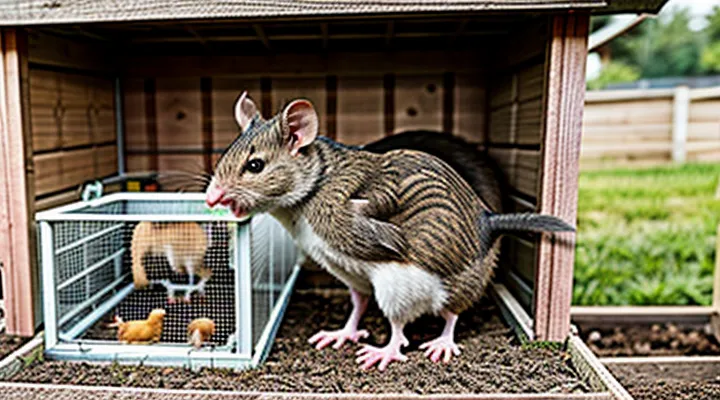
Understanding the Rodent Problem in Chicken Coops
Why Rodents are Attracted to Chicken Coops
Food Sources
Rats and mice are drawn to the same foods that chickens consume. Grain, cracked corn, and commercial feed left uncovered provide easy access for pests. Fresh fruits, vegetables, and kitchen scraps placed near the coop also serve as attractants. Spilled seed from feeders and broken feed bags create additional feeding sites.
To eliminate these incentives, store all feed in sealed, rodent‑proof containers made of metal or heavy‑wall plastic. Use feeders with tight‑fitting lids and position them so that debris falls onto a cleanable surface. Sweep the coop floor daily to remove crumbs and dropped feed. Dispose of kitchen waste in a separate, locked bin far from the coop. Keep fruit and vegetable remnants in a refrigerator or insulated container until they can be composted away from the coop area.
Consider the following preventive actions:
- Install a metal or concrete apron around the coop base to block burrowing.
- Elevate feeders and waterers at least six inches off the ground.
- Replace straw bedding regularly; discard soiled bedding that may contain food residue.
- Inspect feed storage for holes or cracks weekly and repair immediately.
By removing accessible food sources, the environment becomes hostile to rodents, reducing the likelihood of infestation without relying on traps or chemicals.
Shelter and Warmth
Rodents are drawn to any structure that offers protection from predators and weather; a chicken coop that retains heat and provides hidden cavities becomes an ideal refuge. Reducing these attractions removes a primary incentive for infestations.
- Inspect walls, roof, and floor for cracks, holes, or gaps larger than a quarter inch. Seal openings with stainless‑steel mesh, hardware cloth, or expanding foam rated for outdoor use.
- Install tight‑fitting doors and latches; add weather‑stripping to prevent small animals from slipping through.
- Remove loose building materials, such as broken boards or insulation debris, that can serve as nesting sites.
- Store feed, bedding, and tools in sealed containers made of metal or heavy‑wall plastic to eliminate secondary shelter.
Temperature control also influences rodent activity. Warm interiors encourage breeding, especially during cooler months, while sudden heat spikes can drive rodents to seek cooler refuge within the coop.
- Ensure adequate ventilation without creating drafts that chill chickens; use adjustable vents covered with mesh to keep rodents out.
- Avoid placing heat lamps or electric warmers directly above roosts; instead, provide insulated perches that retain body heat without external energy sources.
- Keep the coop’s exterior surface dry; repair leaks promptly to prevent moisture accumulation that attracts rodents seeking humid shelter.
Consistent maintenance sustains an environment hostile to pests. Regularly sweep out droppings, replace soiled bedding, and inspect structural integrity after storms or heavy winds. By eliminating shelter and moderating warmth, the coop remains a safe habitat for poultry while denying rats and mice the conditions they need to thrive.
Water Availability
Ensuring that water is inaccessible to rats and mice while still available for chickens is a critical component of rodent management in a poultry enclosure.
Rodents are attracted to standing water, spillage, and damp bedding. Leaking drinkers, puddles beneath the coop, and condensation on metal surfaces create persistent sources of moisture. Eliminating these sources reduces the likelihood of infestation.
Implement the following measures:
- Install drip‑free waterers that dispense only the amount needed for the flock.
- Position drinkers on raised platforms or hang them to prevent rodents from climbing.
- Use metal or heavy‑duty plastic containers with secure lids; check seals regularly for cracks.
- Collect and dispose of spilled water daily; wipe the floor after each refill.
- Inspect the coop for condensation; install ventilation or a roof overhang to keep walls dry.
- Replace soggy bedding with fresh, absorbent material weekly to avoid dampness.
Maintain a constant supply of clean water for chickens by monitoring levels multiple times per day. A reliable water source prevents the birds from seeking alternative, potentially unsafe water that may be accessible to pests.
Regular audits of the coop’s water system—checking for leaks, corrosion, and wear—ensure that the infrastructure remains rodent‑proof. Prompt repair of any fault eliminates new moisture points before they become attractive to vermin.
By restricting water availability to the poultry while removing all extraneous moisture, the habitat becomes inhospitable to rats and mice, supporting long‑term pest control.
Dangers of Rodents in Coops
Disease Transmission to Chickens and Humans
Rodents living in a poultry house carry pathogens that can infect both birds and people. Direct contact with droppings, urine, or saliva introduces bacteria, viruses, and parasites into the coop environment. Contaminated feed and water become secondary sources, while airborne particles spread disease throughout the flock and to workers handling the birds.
Common rodent‑borne agents affecting chickens and humans include:
- Salmonella spp.: causes enteric illness in birds and gastroenteritis in humans.
- Campylobacter jejuni: leads to diarrhea and abdominal pain in people; can reduce egg production in hens.
- Leptospira interrogans: results in reproductive failure in poultry and severe kidney disease in humans.
- Hantavirus: rare in birds but poses a serious respiratory risk to farmworkers.
- Listeria monocytogenes: contaminates eggs and meat, leading to meningitis or sepsis in susceptible individuals.
- Giardia and Cryptosporidium spp.: produce watery diarrhea in both species.
Preventing transmission requires eliminating rodent access and reducing environmental contamination. Seal all openings larger than ¼ inch, install metal hardware cloth on vents, and keep feed stored in airtight containers. Remove waste promptly, maintain dry bedding, and use bait stations or traps placed away from feed lines. Regular health monitoring of the flock and personal protective equipment for handlers further limit exposure to zoonotic agents.
Damage to Coop Structure and Equipment
Rodents chew through wood framing, wire mesh, and insulation, weakening the coop’s structural integrity. Gnawed beams can collapse under the weight of nesting boxes, while damaged wire allows predators to enter. Continuous chewing on electrical wiring creates short circuits that may ignite flammable material, endangering both birds and the building.
Typical damage includes:
- Severed wooden beams or joists
- Punctured or torn wire mesh
- Compromised roofing material
- Scratched metal hinges and latches
- Smashed feed containers and water lines
- Exposed or frayed electrical cords
These defects reduce the coop’s ability to protect poultry, increase maintenance costs, and create conditions conducive to disease spread. Prompt inspection and repair of compromised elements are essential to maintain a safe, functional environment.
Egg and Chick Predation
Rodents entering a chicken enclosure frequently target eggs and newly hatched chicks, causing rapid loss of productivity and increasing the risk of disease transmission. Their sharp incisors allow them to puncture shells, while their predatory behavior drives chicks to become vulnerable to secondary infections.
Key consequences of egg and chick predation include:
- Immediate reduction in hatch rates.
- Contamination of remaining eggs with saliva and feces.
- Elevated stress levels in adult hens, leading to decreased laying frequency.
- Potential spread of pathogens such as Salmonella and Pasteurella.
Preventive measures focus on eliminating access points and removing attractants:
- Seal all gaps larger than ¼ inch in walls, floors, and the roof with steel mesh or cement.
- Install a solid, smooth perimeter barrier around the coop to deter climbing.
- Keep feed storage in airtight containers; discard spilled grain daily.
- Elevate nest boxes and brooders on metal brackets, preventing rodents from reaching them from below.
- Use snap traps or electronic bait stations positioned along known rodent pathways, checking and resetting devices regularly.
If predation occurs, immediate actions are required:
- Collect and discard compromised eggs, sanitizing the nest area with a diluted bleach solution (1 part bleach to 32 parts water) and allowing it to dry completely.
- Isolate affected chicks in a separate, rodent‑proof brooder; monitor for signs of injury or infection.
- Conduct a thorough inspection of the coop structure, reinforcing any newly discovered entry points.
Consistent application of these strategies reduces the likelihood of rodents reaching eggs and chicks, preserving both the flock’s health and the farm’s economic viability.
Feed Contamination
Rodent activity in a poultry enclosure often leads to feed contamination, which compromises bird health and encourages pest persistence. Droppings, urine, and hair introduce bacteria, parasites, and toxins directly into the feed supply. Contaminated feed reduces immune resistance, increases mortality, and creates a attractant loop that draws more rodents.
To protect feed from rodent intrusion, implement the following measures:
- Store grain in metal bins with tight‑fitting lids; avoid plastic containers that can be chewed.
- Elevate storage units at least 12 inches above the ground and seal gaps around legs.
- Install a concrete or metal apron around the bin perimeter to block gnawing.
- Keep the coop floor clean; remove spilled feed daily and sweep debris from corners.
- Use rodent‑proof feeders that dispense only the amount needed per feeding cycle.
- Apply non‑toxic deterrent powders (e.g., diatomaceous earth) around feed storage areas.
If contamination occurs, follow a strict remediation protocol:
- Remove all feed from the coop and discard any that shows signs of droppings, urine stains, or chew marks.
- Clean the storage container with hot water (minimum 160 °F) and a food‑grade sanitizer; rinse thoroughly.
- Dry the container completely before refilling with fresh, sealed feed.
- Disinfect the surrounding area using a solution of 1 % bleach; allow contact time of at least 10 minutes before rinsing.
- Inspect birds for signs of illness; isolate affected individuals and consult a veterinarian promptly.
Regular monitoring of feed integrity, combined with secure storage and diligent housekeeping, reduces the likelihood of rodent‑borne contamination and supports a healthier poultry environment.
Prevention Strategies: Making Your Coop Rodent-Proof
Coop Design and Maintenance
Elevating the Coop
Elevating a chicken coop creates a physical barrier that deters rats and mice from entering the shelter. By raising the structure several feet above ground, rodents must climb a steep, exposed surface, which they typically avoid because it increases exposure to predators and reduces hiding places.
A raised design also improves ventilation, drainage, and ease of cleaning, all of which limit the conditions that attract gnawing pests. Moisture‑rich bedding and accumulated feed debris become less accessible when the floor is supported by sturdy legs or a platform, forcing rodents to navigate an unprotected space that is easier to monitor and seal.
Key considerations for an effective elevation:
- Height: Minimum 2–3 feet off the ground; taller elevations further discourage climbing.
- Support material: Pressure‑treated lumber, metal brackets, or concrete blocks that resist rot and gnawing.
- Leg design: Smooth, rounded posts without gaps; add metal or PVC sleeves to prevent rodents from gripping.
- Floor construction: Use solid plywood or metal sheeting, seal seams with stainless‑steel mesh, and attach a removable tray for droppings.
- Access points: Install hinged ramps or removable ladders for maintenance; keep them smooth and free of debris that could serve as footholds.
- Perimeter protection: Wrap the base of each leg with hardware cloth (¼‑inch mesh) extending at least a foot underground to block burrowing.
Regular inspection of the elevated platform is essential. Look for signs of gnawing, loose fasteners, or accumulated feed near the legs. Reinforce any compromised areas promptly to maintain the integrity of the barrier.
By combining height, robust supports, and sealed flooring, elevation becomes a reliable component of an integrated strategy to keep rodents away from poultry housing.
Using Rodent-Proof Materials
Rodent-proof construction begins with selecting materials that deny entry to rats and mice while standing up to weather and the wear of daily coop use. Durable, non‑chewable substances create a physical barrier that rodents cannot gnaw through.
Metal mesh with openings no larger than ¼ inch provides reliable protection for walls, doors, and ventilation slots. Galvanized steel or stainless‑steel hardware cloth resists rust and retains strength over time. For floor protection, concrete slabs or thick, sealed concrete blocks eliminate gaps that rodents exploit. Solid wood framing should be covered with metal flashing at all joints, and any gaps around windows or feed troughs must be sealed with metal sheeting or heavy‑duty PVC.
- Hardware cloth (¼‑inch mesh) – install on all exterior walls and door frames; weld seams for continuity.
- Galvanized steel panels – use for roof overhangs and vent covers; bolt securely with rust‑resistant screws.
- Concrete flooring – pour a minimum of 4‑inch thickness; smooth surface prevents burrowing.
- Metal flashing – apply around openings, corners, and roof eaves; overlap seams by at least 2 inches.
- Heavy‑duty PVC or metal feed bins – choose containers with sealed lids; mount on stands to avoid ground contact.
Installation must eliminate any contact between wood or plastic components and the exterior environment. All joints require overlapping metal strips and stainless‑steel fasteners. Seal screw heads and nail points with silicone sealant to prevent rodents from exploiting tiny openings.
Regular inspection identifies wear, corrosion, or damage before rodents can exploit weaknesses. Replace compromised sections promptly, tighten loose fasteners, and reapply sealant where cracks develop. Maintaining a fully sealed envelope ensures long‑term exclusion of rats and mice from the chicken enclosure.
Sealing all Entry Points
Sealing every opening prevents rodents from entering the coop and eliminates the primary route they use to reach feed, water, and nesting material.
Begin by inspecting the structure from the ground up. Look for gaps around vents, windows, doors, and the foundation. Pay special attention to:
- Spaces under the floorboards or between the floor and the ground.
- Holes around utility lines, pipes, and wire conduits.
- Cracks in the exterior walls, especially where siding meets the roof.
- Openings around the roof vent, fan, or light fixtures.
Repair identified gaps with appropriate materials. Use heavy‑duty hardware cloth (½‑inch mesh) or steel wool for small holes, and apply stainless‑steel flashing or metal sheeting for larger openings. Secure all fasteners with rust‑resistant screws to withstand weather and animal activity.
Apply a continuous sealant along the perimeter of the coop. Choose a silicone‑based or polyurethane caulk that remains flexible after curing, ensuring a lasting barrier against gnawing.
After installation, conduct a follow‑up inspection. Verify that no gaps remain by running a flashlight along the interior walls and using a piece of gauze to detect airflow through potential cracks. Repeat the sealing process if any new openings appear due to settling or damage.
Maintain the barrier by checking the sealant and hardware cloth quarterly. Replace any compromised sections promptly to sustain an impenetrable environment for the chickens while denying access to rats and mice.
Regular Inspections and Repairs
Regular inspections are the first line of defense against rodent intrusion in a poultry enclosure. Conduct a systematic walk‑through at least once a week. Look for gnawed wood, chewed wire mesh, and any openings larger than one‑quarter inch. Record each defect and prioritize repairs based on proximity to nesting boxes and feed storage.
- Seal gaps with hardware‑cloth, metal flashing, or expanding foam.
- Replace compromised wire with ½‑inch galvanized mesh.
- Install metal flashing around doors, windows, and ventilation openings.
- Repair or reinforce rotted lumber using pressure‑treated boards.
- Apply steel wool or copper mesh to small holes before sealing.
Inspection reports should include dates, locations, and materials used. Consistent documentation creates a maintenance schedule that prevents small weaknesses from becoming entry points. After each repair, re‑examine the area to confirm a tight seal and verify that no new damage has appeared.
Cleaning during inspections removes food residue that attracts rodents. Sweep droppings, dispose of spilled grain, and keep feed containers sealed. By coupling thorough examinations with prompt, durable repairs, the coop remains inhospitable to rats and mice, protecting both the birds and the operation’s productivity.
Feed Management
Storing Feed Securely
Secure feed storage eliminates one of the primary attractants for rats and mice, reducing the likelihood that they will enter a poultry enclosure.
Ideal containers are made of heavy‑gauge steel or thick plastic, feature a tight‑locking lid, and have no gaps where small rodents can squeeze through. Keep the units off the ground on a platform at least 12 inches high to prevent gnawing from below. Seal all openings, including ventilation slots, with wire mesh of ¼‑inch or smaller apertures.
- Choose a container that can hold the entire feed supply for at least one week.
- Position the unit away from the coop, preferably on a concrete pad.
- Install a metal latch that requires a key or a tool to open.
- Cover any external feed troughs with a removable, rodent‑proof lid when not in use.
- Inspect the container weekly for rust, cracks, or damaged seals; repair immediately.
Regularly rotate stock to avoid stale feed, which attracts pests. Clean the storage area after each refill, removing spilled crumbs and debris. Replace damaged lids or mesh without delay. Consistent enforcement of these practices maintains a feed source that rodents cannot access, supporting a rodent‑free chicken environment.
Using Treadle Feeders
Treadle feeders provide a mechanical barrier that limits rodent access while delivering feed to chickens. The foot‑activated design requires a bird’s weight to release a measured portion, preventing unattended grain from spilling onto the coop floor where rats and mice forage.
- Feed is released only when a chicken steps on the lever, reducing waste that attracts pests.
- The sealed hopper eliminates open containers, a common entry point for rodents.
- Adjustable release settings allow precise portion control, maintaining consistent nutrition without excess.
- Simple construction enables easy cleaning, removing residual crumbs that could sustain vermin populations.
Installation involves mounting the feeder at chicken height, securing the base to prevent tipping, and calibrating the treadle to the average weight of the flock. Regular inspection ensures the mechanism functions smoothly and that no gaps develop around the unit. By controlling feed distribution and eliminating exposed grain, treadle feeders directly diminish the primary food source that sustains rat and mouse infestations in a poultry enclosure.
Cleaning Up Spilled Feed Regularly
Regular removal of feed debris cuts off a primary food source for rodents, directly limiting their presence in a poultry enclosure. When chickens scatter grain, the remnants attract rats and mice, which quickly establish nests and multiply. Prompt cleanup eliminates the incentive for these pests to explore the coop.
Effective routine includes:
- Sweep the floor after each feeding session to collect loose kernels.
- Use a handheld vacuum or brush to reach corners, ledges, and nesting boxes.
- Dispose of gathered feed in sealed containers before placing it in outdoor trash.
- Inspect feed bins for cracks or gaps; seal any openings to prevent spillage.
- Schedule a deep-cleaning day weekly, removing all bedding, washing surfaces with a mild detergent, and drying thoroughly before returning chickens.
Consistent execution of these actions reduces the attraction of rodents, supports a healthier environment for the flock, and complements other control measures such as predator-proof fencing and trap placement.
Waste Management
Proper Composting of Litter
Proper composting of chicken‑house litter is a critical component of rodent management in a poultry enclosure. When manure, bedding, and feed remnants are mixed with moisture and aerated correctly, the resulting heat destroys pathogens and reduces the attraction for rats and mice. Compost piles that remain cool, damp, or compact provide shelter and food, encouraging rodent activity.
Key practices for effective litter composting:
- Separate waste streams – keep fresh feed and grain away from manure before adding to the compost heap.
- Maintain moisture at 50‑60 % – add water only enough to achieve a damp sponge feel; excess moisture creates a favorable environment for pests.
- Turn the pile regularly – rotate the compost every 3‑5 days to introduce oxygen, raise temperature above 55 °C (131 °F), and prevent nesting sites.
- Cover the heap – use a breathable tarp or wire mesh to block rodents while allowing airflow.
- Monitor temperature – use a probe to ensure sustained high heat; low temperatures indicate insufficient decomposition and potential pest attraction.
Implementing these steps eliminates food sources and hiding places, thereby decreasing the likelihood of rodent infestations within the coop area. Regular removal of finished compost also prevents accumulation of debris that could serve as a refuge for unwanted mammals.
Removing Droppings and Debris
Removing droppings and debris eliminates food sources, nesting material, and scent trails that attract rats and mice. A clean environment reduces the attractiveness of the coop and limits the rodents’ ability to establish colonies.
Before cleaning, isolate the birds in a secure temporary housing, wear disposable gloves and a mask, and gather a heavy‑duty shovel, a broom, a sturdy plastic scraper, and a disinfectant approved for poultry areas. Ensure all tools are dedicated to coop use to prevent cross‑contamination.
- Sweep and collect all visible droppings, feathers, and broken egg shells.
- Scrape accumulated material from corners, perches, and nesting boxes.
- Place the collected waste in sealed bags; discard according to local regulations.
- Apply a poultry‑safe disinfectant to all surfaces, allowing the recommended contact time.
- Rinse with clean water if the product requires, then dry thoroughly before returning the flock.
Regular maintenance prevents re‑accumulation: schedule a deep clean every two weeks, spot‑clean daily, and inspect for hidden debris behind equipment. Consistent removal of waste deprives rodents of sustenance and shelter, supporting long‑term pest control in the coop.
Habitat Modification Around the Coop
Clearing Vegetation and Clutter
Removing excess plants and debris around a poultry shelter reduces hiding places and travel routes for rats and mice. Trim grass, weeds, and low shrubs to within a foot of the coop walls. Keep the ground level by raking away leaf litter, fallen branches, and compost piles that are not actively managed.
Implement the following actions:
- Cut back vegetation to create a clear perimeter of at least 1 m around the structure.
- Dispose of trimmed material away from the coop; burn or compost it in a sealed container.
- Eliminate piles of feed, straw, or bedding that are not in use; store them in rodent‑proof containers.
- Remove any objects that could serve as shelter, such as overturned crates, broken equipment, or accumulated debris.
A tidy environment forces rodents to seek food and shelter elsewhere, decreasing the likelihood of infestation inside the coop. Regular inspection and maintenance of the cleared zone maintain its effectiveness over time.
Eliminating Water Sources
Eliminating water sources deprives rats and mice of a critical survival requirement, making the coop less attractive to infestations. Identify all points where moisture accumulates and remove or modify them.
- Repair leaks in roofing, walls, and plumbing promptly; even small drips create drinking stations.
- Replace standing water in feed containers with shallow, dry feeders; use metal or heavy‑duty plastic that resists tipping.
- Install drip‑free waterers for chickens that dispense only the amount needed for drinking, preventing excess runoff.
- Ensure bedding material remains dry; change litter regularly and provide adequate ventilation to promote evaporation.
- Direct rainwater away from the structure with proper grading, gutters, and downspouts; avoid puddles near the coop entrance.
- Seal gaps around doors, windows, and utility lines where condensation could collect, using weather‑proof caulk or foam.
By systematically removing these water sources, the environment becomes hostile to rodents, reducing the likelihood of entry and encouraging existing pests to vacate the area. Continuous monitoring and maintenance of dryness are essential to sustain effective rodent control in poultry housing.
Active Rodent Control Methods
Trapping Techniques
Snap Traps
Snap traps provide a quick, humane method for eliminating rodents in a poultry enclosure. The device consists of a spring‑loaded bar that snaps shut when the animal triggers a trigger plate, delivering an instantaneous kill.
To maximize effectiveness, position traps along established runways, near feed storage, and at entry points where rodents travel. Place them on the ground with the trigger side facing the anticipated direction of movement. Use bait such as peanut butter, dried fruit, or small pieces of corn to attract both rats and mice.
Safety considerations are critical. Secure traps in locations inaccessible to chickens, preventing accidental injury. Wear thick gloves when setting and checking traps to avoid self‑inflicted wounds. After capture, dispose of carcasses promptly in sealed bags and remove the trap from the coop to reduce disease risk.
Advantages of snap traps include low cost, immediate results, and no reliance on chemicals that could contaminate eggs or feed. Limitations involve the need for regular monitoring, potential for non‑target captures, and the requirement for proper disposal to avoid attracting predators.
For sustained control, rotate trap locations weekly, replace worn bait, and combine snap traps with complementary measures such as sealing gaps, maintaining clean feed areas, and employing predator deterrents. This integrated approach reduces rodent populations while preserving the health and safety of the flock.
Live Traps
Live traps capture rodents without killing them, allowing safe removal from a poultry enclosure. These devices consist of a cage with a trigger mechanism that releases a door when an animal enters, sealing the interior and preventing escape.
- Choose traps made of durable metal or heavy‑duty plastic; flimsy materials can be chewed through.
- Select a size that accommodates both rats and mice; a 12‑inch cage is sufficient for most species.
- Place traps along walls, near feeding stations, and adjacent to burrow entrances, because rodents travel close to surfaces.
- Bait with high‑protein foods such as peanut butter, sunflower seeds, or bits of cooked egg; avoid sugary or oily substances that attract insects.
- Set traps in the late afternoon; rodents are most active during dusk and night.
- Check traps at least twice daily; release captured animals at least five miles from the farm to prevent re‑entry.
- Wear gloves when handling traps to avoid transferring scent cues that could deter further captures.
- Clean and disinfect traps after each use to eliminate urine and feces, which can attract additional pests.
Integrating live traps with exclusion measures—sealed gaps, predator‑proof wire mesh, and regular coop maintenance—creates a comprehensive, humane strategy for eliminating rodent populations while protecting chickens and egg production.
Electronic Traps
Electronic traps provide a rapid, humane solution for controlling rodent populations in a poultry enclosure. The devices emit a high‑voltage shock when a rodent contacts a metal grid, causing immediate fatality and preventing further breeding.
Key features of electronic traps for a coop environment:
- Power options: battery‑operated units offer mobility and eliminate the need for wiring; mains‑plugged models ensure continuous operation but require safe routing to avoid contact with water or feed.
- Safety mechanisms: insulated housing and a sealed entrance protect chickens from accidental exposure to the electric circuit.
- Detection system: built‑in sensors register each kill, often accompanied by an audible alert or indicator light for easy monitoring.
- Capacity: traps typically hold 10–30 dead rodents before requiring cleaning; larger models suit extensive coops.
- Maintenance: routine removal of carcasses and periodic inspection of the grid preserve effectiveness and prevent odor buildup.
Installation guidelines:
- Position traps along established rodent pathways—near nesting boxes, feed stations, and wall voids.
- Mount devices at a height inaccessible to chickens, usually 4–6 inches above the floor, to prevent accidental contact.
- Secure wiring or battery compartments to protect against moisture and tampering.
- Verify that the trap’s voltage complies with local regulations for animal control devices.
Effectiveness considerations:
- Speed: rodents are eliminated instantly, reducing the risk of disease transmission within the flock.
- Selectivity: the entrance design admits only small mammals; larger birds cannot enter, minimizing non‑target capture.
- Longevity: high‑quality units maintain voltage output for years, lowering long‑term costs compared with disposable snap traps.
- Environmental impact: electronic traps generate no chemical residues, preserving feed and water safety.
When integrated with proper sanitation—regular removal of spilled feed, sealing entry points, and maintaining a clean coop—electronic traps become a reliable component of a comprehensive rodent management program.
Proper Trap Placement and Baiting
Effective rodent control in a poultry enclosure relies on strategic trap positioning and appropriate bait selection. Traps must be placed where rats and mice travel, hide, and feed, while bait should attract them without endangering the flock.
- Locate traps along walls, behind feeders, and near nesting boxes; rodents prefer tight, shadowed routes.
- Position devices at a minimum of 12 inches from perches and roosts to prevent accidental capture of chickens.
- Install traps at floor level or slightly above, matching the typical movement height of rats and mice.
- Secure traps on stable surfaces to avoid tipping when an animal engages the mechanism.
- Replace or reset traps daily; a full catch rate indicates proper placement, a low rate signals relocation.
Bait choices must be palatable to rodents yet unattractive to birds. Effective options include:
- Peanut butter mixed with oats – strong scent, solid consistency.
- Dried fruit pieces combined with cornmeal – appealing aroma, resistant to spoilage.
- Commercial rodent attractant blocks – formulated for rapid uptake.
- Small amounts of cooked bacon or sausage – high protein, used sparingly to limit waste.
Apply bait directly onto the trigger mechanism, ensuring it does not spill onto surrounding surfaces. Rotate bait types weekly to prevent habituation. Monitor trap performance, adjust locations based on capture patterns, and maintain a clean coop environment to reduce alternative food sources. This systematic approach maximizes rodent removal while safeguarding the chickens.
Rodenticides (Use with Caution)
Understanding the Risks to Chickens and Pets
Rats and mice introduce pathogens that can infect poultry. Salmonella, E. coli, and Campylobacter are commonly carried by rodent feces and urine, contaminating feed, water, and nesting material. Infected chickens may develop diarrhea, respiratory distress, or reduced egg production, leading to economic loss. Rodents also gnaw on coop components, creating gaps that allow predators and weather exposure, which further jeopardizes bird health.
Pets that enter or patrol the coop face several hazards. Dogs can sustain bite wounds from aggressive rodents, while cats may contract toxoplasmosis or other zoonotic diseases through contact with infected rodent carcasses. Both species risk ingesting contaminated feed, which can trigger gastrointestinal upset or secondary infections. Additionally, rodent‑induced damage to fencing or doors may allow larger predators to enter the area, increasing the danger to companion animals.
Key risks to poultry:
- Disease transmission via droppings and urine
- Feed and water contamination
- Structural damage that compromises shelter
Key risks to dogs and cats:
- Bite injuries from defensive rodents
- Zoonotic infections from handling dead rodents
- Accidental ingestion of contaminated feed or water
Safe Application and Placement
Effective rodent management in a poultry enclosure requires precise deployment of control products while protecting birds, workers, and surrounding wildlife. Select only EPA‑registered bait stations, snap traps, or electronic devices that meet USDA standards for use around livestock. Verify that each product carries a label indicating suitability for confined animal areas; avoid generic household traps that lack safety certifications.
Before placement, conduct a thorough inspection to identify active runways, nesting sites, and feeding zones. Install bait stations at least 12 inches above the coop floor, anchored to a solid surface to prevent tipping. Position stations along walls, away from perches and nesting boxes, where chickens cannot reach them. Snap traps should be set on the outer edges of the coop, near entry points, with trigger mechanisms facing outward to reduce accidental closure on birds. Electronic devices must be mounted on insulated brackets at least 18 inches from any water source to avoid short‑circuit hazards.
Maintain a strict schedule for bait replacement and trap inspection. Replace consumable baits every 48 hours or when visual depletion occurs. Check each trap daily, remove captured rodents, and reset devices promptly. Record locations, dates of service, and observed activity in a logbook to track effectiveness and adjust placement as needed.
When using chemical repellents, apply only the recommended dosage to the exterior walls and roof eaves, never directly on surfaces the chickens contact. Allow the product to dry fully before re‑entering the coop, and wear protective gloves and eye protection during application. Store all rodent control materials in a locked, ventilated cabinet inaccessible to livestock and children.
Types of Rodenticides
Rodenticides provide a chemical means of reducing rodent populations that threaten poultry housing. Selecting an appropriate product requires understanding the mode of action, toxicity profile, and regulatory status.
Anticoagulant rodenticides interfere with blood clotting, leading to fatal hemorrhage after several days of consumption. Common examples include bromadiolone and difenacoum. These compounds are effective against established infestations but pose a risk of secondary poisoning if birds consume dead rodents.
Zinc phosphide releases phosphine gas when it contacts stomach acid. The rapid onset of toxicity makes it suitable for short‑term control, yet it demands strict handling procedures because the gas can be hazardous to humans and non‑target animals.
Vitamin D3 (cholecalciferol) induces hypercalcemia, causing heart and kidney failure within 24–48 hours. Its delayed mortality reduces bait avoidance, but the narrow safety margin necessitates careful placement away from chickens and their feed.
Bromethalin, a neurotoxic agent, disrupts mitochondrial function, leading to paralysis and death. It is effective against resistant rodent strains but must be used in low‑dose formulations to minimize accidental exposure.
When employing any rodenticide, follow these safeguards:
- Position baits in secured stations inaccessible to poultry.
- Use bait quantities that match the estimated rodent load, avoiding excess.
- Monitor bait consumption and replace stations regularly.
- Record product batch numbers and expiration dates for traceability.
- Dispose of dead rodents and contaminated material according to local regulations.
Choosing a rodenticide that aligns with the specific conditions of a chicken enclosure—such as limited access, the presence of eggs, and the need to prevent secondary toxicity—optimizes control while protecting the flock.
Natural Predators and Deterrents
Introducing Barn Cats (with caveats)
Barn cats provide a natural method of reducing rodent populations in a poultry enclosure. A healthy, well‑socialized feline will hunt mice and rats, decreasing the pressure on the coop without chemicals or traps.
Benefits
- Immediate predation pressure limits breeding cycles of pests.
- Continuous presence deters new rodents from entering.
- Minimal maintenance once the cat is acclimated to the environment.
Caveats
- Cats must be vaccinated, dewormed, and protected against parasites to avoid health risks to the flock.
- Predatory behavior can stress chickens; gradual introduction and supervised interaction reduce fear responses.
- Some felines lack hunting drive; selecting a breed or individual with proven rodent‑control instincts is essential.
- Outdoor cats may roam beyond the property, exposing them to predators, traffic, or disease; secure fencing or a cat‑run mitigates this risk.
Implementing barn cats requires careful planning, regular veterinary care, and monitoring of both feline and poultry behavior to ensure a balanced, effective rodent‑management strategy.
Utilizing Odor Deterrents (e.g., peppermint oil)
Peppermint oil and other strong scents create an environment that rodents find intolerable. The oil’s volatile compounds mask food odors and stimulate the nasal receptors of rats and mice, prompting them to avoid the area. When applied correctly, the deterrent effect persists for several weeks, reducing the likelihood of infestation without harming poultry.
- Dilute peppermint essential oil with water at a ratio of 1 % (10 ml oil per liter of water).
- Add a few drops of dish‑soap to improve surface tension and ensure even coverage.
- Spray the mixture on the exterior of the coop, focusing on entry points, nesting boxes, and feed storage areas.
- Reapply every 7‑10 days, or after heavy rain, to maintain potency.
- Combine with other odors such as citronella or eucalyptus for broader coverage; rotate scents weekly to prevent habituation.
Monitor rodent activity by checking for droppings, gnaw marks, and trap captures. If signs persist, increase concentration to 2 % or add additional application points, but avoid direct contact with chickens to prevent irritation. Consistent use of odor deterrents, paired with proper coop sanitation, significantly lowers rodent presence.
Integrated Pest Management (IPM) for Long-Term Control
Combining Multiple Strategies
Effective rodent management in a chicken enclosure requires the simultaneous use of physical, environmental, and biological measures. Physical barriers, such as steel‑mesh fencing and sealed entry points, prevent animals from entering the structure. Environmental modifications, including regular removal of spilled feed, proper compost storage, and elimination of nesting sites, reduce attractants. Biological controls, like encouraging barn owls with perch installations or employing safe rodenticides placed in tamper‑proof stations, address existing populations.
- Install hardware cloth (minimum ¼‑inch mesh) around vents, doors, and nesting boxes; ensure all seams are welded or tightly stapled.
- Seal gaps with metal flashing or concrete; inspect weekly for new openings caused by weather or wear.
- Store feed in metal containers with tight lids; clean spillage daily and keep the coop floor dry.
- Place motion‑activated lights or ultrasonic deterrents near entry points to discourage nocturnal activity.
- Deploy owl boxes or raptor perches to attract natural predators; monitor for successful nesting.
- Use anticoagulant bait stations only in locked compartments, positioned away from chickens and children, and follow label instructions.
Integration of these tactics maximizes efficacy: barriers block access, sanitation removes food sources, and predators or baits target any rodents that breach defenses. Schedule regular inspections to verify barrier integrity, adjust deterrent placement based on observed rodent pathways, and rotate bait types to prevent resistance. Consistent application of the combined approach sustains a rodent‑free environment for poultry health and productivity.
Monitoring for Rodent Activity
Effective rodent monitoring is a prerequisite for any control program in a poultry enclosure. Detecting activity early prevents damage to feed, nesting material, and the health of birds.
- Place snap traps or live‑capture devices along walls, near feed storage, and at potential entry points. Check them daily and record captures.
- Install motion‑activated infrared cameras at dusk and dawn. Review footage weekly to identify movement patterns and peak activity times.
- Use non‑toxic tracking powders on known runways. Examine footprints each morning and map the routes to locate harborage zones.
- Deploy grease or petroleum‑jelly barriers on the exterior of the coop. Inspect for fresh gnaw marks or disturbed wax to confirm exterior pressure.
- Conduct visual inspections of droppings, gnaw marks, and shredded insulation. Document locations with photographs and note any increase in frequency.
Maintain a log that includes date, trap type, capture count, and observed signs. Correlate data with weather changes and feed management to adjust preventative measures. Regular analysis of this information enables targeted sealing of entry points, strategic placement of bait stations, and timely escalation to professional extermination if necessary.
Adapting Strategies Based on Results
Effective rodent control in a poultry enclosure requires continual evaluation of the measures applied and swift modification of tactics when results fall short. After implementing an initial plan—such as sealing entry points, deploying traps, and distributing bait—record the number of sightings, trap captures, and any damage to the coop over a set period (e.g., one week). Compare these data against predefined benchmarks (e.g., zero new droppings, fewer than two captures per trap). If benchmarks are not met, adjust the strategy as follows:
- Reinforce gaps: Apply metal flashing or hardware cloth to any openings that remained vulnerable after the first inspection.
- Relocate traps: Position traps along newly identified runways indicated by fresh gnaw marks or droppings.
- Change bait type: Switch from grain‑based to protein‑rich bait if captures decline, reflecting a shift in rodent diet preferences.
- Increase density: Add additional traps or bait stations in high‑activity zones, maintaining a spacing of 10–15 feet to prevent competition among devices.
- Introduce biological control: Deploy barn owls or feral cat access if chemical and mechanical methods prove insufficient, ensuring compliance with local wildlife regulations.
Re‑monitor after each adjustment for at least three days. Document changes in capture rates and any reduction in structural damage. When a modification yields a measurable improvement—e.g., a 50 % increase in trap success or complete cessation of new gnaw marks—retain the new configuration and discontinue ineffective elements. Continue this iterative cycle until rodent activity remains consistently below the established threshold, confirming that the coop environment is secure for the flock.