
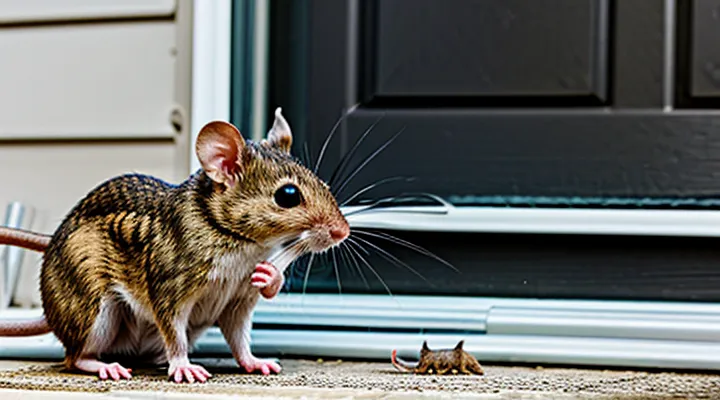
Understanding the Mouse Problem
Signs of a Mouse Infestation
Droppings and Urine Trails
Mice droppings and urine trails are reliable indicators of infestation and primary sources of disease transmission. Fresh droppings appear as small, dark, rice‑shaped pellets; older deposits darken and become crumbly. Urine stains manifest as faint, glossy streaks on surfaces, especially near food storage, cabinets, and wall corners. Both waste types contain pathogens such as hantavirus, salmonella, and leptospira, posing health risks to occupants.
Effective management begins with accurate detection. Inspect the following areas:
- Under appliances, inside cabinets, and behind refrigerators.
- Along baseboards, in wall voids, and beneath sinks.
- On insulation, ceiling tiles, and attic beams.
When waste is identified, follow a strict decontamination protocol:
- Ventilate the area by opening windows and using fans for at least 30 minutes.
- Wear disposable gloves, N‑95 respirator, and eye protection.
- Saturate droppings and urine with a disinfectant solution (e.g., 1 % bleach or commercial rodent sanitizer) and allow a 10‑minute dwell time.
- Remove waste with a sealed, disposable bag; seal and discard according to local hazardous waste regulations.
- Clean the surface with a fresh disinfectant mixture, then wipe dry with disposable paper towels.
After cleaning, eliminate the conditions that encourage waste accumulation. Seal entry points larger than ¼ inch, store food in airtight containers, and maintain low humidity to discourage nesting. Regular monitoring of droppings and urine trails provides early warning of re‑infestation, allowing prompt intervention before populations expand.
Gnaw Marks and Damage
Mice leave distinctive gnaw marks that are shallow, crescent‑shaped incisions with clean edges, typically 2–4 mm wide. The cuts appear on wood, plastic, and especially on softer materials such as foam or rubber. Repeated bites create a series of overlapping holes, often forming a jagged line that indicates the animal’s travel route.
The damage caused by these bites extends beyond cosmetic destruction. Commonly affected items include:
- Electrical wiring, where exposed insulation creates fire hazards.
- Insulation and foam sealants, leading to loss of thermal efficiency.
- Food containers and packaging, resulting in contamination and waste.
- Furniture and structural wood, weakening support elements over time.
Identifying gnaw marks promptly enables targeted intervention. Visual confirmation of bite patterns directs placement of traps, bait stations, and exclusion devices at active pathways. Sealing entry points and reinforcing vulnerable materials reduce further chewing, while inspecting damaged wiring and insulation prevents secondary safety issues. Continuous monitoring of gnaw evidence confirms the effectiveness of control measures and signals when additional actions are required.
Strange Noises and Odors
Strange noises and odors often indicate a hidden mouse problem. Scratching or scurrying sounds behind walls, in ceilings, or within insulation signal active foraging. A sharp, musky odor, especially near food storage areas, results from urine and feces accumulation. These sensory clues pinpoint infestation locations and help prioritize treatment zones.
Key actions when such signs appear:
- Inspect suspected walls, crawl spaces, and attics for entry holes, droppings, or gnaw marks.
- Seal all openings larger than ¼ inch with steel wool, cement, or metal flashing to block re‑entry.
- Deploy snap traps or electronic devices near identified activity zones; place bait on the interior side of the wall to target concealed rodents.
- Apply a concentrated, low‑toxicity rodenticide in concealed voids, following label instructions and safety protocols.
- Clean contaminated surfaces with a disinfectant solution; remove droppings with a damp cloth to reduce airborne pathogens.
Prompt response to auditory and olfactory evidence prevents population growth, minimizes structural damage, and reduces health risks associated with mouse infestations. Continuous monitoring after treatment confirms the effectiveness of the control measures.
Why Mice Are a Problem
Health Risks
Mice carry a range of pathogens that can compromise human health. Direct contact with droppings, urine, or saliva transmits bacteria, viruses, and parasites. Common diseases include:
- Hantavirus pulmonary syndrome, contracted through inhalation of aerosolized droppings.
- Leptospirosis, spread by contaminated urine entering cuts or mucous membranes.
- Salmonellosis, resulting from food contamination by mouse feces.
- Lymphocytic choriomeningitis, transmitted via exposure to infected mouse secretions.
Allergens produced by mouse dander and urine exacerbate asthma and trigger allergic reactions, especially in children and individuals with pre‑existing respiratory conditions. Persistent exposure may increase sensitization rates and worsen chronic bronchial inflammation.
Mice infestations also facilitate secondary pest problems. Insects attracted to mouse waste, such as cockroaches and flies, multiply the pathogen load in the environment. The combined presence of multiple vectors raises the probability of cross‑contamination in kitchens, storage areas, and food preparation surfaces.
Effective elimination of rodents reduces these health hazards. Prompt removal of nests, thorough sanitation of contaminated zones, and implementation of exclusion measures prevent re‑infestation and limit disease transmission.
Property Damage
Mice compromise the integrity of residential and commercial structures by gnawing on wood, drywall, and structural supports, creating holes that weaken load‑bearing elements. Their continuously growing incisors enable them to breach plastic, rubber, and even some metal components, leading to rapid deterioration of building envelopes.
- Structural timber: Chewed joists and studs lose strength, increasing the risk of sagging floors and roof collapse.
- Insulation: Removal of cotton or fiberglass material reduces thermal efficiency and invites moisture accumulation.
- Electrical wiring: Nibbled conductors expose live wires, heightening fire hazards and causing costly outages.
- Plumbing: Damaged seals and tubing result in leaks, corrosion, and water‑damage to surrounding surfaces.
Mice also jeopardize stored goods. They infiltrate pantry items, contaminating food with urine, feces, and pathogens, which forces disposal of large quantities of consumables. Their nesting behavior damages clothing, upholstery, and paper products, leading to replacement expenses.
Financial assessments show that untreated infestations can generate repair bills ranging from a few hundred dollars for localized damage to several thousand for extensive structural repairs. Prompt eradication and preventive measures limit these costs by preserving the building’s envelope, safeguarding utilities, and protecting personal property.
Implementing proven control techniques—such as sealing entry points, deploying bait stations, and maintaining rigorous sanitation—directly reduces the likelihood of property loss. Continuous monitoring ensures early detection, allowing swift intervention before damage escalates.
Prevention: Keeping Mice Out
Sealing Entry Points
Identifying Gaps and Cracks
Identifying gaps and cracks is the first defensive measure against rodent intrusion. Inspect exterior walls, foundations, and roof eaves for openings larger than a quarter‑inch; mice can squeeze through spaces as small as 0.25 in. Examine utility penetrations, such as pipe sleeves and vent chases, for missing seals. Pay special attention to areas where different construction materials meet, as differential movement often creates fissures.
Key inspection steps:
- Conduct a visual sweep of the building envelope during daylight; use a flashlight for shadowed joints.
- Run a thin piece of cardboard or a flexible probe along seams; resistance indicates a potential entry point.
- Apply a bright, non‑toxic powder to suspected gaps; mouse activity will reveal tracks within 24 hours.
- Seal identified openings with appropriate material—steel wool, copper mesh, or expanding foam—ensuring durability against chewing.
Regular verification after seasonal temperature shifts prevents new fissures from forming. Maintaining a sealed perimeter reduces the likelihood of mouse colonization and supports the overall effectiveness of control strategies.
Recommended Sealing Materials
Effective rodent exclusion begins with sealing all potential entry points. Selecting the right material determines long‑term durability and resistance to chewing.
- Steel wool (grade 0000): Fits gaps up to ¼ in., compresses into irregular openings, deters gnawing due to metallic texture. Secure with caulk to prevent displacement.
- Copper mesh (½‑inch gauge): Offers corrosion resistance, maintains flexibility for irregular seams, withstands repeated exposure to moisture.
- Expanding polyurethane foam (low‑expansion, rodent‑rated): Fills larger voids (up to 2 in.), hardens into a solid barrier. Choose formulations labeled “rodent‑proof” to avoid softening under gnawing pressure.
- Silicone or polyurethane sealant: Seals small cracks and seams after primary filler is installed. Provides airtight closure, adheres to wood, metal, and concrete.
- Hardware cloth (¼‑inch mesh): Ideal for vents, utility openings, and exterior walls. Requires stapling or welding to frame; mesh size prevents mouse passage while allowing airflow.
- Metal flashing (aluminum or galvanized steel): Reinforces edges around doors, windows, and foundation cracks. Install with overlapping seams and sealant to eliminate gaps.
- Concrete or mortar: Best for foundation cracks exceeding ½ in. Apply as a permanent fill, smoothing surface to integrate with existing slab.
When applying these materials, follow a systematic approach: identify all openings, clean debris, apply primary filler (steel wool or mesh), then seal with appropriate caulk or foam. Verify that no gap exceeds ¼ in., the maximum size a mouse can squeeze through. Regular inspection after installation ensures that wear, settlement, or new construction activities have not reintroduced entry points.
Maintaining a Clean Environment
Food Storage Best Practices
Proper food storage directly reduces the attraction of mice, making it a core element of any rodent control program. Secure containers, regular cleaning, and strategic placement prevent access and limit scent trails that rodents follow.
- Store dry goods in airtight, heavy‑duty plastic or glass containers with screw‑on lids.
- Keep pantry shelves clear of spills; wipe down surfaces after each use.
- Rotate stock using a “first‑in, first‑out” system to eliminate stale items that emit strong odors.
- Position food storage units away from walls and baseboards, creating a gap that blocks easy entry.
- Seal all entry points around cabinets and drawers with steel wool or silicone caulk.
Maintain a routine inspection schedule. Check seals for wear, dispose of damaged packaging, and clean underneath appliances weekly. By eliminating accessible food sources, the environment becomes inhospitable to mice, supporting long‑term pest management.
Eliminating Clutter
Eliminating clutter reduces hiding places and travel routes for mice, making it harder for them to establish nests. Open floor space allows traps and bait stations to be positioned where rodents are most active, increasing capture rates.
Key actions for decluttering:
- Remove piles of paper, cardboard, and fabric from storage areas; store items in sealed containers.
- Clear under‑furniture spaces, behind appliances, and inside cabinets of debris and unused objects.
- Organize garage and basement shelves, keeping only essential items and placing them on elevated platforms.
- Dispose of food waste, pet food, and compost in airtight bins; relocate these containers away from walls.
Regular inspection of cleared zones helps detect early signs of activity. Maintaining a tidy environment prevents re‑accumulation of material that could serve as shelter, supporting long‑term rodent management.
Landscaping Considerations
Trimming Vegetation
Trimming vegetation around a building reduces shelter and travel routes for mice, forcing them into exposed areas where traps and baits are more effective. Dense shrubs, tall grasses, and overgrown trees create cover that protects rodents from predators and human detection; removing this cover eliminates a primary habitat component.
Maintain a clearance zone of at least three feet between the foundation and any foliage. Regularly cut back groundcover to ground level, prune tree branches so they do not touch the roof, and keep garden beds tidy. This practice limits the ability of mice to climb onto structures and enter through gaps.
Implement the following routine:
- Inspect perimeter weekly for new growth or regrowth.
- Use a mower or hedge trimmer to keep grass under six inches.
- Trim trees so the lowest branches are at least eight feet above the ground.
- Remove leaf litter and compost piles that touch the building.
- Dispose of trimmed material away from the foundation.
A well‑maintained exterior creates a hostile environment for rodents, enhances the visibility of control devices, and supports long‑term pest‑free conditions.
Storing Firewood Away from the House
Storing firewood at a distance from the residence reduces the likelihood that mice will find shelter and food near entry points. Wood piles left against the house create warm, protected environments that attract rodents, facilitating interior infestations.
Practical guidelines for firewood storage:
- Place the stack at least 20 feet (6 m) from the building’s foundation.
- Elevate the pile on a pallet or concrete slab to keep it off the ground and away from moisture.
- Cover the top with a waterproof tarp; leave the sides open for airflow.
- Stack wood in uniform layers, avoiding gaps that can serve as nesting sites.
- Keep the area around the stack clear of debris, vegetation, and other potential harborage.
These measures limit rodent access, diminish nesting opportunities, and support overall pest‑management efforts.
Extermination Methods: Getting Rid of Mice
Trapping Methods
Snap Traps: Pros and Cons
Snap traps provide immediate, lethal removal of mice with a single activation. Their mechanical design requires no electricity or chemicals, making them suitable for locations without power access. The traps are inexpensive, typically costing a few dollars each, allowing extensive deployment in high‑infestation areas. Reusable models can be emptied and reset, reducing long‑term expense. Placement flexibility permits use in walls, attics, and crawl spaces where bait stations may be impractical.
Advantages
- Instant kill minimizes suffering.
- Low purchase price and reusable options lower overall cost.
- No toxic substances, eliminating risk of secondary poisoning.
- Simple operation; no maintenance beyond occasional cleaning.
Disadvantages
- Requires careful positioning to ensure mouse contact; improper placement reduces effectiveness.
- Visible killing mechanism may be unsettling for occupants.
- Risk of accidental activation by humans or pets if not secured.
- Single‑use nature (for disposable models) generates waste; reusable units need regular sanitation to prevent disease transmission.
Effectiveness depends on proper bait selection, trap density, and regular monitoring. Integration with other control measures—such as sealing entry points and habitat reduction—enhances overall success in eliminating mouse populations.
Live Traps: Humane Removal
Live traps offer a humane alternative to lethal methods, capturing mice alive for later release. The device consists of a cage with a trigger mechanism that closes the door when the rodent enters to reach bait.
Key considerations for effective use:
- Trap selection: Choose a model with a sensitive trigger, sturdy construction, and a secure latch. Prefer traps that allow easy cleaning and have ventilation holes.
- Bait choice: Use high‑protein foods such as peanut butter, cheese, or dried fruit. Apply a small amount to a designated spot on the trigger platform.
- Placement: Position traps along walls, behind appliances, and near known activity zones. Align the entrance with the mouse’s natural travel path.
- Monitoring: Check traps at least twice daily. Remove captured mice promptly to prevent stress or injury.
- Release protocol: Transport the mouse in a sealed container to a location at least one mile from the property, preferably in a wooded or field area. Release the animal gently, allowing it to exit the container on its own.
Maintenance steps ensure continued performance:
- Clean the interior after each capture using mild soap and water; rinse thoroughly.
- Inspect the trigger for wear; replace worn components promptly.
- Rotate trap locations if captures decline, indicating possible avoidance.
By adhering to these practices, live traps provide an efficient, cruelty‑free solution for removing mice from residential or commercial spaces.
Electronic Traps: Modern Solutions
Electronic traps provide a rapid, humane alternative to conventional snap‑or‑poison devices. A high‑voltage circuit delivers a lethal shock within milliseconds, ensuring immediate mortality and eliminating the risk of lingering suffering.
The core components include a rechargeable battery, a sensor‑triggered grid, and a containment chamber. When a mouse contacts the conductive plates, the sensor activates the circuit, producing a voltage of 2,000–3,000 V at a low amperage. The resulting shock incapacitates the rodent, which then falls into the sealed chamber for easy disposal.
Key advantages:
- Instant kill reduces the chance of escape.
- No chemical residues, making the method safe for food‑storage areas.
- Reusable; a single charge can treat dozens of rodents.
- Minimal maintenance; only periodic cleaning of the capture chamber is required.
Effective deployment follows these guidelines:
- Position traps along established runways, near walls, or behind appliances where mouse activity is observed.
- Place devices on a flat, stable surface to ensure proper sensor alignment.
- Keep the area free of clutter to prevent false triggers from non‑target objects.
- Inspect the capture chamber daily, dispose of contents, and recharge the unit as indicated by the battery indicator.
Safety considerations include:
- Ensure the trap is out of reach of children and pets; most models feature a lockable cover.
- Verify that the power source is fully charged before placement; a depleted battery reduces effectiveness.
- Follow manufacturer instructions for cleaning; avoid using abrasive materials that could damage the sensor grid.
When integrated with other control measures—such as sealing entry points and maintaining sanitation—electronic traps significantly reduce mouse populations while preserving a clean, chemical‑free environment.
Baiting Strategies
Types of Baits
Effective rodent control relies on selecting the appropriate bait to match the infestation’s characteristics. Bait choice influences placement strategy, safety considerations, and overall success.
- Anticoagulant rodenticides – interfere with blood clotting, cause fatal internal bleeding after several days; include first‑generation (warfarin, chlorophacinone) and second‑generation (bromadiolone, difenacoum) compounds. Suitable for indoor and outdoor use where non‑target exposure can be managed.
- Non‑anticoagulant rodenticides – act on the nervous system (bromethalin) or produce toxic gas (zinc phosphide). Provide rapid mortality, useful in resistant populations.
- Commercial bait blocks – pre‑measured, palatable formulations that combine attractant and poison; facilitate consistent dosing and reduce waste.
- Natural attractants – peanut butter, sunflower seeds, dried fruit, or cheese; often paired with mechanical traps but can be enhanced with low‑dose toxicants for integrated approaches.
- Homemade bait mixtures – blend powdered rodenticide with a food base such as oats or cornmeal; allow customization of potency and scent.
Each bait type demands specific handling protocols. Anticoagulants require secure stations to prevent accidental ingestion by pets or children. Non‑anticoagulants may demand protective equipment due to higher toxicity. Natural attractants without poison serve as monitoring tools or as part of trap‑only programs. Selecting a bait aligns with the severity of the problem, the environment of deployment, and regulatory restrictions governing rodenticide use.
Safe Placement of Bait Stations
Proper positioning of bait stations maximizes efficacy while reducing risks to non‑target animals and humans. Place devices along established mouse pathways, such as walls, behind appliances, and near entry points, because rodents prefer concealed routes. Keep stations at least 12 inches from food preparation surfaces, pet feeding areas, and children’s play zones to prevent accidental exposure. Secure each unit to a stable surface to avoid displacement by curious pets or household traffic.
- Install stations 2–3 feet from walls, aligning the opening toward the baseboard.
- Position devices under cabinets, inside closets, and within attics where mice travel but people rarely access.
- Maintain a minimum clearance of 4 feet from sinks, countertops, and open garbage containers.
- Use tamper‑resistant models in homes with children or pets; lockable covers add an extra safety layer.
- Rotate locations every 4–6 weeks to disrupt mouse habituation and cover new activity zones.
Risks of Rodenticides
Rodenticides are chemical agents employed to eliminate mouse populations, yet their use introduces several hazards that can affect humans, non‑target animals, and ecosystems. Understanding these dangers is essential for anyone implementing pest‑control strategies.
Key risks include:
- Acute toxicity: accidental ingestion or dermal contact can cause severe illness or death in children, pets, and wildlife.
- Secondary poisoning: predators or scavengers that consume poisoned mice may suffer delayed toxic effects.
- Environmental contamination: runoff can introduce residues into soil and water, disrupting microbial activity and harming aquatic organisms.
- Resistance development: repeated exposure may lead to genetic adaptations in mice, reducing the efficacy of the chemicals over time.
- Legal liability: misuse or failure to follow label instructions can result in fines, lawsuits, or loss of certification.
Mitigation measures involve strict adherence to label directions, use of bait stations to limit access, selection of low‑toxicity products when feasible, and integration of non‑chemical controls such as exclusion and trapping. Proper training and personal protective equipment further reduce the likelihood of accidental exposure.
Professional Pest Control
When to Call an Expert
Mice infestations that persist despite traps, bait stations, or sealing obvious entry points usually indicate a problem beyond DIY capabilities. Professional pest control services bring specialized equipment, licensed rodenticides, and expertise in identifying hidden nesting sites, making them essential when the following conditions arise:
- Infestation spreads to multiple rooms or levels within a short period.
- Evidence of gnaw damage appears on structural components, wiring, or food storage containers.
- Signs of disease risk emerge, such as droppings in kitchens, pantries, or near children’s play areas.
- Attempts at self‑treatment fail to reduce mouse activity after several weeks.
- Property owners lack the time or resources to implement comprehensive exclusion and sanitation measures.
Contacting an expert also ensures compliance with local regulations governing rodent control chemicals and waste disposal. Early professional intervention can prevent structural damage, protect health, and reduce long‑term costs associated with repeated DIY attempts.
What to Expect from a Professional Service
A professional rodent‑control service begins with a comprehensive on‑site assessment. Technicians identify entry points, nesting locations, and activity signs, then document findings in a written report. The report outlines a customized treatment plan, including recommended exclusion measures, bait placement, and sanitation improvements.
The treatment phase follows a strict schedule. Initial actions focus on sealing gaps and installing traps or bait stations in concealed areas. Products used comply with local regulations and are selected for efficacy against mice while minimizing risk to occupants and pets. Technicians wear protective equipment and follow safety protocols during application.
After the initial treatment, the service includes a monitoring period of 2–4 weeks. Inspectors revisit the property to evaluate trap captures, bait consumption, and any new activity. Adjustments—such as repositioning devices or adding additional exclusion work—are made promptly based on observed results.
Key elements customers receive from a reputable provider:
- Written inspection report with photographic evidence
- Detailed, step‑by‑step treatment plan
- Use of certified, low‑toxicity control products
- Scheduled follow‑up visits and progress verification
- Guarantee of service effectiveness, often with a warranty period
- Advice on long‑term prevention, including structural repairs and sanitation practices
Cost transparency is standard. Providers supply an itemized quote covering inspection, materials, labor, and any required follow‑up visits. Payment terms, cancellation policies, and warranty details are explained before work begins.
Upon completion, the service delivers a final report confirming eradication levels, recommendations for ongoing maintenance, and contact information for future assistance. This documentation serves as proof of compliance and a reference for any subsequent pest‑management actions.
Post-Extermination: Cleanup and Follow-Up
Sanitizing Affected Areas
Disinfecting Surfaces
Disinfecting surfaces eliminates pathogens left by rodents and removes scent cues that encourage re‑entry.
Procedure
- Identify all areas where droppings, urine, or chew marks are present.
- Remove visible debris with a disposable cloth or paper towel; discard safely.
- Apply an EPA‑registered disinfectant suitable for rodent‑borne germs.
- Keep the product on the surface for the manufacturer’s required contact time.
- Wipe excess liquid and allow the area to air‑dry before restoring normal use.
Disinfectant selection
- Diluted bleach (1 part sodium hypochlorite to 9 parts water) – broad‑spectrum, inexpensive.
- Quaternary ammonium compounds – effective against bacteria and viruses, low odor.
- Hydrogen peroxide (3 % solution) – rapid action, safe on most non‑porous surfaces.
Safety measures
- Wear disposable gloves and eye protection.
- Ensure adequate ventilation; open windows or use fans.
- Keep chemicals away from food, utensils, and pet dishes.
- Follow label instructions for dilution and disposal.
Ongoing maintenance
- Clean high‑traffic zones weekly, intensifying after any trapping activity.
- Inspect for fresh droppings and repeat the disinfection cycle immediately.
- Store disinfectants in sealed containers, out of reach of children and animals.
Consistent surface sanitation complements trapping, sealing, and exclusion tactics, forming a comprehensive approach to rodent control.
Proper Disposal of Contaminated Materials
Effective rodent management ends with the safe removal of any material that has been exposed to mice. Contaminated items can spread disease, attract additional pests, and compromise sanitation if they are not handled correctly.
Typical sources of contamination include:
- Food scraps that have been gnawed or spilled
- Droppings, urine stains, and shed fur
- Nesting material such as shredded paper, fabric, or insulation
- Carcasses of dead rodents
The disposal process follows a strict sequence:
- Wear disposable gloves and a mask to prevent direct contact.
- Place all contaminated items in a heavy‑duty, sealable plastic bag.
- Remove excess air, seal the bag tightly, and label it “Rodent‑contaminated waste.”
- Apply an EPA‑approved disinfectant to the exterior of the bag, allowing the recommended contact time.
- Transport the sealed bag to a municipal hazardous‑waste collection point or a licensed disposal facility within the timeframe stipulated by local regulations.
Compliance with local health codes and environmental statutes is mandatory. Failure to follow prescribed disposal methods can result in fines, increased infestation risk, and public health violations. Recordkeeping of disposal dates, quantities, and disposal locations supports accountability and facilitates inspections.
In summary, the elimination of mouse‑related hazards concludes with the meticulous containment, disinfection, and authorized removal of all contaminated materials. This final step safeguards occupants, prevents reinfestation, and upholds regulatory standards.
Preventing Re-Infestation
Regular Inspections
Regular inspections are a cornerstone of any successful mouse‑control program. Early detection of activity allows immediate intervention before populations expand, reducing the need for extensive extermination measures.
To perform an effective inspection, follow these steps:
- Examine interior walls, ceilings, and baseboards for gnaw marks, droppings, and shredded materials.
- Check hidden areas such as behind appliances, under sinks, and inside cabinets.
- Inspect exterior entry points, including gaps around utility lines, vent openings, and foundation cracks.
- Use a flashlight and a mirror to view concealed spaces.
- Record findings with photographs or notes, noting the type and location of evidence.
Inspection frequency should match the risk level of the property. High‑traffic food facilities or storage areas warrant weekly checks, while residential spaces may be surveyed monthly. Additional inspections are advisable after severe weather events or any renovation work that could create new ingress routes.
Documented results guide targeted actions. Positive signs trigger immediate sealing of openings, placement of traps, or deployment of baits in the affected zones. Negative findings confirm that existing measures remain effective and provide a baseline for future monitoring. Consistent record‑keeping also helps evaluate long‑term trends and adjust the control strategy accordingly.
Continued Maintenance of Prevention Measures
Regular inspection of entry points, structural gaps, and utility openings prevents re‑infestation. Seal cracks with steel‑wool and caulk, install door sweeps, and repair damaged screens. Conduct this review quarterly, or after any renovation activity that could create new access routes.
Sanitation practices must remain consistent. Store food in airtight containers, promptly clean crumbs and spills, and keep garbage cans sealed. Remove clutter that offers hiding places; rotate stored items to discourage nesting.
Monitor bait stations and traps after the initial eradication phase. Replace depleted bait, reposition devices where activity shifts, and record capture data to identify emerging hotspots. A weekly log of observations supports timely adjustments.
Maintain the surrounding environment to reduce attraction. Trim vegetation away from building foundations, keep compost piles distant, and manage moisture sources that create favorable conditions for rodents. Implement these measures continuously to sustain long‑term protection.