
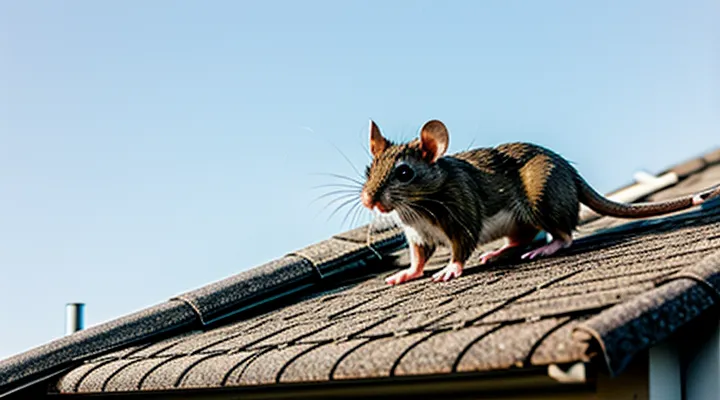
«Understanding the Problem»
«Why Mice Are Attracted to Your Roof»
«Food Sources»
Mice are drawn to the roof area by readily available nourishment. Food debris left from outdoor dining, unsecured garbage bins, and birdseed spillage create a constant supply that sustains an infestation. Pet food placed on balconies or in attic corners adds another attractive source, especially when left uncovered overnight. Seasonal fruit fallen from trees often accumulates in eaves, providing sweet, high‑energy sustenance. Even small insects attracted to stored grain or flour can serve as supplemental protein for the rodents.
To eliminate these incentives, follow a systematic approach:
- Collect and dispose of all food waste in sealed containers; use bins with tight‑fitting lids.
- Relocate pet feeding stations away from the roof perimeter; store dry food in airtight containers.
- Install bird feeders at a distance from the house, and clean any spilled seed promptly.
- Trim overhanging branches that deposit fruit onto the roof; regularly sweep eaves to remove debris.
- Seal cracks and gaps in the roof structure that allow mice to enter and access stored provisions.
Removing each food source reduces the rodent population’s ability to thrive, thereby supporting long‑term control of mice on a private residence roof.
«Shelter and Warmth»
Mice infest roofs because the space offers protection from predators and a stable temperature. The insulation, gaps around vents, and stored materials create a comfortable environment that encourages nesting and breeding. Eliminating these conditions reduces the appeal of the roof as a refuge.
First, identify and seal all entry points. Use steel wool, copper mesh, or expanding foam to block holes larger than a quarter inch. Pay special attention to areas around chimneys, skylights, and roof vents. Ensure that the sealant remains intact after exposure to weather.
Second, remove sources of warmth that attract rodents. Insulation that has become compromised by moisture or damage should be replaced. Store firewood, building supplies, and debris at least three meters from the house, and keep them elevated off the ground.
Third, disrupt existing shelter. Locate nests by looking for shredded material, droppings, or gnaw marks. Dispose of nests in sealed bags and clean the area with a disinfectant solution. Install rodent‑proof barriers, such as metal flashing, around the perimeter of the roof deck.
Practical steps can be summarized:
- Inspect the roof for gaps and seal them with durable materials.
- Replace damaged insulation and keep the attic dry.
- Relocate combustible or nesting materials away from the structure.
- Remove visible nests and treat the area with an appropriate disinfectant.
- Install metal flashing or similar deterrents along vulnerable edges.
By removing shelter and reducing heat retention, the roof becomes an inhospitable environment, discouraging mouse activity and supporting long‑term prevention.
«Accessibility Points»
Accessibility points are any openings that permit rodents to travel from the exterior to the roof space of a private residence. Identifying and securing these points prevents mice from establishing a foothold in the attic.
Common access points include:
- Gaps between roof sheathing and eaves
- Unscreened soffit vents
- Damaged or missing vent caps on bathroom, dryer, or attic vents
- Openings around chimney flues
- Spaces surrounding utility pipes, cables, and conduit
- Cracks in insulation or plaster near the roofline
Inspection should begin at the exterior, examining each listed area for visible damage or gaps. Seal openings with materials that resist gnawing, such as steel wool backed by caulk, hardware cloth, or metal flashing. For vent covers, install sturdy mesh screens and ensure tight fit. Around pipes, use expandable foam reinforced with metal mesh before applying a sealant.
Routine maintenance is essential. After severe weather, re‑inspect all sealed locations for new damage. Conduct a quarterly walk‑through of the roof perimeter, focusing on previously identified vulnerabilities. Consistent attention to accessibility points eliminates the primary pathway for mice and supports long‑term rodent‑free conditions in the roof space.
«Signs of Mice Infestation on the Roof»
«Visual Sightings»
Visual sightings on the roof provide the most reliable confirmation of an active mouse presence. Mice leave distinct traces that can be identified without specialized equipment.
- Fresh droppings, 3‑5 mm long, darkened at the tips, appear along beams, insulation, and near entry points. A concentration of droppings indicates a high‑traffic pathway.
- Gnaw marks on wooden joists, wiring, or vent covers reveal the size of the rodent and the direction of movement. Fresh gnawing shows clean, shiny edges; older damage appears rough and splintered.
- Nest material, such as shredded insulation, dried plant fibers, or paper, accumulates in concealed corners. A compact, irregular pile signals a breeding site.
- Footprints or tail marks in dust, soot, or spilled flour appear as small, four‑toed prints with a dark tail imprint. These prints align with recent activity.
- Scratching sounds heard through the ceiling or attic floor correspond to nocturnal foraging. Consistent noise at night confirms active foraging.
Observing these indicators during daylight and after dusk establishes the extent of infestation. Documenting location, quantity, and condition of each sign enables precise targeting of control measures and prevents unnecessary treatment of unaffected areas. Continuous monitoring after interventions confirms the success of removal efforts.
«Droppings and Urine Stains»
Droppings and urine stains are reliable signs that rodents occupy the attic space of a private residence. Fresh fecal pellets appear as small, dark, rice‑shaped objects, while older droppings may turn gray and crumble easily. Urine stains often manifest as discolored, damp patches on insulation, wood, or stored items and emit a faint, ammonia‑like odor.
These residues pose serious health risks. Rodent feces can harbor Hantavirus, Salmonella, and Leptospira bacteria; inhalation of dried particles may trigger respiratory illnesses. Urine contains pathogens that contaminate surfaces and can cause skin irritation or allergic reactions.
Effective response begins with a thorough inspection. Identify all affected areas, note the quantity and location of droppings, and assess the extent of urine staining. Use a flashlight and protective gloves to avoid direct contact.
Cleaning protocol:
- Wear disposable gloves, N‑95 respirator, and eye protection.
- Seal contaminated materials in heavy‑duty plastic bags for disposal.
- Vacuum dry droppings with a HEPA‑rated filter vacuum; avoid sweeping to prevent aerosolization.
- Apply an enzymatic cleaner to urine‑stained surfaces; allow the solution to penetrate for at least 10 minutes.
- Scrub with a stiff brush, then rinse with warm water.
- Disinfect the area using a 1 % bleach solution (10 ml bleach per liter water); let it stand for 10 minutes before wiping dry.
- Dispose of cleaning cloths and mop heads in sealed bags.
After removal, eliminate moisture sources that attract rodents, repair gaps in roofing or ventilation ducts, and install metal flashing or sealing compounds around entry points. Regular monitoring of the attic will reveal any recurrence of droppings or stains, enabling prompt intervention.
«Scratching and Gnawing Noises»
Scratching and gnawing noises are primary indicators that rodents occupy the attic space of a private residence. The sounds typically arise from mice moving through insulation, chewing on wooden beams, or attempting to enlarge entry points. Detecting these noises early allows swift intervention before populations expand and structural damage escalates.
To assess the source of the sounds, follow these steps:
- Conduct a quiet inspection during nighttime, when mice are most active, and note the exact locations of the noises.
- Examine insulation, joists, and vent openings for fresh gnaw marks, droppings, or shredded material.
- Use a flashlight to trace pathways from identified damage back to potential entry points such as roof eaves, soffit gaps, or chimney cracks.
Once the entry points are confirmed, seal them with steel wool and caulking, then set snap traps or electronic bait stations near the noise hotspots. Replace damaged insulation promptly to eliminate hiding places and deter re‑infestation. Continuous monitoring of acoustic activity for several weeks ensures that the problem has been fully resolved.
«Damage to Property»
Mice occupying the attic can compromise the structural integrity of a private residence. Their gnawing habit targets wood beams, insulation, and wiring, creating holes that weaken support members and increase the risk of collapse during severe weather. Damaged insulation loses its thermal efficiency, leading to higher heating and cooling costs and exposing the interior to moisture intrusion.
Electrical systems are especially vulnerable. Mice chew through cable sheathing, exposing live conductors that may cause short circuits, frequent tripping of breakers, or fire hazards. Repaired or replaced wiring incurs significant labor expenses and may require inspection by a licensed electrician to meet safety codes.
Water intrusion often follows rodent activity. Holes in the roof sheathing allow rain to seep into the cavity, saturating insulation and promoting mold growth. Mold not only degrades building materials but also poses health risks to occupants, potentially necessitating professional remediation.
Typical signs of damage include:
- Visible chew marks on wooden joists, rafters, or insulation.
- Frayed or missing insulation fibers.
- Exposed or chewed electrical cables.
- Unusual droppings, urine stains, or a strong musky odor.
- Water stains on interior ceilings or walls directly beneath the roof.
Early detection limits repair costs. Conduct a visual inspection of the attic after each season, focus on vulnerable areas such as entry points around vents, chimneys, and roof penetrations. Document any damage and prioritize immediate repairs to prevent escalation.
Mitigating further loss requires sealing entry points, installing rodent-resistant materials, and maintaining a clean, clutter‑free attic. Professional exclusion services can reinforce gaps and install barriers that deter future infestations, preserving the building’s structural and electrical integrity.
«Preventative Measures»
«Sealing Entry Points»
«Inspecting the Roof and Eaves»
Inspect the roof and eaves for signs of rodent activity before any control measures. Begin with a visual sweep of the entire roof surface, paying close attention to roof tiles, shingles, and any gaps where panels meet. Look for droppings, gnaw marks, shredded insulation, and nests built from leaves or debris.
Identify entry points by examining:
- Gaps around vent pipes, chimneys, and skylights
- Openings at the junction of roof and wall sheathing
- Loose or missing eave brackets and soffit panels
- Cracks in flashing or damaged roof seals
Use a flashlight and a sturdy ladder to access hard‑to‑reach areas. A mirror on an extendable pole helps inspect under eaves without excessive climbing. Record each potential breach with a marker or photo for later sealing.
Remove accumulated debris from eaves, including leaves, twigs, and old insulation. Clean the area with a brush or vacuum to eliminate food sources and nesting material. After clearing, apply a durable sealant or metal flashing to close identified gaps. Ensure the material is weather‑resistant and compatible with the existing roof structure.
Conduct a final walk‑through after repairs. Verify that all vents are fitted with rodent‑proof screens, and that the soffit remains intact. A thorough inspection and proper sealing drastically reduce the likelihood of future mouse infestations on a private residence’s roof.
«Using Exclusion Materials»
Effective mouse control on an attic requires sealing all potential entry points. Exclusion materials provide a durable barrier that prevents rodents from accessing the roof space.
Common exclusion materials include:
- Steel wool, tightly packed into holes larger than a quarter inch.
- Copper mesh, cut to size and fastened with staples or screws.
- Expandable polyurethane foam, applied to gaps around pipes and vents.
- Cement-filled metal flashing, installed over larger openings.
- Heavy-duty silicone caulk, used for sealing cracks in wood or plaster.
Installation steps:
- Conduct a thorough inspection of the roof interior, noting every gap, vent, and conduit.
- Measure each opening to determine the appropriate material size.
- Clean the area around each gap to ensure adhesion of sealants and proper fit of mesh or wool.
- Insert the chosen material, compressing steel wool or copper mesh until no space remains.
- Apply foam or caulk over the filler, smoothing the surface to create a continuous seal.
- Secure flashing or metal plates with screws, covering larger openings completely.
- Verify that all seams are tight; repeat the process where any new gaps are discovered.
Regular maintenance involves checking for wear, especially after severe weather, and resealing any compromised sections promptly. This systematic use of exclusion materials eliminates the primary pathway for mice, reducing the likelihood of infestation without reliance on toxic baits.
«Checking Vents and Pipes»
Inspect all roof‑level ventilation openings and pipe penetrations for signs of gnawing, droppings, or nesting material. Rodents readily enter through gaps as small as ¼ inch, so thorough examination is essential.
- Remove vent covers and examine the interior for chew marks or shredded insulation.
- Use a flashlight to trace the path of each duct back to the exterior; note any cracks in the metal or wood framing.
- Check all plumbing stacks, including rain‑water downspouts and sewer pipes, for openings around the collar and flashing.
Seal identified entry points with materials rodents cannot chew through. Apply steel wool or copper mesh to fill gaps, then cover with expandable polyurethane foam or cement‑based sealant. For larger openings, install stainless‑steel mesh (¼‑inch or smaller) secured with screws or heavy‑duty clamps.
Replace any damaged vent grilles with rodent‑proof models that feature fine mesh screens. Ensure that all external vent caps sit tightly on the roof and are free of gaps around the mounting flange.
After repairs, monitor the inspected areas weekly for fresh gnaw marks or droppings. Persistent activity indicates additional hidden entry points that require further sealing. Continuous vigilance prevents re‑infestation and protects the attic structure from damage.
«Eliminating Food and Water Sources»
«Securing Outdoor Bins»
Outdoor waste containers placed near a roof provide easy access to food and shelter for rodents. When bins are left open or poorly sealed, mice can enter, multiply, and eventually find routes into attic spaces.
- Use lids that lock securely; latch mechanisms prevent accidental opening.
- Choose metal or heavy‑duty plastic bins; these materials resist chewing.
- Position containers on a solid platform at least 18 inches above ground to deter climbing.
- Empty and clean bins daily; remove residue that could attract foraging mice.
- Install a tight‑fit seal or gasket around the lid edge to eliminate gaps.
Additional precautions enhance effectiveness. Locate bins at a minimum of 10 feet from the house foundation and away from eaves or roof vents. Surround the area with a smooth, metal barrier or a concrete pad to block climbing routes. Regularly inspect lids and seals for damage, replacing compromised components promptly. These measures reduce food availability, limiting the incentive for mice to approach the roof and decreasing the likelihood of infestation.
«Cleaning Up Debris»
Removing food scraps, nesting material, and loose insulation from the attic eliminates the resources mice need to survive. A clean surface also exposes hidden entry points, making it easier to seal them.
Before starting, wear protective gloves, a dust mask, and sturdy footwear. Ventilate the space by opening any accessible windows or vents to reduce airborne particles. Use a flashlight to locate debris in corners, behind beams, and under insulation panels.
- Collect all visible droppings, shredded paper, and torn fabric with a disposable container.
- Vacuum remaining dust and fine particles using a HEPA‑rated filter to prevent spread of allergens.
- Dispose of waste in sealed bags, then place them in an outdoor trash bin away from the house.
- Inspect insulation for clumps or gnawed sections; replace compromised material with new, pest‑resistant insulation.
- Sweep the floor and roof joists with a stiff broom, removing residual crumbs and organic matter.
After cleaning, re‑examine the attic for gaps larger than a quarter‑inch. Apply steel wool or silicone caulk to seal openings before reinstalling any stored items. Regularly repeat the debris‑removal process to prevent re‑infestation.
«Managing Vegetation»
Managing vegetation around a private house roof directly influences rodent activity. Dense shrubs, overgrown trees, and ground cover create pathways and shelter for mice seeking entry points. Reducing these habitats limits the animals’ ability to climb, hide, and access the roof structure.
Key actions include:
- Trim tree branches that extend within three meters of the roofline. Cut back limbs that touch or overhang the eaves to prevent mice from using them as bridges.
- Remove ivy, vines, and other climbing plants from walls and roof surfaces. These species provide continuous cover and facilitate vertical movement.
- Keep shrubbery at least one meter away from the building perimeter. Prune back foliage to create an open buffer zone that discourages nesting.
- Eliminate tall grass and weeds in the immediate yard. Mice often forage in such vegetation before moving toward the house.
- Dispose of fallen leaves, debris, and compost piles that are left near the roof. These materials serve as food sources and nesting material.
Regular maintenance of the landscape sustains a hostile environment for rodents. Inspect the roof and surrounding vegetation quarterly, adjusting pruning schedules as growth patterns change. By systematically denying mice convenient routes and shelter, the likelihood of roof infestation decreases substantially.
«Making the Roof Less Attractive»
«Trimming Overhanging Branches»
Trimming overhanging branches eliminates a direct pathway for mice to reach the roof and attic. Branches that touch or extend beyond the roofline provide a bridge for rodents, allowing them to climb from trees, fences, or neighboring structures directly onto the building. Removing this bridge reduces the likelihood of mice entering through roof gaps, vents, or eaves.
Key actions for effective branch management:
- Inspect the entire perimeter of the house and identify any limbs within 2 feet of the roof surface.
- Cut branches back to a minimum clearance of 3 feet from the roof ridge and eaves.
- Use a pole saw or ladder‑compatible pruning shears to reach high limbs safely.
- Remove cut material promptly; store it away from the house to prevent it from becoming a shelter for rodents.
- Treat remaining stumps or large cuts with a rodent‑repellent sealant or apply a protective coating to discourage gnawing.
Perform trimming in late winter or early spring before the breeding season peaks. This timing limits new growth that could quickly become a new bridge. After cutting, seal any exposed nail holes or bark remnants with steel wool and caulk to block residual entry points. Regularly re‑inspect the roof line each year; even small new shoots can re‑establish a pathway for mice.
«Removing Clutter»
Removing unnecessary objects from the attic creates an environment that deters mouse activity. Clutter offers hiding places, nesting material, and routes that facilitate movement across the roof structure. By eliminating these conditions, the space becomes less attractive and more accessible for inspection and treatment.
Key actions for decluttering the attic:
- Conduct a thorough inventory of stored items; retain only essentials needed for seasonal use.
- Sort belongings into three categories: keep, relocate, discard. Use sealed containers for retained items to prevent rodent entry.
- Clear floor space to expose joists, insulation, and ventilation openings. This visibility allows for the identification of entry points and damage.
- Remove cardboard, paper, fabric, and any soft material that can serve as bedding. Replace with rigid, sealed storage solutions.
- Dispose of discarded items promptly, using sealed bags or a licensed waste service to avoid attracting mice during transport.
After the area is cleared, inspect remaining structures for gaps, cracks, or openings larger than a quarter inch. Seal identified breaches with steel wool, caulking, or metal flashing. The open layout also simplifies the placement of traps, bait stations, and ultrasonic devices, increasing the effectiveness of subsequent control measures.
Maintaining a clutter‑free attic requires periodic review. Schedule biannual checks to ensure that new items do not accumulate and that storage practices remain consistent with rodent‑prevention standards. This discipline sustains an inhospitable environment for mice and supports long‑term protection of the roof assembly.
«Using Repellents (Non-Lethal)»
Non‑lethal repellents provide a practical alternative for preventing mouse activity in an attic space. Synthetic odorants such as mousy‑stop or peppermint oil release scents that rodents find unpleasant, prompting avoidance of treated areas. Apply the product to wood surfaces, insulation, and entry points, re‑applying every two weeks to maintain potency.
Ultrasonic devices emit high‑frequency sound waves beyond human hearing. Position units near roof vents, soffits, and along joist lines. Effective models cover a radius of 30–45 feet; multiple units may be required for larger structures. Verify manufacturer specifications for continuous operation and power requirements.
Physical barriers complement chemical and electronic methods. Install stainless‑steel mesh (¼‑inch gauge) over gaps around pipe penetrations, chimney flues, and roof eaves. Seal cracks with expanding foam or caulk to eliminate hidden pathways. Regularly inspect the barrier for damage and repair promptly.
Maintenance schedule:
- Inspect and clean repellent surfaces monthly.
- Replace ultrasonic units’ batteries or power adapters quarterly.
- Examine mesh and sealants bi‑annually, tightening or resealing as needed.
Combining odor deterrents, sound emitters, and exclusionary hardware creates a comprehensive, humane strategy for mouse control in residential roof spaces.
«Eradication Strategies»
«Trapping Methods»
«Snap Traps»
Snap traps provide a rapid, lethal method for controlling rodent activity in an attic. The devices consist of a spring‑loaded bar that releases when a mouse triggers a pressure plate, delivering an instant kill. Their simplicity makes them suitable for homeowners who prefer a non‑chemical approach.
When deploying snap traps in a roof space, follow these steps:
- Choose a high‑quality wooden or plastic trap with a sturdy spring mechanism.
- Bait each trap with a small amount of attractive food such as peanut butter, cheese, or dried fruit. Avoid over‑baiting, which can reduce sensitivity.
- Position traps perpendicular to walls, with the trigger plate facing the baseboard or any known mouse pathways. Mice habitually travel along edges, so placing traps 1–2 inches from the wall maximizes contact.
- Set traps at night or during periods of low activity to minimize human interference.
- Inspect traps daily; remove dead rodents promptly, wearing disposable gloves, and reset or replace the trap as needed.
Advantages of snap traps include immediate results, no risk of secondary poisoning, and low cost. Limitations involve the need for regular monitoring and the requirement to handle dead pests safely. For optimal control, combine snap traps with exclusion measures—seal gaps, repair damaged insulation, and eliminate food sources—to prevent re‑infestation.
«Live Traps»
Live traps provide a humane solution for removing mice that have taken up residence in the attic of a private residence. They capture rodents without killing them, allowing owners to relocate the pests away from the property.
Effective use of live traps requires careful selection, placement, and management. Choose traps made of sturdy wire mesh with a secure door mechanism; models with a spring‑loaded latch release the animal as soon as it enters. Bait the trap with high‑energy food such as peanut butter, dried fruit, or small pieces of cooked meat. Position traps along known travel routes: near wall edges, behind insulation, and close to entry points such as gaps around vents or roof eaves. Place traps perpendicular to the wall, with the entrance facing the wall to guide mice into the device.
Monitor traps at least twice daily. Once a mouse is captured, wear disposable gloves, transport the trap to a safe outdoor location at least one mile from the house, and release the animal in a wooded or field area with adequate cover. Clean the trap with a mild disinfectant before resetting it to prevent disease transmission.
Maintain the strategy by sealing all entry points after each capture. Use steel wool, caulk, or metal flashing to close gaps around pipes, cables, and ventilation ducts. Regularly inspect insulation and storage boxes for new signs of activity, and replace bait as needed to keep traps attractive.
Key points for live‑trap deployment:
- Select durable, spring‑latch traps with a mesh size of ¼ inch or smaller.
- Use strong-smelling bait (peanut butter, dried fruit, cooked meat).
- Place traps along walls, near known entry routes, and in concealed corners.
- Check traps twice daily; release captured mice at a distance of at least one mile.
- Disinfect traps before reuse and seal all openings after each removal.
By following these procedures, homeowners can effectively eliminate mouse infestations from the roof area while adhering to humane pest‑control standards.
«Placement and Baiting Techniques»
Effective placement and baiting are critical for eliminating rodents from the attic of a private residence.
Identify active pathways: locate gnaw marks, droppings, and nesting material along rafters, joists, and near insulation. Position bait stations directly adjacent to these signs, preferably 1–2 feet from each entry point and 3–4 feet apart along the perimeter of the roof space.
Select bait that matches the species’ diet: high‑protein options such as peanut butter, dried meat, or commercial rodent gel. Combine bait with a secure, tamper‑proof container to prevent accidental exposure to non‑target animals and children.
Implement a systematic deployment:
- Install a minimum of three stations per identified route; increase density in heavily infested zones.
- Anchor each station to structural members using stainless‑steel staples or zip ties to prevent displacement by wind or vibration.
- Rotate bait every 48 hours to maintain freshness and attract reluctant individuals.
- Monitor stations daily; record captures, replace depleted bait, and adjust placement if activity shifts.
After confirming reduced activity, seal all gaps larger than ¼ inch with steel wool, metal flashing, or expanding foam. Maintain a regular inspection schedule to detect re‑entry attempts promptly.
Adhering to precise placement and baiting protocols maximizes control efficiency while minimizing risk to occupants and pets.
«Safe Disposal of Trapped Mice»
When a mouse is captured on the roof of a private residence, the disposal process must protect human health, comply with local regulations, and prevent secondary infestations.
First, verify the legal status of lethal control in the jurisdiction. Some regions require a permit for killing rodents, while others mandate specific methods for carcass handling. Contact the municipal health department or a licensed pest‑control professional to confirm the applicable rules.
Next, prepare a disposable container that can be sealed airtight. Use a heavy‑duty plastic bag or a rigid box with a lid. Place the trapped mouse inside, ensuring no contact with surfaces that could spread urine or feces. Add an absorbent material, such as newspaper, to contain fluids.
Seal the container securely, then label it with the date, location of capture, and a brief hazard notice. Transport the sealed package to an approved disposal site—typically a municipal landfill, a licensed animal waste processor, or a designated trash collection service that accepts dead rodents. Do not place the container in regular household recycling.
After removal, decontaminate the capture device and any tools used. Apply a disinfectant solution containing at least 1 % sodium hypochlorite, allow a five‑minute contact time, then rinse with clean water. Wear disposable gloves and a mask throughout the cleaning process; discard gloves and mask with the same sealed container used for the mouse.
Finally, inspect the roof for entry points that may have allowed the mouse to enter. Seal gaps, repair damaged flashing, and trim overhanging vegetation. Maintaining a barrier reduces the likelihood of future captures and the need for repeated disposal.
«Bait Stations»
«Types of Baits»
Effective mouse control on an attic requires selecting the appropriate bait. Different baits work best with specific trap types and mouse behaviors.
- Peanut butter – strong scent, high fat content, attracts both curious and hungry rodents; suitable for snap and glue traps.
- Chocolate – sweet aroma, appealing to mice that prefer sugary foods; effective in live‑catch cages and bait stations.
- Dry pet food – grain‑based, readily available, works well in areas where mice forage for stored food; compatible with snap traps.
- Seeds and nuts – natural diet component, ideal for mice accustomed to outdoor foraging; can be used with electronic traps that release a burst of electricity when the rodent bites.
- Rodenticide pellets – anticoagulant or neurotoxic compounds, designed for bait stations placed out of reach of non‑target animals; requires careful placement to prevent secondary poisoning.
- Bait blocks with added attractants – solid, slow‑release formulation that maintains potency for weeks; suitable for tamper‑proof stations in ceiling voids.
When deploying baits, position them along known mouse pathways, near entry points, and in corners where droppings accumulate. Replace or refresh bait every 2–3 days to maintain scent strength. Use bait stations that lock securely to prevent accidental contact by children or pets. Combining multiple bait types increases the likelihood of attracting different mouse populations and accelerates removal from the roof space.
«Strategic Placement»
Strategic placement of control devices determines the success of rodent removal from an attic in a private residence. Identify entry points, travel routes, and nesting sites before installing any equipment. Use a flashlight and dust‑free tape to mark openings and pathways; this visual map guides precise positioning.
Place snap traps, live‑catch cages, or bait stations directly along the documented routes. Position devices at least 12 inches apart to cover the full width of each passage. Install them low on walls where mice habitually run, and secure them on the ceiling’s joist edges if activity occurs overhead. Avoid placing traps near food storage or pet feeding areas to prevent accidental contact.
- Snap traps: set on the inner side of walls, close to known holes.
- Live‑catch cages: locate in corners with dense droppings, away from children.
- Bait stations: embed in insulated gaps, ensuring the lid is flush with the surface.
- Sealants and steel wool: apply after capture to block the same openings.
Inspect devices daily, replace depleted baits, and reset traps after each catch. Record capture locations to refine future placements. Once activity declines, gradually remove devices while maintaining sealed entry points to prevent reinfestation.
«Safety Considerations for Pets and Children»
When addressing rodent control on a residential roof, protect pets and children by eliminating hazards before, during, and after treatment.
- Keep all animals and minors away from the work area. Secure doors, windows, and ladders; use temporary barriers or cordoned zones to prevent accidental entry.
- Choose non‑toxic, low‑residue methods whenever possible. Opt for snap traps, electronic devices, or sealed bait stations that limit exposure to harmful substances.
- If chemical baits are necessary, place them in tamper‑proof containers at least 10 feet above ground level and out of reach of curious hands or paws. Follow label instructions for dosage and re‑application intervals.
- Remove food sources that attract mice. Store garbage in sealed bins, clean pet feeding areas, and ensure bird feeders are positioned away from the roof edge.
- Inspect and repair structural gaps after removal. Seal openings with steel wool, caulk, or metal flashing to prevent re‑infestation and to eliminate hidden entry points that could trap pets or children.
- Conduct a final safety sweep. Verify that all traps are deactivated, bait stations are removed, and any debris is cleared from the roof and surrounding ground.
Maintain vigilance until the area is confirmed mouse‑free. Continuous supervision and regular inspections reduce the risk of accidental contact with control devices and ensure a safe environment for the household’s most vulnerable members.
«Monitoring and Replenishment»
Effective mouse control on a roof requires continuous observation and timely replacement of control measures. First, establish a baseline by inspecting all potential entry points, nesting sites, and existing bait stations. Record the location, type of device, and current condition. Use a simple log sheet or digital app to track observations weekly.
During each inspection, verify that traps are set correctly, bait is fresh, and no new activity signs appear, such as droppings or gnaw marks. Note any devices that have been triggered, emptied, or show signs of tampering. If a trap remains inactive for more than seven days, replace it to maintain pressure on the population.
Replenishment follows the data gathered from monitoring. Replace bait in stations every three to five days, depending on ambient temperature and consumption rate. Rotate trap locations periodically—shift each device at least 10 feet from its previous spot after two weeks to prevent mice from learning avoidance patterns. Dispose of captured rodents promptly and sanitize traps with a dilute bleach solution before reuse.
Maintain a schedule that aligns monitoring frequency with seasonal activity peaks. Increase inspections to twice weekly during warm months when breeding accelerates; revert to weekly checks in colder periods. Consistent documentation and disciplined replenishment keep the control system effective and reduce the risk of re‑infestation.
«Professional Pest Control Services»
«When to Call an Expert»
When signs of rodent activity exceed the capacity of DIY measures, professional intervention becomes necessary.
- Repeated sightings of live mice or fresh droppings despite traps and bait.
- Damage to insulation, wiring, or structural components that threatens safety.
- Presence of gnaw marks on electrical cables or plumbing, indicating risk of fire or leaks.
- Detection of mouse nests in inaccessible attic spaces or behind roofing panels.
- Persistent odor of urine that cannot be eliminated with standard cleaning.
Professional pest controllers bring certified equipment, targeted baits, and exclusion techniques that guarantee long‑term eradication while complying with local health regulations. They also assess and seal entry points that homeowners often overlook.
Choose an expert with a valid pest‑management license, documented success in attic infestations, and transparent pricing. Request references and verify that the company follows integrated pest‑management principles to minimize chemical use and environmental impact.
«Benefits of Professional Intervention»
Professional pest control services bring specialized knowledge that homeowners typically lack. Trained technicians can identify entry points, assess structural risks, and apply targeted treatments that eliminate rodents without damaging roofing materials.
- Accurate detection of hidden nests and pathways reduces the chance of recurrence.
- Use of approved rodenticides and humane traps ensures compliance with safety regulations and minimizes health hazards for residents.
- Integrated pest‑management plans combine exclusion, sanitation, and monitoring, delivering long‑term protection.
- Guaranteed results often include follow‑up visits, allowing technicians to verify effectiveness and adjust tactics if necessary.
- Time saved by outsourcing the task frees owners to focus on repairs, renovations, or daily responsibilities.
Choosing expert intervention eliminates guesswork, lowers the likelihood of property damage, and provides documented assurance that the roof environment remains rodent‑free.
«Follow-Up and Prevention Plans»
After the initial removal effort, set a timeline for regular inspections. Conduct visual checks of the attic and surrounding eaves at two‑week intervals for the first month, then monthly for the next six months. Record any signs of activity, such as droppings, gnaw marks, or fresh chew damage.
Implement a sealing program promptly. Identify all gaps larger than ¼ inch in the roof structure, vents, and utility penetrations. Apply steel wool, expanding foam, or metal flashing to close each opening. Reinforce vulnerable areas with durable mesh where rodents could re‑enter.
Maintain a clean environment that discourages food sources. Store grain, pet food, and garbage in sealed containers. Clean up spilled seeds or crumbs in the attic and roof‑adjacent spaces weekly. Trim tree branches and shrubbery that touch the roof to eliminate bridge routes.
Schedule professional assessments at least twice a year. An exterminator can verify the integrity of exclusion work, test for hidden infestations, and recommend updated control measures if needed.
Follow‑up checklist
- Visual inspection of attic surfaces and structural joints
- Trap placement and weekly check of catch logs
- Sealant application to newly discovered gaps
- Waste storage audit and container integrity test
- Vegetation clearance around the building perimeter
- Documentation of findings in a maintenance log
Adhering to this structured plan reduces the likelihood of re‑infestation and ensures long‑term protection of the roof space.
«Post-Eradication and Maintenance»
«Cleaning and Sanitation»
«Disinfecting Affected Areas»
Disinfecting areas where mice have been active on a residential roof eliminates pathogens, removes scent trails, and reduces the likelihood of re‑infestation. Effective sanitation requires a systematic approach that addresses surfaces, insulation, and structural cavities.
- Select a disinfectant registered for rodent‑borne disease control; EPA‑approved products containing quaternary ammonium compounds, hydrogen peroxide, or phenolics are suitable.
- Clear debris, droppings, and nesting material before application; use a vacuum equipped with a HEPA filter or a damp disposable cloth to prevent aerosolization.
- Wear protective gear: nitrile gloves, N95 respirator, and eye protection. Seal off openings with plastic sheeting to contain fumes.
- Apply disinfectant according to manufacturer instructions; ensure thorough coverage of beams, joists, and any exposed insulation. Use a spray bottle for hard‑to‑reach joints and a foam applicator for porous surfaces.
- Maintain the recommended contact time, typically 10–15 minutes, to achieve full microbial kill. Do not rinse unless the product label specifies.
- After the dwell period, wipe excess liquid with disposable towels and allow the area to dry completely before reinstating insulation or roofing materials.
- Inspect for residual moisture or damage; repair any compromised sections to prevent water ingress and future pest entry.
Regular monitoring and prompt cleaning after any new mouse activity sustain a hygienic roof environment and support long‑term rodent control.
«Removing Droppings and Contaminated Materials»
Mice leave urine, feces, and soiled nesting material on the roof space, creating health hazards and attracting further pests. Immediate removal of these contaminants is essential for a successful eradication effort.
- Wear disposable gloves, a mask rated for particulate protection, and eye protection before entering the attic.
- Ventilate the area by opening any existing windows or using a portable fan to direct airflow outward.
- Collect visible droppings with a damp paper towel or disposable cloth; place each piece in a sealed plastic bag.
- Apply an EPA‑approved disinfectant to the droppings for at least five minutes to neutralize pathogens.
- Use a disposable scraper or stiff brush to loosen dried material from beams, insulation, and vents; transfer everything into sealed bags.
- Dispose of all contaminated waste in a double‑bagged container, then place it in an outdoor trash receptacle that is secured from animal access.
- After removal, clean all surfaces with a solution of 1 part bleach to 9 parts water, allowing a contact time of ten minutes before wiping dry.
- Replace any heavily soiled insulation with new material; otherwise, vacuum remaining debris with a HEPA‑filtered unit.
Thorough decontamination eliminates disease vectors, reduces odor, and prepares the roof space for subsequent sealing, trapping, or exclusion measures. Failure to remove droppings and contaminated items can compromise the entire control program and expose occupants to rodent‑borne illnesses.
«Odor Control»
Effective odor management is a critical component of any strategy aimed at eliminating rodents from an attic space. Persistent smells attract new pests, mask the presence of existing infestations, and can cause discomfort for occupants.
- Identify sources of foul odors, such as accumulated droppings, urine stains, and nesting materials. Thoroughly clean these areas with a detergent solution, followed by a disinfectant approved for indoor use.
- Apply enzymatic cleaners to break down organic residues that generate odor. Enzymes target proteins and fats, neutralizing the scent without leaving chemical residues.
- Deploy activated charcoal or zeolite packets in concealed corners of the roof cavity. These absorb volatile compounds and reduce lingering smells over several weeks.
- Use odor‑neutralizing sprays that contain cyclodextrin or essential oil blends specifically formulated for rodent waste. Apply directly to surfaces after cleaning.
- Ensure proper ventilation by installing vent grilles or passive airflow channels. Increased air exchange disperses residual odors and discourages re‑infestation.
Maintain a regular inspection schedule. Remove any new debris promptly, replace odor‑absorbing media when saturated, and repeat cleaning procedures after any treatment that may disturb settled waste. Consistent odor control not only improves indoor air quality but also reinforces the overall effectiveness of rodent eradication efforts.
«Ongoing Monitoring»
«Regular Inspections»
Regular inspections are essential for maintaining a rodent‑free roof. Conduct a visual sweep of the attic at least once a month, focusing on corners, insulation, and entry points. Look for fresh droppings, gnaw marks, and shredded materials; these indicate active presence.
During each inspection, follow these steps:
- Verify that all vents, eaves, and chimney openings are covered with metal mesh of ¼‑inch or smaller openings.
- Examine the roof’s exterior for gaps around flashing, skylights, and roof-to-wall joints; seal any openings with steel wool and caulk.
- Check insulation for signs of damage or nesting; replace compromised sections promptly.
- Test traps and bait stations for functionality; reset or relocate devices as needed.
Document findings in a log, noting date, location of evidence, and corrective actions taken. Review the log quarterly to identify patterns and adjust preventive measures accordingly. Consistent documentation supports early detection, reduces the likelihood of infestations, and streamlines remediation efforts.
«Maintaining Exclusion Measures»
Effective exclusion hinges on persistent attention to structural integrity and entry‑point control. Begin each season with a comprehensive survey of the attic and roof cavity. Identify gaps larger than a quarter‑inch, as these accommodate adult mice and juveniles. Seal identified openings with steel wool, copper mesh, or cement‑based sealants; these materials resist gnawing and weather exposure.
- Inspect flashing, vent covers, and soffit vents for loose panels or cracked seals; reinforce with roofing cement or metal flashing patches.
- Apply durable, rodent‑proof mesh (minimum 1 mm gauge) over ventilation openings while preserving airflow.
- Replace deteriorated roofing tiles, shingles, or underlayment that create concealed pathways.
- Install a continuous perimeter barrier around the roof’s eaves, extending at least six inches up the wall surface, using metal flashing or rigid foam sheathing with adhesive sealant.
Schedule quarterly walkthroughs to verify the condition of installed barriers. During each check, look for fresh gnaw marks, displaced sealant, or new cracks caused by thermal expansion. Promptly reseal any compromise; delayed repairs invite re‑infestation.
Maintain a log documenting inspection dates, observed defects, and remediation actions. This record supports timely interventions and provides evidence of diligent property management, reducing the likelihood of mouse ingress over the long term.
«Long-Term Prevention Tips»
«Consistent Property Maintenance»
Consistent property maintenance directly reduces the likelihood of rodent activity on a residential roof. Regular inspections reveal gaps, damaged flashing, and deteriorated soffits before mice can exploit them. Prompt repair of these defects eliminates entry points and discourages colonization.
Effective upkeep includes the following actions:
- Seal all openings larger than ¼ inch with steel wool, caulk, or metal mesh.
- Trim tree branches, vines, and shrubs that touch the roof or attic vents.
- Remove accumulated leaves, debris, and stored items from the eaves and roof deck.
- Inspect and reinforce roof sheathing, underlayment, and insulation for signs of gnawing or nesting.
- Clean and disinfect gutters, ensuring water flows freely and does not create damp conditions attractive to rodents.
- Schedule quarterly professional assessments to verify the integrity of roofing materials and ventilation systems.
Documenting each maintenance task creates a traceable record that aids in identifying recurring issues. When a pattern emerges, targeted interventions—such as replacing compromised flashing or upgrading vent screens—can be implemented swiftly.
By integrating these practices into a routine schedule, homeowners maintain a hostile environment for mice, thereby protecting structural components, insulation efficiency, and overall property health.
«Educating Family Members»
Educating everyone in the household about mouse prevention is essential for a lasting solution on the attic. Clear communication ensures that each person understands how their actions affect rodent activity and can cooperate to keep the space inhospitable.
Key points to cover with family members:
- Identify signs of mouse presence (droppings, gnaw marks, nesting material).
- Store food in sealed containers and avoid leaving crumbs in the kitchen.
- Keep trash bins tightly closed and dispose of waste regularly.
- Seal gaps around vents, pipes, and roof eaves with steel wool or caulk.
- Schedule regular inspections of the roof and attic, noting any new entry points.
- Report any sightings immediately so that control measures can be applied without delay.
Assign responsibilities, such as a weekly check of stored food, monthly inspection of roof seals, and prompt cleanup of spills. Reinforce the plan with brief reminders and visual cues—e.g., a checklist posted near the attic entrance. Consistent adherence by all occupants reduces food sources and entry opportunities, making the roof area unattractive to mice and supporting long‑term eradication.