
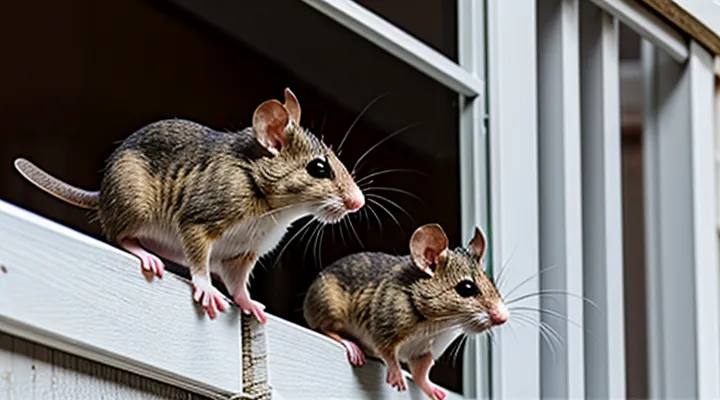
Understanding the Problem
Why Mice Are Attracted to Balconies
Food Sources
Mice are drawn to any edible material left on a balcony. Crumbs, pet food, fruit skins, and spilled beverages create a reliable food source that supports infestation. Removing these items eliminates the primary incentive for rodents to remain.
- Store all food in sealed, rodent‑proof containers made of metal or heavy‑wall plastic.
- Clean surfaces after each meal; sweep or wipe away crumbs and spills immediately.
- Keep pet feeding stations away from the balcony edge; use a metal feeder with a lockable lid.
- Dispose of waste in a bin with a tight‑fitting lid; empty it daily to prevent odor buildup.
- Cover fruit, bread, and snacks with foil or reusable silicone covers when not in use.
Regular inspection of the balcony for hidden food remnants, such as seeds in plant pots or spilled birdseed, prevents accidental provisioning. By denying mice access to nutrition, the population cannot sustain itself, and removal efforts become significantly more effective.
Shelter and Warmth
Mice are drawn to balconies that provide easy shelter and consistent warmth. Gaps around railings, loose planters, and stacked firewood create protected niches where rodents can hide from predators and weather. A solid, uninterrupted barrier eliminates these safe zones, forcing the animals to seek less favorable environments.
- Seal all openings larger than ¼ inch with steel wool, caulk, or metal flashing.
- Remove or relocate stacked materials that retain heat, such as wood piles or thick mulch.
- Install weather‑resistant covers on compost bins and pet food containers to block heat‑generating sources.
- Trim vegetation that touches the balcony floor, reducing pathways that lead to concealed areas.
By removing the structural features that supply shelter and by disrupting sources of retained warmth, the balcony becomes inhospitable to rodents, encouraging them to vacate the area.
Access Points
Mice reach balcony spaces through openings that provide direct or indirect pathways from adjacent structures or the ground. Common entry points include gaps around window frames, unscreened vents, cracks in the railing, deteriorated weather‑stripping, gaps beneath doors, and openings around drainage pipes. Small holes—often no larger than a quarter of an inch—allow rodents to slip inside unnoticed, especially when weather conditions force them to seek shelter.
To block these routes, implement the following measures:
- Inspect all seams, joints, and fixtures; mark any opening larger than 0.3 cm.
- Apply steel wool or copper mesh to fill cracks, then seal with silicone caulk or expanding foam.
- Install tight‑fitting screens on vents and drainage openings; secure with hardware cloth where extra strength is needed.
- Replace worn weather‑stripping on doors and windows with durable rubber or silicone profiles.
- Fit a solid barrier—such as metal flashing—over gaps beneath balcony doors.
- Conduct a quarterly review to verify that seals remain intact and that no new openings have formed.
Eliminating access points removes the primary incentive for rodents to colonize a balcony, thereby reducing the likelihood of infestation.
Signs of Mice Infestation
Droppings
Droppings are a primary indicator that rodents are active on a balcony and pose a health hazard. Their presence confirms infestation, signals contamination, and guides removal efforts.
First, identify the material. Mouse feces are about 5‑7 mm long, dark brown to black, and often found near food sources, nesting sites, or along walls. Spotting them on railings, planters, or outdoor furniture confirms the need for immediate action.
Second, protect yourself before cleaning. Wear disposable gloves, a N‑95 respirator, and eye protection to avoid inhaling pathogens such as hantavirus or leptospira. Dispose of all protective gear after use.
Third, eliminate droppings safely:
- Moisten each pellet with a disinfectant solution (e.g., diluted bleach 1 part bleach to 9 parts water) for at least five minutes. Wetting prevents aerosolization of particles.
- Scrape the softened material with a disposable scraper or paper towel. Place waste directly into a sealed plastic bag.
- Rinse the previously contaminated surface with the same disinfectant, allowing it to remain wet for another five minutes.
- After the contact time, wipe the area with a clean, damp cloth and let it air‑dry completely.
Fourth, dispose of waste properly. Seal the bag containing droppings, gloves, and cleaning implements, then place it in an outdoor trash container that is collected weekly. Do not compost or recycle contaminated material.
Finally, prevent future droppings by removing attractants. Store birdseed, pet food, and organic waste in sealed containers. Seal gaps, cracks, or vents in balcony railings and floorboards with steel wool and caulk. Install metal flashing or mesh to block entry points, as rodents can squeeze through openings as small as 0.5 cm.
By addressing droppings promptly and following these steps, the balcony environment becomes inhospitable to mice, reducing the risk of disease transmission and supporting long‑term rodent control.
Gnaw Marks
Gnaw marks are the most reliable visual evidence that rodents have accessed a balcony. They appear as shallow, crescent‑shaped teeth impressions on wood, plastic, fabric, or wiring. The size of each bite, typically 2‑4 mm, corresponds to the animal’s incisors and confirms active chewing rather than incidental damage.
Identifying gnaw marks helps prioritize control measures. When marks are found on structural elements, the risk of weakening the balcony framework increases. Damage to electrical cords poses a fire hazard, while chewed fabric can become a breeding ground for parasites. Recognizing these signs early prevents escalation.
Effective response includes three steps:
- Inspection – Examine all surfaces, paying special attention to corners, joints, and concealed areas where mice hide. Use a flashlight to reveal faint scratches.
- Removal – Cut away or replace compromised wood, seal exposed wiring with conduit, and wash fabric with hot water and detergent. Apply a rodent‑resistant sealant to repaired sections.
- Prevention – Install metal mesh or hardware cloth over openings larger than ¼ inch, eliminate food sources, and place snap traps or electronic deterrents near identified gnaw sites.
Regular monitoring of gnaw marks, combined with prompt repair and barrier installation, eliminates the primary pathway mice use to infiltrate a balcony.
Nests and Burrows
Mice construct nests from shredded paper, fabric, insulation, or plant material, arranging them in concealed corners of a balcony rail, under furniture, or within built‑in planters. Burrows consist of compacted soil or debris that the rodents excavate to create tunnels leading to food sources or shelter. Both structures provide warmth, protection from predators, and a base for breeding, making them central to a persistent infestation.
Visible indicators of these habitats include clumped debris, droppings near entry points, gnawed wiring or wood, and a faint musky odor. Small holes in wood, concrete, or plastic reveal tunnel openings. Inspect the entire balcony surface, focusing on gaps between railings, the underside of pots, and any accumulated clutter.
To eliminate existing nests and burrows:
- Remove all debris, discard shredded material, and clean surfaces with a disinfectant solution.
- Seal entry holes larger than ¼ inch with steel wool, copper mesh, or expandable foam; apply a weather‑proof sealant over the patch.
- Set snap traps or electronic devices directly in tunnel pathways, positioning bait at the far end to draw mice out of the nest.
- Replace damaged insulation or wood panels to eliminate hidden nesting sites.
Prevent future construction by maintaining a clutter‑free balcony, storing food in sealed containers, and installing a continuous metal or mesh barrier along the rail edges. Regularly sweep the area, trim vegetation that contacts the balcony, and conduct monthly inspections for new signs of activity. These measures disrupt the conditions mice need to build nests and burrows, thereby reducing the likelihood of re‑infestation.
Squeaking Sounds
Squeaking sounds on a balcony often indicate the presence of rodents. Mice produce high‑pitched noises when moving across surfaces, gnawing, or communicating with conspecifics. Detecting these sounds early allows prompt intervention before infestation escalates.
Key observations:
- Continuous, intermittent squeaks during night hours suggest active foraging.
- Sharp, rapid clicks accompany gnawing on wood or plastic.
- Low‑frequency chirps may occur when mice establish territory.
When squeaking is heard, implement the following measures:
- Inspect all access points; seal gaps larger than ¼ inch with steel wool and caulk.
- Place snap traps or live‑capture devices along walls where sound originates.
- Apply ultrasonic repellents, positioning emitters near the noise source.
- Remove food residues and standing water to eliminate attractants.
- Use peppermint oil or ammonia-soaked cotton balls in concealed locations to deter movement.
Regular monitoring of acoustic activity, combined with physical barriers and targeted traps, reduces the likelihood of a sustained mouse problem on the balcony.
Prevention Strategies
Eliminating Food Sources
Proper Food Storage
Proper food storage eliminates the primary attraction for rodents on balcony spaces. Seal all edible items in airtight containers made of glass, metal, or heavy‑wall plastic; the containers must have locking lids that prevent gnawing. Keep containers off the floor and away from the balcony’s edge, where wind can carry scents to nearby entry points.
Implement the following practices:
- Store dry goods such as grains, cereals, and nuts in resealable, rodent‑proof packages.
- Place pet food in sealed bins and remove leftovers after each feeding.
- Dispose of waste promptly in bins equipped with tight‑fitting lids; empty the bins before scent accumulation occurs.
- Clean spills immediately; use a damp cloth followed by a disinfectant to remove residue that could draw mice.
Regularly inspect storage containers for cracks or wear. Replace compromised containers without delay. By maintaining a scent‑free environment, the likelihood of rodent activity on the balcony diminishes considerably.
Regular Cleaning
Regular cleaning eliminates the resources mice need to survive on a balcony. Remove all food remnants, pet feed, and crumbs before they become attractants. Sweep or vacuum the floor daily, focusing on corners and beneath furniture where debris accumulates.
Dispose of garbage in sealed containers; replace bags immediately after use. Wash outdoor cushions, blankets, and any fabric that may hold odor or residue. Use a mild detergent and rinse thoroughly to prevent lingering scent.
Maintain dry conditions. Wipe wet surfaces after rain or watering, and ensure drainage channels are free of standing water. Damp environments encourage rodents to seek shelter.
Implement a schedule:
- Morning: sweep floor, clear food waste, empty trash bins.
- Midday: wipe surfaces, inspect for spills, dry any damp areas.
- Evening: vacuum upholstery, clean pet feeding stations, secure trash.
Consistent execution of these actions reduces food sources, moisture, and shelter, making the balcony inhospitable to mice.
Waste Management
Effective waste management is essential for preventing rodent activity on an outdoor terrace. Food remnants, packaging, and organic debris create a reliable food source; eliminating these supplies removes the primary attraction for mice.
Store refuse in containers that seal tightly. Choose bins with a rubber gasket and a latch that remains closed when not emptied. Position the containers away from the balcony edge, preferably on a solid surface that cannot be chewed through.
- Remove all visible food scraps after each meal.
- Rinse dishes before discarding them.
- Transfer waste to a sealed indoor bin before the balcony bin fills.
- Clean the bin interior with a mild disinfectant weekly.
- Inspect the surrounding area for fallen leaves or mulch and clear them regularly.
Maintain a routine of clearing clutter such as newspaper piles, cardboard boxes, and plant pots that can serve as nesting material. By restricting access to food and shelter through disciplined waste handling, the likelihood of mouse infestation on a balcony diminishes dramatically.
Sealing Entry Points
Inspecting Cracks and Gaps
Inspecting cracks and gaps is the first step in eliminating mouse activity on a balcony. Mice exploit any opening larger than a quarter‑inch; sealing these entry points removes the primary access route.
Identify all potential openings:
- Examine the perimeter where the balcony rail meets the floor, looking for split seams or loose panels.
- Check the underside of the balcony floor for deterioration, rot, or missing tiles.
- Inspect joints around drainage pipes, cable conduits, and vent covers for gaps.
- Feel for drafts along the balcony walls; a steady airflow indicates a hidden breach.
Repair and seal each defect:
- Use steel wool or copper mesh to fill narrow cracks before applying sealant; rodents cannot gnaw through metal.
- Apply a high‑quality exterior caulk or polyurethane sealant over the mesh, smoothing it to create a continuous barrier.
- Replace damaged boards or tiles with pressure‑treated lumber or ceramic pieces that resist chewing.
- Install metal flashing around pipe penetrations, securing it with stainless‑steel screws.
After sealing, conduct a final visual sweep to confirm that no openings remain. A completely closed perimeter prevents mice from re‑entering, allowing other control measures to work effectively.
Using Sealants and Barriers
Sealants and physical barriers form the most reliable defense against balcony‑dwelling rodents. Properly applied, they block entry points, eliminate nesting niches, and create an environment where mice cannot survive.
- Identify all gaps larger than ¼ inch: cracks in the concrete, gaps around railings, openings around drainage pipes, and seams between balcony slabs and walls.
- Choose a durable, weather‑resistant sealant: polyurethane or silicone‑based products adhere to concrete, metal, and wood, retain flexibility, and resist UV degradation.
- Clean each opening thoroughly with a wire brush and a solvent that removes dust, oil, and loose debris; moisture must be eliminated before sealing.
- Apply sealant in a continuous bead that fills the gap completely, then smooth with a putty knife to ensure full contact with surrounding surfaces.
- Install metal flashing or stainless‑steel mesh over larger openings where sealant alone cannot provide structural integrity; fasten with corrosion‑resistant screws and cover seams with sealant.
- For gaps around utility conduits, use expandable foam that hardens into a solid barrier, then trim excess and coat with sealant for added durability.
- Conduct a final inspection after the sealant cures (typically 24 hours); verify that no visible cracks or loose edges remain.
Regular maintenance—re‑applying sealant to any new cracks and checking barrier attachments after severe weather—prevents re‑infestation and sustains a mouse‑free balcony.
Deterring Mice Naturally
Peppermint Oil
Peppermint oil serves as a natural deterrent for rodents that frequent balcony spaces. The volatile menthol and related terpenes create an odor that mice find intolerable, prompting them to vacate treated areas.
The oil’s efficacy stems from its strong aromatic profile, which interferes with the rodent’s olfactory receptors. Mice rely heavily on scent for navigation and foraging; a persistent peppermint scent disrupts these processes, reducing the likelihood of repeated visits.
- Dilute 10 ml of peppermint essential oil in 500 ml of water.
- Transfer the mixture to a spray bottle.
- Apply to the perimeter of the balcony, focusing on corners, railings, and potential entry points.
- Reapply every 48 hours, or after rain, to maintain concentration.
- Replace the solution weekly to prevent loss of potency.
Safety considerations include avoiding direct contact with eyes and skin; wear gloves when preparing the solution. Pets should be kept away from freshly treated surfaces until the scent dissipates. Peppermint oil does not eradicate established infestations; it functions best as a preventive barrier.
For comprehensive control, combine peppermint oil treatment with physical exclusions such as sealed gaps, traps, and regular removal of food sources. The synergistic effect enhances deterrence and lowers the probability of mouse re‑colonization on the balcony.
Ultrasonic Repellents
Ultrasonic repellents emit high‑frequency sound waves that rodents cannot tolerate. The device converts electrical energy into pulses ranging from 20 kHz to 60 kHz, creating an invisible barrier around the balcony railings and adjacent planters. Mice experience discomfort and avoid the area, reducing the likelihood of nesting or foraging.
When selecting a unit, consider the following criteria:
- Frequency range: devices covering 30 kHz–50 kHz are most effective against common house mice.
- Coverage radius: choose a model rated for at least 15 feet to encompass the entire balcony surface.
- Power source: battery‑operated units allow placement without wiring; plug‑in models provide continuous operation.
- Weather resistance: IP‑rated enclosures protect against rain and humidity.
Installation requires positioning the emitter at a height of 3–4 feet, facing the most accessible entry points such as gaps under railings or vents. Secure the unit with brackets or adhesive pads, ensuring no obstructions block the sound field. Activate the device and allow a 48‑hour acclimation period; mouse activity typically declines within this window.
Limitations include reduced efficacy in open‑air environments where sound dissipates quickly, and diminished impact on rodents that have become habituated to ultrasonic exposure. Complement ultrasonic treatment with physical barriers—mesh screens, sealant caulk, and removal of food sources—to achieve comprehensive control.
Maintenance involves periodic cleaning of the housing to prevent dust accumulation, checking battery levels or power connections monthly, and replacing the unit every 12–18 months as the ultrasonic transducer degrades. Regular inspection of the balcony for new entry points ensures the acoustic barrier remains uninterrupted.
Predator Scents
Predator scents exploit the natural wariness of mice by introducing chemical cues associated with common feline and avian hunters. When a mouse detects these odors, it interprets the environment as unsafe and avoids the area, reducing activity on the balcony.
Effective predator‑derived products include:
- Synthetic cat urine or ferret odor sprays, applied to railings, planters, and corners.
- Ground‑up fox or coyote scent granules, scattered under furniture and along entry points.
- Bird of prey feather extracts, placed in small sachets near potential nesting sites.
Application should follow manufacturer instructions, typically reapplying every two weeks or after rain. Combining scent treatments with physical barriers, such as tight mesh screens, maximizes deterrence and prevents re‑infestation.
Extermination Methods
Trapping Techniques
Snap Traps
Snap traps provide a rapid, humane solution for rodent control on exposed outdoor platforms. The mechanism consists of a spring‑loaded bar that delivers a swift, lethal strike when a mouse triggers the trigger plate. This design eliminates prolonged suffering and reduces the likelihood of escape.
When choosing a snap trap for a balcony, consider the following criteria:
- Size compatible with limited space; compact models fit between railings or under planters.
- Sensitive trigger; low‑force activation ensures capture of timid mice.
- Durable construction; weather‑resistant materials prevent rust and maintain tension.
- Secure bait compartment; prevents non‑target animals from accessing the lure.
Effective placement maximizes capture rates. Position traps along established runways, near walls, and adjacent to food sources. Align the trigger plate perpendicular to the anticipated travel path; mice typically follow the edge of the balcony, making this orientation optimal. Space traps 12–18 inches apart to cover the entire perimeter without overlapping fields of influence.
Bait selection influences success. High‑protein items such as peanut butter, small pieces of cooked meat, or sunflower seeds attract mice more reliably than grain alone. Apply a pea‑sized amount directly to the trigger to avoid spillage that could attract insects.
Safety precautions protect residents and pets. Anchor traps to a stable surface using the built‑in mounting slot or a small weight to prevent accidental displacement. Keep traps out of reach of children and domestic animals; consider using protective covers if necessary.
After a capture, wear disposable gloves, dispose of the carcass in a sealed bag, and store it in a locked trash container. Reset the trap promptly, inspecting the spring for fatigue; replace the device after 10–15 uses to maintain consistent force.
Advantages of snap traps include immediate results, low cost, and no reliance on chemicals. Limitations involve the need for regular monitoring and proper disposal of dead rodents. Integrating snap traps with complementary measures—such as sealing entry points and eliminating food debris—creates a comprehensive strategy for eliminating mice from balcony environments.
Live Traps
Live traps provide a humane option for removing rodents from balcony spaces. The devices consist of a cage or enclosure that closes automatically when a mouse triggers a sensor or contacts a trigger plate. Because the animal remains alive, the method complies with many local wildlife regulations and avoids the health hazards associated with poison.
Key considerations when using live traps on a balcony:
- Size and construction – Choose a trap large enough for adult mice (minimum 10 × 7 × 7 cm). Sturdy wire mesh prevents escape and resists weather exposure.
- Bait selection – Peanut butter, sunflower seeds, or small pieces of cheese attract mice effectively. Apply a thin layer to the trigger plate to encourage contact.
- Placement – Position traps along walls, near entry points, and in corners where droppings are observed. Ensure the trap is stable and not knocked over by wind or passing traffic.
- Check frequency – Inspect traps at least twice daily. Prompt removal reduces stress on the captured animal and prevents predation by other balcony fauna.
- Release protocol – Transport the mouse in a secure container to a suitable release site at least 200 m from the building, preferably in a wooded or grassy area with natural cover. Release during daylight to improve survival odds.
- Sanitation – After each capture, clean the trap with mild detergent and rinse thoroughly. Disinfecting prevents disease transmission and maintains trap effectiveness.
When implementing live traps, combine them with preventive measures: seal gaps, remove food sources, and maintain a clutter‑free balcony. This integrated approach maximizes the likelihood of a rodent‑free outdoor living area without resorting to lethal control methods.
Placement of Traps
Effective trap placement is essential for removing rodents from a balcony. Identify the routes mice use to travel between the interior and the exterior. Common pathways include gaps under railings, cracks in concrete, and openings around drainage pipes. Position traps directly in these access points to intercept movement.
- Place snap or live‑catch traps perpendicular to the wall, with the trigger side facing the expected travel direction.
- Set baited traps along the edge of the balcony floor where debris accumulates, as mice often forage in these low‑visibility zones.
- Install a trap near any vegetation or plant pots, because foliage provides cover and a preferred foraging area.
- If the balcony has a railing, attach a small trap to the underside of the rail at a height of 4–6 inches, matching the typical running height of mice.
Consider environmental factors when positioning traps. Ensure the device is sheltered from rain or wind that could deactivate the mechanism. Use weather‑resistant bait such as peanut butter or dried fruit, and replace it every 24 hours to maintain attractiveness. Check traps daily; remove captured rodents promptly and reset the trap with fresh bait.
Avoid placing traps where pets or children can reach them. Secure any snap traps with protective covers or use humane live‑catch models if non‑lethal control is preferred. Proper spacing—approximately 2–3 feet between traps—maximizes coverage without creating overlapping zones that reduce efficiency. Regular monitoring and adjustment of trap locations based on observed activity will sustain effective control over the balcony environment.
Baiting Strategies
Balconies often provide easy access points for mice seeking shelter and food. Effective baiting reduces population pressure and prevents damage to furniture and stored items.
- Use high‑protein, low‑fat bait such as peanut butter mixed with dried corn. Place small amounts on a piece of cardboard to avoid spillage.
- Incorporate a scented attractant, for example, a few drops of vanilla or almond extract, to enhance palatability.
- Deploy snap or live‑capture traps pre‑baited with the mixture. Position traps perpendicular to mouse pathways, typically along walls or near concealed entry holes.
- Rotate bait types every 3–4 days to prevent habituation. Alternate between grain‑based and meat‑based formulas.
- Seal all potential entry points after trapping activity. Use steel wool or silicone caulk to block gaps around railings, pipe penetrations, and vent openings.
Monitor trap activity daily. Remove captured rodents promptly, disinfect traps with a bleach solution, and replenish bait as needed. Maintain a clean surface on the balcony by storing food in sealed containers and disposing of waste in sealed bags. Consistent application of these baiting measures curtails mouse presence and protects the outdoor living space.
Poison Baits (with Caution)
Types of Baits
Effective bait selection determines success when targeting mice on a balcony. Choose options that match the outdoor environment, resist weather, and minimize risk to non‑target species.
- Peanut butter or nut paste – strong odor, adheres to trap surfaces, remains effective despite exposure to wind or light rain.
- Dry cat food or fish flakes – inexpensive, high protein content, attracts mice that forage for protein sources.
- Commercial rodent blocks – pre‑formulated with anticoagulants, sealed in wax coating to protect against moisture; suitable for placement in concealed corners.
- Soy‑based gel baits – pliable, can be applied to vertical surfaces; resistant to drying, ideal for narrow balcony railings.
- Fresh fruit pieces (apple, banana) – natural scent, useful for temporary setups; deteriorates quickly, requiring frequent replacement.
When deploying baits, follow these practices:
- Position each bait at least 12 inches from walls to allow unobstructed access.
- Secure baits on platforms that prevent accidental spillage onto flooring, reducing attraction of other insects.
- Rotate bait types weekly to prevent habituation and maintain curiosity among the rodents.
- If using poison blocks, place them inside tamper‑proof containers to protect children and pets.
Selecting the appropriate bait, combined with strategic placement, maximizes the likelihood of eliminating mice from a balcony environment.
Safe Placement
Safe placement of control devices determines the success of eliminating rodents from a balcony. Positioning must consider mouse activity patterns, human safety, and weather exposure.
Place snap traps or electronic devices along walls, near concealed routes, and close to suspected entry points. Avoid locations where rain can flood the mechanism or where foot traffic could trigger accidental activation. Keep traps at least 12 inches above the floor to prevent interference from debris.
- Identify mouse pathways by observing droppings or gnaw marks.
- Set traps perpendicular to the wall, with the trigger facing the expected direction of travel.
- Secure traps to a stable surface using brackets or adhesive pads to resist wind.
- Space multiple traps 2–3 feet apart in high‑traffic zones for comprehensive coverage.
Bait stations require separation from children, pets, and non‑target wildlife. Install them inside sealed containers, mounted on a sturdy platform at least 18 inches off the ground. Choose non‑sticky bait that remains effective after exposure to moisture.
Seal all potential entry points before deploying traps. Apply steel wool or copper mesh to gaps larger than ¼ inch, then cover with weather‑resistant caulk. Replace damaged balcony railings or netting with solid, smooth surfaces that mice cannot grip.
Maintain a clean balcony by removing food residues, storing compost in sealed containers, and disposing of waste promptly. Regular inspection of trap placement and barrier integrity ensures continued effectiveness and prevents secondary infestations.
Risks to Pets and Children
Mice on a balcony present a direct threat to pets and children. Rodents can carry pathogens such as salmonella, hantavirus, and leptospirosis, which may be transmitted through droppings, urine, or contaminated food. Contact with these waste products can cause gastrointestinal distress, fever, or more serious infections in both animals and youngsters.
Pets are attracted to the scent of food residues left by mice. Ingesting contaminated food or gnawing on nesting material can lead to:
- Gastrointestinal upset (vomiting, diarrhea)
- Secondary bacterial infections from bite wounds
- Poisoning if the animal consumes rodent‑based baits or traps
Children are equally vulnerable. Small hands may pick up live mice or their droppings, exposing them to:
- Allergic reactions to rodent dander
- Respiratory irritation from inhaled particles
- Accidental ingestion of bait or trap components
Chemical control methods increase risk. Sprays, powders, and anticoagulant baits designed for rodent eradication contain toxic ingredients that can be lethal if swallowed or absorbed through skin. Even when applied according to label instructions, residues may linger on surfaces where pets and children play.
Mechanical traps pose physical hazards. Snap traps can cause severe lacerations if triggered unintentionally. Live‑catch traps may release stressed rodents that bite or scratch when mishandled, transferring disease agents.
Mitigation strategies include:
- Removing food sources: store birdseed, pet food, and garbage in sealed containers.
- Sealing entry points: use steel wool or caulk to block gaps around railings, vents, and drainage holes.
- Employing non‑chemical deterrents: ultrasonic devices or natural repellents such as peppermint oil applied sparingly.
- Monitoring regularly: inspect the balcony for signs of activity and replace barriers promptly.
When chemical or trap solutions are unavoidable, keep them out of reach, label them clearly, and dispose of used devices according to local hazardous‑waste guidelines. Supervise children and pets during any removal operation to prevent accidental exposure.
Professional Pest Control
When to Call an Expert
Mice infestations on a balcony can often be resolved with traps, sealing entry points, and regular cleaning. However, certain conditions indicate that professional intervention is necessary.
Signs that an expert should be consulted include:
- Persistent activity despite multiple traps or bait stations.
- Evidence of nesting material, such as shredded paper or fabric, in hidden corners.
- Damage to structural elements, wiring, or insulation caused by gnawing.
- Presence of droppings or urine stains in areas inaccessible for safe cleaning.
- Rapid population growth, suggesting a breeding colony.
When any of these factors are observed, a licensed pest‑control specialist can conduct a thorough inspection, identify hidden access routes, and apply targeted treatments that comply with safety regulations. Their expertise also ensures proper disposal of contaminated materials and provides a long‑term prevention plan tailored to the specific balcony layout.
Benefits of Professional Services
Professional pest‑control operators bring specialized knowledge of rodent behavior, building structures, and approved treatment methods. Their assessments identify entry points, nesting sites, and food sources that typical DIY approaches often miss.
- Precise identification of infestation scope prevents unnecessary chemical use.
- Certified technicians apply products that meet safety standards for humans, pets, and surrounding wildlife.
- Treatments are calibrated to achieve rapid population reduction while minimizing damage to balcony materials.
- Service contracts frequently include follow‑up inspections, guaranteeing long‑term effectiveness.
- Outsourcing eliminates the time and effort required to research, purchase, and apply pest‑control solutions.
Relying on trained experts reduces health risks, protects property, and ensures compliance with local regulations governing pesticide application. The result is a balcony free of mice with minimal disruption to daily activities.
Post-Extermination Cleanup and Maintenance
Sanitation Practices
Disinfecting Contaminated Areas
Mice leave urine, droppings, and saliva that can harbor pathogens on balcony surfaces. Even after the rodents are removed, these residues pose health risks and attract additional pests, making thorough disinfection essential.
Start by locating all areas touched by the animals: railings, planters, floor tiles, furniture legs, and any food containers. Use a flashlight to reveal droppings that may be hidden in corners or under objects.
Select a disinfectant approved for rodent‑borne contaminants. Options include a 1 % bleach solution (mix one part sodium hypochlorite with nine parts water), an EPA‑registered quaternary ammonium compound, or a hydrogen peroxide product with at least 3 % concentration. Verify that the choice is safe for the balcony material to avoid corrosion or discoloration.
Disinfection procedure:
- Wear disposable gloves and a mask; remove shoes before entering the area.
- Sweep or vacuum droppings with a HEPA‑rated vacuum or damp paper towels; discard waste in a sealed bag.
- Apply the disinfectant liberally to each contaminated surface, ensuring full coverage.
- Allow the solution to remain for the contact time specified on the label (typically 5–10 minutes).
- Rinse surfaces with clean water if the disinfectant requires rinsing; dry with disposable cloths.
- Dispose of all cleaning materials in a sealed container and wash hands thoroughly after removal of protective gear.
Observe ventilation by opening balcony doors or using a fan to disperse fumes. Store chemicals out of reach of children and pets, and label any reused containers clearly. Proper disinfection eliminates microbial hazards and reduces the likelihood of reinfestation.
Removing Carcasses
When rodents die on a balcony, prompt removal prevents disease spread, deters other pests, and eliminates foul odors. Follow these steps to handle carcasses safely and efficiently.
- Wear disposable gloves and a mask to protect against pathogens and odor.
- Place the dead mouse in a sealed, waterproof bag; double‑bag for added containment.
- Dispose of the sealed bag according to local regulations—typically in a trash receptacle designated for animal waste or at a municipal collection point.
- Clean the area with a detergent solution, then apply a disinfectant approved for outdoor use; allow the surface to air‑dry.
- Inspect the balcony for remaining droppings, urine stains, or nesting material; remove any debris and sanitize thoroughly.
- Repair any gaps, cracks, or openings that allowed entry; seal with steel wool, caulk, or metal mesh to block future intrusions.
Completing these actions restores a hygienic environment and supports ongoing efforts to eradicate rodents from balcony spaces.
Ongoing Prevention Measures
Routine Inspections
Routine inspections form the backbone of any effective strategy to eliminate rodents from a balcony. Regular visual checks expose early signs of activity, allowing immediate corrective measures before a problem escalates.
Inspect the area at least twice weekly during warmer months and once weekly when temperatures drop. Focus on corners, beneath planters, and any gaps where walls meet the floor. Look for droppings, gnaw marks, shredded material, and fresh footprints. Verify that all potential entry points—cracks, gaps around pipes, and openings under railings—remain sealed.
- Walk the perimeter and examine joints for cracks or holes.
- Lift and shake plant pots, checking for nesting material.
- Scan lighting fixtures and electric outlets for chewed wires.
- Test the integrity of weather‑proof seals on doors and windows.
- Record any evidence of mouse presence in a log, noting date, location, and severity.
Maintain a written record to track patterns and identify recurring problem zones. When evidence appears, reinforce barriers, replace damaged screens, and apply targeted deterrents promptly. Consistent documentation ensures that preventive actions are evaluated and adjusted over time, sustaining a mouse‑free balcony environment.
Maintaining a Clean Environment
Maintaining a clean balcony reduces food sources, shelter, and pathways that attract rodents. Regular removal of debris, spilled crumbs, and organic waste eliminates the primary incentives for mice to establish a presence.
Key actions include:
- Sweep and vacuum the floor daily to clear dust and seeds.
- Store pet food, birdseed, and other attractants in sealed, airtight containers.
- Dispose of garbage in tightly closed bins and remove bags from the balcony promptly.
- Wash outdoor furniture, cushions, and planters with mild detergent at least once a week.
- Trim vegetation that contacts the balcony edge to prevent bridge formation between the garden and the floor.
A dry, uncluttered surface discourages nesting. Inspect corners, under railings, and behind planters for hidden moisture; repair leaks and improve ventilation to keep the area dry.
Consistent sanitation creates an environment where mice cannot find sustenance or shelter, thereby supporting long‑term rodent control on balcony spaces.