
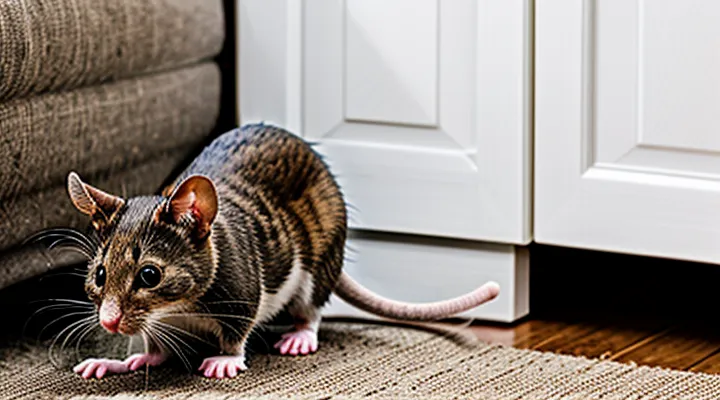
Understanding the Mouse Problem
Signs of a Mouse Infestation
Droppings and Urine Trails
Mice leave droppings and urine trails wherever they travel. Recognizing these signs is the first step in eliminating an infestation without relying on a feline predator.
Droppings appear as small, dark, rice‑shaped pellets, typically found along walls, behind appliances, and in hidden corners. Urine stains are invisible but can be detected by a faint ammonia odor or by using a blacklight, which makes the spots fluoresce.
Key actions:
- Identify hotspots: Follow the linear pattern of droppings and urine to locate active pathways and nesting sites.
- Sanitize safely: Wear disposable gloves and a mask. Disinfect surfaces with a solution containing at least 1 % bleach; allow a 10‑minute contact time before wiping clean.
- Remove attractants: Eliminate food residues that may have contaminated the droppings area. Store pantry items in airtight containers and clean crumbs promptly.
- Seal entry points: Use steel wool, caulk, or metal mesh to block gaps revealed by the trails. Reinforce door sweeps and vent covers.
- Deploy traps strategically: Place snap or electronic traps directly on the identified routes. Bait with high‑protein items such as peanut butter; replace traps if no capture occurs within 48 hours.
- Monitor progress: Re‑inspect previously marked spots weekly. Absence of fresh droppings and a lack of urine odor indicate successful disruption of mouse activity.
Consistent removal of droppings and thorough sanitation deprive rodents of hiding places and reduce disease risk, thereby accelerating the eradication process.
Gnaw Marks and Damage
Mice leave unmistakable evidence through their gnawing, which can compromise structural integrity, electrical safety, and food storage. Recognizing these signs enables prompt intervention and prevents escalating repairs.
Typical gnaw marks include:
- Clean, crescent‑shaped holes in wood, plastic, or insulation, usually ¼‑½ inch wide.
- Shredded wires with exposed copper, indicating potential fire hazards.
- Chewed seams in drywall or plaster, creating gaps for further entry.
- Damaged packaging on pantry items, often accompanied by droppings.
Each type of damage points to specific vulnerabilities:
- Openings in framing or cabinetry provide direct routes into living spaces.
- Compromised wiring can cause short circuits, increasing the risk of electrical fires.
- Breached insulation reduces energy efficiency and may allow moisture intrusion, fostering mold growth.
Effective mitigation without relying on a cat involves three steps:
- Seal all identified gnaw marks with steel wool, copper mesh, or concrete caulk, then cover with a durable material such as sheet metal or heavy‑duty plastic.
- Replace or repair damaged wiring and insulation, ensuring compliance with local building codes.
- Install mouse‑proof barriers—metal flashing around pipe penetrations, door sweeps, and tightly fitting window screens—to eliminate future entry points.
By systematically addressing gnaw marks and associated damage, homeowners can restore safety, protect property value, and reduce the likelihood of a recurring infestation.
Strange Noises and Odors
Mice generate audible signs that often precede visible damage. Scratching or scurrying sounds in walls, ceilings, or attics typically occur at night when rodents move about searching for food. The noise pattern—rapid, intermittent, and originating from concealed spaces—differs from ordinary household creaks. Detecting these sounds early narrows the area that requires inspection and limits the spread of infestation.
Odors accompany mouse activity. A sharp, ammonia‑like scent results from urine marking territory, while a faint, stale odor may indicate droppings accumulating in hidden corners. Both smells intensify after the rodents establish a nest, providing a reliable indicator of population size. Recognizing these odors helps prioritize treatment zones before damage escalates.
To address strange noises and odors without relying on a cat, follow these steps:
- Locate the source:
- Use a flashlight and a listening device to pinpoint active walls or ceilings.
- Smell for ammonia or stale odors near suspected entry points.
- Seal entry points:
- Apply steel wool and caulk to gaps larger than ¼ inch.
- Install door sweeps and repair damaged screens.
- Deploy traps:
- Apply non‑chemical repellents:
- Distribute ultrasonic emitters near noisy zones.
- Position natural deterrents such as peppermint oil on surfaces where odors are strongest.
- Monitor and document:
Eliminating rodents by interpreting auditory and olfactory clues reduces reliance on pets and creates a systematic, measurable approach to a mouse‑free home.
Why Mice Are a Problem
Health Risks and Diseases
Mice infestations expose occupants to a range of pathogens that can compromise health. The most common hazards include:
- Hantavirus – transmitted through inhalation of aerosolized rodent urine, droppings, or saliva; can cause severe respiratory illness and, in some cases, fatal pulmonary syndrome.
- Salmonella – bacteria carried on mouse fur and feces; ingestion of contaminated food leads to gastroenteritis with diarrhea, fever, and abdominal cramps.
- Leptospira – spirochetes present in urine; skin contact with wet surfaces contaminated by urine may result in leptospirosis, characterized by fever, headache, and potential kidney or liver damage.
- Lymphocytic choriomeningitis virus (LCMV) – spread through direct contact with infected rodents or their secretions; can cause meningitis, encephalitis, or flu‑like symptoms, particularly dangerous for pregnant women and immunocompromised individuals.
- Bartonella – bacteria causing cat‑scratch disease but also transmissible by rodents; may produce fever, lymphadenopathy, and prolonged fatigue.
Additional concerns involve allergic reactions to mouse dander and the accumulation of mold in droppings, which aggravates asthma and other respiratory conditions. The presence of rodent droppings also attracts insects such as cockroaches, compounding allergen exposure.
Effective mitigation without feline assistance requires sealing entry points, deploying snap traps or electronic devices, and maintaining rigorous sanitation. Prompt removal of droppings with protective gloves and a disinfectant solution reduces pathogen load. Regular monitoring and immediate response to new activity prevent re‑infestation and limit health risks.
Property Damage and Contamination
Mice infiltrate residential spaces, leaving behind structural damage and health hazards that can compromise safety and increase expenses.
Typical damage includes:
- Gnawed electrical wiring, raising fire risk.
- Compromised insulation and wooden framing, leading to heat loss and structural weakness.
- Chewed plumbing, causing leaks and water damage.
- Contaminated pantry items, fostering mold growth and spoilage.
- Deposits of urine and feces, introducing pathogens such as salmonella and hantavirus.
- Accumulation of allergens that trigger respiratory problems.
Effective control without feline assistance relies on a systematic approach:
- Identify and seal all potential entry points with steel wool, caulk, or metal flashing.
- Maintain a clean environment: store food in airtight containers, promptly clean crumbs, and eliminate standing water.
- Deploy multiple trapping methods—snap traps, electronic traps, and multi-catch devices—positioned along walls and near known activity zones.
- Use bait stations containing anticoagulant or non‑anticoagulant rodenticides, placed out of reach of children and pets, and monitor regularly.
- Conduct periodic inspections of wiring, insulation, and stored goods to detect early signs of infestation.
Immediate remediation prevents escalation of repair costs and reduces exposure to disease‑causing agents, ensuring a safe and intact living space.
Prevention: Your First Line of Defense
Sealing Entry Points
Inspecting Your Home’s Exterior
Inspecting the exterior of a residence is the first line of defense against mouse intrusion. Identify every possible entry point by walking around the building, checking walls, foundation, and roof for gaps larger than a quarter‑inch. Pay particular attention to areas where utilities, pipes, and cables enter the structure; seal these openings with steel wool, copper mesh, or cement‑based caulk.
Examine the surrounding landscape. Trim vegetation that touches the house, as vines and branches provide bridges for rodents. Keep firewood, compost, and stored materials at least two feet away from the foundation and elevate them on pallets. Remove debris, leaf litter, and excess mulch that create sheltered pathways.
Assess the condition of the building envelope. Repair cracked foundation blocks, broken siding, and damaged flashing promptly. Install door sweeps on all exterior doors and ensure windows close tightly. Verify that garage doors and garage‑to‑house doors have weatherstripping in good condition.
Implement a systematic inspection routine:
- Walk the perimeter weekly during peak mouse activity seasons.
- Document any new gaps, cracks, or signs of gnawing.
- Apply appropriate sealing materials within 24 hours of detection.
- Schedule quarterly professional assessments for structural components beyond DIY repair.
A thorough exterior inspection reduces the likelihood that mice will find shelter or food sources inside, thereby supporting a cat‑free approach to rodent management.
Repairing Gaps and Cracks
Sealing openings eliminates the most common route rodents use to infiltrate a dwelling. Even tiny fissures around pipes, vents, or foundation walls provide access, so thorough repair blocks entry and reduces the need for chemical controls.
Begin by locating every potential gap. Inspect the exterior for cracks in siding, gaps around utility penetrations, and openings at the foundation. Inside, check under appliances, behind cabinets, and around baseboards for hidden seams. Use a flashlight and a mirror to view hard‑to‑reach areas.
Choose appropriate materials for each type of opening. Silicone‑based sealant works well on flexible joints, while expanding polyurethane foam fills larger voids. For structural cracks, apply cement‑based filler followed by a weather‑resistant caulk. Metal flashing or steel wool can reinforce gaps around wiring or piping before sealing.
Apply the repairs in a systematic order:
- Clean the surface to remove debris, dust, and old caulk.
- Dry the area completely to ensure adhesion.
- Insert filler (foam or caulk) using a caulking gun or spray applicator, pushing material into the gap.
- Smooth the sealant with a putty knife or fingertip for a uniform finish.
- Allow the product to cure according to the manufacturer’s instructions before exposing it to moisture.
After completion, conduct a final walkthrough to verify that no openings remain. Regularly monitor high‑traffic zones for new cracks and repeat the sealing process as needed. Consistent maintenance of the building envelope provides a reliable, cat‑free strategy for preventing mouse infestations.
Protecting Vents and Drains
Mice can enter a house through unsealed vents and drainage pipes, so securing these openings is a critical component of rodent exclusion. Install metal mesh or stainless‑steel screens with apertures no larger than ¼ inch over all exterior vents, including dryer, bathroom, and attic vents. Replace damaged or rusted screens promptly, and use a sturdy, weather‑resistant sealant around the edges to prevent gaps.
For drainage systems, fit a fine‑mesh guard over each pipe opening that leads to the interior, such as floor drains, sink traps, and utility chutes. Ensure the guard is securely fastened and inspected regularly for wear. Where possible, angle the mesh outward to discourage nesting and make removal of any intruder difficult.
- Choose stainless steel or galvanized hardware cloth; avoid plastic or fiberglass screens that rodents can chew.
- Secure mesh with screws and waterproof silicone to create a continuous barrier.
- Check vents and drains quarterly; replace compromised sections immediately.
- Install a one‑way door or flap on larger openings that allows airflow but blocks reverse entry.
- Maintain clear space around vent covers to eliminate debris that could conceal gaps.
Maintaining a Clean Environment
Proper Food Storage
Proper food storage is essential for preventing rodent infestations when eliminating mice without relying on a cat. Secure containers, airtight seals, and strategic placement reduce scent trails that attract pests.
- Store dry goods (cereals, grains, nuts) in heavy‑wall plastic or glass jars with screw‑top lids.
- Keep pet food in sealed containers and remove leftovers after each meal.
- Refrigerate or freeze perishable items; dispose of spoiled food promptly.
- Position all storage units off the floor, preferably on shelves or cabinets with tight-fitting doors.
- Clean countertops and floors daily; sweep crumbs and wipe spills immediately.
Maintain a routine of inspecting containers for cracks or worn seals, replacing compromised units before they become entry points. By eliminating accessible food sources, the environment becomes inhospitable to mice, supporting a cat‑free control strategy.
Regular Cleaning and Decluttering
Consistent sanitation and organized spaces remove the conditions mice need to survive in a residence.
Mice locate food, water and shelter by tracking crumbs, spilled liquids, and accumulated items. Residues on countertops, beneath appliances, and within storage containers provide a reliable supply, while clutter creates hidden pathways and nesting sites.
-
Sweep and vacuum floors daily, focusing on edges and corners where droppings accumulate.
-
Wipe countertops, tables and cabinet doors after each meal; use a disinfectant that eliminates odor traces.
-
Empty trash cans nightly, seal lids tightly, and keep bins away from walls.
-
Clean behind refrigerators, stoves and dishwashers weekly; remove grease buildup that can cling to rodents.
-
Store dry goods in airtight containers; avoid leaving pet food exposed overnight.
-
Remove stacks of newspapers, cardboard boxes and unused fabrics that can serve as nesting material.
-
Consolidate items on shelves, keeping only essential belongings; label remaining boxes for easy identification.
-
Keep closets and basements well‑ventilated; install shelving that prevents items from touching the floor.
-
Decline the habit of accumulating junk; donate or discard objects that are no longer needed.
A disciplined routine of cleaning and decluttering eliminates food sources, reduces hiding places, and creates an environment where mice cannot establish a foothold. Regular execution of these measures sustains a mouse‑free home without reliance on feline predators.
Managing Waste Outdoors
Proper handling of outdoor refuse directly reduces the likelihood that rodents will seek shelter inside the house. Food remnants, compost, and unsecured trash create attractive foraging sites, encouraging mice to travel from the yard to interior entry points.
- Store garbage in containers with tight-fitting lids; replace damaged seals promptly.
- Keep compost bins at least three feet from the foundation and use rodent‑proof lids.
- Remove fallen fruit, birdseed, and pet food from the perimeter daily.
- Trim vegetation and eliminate debris within two feet of walls to deny hiding places.
- Dispose of waste bags in a sealed area away from doors and windows; avoid leaving bags on the ground.
Consistent outdoor waste management eliminates a primary food source, discourages mouse activity near entryways, and supports mouse control efforts without relying on a cat.
Removing Attractants
Eliminating Water Sources
Eliminating water sources deprives rodents of a critical survival need, making your home less attractive to them. Identify and address all potential moisture points:
- Repair leaky pipes, faucets, and appliance connections promptly.
- Replace cracked or broken seals around sinks, bathtubs, and showers.
- Ensure dishwashers and washing machines are level and do not pool water after cycles.
- Keep pet water dishes empty when not in use; refill only for short periods.
- Dry any condensation on windows, walls, or cold surfaces each morning.
- Store firewood and cardboard away from walls, allowing airflow to prevent dampness.
- Use dehumidifiers in basements, crawl spaces, and other humid areas; monitor humidity levels and keep them below 50 %.
Remove standing water from plant saucers, trays, and indoor fountains. Place saucers on a waterproof surface and empty them daily. Ensure outdoor drainage directs water away from the foundation, preventing seepage into basements or crawl spaces.
By systematically eliminating these moisture sources, you reduce the likelihood that mice will establish nests or forage within your residence, supporting a long‑term, cat‑free rodent control strategy.
Trimming Vegetation
Trimming vegetation around a residence reduces shelter and food sources that attract rodents, making the indoor environment less inviting for mice. Overgrown shrubs, vines, and groundcover create continuous pathways from the exterior to the foundation, allowing pests to move unchecked.
Effective vegetation management includes:
- Cutting back shrubs to at least three feet from the house walls.
- Removing vines that climb the exterior and trimming tree branches that touch the roof.
- Keeping grass at a maximum height of two to three inches and clearing leaf litter.
- Disposing of garden debris, fallen fruit, and compost piles far from the building.
- Maintaining a clear perimeter of at least two feet around doors, windows, and utility entries.
Non-Lethal Mouse Removal Methods
Live Traps
Choosing the Right Traps
Choosing the Right Traps
Selecting an effective mouse trap involves assessing three factors: target species, environment, and safety considerations.
-
Snap traps – metal bars deliver a rapid kill. Ideal for kitchens and pantry areas where quick results are needed. Use bait such as peanut butter or dried fruit, and position the trap perpendicular to the wall, with the trigger side facing the mouse’s travel route.
-
Live‑catch traps – cage‑style devices capture rodents unharmed. Suitable for households that prefer relocation. Place bait inside the chamber and set the trigger mechanism low to the ground. Check captured mice at least twice daily to prevent stress or mortality.
-
Electronic traps – battery‑powered plates deliver a lethal shock. Effective in basements or garages where odorless operation is desired. Ensure the device is placed on a stable surface and that the power source is secure.
-
Glue boards – adhesive surfaces immobilize rodents. Best reserved for confined spaces such as crawl spaces, where humane concerns are less critical. Wear gloves during placement and removal to avoid skin contact with the adhesive.
Key criteria for trap selection:
- Target location – indoor areas with food sources demand quick‑acting mechanisms; storage rooms may accommodate live‑catch solutions.
- Noise tolerance – snap traps generate a distinct sound; electronic models operate silently.
- Pet and child safety – choose enclosed designs or devices with child‑proof locks when vulnerable occupants are present.
- Maintenance frequency – reusable traps reduce recurring costs; disposable options require regular replacement.
Proper placement maximizes success. Position traps along walls, behind appliances, and near suspected entry points. Align the trigger so that a mouse must push against it to reach the bait. Rotate trap locations every few days to prevent habituation.
By matching trap type to the specific conditions of the home and adhering to safety protocols, homeowners can effectively eliminate mouse infestations without relying on feline assistance.
Proper Baiting Techniques
Effective mouse control in a residence without feline assistance hinges on precise baiting. Selecting the right attractant, positioning it strategically, and maintaining vigilance are essential components of a successful program.
Choose bait that matches the rodents’ dietary preferences and seasonal habits. Common options include:
- Peanut butter mixed with oats
- Soft cheese fragments
- Commercially formulated grain‑based pellets
- Small pieces of dried fruit or nuts
Prefer fresh, high‑fat or high‑protein items; replace any bait that dries or becomes contaminated within 24 hours.
Place traps along established travel routes: behind appliances, near wall junctions, beneath cabinets, and in dark corners. Position each trap with the trigger end facing the wall, allowing mice to approach from the shelter side. Space traps 12–18 inches apart to cover multiple pathways while avoiding clutter that may discourage investigation.
Monitor traps daily. Remove captured rodents promptly, reset traps with fresh bait, and record activity to identify hot spots. If a trap yields no capture after three days, relocate it to a nearby area of higher traffic.
Maintain safety by keeping bait out of reach of children and pets, using sealed containers for storage, and wearing disposable gloves when handling trapped animals. Rotate trap types—snap, electronic, or live‑catch—periodically to prevent habituation and sustain effectiveness.
Safe Release Protocols
Capturing a mouse for relocation requires a method that protects both the animal and the household environment. Follow these procedures to ensure a humane and safe release.
- Choose a live‑catch trap with a smooth interior and a secure latch. Test the mechanism before deployment to avoid accidental injury.
- Bait the trap with a small amount of peanut butter, sunflower seeds, or dried fruit. Place the bait at the far end of the trap to encourage full entry.
- Position traps along walls, behind appliances, and near known droppings. Mice travel close to surfaces; placement in these zones maximizes capture rates.
- Check traps at least twice daily. Prolonged confinement increases stress and risk of injury.
- When a mouse is secured, wear disposable gloves. Transfer the animal into a ventilated container with a soft lining to prevent bruising.
- Transport the container to a suitable release site at least 200 meters from the residence, preferably in a wooded or field area with natural cover and access to food sources.
- Open the container on the ground, allowing the mouse to exit voluntarily. Remain still until the animal disappears to reduce panic.
- Seal the trap and clean it with mild detergent and hot water before reuse. Disinfect gloves and wash hands thoroughly.
Legal considerations vary by jurisdiction; verify local wildlife regulations before release. After relocation, seal entry points, store food in airtight containers, and maintain low clutter to deter future infestations. Implementing these steps eliminates rodents without relying on feline predators while preserving ecological balance.
Repellents
Natural Repellents (e.g., Peppermint Oil)
Natural repellents provide a practical alternative for eliminating mice without relying on a cat. Their effectiveness stems from strong odors or substances that mice find intolerable, creating an environment that discourages entry and nesting.
Peppermint oil is among the most widely documented repellents. Use a 10‑15 % solution of pure peppermint essential oil mixed with water; apply the mixture to cotton balls or small fabric pads. Place these at known entry points, behind appliances, and along baseboards. Replace the pads every 3–4 days to maintain potency. Avoid direct contact with food preparation surfaces and keep the solution away from children and pets.
Additional natural options complement peppermint oil:
- Dried lavender sachets positioned in closets and pantry shelves.
- Crushed cloves or bay leaves scattered near holes and cracks.
- A thin layer of powdered cayenne pepper or chili powder along mouse pathways.
When deploying repellents, seal all visible gaps with steel wool and caulk, because physical barriers prevent re‑entry. Regularly inspect and refresh repellent sources to sustain an inhospitable atmosphere for rodents.
Electronic Repellents
Electronic repellents provide a non‑chemical, non‑predator method for deterring rodents from residential spaces. They emit ultrasonic or electromagnetic frequencies that interfere with mice’s sensory systems, prompting avoidance of treated areas.
The technology operates on two principles:
- Ultrasonic emission – devices generate sound waves above 20 kHz, beyond human hearing but audible to mice. The high‑frequency pulses create discomfort, causing the animals to vacate the zone.
- Electromagnetic field disruption – units produce low‑frequency electromagnetic waves that affect the nervous system of rodents, reducing their ability to navigate and forage.
Effective deployment requires attention to coverage and placement:
- Identify entry points and travel routes such as gaps around pipes, cabinets, and baseboards.
- Position devices at a height of 3–6 feet to maximize line‑of‑sight for ultrasonic waves.
- Space units no more than 30 feet apart in larger rooms; overlapping fields ensure no blind spots.
- Power devices continuously; intermittent operation diminishes deterrent effect.
Safety considerations include:
- Verify that the model complies with FCC or equivalent regulations to avoid interference with household electronics.
- Keep devices away from pet habitats; some small animals, particularly hamsters and guinea pigs, may be sensitive to ultrasonic output.
Limitations are notable:
- Mice can become habituated after several weeks, reducing efficacy.
- Solid barriers such as walls and furniture attenuate ultrasonic waves; electromagnetic devices may penetrate obstacles but typically cover only a limited radius.
- Evidence from peer‑reviewed studies shows variable success rates, with average reduction in activity ranging from 30 % to 60 % in controlled environments.
Recommendations for optimal results:
- Combine electronic repellents with exclusion techniques (sealing cracks, installing door sweeps) and sanitation measures (removing food sources, maintaining clean surfaces).
- Rotate device locations every 2–3 months to prevent habituation.
- Select units offering adjustable frequency settings, allowing tailoring to specific rodent populations.
When integrated with comprehensive pest‑management practices, electronic repellents can significantly diminish mouse presence without relying on feline predation.
Habitat Modification
Reducing Hiding Spots
Reducing the number of places where mice can conceal themselves is a critical step in removing these pests without relying on a cat. Identify every potential refuge and eliminate it to deny rodents the shelter they need for nesting and movement.
- Seal gaps around doors, windows, and utility penetrations with steel wool, caulk, or expandable foam; rodents can squeeze through openings as small as a quarter‑inch.
- Repair damaged drywall, baseboards, and flooring; cracks provide entry points and hidden routes.
- Store food in airtight containers; uncovered pantry items attract mice and create foraging zones.
- Remove clutter such as piles of newspapers, cardboard boxes, and unused appliances; clutter offers concealment and nesting material.
- Keep the yard tidy: trim vegetation away from the foundation, eliminate debris, and store firewood off the ground to prevent outdoor staging areas that feed indoor infestations.
By systematically eliminating these hiding spots, the environment becomes inhospitable, forcing mice to seek alternative shelter and making subsequent control measures more effective.
Creating Unwelcoming Environments
Mice thrive in conditions that provide easy entry, abundant food, and shelter. Eliminate those advantages by tightening the building envelope, removing attractants, and reducing hiding places.
- Inspect walls, floors, and ceilings for gaps larger than ¼ inch; seal with steel wool, caulk, or expanding foam.
- Store pantry items in airtight containers; discard crumbs, pet food, and spilled grains immediately.
- Keep countertops, floors, and sinks clean of residue; wipe surfaces after each meal preparation.
- Reduce clutter in basements, attics, and storage closets; stack boxes away from walls and use plastic bins with tight lids.
- Lower indoor humidity to below 50 % by using dehumidifiers or improving ventilation; dry environments deter nesting.
- Install metal or heavy‑duty mesh over vent openings and chimney flues to block passage.
- Replace worn flooring or damaged baseboards that create concealed pathways.
By systematically removing access points, food sources, and shelter, the dwelling becomes hostile to rodents, decreasing the likelihood of infestation without relying on feline assistance.
Lethal Mouse Removal Methods (Without Cats)
Snap Traps
Best Placement Strategies
Effective mouse control without feline assistance depends largely on where traps, bait stations, and exclusion measures are positioned. Precise placement maximizes encounter rates, reduces bait avoidance, and limits population growth.
- Install snap or electronic traps directly against interior walls, where rodents habitually travel. Align the trigger mechanism with the wall surface to prevent the mouse from bypassing the device.
- Position bait stations within 2–3 feet of known entry points, such as gaps around pipes, vents, or foundation cracks. This placement intercepts mice immediately after they breach the exterior barrier.
- Place traps in concealed areas that still offer easy access: behind refrigerators, under sinks, inside cabinets, and within wall voids. These locations mimic the sheltered environments mice prefer.
- Deploy multiple devices along a single wall at intervals of 12–18 inches. The spacing creates a continuous detection zone, preventing mice from finding safe gaps between traps.
- Locate bait in dark, low‑traffic zones near food storage areas, but keep it away from children and pets. Use sealed stations to contain the attractant and limit contamination.
- Elevate traps on sturdy platforms or shelves when floor placement is impractical, ensuring the device remains level and stable. Elevated setups target climbing rodents that use vertical pathways.
- Rotate trap locations weekly. Moving devices disrupts learned avoidance behaviors and forces mice to encounter fresh hazards.
- Seal all identified entry points after trapping efforts. Apply steel wool, caulk, or metal flashing to gaps larger than ¼ inch, eliminating re‑entry routes.
Consistent application of these placement principles yields rapid population decline and sustains a mouse‑free environment without reliance on a cat.
Safety Precautions
Eliminating rodents from a residence without relying on felines demands careful handling of traps, baits, and cleaning procedures. Safety measures protect occupants, prevent accidental poisoning, and reduce the risk of disease transmission.
- Wear disposable gloves when setting traps, handling bait stations, or cleaning droppings.
- Ensure adequate ventilation if using powder or liquid rodenticides; open windows and keep the area free of open flames.
- Keep children, pets, and vulnerable adults out of rooms where traps or poison are deployed.
- Store all rodent control products in locked, labeled containers away from food supplies.
- Follow label instructions precisely: apply the recommended amount, avoid over‑application, and do not combine different chemicals.
- Use snap traps or electronic devices rather than glue boards when possible to minimize animal suffering and cleanup hazards.
- Dispose of captured or dead rodents in sealed bags, then place them in an outdoor trash container with a tight‑fitting lid.
- Clean contaminated surfaces with a disinfectant solution after removal; wash hands thoroughly with soap afterward.
- Inspect the home regularly for new activity; replace or reposition traps before they become damaged or ineffective.
Adhering to these precautions ensures that rodent eradication proceeds without compromising health or safety.
Proper Disposal of Mice
Proper disposal of captured or deceased mice protects health, prevents reinfestation, and complies with local regulations. After a mouse is trapped, wear disposable gloves and place the animal in a sealed, puncture‑resistant bag. Seal the bag tightly, label it if required, and store it in a secure area away from food preparation zones until it can be discarded.
When municipal services accept dead rodents, schedule a pickup or drop the sealed bag at the designated collection point. If no specialized service exists, treat the mouse as regular waste: double‑bag it, then place it in the outdoor trash container that is emptied regularly. Avoid composting or flushing rodents, as these methods can spread disease and attract predators.
Key steps for safe disposal:
- Wear gloves; avoid direct contact.
- Transfer the mouse to a sturdy, sealable bag.
- Double‑seal the bag to prevent leaks.
- Store the bag in a cool, dry place until disposal.
- Follow local guidelines for waste handling; use municipal collection or approved landfill services.
Consistently applying these procedures eliminates health hazards and reduces the likelihood of mice returning to the residence.
Electronic Traps
Advantages and Disadvantages
Eliminating mice without feline assistance involves multiple strategies, each with distinct benefits and drawbacks.
-
Snap traps
Advantages: Immediate kill, low cost, reusable after cleaning, no chemicals involved.
Disadvantages: Requires careful placement to avoid accidental injury, may cause distress to occupants who discover dead rodents, effectiveness declines if mice learn to avoid them. -
Electronic traps
Advantages: Quick kill, no mess, reusable, often includes a detection indicator.
Disadvantages: Higher upfront price, needs electricity, limited capacity before cleaning. -
Live‑catch traps
Advantages: Allows humane removal, reusable, no toxins.
Disadvantages: Requires regular checking, risk of releasing captured mice elsewhere, may cause stress to the animal. -
Sealant and exclusion
Advantages: Prevents re‑entry, reduces long‑term infestation risk, no ongoing maintenance after installation.
Disadvantages: Requires thorough inspection, may involve professional labor, initial cost can be significant. -
Rodenticide baits
Advantages: Effective for large populations, can be placed discreetly.
Disadvantages: Toxic to pets and children, environmental concerns, rodents may develop resistance, disposal of dead rodents remains necessary. -
Ultrasonic repellers
Advantages: Non‑lethal, silent to humans, easy installation.
Disadvantages: Variable efficacy, rodents may become accustomed, devices must remain powered continuously.
Choosing the optimal approach demands weighing immediate effectiveness against safety, cost, and long‑term prevention. Combining exclusion with a select trap type often yields the most reliable outcome.
Setup and Maintenance
Effective rodent control begins with a well‑planned installation phase. Identify every potential entry point—gaps around pipes, vents, doors, and windows—and seal them with steel wool, copper mesh, or silicone caulk. Install snap traps or electronic devices along walls where droppings or gnaw marks are evident, positioning bait at the rear to force the mouse to trigger the mechanism. Place traps perpendicular to the wall, with the trigger side facing the baseboard, to align with the animal’s natural travel route.
Maintain the system through regular inspection. Check traps daily; discard captured rodents, reset or replace devices, and replenish bait with fresh peanut butter, chocolate, or dried fruit. Conduct a weekly sweep of the perimeter to locate new openings; repair any damage immediately. Keep storage areas organized, elevate food containers, and store waste in sealed bins to deny rodents access to sustenance.
Implement a monitoring schedule to gauge progress. Record the number of captures per week and note any resurgence in activity. If trap counts decline to zero for three consecutive weeks, reduce trap density but retain a few devices as a precaution. Periodically rotate trap locations to prevent mice from learning avoidance patterns.
Sustained vigilance ensures that the environment remains inhospitable. Clean crumbs, spills, and pet food promptly; vacuum corners and behind appliances to remove scent trails. Replace worn sealing materials annually, and audit the entire setup before seasonal changes that may drive rodents indoors. This disciplined approach eliminates reliance on feline predators while delivering lasting results.
Professional Pest Control
When to Call an Expert
Mice infestations can quickly become unmanageable when they multiply, damage property, or spread disease. Recognizing the point at which DIY methods are insufficient prevents further loss and reduces health risks.
- Visible droppings in multiple rooms, especially near food storage.
- Gnaw marks on wiring, insulation, or structural wood.
- Persistent noises in walls or attics after several days of traps and bait.
- Unexplained odors of urine or ammonia.
- Evidence of nesting material (soft debris, shredded paper) in concealed areas.
When any of these indicators appear, professional intervention is advisable. Trained pest‑control specialists possess licensed rodenticides, advanced trapping equipment, and expertise in sealing entry points that homeowners often overlook. Their assessments also include risk evaluation for children and pets, ensuring safe remediation.
Before contacting an expert, take these preparatory steps:
- Eliminate accessible food sources by storing items in airtight containers.
- Reduce clutter that provides shelter for rodents.
- Deploy snap traps or electronic devices in high‑activity zones for at least 48 hours.
- Inspect exterior foundations and seal gaps larger than ¼ inch with steel wool or caulk.
If the problem persists despite these measures, schedule a qualified professional to conduct a thorough inspection, implement targeted control tactics, and provide a long‑term prevention plan. This approach minimizes damage, safeguards health, and restores a mouse‑free environment efficiently.
What to Expect from Professional Services
Professional pest‑control companies begin with a thorough inspection. Technicians identify entry points, assess infestation size, and locate nesting sites. The inspection report includes a detailed map of problem areas and recommended actions.
After the assessment, the service plan outlines the methods to be used. Common techniques include:
- Sealing gaps around pipes, vents, and foundation cracks with metal mesh or caulk.
- Deploying bait stations that contain anticoagulant or non‑anticoagulant rodenticides, placed in concealed locations to minimize exposure to children and pets.
- Installing snap traps or electronic traps in high‑traffic zones, calibrated for humane and rapid kill.
- Applying low‑toxicity dusts or sprays in voids where bait is unsuitable.
Clients receive a schedule that specifies the frequency of visits. Initial treatment often requires two to three appointments spaced one week apart, followed by monthly monitoring for at least three months. During each visit, technicians replace consumables, check trap effectiveness, and verify that no new entry points have opened.
A written warranty typically accompanies the service. The warranty covers re‑infestation caused by the same provider’s failure to eliminate the original population, and it may include a guarantee period of 90 days to one year, depending on the contract.
Finally, professional companies provide safety documentation. Material safety data sheets (MSDS) accompany any chemicals used, and technicians explain precautions for occupants. The documentation also outlines disposal procedures for dead rodents and used traps, ensuring compliance with local health regulations.
Post-Extermination Cleanup and Future Prevention
Sanitizing Affected Areas
Disinfecting Surfaces
Mice leave droppings, urine, and saliva that can attract other pests and spread disease. Thoroughly cleaning these residues removes food sources and reduces the risk of reinfestation, making sanitation a critical component of any rodent‑control plan that does not rely on feline predators.
Identify all areas where mouse activity has been observed—kitchens, pantries, basements, and hidden corners. Remove visible debris, crumbs, and nesting material before applying a disinfectant. Use a solution that is proven to inactivate rodent‑borne pathogens, such as:
- Diluted bleach (1 part bleach to 10 parts water) applied to hard surfaces, left wet for at least five minutes.
- 3% hydrogen peroxide, sprayed and allowed to sit for three minutes.
- EPA‑registered disinfectants labeled for rodent control, following the manufacturer’s contact‑time instructions.
After the required dwell time, wipe the surface with a clean cloth or let it air‑dry. Repeat the process in high‑traffic zones weekly until activity ceases, then maintain a monthly schedule to prevent recurrence.
Safety precautions include wearing disposable gloves, ensuring adequate ventilation, and keeping children and pets away from treated areas until the surface is dry. Proper disposal of contaminated materials—sealed in a plastic bag and placed in an outdoor trash container—prevents accidental exposure.
Consistent disinfection, combined with sealing entry points and eliminating food sources, creates an environment that discourages mice from returning, achieving long‑term control without the need for a cat.
Cleaning Contaminated Food Areas
Effective mouse control hinges on eliminating food sources that attract rodents. Contaminated food areas must be thoroughly cleaned and secured to deny mice any opportunity to feed or breed.
Begin by removing all visible debris, crumbs, and spilled substances from countertops, floors, and cabinets. Dispose of waste in sealed containers that lock tightly. Wash surfaces with hot, soapy water, then apply a disinfectant approved for kitchen use; allow the solution to remain in contact for the manufacturer‑specified dwell time before rinsing.
Next, address storage locations. Transfer dry goods to airtight, polymer‑based containers featuring screw‑top or latch seals. Inspect pantry shelves for damaged packaging, mold, or spillage, and discard any compromised items. Arrange remaining products away from walls to facilitate cleaning underneath.
Floor and wall junctions often harbor hidden residue. Use a stiff‑bristled brush to scrub baseboards, behind appliances, and under furniture. Follow with a vacuum equipped with a HEPA filter to capture fine particles and droppings. Empty the vacuum canister into a sealed bag and discard it outside the home.
Maintain the cleanliness routine with a schedule:
- Daily: wipe countertops, sweep floors, empty trash bins.
- Weekly: mop all hard surfaces, clean under appliances, inspect pantry.
- Monthly: deep‑clean cabinets, replace worn seals on storage containers, audit waste disposal system.
By rigorously applying these measures, the home becomes inhospitable to mice, reducing the need for feline intervention or chemical exterminants.
Ongoing Monitoring
Regular Inspections
Regular inspections are the most reliable method for early detection of mouse activity and for maintaining a rodent‑free environment.
Inspect all potential entry points weekly. Use a flashlight to examine gaps around doors, windows, utility penetrations, and the foundation. Seal openings larger than ¼ inch with steel wool, caulk, or hardware cloth.
Check interior spaces monthly. Look for droppings, gnaw marks, shredded insulation, and urine stains. Pay special attention to pantry shelves, cabinets, behind appliances, and under sinks.
Maintain a log of findings. Record date, location, type of evidence, and corrective action taken. Review the log quarterly to identify patterns and adjust preventive measures.
Use simple tools to enhance detection. A handheld UV light reveals fresh urine stains; a moisture meter can locate damp areas that attract rodents.
Combine inspections with complementary steps such as proper food storage, waste management, and landscaping control. Consistent monitoring reduces the likelihood of infestation and limits the need for more aggressive interventions.
Maintaining Preventative Measures
Effective mouse control relies on consistent preventive actions. Identify and seal all potential entry points; use steel wool, copper mesh, or caulk to close gaps around pipes, vents, and foundation cracks. Inspect exterior walls and foundation regularly for new openings.
Maintain a clean environment that deprives rodents of food and shelter. Store dry goods in airtight containers, promptly clean crumbs and spills, and keep garbage bins sealed with tight‑fitting lids. Remove pet food after each feeding and avoid leaving dishes uncovered overnight.
Implement a routine inspection schedule. Place snap traps or bait stations in strategic locations such as behind appliances, under cabinets, and along walls. Check traps weekly, replace bait, and dispose of captured rodents according to local regulations.
Control outdoor factors that encourage indoor infestations. Trim vegetation away from the building, keep firewood stacked off the ground, and eliminate standing water sources. Ensure that outdoor lighting does not attract insects, which in turn draw mice.
Document findings and actions. Keep a log of inspected areas, sealed openings, trap placements, and any rodent activity observed. Review the record monthly to adjust strategies and verify that preventive measures remain effective.