
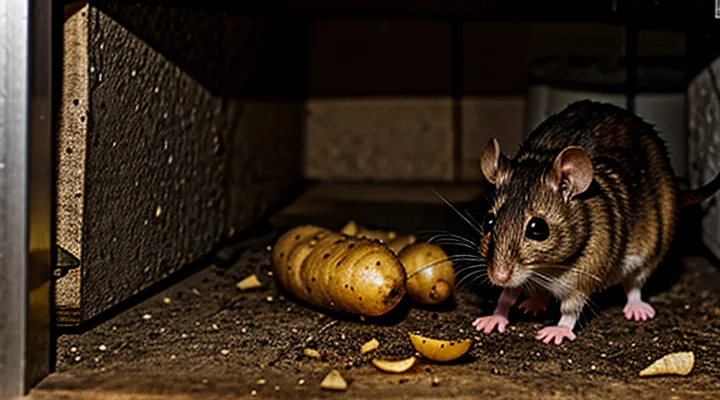
Understanding the Mouse Problem in Your Cellar
Identifying Mouse Infestation Signs
Droppings and Urine Stains
Mice that feed on stored potatoes leave droppings and urine stains throughout the cellar, providing a reliable indicator of infestation intensity. Droppings are typically 3‑5 mm long, dark brown to black, and found along walls, near food sources, and in hidden corners. Their presence signals a high risk of bacterial and viral contamination, which can transfer to potatoes and create food‑safety hazards.
Urine stains appear as glossy, yellow‑brown patches on concrete, wooden floors, or shelving. They emit a strong ammonia odor and may attract additional rodents, perpetuating the problem.
Effective removal follows a strict sequence:
- Wear disposable gloves, a N‑95 respirator, and eye protection.
- Ventilate the area by opening windows or using a portable fan.
- Sweep or vacuum droppings with a HEPA‑rated vacuum; avoid shaking to prevent aerosolization.
- Place collected material in a sealed plastic bag, then discard in a sealed landfill container.
- Apply an EPA‑approved disinfectant (e.g., a 1 % bleach solution) to all contaminated surfaces; allow a minimum of ten minutes contact time.
- Rinse with clean water and dry thoroughly.
For urine stains, use an enzymatic cleaner designed to break down organic residues; follow manufacturer’s dilution instructions and scrub until the stain disappears. Do not use ammonia‑based products, as they can mask rodent scent and encourage further activity.
After cleaning, block entry points with steel wool and cement, install sturdy shelving, and store potatoes in airtight, rodent‑proof containers. Conduct weekly inspections for fresh droppings or stains to verify that the rodent population remains absent.
Gnaw Marks on Potatoes and Other Items
Mice leave distinctive bite patterns on potatoes and surrounding stored goods. Teeth create clean, crescent‑shaped cuts that remove a small segment of the surface, often leaving ragged edges where the animal gnaws deeper. The damage is usually limited to the outer layer; the interior remains intact until the animal reaches the flesh, at which point the potato becomes contaminated with saliva and urine. Similar marks appear on cardboard boxes, paper bags, and fabric sacks, showing parallel grooves and occasional chew holes that match the size of a mouse’s incisors.
Identifying gnaw marks helps confirm rodent activity and guides control measures:
- Crescent‑shaped cuts on tubers, typically 2–3 mm wide.
- Parallel grooves on packaging material, aligned with the direction of chewing.
- Small, round holes in stored items, often surrounded by shredded fibers.
- Presence of droppings or urine stains near damaged objects.
Once gnaw marks are confirmed, the following actions reduce the risk of further loss:
- Remove all affected potatoes and discard any with visible damage or signs of moisture.
- Clean the cellar floor, shelves, and storage containers with a solution of 1 part bleach to 10 parts water; allow surfaces to dry completely.
- Seal entry points using steel wool, copper mesh, or expanding foam; inspect walls, floor joints, and pipe penetrations.
- Install snap traps or electronic devices along walls where gnaw marks are concentrated; position bait stations away from food to avoid accidental poisoning.
- Store new potatoes in sealed plastic bins or metal containers with tight‑fitting lids; keep them off the floor on pallets or shelves.
- Maintain a regular inspection schedule, recording any new gnaw marks and adjusting trap placement accordingly.
Consistent monitoring of bite marks and prompt sanitation prevent the spread of contamination and protect the cellar’s inventory from further rodent damage.
Scratching and Squeaking Sounds
Scratching and squeaking noises in a cellar indicate active rodent movement. These sounds typically arise from mice navigating insulation, burrowing through stored produce, or traversing wooden joists. Detecting the pattern—continuous scratching near potato sacks, intermittent squeaks at night—helps locate breeding sites and feeding corridors.
To address the problem effectively:
- Inspect all areas where the noises originate; lift flooring boards and examine insulation for droppings and gnaw marks.
- Seal entry points with steel wool and expanding foam; mice can squeeze through openings as small as a quarter‑inch.
- Install snap traps or electronic bait stations directly along the identified pathways; position them adjacent to potato containers for maximum contact.
- Deploy ultrasonic repellents that emit frequencies above 20 kHz; sustained operation disrupts communication and reduces scratching activity.
- Remove all potatoes from the cellar, store them in airtight containers, and relocate them to a higher, dry area.
After implementation, monitor for residual sounds. A decline in scratching and squeaking confirms successful removal of the rodents and protects the remaining produce.
Nests and Hiding Places
Mice locate their nests in the dark, damp areas of a cellar where food sources, such as potatoes, are abundant. Typical nesting sites include:
- Piles of loose soil or compost near drainage pipes.
- Gaps behind stacked boxes, pallets, or shelving.
- Insulation material left exposed in wall cavities or ceiling joists.
- Cluttered corners where cardboard, paper, or fabric accumulate.
Identifying these locations requires careful inspection. Look for shredded material, urine stains, and small droppings along baseboards and near stored produce. Follow any visible gnaw marks to potential entry points; mice often use openings as small as ¼ inch.
Effective removal strategies focus on eliminating the environment that supports nest construction:
- Clear all debris and reorganize stored items to create open, well‑ventilated spaces.
- Seal cracks, holes, and gaps with steel wool, caulk, or expandable foam to prevent access.
- Replace damaged insulation and repair moisture‑prone sections to reduce humidity.
- Install sturdy, sealed containers for potatoes and other foodstuffs; avoid leaving produce on the floor.
Regular maintenance—vacuuming corners, inspecting structural joints, and monitoring for fresh droppings—prevents re‑establishment of nests and reduces the risk of further potato damage.
Reasons Mice are Attracted to Your Cellar
Availability of Food Sources
Mice remain in a cellar when a reliable food supply exists. Potatoes stored in bulk create a constant attractant, allowing rodents to locate and exploit the resource with minimal effort. Reducing the availability of edible material removes the primary incentive for infestation.
- Store potatoes in sealed, rodent‑proof containers made of metal or heavy‑wall plastic.
- Keep storage areas clean; sweep away spilled fragments and discard any damaged tubers promptly.
- Rotate stock regularly; use older potatoes first to prevent decay that releases strong odors.
- Separate the cellar from other food‑storage zones to limit cross‑contamination.
When food sources are eliminated or tightly controlled, mice lose the nutritional advantage that sustains their presence, making exclusion measures more effective and decreasing the likelihood of recurring damage.
Shelter and Warmth
Mice are drawn to cellars because the environment offers protection from predators and a stable temperature that supports their metabolism. The presence of stored potatoes provides a reliable food source, reinforcing the cellar’s suitability as a refuge.
Reducing the appeal of the cellar requires eliminating the conditions that satisfy the rodents’ need for shelter and warmth. Seal gaps around foundations, pipes, and vents; install metal flashing or cement around door thresholds; and replace damaged wood with moisture‑resistant materials. Remove unnecessary piles of cardboard, fabric, or debris that create hiding spots. Increase air circulation to lower ambient temperature and humidity, making the space less comfortable for small mammals.
Practical actions:
- Inspect the perimeter weekly; apply expanding foam or steel wool to any openings larger than ¼ inch.
- Install door sweeps and weather stripping on all access points.
- Replace damaged insulation with rigid foam that does not provide nesting material.
- Store potatoes in sealed, airtight containers rather than loose bins.
- Keep the floor clean; vacuum crumbs and dispose of waste in sealed bags.
By systematically denying shelter and warmth, the cellar becomes inhospitable, discouraging mice from establishing a presence and protecting the stored potatoes from damage.
Easy Access Points
Mice reach stored potatoes through any opening that permits entry. Identify and eliminate these routes before applying traps or repellents.
- Inspect walls, floor joists, and foundation for cracks wider than a pencil line.
- Examine pipe sleeves, vent flues, and electrical conduit for gaps around the casing.
- Check door sweeps, window frames, and basement stairways for worn seals or missing weatherstripping.
- Look behind shelving, boxes, and stored items; hidden spaces often conceal tiny passages.
Seal each opening with appropriate material: use cement mortar for masonry cracks, expanding foam for irregular gaps, steel wool backed by caulk for pipe penetrations, and self‑adhesive strips for door and window seals. Replace damaged door sweeps and install metal flashing where wood trim deteriorates.
After sealing, monitor the cellar for signs of new activity. If mice appear again, repeat the inspection, focusing on areas that may have been missed during the first pass. Continuous maintenance of these barriers prevents re‑infestation and protects the potato supply.
Effective Strategies for Mouse Control
Prevention Measures
Sealing Entry Points
Sealing entry points eliminates the pathway rodents use to reach stored potatoes in a cellar. Identify all potential openings, including gaps around utility pipes, cracks in foundation walls, and spaces beneath doors. Use a flashlight and a mirror to inspect hard‑to‑see areas.
Apply appropriate materials for each type of opening:
- Expandable foam sealant for irregular gaps larger than ¼ inch.
- Steel wool or copper mesh packed tightly into smaller holes, then covered with caulk to prevent gnawing.
- Concrete patch or hydraulic cement for cracks in concrete walls or floors.
- Weatherstripping or door sweeps on cellar doors to block gaps at the bottom.
After sealing, verify integrity by conducting a visual check and a smoke test: release a thin stream of smoke near suspected areas; if smoke escapes, the seal requires reinforcement. Maintain the barrier by inspecting seals quarterly and repairing any damage caused by settling or moisture.
Proper Storage of Potatoes and Other Food
Store potatoes in a dry, well‑ventilated area where temperature stays between 45 °F and 55 °F (7‑13 °C). Keep the space free of moisture to prevent sprouting and rot, which attract rodents.
Use sealed containers made of metal, heavy‑wall plastic, or thick glass. Containers should have tight‑fitting lids; loose‑fit baskets or paper sacks are unsuitable because mice can chew through them.
Separate potatoes from other foodstuffs. Place root vegetables on shelves away from grains, cereals, or pet food, which provide additional scent cues for pests.
Maintain cleanliness in the cellar:
- Sweep floors weekly to remove debris.
- Dispose of any spoiled potatoes immediately.
- Clean shelves with a mild detergent and dry thoroughly.
Implement physical barriers:
- Fit door sweeps and seal cracks around walls, pipes, and vents.
- Install mesh screens on ventilation openings; mesh size must be ≤ ¼ inch (6 mm).
Monitor regularly:
- Inspect containers for chew marks.
- Set non‑lethal traps near entry points to confirm activity.
- Rotate stock, using older potatoes first, to reduce the chance of decay.
By controlling moisture, securing storage, separating food categories, and eliminating access routes, the environment becomes inhospitable to mice, preventing damage to potatoes and other provisions.
Maintaining Cellar Cleanliness
Mice are attracted to damp, cluttered cellars where potatoes are stored. Keeping the space clean removes food residues, hiding places, and moisture that encourage rodent activity.
- Remove all debris, broken crates, and spilled soil.
- Store potatoes in sealed, rodent‑proof containers made of plastic or metal.
- Sweep floors daily; mop with a disinfectant solution to eliminate scent trails.
- Vacuum corners and shelving to capture crumbs and droppings.
- Install a dehumidifier or improve ventilation to keep humidity below 60 %.
- Inspect walls, floor joints, and pipe openings; seal gaps with steel wool and caulk.
Conduct a weekly inspection. Check for gnaw marks, droppings, and new moisture sources. Replace damaged seals immediately and discard any potatoes showing signs of infestation.
Consistent cleanliness, combined with proper storage and regular monitoring, creates an environment that deters mice from accessing potatoes in the cellar.
Eliminating Water Sources
Mice are drawn to moisture; even minimal water availability can sustain a population that targets stored potatoes. Removing all sources of free water deprives rodents of a critical survival factor, reducing their presence in the cellar.
Identify any condition that provides water: dripping pipes, condensation on walls, standing puddles, damp insulation, and uncovered containers of liquids. Inspect the cellar after rain, during temperature changes, and after any plumbing work to locate hidden moisture.
Implement the following measures:
- Repair leaks in pipes, gutters, and drainage systems promptly.
- Seal cracks and gaps in walls, floors, and foundation that allow seepage.
- Install a dehumidifier set to maintain relative humidity below 55 %.
- Ensure proper ventilation to promote air circulation and dry surfaces.
- Store all liquids in sealed, waterproof containers; keep lids tight.
- Remove wet organic debris, such as moldy cardboard or soggy rags, that retains moisture.
- Place moisture‑absorbing products (silica gel, calcium chloride) in corners and shelving.
Monitor the cellar weekly for new moisture signs; immediate correction prevents reestablishment of water sources and limits mouse activity.
Non-Lethal Mouse Control Methods
Live Traps and Release
Live traps provide a humane method for removing rodents that are damaging stored potatoes in a basement. The devices capture mice without killing them, allowing for later relocation away from the residence.
To use live traps effectively, follow these steps:
- Choose a trap size that accommodates adult house mice (approximately 3–4 inches long). Snap‑type or glue traps are unsuitable.
- Position traps along walls, behind pallets, and near any entry points where mouse activity has been observed. Mice travel close to surfaces, so placement near these routes maximizes capture rates.
- Bait each trap with a strong attractant such as peanut butter, oatmeal, or a small piece of raw potato. Apply a thin layer to the trigger mechanism to ensure the mouse contacts the release lever.
- Check traps at least twice daily. Prolonged confinement increases stress and may cause injury.
- When a mouse is captured, wear disposable gloves, cover the trap with a towel, and transport the animal to a release site at least two miles from the property, preferably in a wooded or field area where shelter and food are abundant.
- Release the mouse by gently lifting the trap lid, allowing the animal to exit on its own. Avoid direct hand contact with the rodent.
- After each release, clean the trap with hot, soapy water and disinfect with a mild bleach solution (1 part bleach to 9 parts water) before resetting.
Additional considerations:
- Seal all gaps larger than ¼ inch in the cellar foundation, walls, and utility openings to prevent re‑entry.
- Store potatoes in sealed containers or elevate them on pallets with a plastic barrier underneath to eliminate easy access.
- Monitor for signs of new activity, such as droppings or gnaw marks, and repeat trapping if necessary.
By maintaining consistent trap placement, prompt release, and rigorous exclusion measures, the mouse population can be reduced without resorting to lethal methods, protecting both the stored potatoes and the integrity of the cellar environment.
Repellents: Natural and Commercial
Mice attracted to stored potatoes in a cellar can be deterred with two main categories of repellents: natural substances and commercially formulated products.
Natural repellents
- Peppermint oil: soak cotton balls, place at entry points and along shelving; scent fades after 2‑3 weeks, requiring renewal.
- Ground cloves or clove oil: sprinkle around storage containers; strong aroma discourages gnawing.
- Ammonia: place open containers in corners; vapor mimics predator urine, effective for short periods.
- Steel wool: pack gaps in foundation and pipe openings; mice cannot chew through the mesh.
- Predator urine (e.g., fox or cat): apply to the perimeter of the storage area; scent signals danger.
Application of natural repellents demands regular replacement to maintain potency and careful placement to avoid contaminating potatoes.
Commercial repellents
- Synthetic spray formulations (e.g., rodent‑repellent aerosols containing methyl nonyl ketone): spray directly on surfaces, reapply after cleaning.
- Granular repellents (e.g., rodent‑deterrent granules with p‑cresol): spread along floor edges and around potato bins; rain‑resistant, lasts up to 30 days.
- Electronic ultrasonic devices: install in the cellar, emit high‑frequency sound that rodents find uncomfortable; replace batteries annually.
- Bait stations with non‑lethal deterrent chemicals: position near suspected pathways, monitor for activity.
Commercial options typically offer longer residual effect but may require adherence to label safety instructions, especially concerning food proximity.
Selection criteria
Effectiveness correlates with proper placement, concentration, and environmental conditions. Natural repellents suit organic‑focused households and short‑term interventions; commercial products provide extended coverage for larger infestations. Both categories should be combined with structural exclusion measures—sealing cracks, elevating potatoes off the floor, and maintaining low humidity—to achieve lasting protection.
Ultrasonic Devices
Ultrasonic emitters provide a non‑chemical method for deterring rodents that damage stored potatoes in a cellar. The devices generate sound waves above the human audible range (typically 20–70 kHz) that cause discomfort to mice, prompting them to vacate the area.
The effectiveness of an ultrasonic system depends on proper placement and coverage. Emitters should be installed near entry points, along walls, and above the potato stacks to ensure the sound reaches all hiding spots. Devices with adjustable frequency settings adapt to different rodent species and reduce the risk of habituation.
Key considerations when selecting a unit:
- Frequency range: 20–70 kHz for broad-spectrum deterrence.
- Power output: sufficient to cover the cellar’s volume (check square‑meter rating).
- Timer function: continuous operation or scheduled cycles to conserve energy.
- Weather‑proof housing: protection against humidity and temperature fluctuations.
- Warranty and support: guarantees for long‑term reliability.
Ultrasonic devices work best when combined with structural measures. Seal cracks, install door sweeps, and store potatoes in sealed containers to eliminate attractants. Regular monitoring confirms that the rodent population declines and that the emitters remain functional.
Lethal Mouse Control Methods
Snap Traps
Snap traps provide a direct method for eliminating rodents that target stored potatoes in a cellar. The mechanism relies on a spring‑loaded bar that delivers an instantaneous kill when the mouse triggers the trigger plate. This approach reduces the risk of disease transmission and prevents further damage to tubers.
When selecting a snap trap, consider the following criteria:
- Size sufficient to accommodate adult mice (minimum 3 inches long).
- Durable metal construction to resist corrosion in damp environments.
- Easy‑to‑load bait cup that accepts attractive foods such as peanut butter or cheese.
- Safety shield to protect handlers from accidental discharge.
Placement determines effectiveness. Position traps along walls, behind pallets, and near entry points where gnaw marks are evident. Align the trigger plate perpendicular to the wall, with the bait facing the anticipated travel path. Space traps 12–18 inches apart to cover the entire storage area.
Maintenance includes regular inspection, disposal of captured rodents, and resetting of the spring mechanism. Replace worn springs or damaged bars promptly to sustain lethal force. Store unused traps in a sealed container to protect against moisture and accidental activation.
By adhering to these guidelines, snap traps become a reliable component of a comprehensive rodent‑control program aimed at protecting cellar‑stored potatoes.
Electronic Traps
Electronic traps offer a rapid‑acting, non‑chemical method for eliminating mice that target stored potatoes in a cellar. The device detects rodent movement with infrared or pressure sensors and delivers a lethal voltage shock within milliseconds, ensuring immediate mortality and preventing further contamination of food supplies.
Key benefits include:
- No use of poisons, eliminating risk of secondary poisoning.
- Reusable components, reducing long‑term costs.
- Minimal odor and residue, preserving the cellar’s sanitary condition.
- Instant verification of captures through built‑in indicator lights or audible alerts.
Effective deployment requires attention to placement, power reliability, and routine inspection. Follow these steps:
- Select a model with adjustable sensitivity suitable for confined underground spaces.
- Position traps along walls, near entry points, and directly adjacent to potato piles where mouse activity is observed.
- Connect each unit to a stable power source; battery‑operated options are acceptable if batteries are regularly refreshed.
- Activate sensors, then confirm functionality by testing with a small conductive object before full operation.
- Inspect traps daily, remove dead rodents, and clean the interior chamber to maintain optimal performance.
Regular monitoring and prompt removal of captured mice prevent buildup of debris and sustain the trap’s efficiency, ensuring the cellar remains free of rodent damage to stored potatoes.
Poison Baits: Risks and Precautions
Poison baits are effective for eliminating rodents that damage stored potatoes in a cellar, but they carry significant hazards that require strict control.
Risks associated with rodent poisons:
- Accidental ingestion by pets, children, or wildlife.
- Residual toxin on harvested potatoes, leading to food contamination.
- Development of bait aversion or resistance in mouse populations.
- Legal penalties for improper use in residential settings.
- Environmental contamination of soil and groundwater.
Precautions to mitigate these risks:
- Deploy tamper‑resistant bait stations positioned away from human traffic and food preparation areas.
- Use the minimum effective dose indicated on the product label; avoid over‑application.
- Select anticoagulant or non‑anticoagulant formulations approved for indoor use only.
- Wear disposable gloves and protective clothing when handling baits.
- Record bait locations, monitor consumption, and replace stations promptly after use.
- Seal any cracks or entry points in the cellar to limit access to bait stations by non‑target animals.
- Dispose of unused bait and contaminated materials according to local hazardous‑waste regulations.
Post-Extermination and Long-Term Management
Cleaning and Sanitizing the Cellar
Disposing of Contaminated Food
Rodent‑damaged potatoes can spread disease and attract further infestation; removing them promptly prevents health risks and discourages mice from returning to the cellar.
Secure the contaminated produce before disposal. Place each affected potato in a sealed, puncture‑resistant bag. Double‑bagging adds protection against leaks and odors. Label the outer bag with “Rodent‑contaminated” to alert waste handlers.
Dispose of the sealed bags according to local regulations. Options include:
- Municipal waste collection that accepts food waste; verify that the service permits disposal of rodent‑tainted items.
- Professional pest‑control or sanitation companies that specialize in hazardous food waste.
- Dedicated composting facilities that process contaminated organic material, if permitted.
After removal, clean the storage area. Sweep loose debris, then scrub shelves with a detergent solution followed by a disinfectant approved for food‑contact surfaces. Allow the area to dry completely before restocking clean potatoes.
Disinfecting Surfaces
Disinfecting surfaces in a cellar where rodents have accessed stored potatoes eliminates residual scents and pathogens that attract further infestation. After trapping or removing mice, follow these steps:
- Remove all food debris, broken potatoes, and droppings. Sweep, vacuum, and discard waste in sealed bags.
- Clean visible grime with hot water and a detergent solution (1 % laundry soap). Scrub shelves, walls, and flooring until no visible residue remains.
- Rinse surfaces with clean water and dry thoroughly. Moisture encourages rodent activity and microbial growth.
- Apply a registered disinfectant approved for food‑storage areas (e.g., a quaternary ammonium compound or hydrogen peroxide‐based spray) at the manufacturer’s recommended concentration. Ensure full coverage of floors, corners, and any cracks where rodents may hide.
- Allow the disinfectant to dwell for the specified contact time—typically 5–10 minutes—then wipe or let air‑dry according to label instructions.
- Seal gaps, cracks, and entry points with steel wool, caulk, or metal mesh to prevent re‑entry. Re‑apply disinfectant after sealing to treat any disturbed surfaces.
Regularly repeat the disinfection cycle every two weeks during storage season, and after any new rodent sighting, to maintain a scent‑free environment that discourages further activity.
Odor Removal
Mice that have gnawed potatoes leave a strong, lingering scent that can attract additional pests and spoil other stored goods. Effective odor control requires thorough cleaning, neutralization of organic residues, and prevention of future buildup.
Begin with a complete removal of all contaminated potatoes and debris. Dispose of the material in sealed containers to contain the smell. Sweep the cellar floor, walls, and shelving with a stiff brush to dislodge dried droppings and urine crystals. Follow the mechanical removal with a high‑temperature wash: hot water (at least 60 °C) mixed with a mild detergent, applied with a mop or scrub brush. Rinse with clean water and allow the surfaces to dry completely.
After the initial cleaning, treat the area with an odor‑neutralizing agent. Options include:
- Enzymatic cleaners that break down protein‑based odors from urine and feces. Apply according to the manufacturer’s dilution ratio, let it sit for the recommended contact time, then rinse.
- Activated charcoal bags or loose granules placed in corners and on shelves. Charcoal adsorbs volatile compounds and reduces lingering smells.
- Baking soda spread thinly over the floor and left for several hours before vacuuming. The alkaline powder absorbs acidic odor molecules.
- Commercial odor absorbers containing zeolite or silica gel, positioned where moisture tends to accumulate.
Ventilation accelerates odor dissipation. Open any cellar access doors or windows for a minimum of 30 minutes daily. If natural airflow is limited, install a low‑noise exhaust fan to circulate fresh air and draw out stale, odor‑laden air.
Finally, implement preventive measures to avoid recurrence. Seal cracks and gaps in the cellar walls, floor, and foundation with steel wool and caulk. Store potatoes in sealed, rodent‑proof containers. Regularly inspect for signs of activity and repeat the cleaning protocol if any new waste appears.
By combining mechanical removal, enzymatic or absorbent treatment, and sustained ventilation, the unpleasant scent left by rodent‑damaged potatoes can be eliminated, restoring the cellar to a safe storage environment.
Continuous Monitoring and Maintenance
Regular Inspections
Regular inspections form the backbone of any program aimed at eliminating rodents that damage stored potatoes in a cellar. Consistent monitoring reveals early signs of infestation, allowing swift intervention before damage spreads.
Inspections should occur at least once a week during peak activity months and bi‑weekly during colder periods. Schedule visits at the same time of day to maintain a reliable record of conditions.
Key inspection points include:
- Presence of droppings near potato stacks or entry routes.
- Gnaw marks on sacks, cardboard, and structural timber.
- Chewed or missing potatoes, indicating feeding activity.
- Evidence of burrows or nests in corners, cracks, and behind insulation.
- Open gaps around pipes, vents, and door seals that permit entry.
Inspectors must use a flashlight, magnifying glass, and a calibrated data sheet to document findings. Record date, location, type of evidence, and severity level. Store logs digitally for trend analysis and to inform control measures.
Integrating inspection data with sanitation, bait placement, and physical barriers ensures a coordinated response. Prompt removal of identified food sources, sealing of entry points, and targeted trapping follow directly from the inspection results, reducing the likelihood of recurring damage.
Implementing Ongoing Prevention Strategies
Effective rodent control in a cellar requires a systematic, continuous approach rather than a one‑time intervention. Persistent prevention eliminates the conditions that attract mice to stored potatoes and reduces the likelihood of re‑infestation.
- Seal all entry points: inspect walls, floor joints, and utility openings; install steel wool or metal flashing where gaps exist.
- Maintain a dry environment: use dehumidifiers, repair leaks, and store potatoes in airtight containers or elevated shelving.
- Eliminate food sources: remove stray debris, clean spills promptly, and avoid leaving uncovered produce.
- Deploy traps strategically: place snap or electronic traps along walls, behind stored items, and near suspected pathways; check and reset them weekly.
- Apply non‑chemical deterrents: install ultrasonic devices or scent‑based repellents, ensuring they cover the entire storage area.
Regular monitoring validates the effectiveness of these measures. Conduct monthly inspections of trap catches, structural integrity, and moisture levels. Record findings in a log to identify trends and adjust actions promptly. Consistent documentation and prompt remediation sustain a rodent‑free cellar and protect the potato supply.