
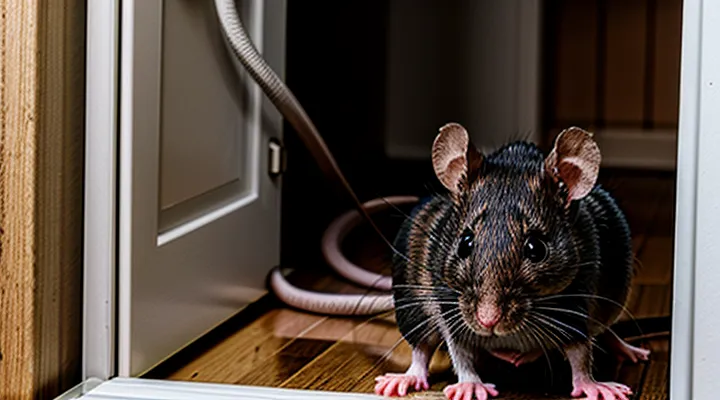
Understanding the Problem
Identifying Signs of Infestation
Droppings and Urine
Mice and rats leave droppings and urine that signal infestation and pose health hazards. Fresh droppings appear dark, moist, and may have a strong odor; older ones dry, crumbly, and turn gray. Urine stains often manifest as yellowish rings on surfaces, especially near food storage, walls, and cabinets.
Health risks include transmission of hantavirus, salmonella, and leptospirosis. Inhalation of aerosolized particles from disturbed droppings can cause respiratory illness. Direct contact may lead to skin irritation or infection.
Effective handling requires protection and thorough removal:
- Wear disposable gloves, N‑95 respirator, and eye protection.
- Ventilate the area by opening windows; avoid sweeping or vacuuming dry droppings.
- Dampen droppings with a 10% bleach solution, let stand for 5 minutes to inactivate pathogens.
- Scrape softened material into a sealed bag; dispose of in a hard‑top trash container.
- Clean the contaminated surface with a bleach‑water mixture (1 part bleach to 9 parts water) or an EPA‑approved disinfectant; allow contact time of at least 10 minutes.
- Rinse with clean water and dry completely.
- Wash hands thoroughly after removing gloves and disposing of waste.
Preventive measures focus on eliminating sources of moisture and food that attract rodents:
- Repair leaks in plumbing, roofs, and foundations.
- Store food in airtight containers; clean crumbs and spills promptly.
- Seal entry points larger than ¼ inch with steel wool, caulk, or metal flashing.
- Maintain a tidy yard, removing debris, compost, and dense vegetation near the house.
Regular inspection of hidden areas, such as attics, basements, and crawl spaces, helps detect droppings early and limits spread before a full eradication program becomes necessary.
Gnaw Marks
Rodent gnaw marks serve as reliable evidence of mouse or rat presence in a home. The incisors continuously grow, forcing animals to chew on wood, plastic, wiring, and insulation to keep teeth trimmed. Detecting these marks early prevents extensive structural and electrical damage.
Typical gnaw patterns include shallow, crescent-shaped bites on the edges of furniture, baseboards, and cabinet doors. Wiring insulation often shows parallel, clean cuts that expose copper. Food packaging may display irregular, ragged edges. Presence of gnaw marks near walls or ceilings suggests potential entry points or nesting sites.
Addressing gnaw marks requires a systematic approach:
- Inspect all rooms, focusing on corners, behind appliances, and under sinks for fresh bite marks.
- Identify and seal openings larger than ¼ inch with steel wool, caulk, or metal flashing.
- Replace or repair damaged wiring and insulation to eliminate fire hazards.
- Install appropriate traps or bait stations near the most recent gnaw sites.
- Conduct regular monitoring, documenting new marks to gauge control effectiveness.
Prompt action based on gnaw‑mark evidence reduces the likelihood of infestation escalation and safeguards the integrity of the residence.
Nests and Burrows
Rodents build nests and burrows to shelter, store food, and rear young. Recognizing these structures is essential for effective eradication in a residence.
Typical nest locations include wall voids, attic insulation, under floorboards, and inside stored boxes. Nests consist of shredded paper, fabric, or dried plant material, often matted together. Burrows appear as tunnels in soil, mulch, or garden beds, marked by loose, crumbling earth and small piles of excavated material.
To eliminate existing nests and burrows:
- Inspect all concealed areas; use a flashlight and mirror to view hidden corners.
- Remove debris, shredded materials, and any food remnants from identified sites.
- Seal entry points with steel wool, metal mesh, or caulking to prevent re‑entry.
- Apply rodent‑specific bait or traps directly within or near the nest or tunnel entrance.
- Replace damaged insulation or flooring sections that show signs of gnawing.
Preventing new constructions relies on habitat disruption:
- Keep storage areas orderly; avoid stacking cardboard or fabric near walls.
- Maintain a clean kitchen; store food in airtight containers.
- Trim vegetation away from the house foundation; eliminate dense ground cover that offers cover for burrowing.
- Ensure garbage bins have tight‑fitting lids and are emptied regularly.
Regular monitoring, combined with prompt removal of nests and closure of burrows, reduces the likelihood of a recurring infestation and supports long‑term rodent control in a private dwelling.
Strange Noises
Strange noises often indicate rodent activity within a home. Typical sounds include scratching on walls or ceilings, squeaking from concealed spaces, and the faint pattering of tiny feet in attics or crawlspaces. Recognizing these cues allows timely intervention before infestations spread.
- Scratching: occurs when mice or rats gnaw on structural elements to create pathways. Inspect exposed wood, insulation, and stored boxes for fresh marks.
- Squeaking: high‑pitched chirps signal communication among rodents, usually heard at night near hidden nests. Follow the sound to locate potential entry points.
- Footsteps: light, rapid taps suggest movement in ceilings or behind walls. Use a flashlight and a listening device to pinpoint the exact area.
Once the source is identified, seal openings larger than a quarter‑inch with steel wool and caulk, then set appropriate traps or bait stations near the noise origin. After removal, replace damaged insulation and repair structural gaps to prevent recurrence. Continuous monitoring of noise patterns confirms the effectiveness of the control measures.
Differentiating Between Mice and Rats
Size and Appearance
Understanding the physical characteristics of house‑bound rodents enables precise identification and effective intervention. Mice and rats differ markedly in dimensions and external features, which influences trap selection, bait placement, and inspection strategies.
Mice typically measure 2‑4 inches (5‑10 cm) from nose to the base of the tail, with tails of equal length. Adult house mice weigh 0.5‑1 oz (15‑30 g). Fur ranges from light gray to brown, often with a pale belly. Ears are proportionally large, exceeding one‑third of head length, and the snout is pointed. Footpads are pink, and whiskers extend well beyond the nose.
Rats exhibit a broader size range. Common Norway rats reach 7‑10 inches (18‑25 cm) in body length, with tails slightly shorter than the body. Weight spans 5‑10 oz (140‑300 g). Coat colors include brown, black, or reddish‑brown, usually darker on the dorsal side and lighter ventrally. Ears are relatively small, about one‑quarter of head length, and the snout appears blunt. Hind feet are robust, supporting a heavier build.
Key distinctions:
- Body length: mouse 2‑4 in, rat 7‑10 in
- Tail proportion: mouse tail ≈ body length, rat tail ≤ body length
- Weight: mouse ≤ 30 g, rat ≥ 140 g
- Ear size: mouse > 30 % of head, rat ≈ 25 % of head
- Snout shape: mouse pointed, rat blunt
Recognizing these metrics allows homeowners to choose appropriately sized snap traps, determine the most likely entry points, and target bait stations where each species is active. Accurate identification reduces wasted effort and accelerates eradication in a private residence.
Habits and Behaviors
Rodents exploit predictable patterns in a home to locate food, water, and shelter. They emerge at night, travel along walls, and avoid open spaces where predators might see them. Understanding these routines allows targeted interventions that disrupt access points and reduce attraction.
Key behaviors to monitor include:
- Nocturnal foraging – mice and rats search for crumbs and spills after dark; leaving food residues encourages repeated visits.
- Wall‑running – both species prefer narrow, concealed routes; gaps greater than ¼ inch provide entry.
- Burrowing – rats can enlarge small cracks into tunnels, while mice use existing crevices for nesting.
- Chewing – constant gnawing expands openings and damages insulation, facilitating further ingress.
Effective control measures focus on breaking these cycles. Secure all food in airtight containers, repair openings smaller than ¼ inch, and eliminate standing water. Install sturdy metal or cement thresholds to block wall‑running paths. Replace compromised insulation and seal utility penetrations with steel wool and caulk. Regular inspection of attics, basements, and crawl spaces identifies early signs of activity, enabling prompt remediation before populations expand.
Prevention Strategies
Sealing Entry Points
Inspecting Your Home's Exterior
Inspecting the exterior of a private residence is the first line of defense against rodent intrusion. Begin by walking around the building and noting any gaps larger than a quarter‑inch in siding, foundation, or eaves. These openings provide direct access for mice and rats and must be sealed promptly.
Check the roofline for damaged shingles, missing flashing, or loose tiles. Rodents can climb trees, wires, or vines to reach a compromised roof and use it as a pathway into attics. Trim tree branches and vegetation that touch the structure, creating a clear buffer zone of at least three feet.
Examine all utility penetrations—water, gas, and electrical lines—for proper caulking or metal sleeves. Where pipes enter the house, use steel wool or copper mesh before applying a sealant to block gnawing. Verify that vent covers, chimney flues, and crawl‑space openings have tight, screen‑fitted lids.
Inspect drainage systems. Stagnant water attracts pests and creates humid conditions favorable to nesting. Ensure gutters are clear, downspouts direct water away from the foundation, and grading slopes away from the house.
Identify potential food sources outside the dwelling. Store firewood, compost, and garden debris at least two feet from the building. Keep pet feed in sealed containers and clean up fallen fruit or seed heads promptly.
Key inspection actions
- Seal cracks and gaps with appropriate materials (caulk, steel wool, metal flashing).
- Repair or replace damaged roofing components.
- Trim vegetation to maintain a clear perimeter.
- Secure utility entry points with sleeves and sealants.
- Maintain functional drainage and proper grading.
- Remove or protect external food sources.
A systematic exterior assessment, followed by immediate remediation of identified vulnerabilities, dramatically reduces the likelihood of mice and rats establishing a foothold inside the home. Regular re‑inspection, especially after seasonal changes, sustains this protective barrier.
Repairing Gaps and Cracks
Repairing gaps and cracks is a critical step in preventing rodents from entering a residence. Small openings around doors, windows, foundation walls, and utility penetrations provide easy access for mice and rats. Sealing these entry points eliminates the pathways that pests exploit, reducing the likelihood of infestation.
Identify all potential openings by conducting a thorough visual inspection. Look for visible cracks, holes left by removed weather‑stripping, gaps around pipes, and spaces beneath cabinets. Use a flashlight to examine dark corners and crawl spaces where rodents may hide.
Apply appropriate sealing materials based on the location and size of each opening:
- Expandable foam sealant for gaps larger than ¼ inch around pipes and vents.
- Steel wool or copper mesh packed into small cracks before applying caulk, preventing rodents from gnawing through.
- Silicone or acrylic caulk for narrow seams around window frames and baseboards.
- Concrete patch or mortar for structural cracks in foundation walls.
After sealing, verify the integrity of each repair by pushing a fingertip or a thin probe through the area. Any remaining movement indicates an incomplete seal and should be re‑treated. Regularly inspect repaired sites, especially after seasonal temperature changes, to ensure that materials have not deteriorated and that new gaps have not formed.
Installing Mesh on Vents and Drains
Installing fine‑mesh screens on all ventilation openings and drainage pipes creates a physical barrier that prevents mice and rats from entering a dwelling. The mesh must be made of corrosion‑resistant metal, such as stainless steel, with openings no larger than ¼ inch (6 mm). Larger apertures allow rodents to squeeze through, while smaller gaps may impede airflow.
Key considerations for effective installation:
- Inspect every vent, attic hatch, and utility pipe for gaps, cracks, or missing covers.
- Cut mesh to size, allowing a slight overlap on each edge to ensure complete coverage.
- Secure the material with rust‑proof screws or heavy‑duty staples, fastening it directly to the framing or duct surface.
- Seal all seams with a silicone‑based sealant to eliminate potential entry points.
- Verify that the installed screen does not obstruct airflow required for HVAC performance; adjust vent louvers if necessary.
Regular maintenance includes checking the mesh for damage caused by weather, rodents gnawing, or accidental displacement during home repairs. Replace any compromised sections promptly to maintain an uninterrupted barrier. By systematically covering vents and drains, homeowners eliminate common access routes, substantially reducing the likelihood of rodent infestation.
Eliminating Food Sources
Storing Food Properly
Proper food storage eliminates the primary attractant for rodents in a residence. Food that is accessible, improperly sealed, or left out for extended periods provides a reliable source of nutrition, encouraging mice and rats to establish a foothold. By removing this resource, the likelihood of infestation drops dramatically.
Key practices for securing food include:
- Use containers with snap‑tight, rubber‑gasket lids; glass or heavy‑wall plastic options resist chewing.
- Store dry goods—cereals, grains, nuts, pet food—in these containers immediately after purchase.
- Keep perishable items in the refrigerator or freezer; discard leftovers within 24 hours.
- Label containers with purchase dates; rotate stock to prevent spoilage.
- Clean pantry shelves regularly; sweep crumbs and wipe surfaces with a mild detergent.
- Position storage units away from walls and baseboards to reduce easy access for rodents.
Maintain a strict cleaning schedule: sweep floors, vacuum corners, and wipe countertops after each meal. Empty trash bins nightly and use bins with tight‑closing lids. By adhering to these measures, the environment becomes inhospitable to mice and rats, supporting effective rodent control in a private home.
Cleaning Up Spills and Crumbs
Keeping surfaces free of food residues is essential for preventing rodent activity. Spills and crumbs provide an easy source of nourishment, encouraging mice and rats to explore and establish nests.
- Wipe all countertops, tables, and cabinets immediately after meals. Use a disinfectant that leaves no sticky residue.
- Sweep floors after cooking, eating, or snack breaks. Follow with a damp mop to capture fine particles.
- Empty trash bins daily and use lids that close securely. Replace liners before they become saturated.
- Store dry goods in airtight containers made of glass, metal, or heavy‑wall plastic. Ensure lids seal tightly after each use.
- Clean pet feeding areas each evening. Remove uneaten food and wash bowls with hot, soapy water.
Regularly inspecting hidden areas—behind appliances, under the refrigerator, and inside pantry shelves—identifies overlooked debris. Prompt removal of any discovered spills eliminates the attractant that rodents seek. Consistent adherence to these practices reduces the likelihood of infestation and supports long‑term control efforts.
Securing Trash Cans
Rodents are drawn to unsecured trash because it provides easy access to food residues and shelter. Properly sealed waste containers eliminate a primary attractant, reducing the likelihood of mice and rats entering the home.
- Choose containers with snap‑tight or locking lids; plastic lids that can be lifted easily are ineffective.
- Opt for metal or heavy‑duty bins that resist chewing.
- Position cans away from walls, foundations, and exterior vents to prevent rodents from climbing or entering through gaps.
- Keep lids closed at all times, even when the bin is empty.
- Store outdoor bins on a raised platform or within a locked enclosure to block ground‑level access.
Inspect lids and seals weekly for cracks, gaps, or damage. Replace compromised containers promptly. Clean the interior of each bin with a mild detergent and rinse thoroughly to remove food particles that may attract pests. Maintain a clear perimeter around the cans, removing leaves, debris, or other clutter that could serve as hiding places. Consistent attention to waste management supports an effective rodent‑prevention strategy in a private residence.
Reducing Shelter Options
Decluttering Your Home
A cluttered interior offers rodents shelter, nesting material, and easy access to food. Reducing excess items removes hiding spots, limits food availability, and creates an environment that discourages mice and rats from establishing a presence.
- Remove all food containers from open shelves; store them in sealed, rodent‑proof bins.
- Clear debris from corners, under appliances, and behind furniture; vacuum regularly to eliminate crumbs.
- Consolidate stored items into airtight containers; label each container and keep it on elevated shelves.
- Dispose of cardboard boxes, paper piles, and fabric scraps that could serve as bedding.
- Trim vegetation and eliminate debris around the foundation; keep the perimeter free of leaf litter and wood piles.
Maintain a routine inspection schedule. Check for signs of gnawing or droppings weekly, repair cracks in walls and floors, and ensure doors and windows close tightly. Consistent decluttering, combined with these preventive measures, sustains a living space that is inhospitable to rodent activity.
Trimming Vegetation Around the House
Keeping the area around a residence free of dense plant growth removes shelter and food sources that attract mice and rats. Overgrown shrubs, low‑hanging branches, and tall grass create continuous cover from the street to the foundation, allowing rodents to travel undetected and to nest close to the building.
- Cut back trees so that branches end at least 6 feet (2 m) from the house.
- Trim shrubs to a height of 3 feet (1 m) or lower; remove any foliage that touches the roof or walls.
- Mow lawn weekly during the growing season; maintain a uniform height of 2–3 inches (5–7 cm).
- Remove leaf piles, compost heaps, and other organic debris that could serve as food.
- Clear vegetation from the perimeter of the foundation, creating a 12‑inch (30‑cm) gap between soil and the building exterior.
- Dispose of garden waste in sealed containers; avoid leaving cuttings or fallen fruit near the structure.
Regularly inspecting the perimeter for regrowth and promptly addressing it prevents rodents from re‑establishing pathways. By maintaining a clear, low‑profile landscape, the house becomes less inviting to mice and rats, supporting broader pest‑control measures.
Storing Firewood Away from the Foundation
Storing firewood at a distance from the house foundation removes a preferred shelter and food source for rodents, reducing the likelihood of infestation. Wood piles left against walls provide warmth, moisture, and hiding places that encourage mice and rats to enter the building.
Practical guidelines for firewood placement:
- Keep the stack at least three feet (one meter) away from the exterior wall.
- Elevate the bottom layer on pallets or bricks to prevent contact with soil and moisture.
- Cover the pile with a breathable tarp to shield it from rain while allowing air circulation.
- Arrange the wood in a neat, stable shape to eliminate gaps where rodents can nest.
- Position the stack on a level, non‑vegetated surface, such as a concrete pad or gravel area.
Regularly inspect the firewood for signs of gnawing or droppings, and rotate stock to use older pieces first. By maintaining a clear zone around the foundation, the property becomes less attractive to rodents, supporting broader pest‑control efforts.
Extermination Methods
Trapping
Snap Traps
Snap traps provide a rapid, humane method for eliminating rodents in residential settings. The mechanism consists of a spring‑loaded bar that delivers a lethal force when the animal triggers the trigger plate, ensuring immediate death and preventing prolonged suffering.
Key considerations when selecting a snap trap include:
- Heavy‑gauge steel construction for durability.
- Sensitive trigger that activates with minimal pressure.
- Secure base that prevents displacement after a strike.
- Size appropriate for the target species; larger models for rats, smaller for mice.
Effective placement follows a pattern of targeting high‑traffic zones. Position traps along walls, behind appliances, within concealed gaps, and near known gnawing sites. Align the trigger plate facing the wall so rodents approach from the side, increasing the likelihood of contact. Space traps 1–2 feet apart in heavily infested areas; reduce spacing to 6–12 inches when activity is intense.
Safety measures are essential. Wear disposable gloves when handling traps to avoid contaminating bait with human scent. Use a small amount of attractive bait—peanut butter, dried fruit, or seed mix—applied to the trigger plate. Avoid over‑baiting, which can cause premature activation.
After a capture, dispose of the carcass in a sealed bag and place it in an outdoor trash receptacle. Reset the trap by cleaning the trigger mechanism with alcohol, then re‑bait for continued use. Regular monitoring and replacement of worn springs maintain efficiency throughout the control program.
Live Traps
Live traps provide a humane alternative for managing rodent activity inside a residence. They capture mice or rats without killing them, allowing owners to relocate the animals away from the property.
Common designs include:
- Single‑catch box traps: small, portable, trigger a door shut when the animal enters.
- Multi‑catch cages: contain several chambers, suitable for larger infestations.
- Wire mesh traps: allow ventilation, useful in humid areas.
Selection criteria:
- Size: interior dimensions must accommodate the target species; mice require traps at least 4 × 4 × 4 inches, rats need 8 × 8 × 12 inches.
- Material: sturdy plastic or metal prevents escape and resists chewing.
- Trigger sensitivity: adjustable mechanisms reduce false releases.
Effective placement follows these principles:
- Position traps along walls, behind appliances, and near known runways.
- Align the entrance with the animal’s natural travel direction.
- Keep traps level on a stable surface to avoid tipping.
Bait choices that attract rodents:
- Peanut butter, rolled oats, or dried fruit for mice.
- Pieces of meat, cheese, or birdseed for rats.
- Apply a small amount to the trigger area to ensure contact.
Monitoring routine:
- Check traps at least twice daily to prevent stress or injury.
- Release captured rodents at least 2 m (6 ft) from the house, preferably in a wooded area with shelter.
- Wear gloves during handling to avoid disease transmission.
Maintenance tasks:
- Clean traps with hot, soapy water after each use.
- Inspect hinges and springs for wear; replace damaged units promptly.
- Store unused traps in a dry location to preserve functionality.
Legal and safety considerations:
- Verify local regulations regarding the release of captured wildlife.
- Ensure children and pets cannot access traps; secure them out of reach.
- Dispose of any dead bait or contaminated material according to municipal guidelines.
Glue Traps
Glue traps are adhesive boards designed to capture rodents upon contact. The boards consist of a rigid backing coated with a non‑drying, toxic‑free glue that remains tacky for several weeks. When a mouse or rat steps onto the surface, the animal becomes immobilized and eventually dies from exhaustion, dehydration, or predation by a secondary predator.
Effectiveness and placement
- Position traps along walls, behind appliances, and in dark corners where gnaw marks or droppings are evident.
- Align the glue surface perpendicular to the wall, as rodents travel close to edges.
- Use multiple traps in parallel lines to increase capture probability in high‑traffic areas.
- Replace traps every 7‑10 days, especially in humid environments where the adhesive may lose strength.
Safety considerations
- Keep traps out of reach of children and pets; adhesive can cause severe injury if touched.
- Wear disposable gloves when handling captured rodents to avoid disease transmission.
- Seal captured specimens in a plastic bag before disposal to prevent accidental release.
Disposal procedure
- Place the entire trap with the captured animal into a sealed container.
- Add a disinfectant solution or a small amount of bleach to neutralize pathogens.
- Dispose of the sealed container according to local hazardous‑waste regulations.
Advantages
- No chemical poisons, reducing risk of secondary poisoning.
- Immediate visual confirmation of captures.
- Low cost and simple to install.
Limitations
- Inhumane outcome; rodents may suffer prolonged distress before death.
- Ineffective against burrowing species that avoid surface contact.
- Requires regular monitoring and replacement, increasing labor.
When integrated into a comprehensive rodent‑control program—combined with sealing entry points, maintaining sanitation, and, if needed, employing snap or electronic devices—glue traps can contribute to a measurable reduction in mouse and rat activity within a private residence.
Proper Trap Placement and Baiting
Effective trap placement and bait selection are critical for eliminating rodents in a private residence. Identify high‑traffic zones by inspecting walls, cabinets, and concealed areas for droppings, gnaw marks, and grease trails. Position traps perpendicular to these pathways, with the trigger end facing the wall, so rodents run directly into the device. Secure traps on stable surfaces to prevent displacement by vibrations or pet activity.
Choose bait that matches the target species’ preferences. For mice, use small amounts of peanut butter, dried fruit, or soft cheese. For rats, opt for coarse grains, nuts, or pieces of meat. Apply bait sparingly; excess material can be removed by the animal without triggering the trap. Replace bait daily to maintain freshness and potency.
Maintain a systematic deployment schedule:
- Install a minimum of one trap per identified corridor, spaced 12–18 inches apart.
- Check traps at consistent intervals—preferably every 12 hours—to remove captured rodents and refresh bait.
- Relocate ineffective traps to alternative points along the same route after three consecutive days without catch.
- Dispose of captured pests in sealed containers and sanitize the trap surface with a mild disinfectant before reuse.
Monitor progress by recording capture dates and locations. A declining capture rate over a week indicates successful reduction, after which remaining traps can be phased out gradually while continuing to block entry points and eliminate food sources.
Baits and Rodenticides
Understanding Different Types of Baits
Effective rodent control in a residence depends on selecting the appropriate bait for the target species and the environment. Different bait categories address varying behavioral patterns, resistance levels, and safety requirements.
- Anticoagulant rodenticides: second‑generation compounds such as brodifacoum, bromadiolone, and difethialone disrupt blood clotting after a single lethal dose. They are suitable for established infestations but require secure placement to prevent secondary poisoning.
- Acute toxicants: zinc phosphide and bromethalin act quickly, causing respiratory failure or cellular disruption. Use in areas where rapid elimination is necessary, ensuring pets and children cannot access the bait.
- Food‑based attractants: peanut butter, dried fruit, and grain mixtures appeal to both mice and rats. Pair with low‑dose anticoagulants for a combined approach that minimizes risk to non‑target animals.
- Snap‑trap lures: cotton balls soaked in vanilla extract or small pieces of bacon increase capture rates. These are appropriate for households that prohibit chemical agents.
- Electronic trap attractants: a few drops of oil‑based scent or a crumb of cheese placed on the sensor platform improve trigger reliability.
- Live‑catch bait stations: oats mixed with a pinch of powdered sugar attract rodents without causing immediate death, allowing humane removal and release far from the property.
Placement strategy influences bait performance. Position stations along walls, behind appliances, and near known runways. Keep bait stations out of reach of pets and children, using tamper‑resistant containers when necessary. Rotate bait types every two weeks to avoid habituation and to counteract possible resistance development.
Safety considerations include wearing gloves during handling, storing baits in sealed containers, and disposing of dead rodents according to local regulations. Monitoring consumption and replacing depleted stations maintain consistent pressure on the population until activity ceases.
Safety Precautions for Using Rodenticides
Rodenticides can be effective in residential rodent control, but they pose health risks to humans, pets, and non‑target wildlife. Proper handling minimizes accidental exposure and environmental contamination.
- Store products in locked, clearly labeled containers away from food, water, and children's areas.
- Keep the original label attached; follow dosage instructions precisely.
- Wear disposable gloves and protective eyewear when applying bait or handling dead rodents.
- Place bait stations out of reach of children and pets, preferably mounted on walls at least 12 inches above the floor.
- Use tamper‑resistant bait stations to prevent unintended ingestion.
- Do not place bait near food preparation surfaces, garbage cans, or animal feeding stations.
- Dispose of unused bait and empty containers according to local hazardous‑waste regulations.
- Record the location, type, and amount of rodenticide applied; retain the information for at least 30 days.
- In case of accidental ingestion or skin contact, seek medical assistance immediately and provide the product label to responders.
Regularly inspect bait stations for damage, depletion, or signs of non‑target exposure. Replace or relocate stations promptly if hazards are identified. Maintaining these precautions ensures rodent control while protecting household occupants and the surrounding environment.
Placement Guidelines
Effective control of rodents in a residence depends on precise positioning of traps, bait stations, and deterrents. Place devices along established runways, typically within 1–2 feet of walls where mice and rats travel. Avoid open floor areas; rodents prefer concealed routes.
- Set snap traps or electronic devices against the baseboard or behind appliances, with the trigger facing the wall.
- Position bait stations on low shelves, under cabinets, or in closets, ensuring the entry point is no higher than 8 inches from the floor.
- Install live‑catch traps in dark corners, behind furniture, and near garbage containers.
- Deploy rodent‑repellent devices near entry points, such as door thresholds, window sills, and foundation cracks.
Bait stations require secure placement to prevent non‑target exposure. Mount them on surfaces that cannot be reached by children or pets, using tamper‑proof containers. Ensure each station is anchored to prevent displacement by the animal.
Regular inspection strengthens effectiveness. Check each device daily for captures or bait depletion, relocate any that remain unused after 48 hours, and replace worn or damaged equipment promptly. Maintain a log of locations, dates, and results to identify patterns and adjust placement accordingly.
Natural and DIY Solutions
Peppermint Oil and Other Repellents
Peppermint oil deters mice and rats by overwhelming their olfactory receptors. Apply a mixture of 10‑15 drops of pure peppermint essential oil to cotton balls, then place them in known activity zones such as kitchen cabinets, pantry corners, and entry points. Replace cotton balls every three to five days to maintain potency; the scent diminishes rapidly under ventilation.
Effectiveness relies on consistent exposure. Peppermint oil does not eradicate infestations; it reduces exploratory behavior and may prevent new individuals from entering a treated area. Combine oil treatment with structural sealing and sanitation to achieve lasting control.
Other non‑chemical repellents include:
- Ultrasonic emitters that broadcast frequencies above 20 kHz, disrupting rodent communication.
- Dried herbs (eucalyptus, lavender, cloves) positioned similarly to peppermint.
- Predator scent products containing fox or cat urine, placed near entryways.
- Light‑controlled traps that activate only when motion is detected, minimizing non‑target capture.
- Magnetic or vibration pads that create an uncomfortable floor surface, discouraging nesting.
Select repellents based on the specific layout of the residence, the severity of the problem, and compatibility with household occupants. Integrating multiple methods enhances overall efficacy while minimizing reliance on poisons or lethal traps.
Owl Boxes and Natural Predators
Owl boxes provide a practical means of introducing a natural predator into a residential setting where rodent activity is problematic. Owls require minimal maintenance, and their presence can suppress mouse and rat populations through direct predation and the deterrent effect of their calls.
Placement of an owl box follows clear guidelines. Install the unit at a height of 12–20 feet, away from bright artificial lighting, and on a tree or pole with a clear flight corridor of at least 30 feet on all sides. Use a box with an entrance hole of 4–5 inches to attract species such as the Eastern Screech‑Owl or Barn Owl, which specialize in hunting small mammals. Secure the structure with sturdy brackets and include a removable panel for annual cleaning.
Complementary natural predators can be encouraged alongside owls:
- Hawks – provide perching posts near open fields or garden edges.
- Barn cats – adopt feral or semi‑feral cats, ensuring they are spayed/neutered and vaccinated.
- Ferrets – employ trained ferrets for targeted removal in confined areas such as basements.
- Snakes – maintain native grassland habitats that support non‑venomous species like garter snakes, which prey on rodents.
Integrating owl boxes with these measures enhances overall effectiveness. While owls reduce rodent numbers over a broad area, cats and ferrets address localized infestations, and hawks deter activity in open spaces. Regular monitoring of predator activity, combined with sanitation practices that limit food sources, creates a sustainable, low‑chemical strategy for managing rodent problems in a private home.
Professional Pest Control Services
Professional pest‑control firms provide a systematic approach to eliminate mice and rats from a private residence. Their expertise replaces ad‑hoc traps with targeted, evidence‑based actions that reduce reinfestation risk.
The service typically includes:
- Comprehensive inspection of interior and exterior spaces to locate activity signs and entry points.
- Species identification to select appropriate control methods.
- Development of a customized treatment plan that may combine bait stations, rodent‑proofing, and environmentally safe rodenticides.
- Execution of the plan by certified technicians, followed by documentation of actions taken.
- Ongoing monitoring visits to verify effectiveness and adjust measures as needed.
Advantages over DIY attempts are measurable: higher success rates, reduced exposure to hazardous chemicals, compliance with local health regulations, and warranty coverage for future incursions.
When choosing a provider, verify the following criteria:
- Current state licensing and certification for rodent control.
- Documented experience with residential infestations.
- Clear service guarantees and post‑treatment follow‑up policies.
- Adoption of Integrated Pest Management principles that prioritize prevention.
- Positive client references or online reviews.
Homeowners should prepare the property by removing food sources, sealing obvious gaps, and maintaining cleanliness. After treatment, maintain a regular inspection schedule and address any new entry points promptly to sustain a rodent‑free environment.
Post-Extermination Measures
Cleaning and Sanitization
Removing Carcasses
Removing dead rodents promptly prevents disease spread, deters surviving pests, and eliminates foul odors. Follow these steps to handle carcasses safely and efficiently.
- Wear disposable gloves and a mask to protect against pathogens and aerosolized particles.
- Place the dead mouse or rat in a sealed plastic bag; double‑bag for added containment.
- Disinfect the bag exterior with a solution of diluted bleach (1 part bleach to 9 parts water) or an EPA‑approved disinfectant.
- Dispose of the sealed bag according to local regulations: municipal solid‑waste collection, approved pest‑control waste service, or burial in a deep, protected pit if permitted.
- Clean the area where the carcass was found with a detergent‑based cleaner, then apply a disinfectant and allow it to air‑dry.
- Inspect surrounding zones for additional dead rodents, signs of activity, or contamination; repeat the process as needed.
Maintain a log of removal dates, locations, and disposal methods to track patterns and verify compliance with health‑safety standards. Regular monitoring reduces the likelihood of future carcass accumulation and supports overall rodent‑management efforts.
Disinfecting Contaminated Areas
After a rodent intrusion, surfaces that have been chewed, soiled, or exposed to urine and droppings must be treated to eliminate pathogens and prevent reinfestation. Begin by removing all visible debris with disposable gloves and a sealed bag. Discard contaminated items that cannot be thoroughly cleaned, such as shredded paper or porous fabrics.
Next, wash hard surfaces with hot, soapy water to loosen organic matter. Rinse and allow the area to dry completely before applying a disinfectant. Choose an EPA‑registered product effective against hantavirus, salmonella, leptospirosis, and other rodent‑borne bacteria. Follow the manufacturer’s concentration and contact‑time instructions; typically, a 10‑minute dwell period is required for full efficacy.
When treating larger zones, such as kitchens or basements, use a spray applicator to coat floors, countertops, cabinets, and walls. For cracks and crevices, apply a liquid disinfectant with a brush or pour a small amount directly, ensuring the solution reaches the deepest points. After application, ventilate the space for at least 30 minutes to disperse fumes.
Finalize the process by:
- Disposing of used gloves, rags, and spray containers in sealed bags.
- Washing hands thoroughly with soap and water.
- Inspecting the treated area for residual moisture; dry any remaining dampness to discourage mold growth.
Regular monitoring of the disinfected zones, combined with preventive measures such as sealing entry points and maintaining cleanliness, sustains a rodent‑free environment.
Preventing Future Infestations
Effective long‑term control of rodent problems begins with eliminating conditions that attract mice and rats. Seal all exterior openings larger than a quarter‑inch with steel wool, metal flashing, or cement; inspect foundations, vents, and utility penetrations regularly. Keep indoor storage areas tidy, placing items on pallets or shelving to create a clear perimeter between walls and objects.
Maintain a clean perimeter by removing vegetation, debris, and firewood within two meters of the building. Trim tree branches and vines that contact the roof or walls to prevent access routes. Store garbage in sealed containers and dispose of waste frequently; avoid leaving food residues on countertops, floors, or pet dishes.
Implement a routine inspection schedule:
- Quarterly check of door sweeps, window screens, and crawl‑space vents for gaps.
- Monthly review of interior corners, basements, and attics for droppings, gnaw marks, or nesting material.
- Biannual assessment of exterior drainage to ensure water does not pool near foundations, reducing moisture that attracts rodents.
Use mechanical barriers where feasible. Install door sweeps on all exterior doors, fit metal mesh on vent openings, and fit tight‑fitting lids on utility access panels. Replace worn weatherstripping promptly.
Adopt an integrated pest‑management approach: combine physical exclusion, sanitation, and monitoring. Place snap traps or electronic devices in identified activity zones only after other preventive measures are in place, and record captures to detect any resurgence early.
By enforcing these practices consistently, homeowners create an environment that discourages re‑entry, substantially lowering the risk of future rodent infestations.
Monitoring for Re-Infestation
Regular Inspections
Regular inspections are a cornerstone of effective rodent management in a private residence. Detecting entry points, nesting sites, and activity signs before infestations expand prevents damage, disease risk, and costly extermination.
Inspectors should examine the exterior foundation, roof eaves, and utility penetrations at least once each month, increasing to weekly during peak seasons. Inside the house, focus on kitchens, pantries, basements, and attics, looking for droppings, gnaw marks, shredded material, and grease stains. Use a flashlight and a mirror to reach concealed areas; record findings in a log to track patterns.
- Seal gaps larger than ¼ inch with steel wool, caulk, or metal flashing.
- Repair damaged screens, vents, and door sweeps.
- Trim vegetation and remove debris within two feet of the building envelope.
- Store food in airtight containers; clean crumbs and spills immediately.
- Place traps or bait stations near identified activity zones, checking them regularly.
- Rotate inspection routes to cover all potential hotspots systematically.
Consistent monitoring reduces the likelihood of a full-blown infestation, maintains a sanitary environment, and supports long‑term control strategies.
Addressing New Signs Promptly
When droppings, gnaw marks, or fresh nests appear, immediate action prevents a small intrusion from becoming a full infestation. Delay allows rodents to establish routes, multiply, and conceal their presence, making later control efforts more complex and costly.
Identify the exact location of the sign. Examine surrounding walls, ceilings, and baseboards for additional evidence. Record the spot to track progress and to inform professional inspectors if needed.
Implement a rapid response protocol:
- Seal all visible entry points using steel wool, metal flashing, or cement‑based sealant.
- Deploy snap traps or enclosed bait stations directly adjacent to the new evidence; position them perpendicular to travel pathways.
- Remove food sources by storing pantry items in airtight containers and cleaning crumbs or spills within two hours of discovery.
- Increase monitoring by installing motion‑activated cameras or sticky boards for 48‑72 hours to verify activity levels.
Re‑inspect the area after 24 hours. If traps remain untouched or signs multiply, expand the perimeter of control measures and consider contacting a licensed pest‑management professional. Consistent, prompt reactions to early indicators maintain a rodent‑free residence and reduce the need for extensive eradication procedures.