
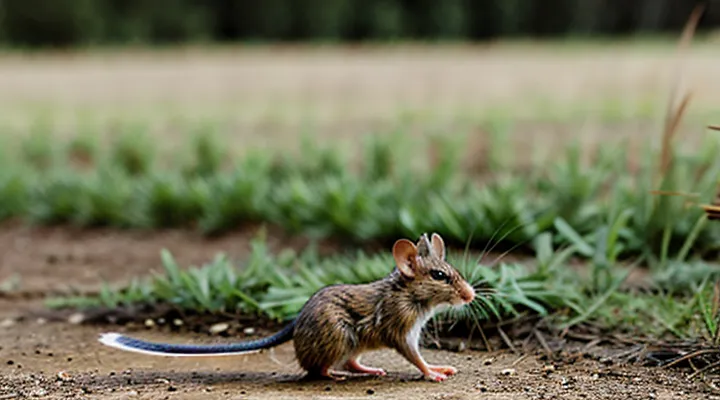
Understanding Field Mice
Identifying Field Mice
Appearance and Behavior
Field mice are small rodents typically measuring 2–4 inches (5–10 cm) in body length, with a proportionally long, hair‑less tail ranging from 2–4 inches. Their fur varies from gray‑brown to reddish‑brown, providing camouflage among grasses and crop residues. Distinctive features include large, dark eyes, prominent whiskers, and rounded ears that lack external cartilage. Feet are equipped with sharp claws allowing rapid digging and climbing.
Behaviorally, field mice are primarily nocturnal, emerging at dusk to forage. Their diet consists of seeds, grains, insects, and plant material, often causing direct damage to stored crops. They construct shallow burrows or use existing crevices, lining nests with shredded vegetation. Social structure is loosely organized; individuals may share a nest during winter but otherwise operate solitarily, marking territories with scent glands and urine. Reproduction is prolific, with females capable of producing multiple litters of 4–8 offspring each spring, leading to rapid population growth under favorable conditions.
Key behavioral traits relevant to control efforts:
- Night‑time activity peaks between 8 pm and 4 am.
- Preference for moist, vegetated habitats near food sources.
- High breeding rate, short gestation (≈ 19 days).
- Use of concealed pathways and concealed entry points.
Understanding these physical and behavioral characteristics enables precise targeting of exclusion, habitat modification, and trapping measures.
Common Habitats
Identifying where field mice establish their nests is essential for any effective eradication plan. Mice select environments that provide shelter, food, and easy access to the exterior.
- Dense, low‑lying vegetation such as tall grasses, clover, and weeds
- Burrows in well‑drained soil near the edges of fields or orchards
- Storage piles of harvested grain, straw, or feed
- Structures with gaps: barns, sheds, fences, and utility lines
- Compost heaps, manure piles, and irrigation ditches
Each of these locations offers protection from predators and temperature extremes while keeping food sources within reach. Control measures must target these zones directly—sealing entry points, removing debris, and deploying bait or traps where activity is confirmed. By concentrating effort on the habitats listed above, the likelihood of eliminating field mouse populations increases substantially.
Why Field Mice are a Problem
Health Risks
Field mice carry pathogens that can infect humans and livestock. Common diseases include hantavirus pulmonary syndrome, leptospirosis, salmonellosis, and lymphocytic choriomeningitis. Exposure routes are respiratory (inhalation of aerosolized droppings), dermal (contact with urine or feces), and ingestion (contaminated food). Symptoms range from mild fever to severe respiratory failure, requiring prompt medical attention.
Control measures introduce additional hazards. Toxic baits contain anticoagulants or neurotoxins that may affect non‑target species, pets, and children if mishandled. Mechanical traps can cause puncture wounds or allergic reactions to rodent saliva. Protective equipment—gloves, masks, eye protection—is essential when cleaning contaminated areas or setting devices. Proper disposal of carcasses prevents secondary contamination.
Key health risks:
- Hantavirus transmission through inhaled dust
- Leptospira infection via skin contact with urine
- Anticoagulant poisoning from misplaced baits
- Accidental injury from snap or live‑catch traps
- Allergic sensitization to rodent dander
Mitigation requires strict adherence to safety protocols, regular monitoring of bait placement, and immediate decontamination of affected zones.
Property Damage
Field mice inflict measurable property damage that compromises building integrity and increases maintenance costs. Their gnawing behavior targets structural components, insulation, wiring, and stored materials, creating hazards that extend beyond aesthetic concerns.
Typical damage includes:
- Cut through wooden beams and joists, weakening support structures.
- Chew insulation, reducing thermal efficiency and exposing surfaces to moisture.
- Bite electrical cables, raising fire risk and interrupting power supply.
- Contaminate food stores and packaging, leading to loss of inventory and health violations.
Effective control measures focus on eliminating access and reducing attractants. Secure all exterior openings with steel mesh or caulk; install door sweeps and seal gaps around utility penetrations. Deploy snap traps or live‑catch devices along established runways, positioning them near walls and in concealed corners. Remove debris, excess vegetation, and unsecured feed sources that sustain mouse populations. Conduct regular inspections to detect fresh gnaw marks or droppings, allowing prompt intervention before damage escalates.
When damage is discovered, prioritize repair of compromised structural elements and replacement of damaged wiring. Engage licensed electricians for cable replacement to ensure compliance with safety codes. Replace damaged insulation with rodent‑resistant materials, such as steel‑wool batts, and apply deterrent sprays to vulnerable areas. Document all repairs and integrate findings into a long‑term monitoring plan to prevent recurrence.
Prevention Strategies
Securing Your Home
Sealing Entry Points
Sealing entry points is the most reliable method for preventing field mice from infiltrating a property. Identify every potential opening, including gaps around utility lines, foundation cracks, vent openings, and the undersides of doors and windows. Use steel wool or copper mesh to fill small holes, then cover with durable materials such as hardware cloth, metal flashing, or cement‑based sealants. For larger gaps, install rigid metal flashing or pressure‑treated lumber, securing it with stainless‑steel screws to avoid future corrosion.
- Inspect the building envelope seasonally; mice exploit newly formed cracks after freeze‑thaw cycles.
- Apply expanding polyurethane foam sparingly; it does not deter chewing and can be pierced, so reinforce with metal mesh.
- Seal gaps around pipe penetrations with a combination of silicone caulk and metal collars.
- Install door sweeps on all exterior doors; ensure they rest flush against the threshold.
- Cover vent openings with fine‑mesh screens that are securely fastened and regularly checked for damage.
Regular maintenance of the sealed barriers is essential. Re‑examine all treated areas after severe weather, after any construction activity, and whenever signs of mouse activity appear. Prompt repairs prevent re‑entry, maintaining the integrity of the overall mouse‑control program.
Eliminating Food Sources
Eliminating food sources is the most effective initial step in any mouse control program. Mice locate shelters by following scent trails to readily available nutrition; removing those attractants disrupts their foraging behavior and forces them to abandon the area.
- Store grains, pet food, and birdseed in sealed, metal containers with tight-fitting lids.
- Keep compost piles covered and situated away from structures.
- Clean up spilled grain, seed, or feed daily; sweep floors and remove crumbs from workbenches and equipment.
- Install rodent‑proof doors and screens on feed storage rooms; use gaskets to eliminate gaps.
- Dispose of waste in metal bins with secure lids; empty them regularly to prevent accumulation.
Consistent application of these measures reduces the incentive for mice to remain on the field, making subsequent trapping or baiting efforts far more successful.
Outdoor Prevention
Yard Maintenance
Effective yard upkeep is a critical component of any rodent‑control plan. Regular trimming of grass, removal of debris, and proper storage of materials eliminate the shelter and food sources that attract field mice.
- Keep grass at a maximum height of 4–6 inches; short turf reduces cover for nesting.
- Clear fallen leaves, branches, and compost piles weekly; these provide hiding places and foraging opportunities.
- Store firewood, building supplies, and garden tools off the ground on pallets or shelves; elevate items to prevent mice from nesting beneath them.
- Install a perimeter barrier of fine‑mesh hardware cloth (¼‑inch openings) around garden beds, vegetable plots, and the foundation of structures; this blocks entry points.
- Maintain a clear zone of at least 18 inches between vegetation and the exterior walls of the house; distance discourages mice from climbing onto the building.
Inspect the yard after each storm or heavy rain. Water accumulation creates damp environments that attract rodents; drainage ditches, French drains, or properly sloped grading prevent pooling. Seal cracks in sidewalks, driveways, and foundation walls with mortar or caulk to deny interior access.
Seasonal tasks reinforce long‑term prevention. In autumn, remove seed heads and prune perennials to limit food availability. In spring, re‑evaluate fence integrity and repair any damage caused by winter freeze‑thaw cycles.
By adhering to these maintenance practices, the yard becomes inhospitable to field mice, reducing the need for more aggressive control measures.
Deterrents and Repellents
Effective control of field mice relies on targeted deterrents and repellents that interrupt foraging and nesting behaviors. Successful programs combine chemical, biological, and mechanical measures to create an environment hostile to rodents while preserving crop integrity.
- Chemical repellents: Concentrated formulations of peppermint oil, capsaicin, or commercial rodent repellents applied to entry points and perimeters. Reapply after rain or irrigation.
- Natural deterrents: Freshly cut mint, rosemary, or dried lavender placed in strategic locations. Rotate scents weekly to prevent habituation.
- Physical barriers: Fine‑mesh hardware cloth (¼‑inch opening) installed around storage bins, seed trays, and irrigation lines. Seal gaps with steel wool and caulk.
- Predator cues: Commercial predator urine (fox, coyote) or synthetic analogs sprayed on pathways. Refresh every 7–10 days for sustained effect.
- Ultrasonic devices: Emit frequencies above 20 kHz, positioned at ground level and powered continuously. Verify coverage area matches field dimensions.
Selection criteria include toxicity, persistence, and compatibility with livestock or wildlife. Apply repellents at dusk, when mice are most active, and monitor activity with motion‑activated cameras. Replace barrier sections showing wear, and rotate chemical products to avoid resistance. Regular inspection and prompt repair of breaches maintain the deterrent system’s efficacy over the growing season.
Eradication Methods
Trapping Field Mice
Types of Traps
Effective rodent control relies on selecting the appropriate trap for the specific situation. Different trap designs target field mice with varying degrees of immediacy, humaneness, and re‑usability.
- Snap traps – mechanical devices that deliver a rapid lethal strike. Ideal for isolated infestations; require precise bait placement and regular checking.
- Live‑catch traps – cage‑style enclosures that capture mice without killing them. Suitable for relocation programs; must be emptied promptly to prevent stress‑related mortality.
- Glue boards – adhesive surfaces that immobilize rodents. Useful for monitoring activity levels; considered inhumane for long‑term use and may cause secondary injuries.
- Electronic traps – battery‑powered units that administer a high‑voltage shock. Provide instant kill with minimal mess; higher upfront cost but reusable and easy to clean.
- Multi‑catch traps – funnel or tube designs that accumulate several mice before requiring release. Efficient for high‑density populations; allow periodic removal without resetting each device.
- Predator‑scent traps – compartments that release natural odors from carnivorous mammals. Function as deterrents rather than capture tools; best combined with other trapping methods for comprehensive management.
Choosing a trap type involves assessing infestation size, desired humane standards, and maintenance capacity. Combining multiple trap categories often yields the most reliable reduction in field mouse activity.
Baiting and Placement
Effective baiting hinges on selecting attractants that match the rodents’ natural preferences and presenting them where mice are most likely to encounter them. Fresh grains, high‑protein pellets, and scented commercial lures outperform stale or overly processed foods; moisture content should remain low to prevent spoilage during deployment.
Key considerations for bait preparation:
- Use a small amount of bait—no more than a pea‑sized piece per trap—to encourage repeated visits.
- Coat the bait lightly with a non‑toxic binding agent (e.g., peanut butter) to increase adherence to trap surfaces.
- Replace bait every 48 hours in warm weather, or when evidence of consumption appears.
Placement tactics maximize encounter rates while minimizing non‑target exposure:
- Position bait stations along established runways, identified by fresh droppings, gnaw marks, or cleared pathways.
- Install traps at right angles to walls, with the bait side facing the wall, because mice travel close to vertical surfaces.
- Distribute stations at intervals of 10–15 feet in infested zones; concentrate additional units near entry points such as doorways, vents, and utility openings.
- Elevate bait platforms 2–4 inches off the ground to avoid interference from debris and to target the typical foraging height of field mice.
Safe Disposal
After an effective field‑mouse control operation, the final phase focuses on eliminating any remaining biological material to prevent disease spread and secondary infestations. Proper disposal removes health hazards, protects non‑target wildlife, and satisfies local waste regulations.
- Place deceased rodents in leak‑proof, sealable containers.
- Transfer containers to heavy‑duty biohazard bags, tie securely.
- Arrange for municipal hazardous‑waste pickup or contract a licensed disposal service.
- If incineration is available, burn carcasses at temperatures exceeding 850 °C for a minimum of one hour.
- When burial is permitted, dig a pit at least 1 m deep, line with a thick plastic barrier, and cover with compacted soil.
During handling, wear disposable gloves, a mask with particulate filtration, and protective clothing. Disinfect tools and work surfaces with an EPA‑approved rodent‑pathogen sanitizer. Record disposal actions in a log to verify compliance with environmental and health statutes.
Natural Solutions
Predatory Animals
Predatory wildlife offers a direct method for reducing field mouse populations. Natural hunters locate prey through keen senses and swift attacks, delivering immediate pressure on rodent numbers without chemical intervention.
- Barn owl – requires nesting boxes, hunts at night, consumes up to 1,000 mice per season.
- Red-tailed hawk – perches on tall structures, attacks during daylight, removes large numbers of adult mice.
- Eastern fox squirrel – opportunistic predator, targets juvenile rodents in ground cover.
- Short-tailed weasel – agile ground hunter, eliminates mice in dense vegetation.
- Common snake (e.g., garter) – seeks shelter in burrows, preys on young mice.
- Feral cat – patrols fields, captures both adult and juvenile mice, but may impact non‑target species.
To attract and sustain these predators, install appropriate shelters such as owl boxes and raptor perches, preserve hedgerows for nesting, and limit pesticide use that can poison both prey and hunters. Monitor predator activity regularly; adjust habitat features if certain species fail to establish. Ensure compliance with local wildlife regulations before introducing or encouraging any predator, especially non‑native or domesticated animals.
Integrating predatory fauna into a rodent management plan reduces reliance on traps and poisons, creates a self‑regulating ecosystem, and lowers long‑term control costs. Continuous observation and habitat enhancement maintain predator effectiveness and protect field mouse populations at manageable levels.
Essential Oils
Essential oils provide a chemical deterrent that interferes with the sensory perception of field mice, prompting avoidance of treated zones. The volatile compounds act on the rodents’ olfactory receptors, creating an environment perceived as hostile.
- Peppermint oil – high menthol concentration, strong repellent effect.
- Eucalyptus oil – contains eucalyptol, disrupts scent trails.
- Lavender oil – linalool component, discourages nesting.
- Citronella oil – citronellal, masks food odors.
Application methods follow a consistent protocol: dilute each oil to a 5 % solution with water or a carrier such as mineral oil, saturate cotton balls, and place them near entry points, burrow openings, and storage areas. Replace saturated materials every 48 hours to maintain potency. For larger fields, disperse the diluted mixture with a sprayer along perimeter fences and pathways, targeting low vegetation where mice travel.
Safety considerations include avoiding direct skin contact with undiluted oils, preventing ingestion by livestock, and limiting exposure in enclosed structures to reduce respiratory irritation. Essential oils complement, rather than replace, physical barriers and trapping systems; integrated use enhances overall efficacy.
Chemical Control
Rodenticides: Risks and Usage
Rodenticides are chemical agents specifically formulated to eliminate rodents, including field mice. Their effectiveness depends on correct selection, dosage, and application method.
Common categories include anticoagulants, neurotoxins, and metal phosphides. Anticoagulants interrupt blood clotting, causing fatal internal bleeding after several days. Neurotoxins, such as bromethalin, disrupt nervous system function, leading to rapid death. Metal phosphides release phosphine gas when ingested, producing acute toxicity.
Risks associated with these substances are significant. Non‑target wildlife, pets, and humans can suffer poisoning through direct ingestion, secondary consumption of contaminated prey, or environmental exposure. Anticoagulant residues persist in the ecosystem, potentially affecting scavengers. Improper handling may cause dermal irritation or respiratory distress.
Safe usage requires adherence to the following practices:
- Read and follow label instructions without deviation.
- Place baits in tamper‑resistant stations, positioned away from food preparation areas, water sources, and animal shelters.
- Use the minimal effective dose; excessive quantities increase accidental exposure.
- Monitor bait stations regularly, removing dead rodents promptly to prevent secondary poisoning.
- Store unopened products in locked, clearly labeled containers, out of reach of children and pets.
- Dispose of unused bait and contaminated materials according to local hazardous waste regulations.
Legal frameworks often restrict certain rodenticides to professional applicators. Verify regional licensing requirements before purchase. Record-keeping of product type, quantity, and placement locations may be mandated for compliance audits.
When rodenticides present unacceptable hazards, consider integrated pest management alternatives: habitat modification, exclusion techniques, and biological control agents. Combining these methods with limited, targeted chemical use reduces overall risk while maintaining control over field mouse populations.
Professional Pest Control
Professional pest‑control services address field‑mouse infestations through a structured, evidence‑based process. Technicians begin with a site inspection that identifies entry points, nesting sites, and activity corridors. Data from the inspection guide the selection of appropriate control measures and establish a baseline for future monitoring.
The core components of a professional program include:
- Exclusion – sealing cracks, installing door sweeps, and repairing building envelopes to prevent re‑entry.
- Trapping – deploying snap or live traps in high‑traffic zones, positioning them perpendicular to walls, and checking them daily.
- Baiting – applying rodenticide stations that meet regulatory standards, placing them away from non‑target species, and recording placement maps.
- Sanitation – removing food sources, storing feed in sealed containers, and maintaining clean storage areas to reduce attractants.
- Monitoring – installing motion‑sensing devices or tracking boards to verify efficacy, with weekly reports documenting activity levels.
Professional operators adhere to local pesticide regulations, use personal protective equipment, and maintain documentation for liability and compliance. After the initial reduction phase, they schedule follow‑up visits to assess residual activity, adjust tactics, and confirm long‑term suppression. This systematic approach maximizes eradication success while minimizing environmental impact and risk to humans and livestock.
Post-Eradication Measures
Cleaning and Sanitization
Disinfecting Contaminated Areas
Effective elimination of field mice requires thorough sanitation of any area where the rodents have been active. Contaminated surfaces harbor urine, feces, and pathogens that attract new mice and sustain existing populations. Immediate removal of organic debris eliminates food sources and reduces scent trails that guide mice back to the site.
Disinfection should follow a strict sequence:
- Remove all visible waste, nests, and droppings with disposable gloves and a stiff brush.
- Apply a high‑efficacy, EPA‑registered disinfectant formulated for rodent‑borne contaminants.
- Ensure the product remains wet for the manufacturer‑specified contact time, typically 10–15 minutes.
- Rinse with clean water if the disinfectant requires it, then allow the area to dry completely before repopulating.
Select a disinfectant that is effective against bacteria, viruses, and parasites common to rodent infestations, such as quaternary ammonium compounds or hydrogen peroxide solutions. Verify compatibility with the substrate to avoid corrosion or surface damage.
After treatment, maintain a regular cleaning schedule and monitor for signs of re‑infestation. Prompt sanitation interrupts the cycle of contamination, supporting long‑term rodent control efforts.
Removing Droppings and Nests
Effective elimination of field mice hinges on thorough removal of their droppings and nests. Droppings carry pathogens; nests provide shelter and breeding sites. Ignoring either element compromises control efforts.
Dropping removal
- Wear disposable gloves and a N95 respirator to prevent inhalation of airborne particles.
- Sweep or vacuum visible droppings with a HEPA‑filter vacuum; avoid dry sweeping that aerosolizes contaminants.
- Transfer collected material into a sealed, heavy‑duty bag.
- Disinfect the area with a 1 % bleach solution (1 part sodium hypochlorite to 9 parts water) or an EPA‑approved rodent sanitizer. Apply for at least 10 minutes, then rinse with clean water.
- Allow the surface to dry completely before re‑entering.
Nest elimination
- Locate nests by tracing fresh droppings, gnaw marks, or shredded material. Typical sites include burrows, stored grain, and concealed corners.
- Use a sturdy shovel or tongs to extract nests, placing them directly into sealed bags.
- Dispose of bags in a municipal hazardous‑waste container or incinerate according to local regulations.
- After removal, treat the surrounding area with the same disinfectant used for droppings.
- Seal entry points (gaps larger than ¼ in.) with steel wool, metal flashing, or concrete to prevent re‑establishment.
Consistent execution of these steps eliminates immediate health risks and removes the infrastructure that supports field mouse populations. Regular monitoring and prompt cleanup sustain the results.
Ongoing Monitoring
Regular Inspections
Regular inspections form the backbone of any effective field‑mouse control program. They reveal entry points, nesting sites, and early signs of activity before populations expand to damaging levels.
Conduct inspections on a fixed schedule—ideally every two weeks during peak season and monthly thereafter. During each visit, follow a systematic checklist:
- Examine building foundations, crawl spaces, and utility penetrations for gaps larger than ¼ inch. Seal all openings with steel wool, caulk, or hardware cloth.
- Inspect stored feed, grain bins, and feed troughs for spillage or droppings. Clean residues and use airtight containers.
- Look for burrow entrances around the perimeter, especially in soft soil, mulch, or under debris. Mark active tunnels for targeted treatment.
- Check interior corners, under appliances, and behind shelving for gnaw marks, urine stains, or droppings. Record any findings in a log to track trends.
- Verify the condition of traps, bait stations, and exclusion devices. Replace malfunctioning units promptly.
Document each inspection with date, location, and observed evidence. Compare entries over time to identify hotspots and adjust control measures accordingly. Consistent monitoring reduces the need for large‑scale eradication efforts and keeps field‑mouse populations at manageable levels.
Maintaining Prevention Tactics
Effective control of field mice relies on continuous prevention measures. Identify and seal all potential entry points—gaps around foundations, utility penetrations, and roof eaves. Use steel wool, metal flashing, or cement to block openings larger than a quarter inch.
Maintain a habitat that discourages nesting and foraging. Keep stored feed in airtight containers, remove debris, and trim vegetation within two meters of structures. Regularly clean grain bins, feed troughs, and equipment to eliminate residual food sources.
Implement a systematic inspection routine. Conduct monthly visual checks of walls, floors, and exterior perimeters. Record any signs of activity, such as droppings or gnaw marks, and address them immediately. A concise checklist may include:
- Seal new cracks discovered during inspections.
- Replace damaged weather stripping.
- Refresh deterrent devices (e.g., ultrasonic emitters) according to manufacturer guidelines.
- Verify that predator access points, such as owl boxes, remain functional.
Consistent application of these tactics sustains the broader strategy for eliminating field mice and prevents re‑infestation.