
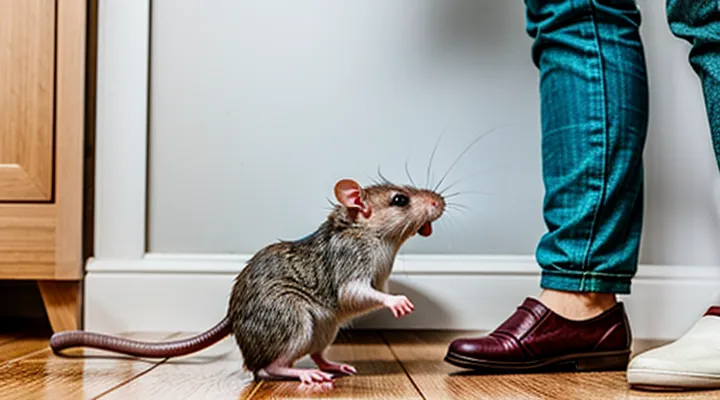
«Understanding the Enemy: Rat Behavior and Identification»
«Common Rat Species Found Indoors»
«Norway Rats (Rattus norvegicus)»
Norway rats (Rattus norvegicus) are large, robust rodents, typically 20–25 cm long excluding the tail, with coarse brown fur and a blunt snout. Their tails are thick, scaly, and shorter than the body. These physical traits distinguish them from smaller house mice and from black rats, which have slimmer bodies and longer tails.
In residential settings, Norway rats prefer basements, crawl spaces, and wall voids where moisture and food are readily available. They are nocturnal foragers, capable of swimming and climbing, and will exploit any structural gap larger than a quarter‑inch. Their diet includes garbage, pet food, plant material, and occasional insects, allowing them to thrive in kitchens, pantries, and utility rooms.
Indicators of a Norway rat presence include:
- Dark, cylindrical droppings about 1 cm in length, often found near food sources or along walls.
- Gnaw marks on wood, plastic, and wiring, typically 6–10 mm wide.
- Fresh burrows with loose soil or shredded insulation.
- Scratching or scurrying sounds in ceilings or floor cavities, especially at night.
Effective removal strategies combine sanitation, exclusion, and targeted killing methods:
- Eliminate food and water sources by storing food in sealed containers, fixing leaks, and promptly cleaning spills.
- Seal entry points using steel wool, metal flashing, or concrete; inspect foundations, vents, and utility openings.
- Deploy snap traps or electronic traps in high‑activity zones, positioning them perpendicular to walls with bait such as peanut butter or dried fruit.
- Apply rodenticides in tamper‑resistant bait stations, ensuring placement complies with local regulations and safety guidelines.
- Consider professional pest‑control services for large infestations or when structural repairs are required.
Consistent implementation of these measures reduces population growth, prevents re‑infestation, and protects property from damage caused by gnawing and contamination.
«Roof Rats (Rattus rattus)»
Roof rats (Rattus rattus) are agile climbers that occupy attics, eaves and roof spaces. Their presence is indicated by gnaw marks on wood, droppings near nesting sites, and greasy smears along walls. These rodents can contaminate food, damage wiring and compromise structural integrity.
Effective control begins with exclusion. Seal all openings larger than ¼ inch, focusing on roof vents, soffits, chimney flues and gaps around utility lines. Install metal flashing or cement mortar around entry points; replace damaged soffit panels and repair cracked roofing materials. Trim tree branches that touch the roof to eliminate bridge routes.
Sanitation reduces attraction. Remove standing water, store food in sealed containers, and eliminate debris piles near the foundation. Dispose of garbage in tightly sealed bins and clean up spilled grain or pet food promptly.
Population reduction relies on trapping and baiting. Use snap traps placed perpendicular to walls, with the trigger end facing the wall, to intercept rats moving along runways. Bait traps with peanut butter, dried fruit or commercial rodent attractants. For larger infestations, deploy multiple live‑catch traps and release captured rats at least 5 miles from the property, following local regulations. When using anticoagulant baits, place stations in tamper‑proof containers, position them out of reach of children and non‑target wildlife, and monitor daily.
Integrated pest‑management (IPM) combines exclusion, sanitation and targeted removal. Conduct regular inspections of roof spaces, maintain a schedule for sealing new gaps, and keep a supply of traps and baits for rapid response. Documentation of activity—photographs of droppings, damage and trap captures—supports ongoing assessment and helps adjust strategies as needed.
«Signs of a Rat Infestation»
«Droppings and Urine Trails»
Droppings and urine trails provide the most reliable evidence of a rat presence inside a residence. Fresh droppings appear as dark, cylindrical pellets about one centimeter in length, often found along walls, behind appliances, and in concealed corners. Urine leaves a faint, oily sheen that may be invisible until it is illuminated with a UV light; it also produces a strong, musky odor that intensifies in confined spaces.
Health hazards associated with these excretions include transmission of hantavirus, leptospirosis, and salmonella. Direct contact can cause skin irritation, while inhalation of dried particles may trigger respiratory issues. Prompt identification and removal are essential to minimize exposure.
Effective cleaning protocol:
- Wear disposable gloves and a mask rated for particulate protection.
- Vacuum the area with a HEPA‑filtered unit to capture fine dust.
- Apply an enzymatic cleaner to dissolve organic residues; allow the solution to sit for the manufacturer‑specified dwell time.
- Rinse with hot water and disinfect with a 10 % bleach solution or an EPA‑approved sanitizer.
- Seal all cleaned surfaces with a clear, non‑porous coating to prevent re‑contamination.
After sanitation, locate the source of the trails. Rats follow established pathways; tracking the line of droppings back to entry points such as gaps around pipes, vents, or foundation cracks reveals where sealing is required. Use steel wool, caulk, or metal flashing to close openings no larger than a quarter inch. Installing door sweeps and repairing damaged screens further restricts access.
Monitoring continues with periodic inspections. Replace cleaning supplies regularly and maintain a log of observed droppings or fresh urine marks. Immediate response to new signs prevents population growth and reduces the likelihood of a full‑scale infestation.
«Gnaw Marks and Damage»
Rats leave distinctive gnaw marks that signal an active infestation and indicate potential structural and health risks. Fresh incisors produce clean, shallow cuts on wood, plastic, or wiring, while older damage appears ragged and may be accompanied by splintered material. Identifying these signs early prevents escalation.
Typical locations for gnawing include:
- Baseboards and crown molding where rats travel along walls
- Electrical cords, exposing live wires and creating fire hazards
- Furniture legs and wooden frames, weakening load‑bearing elements
- Food storage containers, contaminating supplies with saliva and urine
Damage assessment should focus on both visible marks and hidden wear. Inspect behind appliances, under sinks, and within attic insulation, as rats often conceal activity in hard‑to‑reach spaces. Record the extent of compromised materials to prioritize repairs after removal.
Understanding gnaw patterns guides control measures. Severed pathways can be blocked with metal flashing or steel mesh, eliminating travel routes. Replacing damaged wiring eliminates electrical threats, while reinforcing wooden structures restores integrity. Prompt repair of gnawed areas reduces attractants and discourages re‑entry, supporting long‑term rat eradication efforts.
«Scratching Noises»
Scratching sounds in walls, ceilings, or floors often indicate rodent activity. Rats create these noises while moving through concealed pathways, gnawing on structural components, or nesting. Recognizing the pattern—rapid, irregular scratches during nighttime—helps differentiate them from other household sounds.
To address scratching noises effectively, follow these steps:
-
Locate the source
- Use a flashlight and a listening device to pinpoint the exact area.
- Examine adjacent insulation, wiring, and joists for fresh gnaw marks or droppings.
-
Seal entry points
- Install steel wool or copper mesh in gaps larger than ¼ inch.
- Apply expanding foam or caulk around pipes, vents, and foundation cracks.
-
Deploy traps or bait stations near the identified zone
- Set snap traps with appropriate bait, positioning them perpendicular to running paths.
- Use tamper‑proof bait stations for poison, ensuring they are inaccessible to non‑target animals.
-
Remove attractants
-
Monitor and maintain
- Check traps daily, replacing them as needed.
- Re‑inspect sealed openings weekly to confirm integrity.
If scratching persists despite these measures, consider professional pest control to conduct a comprehensive inspection and apply advanced exclusion techniques. Prompt action prevents structural damage and reduces health risks associated with rodent infestations.
«Nests and Burrows»
Rats establish nests in concealed areas such as wall cavities, attic insulation, and behind appliances. These structures consist of shredded material—paper, fabric, or insulation—combined with urine and feces, creating a habitat that supports breeding and disease. Identifying a nest requires looking for signs: gnaw marks, droppings, a strong musky odor, and visible nesting material near walls or in corners.
To eliminate a nest, follow these steps:
- Locate the exact site using a flashlight and a thin probe to confirm activity.
- Wear disposable gloves and a mask to avoid exposure to pathogens.
- Remove all nesting material and place it in a sealed plastic bag for disposal.
- Disinfect the area with a rodent‑approved sanitizer or a diluted bleach solution (1 part bleach to 10 parts water).
- Apply a targeted rodenticide or bait station near the former nest, ensuring compliance with safety regulations.
- Seal all entry points—gaps in flooring, vent openings, and utility penetrations—using steel wool, metal mesh, or cement.
Burrows extend from the nest to feeding zones, often under flooring, in crawl spaces, or within garden beds adjacent to the house. Evidence includes fresh soil mounds, chewed roots, and tunnel networks visible when floorboards are lifted. Interrupting burrows involves:
- Trapping active rats within the tunnel system using snap or live traps placed at strategic choke points.
- Introducing a rodent‑specific repellent granule into the tunnel to discourage re‑entry.
- Filling voids with expanding foam or concrete to collapse the passage.
Consistent monitoring after removal—checking for new droppings or fresh gnaw marks—ensures that the colony does not reestablish. Maintaining a clean environment, storing food in sealed containers, and regularly inspecting structural seams prevent future nest formation and burrow development.
«Why Rats Are a Problem»
«Health Risks and Disease Transmission»
Rats in domestic environments carry pathogens that can cause severe illness in humans. Direct contact with urine, feces, or bite wounds introduces bacteria, viruses, and parasites into the body. Indirect exposure occurs when contaminated food, water, or surfaces are ingested or touched.
Key health threats include:
- Leptospirosis – bacterial infection transmitted through contaminated water or soil; symptoms range from fever to kidney failure.
- Hantavirus pulmonary syndrome – inhalation of aerosolized droppings can lead to rapid respiratory collapse.
- Salmonellosis – ingestion of food tainted by rat feces produces gastrointestinal distress and possible dehydration.
- Rat‑borne typhus – caused by Rickettsia bacteria carried by fleas that infest rodents; results in high fever and rash.
- Lymphocytic choriomeningitis – virus spread via rodent excreta; may cause meningitis, seizures, or long‑term neurological damage.
Secondary concerns involve allergic reactions to rodent dander and the attraction of insects such as cockroaches and flies, which further amplify disease risk. Prompt removal of the animal, sealing entry points, and thorough sanitation break the transmission cycle and protect occupants’ health.
«Property Damage»
Rats gnaw on wood, insulation, wiring, and plumbing, compromising structural integrity and increasing fire risk. Their incisors can breach wall studs, ceiling joists, and support beams, leading to costly repairs and reduced building stability.
Excreta and urine introduce bacteria and parasites, contaminating surfaces and food supplies. Accumulated droppings degrade indoor air quality, trigger allergic reactions, and promote mold growth on damp materials.
Electrical systems suffer when rodents chew through cables, exposing live wires and creating short circuits. Such damage may cause power outages, damage appliances, and present a serious shock hazard.
Water pipes are vulnerable to bite marks, resulting in leaks that erode surrounding masonry and foster rust. Undetected leaks can flood insulation, diminish its effectiveness, and encourage further pest activity.
Inspection should focus on chew marks, gnawed holes, shredded insulation, and visible droppings. Early detection limits repair costs and prevents escalation of damage.
Effective mitigation includes sealing entry points, setting appropriate traps, and employing professional extermination services. Prompt action restores structural safety, preserves electrical and plumbing systems, and safeguards health.
«Contamination of Food and Surfaces»
Rats introduce saliva, urine, and feces into kitchens, pantries, and countertops, creating direct contamination of edible items and surfaces that contact food. Pathogens such as Salmonella, Leptospira, and Hantavirus can survive on these residues, increasing the risk of foodborne illness for occupants.
- Food particles left uncovered attract rats and become contaminated by bite marks or droppings.
- Storage containers with damaged seals allow urine and feces to seep in, spoiling contents.
- Countertops and cutting boards receive trace amounts of saliva during gnawing, leaving bacterial colonies.
- Household appliances, especially refrigerators and ovens, can harbor droppings that migrate to food when doors are opened.
Effective mitigation requires immediate sanitation and preventive barriers:
- Remove all exposed food, seal leftovers in airtight containers, and discard any items showing signs of rodent damage.
- Clean surfaces with a detergent solution, then apply a disinfectant containing at least 70 % alcohol or a bleach solution (1 part bleach to 9 parts water). Allow contact time of five minutes before wiping dry.
- Vacuum crevices, under appliances, and inside cabinets to eliminate hidden droppings; dispose of vacuum contents in sealed bags.
- Install metal or hard‑plastic lids on trash cans and ensure lids close tightly to block entry.
- Seal entry points—gaps around pipes, vents, and door frames—with steel wool and expanding foam to prevent future intrusion.
Regular inspection of food storage areas and surface cleanliness maintains a low‑risk environment. Prompt detection of new droppings or gnaw marks should trigger immediate cleaning and reinforcement of exclusion measures. This systematic approach limits contamination and supports successful rodent eradication efforts.
«Prevention is Key: Sealing Entry Points and Sanitation»
«Inspecting Your Home for Entry Points»
«Cracks in Foundations and Walls»
Cracks in foundations and walls serve as primary entry routes for rats seeking shelter and food. Even hairline fissures allow rodents to infiltrate structural spaces, where they can establish nests and travel undetected.
Inspect all exterior surfaces regularly. Look for gaps larger than ¼ inch, depressions at joint seams, and deteriorated mortar. Pay special attention to areas around utility penetrations, vent pipes, and drainage systems, as these often align with structural fissures.
Seal identified openings promptly. Effective sealing methods include:
- Polyurethane foam injection for irregular gaps; expands to fill voids and hardens within minutes.
- Cement‑based mortar for larger cracks; apply in layers, allowing each to cure before the next.
- Steel wool combined with caulk for vent pipe sleeves; wool blocks chewing while caulk provides a weather‑tight barrier.
- Metal flashing or hardware cloth (½‑inch mesh) over foundation seams; fasten with corrosion‑resistant screws and seal edges with silicone.
Maintain the sealed areas by monitoring for new movement or moisture infiltration. Water intrusion accelerates concrete degradation, creating fresh fissures that rats can exploit. Install proper grading and drainage to divert runoff away from the foundation, reducing pressure on walls and limiting crack formation.
Combine structural sealing with complementary control measures—such as trapping and sanitation—to ensure comprehensive reduction of rat activity inside the residence.
«Gaps Around Pipes and Vents»
Rats enter homes through openings that surround plumbing, HVAC ducts, and ventilation shafts. Small gaps, even those barely a centimeter wide, provide a pathway to food, shelter, and nesting sites. Sealing these passages eliminates a primary access point and forces rodents to search elsewhere, reducing the likelihood of infestation.
Typical locations include:
- The space between the exterior wall and vertical pipe sleeves.
- The gap around the pipe entry at the foundation slab.
- The clearance around dryer vent exhausts and bathroom fans.
- The opening where the chimney flue meets the roofline.
Effective sealing requires durable, rodent‑proof materials and proper application techniques. Use stainless‑steel mesh (¼‑inch gauge) for larger openings, expanding foam with a steel wool core for irregular cracks, and silicone‑based caulk for tight joints. Apply a metal flashing or copper collar around pipe sleeves before attaching the sealant to prevent future tearing. Ensure the surface is clean and dry; any moisture will compromise adhesion.
Maintenance steps:
- Inspect sealed areas quarterly for new cracks or material degradation.
- Replace damaged mesh or foam immediately to maintain a continuous barrier.
- Verify that vent covers remain intact and that no debris accumulates around them.
By systematically identifying and fortifying gaps around pipes and vents, homeowners create a robust defense that discourages rat entry and supports broader rodent control efforts.
«Damaged Screens and Doors»
Damaged screens and doors provide rats with direct entry points, bypassing traps and baits placed elsewhere in the home. Even small tears in window screens or misaligned door frames create openings as large as a quarter inch, sufficient for a rodent to squeeze through.
Inspect every exterior opening. Look for ragged mesh, warped hinges, and gaps around the door jamb. Use a flashlight to reveal hidden tears in screens that are not immediately visible. Verify that door sweeps are intact and sit flush against the floor.
Repair or replace compromised components promptly. Recommended actions include:
- Replace torn window screens with stainless‑steel mesh, which resists gnawing.
- Reinforce door frames with metal flashing to eliminate cracks.
- Install door sweeps made of rubber or silicone, ensuring a tight seal.
- Apply expanding polyurethane foam to fill gaps around hinges and locks.
- Secure vent covers with steel mesh to prevent rodent intrusion.
After repairs, conduct a follow‑up inspection. Confirm that no gaps exceed ¼ inch and that all screens are taut. Maintaining intact barriers reduces the need for additional control measures and limits rat activity to interior spaces where targeted traps can be effective.
«Roof and Attic Entry»
Rats often gain access to a residence through gaps in the roof structure or openings that lead to the attic. These entry points provide a protected pathway from the exterior to the interior, allowing rodents to bypass ground-level barriers and establish nests above the living space.
Identifying potential roof and attic entryways requires a systematic visual inspection. Look for:
- Cracks or holes in the eaves, soffits, and fascia boards.
- Damaged or missing shingles, flashing, or vent covers.
- Gaps around chimney stacks, skylights, and roof vents.
- Openings where utility lines or cables penetrate the roof sheath.
Once entry points are located, sealing them eliminates the primary route for infestation. Effective sealing methods include:
- Installing steel wool or copper mesh in small gaps before applying sealant.
- Using expanding polyurethane foam for larger voids, ensuring the foam is rod-resistant.
- Applying high-quality silicone or acrylic caulk around perimeter joints and flashing.
- Replacing damaged roofing materials with weather-resistant alternatives that resist gnawing.
In addition to physical barriers, maintain attic conditions that discourage rodent habitation. Reduce food sources by storing supplies in sealed containers, and keep the attic well‑ventilated to lower humidity, which makes the environment less attractive to rats.
Regularly re‑inspect the roof and attic after sealing work. Verify that no new gaps have formed due to seasonal expansion, weather damage, or structural shifts. Prompt repairs prevent re‑entry and support long‑term control of rodent activity within the home.
«Sealing Potential Access Points»
«Using Steel Wool, Caulk, and Wire Mesh»
Steel wool, caulk, and wire mesh form a physical barrier that blocks rat entry without chemicals. The materials complement each other: steel wool fills gaps, caulk seals surfaces, and wire mesh reinforces openings too large for wool alone.
- Choose 3‑mm or thicker steel wool; its coarse fibers resist chewing.
- Pack steel wool tightly into cracks around pipes, vents, and foundation seams.
- Apply a bead of silicone or acrylic caulk over the packed wool to lock it in place and prevent moisture damage.
- For gaps larger than ½ inch, cut a piece of galvanized wire mesh (¼‑inch gauge) to cover the opening, then secure it with screws or nails.
- Seal the mesh edges with caulk to eliminate any residual gaps.
When installing, wear gloves to avoid irritation from steel fibers and ensure the area is dry. Inspect the barrier regularly; replace worn steel wool and reseal caulk as needed. This combination creates a durable, low‑maintenance exclusion system that deters rats from re‑entering the home.
«Repairing Damaged Structures»
Rats chew through wood, insulation, drywall, and wiring, creating openings that invite further intrusion. After eliminating the rodent problem, restoring compromised structures eliminates entry points and safeguards the home’s integrity.
First, locate all damage. Look for frayed insulation, holes in walls, gnawed beams, and exposed electrical conduits. Use a flashlight and mirror to inspect concealed areas such as attics, crawl spaces, and behind appliances.
Repair procedures:
- Remove deteriorated material with a pry bar or saw, discarding it in sealed bags.
- Cut new lumber or drywall to fit the void, ensuring dimensions match the original framing.
- Secure replacements with appropriate fasteners: nails for wood, screws for drywall, and metal brackets for heavy loads.
- Apply fire‑rated sealant around joints and edges to restore fire safety standards.
- Re‑insulate gaps with fiberglass or foam, then cover with vapor barrier to prevent moisture accumulation.
- Inspect and, if necessary, replace damaged wiring, following local electrical codes and using a licensed electrician.
Finally, seal all exterior gaps. Use steel wool, copper mesh, or hardware cloth to block small openings, then apply a durable caulk or expanding foam. Conduct a post‑repair walkthrough to verify that no new entry points remain, confirming the house is structurally sound and resistant to future rodent activity.
«Maintaining a Clean and Tidy Environment»
«Proper Food Storage»
Proper food storage eliminates the primary attractant that draws rats into residential spaces. When food is sealed, inaccessible, and regularly cleaned, rodents lose a reliable source of nourishment, reducing their motivation to enter or remain in the home.
- Use airtight containers made of metal or heavy‑wall plastic for grains, cereals, nuts, and pet food. Verify that lids lock securely and inspect for cracks before each use.
- Store dried goods on high shelves, away from walls and floor level. Rats can climb, but elevation adds a barrier and keeps food out of reach from gnawing near baseboards.
- Transfer opened packages to sealed containers within 24 hours. Do not leave bags, boxes, or loose crumbs on countertops, tables, or inside cabinets.
- Keep refrigerator and freezer doors closed tightly. Check seals for damage; replace if they allow air or odors to escape.
- Clean pantry shelves after each restocking. Remove spills, dust, and residual crumbs with a damp cloth, then dry thoroughly.
Waste management supports the same objective. Place garbage in containers with tight‑fitting lids, empty them daily, and store bins in a cool, dry area away from entry points. Compost bins should be sealed and located outside the main living area.
Implementing these storage practices creates an environment where rats find little to no edible material, encouraging them to seek shelter elsewhere and facilitating overall pest‑control efforts.
«Waste Management and Bins»
Effective rat control begins with proper waste handling. Food remnants and organic debris attract rodents; eliminating easy access to these sources reduces the likelihood of infestation.
- Use containers with tight‑fitting lids; ensure lids remain sealed after each use.
- Position bins away from walls and corners where rats can hide.
- Empty trash daily, especially in kitchens and dining areas.
- Separate compost from regular waste; store compost in a metal, rat‑proof bin with a secure lid.
- Keep the exterior of bins clean; wipe spills promptly to prevent scent trails.
Maintain a routine inspection of all waste containers. Look for signs of chewing, torn seams, or displaced lids, and replace damaged units immediately. Store bins on raised platforms or in locked cabinets to prevent ground‑level entry.
Eliminate clutter around waste stations. Remove cardboard boxes, paper piles, and other materials that could serve as nesting sites. Regularly sanitize bin interiors with a mild disinfectant to deter lingering odors that draw rodents.
By enforcing these waste management practices, the food supply available to rats inside the home is minimized, supporting broader pest‑reduction strategies.
«Decluttering Indoors and Outdoors»
Removing a rat requires eliminating the conditions that attract it. One of the most reliable preventive measures is thorough decluttering both inside the home and around the property.
Inside the house, remove items that provide shelter or conceal food. Store all food in sealed containers, clean crumbs and spills immediately, and discard garbage regularly. Keep basements, attics, and crawl spaces free of cardboard boxes, piles of clothing, and unused equipment. Arrange furniture to leave clear pathways, allowing easy inspection and trapping.
Outside the residence, clear vegetation and debris that can hide a rodent. Trim bushes and trees away from the building’s walls, eliminate standing water, and keep the yard free of discarded pallets, wood piles, and compost heaps that are not properly sealed. Store firewood at least two feet off the ground and away from the foundation.
Practical steps for comprehensive decluttering:
- Conduct a room‑by‑room sweep; remove or relocate items that are not essential.
- Install airtight containers for pet food, birdseed, and pantry goods.
- Empty trash bins daily; use bins with tight‑fitting lids.
- Organize storage sheds; stack materials on pallets and cover with tarpaulins.
- Maintain a clear perimeter of at least three feet around the house, free of clutter.
- Dispose of broken appliances, old furniture, and other potential nesting sites promptly.
By systematically reducing clutter, you deny rats the hiding places and food sources they need to survive, thereby strengthening any trapping or extermination efforts and preventing future infestations.
«Eliminating Water Sources»
Rats survive on readily available water; eliminating these sources deprives them of a critical resource and forces them to leave the premises.
Inspect the interior and exterior for any standing water. Leaky pipes, dripping faucets, and condensation on pipes create continuous moisture. Repair all leaks promptly, replace worn seals, and install drip‑stop devices on fixtures that tend to run unattended.
Remove water‑attracting debris. Empty pet water bowls after use, clean dishes promptly, and store food in sealed containers. Keep garbage cans covered and empty them regularly to prevent liquid runoff.
Control moisture in basements and crawl spaces. Use a dehumidifier to maintain humidity below 50 %. Ensure proper grading around the foundation so rainwater drains away from the building. Install or repair gutter systems and downspouts to direct water away from the foundation.
Maintain outdoor areas. Eliminate puddles by leveling the ground, filling low spots, and using gravel or sand to improve drainage. Remove standing water from birdbaths, plant trays, and pet water dishes when not in use.
Key actions:
- Fix all interior leaks.
- Store food and water containers securely.
- Reduce humidity in low‑lying areas.
- Ensure exterior drainage away from the house.
- Regularly clean and dry potential water‑collecting zones.
By systematically removing water availability, the environment becomes unsuitable for rats, encouraging them to seek habitats elsewhere.
«Effective Rat Extermination Methods»
«Trapping Techniques»
«Snap Traps»
Snap traps remain the most direct solution for eliminating a house rat. The device consists of a spring‑loaded bar that snaps shut when the trigger plate is disturbed, delivering an instantaneous kill.
Effective deployment requires attention to placement, bait selection, and safety. Position traps along walls, behind appliances, and in dark corners where rats travel. Use a small amount of high‑protein bait—peanut butter, dried fruit, or bits of meat—secured to the trigger plate to encourage contact. Set the trap with the spring tension at maximum; many models feature a “safety” lever to prevent accidental discharge during loading.
Key considerations:
- Location – near known gnaw marks, droppings, or grease trails; avoid open spaces where non‑target animals may stumble.
- Bait – fresh, aromatic, and securely attached; replace every 24 hours to maintain potency.
- Safety – wear gloves when handling; keep traps out of reach of children and pets; store unused traps in a locked container.
- Maintenance – check daily; dispose of dead rats in sealed bags; reset the trap promptly to maintain pressure on the infestation.
Advantages include immediate results, low cost, and no chemical residues. Limitations involve the need for regular monitoring and the risk of harming non‑target species if improperly placed. When used correctly, snap traps provide a reliable, humane method for removing rats from residential environments.
«Live Traps»
Live traps provide a humane solution for removing rats without using poison. The device consists of a sturdy cage with a trigger mechanism that closes the door when the animal steps on a pressure plate or pulls a baited latch.
- Choose a trap made of metal or heavy‑duty plastic; the cage must be large enough for a rat to enter comfortably (minimum interior dimensions 10 × 6 × 6 inches).
- Install a single‑use bait such as peanut butter, dried fruit, or small pieces of meat. Place the bait at the far end of the cage to encourage the rat to move fully inside before triggering the door.
- Position traps along known runways: behind appliances, in wall voids, beneath sinks, and near droppings. Align the trigger plate perpendicular to the wall to match the rat’s natural movement pattern.
- Set traps at dusk or early morning, when rats are most active. Check them each morning and evening; a trapped rat should be removed within 24 hours to prevent stress and injury.
- Release captured rats at least one mile from the residence, preferably in a wooded area with adequate cover and water sources. Wear thick gloves, use a sturdy container to transport the animal, and disinfect the trap after each use.
Live traps eliminate the risk of secondary poisoning, protect non‑target wildlife, and comply with regulations that restrict toxic rodenticides in many jurisdictions. Proper bait selection, strategic placement, and prompt handling maximize capture rates while maintaining a safe environment for occupants.
«Glue Traps (Use with Caution and Ethical Considerations)»
Glue traps capture rats by adhering them to a sticky surface, providing an immediate, non‑lethal means of control when used correctly. Their effectiveness depends on proper placement, monitoring, and humane handling of captured animals.
Placement should target established runways, such as along walls, behind appliances, and near entry points. Position traps perpendicular to the wall, with the adhesive side facing the expected direction of travel. Avoid locations frequented by children, pets, or non‑target wildlife.
Key considerations:
- Safety – Wear disposable gloves when handling traps; dispose of traps in sealed containers to prevent accidental contact.
- Monitoring – Check traps at least once daily; prolonged confinement increases suffering and risks secondary injury.
- Disposal – Release captured rats only if local regulations permit and if the animal is unharmed; otherwise, euthanize according to humane guidelines and discard carcasses in compliance with waste regulations.
- Ethical impact – Glue traps cause distress and may result in prolonged suffering; evaluate alternatives such as snap traps or live‑capture devices before deployment.
- Regulatory compliance – Some jurisdictions restrict or ban glue traps; verify local laws prior to use.
When employing glue traps, combine them with exclusion measures—seal entry points, remove food sources, and maintain cleanliness—to reduce the likelihood of reinfestation. Integrating these practices minimizes reliance on adhesive devices and aligns pest control with humane standards.
«Baiting Strategies for Traps»
Bait selection determines trap effectiveness. Choose attractants that match rat dietary preferences and resist spoilage.
Consider the following factors before setting a trap:
- Food type – high‑protein items such as peanut butter, canned fish, or cooked meat; carbohydrate sources like dried fruit or grain; fat‑rich products such as cheese or bacon.
- Scent strength – fresh, aromatic bait releases stronger odors, increasing detection distance.
- Durability – baits that remain solid when handled reduce mess and prevent premature loss.
- Safety – avoid toxic substances that could harm children or pets; use food‑grade materials only.
Placement guidelines improve capture rates:
- Position traps along walls, behind appliances, and near known gnaw marks, as rats travel close to vertical surfaces.
- Secure bait to the trigger mechanism with a small amount of adhesive or a toothpick to prevent removal without activation.
- Set traps in low‑light areas during evening hours when rats are most active.
Regular monitoring ensures timely disposal and bait freshness:
- Check traps daily; remove captured rodents and replace bait if it shows signs of drying or contamination.
- Rotate bait types weekly to prevent habituation.
Applying these baiting strategies maximizes trap success and accelerates the elimination of a rat infestation.
«Poison and Baits (Use with Extreme Caution)»
«Understanding Different Rodenticides»
Rodenticides are chemical agents formulated to control rodent populations. Understanding their classifications, mechanisms, and safety requirements is essential for effective pest management.
Anticoagulant rodenticides interfere with blood clotting, leading to internal hemorrhage. First‑generation compounds (e.g., warfarin, chlorophacinone) require multiple feedings, while second‑generation agents (e.g., brodifacoum, difenacoum) are effective after a single dose. They pose a risk of secondary poisoning; therefore, placement in tamper‑resistant bait stations is mandatory.
Non‑anticoagulant rodenticides act through alternative pathways. Zinc phosphide releases phosphine gas in the stomach, causing rapid toxicity. Bromethalin disrupts neuronal metabolism, producing paralysis. Cholecalciferol (vitamin D₃) induces hypercalcemia, leading to organ failure. These products often demand strict adherence to label instructions because of their acute toxicity.
Key considerations for selecting a rodenticide:
- Target species and behavior (burrowing, nocturnal activity).
- Availability of food sources that may compete with bait.
- Household composition, especially presence of children or pets.
- Local regulations governing restricted substances.
Proper storage, labeling, and disposal of unused bait minimize environmental impact and legal liability. Continuous monitoring after application confirms efficacy and informs any necessary adjustments.
«Safe Placement of Bait Stations»
Safe placement of bait stations is a critical component of any rat control strategy. Position stations where rodents travel but humans and pets cannot reach them. Keep stations out of direct sunlight, extreme temperature zones, and areas prone to flooding, as moisture can degrade the bait and compromise effectiveness.
- Install stations along walls, behind appliances, and in dark corners where rats hide.
- Mount stations at a height of 4–6 inches from the floor, matching the typical rat run line.
- Secure stations to solid surfaces using screws or brackets to prevent displacement.
- Maintain a minimum distance of 10 feet from food preparation areas, children’s play zones, and animal feeding stations.
- Avoid placement near open vents, drains, or any opening that allows non‑target species to access the bait.
After installation, inspect stations weekly. Replace depleted bait promptly, and record each inspection to track activity patterns. If a station shows signs of tampering or non‑target interference, relocate it according to the same safety criteria. Consistent monitoring ensures the bait remains effective while minimizing risk to occupants and non‑target wildlife.
«Risks to Pets and Children»
Rats in residential spaces pose direct hazards to both pets and children, especially when control measures are applied without proper safeguards. Poison baits, for instance, contain anticoagulants that can be ingested by curious pets or toddlers, leading to internal bleeding and potentially fatal outcomes. Even low‑dose formulations remain hazardous because animals may consume multiple pieces before symptoms appear.
Snap traps and mechanical devices present immediate physical dangers. A mis‑fired trap can strike a nearby pet or a child’s hand, causing lacerations, bruises, or fractures. Additionally, the presence of dead rodents can attract scavenging pets, increasing the likelihood of contact with contaminated carcasses.
Secondary poisoning occurs when a pet or child consumes a rat that has already absorbed toxic bait. This route bypasses the original exposure and can result in delayed but severe clinical signs, such as vomiting, lethargy, and organ damage.
Key risks to consider:
- Toxic ingestion: accidental consumption of rodenticide by non‑target species.
- Mechanical injury: accidental contact with snap traps, glue boards, or live‑catch cages.
- Disease transmission: exposure to pathogens carried by rats, including leptospirosis and salmonella, through direct contact or contaminated surfaces.
- Secondary poisoning: ingestion of a poisoned rat, leading to delayed toxic effects.
- Stress‑induced behavior: heightened anxiety in pets, potentially causing escape attempts or aggressive reactions toward the trap.
Mitigation requires selecting pet‑safe bait alternatives, placing traps out of reach, supervising children in affected areas, and promptly removing dead rodents to prevent secondary exposure. Continuous monitoring and clear communication with household members reduce the likelihood of accidental harm while addressing the rodent problem effectively.
«Natural and Home Remedies (Limited Effectiveness)»
«Peppermint Oil and Other Scents»
Peppermint oil, eucalyptus, citronella, and clove oil are among the scents that deter rats by overstimulating their olfactory system. When applied correctly, these aromatics create an environment rats avoid, reducing the likelihood of infestation.
- Choose a pure, undiluted essential oil for maximum potency.
- Mix 10–15 drops of oil with 200 ml of water in a spray bottle.
- Apply the solution to entry points, wall voids, and known travel routes.
- Re‑spray every 48 hours, or after cleaning, to maintain concentration.
For prolonged effect, soak cotton balls in the oil mixture and place them in concealed areas such as behind appliances, under sinks, and inside wall cavities. Replace soaked balls weekly.
Combine scent treatment with physical exclusion (sealing gaps, installing traps) for comprehensive control. Monitoring rat activity after implementation confirms efficacy; a decline in sightings or droppings indicates successful deterrence.
«Ultrasonic Repellents (Effectiveness Debated)»
Ultrasonic repellents generate sound waves above the range of human hearing, typically 20–65 kHz, with the intention of deterring rodents. The devices are powered by batteries or mains electricity and can be installed in walls, ceilings, or directly on furniture where rats travel.
Reported advantages
- No chemical exposure; suitable for households with children or pets.
- Easy installation; most units require only placement and power connection.
- Continuous operation without the need for re‑application.
Reported limitations
- Efficacy varies with species; laboratory studies show mixed results for brown rats (Rattus norvegicus).
- Sound attenuation limits effective radius to 3–6 ft; obstacles such as furniture and walls reduce coverage.
- Rats may habituate after several days, diminishing the repellent effect.
- Battery‑powered units lose output as voltage drops, requiring regular monitoring.
Peer‑reviewed research indicates that ultrasonic devices alone rarely achieve a measurable reduction in rat activity. Field trials that combined ultrasonic units with traps or exclusion methods reported better outcomes than ultrasonic treatment by itself. Proper placement—directly along known runways, near entry points, and at a height of 6–12 inches—maximizes the limited coverage area.
When considering ultrasonic technology, evaluate it as a supplementary tool rather than a standalone solution. Verify that the model provides adjustable frequencies, a reliable power source, and a warranty that covers device failure. Regular inspection of the device’s output and integration with trapping or sealing strategies will improve overall control of rat infestations.
«Post-Extermination Cleanup and Future Prevention»
«Safe Disposal of Captured or Deceased Rats»
Proper disposal of captured or deceased rats prevents disease transmission, eliminates odor, and reduces the chance of reinfestation. Follow established protocols to protect household members and pets.
Live capture disposal
- Wear disposable gloves; change them after each handling.
- Place the trapped rat in a sealable plastic bag, expel excess air, and seal tightly.
- Transfer the bag into a second, larger bag for double containment.
- Dispose of the double‑bagged package in an outdoor trash container with a tight‑fitting lid.
- Clean and disinfect the trap with a solution of 1 part bleach to 9 parts water before reuse.
Deceased rat disposal
- Use gloves and a mask to avoid direct contact with bodily fluids.
- Wrap the carcass in several layers of heavy-duty plastic; seal each layer securely.
- Place the wrapped carcass in a sturdy, leak‑proof container such as a metal trash can.
- Label the container “biological waste” and store it away from food preparation areas.
- Arrange prompt collection by a licensed waste‑management service or, where permitted, dispose of the sealed container in a municipal landfill following local regulations.
- After disposal, wash hands thoroughly with soap and disinfect any surfaces that may have been contaminated.
Maintain a schedule for cleaning and disinfecting tools, and keep disposal supplies readily accessible to ensure rapid response when a rat is captured or found dead.
«Sanitizing Contaminated Areas»
«Using Disinfectants and Protective Gear»
After a rat is eliminated, surfaces and materials that the animal may have contaminated require thorough decontamination. Pathogens carried by rodents can survive on wood, drywall, and food‑preparation areas, making chemical sanitation essential to prevent disease transmission.
Effective disinfectants include:
- EPA‑registered rodent‑specific products containing quaternary ammonium compounds.
- Diluted bleach solution (1 part bleach to 9 parts water) applied to non‑porous surfaces.
- Hydrogen peroxide (3 % concentration) for areas where bleach may cause corrosion.
Apply each agent according to the label’s contact time, ensuring complete coverage of floors, countertops, and any objects the rat touched. After treatment, rinse surfaces that will contact food or children with clean water.
Personal protection prevents exposure to droppings, urine, and chemical fumes. Recommended gear:
- Disposable nitrile gloves, changed after each contaminated zone.
- N95 respirator or equivalent mask to filter aerosolized particles.
- Protective goggles to shield eyes from splashes.
- Waterproof disposable coveralls with sealed seams for full‑body coverage.
Donning the equipment before entering an infested area, and removing it in a designated decontamination zone, minimizes health risks and maintains a safe environment throughout the cleanup process.
«Cleaning Up Droppings and Urine»
Rats leave droppings and urine that contaminate surfaces, spread disease, and attract additional pests. Immediate removal of these residues reduces health hazards and eliminates scent trails that encourage further rodent activity.
- Wear disposable gloves and a mask to prevent exposure to pathogens.
- Ventilate the area by opening windows and using fans for at least 15 minutes.
- Sweep solid droppings into a sealed plastic bag; avoid crushing to limit aerosolization.
- Moisten urine‑stained areas with a mixture of water and a mild detergent; this prevents splattering during cleaning.
- Apply an EPA‑approved disinfectant (e.g., a 1% bleach solution) to all affected surfaces. Allow the contact time indicated on the product label, typically 10 minutes.
- Rinse with clean water and dry thoroughly with disposable towels.
- Dispose of all cleaning materials, gloves, and bags in a sealed container; place the container in an outdoor trash bin away from the house.
After completing the cleanup, inspect adjacent rooms for hidden deposits and repeat the process where necessary. Maintaining a routine of regular inspection and prompt sanitation supports long‑term rat control efforts.
«Long-Term Monitoring and Maintenance»
«Regular Inspections»
Regular inspections are essential for early detection of rat activity and for maintaining a rodent‑free environment. By examining potential entry points, nesting sites, and food sources on a consistent schedule, homeowners can intervene before infestations become severe.
Key inspection areas include:
- Gaps around doors, windows, and utility openings; seal any openings larger than a quarter‑inch.
- Cracks in foundation, walls, and roofing; repair with appropriate materials.
- Attic, crawl spaces, and basements; look for droppings, gnaw marks, and shredded insulation.
- Kitchen and pantry; verify that food is stored in sealed containers and that countertops remain clean.
- Outdoor perimeters; trim vegetation, remove debris, and keep garbage bins tightly covered.
A practical inspection routine follows a monthly indoor review and a quarterly exterior assessment. During each visit, use a flashlight and a magnifying glass to identify subtle signs such as urine stains, fresh gnaw holes, or nesting material. Document findings in a log, noting location, date, and severity, to track patterns and guide corrective actions.
Prompt remediation—repairing structural breaches, eliminating food attractants, and setting traps where activity is confirmed—prevents rats from establishing permanent colonies. Consistent monitoring thus reduces the need for extensive control measures and safeguards the household against health risks associated with rodent infestations.
«Continued Sanitation Efforts»
Continued sanitation after an initial rat removal prevents re‑infestation. Maintaining a clean environment eliminates food sources and nesting sites that attract rodents.
Key practices include:
- Store food in sealed containers; discard leftovers promptly.
- Empty trash bins daily and use lids that close tightly.
- Sweep floors, vacuum carpets, and wipe countertops to remove crumbs.
- Clean behind appliances, under sinks, and in storage areas where debris accumulates.
- Repair leaks, seal cracks, and close gaps around pipes, vents, and doors.
Regular inspection reinforces these measures. Check for droppings, gnaw marks, or new entry points weekly. Adjust cleaning frequency or repair work as soon as signs of activity appear. Sustained diligence sustains a rat‑free home.