
Understanding Ground Rats
Identifying the Ground Rat
Physical Characteristics
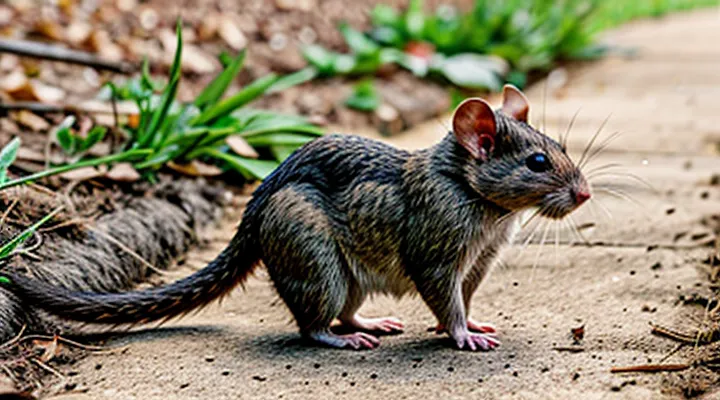
Ground rats are medium‑sized rodents, typically measuring 12–18 cm in body length with a tail of similar length. Their bodies are stocky, covered in coarse, brown to gray fur that blends with soil and vegetation. Prominent whiskers and dark, beady eyes provide acute tactile and visual perception in low‑light conditions.
Key physical traits influencing control measures include:
- Sharp incisors that continuously grow, enabling gnawing of wood, plastic, and underground conduits.
- Strong forelimbs and clawed paws, allowing rapid digging and burrow construction up to 2 m deep.
- A flexible spine and elongated tail that aid balance while navigating narrow tunnels.
- High reproductive capacity; females reach sexual maturity at 8–10 weeks and can produce 4–6 litters per year, each with 4–7 offspring.
These attributes dictate the selection of traps, bait placement, and habitat modification. For example, the robust incisors require hardened bait stations to prevent damage, while the digging ability necessitates sealing of entry points at least 30 cm below ground level. Understanding size, fur coloration, and burrowing behavior ensures that removal tactics target the animal effectively and reduce the likelihood of reinfestation.
Common Habitats and Behaviors
Ground rats thrive in environments that provide shelter, food, and easy access to water. Typical locations on a property include:
- Burrows beneath dense grass or leaf litter
- Spaces under decks, sheds, and exterior walls
- Compost heaps and mulched flower beds
- Areas adjacent to irrigation lines or leaking pipes
- Gaps in foundation walls and fence posts
These rodents are nocturnal foragers that emerge after dark to search for seeds, insects, fruit, and discarded food. They construct extensive tunnel networks, often connecting multiple entry points, and use the tunnels for protection and movement. Their burrowing activity loosens soil, undermines structures, and creates additional hiding spots.
Reproductive cycles are rapid; a female can produce several litters each year, each containing up to eight offspring. High reproductive potential accelerates population growth when food and shelter are abundant. Ground rats mark territories with scent glands, establishing scent trails that guide others to resources.
Foraging behavior is opportunistic. Individuals will exploit exposed garbage, pet food left outdoors, and fallen fruit. They can travel up to several hundred meters from a nest to locate supplies, expanding the area of impact across the entire property.
Understanding these habitats and behaviors is essential for developing an effective removal strategy. Targeted habitat modification—such as eliminating debris, sealing entry points, and managing vegetation—disrupts shelter and reduces food availability, directly limiting the rodents’ ability to persist on the site.
Signs of a Ground Rat Infestation
Visible Damage
Ground rats leave unmistakable signs that signal a developing problem. Chewed vegetation, especially low‑lying shrubs and lawn edges, indicates persistent gnawing as the animals seek food and nesting material. Burrow entrances appear as small mounds of soil, often clustered near fence lines, foundations, or drainage ditches; each opening may be 2–4 inches wide and leads to an extensive tunnel network. Fresh droppings, dark and rodent‑shaped, accumulate near feeding sites, pathways, and the entrances of burrows, providing a reliable indicator of activity. Damage to irrigation systems, including gnawed PVC pipes and exposed wiring, frequently results from rats seeking water or shelter. Structural components suffer when rats gnaw on wooden beams, siding, or insulation, compromising integrity and increasing repair costs.
Addressing these visible injuries is essential for effective control. Immediate steps include:
- Removing all food sources: harvest fallen fruit, secure compost bins, and store feed in rodent‑proof containers.
- Sealing entry points: fill burrow openings with heavy wire mesh or concrete, and repair cracks in foundations and walls.
- Repairing damaged infrastructure: replace gnawed irrigation tubing, reinforce wooden elements, and inspect electrical wiring for exposed sections.
- Installing monitoring devices: place snap traps or electronic sensors at identified damage sites to confirm rat presence and assess population size.
By systematically eliminating the damage that attracts and sustains ground rats, property owners reduce habitat suitability, accelerate removal efforts, and prevent further economic loss.
Droppings and Tracks
Droppings and tracks provide the most reliable evidence of a ground rat’s presence on a property. Fresh feces appear as dark, pellet‑shaped deposits, typically 6–10 mm long, found near food sources, burrow entrances, and along wall bases. Older droppings turn grayish and may crumble when disturbed. Tracks consist of small, clawed footprints about 2 mm wide, often visible in dusty corners, on exposed soil, or on surfaces recently cleaned. Both signs indicate active movement and help pinpoint nesting sites, foraging routes, and entry points.
Identifying these indicators allows targeted control measures. By mapping droppings and tracks, you can:
- Locate burrow openings that require sealing.
- Determine high‑traffic zones for bait placement.
- Prioritize cleaning of areas where disease transmission risk is greatest.
- Assess the extent of infestation to choose appropriate removal tactics.
Proper disposal of droppings reduces health hazards. Wear disposable gloves, use a sealed bag, and disinfect the area with a solution containing at least 1 % bleach. After removal, apply a granular disinfectant to surfaces where tracks were observed, then monitor for new signs to confirm that the rat population has been eliminated.
Prevention Strategies
Property Maintenance
Yard Cleanliness
Maintaining a tidy yard is essential for preventing ground rat activity on a property. Debris, overgrown vegetation, and accumulated litter provide shelter and food sources that attract rodents. Regular removal of these elements reduces habitat suitability and discourages infestation.
Key actions for yard sanitation include:
- Collect and dispose of fallen fruit, nuts, and seeds promptly.
- Trim grass and shrubs to a height of no more than six inches, eliminating dense cover.
- Remove piles of wood, compost, or other organic material that could serve as nesting sites.
- Store trash in sealed containers and relocate waste bins away from the building perimeter.
- Sweep driveways, walkways, and patios to eliminate crumbs and small debris.
Implementing a scheduled maintenance routine—weekly mowing, bi‑weekly debris checks, and monthly deep cleaning of storage areas—creates an environment hostile to ground rats. Consistent execution of these practices minimizes the risk of rodent entry and supports long‑term property protection.
Securing Food Sources
Ground rats persist when they can locate food on a site. Eliminate every accessible nutrient to break the attraction cycle.
Identify all potential sources. Conduct a walk‑through and note:
- pet food left outdoors or in unsecured containers
- birdseed spillage on feeders or ground
- fallen fruit, nuts, or garden produce
- compost piles without a tight lid
- open garbage cans or recycling bins
- stored grain, feed, or seed in sheds
Secure each item. Apply these actions:
- Store pet and livestock feed in metal or heavy‑duty plastic containers with sealed lids.
- Position bird feeders away from the building, install seed trays, and clean up dropped seed daily.
- Harvest ripe fruit promptly; collect fallen produce each evening.
- Cover compost with a solid lid; turn the pile only when necessary and keep it away from structures.
- Use trash cans with lockable lids; keep them at least three feet from walls.
- Relocate stored grain to elevated shelves, and seal any gaps in storage rooms.
Maintain sanitation. Sweep patios, decks, and entryways to remove crumbs. Wash outdoor cooking equipment after each use. Regularly inspect for new food leaks and address them immediately.
By denying ground rats any viable food supply, the property becomes unattractive, reducing the likelihood of infestation and supporting long‑term control efforts.
Exclusion Techniques
Sealing Entry Points
Sealing entry points eliminates the pathways that ground rats use to access a property, directly reducing the likelihood of infestation.
- Conduct a thorough inspection of the building’s perimeter, focusing on foundations, walls, and crawl spaces. Identify cracks, gaps, and holes larger than ¼ inch.
- Repair structural cracks with hydraulic cement or epoxy filler, ensuring a tight bond to the surrounding material.
- Install metal flashing around vulnerable areas such as vent openings, utility penetrations, and roof-to-wall joints. Secure flashing with corrosion‑resistant fasteners.
- Apply silicone‑based sealant to gaps around pipes, cables, and HVAC ducts. Use a backer rod for deeper openings before sealing.
- Fill gaps beneath doors and windows with weatherstripping or door sweeps that compress firmly when closed.
- Reinforce foundation walls with concrete or masonry mortar, especially where soil pressure creates fissures.
- Cover uncovered soil or mulch adjacent to the building with a solid barrier, such as landscape fabric topped with stone or brick pavers.
After completing these measures, re‑inspect periodically to verify that repairs remain intact and that no new openings have formed. Maintaining a sealed envelope prevents ground rats from re‑entering, supporting long‑term control of the problem.
Protecting Garden Beds
Ground rats can burrow beneath garden beds, compromising plant health and soil stability. Effective protection begins with eliminating access points and discouraging activity around the beds.
- Install a ½‑inch hardware cloth perimeter at least 12 inches deep around each bed; secure edges with landscape staples to prevent tunneling.
- Lay a layer of coarse mulch or gravel on the soil surface; the texture deters rats from nesting and makes burrow entry difficult.
- Position raised beds on a concrete or stone base; elevate planting media to create a barrier that rodents cannot easily breach.
- Deploy snap traps or live‑capture cages along known runways, checking and resetting them daily to maintain pressure on the population.
- Apply natural repellents such as crushed garlic, peppermint oil, or predator urine in a thin solution sprayed around the bed perimeter; reapply after rain.
- Remove sources of food and shelter by clearing fallen fruit, excess compost, and dense vegetation within a 10‑foot radius of the beds.
Regular inspection of the bed edges for fresh gnaw marks or soil displacement allows early detection of intrusion. Prompt removal of any discovered burrows, followed by immediate reinforcement of barriers, prevents re‑establishment. Consistent application of these measures preserves garden productivity while reducing ground rat presence on the property.
Control Methods
Non-Lethal Approaches
Live Trapping and Relocation
Live trapping provides a humane solution for removing a ground rat from a property while preventing future infestations. The method captures the animal alive, allowing for safe relocation away from the premises.
Essential equipment includes:
- Snap‑tight live‑catch traps sized for rodents (approximately 12 × 12 × 6 inches).
- Bait such as peanut butter, sunflower seeds, or dried fruit.
- Gloves for handling captured animals.
- A transport cage or sturdy container for relocation.
Placement of traps follows a systematic approach. Identify active runways, burrow entrances, and feeding sites; position traps perpendicular to these paths, with the trigger side facing the expected direction of travel. Secure traps to the ground to prevent displacement by wind or other animals.
Check traps at least twice daily. When a rat is captured, wear gloves, cover the trap with a cloth to reduce stress, and transfer the animal into the transport cage. Release the rodent at a minimum distance of five miles from the original site, preferably in a wooded or field area with adequate cover and food sources. Avoid releasing near residential zones or agricultural fields to reduce the risk of re‑entry.
Compliance with local wildlife regulations is mandatory. Verify permitting requirements, seasonal restrictions, and species‑specific rules before relocation. Document each capture, including date, location, and release site, to maintain records for potential follow‑up actions.
By adhering to these procedures, live trapping and relocation effectively eliminate ground rats from a property while respecting animal welfare and legal standards.
Repellents and Deterrents
Effective control of ground rats relies heavily on repellents and deterrents that create an environment unsuitable for habitation. Chemical repellents contain compounds such as naphthalene, sulfur, or concentrated essential oils; they are applied to burrow entrances, perimeter fences, and feeding sites. Reapply after rain or heavy dew to maintain potency.
Physical deterrents include metal mesh, concrete caps, and hardware cloth installed over burrow openings. These barriers prevent re‑entry while allowing ventilation. Install tightly sealed caps to avoid accidental trapping of non‑target wildlife.
Habitat modification reduces attractants. Remove debris, trim low vegetation, and store feed in sealed containers. Regularly inspect and repair gaps in foundations, fences, and utility lines where rodents can gain access.
Common repellents and deterrents
- Ultrasonic devices – emit high‑frequency sound waves; effective for short distances, require continuous power.
- Rodent‑specific scent sprays – contain predator urine or capsaicin; best applied along travel corridors.
- Granular repellents – spread around perimeter; release active ingredients slowly, providing weeks of protection.
- Electric fencing – delivers brief shock on contact; suitable for high‑traffic zones.
- Natural predators – encourage owls or hawks by installing perches; reduces population without chemicals.
When selecting a method, consider toxicity, durability, and local regulations. Combine chemical and physical approaches for layered protection; monitor activity weekly and adjust placement as needed. Consistent application and maintenance minimize reinfestation risk and protect property integrity.
Lethal Approaches
Snap Traps
Snap traps provide immediate lethal control of ground rats, delivering a single, forceful strike that kills instantly. The mechanism eliminates the need for chemical baits and reduces the risk of secondary poisoning.
Select traps with a trigger weight of 5–12 grams; this range activates for rats while ignoring smaller wildlife. Choose models featuring a covered platform to protect non‑target species and a stainless‑steel body to resist corrosion and extend durability.
Placement and maintenance:
- Locate traps along established runways, near burrow openings, and adjacent to food sources.
- Apply a small amount of peanut butter or dried fruit as bait, keeping the spring unobstructed.
- Inspect traps daily; remove carcasses with gloves and sealed containers.
- Reset or replace each trap after a capture to sustain pressure on the rat population.
Poison Baits
Poison baits provide a reliable method for eliminating ground rats on residential or commercial land. Effective use requires careful selection, precise placement, and strict adherence to safety protocols.
Choose baits formulated for rodent control that contain anticoagulant or neurotoxic active ingredients. Verify that the product is registered with relevant agricultural or environmental agencies and read the label for target species, dosage, and expiration date. Opt for tamper‑resistant stations when children, pets, or non‑target wildlife are present.
Placement guidelines:
- Position stations along established runways, near burrow entrances, and close to food sources.
- Install stations at ground level, concealed by vegetation or debris to avoid detection.
- Space stations 10–15 meters apart in high‑activity zones; increase density to 5 meters in severe infestations.
- Secure stations to the ground with stakes or adhesive pads to prevent displacement by wind or animals.
Safety measures:
- Wear disposable gloves when handling baits.
- Keep bait containers sealed until installation.
- Record the location of each station on a site map for future inspection.
- Remove and replace stations after 30 days or when bait consumption reaches 75 percent of the expected amount.
Monitoring and evaluation:
- Conduct weekly inspections to assess bait uptake and signs of rat activity.
- Document mortality rates; adjust station density if reduction is insufficient.
- Dispose of dead rodents according to local hazardous waste regulations.
Regulatory compliance:
- Consult municipal ordinances regarding the use of rodenticides on private property.
- Obtain any required permits before deployment.
- Ensure that all personnel involved in bait handling receive training on proper use and emergency procedures.
When implemented with precision, poison baits can significantly reduce ground rat populations while minimizing risk to non‑target species and human occupants.
Professional Pest Control
Professional pest‑control services provide the expertise and resources required to eliminate a ground rat from residential or commercial land. Trained technicians assess habitat conditions, identify entry points, and apply regulated methods that exceed the capabilities of DIY attempts.
A thorough inspection determines population size, activity zones, and structural vulnerabilities. Technicians document findings, map burrow networks, and evaluate surrounding vegetation that may support foraging.
- Seal cracks, gaps, and utility penetrations with steel‑wool, concrete, or metal flashing.
- Deploy snap traps or multi‑catch devices in high‑traffic corridors, positioned perpendicular to runways.
- Apply rodenticide baits in tamper‑resistant stations, adhering to label instructions and local regulations.
- Remove food sources by securing waste containers, cleaning spilled grain, and trimming low‑lying shrubs.
- Install perimeter barriers, such as buried hardware cloth, to prevent re‑entry.
After implementation, technicians conduct regular inspections to verify trap success, replenish bait, and adjust exclusion measures as needed. Ongoing sanitation and habitat modification reduce the likelihood of recurrence, ensuring long‑term protection of the property.
Safety Precautions
Handling Ground Rats
Protective Gear
When handling a ground rat infestation, personal safety depends on proper protective equipment. Direct contact with rodents can expose workers to bites, scratches, and diseases such as leptospirosis, hantavirus, and salmonellosis. Selecting gear that prevents skin breaches and respiratory exposure is therefore critical.
- Heavy‑duty gloves made of nitrile or leather, resistant to puncture and abrasion. Replace if torn or contaminated.
- Disposable coveralls or thick work shirts and pants, preferably with elastic cuffs, to shield clothing.
- Eye protection: safety goggles or full‑face shields that seal against dust and splatter.
- Respiratory protection: N95 or higher‑rated particulate respirator, fitted with a seal check before use.
- Footwear: steel‑toe boots with waterproof uppers and slip‑resistant soles; consider adding rubber overshoes for additional barrier.
- Protective headgear: hard hat with a brim to keep hair away from traps and to protect against falling debris.
Before entering the infested area, inspect each item for damage. Don the equipment in the prescribed order—boots, gloves, coveralls, eye and head protection, then respirator—to avoid cross‑contamination. After the operation, remove gear carefully, placing disposable items in sealed bags for proper disposal, and wash reusable items with hot water and detergent. Proper hygiene and thorough decontamination reduce the risk of secondary infection and maintain a safe working environment.
Disposal of Carcasses
After eliminating a ground rat, proper carcass disposal prevents disease spread and deters other pests. Follow these steps:
- Identify local regulations – contact municipal health or wildlife agencies to learn required reporting and disposal methods.
- Wear protective gear – gloves, mask, and disposable coveralls reduce contact with pathogens.
- Seal the carcass – place the animal in a heavy‑duty plastic bag, remove excess air, and tie securely.
- Choose an approved disposal route – options include:
- Municipal waste collection – some jurisdictions accept sealed carcasses in regular trash; verify acceptance beforehand.
- Dedicated animal carcass containers – use approved bins at veterinary clinics, slaughterhouses, or licensed disposal sites.
- Professional pest‑control service – many companies handle removal and incineration as part of their contract.
- Document the process – record date, method, and any permits; retain records for potential inspections.
- Sanitize the area – clean surfaces with a disinfectant solution (e.g., 10% bleach) and dispose of cleaning materials as hazardous waste if required.
Implementing these measures eliminates health risks and supports long‑term control of ground rat populations on the property.
Protecting Pets and Children
Safe Placement of Traps and Baits
Effective control of ground rats begins with strategic positioning of traps and baits. Choose locations where activity is evident: near burrow entrances, along runways, and beside food sources. Place devices low to the ground, no more than 2–3 inches above the surface, to match the animal’s natural movement.
- Position snap or live traps directly in front of active holes; align the trigger mechanism with the rat’s path.
- Deploy multiple traps along a single runway, spaced 12–18 inches apart, to increase capture probability.
- Use bait stations at the far end of the trap, ensuring the lure cannot be accessed without triggering the device.
Select baits that attract rodents while minimizing risk to non‑target species. Peanut butter, dried fruit, or grain mixtures work well. Secure bait in a tamper‑proof container if children or pets are present, and place containers away from high‑traffic areas such as walkways and playgrounds.
Safety measures include:
- Inspect each trap before setting to confirm proper operation.
- Wear gloves when handling traps or baits to avoid contaminating scent trails.
- Mark the area with a visible warning sign if traps are left unattended.
- Remove and dispose of captured rodents promptly, following local regulations.
Regularly monitor devices, resetting or relocating them based on observed activity. Maintaining a clean environment—removing debris, sealing entry points, and storing feed in sealed containers—complements trap placement and reduces reinfestation risk.
Recognizing Poisoning Symptoms
Recognizing the signs that a ground rat has ingested poison is essential for confirming the effectiveness of a control program and preventing unintended exposure to non‑target animals.
- Lethargy or sudden collapse
- Unsteady gait, loss of coordination, or inability to climb
- Excessive salivation or frothing at the mouth
- Blood‑tinged urine or feces, sometimes with a dark, tar‑like appearance
- Respiratory distress, including rapid or labored breathing
- Visible internal bleeding, often seen as petechiae on the skin or mucous membranes
- Seizure‑like muscle tremors or convulsions
Observe the carcass promptly; delayed examination may obscure diagnostic clues. If poisoning symptoms are confirmed, document the findings, remove the dead rodent to eliminate secondary poisoning risk, and adjust bait placement or dosage to maintain control efficacy while safeguarding wildlife and pets.