
«Understanding Glue Traps and Their Dangers»
«What is a Glue Trap?»
«How Glue Traps Work»
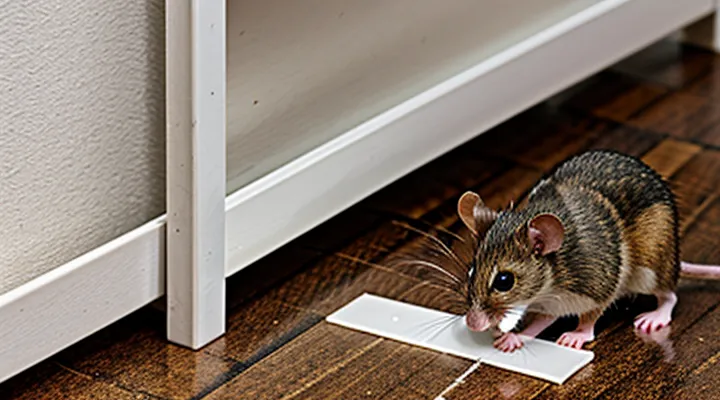
Glue traps consist of a thin cardboard or plastic platform coated with a synthetic adhesive. The adhesive is formulated from polymers that remain tacky over a wide temperature range, allowing the surface to retain its stickiness whether the environment is cool or warm. The platform is typically perforated with small holes that reduce material usage while maintaining structural integrity.
When a mouse steps onto the trap, its weight compresses the adhesive layer, increasing the contact area between the animal’s paws and the glue. The polymer chains form intermolecular bonds with the keratin on the mouse’s fur and skin, creating a rapid, irreversible attachment. The adhesive’s high shear strength prevents the animal from pulling free, while its low tensile strength allows the trap to be handled without tearing.
Effectiveness depends on several variables:
- Placement near walls, along travel routes, or close to food sources.
- Use of attractants such as grain or peanut butter to draw the rodent onto the surface.
- Regular inspection to prevent the glue from drying out or becoming contaminated with dust.
- Proper storage in a cool, dry location to preserve adhesive potency.
Understanding these mechanics clarifies why glue traps capture rodents quickly and why they remain a common tool in pest‑control strategies.
«Common Misconceptions About Glue Traps»
Glue traps are often praised for their simplicity, yet several beliefs about their function and safety are inaccurate.
Many assume that glue traps kill mice instantly. In reality, the adhesive merely immobilizes the animal; death usually results from dehydration, starvation, or stress over several hours. This prolonged suffering contradicts humane pest‑control standards.
Another widespread notion is that glue traps are harmless to non‑target species. The sticky surface attracts insects, birds, and small mammals equally, leading to unintended casualties in homes and warehouses.
Some claim that the adhesive is non‑toxic and poses no health risk. While the glue itself may lack chemical toxicity, accidental contact with skin can cause irritation, and removal often requires solvents that may irritate respiratory passages or damage surfaces.
A further misconception holds that glue traps can be reused after cleaning. Residual adhesive remains on the device, reducing effectiveness and increasing the likelihood of partial captures, which complicates disposal and may expose handlers to additional hazards.
Finally, many believe that disposing of a glued mouse is straightforward. Proper disposal demands sealing the entire trap in a rigid container, labeling it as biohazardous waste, and following local regulations; simple trash placement risks accidental exposure for sanitation workers.
Understanding these false assumptions informs safer, more ethical strategies for eliminating mouse glue traps.
«Why Removing a Mouse From a Glue Trap is Challenging»
«The Adhesiveness Factor»
The adhesive surface of a mouse glue trap determines the difficulty of removal and the risk of injury to the animal and to handlers. Understanding its properties is essential for safe disposal.
Adhesive composition varies by brand; common ingredients include polyacrylate polymers and tackifiers that remain active at room temperature. Temperature influences stickiness: higher ambient heat increases tack, while colder conditions reduce it. Moisture accelerates degradation, causing the glue to become gummy and spread more readily.
Effective neutralization requires a solvent that breaks polymer bonds without damaging surrounding surfaces. Recommended agents include:
- Commercial adhesive remover containing citrus terpenes; apply liberally, wait 30 seconds, then peel.
- Isopropyl alcohol (70 %); saturate a cloth, press onto the trap for 1 minute, then lift.
- Warm soapy water; soak the trap for 5 minutes, then slide the mouse free with a thin spatula.
When using solvents, wear nitrile gloves and eye protection to avoid skin irritation and splashes. After removal, dispose of the trap in a sealed plastic bag; place the bag in a designated hazardous‑waste container if local regulations require it.
If immediate solvent access is unavailable, freeze the trap for 15 minutes. Cold temperatures harden the adhesive, allowing the mouse to be lifted with minimal residue. Transfer the frozen trap to a trash bag promptly to prevent thaw‑induced re‑adhesion.
Assess the trap’s stickiness before handling by lightly touching its edge with a fingertip. A visible tack test indicates whether a solvent or freezing step is necessary, streamlining the disposal process and minimizing accidental release of the glue.
«Stress and Injury to the Mouse»
Mice caught in adhesive traps experience acute physiological stress. The adhesive stimulus triggers a rapid increase in cortisol and adrenaline, elevating heart rate and respiratory frequency. Prolonged exposure intensifies these responses, leading to exhaustion and impaired immune function.
Physical damage includes:
- Skin tearing at contact points, often on paws or tail.
- Loss of fur and exposure of underlying tissue.
- Constriction of limbs, causing reduced blood flow and potential necrosis.
- Risk of suffocation if the mouse’s mouth contacts the adhesive.
Stress and injury reduce the animal’s chances of survival even if the trap is later removed. Immediate neutralization of the adhesive with a safe release agent, followed by gentle extraction, minimizes trauma. After release, monitoring for bleeding, swelling, or impaired mobility is essential to assess recovery.
«Potential Health Risks to Humans»
Removing adhesive mouse traps can expose occupants to several hazards. The glue itself often contains volatile organic compounds (VOCs) that evaporate during handling. Inhalation of these vapors may irritate the respiratory tract, provoke headaches, or trigger asthma attacks in sensitive individuals. Direct skin contact with the adhesive can cause dermatitis, characterized by redness, itching, and, in severe cases, blistering. Some commercial glues incorporate toxic substances such as formaldehyde or phenol derivatives; accidental ingestion of even small amounts can lead to nausea, vomiting, or central nervous system depression.
Trapped rodents introduce additional biological risks. Decomposing bodies release bacteria, viruses, and fungi that contaminate the surrounding environment. Contact with bodily fluids may transmit pathogens such as Hantavirus, leptospirosis, or salmonella. If the glue retains the animal’s fluids, the adhesive surface becomes a reservoir for microbial growth, increasing the likelihood of skin infections or respiratory exposure when the trap is disturbed.
The removal process can generate airborne particles. Peeling the trap releases microscopic glue fragments and dried biological material. Inhalation of these particles may cause allergic reactions, especially in individuals with pre‑existing sensitivities. Moreover, broken trap components can become a physical hazard, posing a choking risk to children or pets.
Key health considerations when disposing of glue traps:
- Wear disposable gloves and protective eyewear to prevent skin and eye contact.
- Perform removal in a well‑ventilated area or use a respirator rated for organic vapors.
- Seal the used trap in a plastic bag before discarding to contain contaminants.
- Clean surfaces with a disinfectant solution after removal to eliminate residual pathogens.
- Store replacement traps out of reach of children and animals to avoid accidental exposure.
Adhering to these precautions minimizes the potential for respiratory irritation, dermatological reactions, and infection associated with the elimination of adhesive rodent control devices.
«Safe and Humane Removal Methods»
«Gathering Your Supplies»
«Protective Gear»
When handling adhesive mouse traps, wear equipment that prevents skin contact with the sticky surface and exposure to trapped rodents. Gloves made of nitrile or latex create a barrier that can be removed without tearing the adhesive. Choose a pair with a length reaching the wrist to avoid accidental contact.
Eye protection is essential because debris or small animal parts can be dislodged when the trap is lifted. Safety glasses or goggles with a snug fit block particles from entering the eyes.
A disposable mask reduces the risk of inhaling dust, fur, or insecticide residues that may be present on the trap. A simple surgical mask or a filter‑rated respirator provides sufficient coverage for short‑term tasks.
Footwear should be closed and easy to clean. Rubber boots or shoes with smooth soles prevent the glue from adhering to the bottom of the feet.
The following list summarizes recommended protective items:
- Nitrile or latex gloves (wrist‑length)
- Safety glasses or full‑face shield
- Disposable surgical mask or N95 respirator
- Closed, non‑porous footwear
After removal, discard all protective gear in sealed bags to avoid contaminating other surfaces. Wash hands thoroughly with soap and water even if gloves were used. This protocol minimizes health hazards while safely eliminating adhesive traps.
«Release Agents»
Release agents are substances that counteract the adhesive properties of mouse glue boards, allowing the captured animal to be freed without damage. Effective agents create a barrier between the glue and the fur, breaking the bond and enabling safe removal.
Common release agents include:
- Mineral oil or vegetable oil applied with a cotton swab; the oil penetrates the adhesive, loosening the grip.
- Silicone‑based spray; a thin mist spreads evenly, reducing surface tension and separating the mouse from the glue.
- Petroleum jelly; a small amount placed on the mouse’s paws spreads under pressure, weakening the bond.
- Commercially formulated adhesive remover; designed for pest‑control use, it dissolves the glue without harming the animal.
Application steps:
- Prepare a clean cloth or disposable gloves to avoid contaminating hands.
- Apply the chosen agent directly to the mouse’s fur, focusing on contact points with the glue.
- Allow a few seconds for the agent to seep into the adhesive.
- Gently pull the mouse away from the board, supporting the body to prevent tearing.
- After release, wipe excess agent from the animal’s fur with a damp cloth and inspect for injuries.
Safety considerations:
- Use agents that are non‑toxic to rodents; avoid solvents such as acetone or gasoline.
- Prevent ingestion by applying the agent only to the fur, not the mouth or eyes.
- Dispose of the used glue board according to local hazardous‑waste regulations, as residual adhesive remains hazardous.
Integrating release agents into a pest‑management routine reduces the need for lethal traps, complies with humane‑treatment guidelines, and simplifies the process of eliminating adhesive mouse traps.
«Container for Release»
A suitable container for releasing a mouse caught in a glue trap must prevent escape, protect the handler, and allow safe transport to an outdoor release site.
Select a rigid plastic or stainless‑steel box with a secure latch. The interior should be smooth to avoid additional injury; a non‑porous surface enables easy cleaning. Capacity of 1 L accommodates an adult mouse and the trap without crowding. Include a hinged lid with a latch that can be operated with one hand while wearing gloves.
Prepare the container before use:
- Attach a breathable ventilation slot covered by fine mesh to supply air while containing the mouse.
- affix a label indicating “Live Capture – Release Only” to remind handlers of the intended purpose.
- keep a small towel or disposable pad inside to absorb residual adhesive.
When transferring the mouse, wear thick nitrile gloves, gently lift the trap, and place it inside the container. Close the lid securely, then invert the box to release the adhesive side onto the towel, minimizing further stress to the animal.
Transport the container to a location at least 50 m from the building, preferably near vegetation or a natural shelter. Open the lid slowly, allow the mouse to exit voluntarily, and observe until it disappears from view.
After release, clean the container with warm soapy water, rinse thoroughly, and disinfect with a 10 % bleach solution. Dry completely before storage to prevent mold growth and maintain readiness for future captures.
«Step-by-Step Removal Process»
«Calming the Mouse»
Calming a captured mouse reduces stress, prevents frantic movement, and facilitates safe extraction from adhesive devices. A relaxed animal is less likely to tear the glue, which can cause injury and complicate removal.
- Place the trap in a quiet area away from loud noises and bright lights.
- Cover the trap with a thin, breathable cloth to create a dim environment.
- Offer a small amount of warm water or diluted apple juice on a shallow dish near the mouse; the liquid encourages drinking and diverts attention.
- Apply a gentle, steady stream of warm air from a low‑speed hair dryer (no heat) aimed at the mouse’s back; the airflow mimics natural warmth and soothes agitation.
- If the mouse appears highly stressed, introduce a few drops of a rodent‑safe pheromone spray designed to promote calmness.
Once the mouse shows signs of reduced movement—slow breathing, minimal squeaking—use a pair of thick gloves coated with vegetable oil or mineral oil. Slide the gloves under the animal, supporting its body while the oil loosens the adhesive. Lift the mouse carefully, keeping it horizontal to avoid further stress. Transfer the mouse to a prepared recovery container with soft bedding, a shallow water source, and a small piece of food. Observe for at least 30 minutes before releasing the animal outdoors, ensuring it regains full mobility.
«Applying the Release Agent»
Applying a release agent is a practical method for freeing a mouse caught in an adhesive trap without causing injury. The agent works by breaking the bond between the rodent’s fur and the glue, allowing safe removal.
- Choose a product specifically designed for adhesive release, such as mineral oil, vegetable oil, or a commercial release spray. Avoid petroleum‑based solvents that may irritate the animal’s skin.
- Dispense a small amount onto a cotton swab or soft cloth. Excess liquid can spread to surrounding surfaces and compromise the trap’s integrity.
- Gently dab the oil onto the contact points where the mouse’s paws, tail, or body meet the glue. Allow the liquid to penetrate for 10–15 seconds.
- Using a thin, flexible tool (e.g., a plastic spatula or a pair of tweezers), slowly lift the fur away from the adhesive. Apply additional oil as needed to maintain a slip layer.
- Once the mouse is free, place it in a secure container for release outdoors, far from the original location. Dispose of the glue trap according to local waste guidelines.
The entire procedure should be completed within a few minutes to minimize stress on the animal. Proper preparation—having the release agent and tools ready before approaching the trap—ensures a swift, humane outcome.
«Gently Freeing the Mouse»
When a mouse becomes ensnared in an adhesive trap, immediate, careful action prevents injury and reduces stress. Follow these precise measures to release the animal safely.
- Put on disposable nitrile gloves; they protect both handler and mouse from contamination.
- Lay the trap on a flat, non‑slippery surface to keep the mouse stable during extraction.
- Apply a thin layer of vegetable oil, baby oil, or mineral oil around the mouse’s paws and tail; the lubricant weakens the adhesive bond without harming the rodent.
- Allow the oil to penetrate for 10–15 seconds; observe the mouse’s limbs begin to loosen.
- Gently grasp the mouse’s torso with one hand, using the other hand to steady the trap.
- Slowly pull the mouse away from the glue, keeping movements smooth to avoid tearing fur or skin.
- If resistance persists, add a few more drops of oil and repeat the waiting period before attempting another gentle pull.
- Once free, place the mouse in a ventilated container with fresh bedding, water, and food; monitor for signs of shock or injury before release.
After the mouse is safely removed, discard the glue trap in a sealed bag and clean the area with a mild detergent to eliminate residual adhesive. This protocol ensures humane handling while effectively eliminating the trap from the environment.
«Cleaning the Mouse»
When a mouse is caught in a glue trap, immediate cleaning prevents infection, reduces stress, and facilitates humane release or disposal. The process requires protective gear, appropriate solvents, and gentle handling to avoid tearing the animal’s skin.
First, prepare a clean workspace. Lay down disposable absorbent pads, gather disposable gloves, a pair of fine‑point tweezers, a small bowl of warm water (approximately 38 °C), a mild dish‑soap solution, and a soft, lint‑free cloth. Keep a pet‑safe disinfectant nearby for post‑cleaning sanitation.
- Secure the mouse.
- Slip gloves on, then grasp the mouse’s hind limbs with tweezers, keeping the body supported to prevent additional trauma.
- Soften the adhesive.
- Submerge the trapped area in warm, soapy water for 30–45 seconds. The heat and surfactants break down the glue’s tackiness.
- Remove residual glue.
- Gently slide a damp cloth along the fur, wiping in the direction of hair growth. If glue persists, apply a few drops of vegetable oil to the affected spot, let it sit for 10 seconds, then wipe away with the cloth.
- Rinse and dry.
- Inspect for injuries.
After cleaning, place the mouse in a secure, ventilated container with soft bedding if release is not immediate. Dispose of the glue trap and all cleaning materials in sealed waste bags to prevent accidental contact. Finally, disinfect the work area with a pet‑safe solution and wash hands thoroughly.
«Post-Removal Care for the Mouse»
«Temporary Shelter and Food»
When a glue trap is removed, the mouse may be disoriented and require immediate care. Providing a secure, temporary enclosure and a reliable food source prevents further stress and reduces the chance of escape before release.
Suitable enclosures include:
- Small plastic containers with smooth interior surfaces to avoid re‑attachment.
- Cardboard boxes lined with parchment paper for easy cleaning.
- Metal or wooden cages equipped with ventilation holes no larger than ¼ inch.
The enclosure should be placed on a stable surface, covered loosely to limit light exposure, and positioned away from predators and household traffic.
Appropriate food choices are:
- Small pieces of unsalted peanut butter or soft cheese, offering high protein without excessive grease.
- Commercial rodent pellets, providing balanced nutrition.
- Fresh water delivered via a shallow dish or soaked cotton ball.
Food must be placed on a separate, non‑sticky surface to keep the mouse from contacting any residual adhesive. Replace food and water every 12 hours to maintain freshness.
Maintain the temporary shelter for no more than 24 hours. After this period, release the mouse at least 100 feet from the residence, preferably in a wooded or field area where natural shelter is available. This protocol minimizes suffering while ensuring the glue trap removal process remains humane and effective.
«Releasing the Mouse into the Wild»
After a mouse is freed from an adhesive trap, the next critical action is to return it to a suitable outdoor environment where it can survive without further human interference.
Select a release site at least 200 meters (650 feet) from the building where the trap was set. Favor locations that provide natural cover such as dense vegetation, shrubs, or wooded edges. Avoid areas near roads, predators, or sources of human food waste.
Prepare the spot before release. Ensure the ground is dry and free of sharp objects. Position a small shelter—e.g., a log pile or brush heap—within a few meters of the release point to give the animal immediate protection.
Handle the mouse with disposable gloves to prevent disease transmission and to reduce stress. Keep the animal in a breathable container for no longer than necessary; allow it to recover from any residual adhesive before opening the container.
Release procedure:
- Place the container on the ground near the prepared shelter.
- Slowly open the lid, keeping the container tilted downward.
- Allow the mouse to exit voluntarily; do not force movement.
- Observe from a short distance until the mouse disappears into cover.
Following release, inspect the interior space for remaining glue traps or attractants. Replace any compromised traps with humane alternatives or seal entry points to deter future incursions. Continuous monitoring reduces the likelihood of repeated captures and supports long‑term pest management.
«Alternative and Humane Pest Control Methods»
«Prevention Strategies»
«Sealing Entry Points»
Sealing entry points prevents mice from reaching the glue trap and eliminates the need for repeated trapping. Identify all possible access routes by inspecting walls, floors, foundations, and utility openings. Pay special attention to gaps around pipes, vents, and doors.
- Close cracks larger than ¼ inch with steel wool, copper mesh, or expanding foam.
- Install weatherstripping on doors and windows to block narrow openings.
- Apply silicone caulk to seams around baseboards, cabinets, and countertops.
- Cover holes around electrical wiring and plumbing with metal plates or hardware cloth.
- Repair damaged siding, brick mortar, and foundation cracks with appropriate mortar or patching compound.
After sealing, verify the integrity of each repair by running a thin piece of tissue or a smoke test near the treated area. Re‑inspect periodically, especially after seasonal weather changes, to detect new gaps. Maintaining a sealed envelope around the building eliminates mouse intrusion and renders glue traps unnecessary.
«Food Storage and Sanitation»
Proper food storage and sanitation are essential when dealing with adhesive mouse traps. Secure storage prevents rodents from accessing attractants, reducing the likelihood that a trap will be triggered and making removal safer.
Store all dry goods in containers with tight‑locking lids. Use materials such as heavy‑gauge plastic or metal that cannot be chewed. Keep containers off the floor and away from walls, where mice can gnaw. Label each container with the contents and date of purchase to avoid prolonged exposure.
Maintain a clean environment. Wipe countertops, shelves, and floors after each meal preparation. Sweep or vacuum daily to eliminate crumbs. Dispose of food waste in sealed bags and remove them from the premises promptly. Clean pet feeding areas regularly and store pet food in the same airtight containers used for human food.
Implementing these practices minimizes rodent activity and facilitates safe handling of existing glue traps. When a trap must be removed, follow these steps:
- Clear the surrounding area of any food particles.
- Wear disposable gloves to avoid direct contact with adhesive.
- Place a disposable sheet beneath the trap to catch any residue.
- Use a solvent safe for the surface (e.g., mineral oil) to loosen the glue, applying it with a disposable brush.
- Dispose of the trap and gloves in a sealed bag, then clean the area with a mild detergent.
Consistent food storage and rigorous sanitation create conditions that discourage mice, reduce reliance on adhesive traps, and ensure that any necessary removal is performed without contamination.
«Natural Deterrents»
Natural deterrents provide a humane alternative to adhesive mouse traps and help prevent future infestations after a trap is removed. They rely on sensory aversion rather than lethal force, reducing the risk of unintended harm to pets or children.
Commonly used natural repellents include:
- Peppermint oil: Apply a few drops onto cotton balls and place them near entry points and former trap locations. The strong menthol scent overwhelms rodents’ olfactory receptors.
- Citrus peels: Distribute fresh orange or lemon rinds in corners and along baseboards. Citric acids irritate the nasal passages of mice, prompting avoidance.
- Vinegar solution: Mix equal parts white vinegar and water, then spray around doorways, windowsills, and cracks. The acidic vapors create an unpleasant environment for rodents.
- Clove or eucalyptus oil: Dilute a few milliliters in water and mist surfaces where mice travel. Both oils contain compounds that act as natural insecticides and rodent repellents.
- Dryer sheets: Position scented sheets in cabinets and under appliances. The chemical fragrance interferes with the animal’s scent tracking.
Implementing these deterrents after removing an adhesive trap involves three steps:
- Clean the area thoroughly with mild soap and water to eliminate residual adhesive and scent marks.
- Place the chosen natural repellents at strategic locations identified during inspection—typically near walls, behind furniture, and around utility openings.
- Rotate or refresh the repellents every two weeks to maintain potency, as volatile compounds dissipate over time.
By integrating natural deterrents into a regular cleaning routine, homeowners can secure their spaces without relying on toxic chemicals or additional traps.
«Live Traps»
«Types of Live Traps»
When a glue trap has been removed, a live‑capture device offers a humane alternative for managing remaining mice. Live traps maintain the animal’s health, allowing release away from the property.
- Single‑catch box trap – a hinged cage that closes when a mouse triggers a pressure plate; suitable for isolated infestations.
- Multi‑catch box trap – a larger enclosure with multiple entry points and a one‑way door; captures several individuals before requiring reset.
- Tube trap – a cylindrical tube with a sliding door; mice enter attracted by bait, then the door slides shut; compact and easy to conceal.
- Bucket trap – a baited platform over a bucket; the mouse falls into the bucket when the platform tips; effective for larger rodents and can hold multiple captures.
Selection depends on target size, activity patterns, and placement constraints. Use a small amount of high‑protein bait (peanut butter, dried fruit) placed at the far end of the trap to encourage full entry. Position traps along walls, behind appliances, and near known runways; secure them to prevent tipping.
After capture, transport the trap to a release site at least 500 m from the residence, preferably in a wooded or field area. Open the door or lift the lid gently, allowing the mouse to exit without injury. Clean the trap with mild detergent and rinse thoroughly before reuse.
Compliance with local wildlife regulations is mandatory; some jurisdictions restrict the release of captured rodents. Verify legal requirements to avoid penalties.
«Proper Use and Release»
Proper deployment of adhesive mouse traps minimizes unwanted catches and enables humane release when removal is required. Select traps with a clear adhesive surface, position them where rodent activity is evident, and avoid areas frequented by pets or children.
- Place traps along walls, behind appliances, and near known entry points.
- Keep traps at least six inches from each other to prevent overlapping fields.
- Use a thin layer of attractant, such as peanut butter, applied sparingly to the center of the trap.
- Replace traps immediately if the adhesive loses strength or becomes contaminated.
Monitor traps at regular intervals, preferably every two to four hours. When a mouse is captured, wear disposable gloves, and handle the trap gently to avoid tearing the adhesive. Transfer the trap to a sealed container for transport.
Release procedures:
- Prepare a ventilated box with a soft lining to protect the animal.
- Transfer the mouse from the trap into the box, using a soft tool to minimize stress.
- Transport the box to an outdoor location away from residential structures, at least 100 feet from the original site.
- Open the box, allow the mouse to exit voluntarily, and observe until it disappears.
- Dispose of the used trap according to local regulations; many jurisdictions require sealing the trap in a plastic bag before discarding.
«Professional Pest Control Services»
«When to Call an Expert»
Professional assistance becomes necessary when a glue trap for rodents presents risks that exceed a homeowner’s capacity to manage safely. Typical indicators include extensive trap coverage across multiple rooms, signs of severe infestation, or the presence of children and pets that could inadvertently encounter the adhesive. Additionally, if the trap has caused injury to a captured mouse—such as torn limbs or prolonged distress—humane removal requires specialized knowledge and equipment.
- Traps placed in hard‑to‑reach locations (behind appliances, inside wall cavities)
- Evidence of repeated trap failure or repeated re‑capture of the same animal
- Legal or health‑code requirements in rental properties or commercial facilities
- Personal allergies or medical conditions that make handling adhesive hazardous
Contact a licensed pest‑control professional when any of these conditions apply. Experts can ensure complete removal, prevent secondary contamination, and implement alternative, humane control strategies that comply with local regulations.
«Eco-Friendly Options»
Eco‑friendly removal of adhesive mouse traps begins with materials that break down the glue without harming the environment.
First, saturate the trap with a natural oil—vegetable, olive, or canola—until the adhesive softens. The oil penetrates the polymer, allowing the trapped mouse to be released safely. After release, wipe the trap with a damp cloth and discard it in a compostable bag.
If immediate release is not possible, soak the trap in a solution of warm water and a few drops of biodegradable dish soap. The soap emulsifies the adhesive, making it easier to peel away. Rinse the trap, then place it in a biodegradable waste container.
Reusable alternatives eliminate waste altogether. Consider a wooden or metal catch‑and‑release device that uses a spring‑loaded door. These traps require no glue and can be cleaned with a mixture of vinegar and water after each use.
For disposal of the softened glue, pour the oil‑laden mixture into a container designated for liquid compost. The oil will biodegrade over time, leaving no harmful residues.
Eco‑friendly options include:
- Natural oils (vegetable, olive, canola) to loosen adhesive
- Warm, soapy water for safe soaking
- Reusable catch‑and‑release traps made of wood or metal
- Biodegradable waste bags for discarded traps
- Compostable containers for oil‑based residues
Applying these methods removes glue traps while minimizing environmental impact.