
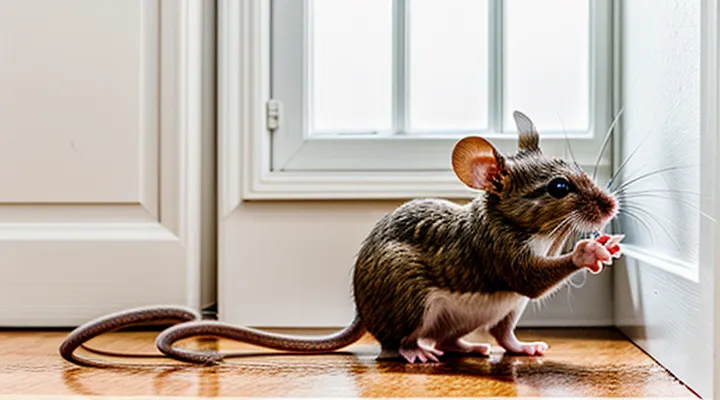
Understanding the Enemy: Identifying a Mouse Infestation
Signs of Mice in Your Home
Droppings
Mouse droppings provide the most reliable evidence of an infestation and guide effective control measures.
Typical droppings are 1‑3 mm long, dark brown to black, and have a tapered shape. They appear in clusters along walls, behind appliances, in cabinets, and near food sources. Fresh droppings may retain a faint odor; older deposits become dry and crumbly.
Droppings carry pathogens such as hantavirus, salmonella, and leptospira. Inhalation of aerosolized particles or direct contact with contaminated surfaces can cause respiratory illness, fever, and gastrointestinal symptoms. Prompt removal eliminates these health risks.
Cleaning protocol
- Wear disposable gloves and a N95 respirator.
- Seal collected droppings in a plastic bag; dispose of according to local hazardous‑waste guidelines.
- Apply an EPA‑registered disinfectant (e.g., a 10 % bleach solution) to the affected area; let it stand for at least 10 minutes.
- Scrub the surface with disposable cloths; discard materials after use.
- Ventilate the room for a minimum of 30 minutes before re‑entering.
Preventive actions
- Store food in airtight containers; eliminate crumbs and spills.
- Seal entry points larger than ¼ inch with steel wool, caulk, or metal flashing.
- Reduce clutter in storage areas to remove harborage sites.
- Install traps or bait stations near identified droppings; monitor and replace as needed.
By recognizing droppings, addressing associated health hazards, and applying a systematic cleaning and prevention regimen, homeowners can substantially diminish mouse activity and protect indoor environments.
Gnaw Marks
Gnaw marks are the most reliable indicator that rodents are active inside a residence. They appear as clean, parallel cuts on wood, plastic, wiring insulation, and even soft materials such as foam. The size of the bite, typically 2‑4 mm wide, matches the rodent’s incisors and helps differentiate mouse activity from other pests.
Identifying gnaw marks early allows rapid intervention. Look for:
- Parallel, shallow grooves on baseboards, cabinets, and furniture.
- Chewed edges on electrical cords, especially near outlets.
- Damage to food packaging, with jagged openings exposing the contents.
- Fresh, reddish‑brown staining around the bite, indicating recent activity.
Once gnaw marks are confirmed, implement the following actions:
- Seal entry points larger than ¼ in. with steel wool, caulk, or metal flashing.
- Replace compromised wiring with conduit to prevent fire hazards.
- Remove and discard chewed food items; store remaining supplies in airtight containers.
- Deploy snap traps or electronic devices along the identified pathways, positioning them perpendicular to the gnawed surface.
- Apply a rodent‑resistant coating or metal plates to vulnerable structural elements.
Repairing the damage restores structural integrity and eliminates attractive foraging sites. Cut away softened wood, sand the edges, and restore with hardwood or metal brackets. For wiring, disconnect the power, trim damaged sections, and install new insulated cable before reconnecting.
Continual monitoring of gnaw marks—checking for new cuts weekly—ensures that any resurgence is caught before the infestation spreads.
Nests and Nesting Materials
Mice construct nests to protect themselves, rear young, and store food. Nests are typically located in hidden, warm areas where structural support is available, such as behind appliances, in wall voids, under flooring, and within stored‑item piles. Recognizing these sites is essential for effective rodent control.
Common nesting materials include:
- Soft fabrics (cotton, wool, shredded clothing)
- Paper products (tissue, newspaper, cardboard)
- Insulation fibers (fiberglass, cellulose)
- Natural debris (grass, leaves, twigs)
- Food remnants (crumbs, dried pet food)
Mice select materials that provide insulation and concealment while being readily available in the home. Removing or securing these resources reduces the attractiveness of potential nesting sites.
Inspection should focus on:
- Areas of excess clutter where debris accumulates.
- Locations where moisture or heat concentrates, such as laundry rooms or kitchens.
- Structural gaps that allow entry of building materials.
Control actions involve:
- Eliminating clutter and storing items in sealed containers.
- Replacing damaged insulation and repairing gaps in walls, floors, and ceilings.
- Using traps or bait stations near identified nests, ensuring placement follows safety guidelines.
- Applying rodent‑proof barriers (metal flashing, cement, steel wool) to block access points.
After removal, clean the area with a disinfectant to eliminate scent trails that could attract new rodents. Continuous monitoring and maintenance of a tidy environment keep nesting opportunities scarce, thereby supporting long‑term mouse management.
Strange Noises
Strange noises often signal the presence of rodents, especially during quiet nighttime hours. Scratching sounds behind walls, squeaking in attics, or intermittent thumping in ceilings indicate active burrowing or foraging activity. Recognizing these auditory clues allows early intervention before damage escalates.
When unusual sounds are detected, follow a systematic response:
- Locate the source by moving silently through each room, listening for directional changes.
- Inspect adjacent structural elements—baseboards, insulation, and vent openings—for gnaw marks or droppings.
- Seal entry points using steel wool and caulk; rodents can exploit gaps as small as a quarter inch.
- Deploy traps or bait stations near identified pathways; choose snap traps for immediate kill or humane catch‑and‑release devices for monitoring.
- Monitor noise patterns for 48–72 hours after placement; a reduction suggests successful capture, while persistent sounds require additional traps or professional assessment.
If noises persist despite these measures, consider an integrated pest‑management approach that combines exclusion, sanitation, and targeted chemical controls under professional supervision. Prompt action based on auditory evidence prevents structural damage and health risks associated with rodent infestations.
Unpleasant Odors
Mice leave urine, feces, and decomposing bodies that produce strong, lingering smells. These odors indicate contamination, can trigger allergic reactions, and signal persisting infestation.
Eliminating odor accelerates eradication by removing sensory cues that mice use to locate food and shelter, and by reducing health hazards for residents.
- Remove visible droppings and nesting material with disposable gloves.
- Clean surfaces with a detergent solution, then apply an enzymatic cleaner to break down organic residues.
- Disinfect with a bleach‑based solution (1 part bleach to 10 parts water) to kill bacteria.
- Increase airflow by opening windows or using exhaust fans; consider a portable air purifier with a HEPA filter.
- For severe cases, apply a controlled ozone generator according to manufacturer guidelines, then ventilate thoroughly before re‑occupying the area.
Prevent future odor buildup by sealing cracks, storing food in sealed containers, and maintaining regular cleaning schedules. These practices support long‑term mouse control and keep indoor air quality acceptable.
Why Mice are a Problem
Health Risks
Mice infestations introduce a range of health hazards that demand immediate attention.
- Hantavirus pulmonary syndrome, transmitted through inhalation of aerosolized rodent urine or droppings.
- Salmonella and other bacterial infections spread by contaminated food or surfaces.
- Leptospirosis, contracted from contact with urine‑tainted water or soil.
- Lymphocytic choriomeningitis virus, passed by direct contact with rodent secretions.
Rodent droppings, urine, and shed hair act as allergens, aggravating asthma and triggering hypersensitivity reactions.
Food stores become compromised when mice gnaw packaging, deposit feces, or introduce pathogens, increasing the likelihood of gastrointestinal illness.
Structural damage caused by gnawing can expose wiring, create gaps for moisture entry, and promote mold growth, each contributing to respiratory problems and other chronic conditions.
Eliminating the rodent population removes these sources of disease, reduces allergen load, and restores sanitary conditions, thereby protecting occupants’ health.
Property Damage
Mice infiltrate homes and compromise structural integrity, electrical systems, and stored goods. Their gnawing behavior damages wooden beams, insulation, and drywall, creating pathways for moisture and pests that accelerate decay. Chewed wires expose live conductors, raising the risk of short circuits, fire, and costly repairs.
Contamination extends to food supplies and personal belongings. Urine and droppings introduce pathogens that render pantry items unsafe and may require complete disposal of affected stock. Fabric, paper, and upholstery suffer staining and odor absorption, often demanding professional cleaning or replacement.
Typical damage includes:
- Severed electrical insulation leading to malfunctioning appliances.
- Compromised structural components such as joists and baseboards.
- Destroyed insulation, reducing energy efficiency.
- Contaminated food stores, necessitating waste removal.
- Stained textiles and paper, requiring laundering or disposal.
Prevention: Keeping Mice Out
Sealing Entry Points
Inspecting Your Home's Exterior
Inspecting the exterior of a residence is the first line of defense against mouse intrusion. Identify all potential entry points, seal them, and eliminate conditions that attract rodents.
- Examine the foundation for cracks, gaps around utility lines, and openings where pipes or cables enter the house. Use steel wool and caulk or cement to close any openings larger than ¼ inch.
- Check the roofline for damaged eaves, loose siding, or missing flashing. Repair or replace compromised sections to prevent mice from climbing or squeezing through.
- Inspect doors and windows for worn weatherstripping, broken seals, or gaps around frames. Install new weatherstripping and ensure closures latch tightly.
- Survey the perimeter for vegetation that contacts the building. Trim shrubs, vines, and trees at least 2 feet away to reduce climbing pathways.
- Assess drainage around the foundation. Redirect water away with proper grading and install or repair gutters to keep moisture low, discouraging nesting.
- Review any external storage areas, such as sheds or garages, for holes, cracks, or debris that could serve as shelter. Seal gaps and keep stored items off the floor.
A thorough exterior inspection, followed by immediate repairs and habitat reduction, creates a barrier that significantly lowers the likelihood of mice entering the home. Regularly repeat this assessment, especially after severe weather or seasonal changes, to maintain an effective preventive stance.
Filling Gaps and Cracks
Mice enter homes through openings as small as a quarter‑inch. Sealing every gap removes the pathways they use to explore kitchens, pantries and storage areas, preventing infestation before it starts.
Common entry points include:
- Foundation cracks and gaps around utility lines
- Gaps around pipes, vents, and ducts
- Openings beneath doors and windows
- Spaces around electrical wiring and conduit
- Holes in siding, drywall, or insulation
Select sealants that match the material and exposure level:
- Steel wool or copper mesh for gaps around pipes, then cover with caulk
- Silicone or acrylic caulk for small cracks in walls and trim
- Expanding polyurethane foam for larger voids in insulation or foundation
- Mortar or concrete patch for structural cracks in brick or concrete
- Metal flashing for areas subject to moisture or movement
Apply sealants in a systematic sequence:
- Remove debris, dust, and loose material from the opening.
- Dry the surface to ensure adhesion.
- Insert steel wool or mesh where movement may occur, then apply caulk or foam over it.
- Smooth the sealant, press it into the gap, and trim excess.
- Allow the product to cure according to manufacturer instructions before exposing it to moisture or traffic.
Regular maintenance sustains protection: inspect sealed areas quarterly, especially after seasonal temperature changes or renovations; reapply sealant where cracks reappear or material degrades. Consistent monitoring guarantees that the house remains impervious to rodent intrusion.
Repairing Damaged Screens and Vents
Damaged window screens and ventilation openings provide entry points for rodents. Identifying compromised mesh, torn fabric, or misaligned vent frames prevents mice from exploiting these weaknesses.
Inspect each screen and vent regularly. Look for holes larger than ¼ inch, loose fasteners, and gaps where the frame meets the wall. Record locations that require attention before beginning repairs.
Gather necessary tools and materials: replacement screen mesh, fine‑mesh hardware cloth, staple gun or screws, caulking gun, weather‑resistant sealant, utility knife, measuring tape, and a screwdriver. Using durable, rodent‑proof mesh reduces the likelihood of re‑damage.
Repair procedure:
- Measure the opening and cut mesh to size, leaving a 1‑inch excess on all sides.
- Secure mesh to the frame with staples or screws, ensuring tension without wrinkles.
- Apply sealant around the perimeter to close any gaps between mesh and frame.
- For vent repairs, remove the damaged grill, replace it with hardware cloth of comparable gauge, and reattach using screws and sealant.
- Test the repaired area by gently pulling on the mesh; it should resist deformation.
After installation, verify that all edges are sealed and that no gaps remain. Maintain screens by cleaning debris and checking for new damage after seasonal weather changes. Regular upkeep eliminates a common pathway for mice, reinforcing the overall rodent‑control strategy.
Maintaining a Clean Environment
Food Storage
Effective mouse control begins with secure food storage. Rodents locate kitchens by scent; eliminating accessible food sources cuts their attraction sharply.
Store all dry goods in containers that close tightly. Choose metal or thick‑walled glass jars with rubberized seals. Plastic bags with zip closures are acceptable only if they are double‑sealed and placed inside a rigid container. Keep containers off the floor; position them on shelves or countertops at least six inches above the surface.
Maintain order in the pantry to discourage hiding places. Regularly discard expired items, and rotate stock so older products are used first. Clean spills immediately, and wipe down shelves after each use.
- Use airtight containers for cereals, grains, nuts, and pet food.
- Label containers with purchase dates to track freshness.
- Store bulk items in smaller, sealed packages inside a larger sealed container.
- Keep the pantry door closed; install a latch if necessary.
- Inspect containers weekly for signs of damage or gnaw marks.
By implementing these storage practices, you remove the primary food incentives that draw mice into residential spaces, thereby strengthening overall pest‑management efforts.
Waste Management
Proper waste handling eliminates food sources that draw mice into living spaces. Sealed containers, regular removal, and avoidance of exposed crumbs create an environment where rodents cannot locate sustenance.
- Use trash cans with tight‑fitting lids; replace damaged seals immediately.
- Empty indoor bins daily; transfer waste to exterior containers no later than 24 hours after collection.
- Store recyclables in separate, sealed containers; rinse food containers before recycling.
- Keep compost bins outdoors, covered, and away from building foundations.
- Clean spillages and pet food remnants promptly; wipe surfaces after meals.
Maintain a schedule that includes weekly inspection of all waste storage points. Replace liners, check for cracks, and verify that lids close securely. Consistent application of these practices removes the primary attractant, significantly lowering the likelihood of mouse infestation.
Decluttering
Removing unnecessary items from living spaces reduces hiding places and food sources that attract rodents. A clutter‑free environment limits the routes mice can travel and makes inspection and treatment more efficient.
Key actions for decluttering:
- Clear floor space under appliances, behind furniture, and inside cabinets; store items in sealed containers.
- Eliminate piles of newspapers, cardboard, or fabric that can serve as nesting material.
- Dispose of expired food, pet feed, and waste promptly; keep trash bins with tight‑fitting lids.
- Organize storage areas so that items are not stacked directly on the floor; use shelving that allows easy cleaning.
After the initial purge, maintain order by:
- Conducting a weekly sweep of high‑risk zones (kitchens, pantries, basements).
- Returning items to designated storage after each use.
- Inspecting sealed containers for damage and repairing as needed.
- Scheduling quarterly deep‑cleaning sessions to identify and remove any re‑accumulated debris.
Consistent decluttering creates an environment where mice cannot easily establish shelter or access food, thereby enhancing the overall effectiveness of rodent‑control measures.
Natural Deterrents
Peppermint Oil
Peppermint oil is a widely recognized natural deterrent in effective strategies for mouse control. The oil’s volatile compounds overwhelm rodents’ sensitive olfactory system, disrupting their ability to locate food sources and nesting sites.
The scent interferes with mice’s pheromone trails and masks household aromas that attract them. Direct contact with concentrated oil can cause mild irritation to the skin and respiratory passages of rodents, prompting avoidance of treated areas.
Application guidelines
- Dilute 10‑15 drops of peppermint essential oil in 250 ml of water; add a few drops of mild dish soap to improve surface tension.
- Soak cotton balls or reusable cloth pads in the solution and place them in known entry points, along walls, behind appliances, and near suspected nesting sites.
- Replace treated pads every 3‑4 days, or sooner if the scent fades.
- Combine with sealing of gaps and removal of food debris for maximum efficacy.
Consistent use of peppermint oil, alongside structural exclusion measures, reduces mouse activity without chemicals or traps.
Essential Oils Blends
Essential oil blends provide a natural deterrent that interferes with the sensory receptors mice use to navigate and locate food. When applied correctly, these blends create an environment that mice avoid, complementing other proven control techniques.
A typical mouse‑repellent blend includes:
- Peppermint oil (15 ml) + tea tree oil (5 ml) diluted in 500 ml water.
- Clove oil (10 ml) + eucalyptus oil (10 ml) diluted in 500 ml water.
- Citronella oil (12 ml) + lavender oil (8 ml) diluted in 500 ml water.
Application guidelines:
- Fill a spray bottle with the prepared solution.
- Mist entry points, along baseboards, behind appliances, and in hidden corners where rodents travel.
- Reapply every 48 hours or after cleaning, as the scent dissipates quickly.
- Use cotton balls soaked in the undiluted blend in sealed containers placed near suspected activity zones; replace weekly.
Safety considerations:
- Test a small area for surface compatibility before extensive use.
- Keep blends away from pets and children; some oils can cause irritation.
- Store concentrated oils in a cool, dark place to preserve potency.
Effectiveness data from controlled studies indicate that peppermint‑based blends reduce mouse presence by up to 70 % within two weeks when combined with trapping or exclusion measures. Consistent deployment, proper dilution, and coverage of all potential pathways maximize the deterrent effect.
Ultrasonic Repellents
Ultrasonic repellents emit high‑frequency sound waves that rodents cannot tolerate. The devices generate tones typically between 20 kHz and 65 kHz, a range beyond human hearing but irritating to mice. When placed correctly, the continuous emission creates an environment that discourages entry, nesting, and foraging.
Key factors for successful deployment:
- Frequency spectrum: Choose a model that cycles through multiple frequencies to prevent habituation.
- Coverage area: Verify the advertised square‑foot rating and position units to eliminate dead zones; overlapping fields improve uniformity.
- Mounting height: Install devices 12–18 in above the floor, where mice travel, and avoid obstructing furniture or curtains.
- Power source: Plug‑in units provide steady output; battery‑operated models may lose effectiveness as voltage drops.
- Duration of use: Continuous operation yields the best results; intermittent use reduces deterrent impact.
Effectiveness studies show variable outcomes. In controlled trials, ultrasonic devices reduced mouse activity by 30‑50 % when no alternative food sources were present. Success rates decline sharply in cluttered spaces where sound waves are absorbed or reflected. Combining ultrasonic repellents with physical barriers, sanitation, and snap traps typically raises overall control efficiency to above 80 %.
Safety considerations:
- No chemical residues; devices pose no risk to children or pets when frequencies remain above 30 kHz.
- Some small animals, such as hamsters and guinea pigs, may perceive lower frequencies; keep repellents away from their enclosures.
- Electrical safety standards (UL, CE) must be met; inspect cords for wear before each use.
Maintenance routine:
- Clean the exterior surface monthly to prevent dust buildup that can dampen sound transmission.
- Test functionality by listening for a faint hum; replace units after 12–18 months of continuous operation, as speaker degradation reduces output.
- Record placement changes after furniture rearrangement to ensure uninterrupted coverage.
In summary, ultrasonic repellents function as a non‑toxic, sound‑based deterrent. Proper selection, strategic placement, and integration with complementary control measures maximize their contribution to a comprehensive mouse‑management program.
Active Eradication: Getting Rid of Mice
Trapping Methods
Snap Traps: «The Classic Approach»
Snap traps remain the most reliable mechanical solution for indoor rodent control. The device consists of a spring‑loaded bar that delivers an instantaneous, lethal strike when a mouse triggers the trigger mechanism. Proper use maximizes capture rates while minimizing risk to humans and pets.
- Choose a trap with a sturdy plastic base and a steel spring for consistent force.
- Load the trap by pulling the bar back until the latch clicks, securing the spring tension.
- Apply a small amount of attractive bait—peanut butter, cheese, or dried fruit—directly onto the trigger platform.
- Position traps along walls, behind appliances, and near known activity points; mice travel close to surfaces.
- Place traps perpendicular to the wall, with the trigger side facing the wall, ensuring the mouse must push the platform forward to enter.
- Check traps daily; dispose of captured rodents promptly in a sealed bag and reset the trap with fresh bait.
Effective snap trapping requires strategic placement and regular monitoring. The method provides immediate results, eliminates the need for chemicals, and allows precise targeting of individual pests. Proper disposal and hygiene prevent secondary infestations. When combined with exclusion measures—sealing entry points and maintaining cleanliness—snap traps form a core component of a comprehensive rodent‑management plan.
Live Traps: «Catch and Release»
Live traps capture rodents without killing them, allowing owners to remove mice from the interior of a dwelling and release them elsewhere. The device consists of a cage or tube that closes automatically when the animal enters and triggers a sensor or mechanical latch.
Choosing an effective trap involves evaluating material durability, size of entry hole, and ease of cleaning. Metal cages resist gnawing, while plastic models are lighter and easier to transport. A trap should accommodate adult mice comfortably while preventing escape.
Bait selection influences capture rates. High‑protein foods such as peanut butter, cooked bacon, or sunflower seeds attract rodents more reliably than sugary substances. Apply a pea‑sized amount to the trigger area; excess bait can encourage nibbling without entry.
Placement determines success. Position traps along walls, behind appliances, and near visible droppings, because mice travel close to vertical surfaces. Ensure the floor is stable and the trap is level; a tilted device may fail to trigger. Avoid areas with heavy foot traffic to minimize disturbance.
Check traps at least twice daily. Once a mouse is secured, transport the cage to a suitable release site at least 500 meters from the residence, preferably in a wooded or field area. Open the latch slowly, allow the animal to exit, and then return the empty trap to its original location.
Pros
- No lethal chemicals or poisons involved
- Reduces risk of secondary poisoning for pets and children
- Allows humane handling of captured rodents
Cons
- Requires frequent monitoring to prevent stress or dehydration of the animal
- May need multiple units for high‑infestation levels
- Release locations must comply with local wildlife regulations
Implementing live traps as part of an overall rodent‑control strategy provides a humane, chemical‑free option for removing mice from indoor environments. Regular maintenance, proper baiting, and timely release are essential for effectiveness.
Electronic Traps: «Modern Solutions»
Electronic traps represent a technologically driven approach to indoor rodent control. They emit a high‑frequency shock that instantly incapacitates a mouse upon contact, reducing the chance of escape and eliminating the need for poison or manual handling. The devices operate on battery or mains power, delivering consistent performance regardless of ambient temperature or humidity.
Key characteristics of modern electronic traps include:
- Immediate lethality: A single contact delivers a voltage sufficient to kill within milliseconds.
- Safety mechanisms: Built‑in shields prevent accidental discharge to humans or pets.
- Reusable chambers: Traps can be emptied, cleaned, and redeployed without additional expense.
- Quiet operation: No audible clicks or rattling, preserving a peaceful indoor environment.
- Low maintenance: Battery indicators or power‑loss alerts signal when service is required.
When selecting a trap, prioritize the following criteria:
- Voltage rating that meets or exceeds industry standards for humane rodent elimination.
- Transparent or removable capture compartment for easy inspection of results.
- Certified safety features, such as insulated outer casings and automatic shut‑off when the compartment is opened.
- Energy source compatibility with the intended placement area (e.g., plug‑in for kitchens, battery‑operated for cabinets).
Effective deployment hinges on strategic placement. Position traps along established mouse pathways—near walls, behind appliances, and at entry points such as gaps around pipes. Maintain a clear line of sight to the sensor area; clutter or debris can diminish detection accuracy. Regularly empty the capture chamber, disinfect the interior, and verify power status to sustain optimal performance. By adhering to these practices, electronic traps provide a reliable, low‑risk solution within comprehensive rodent management programs.
Baiting Strategies
Selecting the Right Bait
Choosing effective bait is essential for any mouse‑control program. Success depends on matching the bait to the target’s dietary habits, ensuring safety for non‑target animals, and maintaining bait potency over time.
Key considerations include:
- Food preferences: Mice favor high‑protein and high‑fat items such as peanut butter, bacon, and seeds. Grain‑based baits work in regions where rodents consume cereals.
- Toxic versus non‑toxic: Anticoagulant pellets provide rapid mortality but require strict placement to prevent accidental poisoning. Non‑toxic options, like snap traps loaded with attractive food, eliminate hazards but demand frequent checking.
- Freshness: Bait loses appeal after exposure to air or moisture. Seal containers and replace bait every 48 hours in humid environments.
- Placement: Position bait near walls, behind appliances, and in concealed pathways where mouse activity is recorded. Secure bait in tamper‑proof stations to limit access by children and pets.
- Regulatory compliance: Verify that chosen products meet local pest‑control regulations and label warnings.
Implementing these guidelines maximizes bait efficacy, reduces collateral risk, and accelerates mouse eradication in residential settings.
Proper Placement of Bait Stations
Effective rodent control relies on strategic placement of bait stations. Position them where mice travel, but keep them out of reach of children and pets.
Place stations along interior walls, preferably within 12‑18 inches of baseboards. Mice tend to follow edges, so aligning stations with these pathways maximizes exposure. Install stations near known entry points—gaps around pipes, vents, and doors—because rodents test these routes before venturing deeper into the home.
Avoid locations where food is prepared or stored. Residual odors can mask bait scent, reducing effectiveness. Keep stations away from direct sunlight, drafts, and moisture, which can degrade the poison and attract non‑target species.
Secure stations at a height of 2‑4 inches above the floor. This elevation prevents debris accumulation and discourages scavengers while remaining accessible to mice.
Key placement guidelines
- Align with wall edges and baseboards.
- Within 12‑18 inches of suspected entry holes.
- At least 2 feet from food preparation surfaces.
- In dry, shaded areas away from direct sunlight.
- Mounted 2‑4 inches above the floor.
- Out of reach of children, pets, and non‑target wildlife.
Regularly inspect stations for activity and replace depleted units promptly. Consistent monitoring sustains bait efficacy and supports long‑term mouse suppression.
Safety Precautions for Bait Use
When using rodent bait, prioritize protection for humans, pets, and non‑target wildlife. Store all bait in sealed containers away from food preparation areas and out of reach of children. Handle the product with gloves to prevent skin contact, and wash hands thoroughly after each use.
Key safety steps include:
- Placement – Position bait stations in concealed locations such as wall voids, behind appliances, or under cabinets. Do not place bait where food is served or stored.
- Labeling – Keep original packaging intact and display warning labels prominently at each station.
- Quantity control – Use the minimum amount required to attract mice; excess bait increases the risk of accidental ingestion.
- Pet protection – Install tamper‑proof bait stations or choose low‑toxicity formulations when pets are present in the home.
- Ventilation – Apply bait in well‑ventilated areas; avoid confined spaces that could concentrate fumes.
- Disposal – Remove and discard spent bait according to local hazardous‑waste regulations. Never reuse expired or contaminated bait.
Regularly inspect stations for damage, replenish only when necessary, and maintain a log of bait placement dates to ensure timely replacement. These measures minimize health hazards while preserving the effectiveness of mouse control efforts.
Professional Pest Control
When to Call an Exterminator
Mice infestations can quickly become unmanageable when signs indicate that DIY measures are insufficient. Professional intervention is warranted in the following situations:
- Evidence of active nesting, such as shredded material, fecal pellets, or gnawed food containers, appears in multiple rooms.
- Traps and bait stations placed for several weeks fail to reduce mouse activity.
- Structural damage is evident, including gnawed wiring, insulation, or structural timber, posing fire or safety hazards.
- Residents experience health concerns, for example allergic reactions or respiratory issues linked to mouse droppings.
- The property is large or contains hard‑to‑reach areas (basements, crawl spaces, attic) where conventional methods cannot be applied effectively.
Contact a licensed pest‑control service as soon as any of these indicators emerge. Prompt professional treatment limits spread, protects property integrity, and reduces the risk of disease transmission.
What to Expect from a Professional Service
A professional mouse‑control service begins with a thorough inspection of the interior and exterior of the home. Technicians identify entry points, assess the level of infestation, and document conditions that encourage rodent activity.
The service typically follows these steps:
- Seal cracks, gaps, and openings that allow mice to enter.
- Install traps or bait stations in strategically chosen locations.
- Apply rodent‑specific repellents or exclusion products where appropriate.
- Provide a written report outlining actions taken and recommendations for long‑term prevention.
Clients receive a measurable reduction in mouse activity within a few days, followed by regular monitoring visits to confirm that the problem does not recur. Most providers offer a warranty that covers re‑treatment if signs of mice reappear within the agreed period.
Pricing is usually presented as a flat fee for the initial inspection and treatment, with optional maintenance contracts for periodic checks. Detailed invoices list labor, materials, and any additional services, allowing homeowners to compare options and budget accordingly.
Post-Extermination: Cleaning Up and Preventing Reinfestation
Sanitizing Affected Areas
Disinfecting Surfaces
Disinfecting surfaces removes pathogens that mice deposit through urine, feces, and saliva, preventing health risks for occupants. Effective sanitation also eliminates scent trails that attract additional rodents, reducing the likelihood of reinfestation.
- Choose an EPA‑registered disinfectant proven against bacteria, viruses, and parasites commonly associated with rodents (e.g., Clorox® Disinfecting Wipes, Lysol® Disinfectant Spray).
- Apply the product to all exposed areas: countertops, cabinets, floor edges, appliance exteriors, and any surfaces where droppings were found.
- Follow the label’s contact time—typically 5–10 minutes—to ensure microbial kill.
- Rinse or wipe dry surfaces if the disinfectant requires removal before food preparation.
Safety measures protect both residents and the cleaning crew. Wear disposable gloves and, when using aerosol sprays, a face mask to avoid inhalation of chemicals. Ventilate the room by opening windows or using exhaust fans for at least 15 minutes. Dispose of used wipes and gloves in a sealed bag to prevent cross‑contamination.
Regular sanitation maintains a hostile environment for mice. After any rodent sighting, repeat the disinfection protocol within 24 hours and schedule weekly cleaning of high‑traffic zones until the infestation is fully resolved.
Proper Disposal of Contaminated Materials
Proper disposal of contaminated materials prevents secondary infestations, limits disease transmission, and eliminates attractants that draw rodents back into the home.
- Wear disposable gloves and a mask before handling any material.
- Place droppings, urine‑soaked insulation, and soiled bedding in a heavy‑duty, sealable plastic bag.
- Add a disinfectant solution (e.g., 10 % bleach) to the bag, seal tightly, and let stand for at least 10 minutes.
- Transfer the sealed bag to an outdoor trash container with a secure lid; do not store contaminated waste inside the house.
- Dispose of the bag according to local hazardous‑waste regulations; if no special program exists, treat the bag as regular trash after disinfection.
After removal, clean the original area with a bleach‑water mixture (1 part bleach to 9 parts water) or an EPA‑approved rodent‑control disinfectant. Allow the surface to air‑dry before applying any rodent‑deterrent measures.
These procedures eliminate sources of infection, reduce the likelihood of re‑infestation, and comply with health‑safety standards.
Ongoing Prevention Measures
Regular Inspections
Regular inspections form the backbone of an effective mouse control program. By systematically checking vulnerable areas, homeowners can detect early signs of infestation and intervene before populations expand.
Inspect key locations at least once a month. Focus on:
- Entry points – gaps around doors, windows, utility penetrations, and foundation cracks. Measure openings; any gap larger than ¼ inch requires sealing.
- Food storage – pantry shelves, cabinets, and countertop surfaces. Look for gnaw marks, spilled grains, or droppings.
- Hidden spaces – behind appliances, under sinks, inside wall cavities, and in attics or basements. Use a flashlight to reveal droppings, urine stains, or nesting material.
- Signs of activity – fresh droppings (dark, rice‑shaped), gnaw marks on wood or plastic, smudge marks along walls, and audible scratching.
Document findings with a simple log: date, inspected area, observed evidence, and corrective action taken. This record clarifies trends, prioritizes repairs, and supports timely follow‑up.
When evidence appears, act immediately. Seal identified gaps with steel wool and caulk, replace damaged wiring or insulation, and remove food sources. Follow up with traps or bait stations in the affected zone, then re‑inspect after a week to confirm elimination.
Consistent, thorough inspections reduce the likelihood of a full‑scale infestation, limit property damage, and maintain a mouse‑free environment.
Continuous Maintenance of Entry Points
Continuous maintenance of entry points is a non‑negotiable component of any successful mouse control strategy. Mice exploit any opening larger than a quarter‑inch, and new gaps appear as structures settle, weather erodes, or renovations occur. Regularly identifying and sealing these passages eliminates the primary route of infestation before it can develop.
Effective upkeep follows a repeatable cycle:
- Conduct a thorough visual survey of the building envelope each quarter. Focus on foundations, walls, roofs, and utility penetrations.
- Measure each opening; any gap ≥6 mm requires immediate attention.
- Apply appropriate sealing material: steel wool for small cracks, copper mesh for larger voids, and silicone or expanding polyurethane foam for irregular spaces. Follow with metal flashing or cement where structural integrity is needed.
- Install door sweeps and weatherstripping on all exterior doors and windows. Verify that they remain snug after heavy use.
- Record all repairs in a maintenance log, noting location, material used, and date of completion. Review the log during each inspection to confirm that no previously sealed entry has reopened.
Beyond the initial seal, ongoing vigilance prevents regression. After severe weather events, re‑inspect vulnerable areas for water‑induced damage. Replace worn weatherstripping promptly, and keep vegetation trimmed at least 12 inches from the foundation to reduce moisture accumulation that can soften building materials. By embedding these actions into routine property management, the likelihood of mouse ingress remains consistently low.