
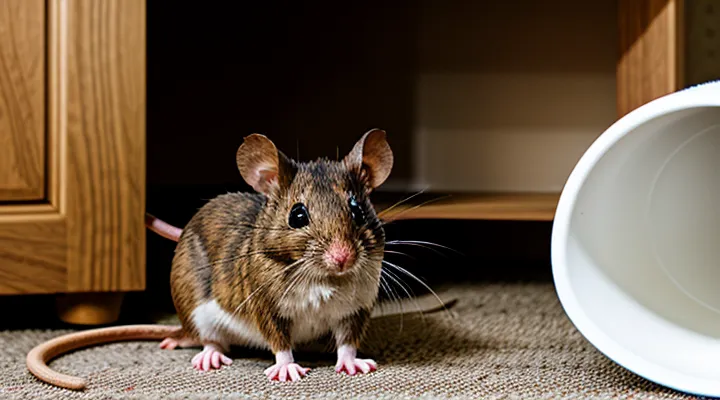
Understanding the Mouse Problem in Private Homes
Signs of Mouse Infestation
Droppings and Urine Smells
Droppings and urine odors provide the most reliable indicators of a mouse presence inside a residence. Fresh droppings appear as small, dark, rice‑shaped pellets, typically found along walls, behind appliances, and in concealed corners. Accumulated waste releases a pungent ammonia‑like scent that intensifies in warm, humid conditions. Both droppings and urine carry pathogenic bacteria and viruses, posing health hazards such as salmonellosis and hantavirus infection. Immediate removal and neutralization are essential to prevent disease transmission and to discourage further rodent activity.
Effective folk‑based sanitation follows a clear sequence:
- Wear disposable gloves and a mask; seal them in a bag after use.
- Vacuum dry droppings with a HEPA‑rated device; avoid stirring up dust.
- Sprinkle a mixture of baking soda and white vinegar onto wet urine stains; allow a five‑minute reaction.
- Scrub the area with hot, soapy water; rinse thoroughly.
- Dispose of cleaning residues in a sealed container; discard in an outdoor trash bin.
Natural deodorizers, such as crushed dried lavender buds or a few drops of eucalyptus oil, can be placed near known infestation sites after cleaning. These substances emit strong aromatic compounds that mask residual smells, reducing the likelihood of mice returning to the treated area. Regular inspection of potential droppings locations, combined with prompt sanitary action, maintains a hygienic environment and supports long‑term rodent deterrence.
Gnaw Marks and Damage
Gnaw marks appear as crescent‑shaped teeth impressions on wood, plastic, wires and furniture. The pattern reflects the rodent’s incisors, typically 2–3 mm apart, and indicates active chewing. Identifying these signs confirms the presence of a small mammal in the residence.
Common sites include baseboards, pantry shelves, cable conduits and structural timber. Damage to electrical wiring creates fire hazards; compromised insulation reduces energy efficiency; chewed wooden frames weaken load‑bearing elements. Early detection prevents escalation to costly repairs.
Traditional countermeasures focus on deterrence and protection without chemical agents. Effective practices consist of:
- Sealing entry points with steel wool and caulk to block access.
- Applying strong‑smelling natural repellents such as peppermint oil, cloves or dried lavender on surfaces prone to gnawing.
- Installing abrasive barriers (copper mesh, metal strips) around vulnerable wiring and wooden beams.
- Offering alternative chewing material, for example, untreated hardwood blocks infused with essential oils, to redirect activity away from structural components.
Regular inspection of susceptible areas, combined with these folk remedies, reduces the likelihood of extensive gnaw damage and preserves the integrity of the private dwelling.
Nests and Hiding Spots
Mice construct nests from shredded paper, fabric, insulation, and dried plant material. Nests are typically found behind walls, under appliances, within attics, and inside closets where clutter provides concealment. Hiding spots include gaps around pipes, openings beneath floorboards, and voids in furniture cushions.
Disrupting these sites with folk methods reduces infestation risk:
- Sprinkle powdered cayenne pepper or ground cloves in known entry points; the strong scent deters mice from re‑entering.
- Place sachets of dried lavender or mint leaves near suspected nests; aromatic compounds mask familiar odors and encourage abandonment.
- Apply a thin layer of diatomaceous earth along baseboards and behind appliances; the abrasive particles damage the rodents’ exoskeletons, prompting relocation.
- Seal cracks and crevices with a mixture of lime and sand; lime creates an alkaline environment unfavorable to nesting activity.
Regular inspection of concealed areas, removal of debris, and prompt repair of structural gaps prevent new nest formation and limit existing hiding places.
Why Folk Remedies?
Safety for Children and Pets
Traditional mouse‑deterrent methods often involve substances that can harm young children and household animals. Selecting non‑toxic options and applying them correctly reduces accidental ingestion or contact.
- Avoid powdered repellents such as ground pepper, cayenne, or cinnamon near play areas; dust can be inhaled or swallowed by toddlers.
- Store homemade bait mixtures in sealed containers out of reach of children and pets; label containers with clear warnings.
- Use natural deterrents like lavender oil or mint leaves placed on high shelves, away from floor level where pets crawl.
- Install physical barriers—mesh screens on vents and gaps, steel wool in cracks—to prevent mouse entry without chemical exposure.
For pet protection, keep rodents’ carcasses and dead‑insect traps away from feeding bowls and litter boxes. Dispose of used traps in sealed bags before discarding. Monitor animals for signs of irritation, such as sneezing or skin redness, after introducing any aromatic repellent.
Regular cleaning eliminates food residues that attract mice and reduces the need for potent remedies. Vacuum crumbs, wipe surfaces with mild vinegar solution, and secure garbage in tightly sealed bins. These practices maintain a safe environment for both children and animals while employing folk‑based mouse control.
Cost-Effectiveness
Cost‑effectiveness defines the balance between monetary outlay and the results achieved when employing traditional mouse‑control measures in a residence.
Commercial traps, electronic devices, and professional extermination services often require upfront investment ranging from several dollars per unit to hundreds for service contracts. By contrast, household‑based folk solutions rely on readily available substances, reducing direct expenses dramatically.
Typical low‑cost components include:
- Peppermint oil, approximately $5 per 15 ml bottle; a few drops placed on cotton balls deter rodents.
- Ground cayenne pepper, about $2 per ounce; sprinkled along entry points creates an aversive environment.
- Steel wool, roughly $3 for a 1‑inch roll; inserted into gaps blocks passage without chemical use.
- Vinegar solution, negligible cost when diluted with tap water; applied to surfaces eliminates scent trails.
These items, purchased in small quantities, often remain within a total budget of $10‑$15, sufficient for several weeks of preventive action.
Long‑term savings arise from the elimination of recurring trap purchases, pesticide refills, and professional fees. Additionally, the absence of hazardous chemicals lowers potential health expenditures associated with exposure.
Overall, folk remedies present a financially sustainable alternative, delivering comparable rodent‑control outcomes while maintaining minimal ongoing costs.
Environmental Friendliness
Environmental concerns dominate decisions about rodent control in residential settings. Folk‑based approaches offer low‑impact alternatives that avoid synthetic poisons and reduce chemical discharge into soil and water.
• Peppermint essential oil applied on cotton balls creates a scent that mice avoid; the oil biodegrades rapidly.
• Steel wool packed into entry gaps blocks passage while remaining recyclable.
• Homemade snap traps constructed from wood and string eliminate reliance on plastic components.
• Diatomaceous earth spread along baseboards desiccates insects without toxic residues.
• Plantings of lavender, rosemary, or mint around the perimeter deter rodents naturally.
Selection of biodegradable or reusable materials limits waste generation. Disposal of used traps follows standard compostable or recycling streams, preventing landfill accumulation. Non‑toxic substances protect children and pets, eliminating secondary poisoning risks.
Adopting these methods reduces the ecological footprint of household pest management. The approach aligns with sustainable living principles, preserving indoor health while protecting surrounding ecosystems.
Effective Folk Remedies for Mouse Control
Repellents Based on Strong Scents
Peppermint Oil and Cotton Balls
Peppermint oil is a volatile essential oil whose strong menthol scent disrupts the olfactory receptors of rodents, causing avoidance of treated areas. The oil’s natural composition makes it safe for indoor use when applied correctly, and it leaves no toxic residues.
To employ peppermint oil with cotton balls, follow these steps:
- Soak a plain cotton ball until it is saturated but not dripping.
- Insert the cotton ball into a small, airtight container or a breathable pouch to prevent evaporation loss.
- Position the prepared cotton ball in locations where mouse activity is observed: behind appliances, in wall voids, under sinks, and near entry points.
- Replace the cotton ball every three to five days, or when the scent diminishes, to maintain an effective deterrent barrier.
Safety considerations include keeping oil‑soaked cotton away from pets and children, storing excess oil in a sealed container, and avoiding direct contact with skin to prevent irritation. Combining peppermint oil with additional low‑impact measures—such as sealing entry gaps and maintaining cleanliness—enhances overall rodent control without resorting to chemical poisons.
Cloves and Bay Leaves
Cloves and bay leaves are among the most frequently cited aromatic botanicals for deterring rodents in residential settings. Both emit strong volatile compounds that mice find unpleasant, disrupting their foraging routes and nesting sites.
The effectiveness of each herb derives from distinct chemical constituents. Cloves contain eugenol, a phenolic compound that irritates the respiratory system of small mammals. Bay leaves release essential oils such as eucalyptol and myrcene, which mask food odors and create an inhospitable olfactory environment.
Practical application:
- Place whole cloves in small fabric sachets and distribute them near known entry points, cupboards, and pantry shelves.
- Lay dried bay leaves in corners, behind appliances, and inside wall cavities where mice are likely to travel.
- Replace sachets and leaf piles weekly to maintain potency, as aromatic strength diminishes with exposure to air.
- Combine both herbs in a single sachet for a synergistic effect, ensuring a balanced ratio of approximately 10 cloves to 15 bay leaves.
Safety considerations:
- Store sachets out of reach of children and pets, as ingestion of large quantities may cause gastrointestinal irritation.
- Avoid direct contact with open flames; both herbs are flammable when dry.
Regular monitoring of mouse activity, coupled with the consistent placement of these botanicals, contributes to a reduction in rodent presence without reliance on chemical pesticides.
Ammonia-Soaked Rags
Ammonia‑soaked rags provide a strong, unpleasant odor that mice typically avoid. The scent interferes with the rodents’ scent trails, disrupting their navigation and discouraging entry into treated areas.
To employ this method effectively, follow these steps:
- Soak clean, lint‑free cloths in a solution of household ammonia diluted with water at a 1:1 ratio.
- Wring out excess liquid; the cloth should remain damp but not dripping.
- Place the rags in corners, behind appliances, and along known mouse pathways.
- Replace rags every 48 hours to maintain potency and prevent evaporation.
Safety considerations are essential. Ammonia vapors can irritate eyes, skin, and respiratory passages. Use gloves, ensure adequate ventilation, and keep rags out of reach of children and pets. Do not combine ammonia with bleach or other cleaning agents, as toxic gases may form.
Effectiveness varies with infestation level. Ammonia works best as a deterrent for low‑grade mouse activity; severe infestations may require additional physical barriers or professional intervention. Regular monitoring of rodent signs will indicate whether the rags continue to suppress activity or if further measures are necessary.
Dryer Sheets
Dryer sheets emit a strong scent that mice find unpleasant. The fragrance, often derived from synthetic fragrances and fabric softeners, masks food odors and discourages rodents from entering treated areas.
To employ dryer sheets effectively:
- Place a sheet in each kitchen cabinet, pantry, and drawer where food is stored.
- Position sheets behind appliances such as the refrigerator and stove, where mice may travel.
- Replace sheets every two weeks or when the scent diminishes.
- Combine with other non‑chemical tactics, such as sealing entry points, for greater success.
The method works because mice rely heavily on their sense of smell to locate sustenance and navigate. A persistent, overpowering aroma interferes with this sensory cue, prompting the animal to seek alternative routes.
Caution: dryer sheets may leave residue on surfaces; test on a small, inconspicuous area before widespread use. Avoid placement near open flames or heat sources, as some sheets contain flammable compounds.
When integrated into a broader, low‑cost strategy, dryer sheets provide a simple, readily available means of reducing mouse activity in a private residence.
Natural Deterrents and Barriers
Steel Wool and Caulk for Entry Points
Mice exploit gaps as small as a quarter‑inch to infiltrate residential interiors. Sealing these openings eliminates the primary pathway and reduces the likelihood of infestation.
«steel wool» provides a physical barrier that rodents cannot chew through. Select a grade fine enough to compress within cracks around pipes, vents, and foundation seams. Pack the material tightly, ensuring no voids remain. The tangled fibers interlock, creating a resilient plug that resists gnawing.
«caulk» reinforces the barrier and restores structural integrity. Apply a bead of silicone or acrylic caulk over the packed steel wool, smoothing it to fill surrounding voids completely. The adhesive hardens, locking the wool in place and preventing moisture ingress.
Regular inspection maintains effectiveness. Identify new openings after renovations or seasonal shifts, replace deteriorated steel wool, and reapply caulk as needed. Consistent upkeep preserves a sealed environment that deters mouse entry.
Fabric Softener Sheets in Cabinets
Fabric softener sheets placed inside kitchen and bathroom cabinets act as a low‑cost, scent‑based deterrent against house mice. The strong fragrance released by the sheets overwhelms the rodents’ sensitive olfactory system, causing avoidance of treated areas.
The method relies on continuous emission of volatile compounds. When a sheet contacts the air, it disperses aromatic chemicals that mask food odors and create an unpleasant environment for mice. This effect persists for several weeks, after which the scent diminishes and replacement is required.
Application guidelines
- Select sheets with a strong, long‑lasting scent such as lavender, citrus, or pine.
- Position one sheet on the back wall of each cabinet, away from direct contact with food containers.
- Replace sheets every 2–3 weeks, or when the fragrance fades noticeably.
- Avoid stacking multiple sheets in a single space; a single sheet provides sufficient coverage.
Safety considerations include keeping sheets out of reach of children and pets, preventing direct contact with food items, and monitoring for allergic reactions. If a sheet becomes wet, discard it immediately to avoid mold growth.
Fabric softener sheets should complement, not replace, other traditional rodent‑control measures such as sealing entry points, maintaining cleanliness, and using natural repellents like peppermint oil. Regular inspection of cabinets ensures early detection of any mouse activity and allows timely reinforcement of the scent barrier.
Placing Mothballs (Naphthalene)
Mothballs, containing naphthalene or paradichlorobenzene, release volatile compounds that irritate the respiratory system of rodents. The vapors act as a repellent rather than a lethal agent, creating an environment that mice tend to avoid.
Placement guidelines:
- Position small packets (approximately 20 g each) in concealed areas where mouse activity is observed: behind appliances, under sinks, within wall voids, and in pantry corners.
- Distribute one packet per 10 m² of interior space; avoid clustering to prevent excessive vapor concentration.
- Replace packets every four weeks, or sooner if the scent diminishes, to maintain repellent potency.
- Ensure packets remain in sealed containers or cloth bags to limit direct contact with surfaces.
Safety considerations:
- Naphthalene vapors are toxic to humans, pets, and wildlife; maintain adequate ventilation and restrict access to treated zones.
- Store unused mothballs in a locked cabinet, out of reach of children and animals.
- Do not apply mothballs directly to food items, bedding, or surfaces that may be touched frequently.
- Observe local regulations; some jurisdictions restrict indoor use of naphthalene due to health risks.
Effectiveness assessment:
- Repellent action persists only while the scent remains strong; effectiveness declines as vapors dissipate.
- Mothballs do not address structural entry points; sealing cracks, gaps, and holes is essential for long‑term control.
- Reliance solely on this method may result in temporary displacement rather than eradication of the infestation.
In practice, mothballs serve as a supplemental, short‑term deterrent within a comprehensive rodent‑management strategy that includes sanitation, exclusion, and, when necessary, professional intervention. «Mothballs emit vapors that irritate rodent respiratory systems», providing a modest barrier against intrusion when applied correctly and safely.
Traps and Baits Using Household Items
DIY Bucket Traps
DIY bucket traps provide an inexpensive, chemical‑free solution for indoor rodent control. The design consists of a sturdy bucket, a ramp, and a bait station that forces mice to fall into a sealed container where escape is impossible.
Materials required:
- 5‑gal plastic bucket with lid
- Wooden plank or sturdy cardboard for ramp
- Small piece of stiff wire or zip tie for trigger mechanism
- Peanut butter, oats, or cheese as bait
- Duct tape or strong adhesive
Construction steps:
- Cut a circular opening near the bucket’s rim, slightly larger than the mouse’s head. Secure the opening with duct tape to prevent tearing.
- Attach the ramp to the bucket’s exterior, angling it downward toward the opening. Ensure the ramp’s surface is smooth enough for easy climbing.
- Position the bait at the far end of the ramp, just above the opening. Secure the bait platform with a wire or zip tie so that any pressure from a mouse releases the trigger.
- Place the lid on the bucket, leaving a narrow gap for the ramp to extend through. Seal any gaps with tape to block scent escape.
- Position the assembled trap along walls, behind appliances, or near known mouse pathways. Mice naturally travel close to edges, increasing capture likelihood.
Maintenance guidelines:
- Check the trap daily; remove captured rodents with disposable gloves and seal them in a plastic bag before disposal.
- Clean the bucket with hot, soapy water after each capture to eliminate odors that could deter further activity.
- Reapply fresh bait after each removal to maintain attraction.
- Replace the ramp or trigger mechanism if wear compromises functionality.
Safety considerations:
- Keep the trap out of reach of children and pets; the design targets small rodents only.
- Avoid using toxic baits; the method relies on physical entrapment rather than poison, reducing health risks.
Consistent placement of properly constructed bucket traps can significantly reduce mouse populations in a private residence without resorting to chemical interventions.
Sticky Traps with Peanut Butter
Sticky traps baited with peanut butter provide an effective, low‑cost method for reducing mouse activity inside a residence. Peanut butter’s strong scent attracts rodents, while the adhesive surface immobilizes them upon contact.
To prepare and deploy the traps correctly, follow these steps:
- Select traps with a smooth, non‑perforated adhesive plate; ensure the surface is free of dust before use.
- Apply a pea‑sized amount of peanut butter to the center of each trap, avoiding excess that could smear onto surrounding surfaces.
- Position traps along established mouse pathways: near walls, behind appliances, and close to food storage areas.
- Place traps perpendicular to the wall, with the baited side facing the anticipated direction of travel.
- Check traps daily; dispose of captured rodents using sealed containers and replace traps as needed.
Maintenance considerations include keeping the bait fresh, rotating trap locations to prevent habituation, and storing unused traps in a cool, dry place to preserve adhesive strength.
When combined with basic sanitation—sealing entry points, removing food debris, and limiting clutter—peanut‑butter sticky traps contribute to a comprehensive, folk‑based strategy for managing mouse infestations in private homes.
Using Baking Soda as a Bait
Baking soda can serve as an effective attractant for rodents when combined with a palatable carrier. The compound itself does not kill mice; it creates an inhospitable environment after ingestion, leading to dehydration and eventual death.
- Mix one part baking soda with a sweet, moisture‑rich food such as peanut butter or honey. The ratio of 1 g baking soda to 2 tbsp carrier ensures adequate potency without deterring interest.
- Form the mixture into small, bite‑sized balls. Size comparable to a pea maximizes handling and placement ease.
- Position the bait in concealed locations where mouse activity is observed: behind appliances, along baseboards, and within wall voids. Secure each ball on a piece of cardboard to prevent accidental contact with pets or children.
- Replace bait every 3–4 days. Degradation of the carrier reduces attractiveness, while fresh bait maintains consistent lure.
Safety considerations include isolating bait from non‑target animals and ensuring ventilation in the treated area. Baking soda does not emit toxic fumes; however, ingestion by pets can cause gastrointestinal upset. If accidental consumption occurs, consult a veterinarian promptly.
Effectiveness depends on the mouse’s willingness to consume the carrier. Sweetened mixtures exploit the rodent’s preference for high‑energy foods, increasing the likelihood of ingestion. Regular monitoring of bait stations allows assessment of activity levels and adjustment of placement strategy.
Plants as Natural Repellents
Planting Mint Around the House
Planting mint around a residence creates a natural barrier that discourages rodent intrusion. The strong aromatic compounds emitted by mint leaves interfere with mice’s scent‑tracking abilities, reducing the likelihood of nesting in adjacent areas.
For effective deployment, follow these guidelines:
- Select a sunny or partially shaded spot near entry points such as doors, windows, and utility openings.
- Prepare soil with good drainage; incorporate organic matter to support vigorous growth.
- Space plants 30–45 cm apart to form a continuous hedge.
- Use a variety of mint species (e.g., spearmint, peppermint) to maintain scent diversity.
Regular maintenance sustains the deterrent effect. Trim stems weekly to prevent flowering, which can diminish aromatic intensity. Replace any wilted sections annually to preserve a dense foliage layer.
Research indicates that mint’s volatile oils act as a mild irritant to rodents, disrupting their olfactory cues. Continuous exposure to the scent reduces exploratory behavior, prompting mice to seek alternative routes. Integrating mint planting with other traditional measures—such as sealing gaps and removing food sources—enhances overall rodent control in a private home.
Tansy and Wormwood
Tansy (Tanacetum vulgare) and wormwood (Artemisia absinthium) are long‑standing botanical agents employed against rodent intrusion in residential settings. Both species emit volatile compounds that deter mice by disrupting their olfactory cues.
Tansy contains thujone, camphor, and sesquiterpene lactones, which create an unpleasant scent for rodents. Wormwood supplies artemisinin‑related substances and bitter essential oils that produce a similar repellent effect. When applied correctly, these plants can reduce mouse activity without resorting to chemical poisons.
Application guidelines
- Gather fresh or dried foliage of each plant; avoid using treated or pesticide‑laden material.
- Form a loose bundle of 30–40 g of dried leaves for each plant.
- Secure each bundle in breathable cloth (e.g., muslin) and tie tightly.
- Place bundles near known entry points, such as gaps under doors, vents, and foundation cracks.
- Replace bundles every two weeks, or when the scent fades noticeably.
Safety considerations
- Tansy and wormwood are toxic if ingested in large quantities; keep bundles out of reach of children and pets.
- Wear gloves while handling dried material to prevent skin irritation.
- Do not apply directly to food‑preparation surfaces; maintain a minimum distance of 30 cm from countertops and utensils.
Effectiveness assessment
- Field observations report a decline in mouse sightings within 48 hours of bundle placement.
- Complete eradication requires integration with structural sealing and sanitation measures.
Combining these herbal deterrents with routine exclusion practices offers a low‑cost, environmentally friendly strategy for managing mouse problems in private homes.
Elderberry Branches
Elderberry branches serve as a natural deterrent against house‑bound rodents. The woody stems contain aromatic compounds that rodents find unpleasant, prompting avoidance of areas where the material is placed.
Application methods include:
- Cut fresh or dried branches into 10‑15 cm sections. Distribute the pieces along baseboards, behind appliances, and near entry points.
- Tie bundles with twine and hang them from ceiling beams in concealed corners. The scent disperses slowly, maintaining effectiveness over several weeks.
- Create a loose barrier by laying whole branches across open gaps under doors. The physical obstruction combined with the odor discourages mice from squeezing through.
Efficacy relies on regular replacement. Replace branches every three to four weeks to sustain a strong aroma. For optimal results, combine elderberry branches with other traditional repellents such as dried mint leaves or crushed peppercorns, ensuring a multi‑sensory deterrent environment.
Prevention and Long-Term Strategies
Maintaining a Clean Environment
Food Storage and Spills
Secure food storage eliminates primary attractants for rodents. Place dry goods in airtight containers made of glass, metal, or heavy‑wall plastic; ensure lids seal tightly. Keep pantry shelves clear of debris; discard expired items promptly. Regularly inspect storage areas for signs of gnawing or nesting, and replace compromised containers immediately.
Address spills instantly to prevent scent trails that guide mice. Wipe crumbs from countertops, floors, and appliances with a damp cloth; avoid dry sweeping, which disperses particles. Store pet food in sealed bins and feed only the amount needed for each meal. Use natural deterrents such as a few drops of peppermint oil on cotton balls placed near potential entry points; replace every few days to maintain potency.
Practical steps:
- Transfer cereals, grains, and nuts to hermetic jars.
- Seal trash cans with tight‑fitting lids; empty daily.
- Clean under appliances and behind cabinets weekly.
- Place small dishes of dried lavender or crushed cloves in pantry corners.
- Inspect and repair any cracks in walls or flooring that could allow entry.
Decluttering and Organization
Decluttering eliminates hiding places that attract rodents. Removing excess items reduces food sources, moisture, and shelter, creating an environment where folk deterrents become more effective.
- Store pantry goods in airtight containers; glass or heavy‑wall plastic jars prevent scent leakage.
- Dispose of cardboard boxes, paper piles, and fabric scraps that rodents can gnaw or nest in.
- Keep countertops clear; wipe crumbs immediately after meals.
- Arrange furniture away from walls, allowing inspection of floor edges for droppings or gnaw marks.
- Seal gaps under appliances and behind cabinets with natural sealants such as beeswax or plant‑based oil mixtures.
Organization supports the placement of traditional repellents. Designate specific zones for herbal deterrents—dry mint, lavender, or crushed garlic—near entry points and potential nesting sites. Rotate these herbs weekly to maintain potency.
Regularly audit storage areas. Identify items that have been unused for more than six months and discard or donate them. A systematic inventory prevents accumulation that could conceal food or nesting material.
Implementing a routine cleaning schedule reinforces these measures. Sweep floors, vacuum corners, and wash dishes promptly. Consistent maintenance denies mice the opportunity to establish a foothold, allowing folk remedies to function without obstruction.
Sealing Entry Points
Inspecting Foundation and Walls
Inspecting the foundation and walls reveals entry points that allow rodents to infiltrate a residence. Cracks, gaps around utility pipes, and deteriorated caulking create pathways for mice to travel from the outdoors to interior spaces. Identifying these openings enables the application of traditional sealing methods before any pest‑deterrent substances are deployed.
- Examine the exterior perimeter at ground level; look for openings wider than a quarter inch.
- Probe seams between foundation blocks and the soil for loose mortar.
- Check the interior side of walls for signs of gnaw marks, droppings, or disturbed insulation.
- Survey the area around vents, vents covers, and crawl‑space doors for damaged screens or missing latches.
- Use a flashlight to inspect hidden corners behind appliances and storage units.
After locating each breach, fill cracks with a mixture of clay, sand, and natural binders such as wheat paste. Apply a thin layer of oil‑based sealant derived from beeswax to prevent re‑entry. Replace damaged screens with tightly woven mesh. Regularly repeat the inspection after seasonal weather changes to maintain a barrier against future infestations.
Repairing Gaps Around Pipes and Wires
Sealing openings around plumbing, electrical conduits, and cable bundles eliminates the primary pathways mice exploit to infiltrate a residence.
Typical gap locations include the space between pipe sleeves and wall studs, the void behind wall plates, and the clearance around drilled holes for cable runs.
Effective folk‑based sealing combines readily available materials with natural deterrents. Steel wool, densely packed, blocks rodent passage while discouraging chewing. When combined with a layer of caulk, the assembly resists moisture and maintains structural integrity. Expanding foam, mixed with powdered peppermint or dried lavender, fills irregular cavities and adds a scent mice avoid.
Procedure for repairing gaps:
- Inspect all visible pipe and wire penetrations; locate any cracks or openings.
- Insert steel wool tightly into each gap, ensuring no exposed fibers remain.
- Apply a bead of silicone or acrylic caulk over the wool, smoothing the surface.
- For larger voids, dispense expanding foam, then sprinkle the chosen dried herb into the foam before it cures.
- Allow curing time according to product instructions; trim excess material once hardened.
Regularly revisit sealed areas during seasonal maintenance. Reapply caulk or foam where wear appears, and replace depleted natural repellents to sustain a barrier that discourages rodent re‑entry.
Regular Inspection and Monitoring
Checking Attics and Basements
Inspecting attics and basements forms the first line of defense against mouse intrusion in a residence. These areas provide shelter, easy access to utilities, and pathways to living spaces, making them prime targets for rodents seeking food and warmth.
Effective inspection follows a systematic approach:
- Seal all exterior openings larger than a quarter‑inch before entering the space.
- Use a bright flashlight to illuminate dark corners, rafters, and joist spaces.
- Examine insulation for gnaw marks, shredded fibers, or droppings.
- Check stored items, boxes, and pallets for burrow entrances or nesting material.
- Record the location of each finding for targeted treatment.
Visible indicators confirm mouse activity. Fresh droppings, oily streaks along walls, and shredded paper or fabric signal active nesting. Small holes in wiring, piping, or structural wood reveal entry points that require immediate closure.
Traditional remedies can be deployed once problem zones are identified. Place sachets of dried peppermint, dried lavender, or crushed dried rosemary in concealed corners; the strong aromatic oils deter rodents without chemical exposure. Sprinkle powdered cayenne pepper or ground cloves along identified entryways; the irritant scent discourages further passage. For long‑term protection, line accessible gaps with copper mesh or steel wool, then seal with natural latex caulk to prevent re‑infestation.
Regular quarterly reviews of attics and basements sustain a mouse‑free environment, ensuring that folk deterrents remain effective and that new breaches are addressed promptly.
Garden and Outdoor Areas
Mice frequently exploit garden edges, compost piles, and exterior structures as entry points to private residences. Controlling rodent activity in these outdoor zones reduces the likelihood of indoor infestations and supports overall household hygiene.
- Plant strong‑smelling herbs such as mint, rosemary, and lavender around fence lines and garden beds; aromatic foliage deters rodents without chemical intervention.
- Distribute dried chilies or crushed red‑pepper flakes near burrows and under decking; capsaicin irritates sensory receptors, prompting mice to avoid the area.
- Scatter crushed garlic cloves or garlic‑infused oil around compost heaps; sulfur compounds create an unpleasant environment for foraging rodents.
- Install copper mesh or hardware cloth around garden sheds, raised beds, and storage cabinets; rodents cannot gnaw through metal, eliminating hidden pathways.
- Maintain a clear perimeter by removing tall grass, debris, and dense vegetation that provide cover; exposure reduces shelter availability and discourages nesting.
Additional measures reinforce the primary tactics. Regularly empty and seal compost containers to prevent food attractants. Position bird feeders away from building foundations, and use feeder designs that limit spillage. Apply a thin layer of diatomaceous earth along garden borders; the abrasive particles damage the exoskeleton of small mammals, creating a physical deterrent. Periodic inspection of exterior walls and foundations for gaps, followed by sealing with steel wool and caulk, blocks potential ingress routes.
By integrating aromatic plants, natural irritants, physical barriers, and diligent site maintenance, homeowners can effectively employ traditional, non‑chemical strategies to keep mice away from garden and outdoor areas, thereby protecting the interior of the dwelling.
Pet Contribution
The Role of Cats
Cats act as natural predators of house mice, offering a traditional method of rodent control in private residences. Their keen hearing, sharp eyesight, and rapid reflexes enable detection and capture of small mammals that hide in walls, cabinets, or floorboards.
Effective use of felines requires attention to breed, temperament, and health. Medium‑size, active breeds such as the Domestic Shorthair or Bengal display higher hunting drive. Regular veterinary check‑ups prevent disease transmission and maintain agility. Providing balanced nutrition discourages over‑feeding, preserving the cat’s instinct to hunt rather than rely solely on supplied food.
«A cat in the house keeps mice at bay» reflects a long‑standing folk belief that aligns with observed predation patterns. When a cat patrols a home, mouse activity declines as individuals avoid areas where a predator is present. This deterrent effect reduces the need for chemical repellents or traps.
Advantages and limitations:
-
Advantages
- Continuous presence eliminates the need for repeated trap placement.
- Minimal financial cost after initial acquisition and care.
- Immediate feedback through captured prey, confirming efficacy.
-
Limitations
Selecting a cat with proven predatory instincts, maintaining its health, and allowing access to typical mouse habitats maximizes the traditional, animal‑based approach to rodent management in a private home.
Other Animals as Deterrents
Utilizing living predators offers a practical, low‑cost component of traditional rodent control within a private residence. Animals that naturally hunt or intimidate mice can reduce infestations without chemical interventions.
- Cats: instinctual hunters; presence alone discourages nesting, while active predation removes individuals.
- Ferrets: slender bodies enable pursuit through narrow gaps; scent and movement provoke avoidance.
- Barn owls: nocturnal hunters; installation of a small nesting box attracts owls that hunt mice at night.
- Hedgehogs: nocturnal foragers; their spiny defense deters smaller rodents from approaching.
- Snakes (non‑venomous species such as corn snakes): predatory behavior creates a perceived threat, prompting mice to relocate.
When integrating these deterrents, consider habitat suitability, local regulations, and humane care requirements. Provide appropriate shelter, food, and veterinary oversight to maintain animal health and effectiveness. Positioning habitats near known mouse activity zones maximizes deterrent impact. Regular monitoring ensures that predator presence remains consistent and that mouse populations decline accordingly.