
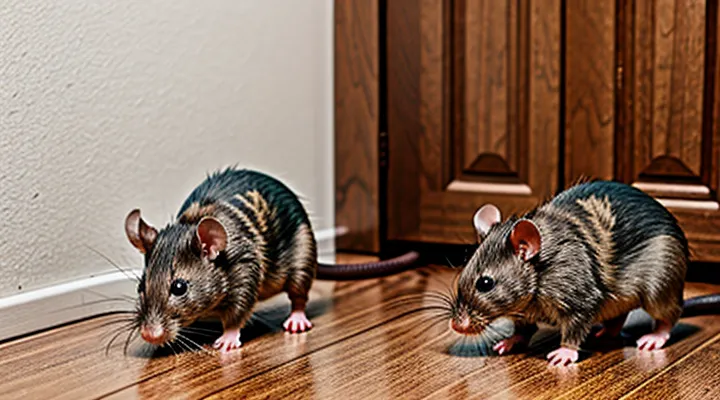
Understanding the Rat Problem
Identifying Rat Presence
Signs of Rats
Rats reveal their presence through distinct indicators that precede any eradication effort. Recognizing these signs enables prompt intervention and prevents infestation from worsening.
• Fresh droppings, typically dark, rod‑shaped, and about one inch long, often found near food sources, along walls, or in hidden corners.
• Gnaw marks on wood, plastic, or wiring, characterized by clean, parallel cuts approximately half an inch deep.
• Scratching or scurrying sounds, especially at night, emanating from walls, ceilings, or attic spaces.
• Visible tracks or footprints in dust, sand, or powdered surfaces, displaying a characteristic four‑toed pattern.
• Nests constructed from shredded paper, fabric, insulation, or dried plant material, usually located in concealed areas such as behind appliances or within wall cavities.
• Persistent, oily residue or grease streaks along baseboards and countertops, left by rats’ fur and saliva.
• Strong, musky odor, intensifying in confined spaces, indicating the accumulation of urine and feces.
Common Hiding Spots
Rats exploit concealed areas that provide darkness, protection, and easy access to food sources. Identifying these locations is essential for effective rodent removal from indoor environments.
- Spaces behind wall panels or baseboards, where gaps allow entry and concealment.
- Gaps in flooring or beneath carpets, offering pathways to hidden chambers.
- Areas under appliances such as refrigerators, stoves, and dishwashers, where heat and shelter coexist.
- Insulation within walls, attics, and ceilings, presenting warm, undisturbed environments.
- Cluttered closets and storage rooms, especially those containing boxes, clothing, or paper.
- Furniture cavities, including hollow legs of tables, sofas, and upholstered pieces.
- Piles of discarded material, such as cardboard, trash bags, or construction debris, that create temporary nests.
Each spot shares characteristics of limited light, minimal disturbance, and proximity to potential food. Regular inspection of these zones, combined with sealing entry points, reduces the likelihood of rodent habitation and supports long‑term control measures.
Why Rats are a Problem
Health Risks
Rats inhabiting an indoor environment pose significant health hazards. Direct contact with rodent saliva, urine, or feces can transmit pathogens such as hantavirus, leptospirosis, salmonella, and rat‑bite fever. Inhalation of aerosolized particles from dried droppings may lead to respiratory infections and allergic reactions. Contamination of food supplies creates a route for gastrointestinal illnesses, while bite injuries introduce bacterial infections that require medical treatment. Structural damage caused by gnawing can expose occupants to mold growth, further aggravating asthma and other respiratory conditions.
Key health risks include:
- Vector‑borne diseases (hantavirus, leptospirosis, plague)
- Foodborne infections (salmonella, E. coli)
- Skin and soft‑tissue infections from bites or scratches
- Allergic sensitization to rodent dander and urine proteins
- Respiratory complications from mold and dust contaminated by rodent activity
Mitigating these hazards requires prompt removal of rodents, thorough sanitation of affected areas, and sealing of entry points to prevent re‑infestation. Professional pest‑control measures combined with regular monitoring reduce the likelihood of disease transmission and protect indoor air quality.
Property Damage
Rats infiltrating indoor spaces inflict extensive property damage that compromises safety and increases repair costs. Their incisive teeth enable continuous gnawing of building materials, wiring, and stored goods, leading to structural weakness and fire hazards.
Typical damage includes:
- Chewed wooden beams, flooring, and insulation, reducing load‑bearing capacity.
- Severed electrical cables, causing short circuits, equipment failure, and elevated fire risk.
- Contaminated food supplies and packaging, resulting in loss of inventory and health violations.
- Damaged plumbing fixtures and pipes, producing leaks and water‑damage complications.
- Burrowed holes in walls and ceilings, creating entry points for additional pests and drafts.
Effective rodent removal strategies must address these vulnerabilities. Sealing entry points, deploying traps, and applying appropriate baits limit further gnawing. Regular inspections of wiring, structural components, and stored items detect early signs of damage, allowing prompt remediation before extensive loss occurs.
Preparation and Prevention
Sealing Entry Points
Inspecting the Room
Inspecting the room is the initial phase of any rat removal operation. The objective is to locate evidence of activity, identify access routes, and assess conditions that may influence control measures.
Key inspection points:
- Droppings: dark, pellet‑shaped feces near walls, cupboards, and hidden corners. Presence confirms active infestation.
- Gnaw marks: parallel scratches on wood, plastic, or wiring, especially around edges of cabinets and baseboards.
- Nest material: shredded paper, fabric, or insulation gathered in concealed areas such as behind appliances or under furniture.
- Odor: strong, musky scent emanating from confined spaces indicates large numbers of occupants.
- Entryways: gaps larger than 6 mm around pipes, vents, windows, and doors. Cracks in walls or floor joints provide unimpeded access.
Systematic walkthrough should follow a clockwise pattern, beginning at the doorway and progressing toward the farthest corner. Each segment must be examined for the listed indicators before moving onward. Documentation of findings, including location coordinates and type of evidence, supports targeted placement of traps and sealing actions.
After evidence collection, prioritize sealing of identified entry points. Use steel wool, caulk, or hardware cloth to block openings. Verify that all potential routes are addressed before implementing bait stations or live traps.
Accurate inspection reduces the likelihood of missed populations, shortens the control timeline, and minimizes damage to property.
Materials for Sealing
Sealing cracks and openings eliminates entry points that rats exploit to access a room. Effective sealing requires durable, non‑porous materials that resist gnawing and environmental degradation.
• Steel wool, pressed tightly into gaps, provides a barrier that rodents cannot bite through; combine with an adhesive sealant for permanence.
• Expanding polyurethane foam, applied to larger voids, hardens into a solid mass that fills irregular spaces; select a formulation with high tensile strength.
• Cement‑based mortar, mixed to a dense consistency, secures around pipe penetrations and structural joints; cure fully before exposure to moisture.
• Metal flashing, cut to size and fastened with corrosion‑resistant screws, covers seams around vents and utility openings; ensure overlap of at least two inches.
• Silicone or acrylic caulk, used for narrow seams around windows and doors, adheres flexibly and remains effective under temperature fluctuations.
Prior to application, clean all surfaces to remove debris and dust, ensuring optimal adhesion. Verify that each material is compatible with the substrate to prevent premature failure. Regular inspection after sealing confirms integrity and deters future infestations.
Removing Food and Water Sources
Proper Food Storage
Proper food storage directly reduces the attraction of rodents to a room. Sealed containers prevent scent leakage, eliminate easy access, and discourage foraging behavior.
- Use containers with lock‑tight lids made of metal or heavy‑wall plastic.
- Store dry goods, grains, and pet food in original packaging only after transferring to sealed containers.
- Label containers with purchase dates to encourage timely consumption and rotation.
Maintain a clean environment around storage areas. Remove crumbs, spills, and waste promptly. Clean shelves with a mild detergent, then dry thoroughly before restocking. Inspect containers weekly for cracks or compromised seals, replacing any damaged units immediately.
Eliminating food sources complements other control measures, such as sealing entry points and setting traps. When food is inaccessible, rats lose a primary incentive to remain, facilitating successful removal of the pests from the space.
Eliminating Water Leaks
Water infiltration creates a reliable food and shelter source for rodents, encouraging them to occupy indoor spaces. Eliminating moisture sources removes a primary incentive for rats to remain in a room.
Identify all points where water escapes from plumbing, roofing, or foundation. Common origins include dripping faucets, cracked pipe joints, roof tile fractures, and basement wall seepage. Visual inspection and moisture meters reveal hidden leaks that are not immediately apparent.
Steps to stop water leaks:
- Shut off water supply to affected sections before repair.
- Replace worn seals and gaskets on faucets and valves.
- Apply pipe‑repair tape or epoxy coating to minor cracks.
- Install flashing and sealant around roof penetrations.
- Use waterproofing membranes on basement walls and floors.
- Verify repair effectiveness with a moisture detector after completion.
After repairs, maintain a dry environment by regularly inspecting for condensation, ensuring proper ventilation, and promptly addressing any new drips. «Dry conditions discourage rodent habitation», reinforcing overall pest‑control efforts.
Cleaning and Sanitization
Disinfecting Surfaces
Disinfecting surfaces eliminates pathogens left by rodents and prevents re‑infestation. Use an EPA‑registered disinfectant effective against bacteria, viruses, and parasites commonly carried by rats. Apply the product according to label instructions, ensuring full coverage of floors, walls, countertops, and any objects the rodents may have contacted.
- Remove debris, droppings, and urine before applying disinfectant.
- Wear protective gloves and a mask to avoid direct contact with contaminants.
- Wet the area with the disinfectant, allow the recommended dwell time, then wipe or rinse as directed.
- Dispose of used cleaning materials in sealed bags and seal them before removal.
After treatment, allow the room to air out until the odor dissipates. Verify that no moisture remains, as damp conditions attract pests. Regular cleaning with the same disinfectant maintains a hygienic environment and discourages future rodent activity.
Removing Debris
Removing debris is a critical step in eliminating rodents from an indoor space. Clutter provides shelter, nesting material, and concealment, allowing rats to persist despite other control measures. Effective debris removal reduces accessible hiding spots and simplifies subsequent extermination actions.
Key actions for thorough cleanup:
- Collect all items that are broken, discarded, or no longer needed; place them in sealed containers for disposal.
- Sweep, vacuum, and mop floors to eliminate crumbs, droppings, and small particles that attract rodents.
- Clear under‑furniture, behind appliances, and inside cabinets; use flashlights to detect hidden waste.
- Dispose of gathered material in sealed trash bags, then transfer to an outdoor bin with a tight‑fitting lid.
- Sanitize surfaces with a disinfectant solution after debris removal to eradicate scent trails.
By systematically eliminating clutter and maintaining a clean environment, the likelihood of rat habitation diminishes, supporting the overall objective of rodent eradication.
Eviction Methods
Trapping Strategies
Types of Traps
Effective rodent control in an indoor environment relies on selecting appropriate trapping devices. Different trap designs address specific behaviors and safety considerations.
- Snap traps – Mechanical devices that deliver a rapid strike, causing immediate mortality. Steel springs provide consistent force; bait placement influences capture rates.
- Live‑catch traps – Enclosed cages that confine rodents without injury. Suitable for relocation programs; require frequent monitoring to prevent stress.
- Electronic traps – Battery‑powered units that emit a high‑voltage shock upon entry. Offer quick kill and easy disposal of carcasses; often include indicator lights.
- Adhesive boards – Sticky surfaces that immobilize rodents. Effective for short‑term monitoring; pose humane concerns and may trap non‑target species.
- Multi‑catch traps – Chambered devices allowing several captures before emptying. Useful in high‑infestation scenarios; design minimizes handling of individual specimens.
- Ultrasonic deterrents – Emit high‑frequency sounds intended to repel rodents. Not a trap per se but can complement physical devices by reducing activity levels.
Each trap type presents trade‑offs between lethality, humane treatment, ease of use, and maintenance. Choosing the optimal combination depends on infestation severity, occupancy constraints, and local regulations.
Baiting Techniques
Effective baiting requires precise selection, placement, and monitoring to achieve reliable rodent control.
Choose attractants based on local rat diet preferences. Common options include high‑protein foods such as peanut butter, dried fish, or meat scraps, and carbohydrate sources like grain or fruit. For indoor environments, opt for low‑odor, non‑messy baits to avoid contaminating surfaces.
Prepare bait stations that limit access to non‑target species. Use sealed containers with small entry holes sized for rats, or commercial snap‑type stations equipped with lockable lids. Position stations along walls, behind furniture, and near identified runways, maintaining a distance of 1–2 feet from each other to cover the entire area.
Implement a rotation schedule to prevent bait aversion. Replace bait every 3–5 days, alternating between protein‑rich and carbohydrate‑rich formulations. Record placement dates and observations in a log to track activity patterns and adjust station density accordingly.
Dispose of used bait and any captured rodents following local health regulations. Clean stations with a mild disinfectant before reloading to maintain effectiveness and reduce disease risk.
Regular inspection, coupled with strategic bait selection and secure stations, forms the core of a successful rat‑removal program in confined indoor spaces.
Trap Placement
Effective rodent control in an interior space depends on strategic positioning of capture devices. Traps must be placed where rats travel, typically along established pathways and near food sources.
Key factors for optimal placement:
- Align traps parallel to walls, because rodents prefer moving close to vertical surfaces.
- Position devices at a distance of 12–18 inches from each other to cover multiple routes.
- Install traps behind furniture, within cabinets, and beneath appliances where concealment is common.
- Use bait that matches the local diet, secured inside the trap to encourage entry.
- Ensure each trap rests on a stable surface to prevent displacement by the animal’s weight.
After deployment, inspect traps at least twice daily. Remove captured rodents promptly, reset devices, and relocate any trap that shows no activity for 48 hours. Continuous monitoring and adjustment maintain high capture rates and expedite the clearance of the infestation.
Natural Deterrents
Essential Oils
Essential oils provide a natural, non‑chemical approach to discouraging rodents within an indoor space. Their strong aromatic compounds interfere with the sensory receptors that rats rely on for navigation and foraging, prompting the animals to avoid treated areas.
Key oils recognized for rodent deterrence include:
- Peppermint oil – high menthol concentration creates an unpleasant scent.
- Eucalyptus oil – contains eucalyptol, which irritates respiratory pathways.
- Citronella oil – emits a citrus fragrance that repels many pests.
- Clove oil – rich in eugenol, a compound toxic to rodents in concentrated form.
- Lavender oil – produces a floral aroma that disrupts nesting behavior.
Application methods:
- Soak cotton balls with a few drops of oil and place them in concealed corners, behind furniture, and near entry points.
- Use an ultrasonic diffuser to disperse oil vapors continuously for several hours each day.
- Combine oil with a carrier such as water or alcohol in a spray bottle; mist surfaces, cracks, and crevices where rats travel.
Safety considerations:
- Test oil concentration on a small surface to prevent staining or damage to furnishings.
- Ensure adequate ventilation to avoid respiratory irritation for occupants.
- Replace treated materials regularly; potency diminishes after 24–48 hours.
- Avoid use around pets that may be sensitive to strong aromas.
Essential oils serve as a practical component of a broader rodent‑control strategy, complementing sealing of entry points and removal of food sources. Their effectiveness depends on consistent application and integration with physical exclusion measures.
Other Repellents
Various non‑chemical deterrents can complement primary rodent‑removal strategies.
Ultrasonic emitters generate high‑frequency sound waves that rodents find uncomfortable. Devices should be placed near entry points and kept clear of obstacles for optimal coverage.
Essential‑oil applications rely on strong aromas that rats avoid. A solution of peppermint oil diluted in water can be sprayed along baseboards, behind appliances, and in concealed corners. Reapplication every few days maintains potency.
Ammonia vapour creates an environment that rats perceive as hostile. Small open containers of undiluted ammonia placed in hidden locations produce a lingering scent. Containers must be sealed when not in use to prevent corrosion of nearby surfaces.
Mothballs release a pungent chemical that deters rodents. Placing a few mothballs inside sealed sachets and positioning them in concealed gaps limits exposure to humans while preserving effectiveness.
Predator‑urine products mimic the scent of natural enemies such as foxes or owls. Sprinkling a thin layer of powdered urine around suspected pathways triggers avoidance behavior.
Plants with strong fragrances, for example, lavender, rosemary, and citronella, can be cultivated near windowsills or placed in pots within the affected area. Their continuous release of volatile compounds contributes to an unfriendly habitat for rats.
Each method requires regular monitoring to ensure sustained efficacy. Combining several alternatives often yields a more comprehensive barrier against rodent intrusion.
When to Call Professionals
Signs of a Severe Infestation
Severe rat infestation manifests through unmistakable indicators that demand immediate intervention.
- Extensive gnaw marks on structural components, wiring, or furniture signal prolonged activity.
- Large, irregular droppings—up to one inch in length—accumulated in clusters near food sources, nesting sites, or concealed corners.
- Persistent, musky odor, especially in enclosed areas, results from urine and glandular secretions.
- Visible nests constructed from shredded material, insulation, or paper, often located behind walls, in ceiling voids, or beneath appliances.
- Frequent audible scurrying or squeaking during daylight hours, indicating a population that no longer fears human presence.
Additional evidence includes damage to stored goods, such as gnawed packaging or contaminated provisions, and the presence of multiple live or dead rodents in traps or sightlines. These signs collectively confirm that the problem has escalated beyond a minor intrusion and requires comprehensive eradication measures.
Benefits of Professional Services
Rats in enclosed areas pose health risks, cause structural damage, and attract secondary pests. Professional pest‑control firms apply certified methods, ensuring rapid and thorough eradication.
- Certified technicians assess infestation levels, identify entry points, and implement targeted traps or baits.
- Integrated pest‑management plans minimize non‑target exposure, complying with safety regulations.
- Ongoing monitoring prevents re‑infestation, reducing long‑term expenses.
- Warranty agreements guarantee service continuity, eliminating hidden costs.
- Documentation of interventions supports regulatory compliance and insurance claims.
Expert intervention limits chemical misuse, protects occupants, and restores a sanitary environment more efficiently than DIY attempts.
Post-Eviction Measures
Ongoing Monitoring
Regular Inspections
Regular inspections form the backbone of any effective rodent‑control program. Detecting entry points, nesting sites, and food sources before infestations become severe reduces the need for reactive measures. Inspections should occur at least once a month in rooms where food storage or waste accumulation is present, and weekly in high‑risk environments such as basements or attics.
Key elements to examine during each inspection include:
- Structural gaps around pipes, vents, and electrical conduits; seal with steel‑wool or metal mesh.
- Signs of gnaw marks on furniture, wiring, or insulation; replace damaged components promptly.
- Droppings, urine stains, or grease tracks along baseboards and corners; clean with disinfectant and monitor for recurrence.
- Presence of nesting material such as shredded paper, fabric, or insulation; remove and store in sealed containers.
- Food residues or spills; maintain strict sanitation and store all items in airtight containers.
Document findings after each visit, noting location, type of evidence, and corrective actions taken. Consistent record‑keeping enables trend analysis, facilitates targeted interventions, and supports verification that the environment remains inhospitable to rodents. Regular, systematic checks therefore sustain long‑term exclusion and minimize the likelihood of re‑infestation.
Maintaining Cleanliness
Maintaining a clean environment directly reduces the availability of food, shelter, and nesting materials that attract rodents to an indoor space. Removing these attractants limits the incentive for rats to enter and remain in a room.
Effective cleaning practices include:
- Store food in sealed containers; discard leftovers promptly.
- Sweep, vacuum, and mop floors daily to eliminate crumbs and droppings.
- Clean countertops and work surfaces after each use with a disinfectant solution.
- Empty trash cans regularly; use lids that close tightly.
- Wash dishes immediately; avoid leaving utensils in sinks.
- Inspect and seal gaps around pipes, vents, and walls to prevent accidental entry points.
- Keep storage areas organized; avoid stacking boxes directly on the floor.
A consistently tidy setting deprives rats of essential resources, making the area unattractive for habitation. Combined with proper waste management and structural sealing, cleanliness forms a critical component of a comprehensive rodent exclusion strategy.
Preventing Re-infestation
Outdoor Measures
Effective outdoor measures reduce the likelihood of rodents entering an interior space. Securing the perimeter creates a physical barrier that prevents entry.
- Install a continuous metal or concrete foundation seal around the building; gaps larger than ¼ inch allow passage.
- Fit all exterior doors with self‑closing hinges and weather‑stripping to eliminate gaps when shut.
- Replace damaged or missing screens on windows, vents, and utility openings; use fine‑mesh hardware cloth (¼ inch) for durability.
- Position garbage containers away from the building, cover lids tightly, and keep them on raised platforms to avoid ground contact.
- Trim vegetation, especially low‑lying shrubs and tree branches, at least 2 feet from the structure; overhanging foliage provides a bridge for climbing rodents.
- Store firewood, building materials, and other debris at a minimum of 3 feet from walls and off the ground; elevate stacks on pallets or platforms.
- Apply rodent‑resistant barriers, such as copper tape or stainless‑steel mesh, around pipe penetrations, conduit entries, and utility openings.
- Conduct regular inspections of exterior walls, roof eaves, and soffits; seal any cracks or holes with cement‑based mortar or expanding foam.
Maintaining these exterior controls complements indoor actions and creates a comprehensive strategy for removing rats from a room. «Prevention begins outside the door».
Community Efforts
Effective community action dramatically improves success in removing rodents from indoor spaces. Coordinated efforts reduce the likelihood of re‑infestation and lower the cost of individual interventions.
Neighbors share information about sightings, enabling rapid response before populations expand. Joint monitoring of entry points, such as gaps around pipes and vents, allows timely sealing. Collective purchasing of traps and bait reduces expenses and ensures consistent placement throughout the building.
Key actions include:
- Establishing a neighborhood reporting system for rodent activity.
- Organising regular inspections of shared walls, ceilings, and utilities.
- Coordinating with local pest‑control professionals to schedule bulk treatments.
- Implementing community waste‑management policies that eliminate food sources.
- Conducting educational workshops on sanitation practices and proper storage of food waste.
Local authorities benefit from aggregated data, facilitating targeted pest‑control programs and allocation of resources. When residents maintain open communication and adhere to agreed‑upon sanitation standards, the overall environment becomes inhospitable to rats, ensuring long‑term protection of living spaces.