
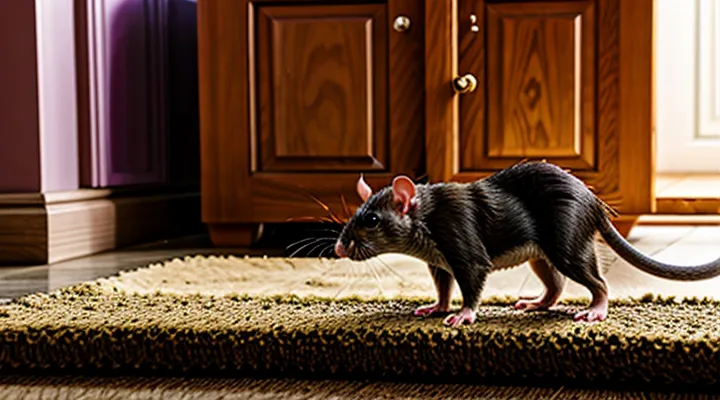
Understanding the Rat Problem
Identifying Rat Infestation Signs
Droppings and Urine
Rat droppings and urine are reliable indicators of infestation and primary sources of health hazards. Fresh droppings appear as dark, cylindrical pellets about half an inch long; older deposits darken and may crumble. Urine stains often manifest as yellowish discolorations around food storage, behind appliances, or near entry points. Both excrete pathogens such as Hantavirus, leptospirosis bacteria, and salmonella, which can survive for months in moist conditions.
Effective eradication requires immediate containment and thorough decontamination. Failure to address waste products may attract additional rodents and compromise any control measures.
Decontamination protocol
- Wear disposable gloves, N‑95 respirator, and eye protection.
- Ventilate the area for at least 15 minutes, then close windows to prevent aerosol spread.
- Saturate droppings and urine with a disinfectant solution (e.g., 10 % bleach or a commercial rodent‑pathogen sanitizer). Allow contact for the manufacturer‑specified dwell time, typically 10 minutes.
- Scrape and dispose of solids in sealed, double‑layered bags; seal bags before removal.
- Mop or rinse surfaces with the same disinfectant, ensuring complete coverage of walls, floors, countertops, and cabinet interiors.
- Dispose of cleaning cloths and mop heads in sealed waste containers; avoid reuse.
After decontamination, eliminate attractants: store food in airtight containers, repair leaks, and seal gaps larger than ¼ inch. Regular monitoring of droppings and urine spots confirms the success of control efforts and signals the need for further intervention.
Gnaw Marks
Gnaw marks are the most reliable visual evidence of a rat presence inside a residence. Fresh incisions appear shiny, with clean edges, while older ones darken and develop a ragged outline. The size of the bite correlates with the rodent’s age: juveniles leave holes ¼‑½ inch wide, adults create openings up to 1 inch. Identifying the material—wood, plastic, wiring, or insulation—reveals the potential damage pathways and the urgency of intervention.
When gnaw marks are discovered, follow these steps:
- Inspect the surrounding area for droppings, urine stains, and shredded material; these reinforce the infestation assessment.
- Seal all openings larger than ¼ inch with steel wool, copper mesh, or cement, focusing on entry points near the marks.
- Remove or repair damaged components to eliminate food sources and nesting sites.
- Deploy snap traps or electronic devices directly adjacent to the chew sites; rats travel along familiar routes and will encounter bait placed near fresh gnaw marks.
- Apply rodent‑proof sealants to the edges of the cuts, preventing re‑chewing and reinforcing structural integrity.
Regular monitoring of gnaw marks allows early detection of new activity. Replace bait and reposition traps every 48 hours, and re‑examine sealed areas weekly. Persistent gnawing despite these measures suggests a larger population, requiring professional extermination and comprehensive building‑wide sealing.
Scratching Noises
Scratching noises heard in walls, ceilings, or floorboards often signal active rodent activity. Rats generate these sounds while moving through confined spaces, gnawing on structural material, or nesting. Identifying the exact location of the noise helps focus control measures and prevents damage escalation.
When a scratching sound is detected, first isolate the area by listening from multiple points to pinpoint the source. Use a flashlight and a small mirror to inspect visible gaps, vents, and utility openings. Seal any openings larger than a quarter‑inch with steel wool, metal flashing, or cement, because rats can squeeze through openings the size of a dime.
Effective elimination strategies include:
- Trapping: Deploy snap traps or electronic traps directly along the identified pathways. Position bait (peanut butter, dried fruit) at the back of the trap to ensure the rat contacts the trigger.
- Exclusion: Install heavy‑gauge hardware cloth around vents, chimney flues, and crawl‑space entries. Reinforce door sweeps and weather stripping to block entry points.
- Sanitation: Remove food sources by storing pantry items in airtight containers, cleaning crumbs, and securing garbage bins with tight lids. Eliminate water sources by fixing leaks and wiping down condensation.
- Rodenticides: Apply anticoagulant baits in tamper‑proof stations only after other methods have failed and local regulations permit. Monitor bait stations regularly to assess efficacy and prevent accidental exposure to non‑target species.
After traps or baits have reduced the rat population, re‑inspect the affected walls for residual scratching. Persistent noise may indicate remaining individuals or new entrants; repeat the inspection and adjust barriers accordingly. Finally, schedule periodic checks of all potential entry points to maintain a rat‑free environment.
Nests and Burrows
Rats establish nests and burrows in concealed areas of a residence, providing shelter, breeding sites, and food storage. Detecting these structures is essential for successful eradication.
Signs of active nests include shredded insulation, gnawed wood, droppings, and a distinct odor. Burrows typically appear as small holes in walls, floors, or foundation cracks, often accompanied by soil displaced outward.
To eliminate nests and burrows:
- Seal entry points: caulk gaps around pipes, vents, and foundation seams; install steel wool or metal mesh in remaining openings.
- Remove existing nests: wear protective gloves and a mask, then discard all nesting material in sealed bags.
- Treat burrow entrances: apply rodenticide powder or a tamper‑resistant bait block directly into each hole, ensuring no children or pets can access it.
- Disrupt burrow stability: use a high‑pressure air nozzle or a hand‑held vacuum to clear debris and collapse tunnels, making the site unsuitable for re‑occupation.
- Replace damaged insulation or wiring promptly to eliminate further attractants.
Preventive measures reinforce the eradication effort. Maintain a clean environment by storing food in airtight containers, regularly disposing of garbage, and trimming vegetation away from the building’s exterior. Conduct periodic inspections of attics, basements, and crawl spaces to catch new nesting activity before it expands.
By systematically locating, removing, and securing nests and burrows, homeowners can achieve lasting control over rat populations within a private dwelling.
Why Rats Are a Threat
Health Risks
Rats living inside a dwelling expose occupants to a range of serious health hazards. Their presence creates direct and indirect pathways for disease transmission, contaminates food and surfaces, and triggers allergic reactions.
- Pathogen carriers: Rats harbor bacteria such as Salmonella and Leptospira, viruses like hantavirus, and parasites including fleas and tapeworms. Contact with urine, feces, or contaminated objects can lead to gastrointestinal illness, kidney damage, and respiratory infections.
- Allergens and toxins: Rat dander, urine, and droppings release proteins that provoke asthma attacks and allergic rhinitis. Accumulated waste may also produce ammonia, irritating eyes and mucous membranes.
- Food contamination: Rodents gnaw packaging, disperse droppings, and introduce pathogens into stored food, increasing the risk of foodborne outbreaks.
- Secondary pest proliferation: Rat infestations attract insects such as cockroaches and flies, which further spread bacteria and allergens throughout the home.
- Structural damage: gnawed wires and insulation can cause electrical fires, creating additional safety threats.
Effective eradication strategies must address these health risks by eliminating the rodents, sealing entry points, and sanitizing affected areas. Prompt action reduces the probability of disease spread and protects the well‑being of all residents.
Property Damage
Rats compromise the structural integrity of a residence by gnawing on wood, drywall, and insulation. Their incisors can create holes that weaken load‑bearing elements, allowing moisture intrusion and accelerating rot. Electrical systems are vulnerable; rodents chew wiring, exposing live conductors that may cause short circuits, fire hazards, or costly repairs.
Food storage areas suffer contamination when rats infiltrate pantries and cabinets. Droppings, urine, and hair introduce pathogens that spoil provisions and require thorough sanitation. Additionally, nesting materials—such as shredded paper, fabric, and insulation—reduce the effectiveness of thermal barriers, leading to higher energy consumption.
Key damage categories:
- Structural timber and framing degradation
- Drywall and plaster perforation
- Insulation loss and compromised thermal performance
- Electrical wiring abrasion and fire risk
- Food contamination and sanitation expenses
- Water leakage through gnawed pipes and fixtures
Mitigating property damage while eliminating rats involves sealing entry points, installing durable metal mesh or hardware cloth around vulnerable openings, and employing traps or baits in locations that limit collateral destruction. Regular inspections after control measures confirm that repairs are completed and that re‑infestation risks remain low.
Prevention Strategies
Sealing Entry Points
Inspecting Your Home«s Exterior
Inspect the exterior of the residence to locate and eliminate potential rat access points before any control measures are applied. Begin by walking the perimeter and noting any gaps larger than a quarter‑inch in the foundation, walls, or roofline. Seal openings with steel wool, copper mesh, or cement‑based caulk, as rodents can compress soft materials.
Check utility penetrations—pipes, cables, and vents—for cracks or loose fittings. Install metal flashing around these areas and use expandable foam that hardens into a rigid barrier.
Examine the area surrounding the house for conditions that attract rats. Trim vegetation that contacts the structure, remove debris piles, and keep firewood stored at least 18 inches off the ground and away from the building.
Inspect drainage systems for standing water or clogged gutters; moisture creates favorable habitats. Clean gutters, repair leaks, and direct runoff away from the foundation with proper grading or French drains.
Maintain waste management by using sealed containers with tight‑fitting lids. Position trash bins at least three feet from the house and empty them regularly.
A concise checklist for exterior inspection:
- Survey foundation for cracks, holes, and gaps.
- Seal utility penetrations with durable materials.
- Trim back trees, shrubs, and vines touching the structure.
- Remove clutter, compost, and firewood from the immediate vicinity.
- Ensure gutters, downspouts, and drainage are clear and functional.
- Store garbage in sealed, rat‑proof containers and keep them distant from the building.
Completing these steps reduces the likelihood of rats entering the home and enhances the effectiveness of any subsequent eradication program.
Repairing Gaps and Cracks
Sealing openings eliminates the primary routes rats use to enter a dwelling. A thorough inspection reveals the most common gaps: spaces around utility pipes, cracks in the foundation, openings at door frames, gaps beneath vents, and gaps where wiring or cables pass through walls.
Inspect each potential entry point, remove debris, and apply a material that resists chewing. Use steel wool or copper mesh to fill narrow cracks, then cover with expanding polyurethane foam or cement-based sealant. For larger gaps, install metal flashing or sheet metal, securing it with corrosion‑resistant screws. Ensure all seams are overlapped and sealed with a durable caulk.
- Identify gaps and cracks
- Clean the area to expose solid substrate
- Insert steel wool or mesh into narrow openings
- Apply foam, cement, or appropriate sealant over the filler
- Attach metal flashing or sheet metal for openings larger than ¼ inch
- Verify the seal by probing for any remaining openings
After sealing, schedule periodic checks, especially after seasonal temperature changes or renovations, to confirm that repairs remain intact. Replace any damaged material promptly to maintain a continuous barrier against rodent intrusion.
Installing Mesh on Vents and Drains
Rats commonly access a house through ventilation openings and drainage pipes, exploiting gaps that allow passage. Installing a fine metal mesh creates a physical barrier that prevents entry while preserving airflow.
Use stainless‑steel or galvanized steel mesh with openings no larger than ¼ inch. The material must resist rust and withstand outdoor conditions. Measure each vent or drain opening, cut the mesh to size with tin snips, and leave a ½‑inch overlap on all sides.
Installation steps:
- Shut off any ventilation fans and, if applicable, water flow to the drain.
- Remove the existing cover or grate.
- Position the cut mesh over the opening, ensuring full coverage.
- Secure the mesh with corrosion‑resistant screws, clamps, or zip ties, tightening until no gaps remain.
- Re‑install the cover, confirming it does not compress the mesh enough to create openings.
After installation, inspect the barrier quarterly for corrosion, displacement, or damage caused by debris. Replace compromised sections promptly to maintain effectiveness. Properly fitted mesh eliminates a primary ingress route, significantly reducing the likelihood of a rat infestation.
Maintaining a Clean Environment
Proper Food Storage
Proper food storage eliminates the primary attractant for rodents in a residence. Secure containers, regular cleaning, and waste management prevent rats from locating edible resources.
- Store dry goods in airtight, metal or heavy‑plastic containers with screw‑on lids.
- Keep pantry shelves empty of crumbs; wipe surfaces after each use.
- Refrigerate or freeze leftovers promptly; discard spoiled food within 24 hours.
- Seal garbage bins with tight‑fitting lids; empty them daily and keep them away from the house.
- Use designated feeding stations for pets; remove uneaten food after meals.
Additional actions reinforce these measures. Inspect storage areas for gaps and seal openings larger than ¼ inch. Rotate stock to use older items first, reducing the chance of decay. Conduct monthly audits of food supplies to identify and remove any compromised products.
Regular Waste Disposal
Effective rat control relies heavily on disciplined waste management. Food remnants and garbage provide the primary attractant for rodents; eliminating these resources deprives rats of sustenance and reduces population pressure inside a residence.
Maintain sealed containers for all waste. Use bins with tight‑fitting lids, preferably metal or heavy‑duty plastic, and inspect seals regularly for damage. Store bins away from walls and elevate them if possible to prevent rats from climbing directly onto the containers.
Implement a strict removal schedule. Empty indoor trash daily, and ensure external collection points are serviced at least twice weekly. Do not allow waste to accumulate beyond 24 hours; prolonged exposure creates a breeding ground for rats.
Adopt the following practices:
- Separate organic waste from dry refuse; compost only in sealed, rat‑proof units.
- Clean spills immediately; wipe countertops, floors, and appliance surfaces after meals.
- Store pet food in airtight containers and remove leftovers promptly.
- Inspect delivery areas for stray packaging; discard or recycle without delay.
- Keep recycling bins closed and positioned away from entry points.
Regularly audit the waste area. Check for gnaw marks, droppings, or nesting material around bins. Repair any gaps in walls, floors, or doorframes that could permit entry. Replace compromised lids or containers without hesitation.
Consistent application of these measures removes the nutritional incentive for rats, supporting broader eradication efforts within the home.
Decluttering Your Property
Rats exploit hidden spaces created by disorganized belongings, making clutter a direct pathway to infestation. Reducing these pathways eliminates shelter and food sources, forcing rodents to seek alternative habitats.
Effective decluttering follows a systematic approach:
- Remove all food items from open shelves; store them in sealed containers.
- Clear floor space in kitchens, pantries, and storage rooms; discard or relocate boxes, newspapers, and fabric piles.
- Organize utility areas by mounting tools on walls or placing them in locked cabinets.
- Dispose of waste promptly; use bins with tight‑fitting lids and empty them regularly.
- Inspect and repair structural gaps that allow entry; seal cracks around pipes, vents, and doors after clearing surrounding debris.
Consistent upkeep prevents re‑accumulation. Conduct monthly audits of high‑risk zones, maintain a minimal inventory of items that could serve as nesting material, and enforce a routine of immediate removal for any new clutter. This disciplined environment deprives rats of refuge and sustains long‑term control.
Landscape Management
Trimming Vegetation
Trimming vegetation reduces shelter and food sources that attract rats to residential properties. Overgrown shrubs, tall grass, and vines create hidden pathways from the exterior to the interior, allowing rodents to move undetected.
Effective vegetation management includes:
- Cutting grass to a maximum height of 2‑3 inches, removing clippings regularly.
- Pruning shrubs to a compact shape, eliminating dense lower branches.
- Removing vines that climb walls, gutters, or eaves.
- Clearing leaf litter, compost piles, and fallen fruit from the yard.
- Maintaining a clear perimeter of at least three feet between plants and the house foundation.
Regular inspection of the trimmed area identifies regrowth, ensuring that potential rat harborage does not reappear. Combining vegetation control with sealing entry points and proper waste storage creates a comprehensive strategy for eliminating rat activity in a private dwelling.
Removing Debris and Hiding Spots
Eliminating rodents from a residence begins with eliminating the environments that support them. Rats thrive in cluttered areas where food, shelter, and nesting material are readily available. Removing these conditions reduces the population’s ability to survive and reproduce.
- Collect all food waste, pet kibble, and spilled grains; store them in sealed containers.
- Dispose of cardboard boxes, newspapers, and fabric scraps that can serve as bedding.
- Clear gutters, roof eaves, and attic spaces of accumulated leaves, twigs, and insulation debris.
- Trim vegetation that contacts the building, preventing easy access to roof and wall gaps.
- Seal cracks, holes, and utility entry points with steel wool, cement, or metal mesh to block entry and hideouts.
A systematic declutter of storage rooms, basements, and crawl spaces removes potential nests. Regularly sweep floors, vacuum corners, and vacuum upholstery to eliminate hidden droppings and gnaw marks. By maintaining a clean, unobstructed interior and exterior, the habitat becomes inhospitable, forcing rats to abandon the property in search of more favorable conditions.
Eradication Methods
Trapping
Snap Traps
Snap traps represent a direct, non‑chemical approach to reducing rat populations inside a home. The device consists of a spring‑loaded bar that releases when a rodent applies pressure to a trigger plate, delivering an instant kill. Because the mechanism requires no electricity or poison, it remains effective even during power outages and eliminates the risk of secondary poisoning.
The trap’s efficiency depends on proper selection and deployment. Choose models sized for Norway or roof rats, with a trigger sensitivity calibrated to detect the animal’s weight without being overly sensitive to debris. Use baits that appeal to rats—peanut butter, dried fruit, or small pieces of meat—applied sparingly to the trigger area to prevent premature releases.
Effective placement follows several principles:
- Position traps along walls, behind appliances, and near known gnaw marks, as rats travel close to surfaces.
- Set traps perpendicular to the wall, with the trigger plate facing the expected direction of approach.
- Deploy multiple traps spaced 1–2 feet apart in high‑activity zones to increase capture probability.
- Check traps daily; replace bait and reset mechanisms promptly.
Safety measures protect occupants and non‑target animals. Wear thick gloves when handling traps, keep devices out of reach of children and pets, and consider bait stations with lockable covers in households with small animals. After a capture, wear gloves, place the dead rat in a sealed plastic bag, and dispose of it according to local regulations. Clean the trap with disinfectant before reuse to prevent disease transmission.
When integrated with sanitation—sealing entry points, removing food sources, and maintaining clutter‑free environments—snap traps can significantly lower rat numbers in a private residence without reliance on toxic substances.
Live Traps
Live traps provide a humane option for removing rats from a residential setting. The devices capture rodents without killing them, allowing owners to relocate the pests away from the home. Proper use maximizes effectiveness and minimizes the risk of escape or injury.
A typical live trap consists of a sturdy cage with a spring‑loaded door that closes when the animal steps on a trigger plate. Models vary in size, ranging from small containers for single rats to larger cages capable of holding several individuals. Choose a trap that matches the target species’ size; a cage that is too small may cause injury, while an oversized unit can reduce bait efficiency.
Key steps for successful deployment:
- Select appropriate bait – peanut butter, dried fruit, or small pieces of meat attract rats reliably. Apply a thin layer to the trigger plate to encourage entry.
- Position traps along active pathways – place devices near walls, behind appliances, or in dark corners where rats travel. Align the trigger plate perpendicular to the wall to match natural movement patterns.
- Secure traps – ensure the cage rests on a stable surface to prevent tipping. For floor placement, use a non‑slip mat; for elevated spots, attach the trap to a sturdy support.
- Monitor frequently – check traps at least once daily. Prompt removal of captured rats reduces stress and prevents the release of scent that could deter additional captures.
- Handle captured rodents safely – wear thick gloves, cover the cage with a lid, and transport the animal to a distant, suitable release site (minimum 1 km from the residence). Release during daylight when the rat can locate shelter quickly.
- Sanitize after each capture – clean the trap with a mild disinfectant to eliminate residual odor that may affect future baiting.
Advantages of live trapping include compliance with animal‑welfare regulations, avoidance of poison hazards to children and pets, and the ability to assess the infestation size by counting captured individuals. Limitations involve the need for regular monitoring, potential for accidental release, and the requirement to relocate rats responsibly to prevent re‑infestation elsewhere.
Integrating live traps with complementary measures—such as sealing entry points, maintaining cleanliness, and eliminating food sources—creates a comprehensive approach to eliminating rats from a private house.
Electronic Traps
Electronic traps offer a rapid, humane solution for eliminating rats within a residence. The device delivers a high‑voltage shock that kills the rodent instantly, preventing suffering and reducing the risk of disease transmission.
Key characteristics: - Voltage range of 5,000–10,000 V, sufficient to ensure immediate lethality. - Built‑in sensor detects the presence of a rodent and activates the discharge automatically. - Reusable battery pack provides up to 1,000 cycles before replacement is required. - Containment chamber prevents escape and facilitates safe disposal of the carcass. - Quiet operation eliminates audible disturbance for occupants.
Effective deployment steps: 1. Identify active pathways: place traps along walls, near gnaw marks, and close to food sources. 2. Position traps with the entry side facing the expected travel direction of rats. 3. Activate the unit, verify sensor functionality, and lock the safety latch. 4. Inspect the chamber daily, remove deceased rodents, and reset the device. 5. Rotate trap locations every 3–4 days to cover new activity zones until no sightings occur.
Proper maintenance—including regular battery checks and cleaning of the sensor surface—extends device lifespan and sustains performance throughout the eradication process.
Trap Placement Best Practices
Effective rat control hinges on strategic trap positioning. Place devices along established travel routes, typically within 1‑2 feet of walls, because rodents prefer to move close to surfaces. Focus on areas where droppings, gnaw marks, or grease buildup indicate activity, such as kitchens, pantry corners, behind appliances, and utility rooms. Install traps at points of entry, including gaps around pipes, vents, and door frames, to intercept rats before they infiltrate living spaces.
Maintain a clear line of sight to each trap; clutter obstructs detection and reduces capture rates. Secure traps on stable surfaces to prevent displacement by curious pets or children. Use multiple traps in a grid pattern when dealing with a severe infestation, spacing devices 3‑4 feet apart to cover the full width of a wall.
Key placement guidelines:
- Position traps perpendicular to walls, with the trigger end facing the wall.
- Set traps on the same level as the rat’s run, usually low to the ground.
- Rotate trap locations weekly to avoid bait habituation.
- Keep traps away from direct sunlight and drafts that may affect snap mechanisms.
Regularly inspect traps, replace captured specimens promptly, and reset bait with fresh attractant. Consistent monitoring and adjustment of trap locations sustain high capture efficiency and accelerate the elimination of the rodent problem.
Baits and Rodenticides
Types of Rodenticides
Rodenticides constitute a primary chemical approach for eliminating rats in a private residence. They are classified according to active ingredients and mode of action, each offering distinct advantages and safety considerations.
-
First‑generation anticoagulants (warfarin, chlorophacinone, diphacinone) require multiple feedings to achieve lethal blood clotting. Suitable for low‑density infestations, they present reduced risk of secondary poisoning when used in secured bait stations.
-
Second‑generation anticoagulants (bromadiolone, difenacoum, brodifacoum) act after a single dose, delivering rapid mortality. Their high potency demands strict placement to prevent accidental ingestion by non‑target species and compliance with local regulations.
-
Non‑anticoagulant agents include:
- Bromethalin – disrupts neuronal energy metabolism, effective against anticoagulant‑resistant rats.
- Cholecalciferol (vitamin D₃) – induces hypercalcemia, leading to organ failure; useful where anticoagulant resistance is documented.
- Zinc phosphide – releases phosphine gas upon gastric contact, providing immediate toxicity; typically applied in outdoor perimeters rather than indoor settings.
-
Bait delivery systems – sealed stations, tamper‑proof boxes, or sachet packs ensure controlled exposure. Proper station placement near walls, concealed routes, and feeding stations maximizes uptake while minimizing human and pet contact.
Effective use of rodenticides requires adherence to label directions, rotation of active ingredients to prevent resistance, and integration with sanitation and exclusion measures. Combining chemical control with habitat modification yields the most reliable outcome for rat eradication in a household environment.
Safe Application and Disposal
Effective control of rodents in a home requires careful handling of chemicals and traps, followed by proper disposal of all contaminated materials. Use only products labeled for indoor use, wear disposable gloves, and keep children and pets out of the treatment area. Apply bait stations according to manufacturer instructions, placing them along walls, behind appliances, and in concealed corners where activity has been observed. Seal each station after placement to prevent accidental exposure.
When using snap traps or electronic devices, position them on non‑slip surfaces and anchor them securely to avoid unintended activation. After a capture, wear gloves, place the carcass in a sealable plastic bag, and double‑bag before removal. Dispose of the sealed package in an outdoor trash container that is regularly emptied, or hand it to a licensed waste disposal service.
For chemical baits, follow these disposal steps:
- Remove empty bait stations and place them in a sturdy, puncture‑resistant container.
- Add any residual bait to the container, seal tightly, and label as hazardous waste.
- Contact local municipal authorities to arrange pickup of hazardous material, or transport it to an approved disposal facility.
All cleaning tools, such as disposable wipes or cloths used on surfaces, should be discarded in sealed bags. Wash hands thoroughly after removing gloves, and sanitize any reusable equipment with a solution of at least 1 % bleach before storage. Maintaining these procedures minimizes health risks while ensuring the eradication effort remains effective.
Risks to Pets and Children
Rats pose a direct threat to household members, especially pets and children, when control measures are applied without proper precautions. Toxicants, mechanical traps, and environmental disruptions can create secondary hazards that outweigh the intended benefit of rodent elimination.
- Anticoagulant rodenticides: Ingested accidentally, they cause internal bleeding in dogs, cats, and young children; secondary poisoning occurs when pets consume poisoned rodents.
- Bromadiolone, brodifacoum, and similar compounds: Highly persistent in the environment, these substances may remain on surfaces, posing dermal exposure risks.
- Snap traps and mechanical devices: Improper placement can result in accidental limb injury to pets or children; trigger mechanisms may activate from playful contact.
- Electronic traps: High-voltage discharge can cause burns or shock if a pet or child interferes with the unit.
- Glue boards: Adhesive surfaces trap fur or skin, leading to painful removal and potential infection.
- Bait stations: Open containers allow curious hands or paws to access toxic bait, increasing the likelihood of ingestion.
- Chemical repellents and aerosols: Inhalation may irritate respiratory pathways, particularly in infants and small animals.
Mitigation strategies require segregation of control zones, secure storage of toxic agents, and supervision during trap deployment. Use tamper‑proof bait stations positioned out of reach, install traps behind insulated panels, and select rodenticides with reduced secondary toxicity when possible. After treatment, conduct thorough cleaning of surfaces, monitor pet behavior, and educate household members on safe handling procedures. Continuous observation for signs of poisoning—such as lethargy, bleeding, or unexplained wounds—ensures prompt veterinary or medical intervention.
Natural and Humane Deterrents
Essential Oils
Essential oils provide a non‑chemical option for deterring rats in residential settings. Their strong aromas interfere with rodent olfactory receptors, prompting avoidance of treated areas.
- Peppermint oil – highest reported repellency; apply 10 ml diluted in 250 ml water.
- Eucalyptus oil – secondary deterrent; use 5 ml per 200 ml water.
- Citronella oil – effective in humid environments; mix 8 ml with 300 ml water.
- Clove oil – strong scent; apply 6 ml per 250 ml water.
- Rosemary oil – moderate effect; dilute 7 ml in 300 ml water.
- Tea tree oil – supplemental repellent; 5 ml per 250 ml water.
Application methods include soaking cotton balls and placing them behind walls, under appliances, and in attic corners; spraying diluted solutions on baseboards and entry points; and running a diffuser in rooms where activity is observed. Replace cotton balls every 48 hours to maintain potency; re‑spray surfaces weekly, or more frequently in high‑traffic zones.
Safety considerations: use food‑grade oils, avoid direct skin contact, and keep solutions out of reach of children and pets. Essential oils do not eradicate established infestations; they reduce activity and discourage new ingress. For complete control, combine oil treatment with exclusion measures—seal cracks, install traps, and eliminate food sources.
In integrated pest management, essential oils serve as an adjunct to mechanical and structural interventions, offering a low‑toxicity deterrent that can lower rat presence when applied consistently.
Ultrasonic Devices
Ultrasonic devices emit high‑frequency sound waves that rodents cannot tolerate. The waves create an uncomfortable acoustic environment, prompting rats to leave the area in search of quieter shelter.
Proper placement determines effectiveness. Install units near known entry points, along walls, and in concealed spaces such as basements, attics, and crawl spaces. Overlap coverage zones to prevent silent gaps where rats could hide.
Key operational considerations:
- Frequency range: 20–65 kHz, higher frequencies affect younger rats more readily.
- Power output: at least 80 dB at 1 m distance ensures sufficient intensity.
- Timer function: continuous operation maintains a constant deterrent; intermittent cycles may allow habituation.
- Weatherproof rating: necessary for devices installed in damp or outdoor‑adjacent areas.
Limitations include reduced efficacy in rooms with dense furnishings, thick walls, or high ambient noise that masks ultrasonic signals. Rats may become accustomed to a static frequency; models with variable or sweeping frequencies mitigate this risk.
Safety aspects are minimal: ultrasonic waves are inaudible to humans and most pets, though some small mammals (e.g., hamsters) may experience distress. Verify that the device complies with local electromagnetic emission standards.
Maintenance involves periodic cleaning of speaker grills and replacement of units after 2–3 years, as piezoelectric components degrade over time.
When comparing methods, ultrasonic devices complement physical traps and sealing entry points. They do not eliminate established infestations; combine them with exclusion techniques for comprehensive control.
Natural Predators
Natural predators can reduce rat populations inside a home without chemicals. Cats, especially short‑haired breeds, detect rodent movement and instinctively hunt, often eliminating individuals that have entered living spaces. Owls and hawks deter rats outdoors; installing a perch or an artificial nest box near the roof encourages their presence, limiting the number of rodents that can access the house. Ferrets, trained for pest control, enter confined areas such as crawl spaces and chase rats into traps. Snakes, such as corn snakes, can be placed in basements or sheds where they remain hidden but active against small rodents.
Effective use of these predators requires:
- Secure entry points to prevent predators from escaping and to keep rats from re‑entering.
- Regular feeding of domestic cats to maintain hunting motivation without overreliance on supplemental food.
- Installation of suitable perches or nesting sites for birds of prey at a safe distance from human activity.
- Monitoring of ferret and snake health, ensuring they remain in environments free of toxic substances.
Integrating natural predators with structural sealing and sanitation creates a comprehensive, chemical‑free strategy for rat eradication in a private residence.
Professional Pest Control
When to Call an Expert
Professional intervention becomes necessary when a rat problem exceeds the limits of DIY control. Indicators that an expert should be consulted include:
- Evidence of active nests in inaccessible areas such as wall cavities, attic insulation, or crawl spaces.
- Repeated sightings despite regular trapping, baiting, or sealing of entry points.
- Damage to structural components, wiring, or stored food that poses health or fire hazards.
- Presence of multiple species (e.g., roof rats and Norway rats) requiring distinct management strategies.
- Legal or insurance constraints that demand certified removal methods.
In addition, call a specialist if you lack the equipment to safely place rodenticides, cannot identify all potential ingress routes, or need a comprehensive assessment of infestation magnitude. Professional pest managers can conduct thorough inspections, apply regulated control agents, implement exclusion measures, and provide follow‑up monitoring to ensure lasting eradication. Ignoring these warning signs often leads to escalating damage, higher costs, and prolonged exposure to disease vectors.
What to Expect from Professionals
When you engage a pest‑control service for rat removal in a private residence, the provider will follow a defined sequence of actions. Understanding this sequence helps you assess competence and ensures that the process aligns with your expectations.
- A qualified technician conducts a thorough inspection, locating activity signs, nests, and potential entry points.
- Findings are documented with photographs or sketches, and a written assessment is delivered.
- The professional outlines a treatment plan that specifies the control methods—such as bait stations, traps, or exclusion techniques—selected for safety and effectiveness.
- All products used comply with local regulations and are applied according to label instructions to protect occupants and pets.
- The service includes sealing gaps, installing barriers, and recommending structural repairs to prevent re‑infestation.
- A schedule of follow‑up visits is provided to monitor results, replenish bait, and adjust tactics if necessary.
- The contractor supplies a guarantee period during which additional interventions are performed at no extra cost if activity recurs.
- Upon completion, a final report summarizes actions taken, observed outcomes, and preventive recommendations for the homeowner.
Expect clear communication, documented evidence of work, compliance with safety standards, and a structured follow‑up program. These elements define professional rat‑control services and differentiate reputable providers from informal solutions.