
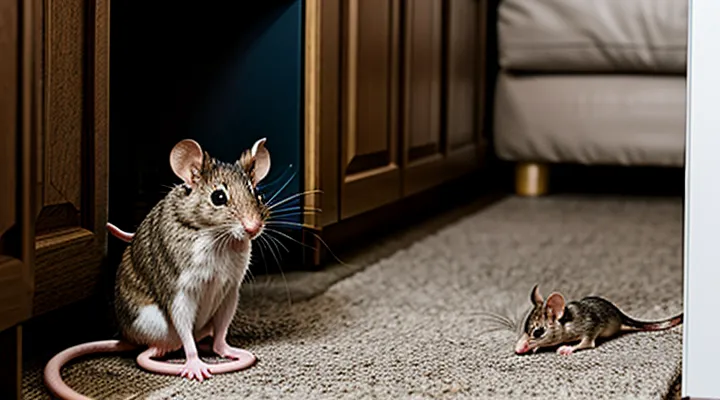
Understanding the Mice Problem
Signs of a Mouse Infestation
Droppings and Urine Trails
Droppings and urine trails are primary indicators of a mouse infestation and the most direct routes for disease transmission. Fresh droppings appear as small, dark pellets about the size of a grain of rice; older deposits turn gray and may crumble when disturbed. Urine trails are invisible but can be detected by a faint, musky odor or by using a blacklight, which causes fresh urine stains to fluoresce.
Identification of these signs enables targeted intervention. Inspect areas where food is stored, behind appliances, and in wall voids. Look for droppings along baseboards, under sinks, and near entry points. Follow any visible trails to locate nesting sites and active pathways.
Cleaning must eliminate both biological material and lingering scent cues that attract rodents. Wear disposable gloves and a mask, then:
- Vacuum dry droppings with a HEPA‑rated unit; discard the vacuum bag safely.
- Scrub surfaces with a detergent solution, rinse, and allow to dry completely.
- Apply an enzymatic disinfectant to urine‑contaminated zones; these products break down proteins that otherwise preserve the scent.
- After treatment, ventilate the area for at least 30 minutes.
Dispose of all cleaning materials in sealed bags and wash hands thoroughly. Persistent odors may require repeat applications of enzymatic cleaners, especially in porous materials such as insulation or wood.
Monitoring after sanitation confirms success. Place snap traps or electronic monitors along identified trails; a lack of captures over a two‑week period indicates that the population has been disrupted. If activity resumes, re‑inspect for hidden droppings or fresh urine, and repeat the cleaning protocol before implementing additional control measures.
Gnaw Marks and Damage
Mice leave characteristic gnaw marks that appear as shallow, crescent‑shaped bites on wood, plastic, and insulation. The teeth leave parallel lines separated by a few millimetres, often concentrated near edges, corners, and concealed areas such as behind appliances or within wall cavities.
These marks signal structural compromise. Chewed electrical wiring can expose conductors, creating fire hazards and intermittent power loss. Damaged insulation reduces thermal efficiency, raising heating costs. Furniture, cabinetry, and food containers suffer punctures that allow contamination and further infestation.
To evaluate damage, follow a systematic inspection:
- Survey all rooms, focusing on baseboards, pantry shelves, and behind appliances.
- Record the size, depth, and location of each gnaw mark.
- Prioritize repairs that affect safety—electrical, plumbing, and load‑bearing structures.
- Preserve evidence for professional pest‑control assessment, if needed.
Mitigation combines exclusion and repair. Seal entry points with steel wool, copper mesh, or caulking that mice cannot gnaw through. Replace compromised wiring with conduit‑protected cable. Repair or replace chewed insulation using fire‑rated material. Reinforce wooden surfaces with hard‑board or metal plates where marks recur. Maintain a clean environment: store food in airtight containers, eliminate standing water, and keep clutter to a minimum to reduce hiding places.
Addressing gnaw marks promptly prevents escalation, safeguards the home’s integrity, and supports long‑term mouse control.
Strange Noises
Strange noises are often the first indicator that rodents have entered a dwelling. Scratching sounds behind walls, scurrying in ceilings, and faint squeaks in attics typically occur at night when mice are most active. Recognizing these sounds allows homeowners to intervene before damage escalates.
Key characteristics of mouse-generated sounds:
- Rapid, light scratching on insulation or drywall, especially near baseboards.
- Repetitive, high‑pitched squeaks emanating from concealed spaces.
- Soft pattering that intensifies when a food source is present.
When such noises are detected, follow these steps:
- Locate the source by listening from multiple rooms and noting the direction of the sound.
- Inspect adjacent walls, cabinets, and stored items for droppings, gnaw marks, or shredded material.
- Seal entry points using steel wool, caulk, or metal mesh to prevent further ingress.
- Deploy snap traps or enclosed bait stations in the identified area, positioning them perpendicular to walls for optimal contact.
- Monitor activity for several days, replacing traps and refreshing bait as needed.
If noises persist despite these measures, consider professional pest control to conduct a thorough assessment and implement advanced exclusion techniques. Continuous vigilance eliminates the risk of structural damage and disease transmission associated with rodent infestations.
Unpleasant Odors
Unpleasant odors often indicate a mouse infestation and can persist after the animals are removed. The smell typically originates from urine, droppings, and dead bodies, which release ammonia and other volatile compounds. Detecting these scents early helps confirm the presence of rodents and guides targeted cleanup.
Effective odor elimination requires thorough sanitation:
- Wear disposable gloves and a mask; remove all visible droppings and nesting material with a damp paper towel.
- Disinfect surfaces using a solution of one part bleach to ten parts water or a commercial rodent‑specific cleaner.
- Wash fabrics, curtains, and bedding in hot water (minimum 140 °F) with enzymatic detergent to break down organic residues.
- Vacuum carpets and upholstery, then steam‑clean to extract trapped particles.
- Apply an odor‑absorbing agent such as activated charcoal, baking soda, or a commercial odor neutralizer to affected rooms.
After cleaning, seal entry points to prevent re‑infestation, which also eliminates future sources of foul smells. Regularly inspect hidden areas—behind appliances, under sinks, and in attics—to maintain a scent‑free environment.
Why Mice Are Attracted to Your Home
Food Sources
Mice persist in homes primarily because they locate reliable nourishment. Any accessible food encourages foraging, breeding, and shelter‑seeking behavior.
Common household items that sustain rodents include:
- Unsealed pantry goods (cereals, grains, pet food, dried fruit)
- Open containers of sugar, honey, syrup, or jam
- Leftover crumbs on countertops, floors, and appliances
- Uncovered trash cans or compost bins
- Fruit and vegetables left out on counters or in open bowls
- Birdseed stored in kitchens or garages
Eliminate these attractants by securing each source:
- Transfer dry goods to airtight containers made of metal or thick plastic with sealed lids.
- Store pet feed in locked bins; dispense only the amount needed for each feeding.
- Wipe surfaces after meals; sweep floors and vacuum regularly to remove debris.
- Install trash can lids that close tightly; empty bins daily and keep them away from walls.
- Refrigerate or cover fresh produce; discard overripe items promptly.
- Keep birdseed in a separate, rodent‑proof storage area, not near entry points.
Consistent removal of food opportunities disrupts the mouse life cycle and reduces the likelihood of infestation.
Shelter and Warmth
Mice seek out locations that provide protection from predators and stable temperatures. Untended basements, crawl spaces, and wall voids often meet these criteria, making them prime entry points for infestations. Identifying and sealing such areas removes the primary incentives for rodents to occupy a residence.
Inspect the interior and exterior of the building for gaps larger than ¼ inch, cracks around utility penetrations, and damaged siding. Apply steel wool or copper mesh before sealing with silicone or expanding foam, because mice can gnaw through softer materials. Replace deteriorated insulation that has become moist, as damp insulation retains heat and offers a comfortable nesting substrate.
Reduce indoor sources of warmth that attract mice:
- Keep heating vents unobstructed and clean ducts regularly.
- Store firewood away from the house, preferably elevated on a dry platform.
- Maintain a constant indoor temperature; avoid excessive heating in unused rooms.
Remove clutter that creates hidden shelters. Store boxes, clothing, and linens in sealed containers rather than on the floor. Regularly vacuum corners and under furniture to eliminate potential nesting material. By eliminating shelter and limiting warmth, the environment becomes inhospitable, discouraging mice from establishing a presence.
Water Availability
Mice require a reliable water source to survive and reproduce. Eliminating accessible water reduces the attractiveness of a residence and limits population growth.
- Repair all leaks in plumbing, faucets, and appliances promptly.
- Ensure that pet water bowls are refilled only when necessary and emptied at night.
- Store firewood, mulch, and other moist materials away from the building envelope.
- Use airtight containers for food waste and avoid leaving standing water in sinks or dish racks.
By denying mice free water, the environment becomes hostile, increasing the effectiveness of traps, baits, and exclusion measures. Continuous monitoring of moisture sources is essential for sustained control.
Prevention: The First Line of Defense
Sealing Entry Points
Identifying Gaps and Cracks
Identifying gaps and cracks is the first practical step in preventing mouse intrusion. Mice exploit openings as small as a quarter‑inch; any breach in the building envelope offers a direct pathway. Conduct a systematic inspection of the exterior and interior, focusing on areas where structural elements intersect.
- Examine the foundation for settling cracks, especially near utility penetrations.
- Inspect all door and window frames; look for warped wood, missing weatherstripping, or gaps around hinges.
- Check the roof line and eaves for damaged flashing, torn soffits, or open vents.
- Survey the basement and crawl space, noting gaps around pipe sleeves, vent pipes, and wiring chases.
- Review the attic for openings around chimney flues, recessed lighting, and roof‑to‑wall joints.
- Verify that garage doors seal completely when closed; test with a piece of paper held at the bottom edge.
Use a flashlight and a thin, flexible probe (such as a steel wire or a bent coat hanger) to confirm the size of each opening. Document findings with measurements; any opening larger than 6 mm requires immediate remediation.
Seal identified gaps with appropriate materials: hydraulic cement for foundation cracks, steel wool combined with caulk for small holes, metal flashing for roof penetrations, and heavy‑duty mesh for larger openings. Apply sealants after surfaces are clean and dry to ensure adhesion. Re‑inspect after sealing to verify that no residual gaps remain.
Regularly repeat the inspection, particularly after seasonal temperature changes or after any construction work, to maintain a barrier that denies mice entry.
Recommended Sealing Materials
Effective rodent exclusion begins with sealing every potential entry point. Materials must resist gnawing, adhere to diverse substrates, and remain durable under household conditions.
- Steel wool – tightly packed, forces mice to chew through metal rather than soft fibers; ideal for gaps around pipes and vents.
- Copper mesh (hardware cloth) – 1/4‑inch or smaller openings, corrosion‑resistant, suitable for larger holes in walls or foundations.
- Concrete or mortar – fills cracks in foundations and exterior walls; hardens into a permanent barrier.
- Expanding polyurethane foam – expands to fill irregular spaces; combine with mesh or steel wool to prevent chewing.
- Silicone or acrylic caulk – seals seams around windows, doors, and trim; remains flexible to accommodate movement.
- Rigid metal flashing – covers gaps under doors and around utility penetrations; can be fastened with screws for lasting security.
Selection should match the size and location of each opening. Combine a chew‑resistant core (steel wool or mesh) with a sealing compound (foam or caulk) for optimal protection. Regular inspection and maintenance preserve the integrity of the barrier, preventing re‑entry.
Eliminating Food Sources
Proper Food Storage
Proper food storage is essential for preventing mouse infestations. Food left exposed provides a reliable source of nutrition, encouraging rodents to enter and remain in a residence. Secure containers and disciplined handling eliminate this attraction.
- Store dry goods in airtight, plastic or metal containers with sealed lids.
- Keep pantry shelves clean; wipe spills immediately and dispose of crumbs.
- Refrigerate perishables promptly; avoid leaving opened packages on countertops.
- Use child‑proof or tamper‑resistant containers for pet food; discard leftovers after each meal.
- Place bulk items in secondary storage away from living areas, such as a basement cabinet.
Maintain a routine inspection schedule. Open containers should be checked weekly for cracks or compromised seals. Any damaged packaging must be transferred to new containers before the next use.
By eliminating accessible food sources, the environment becomes unsuitable for mice, reducing the need for additional control measures.
Regular Cleaning and Sanitation
Regular cleaning removes food residues that attract rodents, directly reducing the likelihood of an infestation. All kitchen surfaces should be wiped down after each meal, and crumbs must be swept or vacuumed before they accumulate. Food storage containers need airtight seals; any open packaging should be transferred to containers with locking lids.
Sanitation of waste areas prevents mice from establishing feeding stations. Trash cans must have tight‑fitting lids and be emptied daily; compost bins should be kept away from the house and covered. Pet food should be served in sealed bowls and stored in the refrigerator when not in use.
A systematic cleaning schedule reinforces these practices:
- Daily: wipe countertops, sweep floors, clean pet feeding areas, empty trash.
- Weekly: mop hard floors, vacuum carpets, disinfect high‑traffic surfaces, wash dishes and utensils thoroughly.
- Monthly: deep‑clean under appliances, behind cabinets, and inside pantry shelves; inspect and clean dryer vents and garbage disposals.
Maintaining a dry environment further discourages mice. Moisture‑prone zones such as basements, bathrooms, and under sinks must be dried after use, and any leaks repaired promptly. Dampness supports the growth of insects that serve as secondary food sources for rodents; eliminating moisture removes this indirect attractant.
Consistent application of these cleaning and sanitation measures creates an environment where mice cannot find food, water, or shelter, thereby supporting any broader rodent‑control program in a private residence.
Reducing Shelter Opportunities
Decluttering and Organization
Keeping living spaces tidy removes the shelters mice need to thrive. Piles of paper, stacked boxes, and disorganized storage create hidden pathways and nesting sites. Removing these resources forces rodents to seek alternative habitats, often outside the home.
Effective decluttering follows a systematic approach:
- Remove all unused items from closets, attics, and basements; discard or donate objects that have not been used in the past year.
- Store remaining belongings in sealed plastic containers with tight‑fitting lids; avoid cardboard boxes that can be chewed.
- Keep floors clear of debris; sweep regularly and vacuum corners where food particles accumulate.
- Elevate furniture away from walls to eliminate contact points that mice can use to travel along baseboards.
- Install shelving that allows easy inspection of stored items, preventing unnoticed buildup of clutter.
Organizational practices sustain the reduced‑risk environment. Label storage containers, rotate supplies to keep them visible, and schedule monthly inspections of hidden areas such as behind appliances and under furniture. Promptly repair gaps, cracks, and holes that appear during cleaning, as even small openings provide entry points for rodents.
By integrating rigorous decluttering with disciplined organization, homeowners create an environment that discourages mouse activity and supports long‑term pest‑free living.
Landscaping Considerations
Effective mouse control in a residence begins outdoors. Maintaining a landscape that discourages rodent activity reduces the likelihood of indoor infestation.
Trim vegetation so that branches and shrubs do not touch the house. Direct contact provides a bridge for mice to reach the roof and enter through eaves or attic vents.
Keep grass at a moderate height. Overgrown lawns create cover for nesting and conceal food sources. Regular mowing eliminates these hiding places.
Remove debris such as leaf piles, wood stacks, and compost heaps from the perimeter. These materials offer shelter and attract insects, which in turn draw mice.
Create a clear zone of at least three feet between the foundation and any plant material. This buffer prevents rodents from using roots and stems as pathways.
Install hard‑scaping elements that limit burrowing. Use concrete, stone, or metal edging around the foundation to block tunnels.
Control irrigation to avoid standing water and overly moist soil. Damp conditions encourage vegetation growth that supports mouse populations.
Store firewood, gardening supplies, and outdoor equipment on raised platforms or inside sealed containers. Elevating these items removes potential nesting sites.
Apply rodent‑resistant mulch, such as gravel or stone, near the house. These materials are difficult for mice to penetrate and discourage them from establishing nests.
Maintain regular inspection of the exterior for gaps, cracks, or openings. Seal any found with durable caulking, steel wool, or metal flashing to prevent entry.
By integrating these landscaping practices, homeowners create an environment that limits mouse access, supporting overall pest‑management efforts.
Eradication: Effective Methods
Trapping Methods
Snap Traps
Snap traps provide immediate, physical control of rodents in residential settings. The device consists of a spring‑loaded bar that delivers a lethal strike when a mouse triggers the trigger mechanism. This action kills the animal instantly, preventing suffering and reducing the chance of disease transmission.
Effective traps are constructed from durable wood or heavy‑gauge plastic, feature a sensitive trigger, and include a secure holding chamber. Models with a clear cover allow visual confirmation of captures, simplifying monitoring.
Bait selection influences success rates. Peanut butter, dried fruit, or small pieces of cheese create strong olfactory cues. Apply a pea‑sized amount to the trigger platform; excessive bait can cause the mouse to avoid the trap or trigger it prematurely.
Placement determines capture efficiency. Position traps:
- Along walls, where mice travel near baseboards.
- Behind appliances, inside cabinets, and near entry points.
- In dark, concealed areas such as under furniture or inside storage closets.
Maintain a minimum distance of 12 inches between traps to avoid competition and ensure each mouse encounters a single device.
Safety measures protect occupants and pets. Use traps with a protective shield to prevent accidental discharge. Keep traps out of reach of children, and consider baiting with non‑edible substances if pets are present. Inspect traps before each placement to confirm proper spring tension.
When a mouse is caught, wear disposable gloves, place the trap in a sealed plastic bag, and discard it according to local waste regulations. Clean the trap with mild detergent and alcohol to remove scent residues before reuse.
Snap traps offer rapid results, low cost, and no reliance on chemicals. Limitations include the need for regular monitoring, potential aversion after initial captures, and the requirement for careful handling to avoid injury. Integrating snap traps with exclusion techniques and sanitation measures enhances overall rodent control in a private home.
Live Traps
Live traps provide a humane alternative for homeowners seeking to remove mice without resorting to lethal measures. The device captures rodents alive, allowing immediate removal from the residence.
The trap consists of a compartment with a spring‑loaded door triggered by the mouse’s weight or movement. When the animal enters to reach bait, the door snaps shut, preventing escape while keeping the creature unharmed.
Effective selection depends on three factors:
- Size appropriate for common house mice (approximately 2–4 inches long).
- Durable construction, preferably plastic or metal, to withstand repeated use.
- Sensitive trigger mechanism that activates with minimal pressure.
Placement determines capture success. Position traps along established mouse pathways: within 12 inches of walls, behind appliances, and near known entry points. Avoid high‑traffic human areas to reduce accidental closures. Bait with high‑fat foods such as peanut butter or dried fruit for maximum attraction.
Monitor traps at least once daily. Upon capture:
- Wear disposable gloves.
- Transport the trap to a location at least two miles from the home.
- Release the mouse into a wooded or field area, ensuring it can find shelter.
After release, reset the trap with fresh bait. Clean the interior with mild soap and water to remove scent traces that could deter future captures. Replace worn components promptly to maintain reliability.
Consistent use of live traps, combined with sealing entry gaps and maintaining a tidy environment, forms a proven component of an integrated mouse‑control strategy for private residences.
Glue Traps
Glue traps are a common component of rodent control strategies for residential properties. They consist of a flat board coated with a non‑drying adhesive that immobilizes mice upon contact. The device requires placement along established rodent pathways, such as behind appliances, near baseboards, and within wall voids. Positioning should be low to the floor, typically 2–4 inches above ground, to match the height of mouse travel.
Effective use involves the following steps:
- Identify high‑traffic zones by observing droppings, gnaw marks, or grease trails.
- Clean the surface to remove dust or debris that could reduce adhesive performance.
- Place the trap with the sticky side facing upward, ensuring it is securely affixed to a stable surface.
- Check traps daily; remove captured mice using gloves and a sealed container, then dispose of the trap according to local regulations.
- Replace traps promptly if the adhesive becomes saturated or after each capture.
Advantages include immediate results, no need for chemical agents, and suitability for areas where poison is undesirable. Limitations are the potential for non‑target captures, the necessity for frequent monitoring, and reduced effectiveness in cluttered environments where mice can circumvent the board. Proper sanitation and exclusion measures—sealing entry points, storing food in airtight containers, and maintaining a tidy interior—enhance the overall success of glue traps within a comprehensive mouse‑management plan.
Proper Trap Placement
Effective rodent control in a residence relies on strategic trap deployment. Correct placement maximizes capture rates while minimizing exposure to non‑target animals and household occupants.
Key principles for positioning traps:
- Identify active pathways: locate gnaw marks, droppings, and grease trails along walls, behind appliances, and near food storage.
- Place traps perpendicular to walls, with the trigger end facing the wall; mice run close to surfaces for safety.
- Target high‑traffic zones: set traps at least 2–3 inches from the wall, at a height of 1–2 inches off the floor where mice commonly travel.
- Use multiple traps: arrange a line of traps spaced 12–18 inches apart in a suspected corridor to cover the entire width.
- Rotate locations: move traps weekly to prevent mouse habituation and to discover new activity zones.
Maintain traps by checking them daily, disposing of captured rodents promptly, and resetting with fresh bait. Bait selection should favor high‑protein options such as peanut butter or small pieces of meat; replace bait if it dries out. Keep traps away from children and pets by securing them in concealed areas or using covered snap traps.
Continuous monitoring of trap success informs adjustments. A decline in captures over several days indicates reduced activity, while persistent catches suggest remaining infestations that require additional traps or complementary measures.
Baiting Strategies
Effective baiting requires precise selection, strategic placement, and diligent monitoring. Choose baits that combine attractive scent with lethal agents, such as:
- Peanut butter mixed with rodenticide blocks
- Commercial grain‑based pellets containing anticoagulants
- Moist cat food or canned fish for high palatability
- Non‑poisoned alternatives like dry cheese or dried fruit when using snap traps
Position bait stations along established rodent pathways: behind appliances, within wall voids, beneath cabinets, and near entry points. Secure stations to prevent accidental contact by children or pets; use tamper‑resistant containers or lockable boxes. Maintain a minimum of 2‑3 feet between stations to avoid bait competition and to cover the entire infestation zone.
Rotate bait formulations every two weeks to counteract learned avoidance. Document each station’s location, bait type, and date of placement. Inspect stations daily; replace depleted bait promptly and record any captured rodents. Dispose of dead specimens in sealed bags, following local regulations, to prevent disease transmission.
When using anticoagulant baits, adhere to label dosage limits and consider secondary‑poisoning risks. In households with vulnerable occupants, prefer mechanical traps with high‑efficacy bait, such as snap traps baited with a small amount of peanut butter, to minimize chemical exposure. Continual assessment and adjustment of baiting tactics ensure sustained reduction of mouse activity throughout the residence.
Baits and Rodenticides
Types of Rodenticides
Rodenticides constitute a critical component of residential mouse control programs. Their effectiveness depends on the active ingredient, mode of action, and regulatory classification.
- First‑generation anticoagulants (e.g., warfarin, chlorophacinone) interfere with blood clotting. They require multiple feedings to achieve lethal doses and are less resistant to bait shyness.
- Second‑generation anticoagulants (e.g., bromadiolone, difenacoum, brodifacoum) act more rapidly and remain lethal after a single ingestion. Their high potency demands strict placement in tamper‑resistant bait stations.
- Vitamin D3 derivatives (cholecalciferol) cause hypercalcemia, leading to organ failure. They provide an alternative for households where anticoagulant resistance is documented.
- Metal phosphides (zinc phosphide) release phosphine gas in the stomach, producing acute toxicity. Use is limited to indoor environments with adequate ventilation due to gas emission.
- Neurotoxic agents (bromethalin, strychnine) disrupt nerve function. Their narrow safety margin restricts application to sealed bait stations and excludes use around children or pets.
Selection criteria include target species, known resistance patterns, and household safety considerations. Proper labeling, secure bait stations, and adherence to local pesticide regulations minimize accidental exposure while ensuring rapid mouse mortality.
Safety Precautions for Use
When applying rodent‑control techniques inside a residence, personal safety and the protection of household members must be the primary concern.
Use protective gloves and long‑sleeved clothing to avoid direct skin contact with poison baits, snap traps, or glue boards. Wear eye protection if applying liquid repellents or aerosol sprays, and ensure adequate ventilation to prevent inhalation of fumes.
Before setting any device, read the manufacturer’s instructions thoroughly; follow dosage recommendations precisely and keep all products out of reach of children and pets. Store unused chemicals in their original containers, sealed tightly, and place them in a locked cabinet.
If employing electronic or ultrasonic emitters, verify that the unit complies with local electrical safety standards and that cords are in good condition to prevent fire hazards.
Dispose of used traps and contaminated materials according to local regulations. Seal dead rodents in a disposable bag, double‑bag, and discard in a sealed trash container. For poisoned bait, follow hazardous‑waste guidelines to avoid environmental contamination.
In case of accidental exposure—skin irritation, ingestion, or inhalation—seek immediate medical assistance and have the product label on hand to inform healthcare providers of the specific chemicals involved.
Adhering to these precautions minimizes health risks while maintaining effective rodent eradication in a private home.
Placement and Monitoring
Effective mouse control in a residential setting depends on strategic placement of control devices and systematic monitoring of activity.
Position traps and bait stations along established travel routes: behind appliances, within wall voids, under sinks, and near entry points such as gaps under doors. Install devices at least 12 inches from the floor to intersect the typical mouse runway. Avoid cluttered areas that conceal the device and reduce detection.
Maintain a consistent monitoring schedule. Check each trap daily; record captures, location, and time. Replace or reposition devices where activity is low. Use non‑toxic tracking powders or infrared motion sensors to verify presence without harming the rodent, especially in concealed spaces.
Implement a simple log:
- Date and time of inspection
- Device type and exact location
- Number of mice captured or evidence detected
- Action taken (reset, relocate, replace)
Regular review of the log highlights high‑traffic zones and informs adjustments. Continuous observation, combined with precise device placement, ensures rapid reduction of the mouse population and prevents re‑infestation.
Natural and Humane Repellents
Peppermint Oil and Other Essential Oils
Peppermint oil is widely recognized for its strong, mentholated scent, which mice find intolerable. When applied correctly, the oil can discourage rodents from entering or remaining in a dwelling.
- Dilute 10–15 ml of peppermint essential oil in 1 liter of water; add a few drops of dish‑soap to improve surface tension.
- Soak cotton balls in the mixture and place them in known entry points, along pantry corners, and beneath appliances.
- Replace soaked cotton every 3–4 days to maintain potency.
Other essential oils exhibit similar repellent properties:
- Eucalyptus – sharp, camphoraceous aroma; effective when diffused or applied to cloth strips.
- Clove – strong, spicy fragrance; works best in concentrated drops on cotton or as part of a spray solution.
- Citronella – citrus‑like scent; useful for outdoor perimeters and window sills.
- Lavender – pleasant to humans but mildly offensive to rodents; suitable for bedrooms where a softer scent is desired.
Application guidelines:
- Prepare a 2 % oil solution (approximately 20 ml of essential oil per liter of water) for spray bottles.
- Target cracks, gaps, and voids where mice travel; avoid direct contact with food surfaces.
- Test a small area first to ensure no damage to paint, wood, or upholstery.
Safety considerations:
- Essential oils are flammable; keep away from open flames.
- Prolonged skin contact may cause irritation; wear gloves during preparation.
- Pets, especially cats, may be sensitive to concentrated oils; limit exposure.
Limitations:
- Oils deter rather than kill; a persistent infestation may require traps or professional extermination.
- Strong airflow can disperse vapors quickly, reducing effectiveness in large, open rooms.
Integrating peppermint oil with other essential oils creates a multi‑scent barrier that reduces the likelihood of mice habituating to a single odor, enhancing overall deterrence.
Ultrasonic Devices
Ultrasonic devices emit high‑frequency sound waves that rodents cannot hear but find uncomfortable. The waves create a hostile environment within a limited radius, prompting mice to vacate the area.
Effectiveness depends on several factors. Devices must be placed where mice travel, such as along walls, behind appliances, and near entry points. Gaps in walls or furniture can block sound propagation, reducing coverage. Continuous operation is required; intermittent use allows rodents to re‑establish presence. Power sources should remain stable, as voltage fluctuations weaken output.
Key considerations when selecting a unit:
- Frequency range: 20–65 kHz is typical; higher frequencies may increase deterrence but reduce range.
- Coverage area: manufacturers specify square footage; choose a model that exceeds the size of the target room.
- Adjustable timer: allows scheduling to conserve energy and prevent habituation.
- Safety certifications: ensure compliance with electrical standards to avoid hazards to pets and children.
Limitations of ultrasonic technology include:
- Diminished efficacy in large, open spaces or rooms with high ceilings.
- Inability to penetrate solid objects; walls, cabinets, and stacked items create blind spots.
- Potential habituation: mice may acclimate after prolonged exposure, lowering deterrent effect.
- Lack of impact on established infestations; devices do not kill or capture rodents, so they must be paired with traps or exclusion measures.
Integrating ultrasonic units into a comprehensive rodent‑control plan improves results. Combine them with sealing of entry points, removal of food sources, and strategic placement of snap or live traps. Regular monitoring of activity—such as droppings or gnaw marks—helps assess whether the ultrasonic deterrent remains effective or requires repositioning.
In summary, ultrasonic devices offer a non‑chemical, low‑maintenance option for discouraging mice when installed correctly and used alongside physical barriers and trapping methods. Their success hinges on proper coverage, consistent operation, and awareness of inherent constraints.
Ammonia and Other Strong Scents
Ammonia and other potent odors can deter rodents by overwhelming their sense of smell, which mice rely on for navigation and food detection. The chemicals irritate the nasal passages, prompting avoidance of treated areas.
- Mix equal parts of household ammonia and water in a spray bottle. Apply to baseboards, entry points, and known pathways. Reapply every 48 hours, especially after cleaning or ventilation.
- Place open containers of vinegar, peppermint oil–soaked cotton balls, or crushed cloves in corners and cupboards. Replace the material weekly to maintain scent intensity.
- Use commercial rodent repellents that contain phenols or menthol. Follow manufacturer instructions for concentration and placement.
Effectiveness declines when scents dissipate; airtight sealing of cracks and regular renewal of the odor source are essential. Strong odors do not eliminate established infestations; they complement traps, exclusion, and sanitation measures. Direct contact with concentrated ammonia can damage painted surfaces and pose respiratory risks; use protective gloves, goggles, and ensure adequate airflow. Children and pets must be kept away from treated zones until the odor fades.
Post-Eradication and Long-Term Management
Cleaning Up After an Infestation
Disinfecting Contaminated Areas
Mice leave urine, feces, and saliva that can harbor pathogens; thorough disinfection of affected zones is essential after removal.
- Wear disposable gloves, mask, and eye protection before contact.
- Collect droppings with a damp paper towel; avoid sweeping or vacuuming dry material to prevent aerosolization.
- Wash surfaces with hot, soapy water to remove organic matter.
- Apply an EPA‑registered disinfectant effective against Salmonella, Hantavirus, and Leptospira; follow label‑specified dilution.
- Ensure the product remains wet for the required contact time, typically 5–10 minutes.
- Rinse with clean water if the disinfectant is not food‑grade; dry completely before reuse.
Select disinfectants labeled for rodent‑borne disease control. Verify concentration and expiration date; dilute precisely to achieve the recommended potency. Use a spray bottle or mop to achieve even coverage, especially in crevices, cabinets, and behind appliances.
After treatment, dispose of contaminated materials in sealed bags and wash hands thoroughly. Conduct a visual inspection to confirm no residual stains or odors remain; repeat the process in any area that shows signs of recontamination. This systematic approach reduces health risks and supports long‑term mouse‑free conditions.
Safe Disposal of Deceased Mice
When a mouse dies inside a residence, handling the carcass safely prevents disease spread, odor problems, and secondary infestations. Follow these precise actions:
- Wear disposable gloves and, if available, a mask to limit direct contact with bodily fluids and potential pathogens.
- Place the dead mouse in a sealable plastic bag. Press out excess air before sealing tightly.
- If immediate disposal is not possible, store the sealed bag in a freezer at –18 °C (0 °F) for at least 24 hours to kill any lingering parasites.
- After freezing, transfer the bag to a second, larger bag for double containment. Seal both bags securely.
- Dispose of the double‑bagged carcass in an outdoor trash bin that is collected weekly. Ensure the bin lid closes firmly to prevent scavengers from accessing the waste.
- Clean the gloves with disinfectant, then remove them and wash hands thoroughly with soap and water.
When the infestation is extensive or the homeowner is uncomfortable handling dead rodents, contact a licensed pest‑control professional. They can retrieve and incinerate the carcasses according to local health regulations, eliminating the need for personal handling.
Comply with municipal waste‑management rules; some jurisdictions require that rodent remains be placed in a special biohazard container or reported to health authorities. Verify local requirements before disposal to avoid fines or public‑health violations.
Ongoing Monitoring and Maintenance
Regular Inspections
Regular inspections are essential for early detection and prevention of rodent activity in residential settings. Conduct a thorough sweep of the interior and exterior at least once a month, increasing frequency during colder months when mice seek shelter indoors.
During each inspection, focus on the following indicators:
- Droppings near food sources, cabinets, and hidden corners.
- Gnaw marks on wood, plastic, or wiring.
- Nest material such as shredded paper, fabric, or insulation.
- Unexplained odors, especially a musky scent.
- Small entry points, including gaps around pipes, vents, and foundation cracks.
Use a flashlight and a magnifying lens to examine dark areas, including behind appliances, under sinks, and within attic spaces. Record findings in a simple log, noting location, type of evidence, and date. This documentation helps identify patterns, prioritize treatment zones, and evaluate the effectiveness of control measures over time.
Seal identified openings promptly with steel wool, caulk, or metal mesh. Replace damaged weather stripping and ensure that exterior doors close tightly. Regularly verify that traps and bait stations remain functional and are positioned according to the latest inspection results.
By maintaining a disciplined inspection schedule and systematically addressing each sign of infestation, homeowners can significantly reduce the likelihood of a mouse problem escalating into a full‑scale invasion.
Reinforcing Preventive Measures
Effective mouse control in a private home relies on robust preventive measures that block entry, eliminate attractants, and maintain a hostile environment for rodents.
Seal all potential entry points. Inspect the building envelope for gaps larger than ¼ inch and apply steel wool, caulk, or metal flashing to close them. Pay special attention to:
- Gaps around utility pipes and cables
- Openings at the foundation, including crawl‑space vents
- Door sweeps and window frames
- Roof eaves and soffits
Remove food sources that encourage infestation. Store dry goods in airtight containers, clean crumbs and spills immediately, and keep garbage bins sealed with tight‑fitting lids. Dispose of pet food after each meal and avoid leaving birdseed or outdoor feeders near the house.
Control moisture that attracts mice. Repair leaking faucets, pipes, and roof leaks. Use a dehumidifier in damp basements and ensure proper drainage away from the foundation.
Implement regular inspection routines. Conduct monthly visual checks of known entry zones, look for gnaw marks, droppings, or nesting material, and document findings. Promptly address any new breaches before they become permanent pathways.
Integrate physical barriers with chemical deterrents when necessary. Apply rodent‑resistant mesh to vents and chimney flues, and consider low‑toxicity repellents in high‑risk areas, following label instructions.
Maintain landscaping that discourages rodent movement. Trim vegetation away from the house, remove debris piles, and keep firewood stored off the ground and at least 20 feet from the structure.
By consistently applying these reinforced preventive actions, homeowners create an environment where mice cannot establish a foothold, reducing reliance on reactive extermination methods.
When to Call a Professional
Large or Persistent Infestations
A sizable or long‑standing mouse problem demands a coordinated approach that combines immediate reduction with preventive measures. First, assess the extent of activity by locating droppings, gnaw marks, and active pathways; this information guides placement of control devices. Deploy a high density of snap traps or electronic traps along walls, behind appliances, and in concealed corners, spacing them 12‑18 inches apart. Use multiple bait types—peanut butter, chocolate, or dried fruit—to attract wary individuals. Replace traps daily, disposing of captured rodents promptly to prevent secondary infestations.
Simultaneously, eliminate shelter and food sources. Seal all exterior entry points larger than ¼ inch with steel wool, copper mesh, or caulking; reinforce gaps around pipes, vents, and utility lines. Inside, store food in airtight containers, clean crumbs from countertops, and remove pet food after feeding. Repair leaking pipes and reduce humidity, as moisture attracts rodents.
When conventional traps prove insufficient, integrate rodenticide bait stations placed in tamper‑resistant containers, following local regulations and safety guidelines. Position stations near identified runways, but keep them out of reach of children and pets. Consider professional extermination services for severe cases; they can apply bulk‑baiting, fumigation, or exclusion techniques unavailable to homeowners.
Maintain vigilance after the initial decline. Conduct weekly inspections for new signs of activity, re‑seal any fresh openings, and rotate trap locations to prevent habituation. A disciplined, multi‑layered strategy reduces population size, interrupts breeding cycles, and ultimately eradicates persistent mouse infestations.
Health Concerns
Mice infestations create direct health hazards for occupants.
- Rodents carry bacteria, viruses, and parasites that cause diseases such as hantavirus, leptospirosis, salmonellosis, and Listeria infection.
- Urine, feces, and saliva contaminate food, cooking surfaces, and household items, creating a source of ingestion and inhalation exposure.
- Droppings and dander trigger allergic reactions and exacerbate asthma symptoms.
- gnawing damage to insulation, wiring, and structural components can foster mold growth and increase indoor air pollutants.
Eliminating rodents removes these risks. Effective control measures include:
- Sealing cracks, gaps, and utility openings to block entry.
- Deploying snap traps or electronic devices in high‑activity zones to reduce population quickly.
- Using tamper‑resistant bait stations with anticoagulant or non‑anticoagulant poisons, positioned away from children and pets.
- Engaging licensed pest‑management professionals for comprehensive inspection, removal, and sanitation.
Each method must be applied according to safety guidelines to avoid secondary hazards such as accidental poisoning or exposure to trap‑related injuries. Prompt removal of mice and thorough cleaning of contaminated areas restore a sanitary environment and protect resident health.