
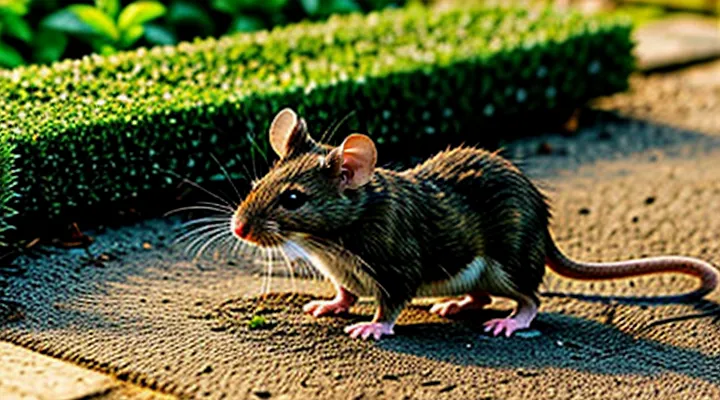
Understanding Mouse Behavior in Gardens
Why Mice Are Attracted to Your Garden
Mice are drawn to gardens because they find the environment rich in essential resources. Food, shelter, and water are readily available, creating an ideal habitat for small rodents.
- Seeds, grains, and fruit that fall to the ground supply a high‑calorie diet.
- Young seedlings and tender shoots provide easy‑to‑chew vegetation.
- Compost piles and mulched beds retain moisture and conceal insects, which serve as additional prey.
- Dense ground cover, leaf litter, and debris offer protection from predators and harsh weather.
- Access to irrigation lines or standing water satisfies hydration needs.
These factors combine to make gardens attractive feeding and nesting sites, encouraging mice to establish colonies and increase their presence over time. Understanding the specific attractants allows gardeners to target interventions that deter rodents while preserving plant health.
Signs of Mouse Infestation
Identifying Damage to Plants
Mice create distinct injuries that signal their presence in a vegetable or ornamental plot. Recognizing these signs allows gardeners to intervene before plant health declines.
Typical mouse damage includes:
- Chewed seed pods, seedlings, or tender shoots, leaving irregular bite marks.
- Hollowed stems with fresh, smooth edges where the animal has tunneled.
- Small, shallow burrows near the base of plants, often accompanied by loose soil and droppings.
- Missing or partially eaten bulbs, roots, and tubers, especially during night hours.
- Gnawed bark on young trees, exposing cambium and increasing susceptibility to disease.
Distinguishing mouse activity from other pests is essential. Insects such as cutworms produce smooth cuts at ground level, while slugs leave a slime trail and irregular holes. Rodent traces are larger, with paired front tooth impressions and a preference for soft, newly emerging tissue.
Documenting the extent of damage—counting affected plants, noting the location of burrows, and sampling droppings—provides data for targeted control measures that avoid chemical harm to the garden’s flora.
Locating Mouse Droppings and Nests
Identifying where mice are active is the first step in protecting garden vegetation. Look for fresh droppings—small, dark, rice‑shaped pellets—along plant stems, near seed heads, and under low‑lying foliage. Droppings that are glossy and moist indicate recent activity; dried, crumbly pellets suggest older presence.
Observe the soil and mulch for disturbed patches. Mice create shallow tunnels and burrows, often near the base of sturdy plants or near water sources. In these areas, you may find nests composed of shredded leaves, grass stems, and soft organic material. Nests typically appear as compact, irregularly shaped piles with a dense core.
Key indicators to verify mouse presence:
- Clusters of droppings on stems, leaves, or garden furniture.
- Small, open entrances to tunnels in mulch, compost, or loose soil.
- Accumulations of shredded plant matter forming a rounded or oval nest.
- Gnaw marks on seed heads, stems, or garden tools.
Confirming these signs allows targeted removal measures while preserving the health of surrounding plants.
Non-Lethal Mouse Control Strategies
Exclusion Methods
Fencing and Barriers
Effective exclusion of mice from garden beds relies on physical barriers that prevent entry while allowing sunlight, water, and air to reach the soil. Install a low fence made of fine mesh (¼‑inch or smaller) around the perimeter of each planting area. Secure the mesh firmly to the ground with stakes or buried edging to eliminate gaps that rodents can slip through. Overlap sections by at least six inches and fasten with galvanized wire to resist corrosion.
When constructing a barrier, consider the following components:
- Base trench: Dig a shallow trench (2‑3 inches deep) along the fence line, place the mesh in the trench, and backfill with soil to create a continuous underground seal.
- Top cover: Attach a short overhang (2‑3 inches) on the outer side of the fence to discourage climbing.
- Gate design: Use a latch that closes tightly; incorporate a mesh flap inside the gate to block small rodents that might follow a moving door.
Materials such as hardware cloth, stainless‑steel chicken wire, or polyethylene netting provide durability and resistance to gnawing. Select a material that will not leach chemicals into the soil, preserving plant health.
Regular maintenance is essential. Inspect the fence weekly for tears, loosened staples, or soil erosion that could expose openings. Repair damage promptly with matching mesh and fasteners to maintain an uninterrupted barrier.
Combining a well‑anchored fence with complementary tactics—such as removing debris, managing food sources, and encouraging natural predators—creates a comprehensive strategy that safeguards garden vegetation without resorting to toxic measures.
Sealing Entry Points
Mice gain access to garden beds through cracks, gaps, and openings around structures, irrigation systems, and the soil surface. Blocking these pathways prevents rodents from reaching plants, reducing damage without the need for chemicals or traps.
Identify potential entry points by inspecting the perimeter of the garden, the base of sheds, fence posts, and the underside of raised beds. Look for holes larger than a quarter‑inch, loose boards, torn netting, and gaps around pipes or drainage lines.
Seal identified openings using durable, non‑toxic materials:
- Expandable foam sealant for irregular cracks around foundations and irrigation fittings.
- Stainless‑steel mesh (1 mm or smaller) to cover larger gaps in fences or garden structures.
- Silicone caulk for joints between wood, brick, or concrete where mice could squeeze through.
- Heavy‑duty garden fabric under mulch to create a barrier while allowing water penetration.
Re‑evaluate the garden after sealing to ensure no new gaps have formed due to soil settlement or plant growth. Maintain the barriers by checking them seasonally and repairing any damage promptly.
By systematically eliminating access routes, gardeners create an environment where mice cannot enter, protecting crops while preserving the health of the garden ecosystem.
Repellents
Natural Repellents
Effective mouse control in a garden depends on repellents that deter rodents without damaging crops. Natural options work by exploiting sensory aversions, altering habitat conditions, or introducing mild predators. They can be applied directly to soil, plant bases, or surrounding structures, ensuring continuous protection throughout the growing season.
- Peppermint oil: dilute 1 ml in 1 L water, spray around plant stems and perimeter; strong menthol scent overwhelms mouse olfactory receptors.
- Garlic and onion extracts: crush bulbs, steep in water for several hours, strain, and apply as a foliar mist; sulfur compounds discourage foraging.
- Hot pepper spray: blend cayenne or chili powder with water and a few drops of liquid soap, disperse on foliage and ground cover; capsaicin irritates nasal passages.
- Predator urine: commercial products containing fox, coyote, or bobcat scent markers placed near entry points create a perceived threat.
- Diatomaceous earth: spread a thin layer around plant bases; microscopic silica particles damage the exoskeleton of rodents upon contact.
Implementation requires regular reapplication, especially after rain or irrigation, and monitoring for any plant stress. Combining two or more repellents enhances efficacy, while maintaining soil health and biodiversity.
Plant-Based Repellents
Plant-based repellents provide a practical means of deterring mice without compromising garden health. Certain herbs and aromatic plants emit volatile compounds that mice find unpleasant, creating a chemical barrier around cultivated areas.
- Mint (Mentha spp.) – Strong scent repels rodents; plant in pots along garden edges or intersperse crushed leaves among soil.
- Lavender (Lavandula angustifolia) – Essential oil disrupts mouse olfactory signals; sow seeds near vegetable rows or apply dried flowers as mulch.
- Rosemary (Rosmarinus officinalis) – Woody aroma discourages foraging; maintain as a border shrub or scatter chopped stems around vulnerable plants.
- Catnip (Nepeta cataria) – Contains nepetalactone, a known mouse deterrent; grow in clusters distant from edible crops to avoid attracting felines.
- Garlic (Allium sativum) – Sulfur compounds act as a repellent; crush cloves and mix with soil or create a garlic-infused spray for foliage.
Application techniques enhance effectiveness:
- Border planting – Establish a continuous line of repellent species around the perimeter to limit entry points.
- Ground cover integration – Mix low-growing herbs with mulch to maintain scent contact with the soil surface.
- Extract sprays – Steep plant material in water, strain, and spray onto stems and leaf litter; repeat weekly after rain.
- Rotational planting – Alternate repellent species each season to prevent mouse habituation.
Safety considerations remain simple: all suggested plants are edible or non-toxic to humans and most beneficial insects. Avoid concentrating large quantities of strong-smelling herbs directly on tender seedlings, as excessive aromatics may hinder growth. Combining multiple plant repellents creates overlapping deterrent zones, reducing the likelihood of mouse intrusion while preserving the garden’s productive capacity.
Scent-Based Repellents
Scent-based repellents deter rodents by exploiting their acute sense of smell. Compounds such as peppermint oil, clove oil, garlic extract, and predator urine create an environment mice find hostile, while leaving vegetables and ornamental plants unharmed.
Application methods vary. Soaking cotton balls in essential oil and placing them near planting beds, garden paths, and burrow entrances provides continuous exposure. Spraying a diluted mixture of oil and water onto soil surfaces and foliage creates a vapor barrier; reapplication every 5–7 days maintains potency as weather dilutes the scent. Embedding sachets of dried herbs—mint, rosemary, or lavender—within mulch offers a slow‑release effect that lasts several weeks.
Key considerations ensure effectiveness without damaging flora:
- Use concentrations no higher than 5 % essential oil in water to prevent phytotoxicity.
- Test a small area before full‑scale treatment to confirm plant tolerance.
- Position repellents downwind of the garden to maximize scent drift toward mouse activity zones.
- Combine scent deterrents with physical barriers, such as mesh or raised beds, for integrated control.
Scent-based repellents provide a non‑chemical, plant‑friendly strategy for reducing mouse presence, supporting healthy garden production while preserving ecological balance.
Commercial Repellents
Commercial mouse repellents offer a practical alternative to traps and poisons when the goal is to protect garden vegetation. Formulations are engineered to deter rodents through scent, taste, or ultrasonic emission, allowing growers to maintain plant health while discouraging entry.
Typical categories include:
- Chemical repellents: oil‑based or granular products containing predator urine, peppermint oil, or capsaicin. Applied to soil edges, mulch, or plant stems, they create an unpleasant environment for mice without contact toxicity.
- Ultrasonic devices: battery‑ or solar‑powered emitters that broadcast frequencies above human hearing. Placement near fences or irrigation lines provides continuous coverage; effectiveness diminishes with dense foliage or ground clutter.
- Granular bait‑free deterrents: polymer beads infused with natural deterrents. Spread around planting beds, they release volatile compounds gradually, reducing the need for frequent reapplication.
When selecting a commercial repellent, prioritize products labeled as plant‑safe, non‑toxic to pollinators, and compliant with local agricultural regulations. Verify that active ingredients have documented efficacy against Mus musculus and do not persist in soil beyond the recommended interval. Manufacturers often provide data sheets indicating re‑application frequency, typical coverage area, and environmental impact.
Proper deployment maximizes results. Apply repellents at the beginning of the growing season, focusing on entry points such as garden borders, raised beds, and irrigation drips. Re‑treat after heavy rain or irrigation events to maintain concentration levels. Combine chemical or granular options with physical barriers—mesh fences or hardware cloth—to create a multi‑layered defense that reduces mouse activity without compromising plant vigor.
Habitat Modification
Garden Cleanliness and Maintenance
Maintaining a tidy garden creates an environment that discourages mice from establishing nests and foraging. Regular removal of debris, fallen fruit, and excess mulch eliminates food sources and hiding places, reducing rodent attraction.
Key practices for effective garden hygiene:
- Collect and compost ripe produce promptly; store leftovers in sealed containers.
- Trim dense ground cover, low shrubs, and tall grasses to increase visibility and limit shelter.
- Keep garden edges clear of woodpiles, stone stacks, or other structural debris that can serve as nesting sites.
- Dispose of leaf litter and plant clippings regularly; use a mulching mower to break down material rather than allowing it to accumulate.
- Inspect irrigation equipment for leaks; standing water attracts insects that provide additional food for mice.
In addition to debris control, structural upkeep reinforces deterrence:
- Seal gaps and cracks in garden fences, raised beds, and greenhouse frames with weather‑resistant caulk or mesh.
- Install smooth, metal or plastic edging around garden beds to prevent rodents from climbing.
- Maintain a clean compost bin with a tight‑fitting lid and a balanced carbon‑to‑nitrogen ratio to avoid odor buildup.
Consistent application of these measures limits the resources mice need to survive, thereby protecting plants without resorting to chemical or lethal interventions.
Removing Food Sources
Mice persist in gardens primarily because they locate easily accessible food. Eliminating these attractants deprives rodents of a critical incentive to forage among plants.
- Harvest ripe fruit promptly; fallen or over‑ripe produce should be removed daily.
- Collect fallen nuts, seeds, and grains; store them in sealed containers.
- Dispose of vegetable scraps, compost, and kitchen waste in rodent‑proof bins.
- Keep bird feeders away from planting areas; clean spillage regularly.
- Restrict access to pet food by feeding indoors or using secured feeders.
By systematically removing edible residues, the garden no longer offers a reliable nourishment source, compelling mice to seek alternative habitats and reducing pressure on cultivated flora.
Water Source Control
Mice are attracted to any consistent moisture, making water sources a primary factor in garden infestations. Reducing or eliminating these sources deprives rodents of a critical survival need and limits their activity around plants.
- Remove standing water from birdbaths, pet dishes, and decorative fountains; empty and dry them daily.
- Repair leaky irrigation lines, drip emitters, and sprinkler heads; ensure soil drains efficiently after watering.
- Replace mulch with coarse, well‑aerated material that does not retain excess humidity.
- Position compost bins on raised platforms with a waterproof base; cover them securely to prevent seepage.
- Install a rain‑water diversion system that channels runoff away from garden beds and toward a drainage area.
Regular inspection of irrigation equipment and prompt repair of leaks prevent inadvertent water accumulation. Where watering is necessary, apply it early in the day to allow soil surface to dry before nightfall, reducing nocturnal moisture that attracts rodents.
By managing all potential water reservoirs, gardeners remove a key incentive for mice, supporting rodent control while preserving the health of cultivated plants.
Live Trapping and Relocation
Choosing the Right Traps
Selecting effective rodent capture devices is essential for protecting garden flora while removing mice. The choice of trap determines both success rate and risk to plants, so evaluate each option against specific criteria.
- Live‑catch traps: Constructed from sturdy wire mesh, these cages capture mice unharmed. Position them away from tender seedlings and line the interior with a thin layer of shredded paper to prevent escape. Check daily; release captured animals at least 200 m from the garden to discourage return.
- Snap traps with baited bases: Modern snap mechanisms incorporate a narrow trigger plate that minimizes contact with soil. Use non‑sticky bait such as a small piece of peanut butter placed on a raised platform to keep the lure above ground cover. This design reduces the chance of debris or seedlings being disturbed.
- Electronic kill traps: Battery‑powered devices deliver a rapid voltage shock. Place them on a stable, flat surface insulated from mulch. The enclosed chamber prevents any debris from entering the garden soil.
- Multiple‑catch snap traps: Designed to hold several mice before requiring reset, these models feature a hinged lid that closes automatically. Install them along established mouse pathways, ensuring the entry point aligns with the ground plane to avoid uprooting nearby plants.
Key factors for trap selection:
- Plant safety: Choose traps with minimal moving parts near the soil surface. Elevated bait stations keep food away from foliage.
- Target specificity: Opt for devices calibrated for small rodents; larger mechanisms may inadvertently harm beneficial insects or small mammals.
- Ease of monitoring: Traps that allow quick visual inspection reduce disturbance to surrounding vegetation.
- Durability: Materials resistant to corrosion and moisture maintain performance through rain or irrigation cycles.
Placement strategy reinforces trap effectiveness. Identify mouse runways by noting fresh gnaw marks, droppings, or cleared pathways. Set traps perpendicular to these routes, spacing them 1–2 ft apart. Secure each unit with garden stakes or sandbags to prevent accidental displacement during watering.
Regular maintenance sustains results. Empty live‑catch cages, replace snap‑trap baits, and recharge electronic units every 2–3 weeks. Clean all surfaces with mild soap solution to eliminate scent trails that could deter further mouse activity.
By matching trap type to garden layout, adhering to safety guidelines, and maintaining a disciplined inspection routine, gardeners can eradicate mice while preserving the health of their plants.
Safe Relocation Practices
Mice that invade a garden can be moved to a more suitable habitat without damaging crops or ornamental plants. The process begins with a thorough inspection to locate burrows, runways, and access points. Record the size of the infestation and note any vulnerable seedlings nearby.
The relocation procedure follows these steps:
- Trap selection: Use live-catch traps made of sturdy wire mesh or humane plastic cages. Ensure the trap size accommodates adult mice without causing injury.
- Bait placement: Apply a small amount of natural attractant such as peanut butter, sunflower seeds, or dried fruit. Place the bait at the far end of the trap to encourage full entry.
- Trap positioning: Set traps along identified pathways, near shelter sites, and close to garden edges. Position traps flat on the soil surface to avoid tipping.
- Monitoring: Check traps at least twice daily. Remove captured mice promptly to reduce stress.
- Release site: Transport each mouse to a location at least one mile away, preferably a wooded area with abundant cover and natural food sources. Release the animal facing away from the garden to encourage immediate dispersal.
- Sanitation: Clean traps with mild soap and water after each use. Disinfect the garden perimeter with a dilute vinegar solution to deter re‑entry.
After relocation, continue to observe the garden for signs of new activity. Reinforce vulnerable entry points with hardware cloth, metal flashing, or tightly packed mulch. Maintain a tidy garden bed, removing fallen fruit and excess debris that could attract rodents. Regular vigilance ensures that mice remain absent while plants stay healthy.
Post-Relocation Considerations
After rodents have been displaced, the garden requires systematic follow‑up to prevent re‑infestation and to safeguard plant health. Immediate actions include inspecting the area for remaining signs of activity, such as gnaw marks or droppings, and sealing any newly exposed entry points.
Key measures to maintain a rodent‑free environment:
- Install physical barriers, for example mesh or hardware cloth, around vulnerable beds and low‑lying structures.
- Apply non‑lethal deterrents, such as ultrasonic devices or predator scent sprays, on a regular schedule.
- Reduce attractants by storing compost, seeds, and feed in sealed containers and removing fallen fruit promptly.
- Monitor moisture levels; excess water creates favorable conditions for shelter, so adjust irrigation to avoid standing pools.
Long‑term vigilance involves periodic surveys of vegetation for stress symptoms that may signal hidden activity. Replace damaged plants with species less appealing to rodents, and encourage natural predators by providing habitats for owls, hawks, and beneficial insects.
Document observations in a garden log, noting dates of interventions, weather patterns, and any recurrence. This record supports timely adjustments to management practices and ensures sustained protection of the cultivated area.
Integrated Pest Management for Mice
Combining Multiple Strategies
Effective mouse control in a garden requires the simultaneous use of several methods. Relying on a single technique often yields limited results because mice adapt quickly to isolated measures.
- Install low, rigid fences around beds; mesh with openings no larger than ¼ inch prevents entry while allowing water and air flow.
- Remove debris, tall grasses, and fallen fruit that provide shelter and food. Regular pruning and compost management reduce attractive habitats.
- Encourage natural predators such as barn owls and foxes by installing nesting boxes and preserving edge habitats. Predator presence lowers mouse populations without chemical intervention.
- Apply plant‑based repellents (e.g., peppermint oil, dried cayenne) along perimeter lines. Reapply after rain to maintain effectiveness.
- Deploy humane snap traps or live‑catch cages in high‑activity zones. Position traps perpendicular to runways and check them daily to prevent suffering and avoid plant damage.
Synchronizing these actions creates a hostile environment for rodents while preserving plant health. Physical barriers block access, habitat sanitation removes incentives, predators add biological pressure, repellents deter movement, and traps eliminate individuals that bypass other defenses. The combined effect reduces mouse numbers more reliably than any single approach.
Regular Monitoring and Prevention
Regular monitoring is the cornerstone of any strategy to keep rodents away from cultivated areas while preserving plant health. Systematic observation allows early detection of activity, reducing the need for reactive measures that could damage crops.
A practical monitoring routine includes:
- Daily visual checks of soil surfaces, mulch layers, and plant bases for droppings, gnaw marks, or fresh burrows.
- Weekly placement of motion‑activated cameras or infrared sensors near known entry points to record nocturnal movement.
- Bi‑weekly inspection of garden edges, fences, and nearby structures for gaps or holes that provide access.
When signs of mice are identified, immediate preventive actions prevent population growth. Replace compromised mulch with coarse, abrasive material that discourages nesting. Seal all openings larger than 1 cm using metal flashing, hardware cloth, or silicone sealant. Install low‑profile, non‑chemical deterrents—such as ultrasonic emitters or vibrational stakes—at identified hotspots.
Consistent record‑keeping supports trend analysis. Log each observation, the location of activity, and the measures applied. Over time, the data reveal patterns, enabling targeted habitat modification, such as trimming low vegetation that offers cover or relocating compost piles away from planting beds.
By integrating vigilant observation, prompt physical barriers, and data‑driven adjustments, gardeners maintain rodent‑free environments without resorting to harmful pesticides or compromising plant integrity.
Adapting to Seasonal Changes
Seasonal variation dictates the behavior of garden rodents, requiring distinct tactics throughout the year.
In spring, mice emerge from burrows to forage on fresh growth. Deploy physical barriers such as fine‑mesh row covers around seedlings and install temporary copper or aluminum strips around plant stems. Reduce ground cover by trimming low vegetation, which eliminates hiding places and forces rodents onto exposed pathways where traps can be placed effectively.
Summer conditions increase rodent activity near water sources. Position shallow, water‑filled containers away from vegetable beds and provide alternative hydration stations to divert mice from plant roots. Reinforce mulch layers with coarse wood chips that discourage tunneling while preserving soil moisture for crops.
Autumn brings seed drop and fruiting, attracting mice to abundant food. Harvest ripe produce promptly and store it in sealed containers. Apply a thin layer of diatomaceous earth around storage areas and garden edges; the abrasive particles damage insect exoskeletons and irritate rodent footpads without harming plants. Replace soft leaf litter with coarse bark mulch to limit shelter.
Winter forces mice to seek shelter in garden structures. Seal cracks in raised beds, compost bins, and garden sheds with steel wool or silicone caulk. Install insulated, removable covers over vulnerable plots to prevent burrow entry while allowing sunlight penetration. Check and reset snap traps weekly, placing them along known entry routes identified by fresh gnaw marks.
Overall, align each seasonal measure with the prevailing climate conditions, ensuring that protective actions remain plant‑safe while systematically reducing mouse presence.
Plant Protection Techniques
Protecting Vulnerable Plants
Mice can gnaw seedlings, uproot young stems and consume tender foliage, threatening the survival of delicate garden varieties. Effective protection requires a combination of exclusion, deterrence and habitat management that does not compromise plant health.
- Install fine‑mesh hardware cloth or garden fleece around vulnerable beds; a ¼‑inch aperture blocks rodent entry while allowing air and light penetration.
- Apply natural repellents such as crushed garlic, peppermint oil or dried chili flakes along planting rows; rodents avoid strong aromatic compounds.
- Remove debris, fallen fruit and dense ground cover that provide shelter; a tidy garden reduces hiding places and discourages colonization.
- Encourage predators—barn owls, hawks, and feral cats—by installing perches, nest boxes or feeding stations; predation pressure lowers mouse activity near sensitive plants.
- Use snap or live‑catch traps placed at a distance from the crops; check and release captured animals promptly to prevent accidental plant damage.
Complementary measures include rotating crops to disrupt foraging patterns and planting mouse‑resistant species (e.g., herbs with strong scents) alongside vulnerable ones. Consistent application of these tactics safeguards tender plants while eliminating the rodent threat without chemical intervention.
Using Physical Barriers
Physical barriers prevent mice from accessing garden beds while leaving vegetation untouched. A solid, impermeable barrier blocks the rodents’ ability to tunnel or climb into planting areas.
- Copper or aluminum mesh with openings no larger than ¼ inch, anchored flush against soil and surrounding structures.
- Rigid plastic or metal edging placed vertically at least 6 inches high, buried 2 inches underground to stop burrowing.
- Fine‑mesh garden netting stretched over raised beds, secured with staples or garden staples to eliminate gaps.
- Hardware cloth cages around vulnerable crops, welded at corners for durability.
Installation requires secure attachment to prevent gaps. Drive stakes or posts into the ground, then fasten the chosen material with galvanized nails or zip ties. Overlap seams by at least 2 inches and seal with outdoor‑grade silicone to maintain continuity. Periodically inspect for displacement caused by wind, watering, or animal pressure; repair any breaches immediately.
When selecting materials, prioritize corrosion resistance and UV stability to ensure long‑term performance. Avoid wooden fences untreated with chemicals, as mice can gnaw through and residues may affect plant health. Combine barriers with regular garden sanitation—remove debris, trim overgrown vegetation, and keep compost covered—to reduce attractants and reinforce the physical deterrent.
Selecting Mouse-Resistant Plants
Choosing plant varieties that mice avoid reduces the need for chemical deterrents and protects the garden’s productivity.
Key characteristics of mouse‑resistant plants:
- Strong, aromatic foliage (e.g., rosemary, thyme, sage) that masks scent trails.
- Thick, leathery leaves that are difficult to gnaw (e.g., lavender, ornamental grasses).
- Low seed production or seed heads that are inaccessible to small rodents (e.g., dwarf conifers, certain ornamental shrubs).
Recommended species:
- Herbs such as mint, oregano, and basil, whose potent oils repel rodents.
- Perennials with tough stems, including catmint, Russian sage, and yarrow.
- Groundcovers like creeping thyme and sedum that form dense mats, limiting mouse movement.
Implementation tips:
- Plant aromatic herbs around the perimeter to create a scent barrier.
- Space dense groundcovers tightly to eliminate gaps where mice could nest.
- Combine tall, woody shrubs with low, spiny perennials to discourage climbing and foraging.
By selecting and arranging these plant types, gardeners can minimize mouse activity while preserving the health of cultivated crops.