
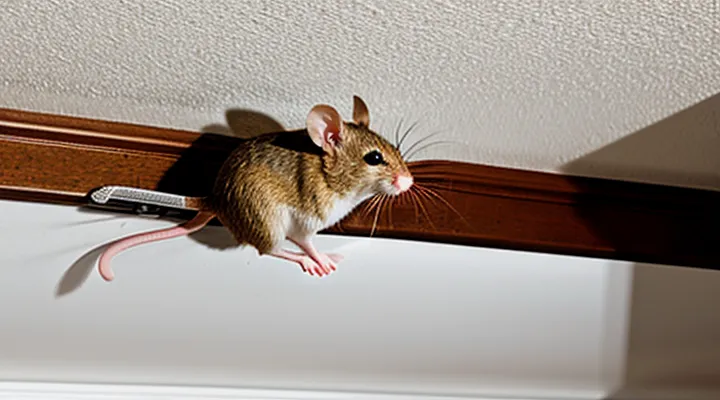
Understanding the Problem «Mice in Stretch Ceilings»
Why Mice Are Attracted to Stretch Ceilings
Common Entry Points for Rodents
Identifying how rodents gain access to the space below a stretch ceiling is essential for any effective eradication plan. Mice exploit any opening larger than a quarter‑inch, and they can travel through walls, floors, and ceiling cavities with minimal resistance.
- Gaps around plumbing and electrical penetrations. Openings left after pipe, conduit, or cable installation often lack proper sealing.
- Unfinished or poorly sealed seams where the stretch membrane meets structural supports. Loose edges or torn seams provide a direct route.
- Cracks in drywall, plaster, or concrete surrounding the ceiling framework. Structural movement and temperature fluctuations widen these fissures over time.
- Openings around HVAC ducts and vents. Ductwork that passes through the ceiling cavity frequently contains unsealed collars or missing gaskets.
- Gaps behind ceiling-mounted fixtures such as lights, speakers, or sprinkler heads. The cutouts for mounting hardware are common entry points if not properly caulked.
- Open or damaged access panels used for maintenance. Panels that are left ajar or lack weather‑stripping invite rodent intrusion.
- Holes left by previous repairs or renovations. Unfilled drill holes, screw penetrations, and nail openings remain unnoticed without a systematic inspection.
Each of these points must be inspected, sealed with steel wool, caulk, or appropriate metal flashing, and monitored regularly. Comprehensive blockage of these pathways prevents mice from re‑entering the area beneath the stretch ceiling, supporting long‑term control.
Ideal Conditions for Nesting
Mice select nesting sites that provide steady warmth, shelter from predators, and easy access to food and water. Under a stretch ceiling, the space often remains undisturbed, maintaining a constant temperature that matches the building’s interior climate. The ceiling’s airtight seal limits airflow, creating a humid micro‑environment that supports nesting material preservation. Gaps around lighting fixtures, ventilation ducts, or ceiling anchors offer concealed entry points, while the cavity’s darkness reduces exposure to human activity.
Key elements that create an optimal nest location beneath a suspended ceiling:
- Temperature stability between 20 °C and 30 °C (68 °F–86 °F).
- Minimal disturbance from cleaning or maintenance operations.
- Availability of soft, dry materials such as insulation fibers, shredded paper, or fabric scraps.
- Proximity to concealed food sources, including crumbs that fall from the room above or stored supplies in adjacent walls.
- Presence of small openings (≤ ½ in) that allow entry but are difficult to detect during routine inspections.
- Relative humidity of 40‑60 % to prevent nesting material from becoming brittle.
Understanding these conditions enables targeted interventions: sealing gaps, reducing humidity, removing excess insulation, and scheduling regular inspections to disrupt the environment mice consider ideal for breeding.
Recognizing the Signs of Infestation
Auditory Cues «Scratching and Squeaking»
Auditory cues such as scratching and squeaking provide the earliest indication that rodents occupy the cavity beneath a stretch ceiling. These sounds travel through the tensioned fabric with minimal distortion, allowing occupants to pinpoint activity without visual inspection.
Scratching typically manifests as intermittent, high‑frequency bursts produced when mice gnaw at insulation, wiring, or structural supports. The pattern repeats at intervals of 5–15 seconds during nocturnal hours and quietens when the animals rest. Detecting a consistent rhythm suggests a single or small group of individuals confined to a specific sector of the ceiling.
Squeaking appears as low‑to‑mid‑range vocalizations generated during social interaction, mating, or distress. The noise is often continuous for several minutes, followed by periods of silence. A sudden increase in squeak volume indicates heightened activity, such as the presence of a new intruder or the approach of a predator.
Effective monitoring relies on the following actions:
- Install a portable audio recorder or a smartphone app near the ceiling edge.
- Conduct recordings during peak rodent activity (late evening to early morning).
- Review spectrograms to differentiate scratching (sharp spikes) from squeaking (broader tones).
- Map the strongest signal locations to identify entry points and nesting zones.
Integrating auditory data into the eradication process enhances precision. Once the loudest source is located, position snap traps or bait stations directly beneath the identified area. Schedule trap checks in alignment with the observed activity cycle to maximize capture rates. Continuous sound surveillance after trap deployment confirms whether the infestation persists or has been resolved.
Visual Evidence «Droppings and Gnaw Marks»
Visual evidence such as droppings and gnaw marks provides the first reliable indication of rodent activity beneath a stretch ceiling. Identifying these signs allows technicians to target inspection zones, prioritize treatment areas, and verify the effectiveness of control measures.
Mouse droppings appear as small, dark, cylindrical pellets roughly 3–5 mm long. Fresh specimens are moist and may have a faint odor; older droppings dry and become crumbly. Accumulations are often found along the ceiling’s perimeter, near pipe penetrations, or at the junction of ceiling panels and structural supports. The presence of droppings directly beneath a specific tile signals an active foraging route.
Gnaw marks manifest as shallow, crescent-shaped indentations on the underside of ceiling panels, wiring, or adjacent insulation. Teeth impressions are typically 2–3 mm wide, with parallel scratches indicating repeated chewing. Fresh gnaw marks exhibit sharp edges, while older ones may show frayed material. Concentrations of gnaw marks near seams or fasteners reveal preferred entry points and nesting sites.
Effective inspection follows a systematic approach:
- Conduct a visual sweep of the entire ceiling surface, using a flashlight to illuminate dark corners.
- Record the location of each droppings cluster and gnaw mark with a detailed diagram or digital photograph.
- Measure the size of specimens to differentiate mouse evidence from that of larger rodents.
- Correlate evidence clusters with potential access routes, such as gaps around HVAC ducts or cable trays.
- Prioritize treatment in zones where droppings and gnaw marks overlap, indicating sustained activity.
Documenting droppings and gnaw marks creates a factual baseline for monitoring progress and ensures that subsequent elimination steps address the actual infestation sites rather than speculative areas.
Preparation and Safety Measures
Assessing the Extent of the Infestation
Identifying Hotspots
Locating mouse activity zones under a suspended ceiling concentrates treatment where it will be most effective.
Typical indicators of a hotspot include:
- Fresh droppings clustered near ceiling joints or fixtures.
- Gnaw marks on metal framing, insulation, or wiring sheaths.
- Streaks of grease or urine on the underside of the ceiling surface.
- Visible nesting material such as shredded paper, fabric, or insulation.
- Small burrows or tunnels in insulation or acoustic panels.
Inspection techniques:
- Conduct a systematic visual sweep, starting at the perimeter and moving inward in 1‑meter sections.
- Use a bright flashlight at a low angle to reveal droppings and gnaw marks hidden in seams.
- Deploy a handheld infrared camera to capture heat signatures of active rodents during night hours.
- Lay a thin layer of flour or talc on suspected pathways; footprints will appear after a few hours.
- Set up motion‑sensitive trail cameras aimed at high‑traffic areas for continuous monitoring.
Common hotspot locations:
- Junctions where the stretch ceiling meets walls or columns.
- Penetrations for HVAC ducts, lighting fixtures, and fire suppression heads.
- Gaps around cable trays, pipe sleeves, and conduit entries.
- Areas where the ceiling material is loosely tensioned, creating crevices.
Document each finding with photo evidence and precise coordinates. This record guides the placement of traps, bait stations, and sealing materials, ensuring that subsequent elimination steps address the most critical points first.
Estimating Rodent Population
Estimating the number of mice hidden beneath a stretch ceiling is essential for selecting an effective removal strategy. Accurate population assessment prevents unnecessary interventions and ensures resources target the actual infestation level.
Begin with a visual inspection of the ceiling cavity. Look for gnaw marks, nesting material, urine stains, and droppings. Count droppings in defined sections (e.g., per square foot) to establish an activity index. Higher indices correlate with larger populations.
Set a series of live or snap traps along identified pathways. Record captures over a 48‑hour period. Use the capture‑recapture formula:
- N = (M × C) / R
where M = total marked individuals released, C = total captures, and R = recaptured marked individuals. This method provides a statistically reliable estimate when recapture rates exceed 20 %.
Deploy infrared or motion‑activated cameras inside the cavity for 24‑48 hours. Count distinct mouse appearances per hour. Multiply the hourly average by the active hours observed to approximate total individuals present.
Combine data from droppings, trap captures, and camera sightings. Apply a weighted average—assign 40 % to trap data, 35 % to droppings index, and 25 % to camera counts—to derive a final estimate. Document all figures for reference during subsequent treatment phases.
Prioritizing Safety
Personal Protective Equipment «Gloves and Masks»
When working beneath a stretch ceiling to eradicate rodents, direct contact with droppings, urine, and potential pathogens is inevitable. Protective gloves and masks form the primary barrier between the operator and these hazards.
Gloves must resist puncture, chemical exposure, and abrasion. Recommended options include:
- Nitrile gloves, 5‑mil thickness, powder‑free, offering chemical resistance and tactile sensitivity.
- Heavy‑duty leather gloves for handling tools that may cut or scrape.
- Double‑glove technique: an inner disposable nitrile pair beneath a reusable cut‑resistant outer glove.
Masks protect the respiratory tract from aerosolized particles, dust, and allergens released during ceiling removal or cleaning. Effective choices are:
- N95 respirators, certified to filter at least 95 % of airborne particles.
- Half‑face elastomeric respirators equipped with P100 filters for extended use.
- Disposable surgical masks only where aerosol generation is minimal; they do not replace certified respirators in high‑risk scenarios.
Correct usage procedures:
- Inspect gloves for tears before each use; replace immediately if damage is observed.
- Don gloves before any contact with contaminated surfaces; remove them by turning inside out to avoid contaminating the exterior.
- Perform a seal check on masks prior to entry into the work area; re‑seal after any adjustment.
- Dispose of single‑use gloves and masks in sealed biohazard bags; decontaminate reusable gloves according to manufacturer guidelines.
Adhering to these protective measures minimizes exposure to zoonotic agents and maintains a safe working environment while eliminating mice under stretch ceilings.
Protecting Food and Water Sources
When mice occupy the cavity beneath a stretched ceiling, they can contaminate stored food and water supplies. Preventing access to these resources eliminates a primary attraction and reduces the likelihood of infestation recurrence.
First, identify all entry points that lead from the ceiling cavity to pantry or utility areas. Seal gaps with steel wool, caulk, or expandable foam that rodents cannot gnaw through. Verify integrity of doors, windows, and vent covers; install tight-fitting screens where necessary.
Second, relocate food containers to sealed, rodent‑proof containers made of metal or heavy‑wall plastic. Ensure lids lock securely. Store dry goods off the floor and away from walls, creating a clear perimeter that discourages foraging.
Third, protect water sources. Cover open water dispensers with lids or use sealed bottles. Inspect plumbing fixtures for leaks; repair any drips promptly, as moisture attracts mice and provides a drinking source.
Fourth, eliminate residual food debris. Sweep and vacuum the area beneath the ceiling after any cleaning. Dispose of waste in sealed bags and remove them from the premises regularly.
Fifth, implement a monitoring system. Place snap traps or electronic monitors in concealed locations within the ceiling void. Check them daily, record captures, and adjust trap placement based on activity patterns.
Finally, maintain a strict sanitation schedule. Conduct weekly inspections of storage areas, replenish sealant where wear appears, and rotate stock to use older items first. Consistent enforcement of these measures safeguards food and water supplies while supporting long‑term mouse control beneath the stretched ceiling.
Non-Lethal Rodent Removal Techniques
Live Trapping and Relocation
Choosing the Right Traps
Selecting an effective trap is a critical step when dealing with rodents hidden beneath a stretch ceiling. The choice depends on the species’ behavior, the accessibility of the space, and safety considerations for occupants and building materials.
- Snap traps – Provide immediate kill, ideal for confined gaps where a mouse can enter the trigger zone. Use steel plates with a strong spring; position perpendicular to the mouse’s travel path.
- Live‑catch traps – Allow relocation of captured mice. Opt for models with smooth interiors to prevent injury. Place near known activity zones and check frequently to avoid stress.
- Electronic traps – Deliver a rapid, humane shock. Suitable for areas with limited ventilation, as they generate no odor. Ensure the device is rated for low‑voltage operation to protect surrounding wiring.
- Glue boards – Offer a passive solution but risk leaving the animal trapped for extended periods. Recommend only in hard‑to‑reach corners where other traps cannot be installed, and pair with regular monitoring.
Key factors for placement:
- Identify entry points by inspecting seams, joints, and any gaps in the ceiling membrane.
- Position traps directly in these pathways; align the trigger mechanism with the mouse’s natural forward motion.
- Secure traps to the ceiling framework using brackets or adhesive pads that do not compromise the stretch material.
- Maintain a clean environment around each trap to prevent debris from blocking the trigger.
When choosing bait, use high‑protein items such as peanut butter, dried meat, or commercial rodent attractants. Rotate bait types weekly to sustain interest. Replace traps promptly after capture to preserve effectiveness and reduce the chance of secondary infestations.
Proper Baiting Techniques
Effective baiting under a suspended ceiling requires precise selection, placement, and maintenance. Choose attractants that match the local mouse diet; common options include peanut butter, dried fruit, and commercially formulated rodent lures. Prefer non‑toxic, odor‑controlled products to avoid contaminating the building environment.
Placement must target active pathways while minimizing exposure to occupants. Follow these steps:
- Identify gaps, seams, or vent openings where rodents travel.
- Position bait stations just inside those openings, ensuring the bait is fully enclosed to prevent accidental contact.
- Secure stations to the ceiling framework using zip ties or adhesive pads, maintaining a distance of at least 12 inches from electrical fixtures.
- Install a minimum of three stations per 100 sq ft of ceiling area, adjusting density based on infestation severity.
Monitor bait stations daily. Replace depleted bait promptly, and record capture rates to gauge effectiveness. Remove stations after a two‑week period of no activity, then conduct a final inspection to confirm eradication. Regular sanitation and sealing of entry points complement baiting, ensuring long‑term control beneath the stretch ceiling.
Safe Release Protocols
When mice have been trapped beneath a suspended ceiling, releasing them without injury requires a controlled approach. Follow these precise actions to ensure humane handling and prevent re‑entry.
-
Prepare a transport container. Choose a sturdy, ventilated box with a secure lid. Line the interior with a soft material to reduce stress on the animal.
-
Wear protective gloves. Thick latex or nitrile gloves prevent bites and keep hands clean.
-
Approach the trap calmly. Open the trap slowly, keeping the lid angled away from the mouse to avoid sudden movements.
-
Guide the mouse into the container. Use a thin piece of cardboard or a small brush to coax the animal, avoiding direct hand contact.
-
Seal the container promptly. Close the lid and lock it with a simple latch to prevent escape during transport.
-
Relocate the mouse. Carry the container at least 200 meters from the building, preferably to a wooded area with natural cover and access to food and water.
-
Release the mouse. Place the container on its side, open the lid, and step back to allow the animal to exit independently.
-
Clean the trap. Disinfect with a mild bleach solution (1 part bleach to 9 parts water), rinse thoroughly, and dry before reuse.
-
Inspect the ceiling cavity. Identify entry points such as gaps around ducts, pipe penetrations, or seams in the stretch material. Seal openings with steel wool, caulking, or appropriate mesh to block future incursions.
-
Monitor the area. Install a motion‑activated camera or set additional traps for a week to verify that no new rodents appear.
Adhering to this protocol eliminates health risks, complies with animal‑welfare standards, and supports long‑term prevention of mouse activity beneath suspended ceilings.
Repellents and Deterrents
Natural Repellents «Peppermint Oil and Dryer Sheets»
Peppermint oil and dryer sheets are widely recognized for their ability to deter rodents without chemicals. Both substances emit scents that mice find unpleasant, making them practical tools for preventing infestations beneath a stretch ceiling.
Applying peppermint oil involves soaking cotton balls or small fabric pieces in the oil and positioning them at regular intervals along the perimeter of the ceiling cavity. A spacing of 12‑18 inches ensures continuous exposure to the aroma. Replace the saturated material every two weeks to maintain potency, as the scent diminishes over time.
Dryer sheets function similarly by releasing a strong fragrance when disturbed by airflow. Cut each sheet into strips 2‑3 inches wide and tuck them into crevices, insulation gaps, and any accessible voids within the ceiling space. Replace the strips monthly, or sooner if the scent fades.
Key considerations:
- Use 100 % pure peppermint essential oil; synthetic blends may lack effectiveness.
- Avoid direct contact of oil‑soaked materials with electrical wiring to prevent corrosion.
- Ensure dryer sheets are placed away from heat sources to reduce fire risk.
- Combine the two repellents for a layered approach: oil for continuous vapor, sheets for intermittent release when air moves.
Monitoring mouse activity after deployment helps gauge success. If signs persist, increase the number of oil‑treated points or add fresh dryer sheet strips. Consistent maintenance of these natural deterrents supports a long‑term reduction of rodent presence beneath the ceiling.
Ultrasonic Devices «Effectiveness and Limitations»
Ultrasonic repellents emit high‑frequency sound waves that rodents cannot consciously hear. The devices are compact, require only a power source, and can be installed directly on the framework supporting a suspended ceiling.
Effectiveness
- Laboratory tests show a reduction in mouse activity within a 2‑meter radius when the emitter operates continuously.
- Field observations indicate that rodents abandon a treated area after several days of exposure, provided no alternative shelter is available.
- The technology works without chemicals, eliminating risks of residue or odor that could affect indoor air quality.
Limitations
- Sound attenuation occurs through dense ceiling tiles and insulation; coverage may be uneven in large or multilayered installations.
- Mice can become habituated after prolonged exposure, diminishing the deterrent effect.
- Devices do not address existing infestations; they prevent new entries but do not eliminate occupants already present.
Practical application
- Position emitters at equal intervals along the ceiling grid to ensure overlapping acoustic fields.
- Verify that power connections are concealed to maintain the aesthetic of the stretch ceiling.
- Combine ultrasonic units with physical barriers, such as sealed conduit openings, to enhance overall control.
- Monitor rodent activity weekly; replace or relocate devices if activity persists beyond five days.
Lethal Rodent Control Methods «If Necessary»
Snap Traps and Glue Traps
Strategic Placement of Traps
Effective rodent control under a stretched ceiling relies on precise trap positioning. Locate entry points by inspecting seams, joints, and any gaps where wiring or ductwork penetrates the ceiling. Mark these locations before installing devices.
Identify high‑traffic routes. Mice travel along walls and follow the shortest path to food sources. Place snap or electronic traps parallel to these pathways, approximately 2–3 inches from the wall surface. Position traps at the base of joists or directly beneath ceiling tiles where movement is most likely.
Avoid placing traps in open areas without concealment. Use small pieces of cardboard or cloth to hide the mechanism while keeping the trigger accessible. Ensure each trap is upright, with the trigger side facing the anticipated direction of approach.
Maintain a spacing pattern. Deploy traps every 12–18 inches along a continuous line that spans the length of the suspected route. In corners or junctions, add an extra device to cover intersecting paths.
Monitor and adjust. Check traps daily, record captures, and relocate any unused devices toward newly identified activity zones. Replace bait or reset mechanisms promptly to sustain effectiveness.
By adhering to these placement principles, the likelihood of intercepting rodents beneath a stretched ceiling increases markedly, supporting swift eradication without extensive disruption to the ceiling structure.
Safe Handling and Disposal of Deceased Rodents
When a mouse dies within the cavity of a stretch‑ceiling system, immediate and hygienic removal prevents disease transmission and deters surviving pests from scavenging.
- Wear disposable gloves, a mask rated N95 or higher, and eye protection.
- Use a sealed, puncture‑resistant container (e.g., a heavy‑duty plastic bag or a rigid box with a snap‑tight lid).
- Approach the dead rodent with a long‑handled tool to avoid direct contact.
Removal procedure
- Locate the carcass by inspecting visible gaps, seams, or using a flashlight through accessible panels.
- Insert the tool, grasp the body, and transfer it directly into the sealed container.
- Seal the container, then place it in a secondary bag for double containment.
Disposal options
- Municipal waste: Follow local regulations; most jurisdictions accept sealed bags of dead rodents in regular trash.
- Professional pest‑control service: Request pick‑up if the volume or location poses a risk to non‑trained personnel.
- Incineration: Authorized facilities may accept small quantities for high‑temperature destruction.
Post‑removal sanitation
- Disinfect the work area with a solution of 1 % bleach or an EPA‑approved disinfectant.
- Allow the surface to remain wet for at least five minutes before wiping clean.
- Dispose of cleaning cloths and disposable PPE in the same sealed container used for the carcass.
Adhering to these steps eliminates health hazards and maintains the integrity of the stretch‑ceiling environment after rodent mortality.
Rodenticides «Chemical Baits»
Understanding Different Types of Poisons
When rodents hide in the cavity beneath a stretched ceiling, poison selection determines both effectiveness and safety for occupants and building materials.
-
Anticoagulant rodenticides – Interrupt blood clotting, causing fatal internal bleeding after several days. First‑generation compounds (warfarin, chlorophacinone) require repeated ingestion; second‑generation agents (bromadiolone, difenacoum) act after a single bite. Their delayed action reduces immediate suspicion of bait but increases risk of secondary poisoning.
-
Bromethalin – Disrupts mitochondrial energy production, leading to rapid paralysis and death within hours. Suitable for environments where quick elimination is preferred, but susceptible rodents may develop resistance.
-
Zinc phosphide – Releases phosphine gas in the stomach, producing acute toxicity. Effective against resistant populations; however, it generates hazardous fumes if mishandled, demanding sealed bait stations and strict ventilation considerations.
-
Cholecalciferol (vitamin D3) – Causes hypercalcemia, resulting in heart and kidney failure over 2–4 days. Low secondary‑poisoning potential makes it favorable for residential settings, but dosage precision is critical to avoid non‑target toxicity.
-
Neurotoxic rodenticides (e.g., diphacinone‑based mixtures) – Interfere with nerve transmission, producing swift respiratory failure. Their potency demands secure placement to prevent accidental exposure of humans and pets.
-
Non‑chemical options – Diatomaceous earth and silica‑based powders desiccate rodents through abrasive action. While not true poisons, they complement chemical baits in confined ceiling voids where bait placement is limited.
Choosing a poison requires matching its mode of action to the infestation’s severity, the likelihood of bait consumption, and the building’s ventilation profile. Secure, tamper‑proof bait stations positioned near entry points in the ceiling cavity maximize contact while limiting exposure to occupants. Rotate active ingredients periodically to mitigate resistance development.
Proper disposal of unused bait and contaminated debris prevents environmental contamination and complies with regulatory standards. Monitoring bait consumption and conducting follow‑up inspections confirm eradication and guide any necessary adjustments.
Safety Precautions for Use
When working beneath a suspended ceiling to eradicate rodent activity, strict safety measures protect both personnel and the building structure.
- Wear a fitted respirator rated for dust and rodent‑borne pathogens; replace filters according to manufacturer schedule.
- Equip hands with cut‑resistant gloves and use insulated tools to avoid electrical shock when manipulating lighting or wiring.
- Secure the work area with warning tape or barriers; restrict access to authorized staff only.
- Verify that all power sources are isolated and locked out before cutting, drilling, or removing ceiling panels.
- Use a portable ventilation unit to evacuate dust, aerosols, and any potential allergens generated during demolition.
- Keep fire‑extinguishing equipment within reach; confirm that all combustible materials are removed from the immediate vicinity.
- Follow manufacturer instructions for any chemical baits or traps; store them in sealed containers when not in use.
Adhering to these precautions minimizes health risks, prevents accidental damage to the ceiling system, and ensures compliance with occupational safety regulations throughout the mouse‑removal operation.
Risks to Pets and Children
When removing rodents from the space beneath a stretch ceiling, the presence of pets and children creates additional safety concerns. Toxic baits, snap traps, and glue boards pose direct ingestion hazards; a small animal can swallow a pellet or become stuck on adhesive, leading to severe poisoning or injury. Rodent control chemicals released into the cavity may seep through ceiling seams, exposing vulnerable occupants to respiratory irritation or systemic toxicity.
- Poison baits: accidental consumption causes rapid onset of neurological or cardiovascular symptoms.
- Mechanical traps: snap devices can crush paws or fingers; glue boards cause painful immobilization and require veterinary or medical intervention.
- Chemical aerosols: foggers or sprays can drift into living areas, triggering asthma attacks, skin irritation, or long‑term organ damage.
- Structural collapse: improper removal of ceiling panels may weaken the tension system, resulting in falling debris that can strike children or pets.
- Disease transmission: dead rodents left in the cavity release pathogens (hantavirus, leptospirosis) that become airborne or contaminate surfaces.
Mitigation requires sealing all entry points after treatment, using pet‑safe bait stations placed out of reach, selecting traps with protective covers, and ventilating the area thoroughly before re‑occupancy. Continuous monitoring for signs of exposure—vomiting, lethargy, respiratory distress—should prompt immediate veterinary or medical evaluation.
Sealing Entry Points and Prevention
Identifying and Repairing Structural Gaps
Sealing Cracks and Holes in Walls
Sealing cracks and holes in walls blocks the primary entry points that mice use to reach the space beneath a stretch ceiling. Identify all openings larger than 1 mm, including gaps around plumbing, electrical conduits, and joints between drywall sheets. Use a flashlight and a mirror to inspect hidden areas such as corners, baseboards, and the perimeter of the ceiling frame.
- Clean each opening with a vacuum or brush to remove dust and debris.
- Apply a high‑quality, rodent‑resistant caulk or expanding polyurethane foam. For gaps up to 5 mm, use caulk; for larger voids, fill with foam, then trim excess after curing.
- Reinforce caulked seams with a thin layer of steel wool or copper mesh before the final coat to add mechanical resistance.
- Allow the sealant to cure fully according to the manufacturer’s instructions, typically 24 hours for caulk and 48 hours for foam.
- Paint over sealed areas with a durable, moisture‑resistant coating to protect the seal and maintain a uniform wall surface.
Regularly inspect sealed zones for signs of deterioration, such as cracking or peeling, and repeat the sealing process promptly to maintain an impenetrable barrier against rodents.
Securing Vents and Pipes
Securing vents and pipes is a critical component of any plan to keep mice out from under a suspended ceiling. Identify every opening that connects the ceiling cavity to the building interior, including HVAC registers, dryer exhausts, plumbing risers, and utility conduits. Inspect each opening for gaps larger than a quarter‑inch, the maximum size a mouse can squeeze through.
Replace damaged vent covers with metal or heavy‑gauge plastic units that have a tight seal. For existing covers, attach a strip of stainless‑steel mesh (¼‑inch or smaller) using corrosion‑resistant screws. Ensure the mesh overlaps the edge of the vent by at least one inch to prevent rodents from prying it away.
Seal pipe penetrations with a combination of expanding foam and steel wool. Apply the foam around the pipe, then pack steel wool into any remaining voids before the foam sets. The abrasive texture of steel wool discourages chewing, while the foam creates a permanent barrier.
Use pipe sleeves or conduit clamps to close gaps around larger ducts. Fit a metal collar around the pipe, then fasten it with self‑drilling screws. Verify that the collar sits flush against the ceiling surface to eliminate any bypass route.
Perform a final walkthrough with a flashlight, checking for hidden openings behind insulation or within wall cavities that lead to the ceiling space. Document each secured location and schedule quarterly inspections to maintain the integrity of the barriers.
Maintaining a Clean Environment
Proper Food Storage
Proper food storage is a critical factor in preventing rodent activity beneath a stretch ceiling. Mice are attracted to accessible food sources; eliminating those sources reduces the likelihood of infestation.
Store all consumables in airtight containers made of metal or thick plastic. Ensure lids seal completely, leaving no gaps for pests to enter. Place containers on shelves rather than on the floor, keeping them away from wall junctions and ceiling edges where mice may travel.
Maintain a strict cleaning schedule. After each meal, wipe down countertops, sweep crumbs from the floor, and dispose of waste in sealed bins. Empty trash receptacles daily and use liners that close securely.
Implement the following routine:
- Inspect storage areas weekly for signs of damage or compromised seals.
- Rotate stock to use older items first, preventing spoilage that can attract rodents.
- Label containers with purchase dates to track freshness.
- Keep a log of cleaning tasks to ensure consistency.
By restricting food availability through these measures, the environment beneath the ceiling becomes inhospitable to mice, supporting the overall eradication strategy.
Regular Waste Disposal
Regular waste disposal directly influences the likelihood of rodents inhabiting the space beneath a stretch ceiling. Food residues, packaging fragments, and organic debris left in bins or on the floor provide a reliable food source, encouraging mice to explore hidden cavities and establish nests under the ceiling membrane. By eliminating these attractants, the environment becomes inhospitable, supporting the overall objective of rodent removal.
Key practices for effective waste management:
- Store waste in sealed, rodent‑proof containers; ensure lids close tightly after each use.
- Remove trash from the premises at least once daily; avoid accumulation that could ferment or emit odors.
- Separate organic material (food scraps, grease) from dry waste; place organic waste in compost bins equipped with secure lids.
- Clean bin interiors regularly with a disinfectant solution to eradicate residual scent trails.
- Position waste containers away from walls and ceiling edges, reducing easy access points for climbing rodents.
Consistent execution of these steps reduces food availability, discourages mouse activity, and complements other control measures such as sealing entry points and installing traps. Maintaining a disciplined waste‑disposal routine is therefore an essential component of any systematic approach to eradicating mice from the area beneath a stretch ceiling.
Ongoing Monitoring and Maintenance
Periodic Inspections for Reinfestation
Regular monitoring prevents mouse colonies from re‑establishing under a stretch ceiling. After initial removal, schedule inspections at consistent intervals—weekly for the first month, then bi‑weekly for the next two months, followed by monthly checks for the remainder of the year. Each visit should include the following actions:
- Visually scan the ceiling surface for gnaw marks, droppings, or shredded insulation.
- Examine all access points (vent openings, cable trays, lighting fixtures) for new gaps or damage.
- Test installed traps or bait stations for activity; replace or reposition devices where no capture has occurred.
- Use a handheld infrared camera to detect movement in concealed spaces without disturbing the ceiling.
- Record findings in a log, noting date, location of evidence, and corrective measures taken.
If any sign of activity appears, initiate immediate remediation: seal the identified entry, reset traps, and consider a short‑term increase in inspection frequency to twice per week until the issue is resolved. Maintaining detailed records enables trend analysis, helping to predict potential hotspots and adjust preventive measures before a full reinfestation develops.
Long-Term Rodent Control Strategies
Effective, lasting control of mice under a stretch ceiling requires a combination of structural, environmental, and monitoring measures.
First, seal all potential entry points. Inspect the perimeter of the ceiling cavity for gaps around lighting fixtures, ventilation ducts, and cable penetrations. Use steel wool, caulk, or expanding foam that rodents cannot gnaw through. Reinforce any openings with metal flashing or hardware cloth.
Second, eliminate food and water sources that attract rodents. Store supplies in sealed containers, clean up spills promptly, and repair leaks in plumbing or condensation systems within the cavity. Reduce clutter that could provide nesting material.
Third, implement habitat modification. Trim vegetation near the building, maintain a clear buffer zone, and remove debris that offers shelter outside the ceiling space. Inside the cavity, install smooth, non‑porous surfaces to discourage burrowing.
Fourth, deploy ongoing monitoring. Place snap traps or electronic monitoring devices at strategic points along the ceiling perimeter. Check and reset devices weekly to detect activity early. Record findings to identify patterns and adjust interventions.
Fifth, consider biological control. Introduce natural predators, such as barn owls, by installing nesting boxes on the building’s exterior. This approach reduces mouse populations without chemical use.
Sixth, schedule regular inspections. Conduct a thorough review of the ceiling cavity at least twice a year, focusing on seal integrity, trap performance, and signs of re‑infestation. Promptly address any deficiencies.
By integrating these strategies—sealing, sanitation, habitat modification, monitoring, biological control, and periodic inspection—property owners can achieve sustainable rodent suppression beneath stretch ceilings, minimizing the risk of recurring infestations.