
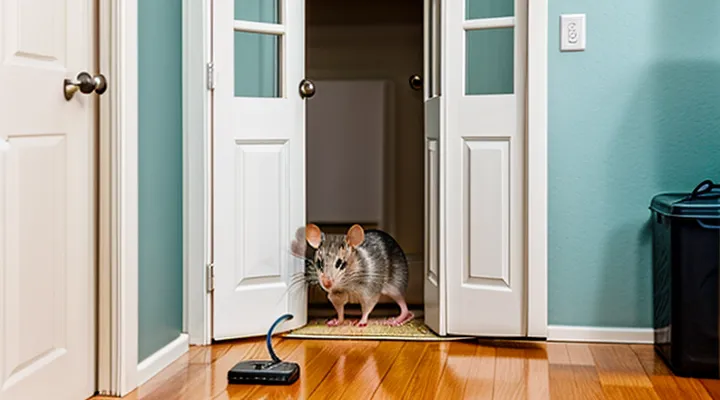
Understanding the Mouse Problem
Signs of a Mouse Infestation
«Droppings and Urine Trails»
Mice leave visible evidence in the form of feces and urine, which serves as a reliable indicator of their presence and activity pattern. Fresh droppings appear as small, dark pellets about ¼ inch long; older deposits may turn lighter and crumble. Urine stains manifest as faint, wet patches on surfaces, often accompanied by a pungent odor that intensifies in confined spaces.
Identifying these signs allows precise targeting of treatment zones. Follow these steps to manage and eliminate droppings and urine trails:
- Wear disposable gloves and a mask before entering infested areas.
- Collect all droppings with a damp paper towel; place material in a sealed bag for disposal.
- Apply an enzymatic cleaner to urine‑stained surfaces; allow the solution to soak for the manufacturer’s recommended duration, then wipe dry.
- Seal cracks, gaps, and entry points discovered near droppings to block further access.
- Position snap traps or bait stations directly along identified travel routes, typically within 2 feet of droppings clusters.
Removing scent trails disrupts mice’s communication system, reducing the likelihood of re‑infestation. Consistent sanitation combined with targeted trapping creates an environment unattractive to rodents, facilitating long‑term elimination.
«Gnaw Marks and Damage»
Mice leave unmistakable evidence through their gnawing. Typical marks appear as shallow, crescent‑shaped notches on wood, plastic, or wiring, often spaced a few centimeters apart. The edges are clean and uniform, contrasting with ragged fracture caused by accidental breakage. Chewed cords expose insulation, creating a fire hazard, while gnawed structural components weaken walls, floors, and cabinets. Food containers with bite marks indicate direct access to stored provisions, encouraging further infestation.
Identifying damage guides immediate remediation:
- Inspect baseboards, cabinets, and pantry shelves for paired, smooth cuts.
- Examine electrical cables for exposed conductors; replace or protect compromised sections.
- Look for gnawed holes near entry points; seal openings with steel wool and caulk.
- Check furniture legs and wooden beams for flattened notches that compromise integrity.
- Replace or repair damaged packaging to eliminate food sources.
Prompt repair of gnaw marks eliminates shelter and reduces attraction, supporting effective mouse removal efforts.
«Unusual Noises»
Unusual sounds heard at night or behind walls often signal rodent presence. Scratching, squeaking, and faint scurrying reveal active mice moving through concealed pathways.
The most common noises include:
- Sharp, intermittent squeaks from ceiling voids, indicating a mouse climbing or descending.
- Rapid, light scratching on insulation or drywall, suggesting nesting activity.
- Soft, repetitive thumps within floorboards, marking repeated travel along established routes.
Identifying the source and timing of these sounds enables precise placement of control measures. Locate the area where noise intensity peaks, then inspect for entry points, droppings, or gnaw marks. Seal gaps larger than ¼ inch with steel wool or caulk to prevent re‑entry.
Apply the following steps:
- Position snap traps or electronic devices adjacent to the identified pathways.
- Deploy ultrasonic emitters calibrated to frequencies that disrupt mouse communication, but only after confirming that the noise originates from the same area.
- Use bait stations with high‑protein attractants, placing them near the noise source while maintaining a clean surrounding environment to avoid competition from alternative food sources.
- Monitor trap activity nightly; replace or relocate devices if captured mice cease producing audible signs, indicating migration to new routes.
Consistent observation of unusual noises, combined with targeted sealing and trapping, reduces mouse populations efficiently and prevents recurrence.
«Pet Behavior Changes»
Pets often reveal the presence of rodents through subtle shifts in routine. When a cat suddenly displays heightened alertness, frequent pacing, or focused stalking near walls, the behavior signals an active mouse population. Dogs may exhibit increased sniffing, restlessness, or attempts to chase unseen movement along baseboards. Recognizing these patterns allows residents to confirm infestation without relying solely on visual evidence.
Behavioral cues also influence the choice of control methods. A cat that is actively hunting may respond positively to live‑trap placement, using its natural predatory instinct to deter mice from entering traps. Conversely, a dog that becomes anxious around trap scents may require alternative deterrents, such as ultrasonic devices or sealed bait stations, to avoid stress‑induced aggression.
Effective response combines observation with targeted actions:
- Document frequency and location of pet alerts for at least three days.
- Align trap placement with areas where pets show the strongest reaction.
- Use pet‑safe bait that does not attract the animal but remains attractive to rodents.
- Monitor pets for signs of over‑stimulation; if stress escalates, replace traps with passive deterrents.
- Maintain regular feeding schedules to reduce opportunistic hunting that could interfere with trap efficiency.
By interpreting pet behavior accurately and adjusting control tactics accordingly, residents can enhance the reliability of rodent‑removal strategies while preserving animal welfare. This integration of animal observation and proven elimination techniques maximizes the likelihood of a mouse‑free living space.
«Why Mice Are a Problem in Apartments»
«Health Risks and Contamination»
Mice infestations create direct health hazards through the transmission of pathogens. Common diseases include leptospirosis, hantavirus pulmonary syndrome, salmonellosis, and Lassa fever; each spreads via urine, feces, or saliva that contaminate surfaces and food supplies. Inhalation of aerosolized particles from dried droppings can trigger respiratory infections, while skin contact with contaminated materials may cause rashes or allergic reactions.
Contamination extends beyond biological agents. Rodent gnawing damages electrical wiring, increasing fire risk, and compromises structural integrity by chewing insulation and drywall. Their presence contaminates pantry items, leading to spoilage and the growth of mold in moist droppings. Foodborne bacteria proliferate rapidly in stored goods touched by rodents, rendering entire batches unsafe for consumption.
Key consequences of mouse-related contamination:
- Rapid spread of infectious diseases to humans and pets.
- Elevated risk of allergic sensitization and asthma exacerbation.
- Compromised food safety and increased food waste.
- Potential for electrical fires and costly property repairs.
- Promotion of secondary infestations, such as insects attracted to rodent waste.
Addressing these risks requires immediate removal of the rodents, thorough disinfection of affected areas, and preventive measures to block entry points. Eliminating the source eliminates the pathway for disease transmission and restores a safe living environment.
«Property Damage»
Mice infestation frequently leads to noticeable property damage, which can compromise structural integrity and increase repair costs. Recognizing the specific forms of damage enables swift action and informs the selection of effective removal techniques.
Common damage caused by rodents includes:
- Gnawed electrical wiring, creating fire hazards and requiring professional inspection.
- Chewed wood framing, weakening walls, floors, and support structures.
- Contaminated insulation, reducing thermal efficiency and promoting mold growth.
- Stained or shredded fabric, upholstery, and curtains, diminishing aesthetic value.
- Accumulated droppings and urine, fostering bacterial contamination and triggering health inspections.
Each type of damage directly influences the urgency of eradication efforts. For example, compromised wiring demands immediate cessation of power to the affected circuit before any trapping or exclusion measures are applied. Similarly, structural weakening calls for reinforcement prior to sealing entry points, ensuring that repair work does not create new openings for rodents.
Mitigation strategies focus on preventing further deterioration while the infestation is addressed:
- Conduct a thorough visual inspection of walls, ceilings, and cabinets to locate gnaw marks and droppings.
- Seal identified entry points with steel wool, caulk, or metal flashing to block re‑entry after traps are set.
- Replace damaged wiring and insulation under the guidance of licensed professionals, adhering to local building codes.
- Clean contaminated surfaces with enzymatic cleaners to eliminate odors that attract mice.
- Install snap traps or electronic devices in proximity to damage sites, positioning bait away from repaired areas to avoid interference.
Documenting damage before remediation provides evidence for insurance claims and helps prioritize repairs. Prompt, coordinated action reduces the likelihood of secondary issues, such as fire risk or structural collapse, and supports long‑term rodent‑free habitation.
«Rapid Reproduction Rate»
Mice reproduce at a speed that can double a colony within a month. A single pair can produce up to ten litters annually, each containing three to six offspring. This exponential growth means that a minor infestation can become severe in a short period, reducing the window for effective intervention.
Rapid reproduction creates three practical challenges for apartment pest control:
- Population surge outpaces passive deterrents, rendering traps and repellents ineffective unless deployed promptly.
- Newborns are less wary of hazards, increasing the likelihood of hidden nests and food contamination.
- Continuous breeding cycles demand ongoing monitoring; a one‑time treatment rarely eliminates the threat.
Addressing the breeding capacity requires methods that interrupt the life cycle:
- Seal all entry points larger than a quarter‑inch to prevent new individuals from entering or exiting.
- Eliminate food sources by storing perishables in airtight containers and promptly cleaning crumbs and spills.
- Deploy snap traps or electronic devices in high‑activity zones; replace bait frequently to attract both adult mice and juveniles.
- Apply regulated rodenticides in tamper‑proof stations, focusing on areas where nesting material accumulates.
- Conduct weekly inspections for fresh droppings, gnaw marks, or urine stains to identify emerging hotspots.
By targeting the factors that enable swift population expansion, these actions reduce breeding success and keep mouse numbers from reaching disruptive levels. Consistent application of the above measures sustains a low‑density environment, preventing the infestation from re‑establishing itself.
Prevention is Key
«Sealing Entry Points»
«Inspecting Walls and Foundations»
Inspection of walls and foundations is essential for identifying entry points that allow mice to access an apartment. Look for gaps, cracks, or holes larger than a quarter‑inch in interior and exterior walls, baseboards, and the slab or crawl‑space floor. Pay special attention to areas where utilities penetrate the building—pipes, cables, and vent ducts often have poorly sealed openings.
During the inspection, use a flashlight and a thin, flexible inspection mirror to view hidden joints behind appliances and cabinets. A metal ruler or a piece of cardboard can test the size of suspicious openings; if the material passes through, the gap must be sealed. In basements or crawl spaces, examine the perimeter for deteriorated concrete, displaced bricks, or missing mortar. Moisture stains or mold indicate water intrusion, which can soften building materials and create larger gaps.
Document each finding with a brief note and, if possible, a photograph. Prioritize repairs based on the size of the opening and its proximity to mouse activity—signs such as droppings, gnaw marks, or nesting material confirm a direct route. Seal small gaps with steel wool combined with expanding polyurethane foam; larger cracks require cement mortar, metal flashing, or hardware cloth (¼‑inch mesh) fastened with construction adhesive. Ensure all repairs are durable, fire‑rated where required, and do not compromise insulation or ventilation.
Regularly repeat the inspection after repairs, especially after seasonal changes that may cause building movement. Maintaining a tight envelope around the apartment reduces the likelihood of new mouse incursions and supports long‑term pest‑free living.
«Checking Pipes and Utility Lines»
Inspecting plumbing and utility conduits is essential because rodents frequently exploit gaps around these structures to access living spaces. Begin by turning off water, gas, and electricity to the areas you will examine, then remove access panels where possible. Look for gnaw marks, droppings, or shredded insulation along pipe sleeves, vent stacks, and cable bundles. Pay special attention to joints where metal meets PVC, as these junctions often develop cracks that mice can widen.
- Seal openings larger than ¼ inch with steel wool followed by a layer of expanding foam or cement.
- Replace damaged pipe insulation with metal or hard‑plastic sleeves that resist chewing.
- Apply a thin coat of rodent‑proof sealant around threaded fittings and pipe collars.
- Install mesh screens on vent openings and utility entry points that cannot be closed permanently.
- Use a flashlight to trace hidden gaps behind appliances, especially under refrigerators and stoves, and fill them with the same steel‑wool‑plus‑sealant method.
After repairs, monitor the area for fresh activity. Set up motion‑activated cameras or place non‑poisonous bait stations near the inspected lines to confirm that the mice no longer use these routes. Regularly repeat the inspection each season, as building settlement can reopen previously sealed gaps.
«Repairing Gaps Around Doors and Windows»
Sealing gaps around doors and windows blocks the primary routes mice use to enter an apartment. Identifying every opening, however small, prevents rodents from exploiting structural weaknesses.
- Inspect door frames for visible cracks, weather‑stripping wear, or gaps larger than ¼ inch. Replace damaged strips and apply a silicone‑based caulk to fill remaining spaces.
- Examine window sills, hinges, and surrounding trim. Install foam backer rods in larger voids, then cover with low‑expansion spray foam to create a uniform barrier.
- Check the threshold beneath exterior doors. If uneven, level with a self‑adhesive rubber seal or a metal sweep, ensuring tight contact with the floor.
- Verify that interior door gaps, especially under the bottom rail, are covered with a door sweep adjusted to sit flush against the threshold.
- Apply a continuous bead of exterior-grade caulk around all window and door frames after installing weather‑stripping. Smooth the bead to eliminate air pockets.
Regular maintenance of these seals maintains a hostile environment for mice, reducing the likelihood of infestation without relying on traps or chemicals.
«Food Storage and Sanitation»
«Storing Food in Airtight Containers»
Storing food in airtight containers removes a primary attractant for rodents, limiting their access to edible residues and preventing the spread of scent trails that guide them to a dwelling.
Choose containers made of sturdy plastic, glass, or metal with sealed lids that compress uniformly. Verify that each seal snaps shut and remains closed under pressure. Keep containers on shelves rather than on the floor to reduce the likelihood of accidental tipping.
- Transfer all dry goods—cereals, grains, nuts, pet food—into sealed vessels immediately after purchase.
- Label each container with purchase date to ensure timely rotation and discourage spoilage.
- Inspect seals weekly for cracks or wear; replace compromised containers without delay.
- Store containers away from walls and corners, creating a clear perimeter that hampers rodent navigation.
By eliminating accessible food sources, the environment becomes inhospitable to mice, supporting broader pest‑reduction strategies in residential spaces.
«Cleaning Up Crumb and Spills Immediately»
Mice locate food sources with acute sense of smell; any lingering crumbs or liquid residues create a direct invitation. Immediate removal of these attractants eliminates the primary motivation for rodents to enter living spaces and reduces the likelihood of establishing a foraging trail.
To implement rapid cleanup, follow these actions:
- Sweep or vacuum floors after each meal, focusing on corners, under appliances, and behind furniture.
- Wipe countertops, tables, and shelves with a damp cloth as soon as spills occur; avoid letting liquids sit for more than a minute.
- Store dry goods in sealed containers; transfer any opened packages to airtight bins.
- Dispose of food waste in a trash can equipped with a tight‑fitting lid; empty the can daily or when it becomes full.
- Clean pet feeding areas after each use, removing leftover kibble and wiping bowls.
Consistent execution of these measures deprives mice of accessible nourishment, forcing them to seek alternative habitats and ultimately prompting their departure from the apartment.
«Regularly Emptying Trash Bins»
Regularly emptying trash bins eliminates a primary food source that encourages mice to enter an apartment. Food scraps and decomposing waste emit odors that attract rodents; removing the waste before it becomes a scent cue reduces the likelihood of infestation.
To incorporate this practice into a comprehensive rodent‑deterrence plan, follow these steps:
- Empty all kitchen and bathroom trash containers at least once daily.
- Transfer waste to a sealed, external bin with a tight‑fitting lid.
- Clean the interior of each bin with a mild detergent after each emptying.
- Use bins made of metal or heavy‑wall plastic to prevent gnawing.
- Position bins away from walls and entry points to limit easy access.
Consistent execution of these actions deprives mice of sustenance, disrupts their foraging patterns, and supports other proven methods for keeping rodents out of residential spaces.
«Eliminating Hiding Spots»
«Decluttering Storage Areas»
Decluttering storage spaces removes potential nesting sites and food sources that attract rodents. A tidy area limits the shelter options mice need to survive in an apartment.
- Remove all cardboard boxes, plastic containers, and paper piles from closets, under‑bed spaces, and utility rooms. Store items in sealed, hard‑plastic bins with snap‑lock lids.
- Dispose of empty food packages, crumbs, and packaging waste immediately. Place refuse in a garbage container equipped with a tight‑fitting lid.
- Sweep and vacuum floors, shelves, and corners regularly to eliminate debris and droppings that signal a safe habitat.
- Position items away from walls, creating a clear perimeter that prevents mice from using gaps as entry points.
- Inspect stored belongings for signs of gnawing or droppings; discard any contaminated objects to prevent reinfestation.
A systematic approach to storage organization complements other rodent‑deterrent measures, such as sealing entry holes and maintaining clean countertops. By eliminating clutter, the apartment becomes less inviting to mice, supporting long‑term pest control success.
«Keeping Furniture Away from Walls»
Keeping furniture away from walls creates a clear zone that prevents mice from using the space as a travel corridor. Mice prefer tight passages along baseboards and behind objects where they can hide from predators and reach food sources. When furniture rests directly against a wall, gaps form between the floor, the furniture leg, and the wall, providing an ideal route for rodents to move unseen.
To implement this principle effectively:
- Maintain a minimum clearance of 2–3 inches between any piece of furniture and the wall.
- Use spacers or furniture pads to ensure the gap remains constant over time.
- Inspect the gap regularly for signs of gnaw marks or droppings; seal any openings immediately with steel wool or caulk.
- Arrange larger items, such as sofas and bookshelves, so that they do not block visual access to baseboards, allowing early detection of rodent activity.
- Relocate items that create shadowed zones, such as heavy curtains or large rugs, to open areas where they do not conceal potential entry points.
A clear perimeter also simplifies the placement of traps and deterrents. With unobstructed sightlines, bait stations can be positioned directly against the wall, increasing the likelihood of mouse contact. Moreover, the absence of concealment reduces the chance that mice will establish nesting sites behind furniture, limiting population growth.
Overall, maintaining a gap between furniture and walls eliminates hidden pathways, improves inspection efficiency, and enhances the performance of other rodent‑control measures within an apartment.
Effective Mouse Removal Methods
«Trapping Strategies»
«Snap Traps: Placement and Baiting»
Snap traps provide immediate, lethal control of indoor rodents when positioned correctly and baited with attractive food sources. Their mechanical action eliminates pests without the need for chemicals, making them suitable for apartments where odor and residue are concerns.
Effective placement follows these principles:
- Locate traps along walls, where mice travel close to the baseboard.
- Target known activity zones: behind appliances, under sinks, and near entry points such as gaps around pipes.
- Position traps perpendicular to the wall, with the trigger end facing the wall to align with the rodent’s natural route.
- Space multiple traps 1–2 feet apart in high‑traffic corridors to increase capture probability.
- Avoid placing traps in open areas where pets or children could accidentally trigger them.
Bait selection enhances trap performance:
- Use high‑protein foods (peanut butter, canned tuna, cooked egg) for strong attraction.
- Apply a small amount—no more than a pea‑sized dab—to prevent the mouse from removing the bait without triggering the mechanism.
- Refresh bait daily to maintain scent potency, especially in cooler environments where aromas dissipate quickly.
- For mice accustomed to grain, combine a grain component with a protein source to create a balanced lure.
Safety and maintenance guidelines:
- Wear disposable gloves when handling traps to reduce scent transfer and protect against disease.
- Check traps at least once daily; dispose of captured rodents in sealed bags and reset traps with fresh bait.
- Replace traps that have been triggered but did not capture a mouse, as the spring mechanism may lose tension.
- Keep traps out of reach of non‑target animals and children by using protective covers or placing them in concealed locations such as behind furniture.
Following precise placement and baiting protocols maximizes the efficacy of snap traps, contributing to rapid reduction of mouse populations within a residential setting.
«Live Traps: Humane Removal»
Live traps offer a humane alternative for eliminating mice from a residence without resorting to toxic chemicals. The devices capture rodents alive, allowing owners to relocate them safely and comply with ethical standards.
Typical live traps consist of a plastic or metal cage with a trigger mechanism that closes a door when the mouse enters. Models vary in size, sensitivity, and ease of cleaning, but all share the principle of non‑lethal capture.
Effective deployment follows a clear sequence:
- Identify high‑traffic zones such as pantry edges, behind appliances, and along walls where droppings are visible.
- Position each trap perpendicular to the wall, with the entry hole facing the baseboard.
- Use a small amount of attractive bait—peanut butter, cheese, or nesting material—placed at the far end of the cage to encourage full entry.
- Check traps at least twice daily; remove captured mice promptly to prevent stress.
- Release animals at least two miles from the dwelling, preferably in a wooded or field area with ample shelter and food sources.
Proper maintenance includes sanitizing traps after each use and inspecting the trigger for wear. Replacing worn components ensures consistent performance and reduces the likelihood of escape. By adhering to these practices, residents can remove mice efficiently while upholding humane standards.
«Glue Traps: Considerations and Ethics»
Glue traps capture mice by adhering them to a sticky surface, eliminating the need for poison or live‑catch devices. The traps consist of a thin sheet of resin‑coated material, often placed along walls, behind appliances, or near known entry points. Once a mouse contacts the surface, it becomes immobilized and eventually dies from exhaustion, dehydration, or trauma.
Key considerations for using glue traps include:
- Effectiveness: High capture rate for small rodents; less reliable for larger or more agile species.
- Placement: Requires accurate identification of travel routes; improper positioning reduces success.
- Maintenance: Traps must be inspected regularly; dead rodents should be removed promptly to prevent decay and odor.
- Safety: Non‑target species, including pets and children, can become trapped; securing traps out of reach is mandatory.
- Legal status: Some jurisdictions restrict or prohibit glue traps due to animal welfare legislation; compliance with local regulations is required.
Ethical concerns focus on the suffering inflicted by prolonged immobilization and the potential for secondary injuries. Many animal‑rights organizations classify glue traps as inhumane because they cause distress before death. Alternatives such as snap traps, electronic devices, or exclusion methods (sealing entry points) provide quicker, less painful outcomes. When humane treatment is a priority, authorities recommend avoiding glue traps in favor of methods that minimize animal anguish.
«Repellents and Deterrents»
«Natural Repellents: Peppermint Oil and Other Scents»
Peppermint oil works as a powerful mouse deterrent because its strong menthol scent overwhelms the rodents’ sensitive olfactory system, prompting them to avoid treated areas. Apply a few drops to cotton balls and place them in corners, behind appliances, and near entry points; replace every few days to maintain potency.
Other aromatic compounds that repel mice include:
- Eucalyptus oil: intense, camphorous odor that disrupts scent trails.
- Clove oil: high eugenol concentration creates an unpleasant environment for rodents.
- Citronella oil: sharp citrus aroma interferes with mice’s navigation cues.
- Lavender oil: strong floral scent that mice find aversive when used in concentrated form.
For each oil, soak a small piece of fabric or cotton, position it in locations where activity is observed, and refresh the application weekly. Combining multiple scents can enhance effectiveness, but avoid over‑saturation, which may diminish the repellent impact. Use only pure, undiluted oils to ensure the strongest olfactory response.
«Electronic Repellents: Efficacy and Limitations»
Electronic repellents emit ultrasonic or electromagnetic waves intended to deter rodents. Laboratory studies show that frequencies above 20 kHz cause discomfort in mice, prompting avoidance of treated zones. Field trials in residential units report a reduction of visible activity by 30–45 % within the first two weeks of operation.
Efficacy depends on several variables:
- Placement: devices must cover the entire floor plan without dead zones; gaps allow mice to bypass the signal.
- Power source: continuous operation yields consistent exposure; battery‑powered units may lose effectiveness during replacements.
- Species sensitivity: some mouse strains exhibit lower susceptibility to ultrasonic frequencies, diminishing results.
Limitations are documented in peer‑reviewed research. The acoustic range attenuates quickly through walls, furniture, and insulation, restricting the effective radius to approximately 3 m. Mice can habituate to persistent tones, gradually resuming activity despite ongoing emission. Additionally, electronic repellents do not address food sources or entry points, so infestations often persist when these factors remain unmanaged.
Integrating electronic devices with structural sealing, sanitation, and trapping provides a more comprehensive strategy for eliminating mice from an apartment.
«Professional Pest Control»
«When to Call an Exterminator»
Mice infestations can become unmanageable quickly, and professional intervention is warranted under specific conditions. Recognize the signs that indicate a pest‑control service is necessary rather than continued DIY attempts.
- Population density exceeds a handful of sightings; multiple droppings, gnaw marks, and audible activity in several rooms suggest a breeding colony.
- Damage to structural components, wiring, or food storage exceeds repairable limits, posing safety hazards or health risks.
- Persistent activity despite the application of traps, baits, or sealing measures for at least two weeks.
- Presence of disease‑carrying pathogens, such as leptospirosis or hantavirus, confirmed by a medical professional.
- Tenants or building management regulations require certified eradication within a set timeframe.
When any of these criteria are met, contact a licensed exterminator promptly. Request documentation of the treatment plan, guarantee of follow‑up inspections, and compliance with local wildlife regulations. Immediate professional action reduces the likelihood of extensive property damage and safeguards occupant health.
«What to Expect from Professional Services»
Professional pest‑control firms begin with a detailed inspection. Technicians identify entry points, nesting sites, and activity hotspots, documenting findings with photographs or sketches. This assessment determines the scope of treatment and informs a customized action plan.
The service agreement outlines the methods to be employed. Expect the use of certified, low‑toxicity baits, strategically placed traps, and, when necessary, targeted sealing of gaps with steel‑wool or expanding foam. All materials comply with local health regulations and are safe for residents and pets when applied correctly.
Scheduling follows a clear timeline. Initial treatment occurs within 24–48 hours of agreement signing. Follow‑up visits are arranged at regular intervals—typically weekly for the first month, then monthly for a quarter—to monitor activity, replace consumables, and adjust tactics as needed.
Pricing is transparent. The quote includes inspection, labor, materials, and a specified number of follow‑up visits. Additional charges arise only if unexpected infestations require extra equipment or extended service periods, and these are communicated before any work proceeds.
Reporting provides measurable results. After each visit, technicians deliver a concise summary: locations treated, quantities of baits or traps used, and observed mouse activity. A final report compares pre‑ and post‑treatment data, confirming whether the infestation has been eliminated or if further action is recommended.
Customer support remains available throughout the contract. A dedicated hotline addresses questions, schedules emergency visits if activity spikes, and offers guidance on preventive measures such as proper food storage and regular sealing of potential entry points.
Post-Removal Cleanup and Maintenance
«Sanitizing Infested Areas»
«Disinfecting Surfaces»
Disinfecting surfaces eliminates scent trails and food residues that attract rodents. Without these cues, mice lose orientation and are less likely to establish a nest.
- Remove crumbs, spills, and pet food from countertops, floors, and cabinets.
- Wipe down surfaces with a solution of one part bleach to ten parts water, or use a commercial disinfectant labeled for food‑contact areas.
- Allow the disinfectant to remain wet for the contact time specified on the label, usually five to ten minutes, then rinse if required.
- Dry surfaces thoroughly to prevent moisture that can support bacterial growth.
Regular disinfection of high‑traffic zones—kitchen counters, dining tables, and pantry shelves—maintains an environment that discourages mouse activity. Combining this practice with sealing entry points and proper waste management creates a comprehensive strategy for rodent exclusion.
«Cleaning Up Droppings and Nesting Materials»
Cleaning mouse droppings and nesting material eliminates food sources, reduces disease risk, and removes attractants that encourage further infestation. Prompt removal also discourages mice from re‑establishing a base in the same location.
- Wear disposable gloves and a mask to prevent contact with pathogens.
- Collect droppings with a damp paper towel; avoid sweeping dry material, which can aerosolize bacteria.
- Place all waste in a sealed plastic bag, tie tightly, and discard in an outdoor trash container.
- Apply an EPA‑approved disinfectant to the affected area; follow the manufacturer’s contact time before wiping clean.
- Remove shredded paper, fabric, insulation, and other nesting debris; vacuum any loose particles after disinfecting.
- Seal any gaps or holes that housed the nest to prevent re‑entry.
After thorough decontamination, maintain a clean environment by regularly inspecting hidden corners, storage spaces, and behind appliances. Immediate cleanup of any new droppings or debris prevents mice from perceiving the apartment as a viable habitat, supporting long‑term exclusion efforts.
«Ongoing Prevention Measures»
«Regular Inspections»
Regular inspections identify mouse activity before infestations become severe. Early detection allows swift action, reducing the need for extensive extermination measures.
Key inspection points include:
- Kitchen cabinets, especially behind stored food items.
- Behind appliances such as refrigerators, stoves, and dishwashers.
- Utility rooms, closets, and pantry shelves.
- Baseboards, wall voids, and ceiling joists for gnaw marks or droppings.
- Entry points: gaps around pipes, vents, and windows.
Inspect at least once weekly during warmer months and bi‑weekly in colder periods. Record findings in a simple log: date, location, evidence type, and any remedial steps taken. Consistent documentation reveals patterns, guiding targeted sealing or bait placement.
Promptly seal discovered openings with steel wool, caulk, or hardware cloth. Replace compromised materials and eliminate food sources that attract rodents. Maintaining a disciplined inspection schedule sustains a mouse‑free living environment.
«Maintaining a Clean Environment»
A clean living space removes the food and shelter that attract rodents. Eliminate crumbs, spills, and food residues immediately; wipe countertops, sweep floors, and vacuum regularly. Store pantry items in airtight containers made of glass or heavy‑wall plastic; avoid open bags or boxes that allow scent leakage.
Dispose of garbage promptly. Use bins with tight‑fitting lids, empty them daily, and keep the exterior of containers clean. Avoid leaving pet food out overnight; feed pets in designated areas and remove leftovers after each meal.
Inspect the apartment for potential entry points. Seal gaps around pipes, vents, and baseboards with steel wool and caulk. Repair cracked flooring or damaged walls that could provide hiding places.
Maintain the surrounding area to reduce outdoor pressure on indoor spaces:
- Trim vegetation and remove debris within a foot of the building.
- Keep compost bins sealed and located away from doors or windows.
- Store firewood off the ground and away from the structure.
Consistent application of these cleaning measures deprives mice of essential resources, making the apartment an inhospitable environment and supporting long‑term exclusion efforts.
«Educating Apartment Residents»
Educating apartment residents is essential for successful mouse control. Residents must recognize signs of infestation, understand preventive actions, and cooperate with remediation efforts.
Key knowledge areas for tenants include:
- Identification of droppings, gnaw marks, and nesting material.
- Proper storage of food in sealed containers; immediate cleanup of crumbs and spills.
- Elimination of water sources by fixing leaks and drying damp areas.
- Maintenance of clutter-free environments, especially in kitchens, closets, and basements.
- Reporting sightings promptly to building management or pest‑control personnel.
Training sessions should cover practical steps:
- Conduct a walk‑through demonstration of inspection points.
- Show correct usage of traps and bait stations, emphasizing safety and placement.
- Explain disposal procedures for dead rodents and contaminated materials.
- Review building policies on prohibited actions, such as tampering with traps or using unapproved chemicals.
Communication channels must be clear. Provide residents with a concise fact sheet, post reminders in common areas, and establish a dedicated email or phone line for rapid incident reporting. Regular updates on inspection results and remediation progress reinforce accountability.
By ensuring every occupant understands these responsibilities, the collective effort reduces shelter opportunities, limits food access, and accelerates the removal of mice from the building.