
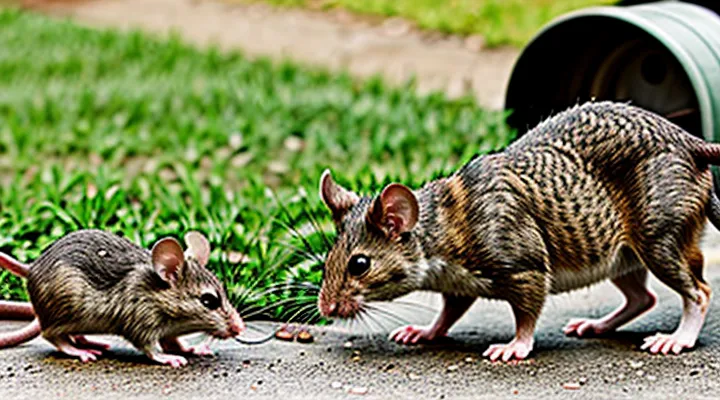
«Understanding the Mouse Problem»
«Identifying Signs of Mouse Activity»
«Droppings and Urine Trails»
Mice leave visible evidence in the form of droppings and urine trails, which serve as reliable indicators of activity zones and nesting sites. Recognizing these signs allows for targeted intervention, preventing the spread of disease and reducing the likelihood of re‑infestation.
Effective management of droppings and urine trails involves three essential actions:
- Locate and map all deposits; concentrate on pathways, food storage areas, and concealed corners. Documentation guides subsequent treatment.
- Remove deposits promptly using disposable gloves and sealed bags. Avoid sweeping, which can aerosolize particles; instead, employ a damp cloth or paper towel to capture waste.
- Sanitize the area with a solution containing at least 5 % bleach or an EPA‑registered disinfectant. Apply generously, allow the contact time specified by the product label, then rinse if necessary.
Regular monitoring of cleared zones ensures that residual scent marks do not attract new rodents. If urine trails persist after cleaning, consider applying a rodent‑repellent spray formulated to mask scent cues. Continuous removal of food residues and sealing of entry points complement the cleanup process, creating an environment hostile to mouse habitation.
«Gnaw Marks and Damage»
«Gnaw Marks and Damage» often serve as the first visible indication of rodent activity in a yard. Identifying these signs promptly prevents escalation and reduces the need for extensive repairs.
Typical gnaw patterns include shallow, crescent-shaped bite marks on wooden structures, plastic containers, and garden tools. Damage to insulation, wiring, and underground irrigation lines frequently results from persistent chewing. Recognizing the material‑specific appearance of gnaw marks allows targeted intervention.
Practical steps to manage gnaw marks and associated damage:
- Inspect fences, sheds, and garden beds weekly; focus on corners, joints, and entry points where rodents concentrate.
- Document the size, depth, and orientation of each bite mark; consistent measurements aid in tracking infestation intensity.
- Seal identified entry holes with steel‑wool or metal flashing; rodents cannot gnaw through these materials.
- Replace compromised sections of wood or plastic with rodent‑resistant alternatives such as pressure‑treated lumber or reinforced polymers.
- Relocate exposed food sources and store feed in metal containers with tight lids; eliminating attractants reduces chewing motivation.
- Install protective sleeves or conduit around vulnerable wiring and irrigation lines; hardened barriers deter gnawing.
- Apply non‑toxic repellents at the perimeter of damaged areas; repeat applications maintain effectiveness.
Regular maintenance and immediate repair of gnaw‑related damage interrupt the rodents’ access routes, thereby diminishing the likelihood of further destruction. Continuous monitoring ensures that any new marks are addressed before they develop into costly structural problems.
«Nests and Burrows»
Mice construct «Nests and Burrows» as concealed shelters where food, offspring and waste accumulate. Nests consist of shredded vegetation, insulation material or debris gathered in corners, under decks, or within garden structures. Burrows are tunnel systems dug into soil, often extending beneath mulch, stone pathways or the foundation of sheds.
These shelters provide protection from predators and harsh weather, allowing rapid population growth. Their presence reduces the effectiveness of traps and repellents, because mice retreat to secure chambers after encountering threats.
Practical measures for dealing with «Nests and Burrows»:
- Locate shelters by inspecting low‑lying vegetation, piles of leaves, compost bins and the underside of garden furniture.
- Disrupt nests with a sturdy brush or garden rake, scattering materials to expose occupants.
- Fill entry points of burrows with coarse sand, steel wool or metal mesh, then compact the soil to collapse tunnels.
- Apply a thin layer of diatomaceous earth around the perimeter of identified burrows; the abrasive particles damage the rodents’ exoskeletons.
- Remove attractants such as fallen fruit, birdseed and pet food, eliminating resources that sustain nest construction.
Regular maintenance, including trimming overgrown plants and clearing debris, prevents re‑establishment of shelters. Consistent application of these steps supports long‑term reduction of mouse activity in residential yards.
«Scratching Sounds»
«Scratching sounds» can serve as an auditory deterrent for rodents that forage in outdoor spaces. Mice rely on acute hearing to locate safe pathways; sudden, irregular noises disrupt their navigation and trigger avoidance behavior.
Typical applications include:
- Installing low‑frequency transducers that emit irregular scratching patterns across the perimeter of a garden.
- Placing battery‑powered devices that mimic the sound of predators digging or scratching through soil, positioned near known entry points.
- Using motion‑activated speakers that generate brief scratching bursts when movement is detected, ensuring intermittent exposure without constant noise.
Effectiveness depends on variation and unpredictability. Continuous, monotone sounds allow mice to habituate, reducing the deterrent impact. Alternating between different scratching frequencies and intervals maintains a perceived threat level.
Placement strategy matters. Devices should be located:
- Adjacent to burrow entrances or holes in fences.
- Along pathways that lead to food sources, such as compost bins or vegetable patches.
- Near shelter areas, including stacked firewood or debris piles.
Maintenance considerations include regular battery checks and periodic adjustment of sound patterns to prevent habituation. Combining auditory deterrents with physical barriers—such as sealing gaps and removing attractants—enhances overall rodent control.
«Common Entry Points and Hiding Spots»
«Gaps in Foundations and Walls»
Mice exploit structural openings to access yard spaces. «Gaps in Foundations and Walls» provide unobstructed pathways, allowing rodents to move from underground habitats into surface areas with minimal resistance.
Inspect all perimeter foundations and exterior walls for cracks, joints, and voids. Seal identified openings using appropriate materials—concrete mortar for large fissures, steel wool or copper mesh for narrow cracks, and silicone-based sealants for gaps around utility penetrations. Ensure that sealants cure fully before allowing foot traffic or landscaping work.
- Remove debris and vegetation that obscure inspection points.
- Apply expanding foam to irregular cavities, trimming excess after expansion.
- Install metal flashing at the base of walls to redirect moisture and deter burrowing.
- Conduct periodic visual checks after heavy rain or seasonal temperature changes, repairing new fissures promptly.
Maintain a dry, compacted soil profile around foundations to discourage burrow formation. Replace deteriorated siding or brickwork promptly, as aging materials increase the likelihood of gap development. Consistent attention to structural integrity reduces mouse ingress without reliance on chemical controls.
«Open Vents and Pipes»
The technique «Open Vents and Pipes» creates direct escape routes that motivate rodents to leave the yard. By providing unobstructed passages, mice are compelled to move toward external environments rather than remain within the property.
- Inspect all vent covers, drainage pipes, and utility openings for blockages or tight fittings.
- Enlarge openings to a minimum diameter of 2 cm, ensuring smooth edges to prevent injury.
- Install removable grates that keep larger animals out while allowing mice to exit freely.
- Position openings on the downwind side of structures to guide movement away from indoor spaces.
Safety considerations include sealing any gaps that could allow predators to enter, and verifying that enlarged vents do not compromise insulation or weatherproofing. Regularly monitor the openings for debris accumulation and re‑adjust dimensions as seasonal changes affect mouse activity.
Continuous observation of mouse traffic confirms the effectiveness of the approach. If activity persists, combine «Open Vents and Pipes» with additional deterrent methods such as habitat reduction and trap placement.
«Dense Vegetation and Clutter»
Dense vegetation and clutter create multiple hiding places for mice, allowing easy access to food and shelter. The abundance of low‑lying foliage, overgrown shrubs, and disorganized debris offers protection from predators and weather, encouraging rodent activity throughout the yard.
These conditions increase the likelihood of nest establishment and foraging routes. Mice can move through thick brush without exposure, making detection and removal more difficult. Reducing cover limits the ability of rodents to remain undisturbed, thereby enhancing the effectiveness of control measures.
Practical steps to mitigate the problem:
- Trim grass to a maximum height of 5 cm; maintain a uniform, short lawn.
- Prune shrubs and hedges regularly, keeping branches at least 30 cm from the ground.
- Remove leaf piles, compost heaps, and stacked firewood; store them on elevated platforms or inside sealed containers.
- Clear fallen fruit, seeds, and pet food; store feeding stations in rodent‑proof containers.
- Eliminate dense ground cover such as weeds and tall groundcover plants; replace with low‑maintenance groundcovers that do not provide nesting material.
- Organize garden tools and equipment in a locked shed; avoid leaving items scattered on the ground.
Implementing these actions reduces the protective environment created by «dense vegetation and clutter», forcing mice to seek alternative habitats and increasing the success of deterrent strategies.
«Preventive Measures and Yard Maintenance»
«Eliminating Food Sources»
«Securing Trash Bins»
Effective mouse control in residential outdoor areas relies heavily on proper waste management. Loose or accessible garbage provides a reliable food source, encouraging rodents to frequent the property. Implementing robust measures for «Securing Trash Bins» reduces this attraction and supports overall deterrence efforts.
- Choose containers with tight-fitting lids; lids should lock or snap securely to prevent entry.
- Position bins away from building foundations and garden beds; distance creates a barrier that limits scent diffusion.
- Elevate containers on sturdy platforms or metal stands; elevation hinders climbing and reduces moisture accumulation.
- Regularly inspect seals and hinges for damage; replace compromised components promptly to maintain integrity.
- Store bins in a shaded, dry area; moisture promotes food spoilage, which increases odor intensity.
Consistent application of these practices limits food availability, discourages nesting, and complements broader rodent-repellent strategies.
«Storing Pet Food Properly»
Proper storage of pet food is a critical factor in preventing rodents from frequenting a garden. Food left exposed creates an attractive scent trail, encouraging mice to enter the yard in search of nourishment. Eliminating this source reduces the likelihood of infestation and supports broader rodent‑deterrent strategies.
Key actions for secure pet food storage:
- Use airtight, waterproof containers made of heavy‑grade plastic or metal; ensure lids seal without gaps.
- Place containers on a raised, non‑soil surface such as a concrete slab or sturdy shelf, away from garden beds and compost piles.
- Clean containers regularly, removing crumbs and residue after each feeding.
- Store food indoors whenever possible; if outdoor storage is unavoidable, select a shaded, wind‑protected spot to limit moisture buildup.
Additional recommendations include rotating stock to avoid stale products, labeling containers with purchase dates, and inspecting packaging for damage before use. Consistent application of these measures minimizes food‑related attractants, thereby strengthening overall efforts to keep mice out of the yard.
«Harvesting Garden Produce Promptly»
Timely removal of ripe vegetables and fruits eliminates food sources that attract rodents, thereby supporting efforts to keep mice away from the garden. Prompt harvesting also reduces the risk of spoilage, which can create additional odors and moisture that encourage rodent activity.
Key actions for efficient harvest:
- Inspect plants daily; collect produce as soon as it reaches optimal size or color.
- Use clean containers to prevent contaminating harvested items with debris.
- Transport produce to a storage area immediately, avoiding prolonged exposure on the ground.
- Clear fallen fruit, leaves, and stems from the planting beds after each pick‑out.
- Rotate harvested sections to maintain a tidy appearance and limit hiding places for mice.
Maintaining a schedule that aligns with the growth cycle of each crop ensures that no ripe produce remains unattended. By integrating these practices, the garden becomes less appealing to mice, reinforcing broader pest‑deterrent measures.
«Cleaning Up Spilled Seeds and Berries»
Removing food remnants from a yard eliminates one of the primary attractions for house mice. Prompt elimination of spilled seeds and berries reduces the likelihood that rodents will establish foraging routes and nest sites.
- Gather all visible seeds and berries immediately after they fall. Use a hand‑held sweeper or a small rake to collect debris from grass, mulch, and pathways.
- Transfer collected material into a sealed container. Plastic bins with tight‑locking lids prevent rodents from accessing the contents.
- Dispose of the sealed container in a waste receptacle located away from the yard, preferably in a building with a locked trash area.
- Clean the surface where the spill occurred with a mild detergent solution, then rinse thoroughly. Moisture removal discourages mice from lingering in damp spots.
- Inspect surrounding vegetation for hidden seeds or fallen fruit. Remove any remnants before they become accessible to rodents.
Regular maintenance of the cleanup routine sustains an environment that offers little nutritional incentive for mice. Consistent execution of the steps outlined in «Cleaning Up Spilled Seeds and Berries» supports long‑term rodent deterrence without reliance on chemical repellents.
«Removing Water Sources»
«Fixing Leaky Faucets and Hoses»
Leaking water fixtures create a reliable moisture source that encourages mice to establish activity zones near a yard. Eliminating these sources reduces the attractiveness of the area and supports broader rodent‑deterrent measures.
Repairing a dripping faucet stops continuous water flow, removes a night‑time scent trail, and prevents puddles that serve as drinking stations. The following actions secure the fixture:
- Shut off the water supply at the nearest valve.
- Disassemble the faucet using an adjustable wrench; keep components organized.
- Inspect the O‑ring and washer for wear; replace with manufacturer‑specified parts.
- Re‑assemble, tighten connections, and restore water flow to verify the absence of leaks.
Hoses that develop cracks or loose couplings also supply water to the ground, especially after irrigation. Addressing hose defects involves these steps:
- Drain remaining water and lay the hose flat.
- Examine the length for visible splits; apply a waterproof tape seal to each breach.
- Tighten hose connectors with pliers, ensuring a snug fit without over‑tightening.
- Test by running water under moderate pressure; observe for any new drips.
Consistent maintenance of faucets and hoses eliminates unwanted hydration points, thereby diminishing mouse presence and enhancing the effectiveness of yard‑level deterrent strategies.
«Draining Standing Water»
Eliminating sources of moisture reduces the attractiveness of a yard to mice, which rely on water for survival and for locating food. Persistent puddles, low‑lying depressions, and improperly drained containers create ideal habitats. Removing these elements disrupts the rodents’ ability to establish a foothold.
- Inspect the area after rain; identify depressions where water accumulates.
- Fill depressions with compacted soil or gravel to promote runoff.
- Install or repair drainage tiles and French drains to redirect water away from the yard.
- Clear gutters and downspouts of debris; ensure they discharge at least six inches from foundations.
- Empty, clean, and store outdoor containers (bird baths, pet water dishes) when not in use; use lids to prevent accidental spillage.
- Level lawn and garden beds to avoid low spots that retain water.
- Apply a slope of 1‑2 % away from structures to facilitate natural drainage.
Regular maintenance of irrigation systems prevents overwatering and leaks. Adjust sprinkler heads to avoid overspray on walkways and hardscapes. Periodic checks of water lines for cracks or loose connections prevent unnoticed seepage.
By systematically draining standing water, the yard becomes less hospitable to mice, supporting broader rodent‑control measures.
«Sealing Entry Points»
«Inspecting and Repairing Foundations»
Inspecting and repairing foundations eliminates common entry points that allow rodents to infiltrate outdoor spaces. Cracks, gaps around utility penetrations, and deteriorated sealants create pathways directly to the yard, undermining any attempt to keep mice away.
Typical inspection includes:
- Visual examination of the perimeter for visible fissures or displaced masonry.
- Use of a flashlight to detect hidden gaps under eaves, around vent pipes, and along the sill plate.
- Probing with a thin steel rod to assess the tightness of joints and the condition of weather‑stripping.
- Documentation of all deficiencies with photographs for subsequent repair planning.
Repair actions focus on restoring a continuous barrier:
- Clean debris from cracks, then apply a high‑quality epoxy or polyurethane sealant to fill gaps completely.
- Replace deteriorated flashing around vents and chimneys, ensuring overlapping layers are sealed with lead‑free caulk.
- Install metal mesh or reinforced steel wool in larger openings before applying sealant, preventing rodents from re‑entering.
- Re‑apply weather‑resistant paint or coating to exposed surfaces, protecting the foundation from moisture‑induced deterioration.
Integrating foundation maintenance with other control measures—such as eliminating food sources, trimming vegetation, and setting appropriate traps—creates a comprehensive strategy that significantly reduces mouse activity throughout the yard.
«Screening Vents and Chimneys»
«Screening Vents and Chimneys» provides an effective barrier against rodent intrusion in residential yards. Openings in ventilation shafts, dryer exhausts, and chimney flues often serve as entry points for mice seeking shelter and food sources. Properly fitted screens eliminate these pathways without compromising airflow.
Key actions for implementing screens:
- Identify all external vents and chimney openings; include attic gable vents, bathroom exhausts, and utility vents.
- Measure each opening accurately; allow a margin of 1 cm for mesh placement.
- Select mesh with a ¼‑inch (6 mm) aperture; stainless steel or galvanized wire ensures durability and resistance to rust.
- Attach mesh using stainless steel staples or self‑drilling screws; secure edges with metal flashing to prevent gaps.
- Seal seams with weather‑resistant caulk; verify that no loose fibers remain.
Material considerations:
- Stainless steel mesh offers longevity in humid climates; galvanized alternatives suit dry environments.
- Reinforced corner brackets protect against wind‑induced stress.
- UV‑stable silicone sealant maintains elasticity over seasonal temperature fluctuations.
Maintenance routine:
- Inspect screens quarterly; look for tears, corrosion, or displacement.
- Replace damaged sections promptly; reuse existing mounting hardware when possible.
- Clean mesh surfaces with a soft brush to remove debris that could obstruct airflow.
Consistent application of these measures reduces the likelihood of mice establishing nests within the yard structure, supporting broader pest‑control efforts.
«Filling Gaps around Pipes and Wires»
Effective rodent deterrence in outdoor areas requires sealing entry points that mice exploit. One of the most reliable methods is «Filling Gaps around Pipes and Wires». This approach eliminates concealed routes that rodents use to infiltrate yards and garden structures.
First, conduct a systematic inspection of all utility lines emerging from the ground. Look for openings larger than a quarter‑inch, cracks in conduit sleeves, and spaces where cables pass through walls or foundations. Mark each defect with a temporary tag to ensure comprehensive coverage.
Next, select appropriate sealing materials. For narrow gaps, insert steel wool tightly, then apply a layer of silicone‑based caulk to lock the filler in place. For larger voids, use expandable foam sealant rated for outdoor use, followed by a protective mesh to prevent future chewing. Metal flashing or copper tape can reinforce high‑traffic zones where wires are frequently accessed.
Finally, verify the integrity of the repairs. Run a visual check after the sealant cures, and perform a tactile test by gently probing the sealed area. Repeat the process seasonally, as temperature fluctuations can cause material contraction and create new openings.
Key actions for successful implementation:
- Identify all pipe and wire openings larger than 0.25 in.
- Insert steel wool, then seal with silicone caulk for small gaps.
- Apply expandable foam and cover with mesh for larger voids.
- Reinforce with metal flashing or copper tape where chewing risk is high.
- Re‑inspect after curing and schedule regular maintenance checks.
«Maintaining a Tidy Yard»
«Mowing Lawns Regularly»
Regularly cutting the grass eliminates dense cover that mice use for nesting and movement. Short, well‑maintained turf leaves few hiding places, discouraging rodents from establishing a presence in the yard.
Maintaining a consistent mowing schedule prevents grass from reaching heights where seeds and insects accumulate, both of which attract mice. Keeping the lawn at a uniform length also facilitates visual inspection for signs of activity.
Practical guidelines for effective mowing:
- mow at least once every 7‑10 days during the growing season; increase frequency during warm periods when growth accelerates;
- set blade height to 2‑3 inches (5‑7 cm) to balance plant health and habitat reduction;
- trim edges and borders where taller vegetation may persist;
- dispose of clippings in sealed containers or compost bins to avoid providing food sources;
- inspect equipment for debris that could shelter rodents and clean regularly.
Consistent application of these measures creates an environment less conducive to mouse habitation, supporting broader efforts to keep the yard free of unwanted visitors.
«Trimming Shrubs and Hedges»
Trimming shrubs and hedges reduces shelter and travel routes for mice, limiting their ability to establish nests near the house. Dense foliage creates protected corridors that facilitate rodent movement; regular pruning removes these pathways and exposes open ground where predators can more easily detect activity.
Effective pruning practices include:
- Cutting back branches that touch the house, fence, or other structures; maintain a clearance of at least 30 cm.
- Removing dead or overgrown twigs that form dense mats; discard material away from the yard to prevent re‑use as nesting material.
- Shaping hedges to a height of no more than 1.5 m; lower profiles reduce cover and simplify ground inspection.
- Conducting pruning in late summer or early autumn, before mice increase breeding activity; this timing disrupts seasonal population growth.
- Applying a thin layer of mulch after trimming, then spreading it evenly; avoid deep piles that could serve as alternative nesting sites.
Consistent maintenance, combined with regular yard inspections, creates an environment less attractive to rodents and supports broader pest‑control measures.
«Removing Debris and Clutter»
Effective mouse control begins with eliminating shelter opportunities. Accumulated leaves, wood piles, and garden waste provide ideal nesting sites; removing them reduces attraction and encourages rodents to seek habitats elsewhere.
To clear debris and clutter, follow these steps:
- Collect and dispose of fallen leaves, twigs, and grass clippings on a weekly basis.
- Disassemble and relocate wood stacks, keeping them at least two meters from the yard perimeter.
- Compact compost bins, ensuring lids are tight‑fitting and vented to prevent entry.
- Store garden tools, pots, and furniture in a garage or shed; avoid leaving items on the ground.
- Inspect drainage channels and gutters, clearing blockages that could retain moisture and organic matter.
Regular maintenance of these areas sustains an environment hostile to mice, supporting broader rodent‑deterrence measures.
«Storing Firewood Away from the House»
Storing firewood at a distance from the house reduces shelter opportunities for mice, limiting their ability to establish nests near living spaces. Wood piles placed directly against the foundation create humid, insulated environments that attract rodents seeking warmth and protection.
- Position the stack at least three meters from the building’s exterior walls.
- Elevate the pile on a platform or pallets to prevent direct ground contact and moisture accumulation.
- Cover the top with a waterproof tarp, leaving side openings for airflow to discourage mold growth.
- Arrange wood in a loose, orderly fashion to eliminate dense gaps where mice can hide.
- Inspect the stack weekly for signs of gnawing, droppings, or burrows; remove compromised pieces promptly.
Regularly rotate the wood supply, moving older logs to the front of the stack and adding new ones at the rear. This practice prevents long‑term stagnation that can become a habitat for rodents. Keep the surrounding area clear of debris, leaves, and vegetation that could serve as additional cover. By maintaining a well‑managed, detached firewood storage area, the risk of mouse intrusion into the home diminishes significantly.
«Repellent Strategies»
«Natural Repellents»
«Peppermint Oil»
«Peppermint Oil» functions as a volatile deterrent for rodents. The strong menthol scent overwhelms mouse olfactory receptors, prompting avoidance of treated zones.
Practical application:
- Dilute 10 ml of pure oil in 1 liter of water; add a few drops of mild surfactant to improve dispersion.
- Soak cotton pads or small fabric squares in the solution; place them near entry points, burrows, and along fence lines.
- Refresh pads every 3–4 days, especially after rain or irrigation.
- Combine with physical barriers such as mesh screens for enhanced protection.
Safety and handling:
- Store the oil in a sealed, dark container at temperatures below 20 °C.
- Wear gloves when preparing solutions; avoid direct contact with eyes and skin.
- Keep out of reach of children and pets.
Effectiveness monitoring:
- Observe mouse activity for a reduction in sightings within 48 hours of deployment.
- Replace or reposition pads if activity persists, indicating possible scent habituation.
- Rotate treatment locations weekly to prevent adaptation.
«Clove Oil»
«Clove Oil» contains eugenol, a natural compound with strong aromatic and repellent properties. The scent interferes with rodents’ olfactory receptors, discouraging them from entering treated zones.
Application methods:
- Dilute 10 ml of «Clove Oil» in 1 liter of water, add a few drops of mild surfactant, and spray the mixture around the perimeter of the yard, focusing on entry points, burrow openings, and vegetation edges.
- Soak cotton pads in undiluted «Clove Oil» and place them in shallow containers near known mouse pathways; replace pads every 3–4 days to maintain potency.
- Mix 5 ml of «Clove Oil» with 50 ml of carrier oil (e.g., almond or olive oil) and rub the blend onto wooden structures, fences, and garden beds where mice are observed.
Safety considerations:
- Store «Clove Oil» in a sealed container away from direct sunlight.
- Keep the product out of reach of children and pets; avoid contact with open wounds.
- Test a small area before widespread use to ensure no adverse effect on plants.
Effectiveness monitoring:
- Observe mouse activity for 48 hours after initial treatment; if signs persist, increase dilution concentration by 5 % and repeat application.
- Combine «Clove Oil» with physical barriers, such as mesh screens, for enhanced control.
«Cayenne Pepper»
Cayenne pepper contains capsaicin, a compound that irritates the sensory nerves of rodents. When dispersed around the perimeter of a garden, it creates an unpleasant sensation that discourages mice from crossing treated zones.
- Prepare a fine powder by grinding dried cayenne pods.
- Sprinkle a thin layer along pathways, entry points, and near food storage areas.
- Reapply after rain or heavy irrigation, as moisture reduces effectiveness.
- Combine with other deterrents, such as peppermint oil or steel wool, for broader coverage.
Capsaicin’s effect is temporary; mice may become accustomed after prolonged exposure. Rotate the deterrent with alternative substances every two weeks to maintain aversion. Avoid direct contact with skin and eyes; wear gloves and protective eyewear during application. Store the powder in a sealed container away from children and pets.
«Garlic»
«Garlic» contains allicin, a sulfur‑based compound that irritates the sensory organs of rodents. The odor interferes with mice’s ability to locate food and shelter, prompting avoidance of treated zones.
Effective deployment follows a simple sequence:
- Crush several cloves, allowing the pulp to release allicin.
- Distribute the crushed material in shallow containers along garden borders, near known entry points, and around compost heaps.
- Prepare a spray by steeping crushed cloves in warm water for 15 minutes, then strain and apply to surfaces where mice travel.
- Refresh the treatment every 3–4 days, especially after rain or irrigation.
Safety measures include placing containers out of reach of pets, avoiding direct contact with eyes, and ensuring that the concentration does not exceed the recommended amount for garden use. Reapplication is necessary because the volatile compounds dissipate rapidly.
Combining «Garlic» with standard rodent‑control practices—such as removing food debris, sealing cracks, and maintaining tidy vegetation—enhances overall effectiveness and reduces the likelihood of reinfestation.
«Electronic Repellents»
«Ultrasonic Devices»
Ultrasonic devices emit high‑frequency sound waves that are inaudible to humans but uncomfortable for mice. The emitted frequencies typically range from 20 kHz to 65 kHz, causing a sensory overload that discourages rodents from remaining in the treated area.
Effective deployment requires careful positioning. Place units at ground level near potential entry points such as fence gaps, burrow openings, or low vegetation. Ensure line‑of‑sight coverage; obstacles like stone walls or dense shrubbery block the sound field. Overlap zones by spacing devices no more than 15 feet apart to maintain continuous exposure.
Maintenance considerations include regular battery replacement or connection to a stable power source. Clean transducer surfaces monthly to prevent dust accumulation, which reduces output intensity. Periodic testing with a calibrated ultrasonic meter verifies that devices operate within the intended frequency range.
Limitations must be acknowledged. Mice may become habituated after several weeks of constant exposure; rotating devices on a weekly schedule mitigates this effect. Weather conditions such as heavy rain or extreme heat can diminish performance, making weather‑proof models preferable for outdoor use.
Integration with complementary measures enhances overall efficacy. Combine ultrasonic deterrents with physical barriers, habitat modification, and humane trapping to achieve a comprehensive rodent‑control strategy.
«Planting Deterrent Vegetation»
«Mint»
Mint possesses a strong, aromatic profile that mice find unpleasant. Planting mint in garden borders creates a natural barrier; the scent interferes with rodents’ sensory perception, reducing their willingness to enter the area.
Effective deployment includes:
- Selecting hardy varieties such as spearmint or peppermint for outdoor conditions.
- Establishing dense rows at least 30 cm apart along the perimeter of the yard.
- Maintaining regular trimming to prevent flowering, which diminishes the repellent effect.
- Complementing mint planting with other aromatic herbs (e.g., rosemary, lavender) to broaden the olfactory deterrent spectrum.
When mint is integrated with proper sanitation—removing food debris, sealing entry points, and limiting ground cover—mouse activity declines noticeably. Regular monitoring of plant health ensures sustained potency, as weakened or wilted foliage loses aromatic intensity.
«Catnip»
Catnip («catnip») contains nepetalactone, a compound that many rodents find unpleasant. The scent interferes with mouse sensory receptors, reducing their willingness to enter treated areas.
Effective deployment of catnip in an outdoor setting includes the following steps:
- Harvest fresh leaves and stems, or purchase dried material with a high nepetalactone content.
- Crumble the plant material to increase surface area and release volatile oils.
- Distribute the crushed catnip around the perimeter of the yard, focusing on known entry points such as gaps under fences, foundation cracks, and garden beds.
- Reapply every 3–5 days during warm weather, when the scent dissipates more quickly.
- Combine catnip with physical barriers (metal mesh, sealed vents) for enhanced protection.
Catnip alone does not guarantee complete exclusion of mice. It works best as part of an integrated approach that includes habitat reduction, proper food storage, and exclusion of shelter. Monitoring mouse activity and adjusting catnip placement accordingly maintains the deterrent effect over time.
«Marigolds»
Marigolds («Marigolds») serve as a natural deterrent against yard‑dwelling rodents. The plant’s roots and foliage release thiophenes, volatile compounds that create an odor unpleasant to mice, reducing their inclination to forage in treated areas.
Effective use of «Marigolds» requires proper placement. Plant seedlings in rows spaced 30–45 cm apart, ensuring each plant receives full sun exposure and well‑drained soil with a pH of 6.0–7.0. Maintain moisture levels that keep the soil consistently damp but not waterlogged; overwatering diminishes the plant’s defensive chemistry. Mature plants should be trimmed periodically to stimulate fresh growth, which maximizes volatile emission.
Integrating «Marigolds» with additional control measures enhances overall efficacy. Recommended actions include:
- Removing food debris and fallen fruit that attract rodents.
- Sealing entry points such as cracks in foundations and gaps around utility lines.
- Installing snap traps or electronic devices along established mouse pathways.
- Applying mulches that discourage burrowing, such as coarse wood chips.
Regular monitoring of plant health and rodent activity allows timely adjustments, ensuring sustained protection of the yard environment.
«Trapping and Removal»
«Choosing the Right Traps»
«Snap Traps»
The device known as «Snap Traps» provides immediate mechanical lethality, making it a reliable component of outdoor mouse control strategies. Its spring‑loaded bar delivers a swift, fatal blow when a rodent contacts the trigger mechanism, eliminating the need for chemical agents.
Construction typically involves a plastic or wooden base, a hinged metal bar, and a trigger plate. The bar remains under tension until pressure on the trigger releases it, causing the bar to strike the animal’s neck. This simplicity ensures consistent performance across varying weather conditions.
Effective placement follows these principles:
- Position traps along established runways, such as the edges of walls, fences, or under vegetation where droppings indicate activity.
- Set traps perpendicular to the wall, with the trigger facing the expected direction of approach.
- Maintain a spacing of 1–2 meters between traps in high‑traffic zones to maximize coverage.
- Protect traps from rain by situating them under overhangs or using weather‑resistant models.
Bait selection influences capture rates. Preferred attractants include small portions of peanut butter, dried fruit, or bits of cooked meat. Apply a pea‑sized amount directly to the trigger plate to avoid excessive residue that may deter mice.
Safety considerations are mandatory:
- Deploy traps away from children, pets, and non‑target wildlife.
- Wear thick gloves when handling loaded devices to prevent accidental activation.
- Inspect traps daily; remove captured rodents promptly to reduce disease risk.
Disposal procedures require sealing the dead mouse in a disposable bag before placing it in an outdoor waste container. After each capture, reset the trap by releasing the tensioned bar, cleaning the trigger surface, and reapplying fresh bait.
Regular maintenance—checking for rust, broken springs, or warped bases—preserves reliability throughout the active season. By adhering to these practical guidelines, snap traps become a cornerstone of effective yard‑based mouse management.
«Live Traps»
«Live Traps» offer a humane solution for removing mice from outdoor areas. The devices consist of a cage or box that closes automatically when a rodent enters, allowing capture without injury.
Key considerations for effective use:
- Choose traps sized for adult mice; models with a minimum interior dimension of 4 × 4 inches provide sufficient space.
- Position traps along established runways, near walls, or close to food sources; mice prefer concealed routes.
- Use attractive bait such as peanut butter, sunflower seeds, or dried fruit; apply a small amount to the trigger mechanism.
- Check traps at least twice daily; release captured mice promptly to prevent stress.
- Release distances of 0.5 – 1 mile from the property reduce the likelihood of re‑entry; select a wooded or grassy area with natural shelter.
Maintenance includes cleaning traps with mild detergent after each capture and inspecting the trigger for wear. Proper placement and regular monitoring maximize capture rates while preserving a humane approach.
«Electronic Traps»
«Electronic Traps» provide a non‑chemical solution for reducing mouse activity in outdoor spaces. Devices detect rodent presence and deliver a high‑voltage shock that quickly immobilizes the animal, eliminating the need for poisons or snap‑traps.
Operation relies on a sensor (often infrared or pressure‑based) that triggers a circuit when a mouse contacts the bait platform. The circuit releases a brief, high‑intensity pulse, causing immediate fatality. Power can be supplied by mains electricity, rechargeable batteries, or solar panels, depending on site conditions.
Practical recommendations for effective use:
- Place units at ground level along established runways, near walls, fences, or garden edges.
- Deploy multiple traps spaced 10–15 feet apart to cover the entire perimeter.
- Verify a stable power source; replace batteries at least weekly if not connected to mains.
- After each activation, remove the carcass, sanitize the trap, and reset the sensor.
- Conduct weekly functionality tests by manually triggering the sensor to ensure consistent performance.
Safety guidelines: keep traps out of reach of children and non‑target animals, install on stable surfaces to prevent tipping, and use models with insulated housings to reduce accidental contact.
«Proper Trap Placement»
«Along Walls and in Corners»
Mice frequently exploit the interface between structures and open space. The zone «Along Walls and in Corners» provides concealment, moisture, and easy access to food sources, making it a primary corridor for rodent activity in a yard.
Rodents seek cracks, gaps, and debris that accumulate in these areas. Loose siding, deteriorated mortar, and piled garden waste create nesting sites and travel routes. Persistent presence of mice in these zones indicates insufficient barriers and attractive shelter.
Practical measures:
- Seal all openings larger than ¼ inch with steel wool, caulk, or metal flashing. Focus on joints where walls meet foundations, fence posts, and garden sheds.
- Install smooth, vertical flashing along the base of exterior walls. The flashing should extend at least 12 inches upward and 6 inches outward to eliminate climbing surfaces.
- Remove vegetation that contacts walls. Trim shrubs, vines, and grass within a two‑foot radius to reduce cover.
- Clear debris from corner piles. Discard wood chips, leaf litter, and compost heaps that sit against structures.
- Deploy snap traps or electronic deterrents directly in wall‑adjacent pathways and corner alcoves. Position bait at least 6 inches away from the wall to encourage entry.
- Apply rodent‑repellent granules or liquid concentrates to the perimeter of walls and corners. Reapply according to product guidelines, especially after rain.
Regular inspection of the «Along Walls and in Corners» zone prevents re‑infestation. Document any new entry points and address them promptly to maintain an environment hostile to mice.
«Near Entry Points»
Effective rodent control in a garden begins with attention to the zones immediately surrounding potential entryways. Mice exploit gaps, cracks, and openings that connect the outdoor environment with shelter areas such as sheds, compost piles, and building foundations. Identifying and treating these vulnerable points reduces the likelihood of infestation.
Typical near‑entry locations include:
- Gaps beneath exterior doors and windows
- Openings around utility lines and pipe penetrations
- Cracks in foundation walls or garage floors
- Unsealed vents, eaves, and soffits
- Loose siding or damaged trim
To secure these areas, follow a systematic approach:
- Inspect each potential opening with a flashlight, noting any spaces larger than ¼ inch.
- Apply steel wool or copper mesh to fill gaps, preventing chewing damage.
- Seal remaining voids with silicone‑based caulk or expandable foam, ensuring a durable barrier.
- Install weather‑resistant flashing around vents and roof eaves to eliminate direct access.
- Repair damaged siding, trim, or foundation cracks using appropriate masonry or wood filler.
- Maintain a clear perimeter by trimming vegetation that contacts structures, thereby removing bridge pathways for rodents.
Regularly revisit the inspected zones, especially after severe weather, to verify that seals remain intact and no new openings have formed. Consistent maintenance of near‑entry points sustains a hostile environment for mice, limiting their ability to establish a foothold in the yard.
«In Areas of High Activity»
In zones where mice concentrate their movement, such as pathways, feeding stations, and shelter sites, targeted actions prevent re‑infestation. Persistent activity creates predictable routes that can be disrupted through environmental modification and strategic deterrents.
Effective measures include:
- Removal of food sources: store grain, pet food, and fallen fruit in sealed containers; clean up spilled seeds promptly.
- Habitat alteration: trim low vegetation, eliminate debris piles, and seal cracks in fences or foundations that provide entry points.
- Physical barriers: install metal mesh or fine hardware cloth around garden beds and compost bins; use smooth‑surface edging to discourage climbing.
- Repellent placement: position ultrasonic devices or scent‑based repellents along established runways; replace or rotate them regularly to avoid habituation.
- Monitoring and maintenance: inspect high‑traffic areas daily for new signs of activity; refresh deterrents and repair damaged barriers without delay.
Consistent application of these steps reduces mouse presence in «In Areas of High Activity», limiting damage to plants and minimizing health risks associated with rodent activity.
«Safe Disposal of Captured Mice»
«Releasing Live Mice Away from Your Property»
«Releasing Live Mice Away from Your Property» involves capturing rodents without harm and relocating them at a safe distance from the dwelling. This approach reduces the likelihood of re‑entry while respecting animal welfare.
Capture methods include humane traps with bait, snap‑free traps modified for live capture, or commercial live‑catch cages. Place devices along walls, near burrows, and in areas showing activity. Check traps regularly to prevent stress.
When releasing, follow these steps:
- Transport the mouse in a ventilated container to avoid escape during handling.
- Choose a release site at least 300 meters from the residence, preferably in a field, meadow, or wooded area offering natural cover and food sources.
- Release the animal during daylight to maximize visibility and reduce predation risk.
- Observe the mouse briefly to confirm it exits the container safely.
Additional precautions:
- Disinfect traps after each use to eliminate scent trails that may attract other rodents.
- Seal entry points—gaps under doors, cracks in foundations, vent openings—to prevent new incursions.
- Maintain cleanliness of outdoor waste and compost piles, removing potential food attractants.
Implementing these measures ensures effective removal of live mice while minimizing future infestations.
«Disposing of Deceased Mice Hygienically»
Effective management of dead rodents is essential for maintaining a sanitary yard. Improper disposal can attract predators, spread pathogens, and create unpleasant odors. The following procedures ensure hygienic handling of deceased mice.
- Wear disposable gloves and a mask before contact.
- Place each carcass in a sealed, leak‑proof bag; double‑bag for added protection.
- Add a small amount of absorbent material (e.g., cat litter) to the bag to contain fluids.
- Store sealed bags in a cool, shaded area until removal.
- Dispose of the bags according to local regulations: municipal waste collection, licensed pest‑control service, or incineration facility.
After removal, clean the collection site with a disinfectant solution (minimum 1 % bleach). Rinse with water and allow the surface to dry completely. Replace any disturbed mulch or soil with fresh material to discourage re‑infestation. Document disposal dates for record‑keeping and compliance verification.
Adhering to these steps eliminates health risks and supports long‑term rodent‑deterrence efforts. The practice aligns with the overarching goal of maintaining a clean, mouse‑free outdoor environment. «Disposing of Deceased Mice Hygienically».
«Professional Assistance»
«When to Call an Exterminator»
«Persistent Infestations»
Persistent mouse problems often indicate that initial control measures failed to eliminate the underlying attractors. Re‑infestation typically stems from accessible food sources, shelter opportunities, and unsealed entry points. Identifying these factors requires systematic inspection of compost piles, stored feed, and structural gaps around foundations, doors, and vents.
Effective mitigation of «Persistent Infestations» follows a three‑step protocol:
- Eliminate all potential food supplies by securing waste in sealed containers, removing fallen fruit, and cleaning spilled grains promptly.
- Reduce shelter options by clearing dense vegetation, trimming overgrown shrubs, and storing firewood off the ground.
- Seal every opening larger than ½ inch with steel wool, caulk, or metal flashing; install door sweeps and weather‑stripping on all exterior doors.
Continuous monitoring reinforces success. Deploy snap traps or electronic devices along established runways, check them daily, and replace baits as needed. Record capture data to confirm a downward trend; a stable decline over two weeks typically signals that the infestation is no longer persistent. Regular maintenance of the yard’s cleanliness and structural integrity prevents future resurgence.
«Large Mouse Populations»
The presence of «Large Mouse Populations» in residential yards creates significant structural and health concerns. High densities increase the likelihood of gnaw damage to foundations, irrigation systems, and stored food, while also raising the risk of disease transmission through droppings and urine.
Factors that promote such populations include abundant food sources, accessible shelter, and favorable climatic conditions. Improper waste management, uncovered compost piles, and dense vegetation provide continuous nourishment and nesting sites. Gaps in fences, cracks in foundations, and unsealed utility openings serve as entry points.
Practical measures to reduce numbers:
- Eliminate food attractants: secure garbage bins, clean up fallen fruit, and store pet feed in sealed containers.
- Reduce shelter: trim vegetation, remove debris, and keep grass at a moderate height.
- Seal entry points: install metal flashing around gaps, repair foundation cracks, and use weather‑stripping on doors.
- Deploy traps: position snap or live traps along established runways, check them daily, and dispose of captures according to local regulations.
- Apply rodenticides responsibly: choose products approved for outdoor use, place baits in tamper‑proof stations, and monitor for non‑target exposure.
- Conduct regular monitoring: track activity signs such as gnaw marks and droppings to adjust control efforts promptly.
Implementing these steps systematically addresses the underlying conditions that sustain «Large Mouse Populations», leading to lasting reduction of mouse presence in yard environments.
«Difficulty Identifying Entry Points»
Identifying the routes through which mice access a garden often proves challenging because rodents exploit tiny, concealed openings. Structural gaps, utility penetrations, and degraded vegetation create pathways that are difficult to detect without systematic inspection.
Typical indicators of hidden access include:
- Fresh gnaw marks on the undersides of decking boards or garden furniture.
- Accumulation of mouse droppings near foundation walls, especially in corners.
- Chewed plant stems or seedlings positioned close to fence lines.
- Visible burrows in soil that terminate near structural elements.
Effective detection strategies:
- Conduct a low‑light walkthrough at dusk, when mice are most active, and observe movement patterns.
- Use a flashlight to examine the interior of gaps no larger than a quarter of an inch, focusing on areas around pipe sleeves, vent covers, and fence posts.
- Apply a non‑toxic tracking powder along suspected routes; footprints will appear after a few hours.
- Install motion‑activated cameras aimed at potential entry zones to capture nocturnal activity.
Once identified, seal openings with appropriate materials: steel wool combined with caulking for small cracks, hardware cloth for larger gaps, and expanding foam for irregular voids. Regularly trim vegetation that contacts structures, as overgrown plants often mask entry points. Maintaining a clear perimeter reduces the likelihood of new access routes forming.
«Benefits of Professional Pest Control»
«Expert Knowledge and Tools»
Effective rodent control in outdoor spaces relies on specialized knowledge and appropriate equipment. Understanding mouse behavior, including preferred shelter, foraging routes, and activity periods, enables targeted interventions that minimize disruption to the surrounding environment.
Key tools for eliminating mice from a yard include:
- Snap traps positioned along walls, under debris, and near entry points.
- Live‑capture cages equipped with bait, allowing humane relocation.
- Ultrasonic emitters that generate frequencies beyond human hearing, deterring nocturnal activity.
- Natural repellents such as peppermint oil, crushed garlic, or dried cayenne, applied to perimeter zones.
- Habitat‑modification devices like metal mesh or hardware cloth to seal gaps in fences and foundations.
Implementation steps:
- Conduct a systematic survey of the area to locate signs of activity, including droppings, gnaw marks, and nesting material.
- Deploy traps and repellents according to the identified hotspots, maintaining a spacing of 10–15 cm between devices for optimal coverage.
- Monitor capture rates daily; replace bait and reposition traps if activity persists.
- Reinforce structural barriers by installing mesh over vulnerable openings and removing potential food sources, such as fallen fruit or unsecured compost.
- Schedule periodic inspections to verify the absence of new infestations and adjust control measures as needed.
Applying these expert techniques and tools creates an environment inhospitable to mice, ensuring long‑term protection of the yard without reliance on indiscriminate chemical solutions.
«Long-Term Prevention Strategies»
Effective yard mouse control requires measures that remain functional over months and seasons. Sustainable deterrence focuses on habitat alteration, food‑source elimination, and physical barriers that prevent re‑infestation.
Key components of «Long‑Term Prevention Strategies» include:
- Regular removal of fallen fruit, seeds, and compost that attract rodents.
- Trimming grass and shrubs to eliminate cover and nesting sites.
- Installing metal or cement flashing around foundations, fence lines, and utility openings.
- Maintaining a clear perimeter by storing firewood off the ground and at a distance from structures.
- Deploying predator‑friendly habitats, such as raptor nesting boxes, to encourage natural mouse predators.
Consistent application of these practices reduces the likelihood of mouse populations establishing a permanent presence, ensuring lasting yard hygiene and structural protection.
«Safety and Effectiveness»
The focus on «Safety and Effectiveness» determines the choice of mouse‑deterrent measures for residential yards. Methods that protect human health, domestic animals, and the environment while delivering reliable results receive priority.
Safety considerations include the avoidance of hazardous chemicals, the use of sealed traps that prevent accidental contact, and the application of protective gear when handling any bait. Placement of devices away from food preparation areas reduces the risk of contamination. Regular inspection prevents deterioration that could create secondary hazards.
Effectiveness depends on the method’s ability to deter or remove mice consistently. Strategies supported by field studies or documented success rates are preferred. Maintenance frequency and the need for replenishment influence long‑term performance.
Practical measures meeting both criteria:
- Ultrasonic emitters – non‑chemical, safe for pets, proven to reduce activity by 60‑80 % when positioned along perimeter.
- Snap traps with enclosed trigger – immediate kill, no poison exposure, success rates above 90 % when checked daily.
- Live‑capture cages with smooth interiors – humane, requires prompt release, effectiveness comparable to snap traps when baited with grain.
- Natural repellents (peppermint oil, crushed garlic) – low toxicity, moderate deterrent effect, best used in combination with physical barriers.
- Physical exclusion – sealing entry points with steel wool and caulking, eliminates access permanently, highest effectiveness when all gaps are addressed.
Selecting methods that satisfy both safety standards and demonstrated efficacy ensures a mouse‑free yard without compromising health or ecological balance.