
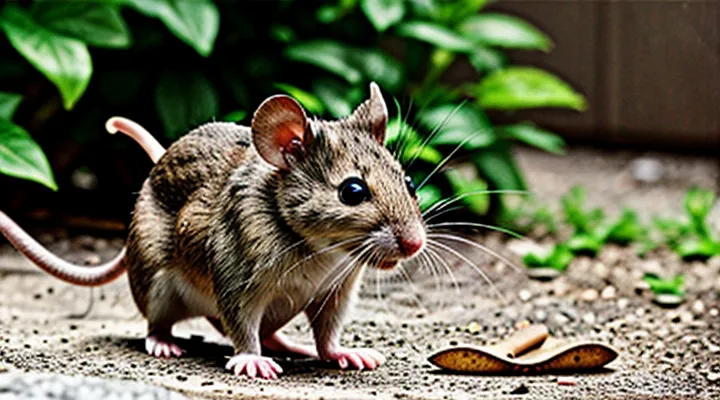
«Understanding Mouse Behavior and Infestation Signs»
«Identifying Mouse Activity in Your Yard»
«Droppings and Urine Trails»
Droppings and urine trails serve as reliable indicators of mouse activity in gardens and subterranean spaces. Recognizing these signs enables targeted control measures and prevents health hazards.
Mice deposit feces in clusters along walls, under decking, and near food sources. Each pellet measures about 3‑5 mm, dark brown to black, and dries quickly, creating a powdery residue. Urine appears as wet, often invisible, stains that emit a strong ammonia odor when concentrated. The scent marks pathways and attracts additional rodents, reinforcing infestation.
Effective management requires three steps:
- Identify and locate all droppings and urine stains. Use a flashlight to inspect dark corners, crawl spaces, and under plant pots. Wear disposable gloves and a mask to avoid exposure to pathogens.
- Sanitize the area. Prepare a solution of 1 part bleach to 9 parts water, apply to surfaces, and let it sit for at least five minutes before wiping clean. For porous materials, use a commercial enzymatic cleaner that breaks down organic residues.
- Disrupt the scent trail. After cleaning, spread a thin layer of diatomaceous earth or a pet-safe repellant (e.g., peppermint oil diluted 1 % in water) along former pathways. This masks residual odor and deters further travel.
Regular monitoring—weekly in high‑traffic zones and monthly elsewhere—ensures early detection of new deposits. Prompt removal of droppings and urine eliminates the olfactory cues that sustain mouse presence, contributing to a cleaner, rodent‑free yard and underground environment.
«Gnaw Marks on Plants and Structures»
Gnaw marks on plants, fences, irrigation tubing, and foundation blocks reveal active mouse foraging and nesting. The characteristic V‑shaped incisions and chip fragments indicate where rodents test material strength before chewing through. Recognizing these signs early prevents extensive damage to vegetation and structural components.
Mice concentrate gnawing on tender stems, leaf stalks, and soft plastics that provide easy entry points to burrows. Repeated bites on root crowns weaken plant stability, leading to collapse. On hard surfaces, gnaw marks expose underlying wood or concrete, creating pathways for further intrusion into underground cavities.
Effective countermeasures focus on eliminating food sources, reinforcing vulnerable items, and disrupting access routes:
- Replace plastic tubing with metal or rigid conduit; secure joints with metal clamps.
- Apply rodent‑resistant sleeves or metal mesh around stems and trunks prone to chewing.
- Install stainless‑steel flashing or concrete caps on foundation cracks and drainage openings.
- Remove fallen fruit, seeds, and compost debris daily; store feed in sealed containers.
- Deploy bait stations or ultrasonic deterrents near identified gnaw sites, rotating locations to avoid habituation.
- Conduct regular inspections, documenting new marks and repairing damage promptly.
Consistent monitoring of gnaw evidence, combined with material upgrades and habitat sanitation, reduces mouse activity in yard and subterranean zones.
«Burrows and Tunnels»
Mice create extensive burrow systems beneath lawns, flower beds, and garden structures. These tunnels provide shelter, access to food, and escape routes from predators. Detecting active burrows is the first step in eliminating underground infestations. Look for fresh soil mounds, visible entry holes, and pathways leading to vegetation roots.
To disrupt burrows and prevent re‑colonisation, apply the following measures:
- Fill openings with coarse mesh (¼‑inch hardware cloth) secured by stakes; mesh blocks entry while allowing water drainage.
- Compact soil around the perimeter of the yard using a roller or tamping tool; compacted ground collapses existing tunnels and deters new excavation.
- Scatter non‑toxic rodent repellent granules (e.g., peppermint oil or capsicum) along tunnel entrances; the strong scent discourages further use.
- Install underground traps directly into active tunnels; position traps at a slight angle to ensure mice slide into the capture chamber.
- Remove vegetation that provides cover near burrow sites; prune grasses and trim hedges to expose the soil surface.
Regular maintenance reinforces these actions. After initial treatment, inspect the area weekly for fresh mounds and repair any compromised barriers promptly. Consistent monitoring, combined with physical obstruction and targeted repellent application, reduces the likelihood that mice will re‑establish burrows beneath the yard.
«Footprints and Runways»
Footprints left by mice indicate preferred travel routes. Identifying these marks allows precise interruption of their movement patterns. Clean the surface regularly; remove organic debris that preserves scent trails. Use a stiff brush or pressure washer on hard ground, and a vacuum with a HEPA filter on soft soil or mulch. After cleaning, apply a non-toxic deterrent, such as a diluted peppermint oil solution, to disrupt residual odor cues.
Runways are the shallow, often hidden pathways that connect food sources, nesting sites, and shelter. To collapse these passages, follow a three‑step process:
- Locate active runways by observing repeated footprints or droppings.
- Fill the channels with coarse sand, diatomaceous earth, or a mixture of shredded steel wool and soil.
- Compact the fill material firmly, then cover with a layer of gravel or landscape fabric to prevent re‑formation.
In underground areas, such as basements or crawl spaces, footprints appear as faint smears on concrete or plaster. Scrape away the top millimeter of material, then seal cracks with silicone caulk or expanding foam. Install metal mesh (¼‑inch gauge) beneath floor joists to block future runway construction.
For outdoor yards, create physical barriers that interrupt runway continuity:
- Lay perimeter edging of metal or rigid plastic around garden beds.
- Place low‑profile, interlocking pavers that leave no gaps for mice to squeeze through.
- Install raised garden beds with smooth, non‑porous sides, eliminating the need for ground‑level runways.
Consistent monitoring of footprints and runways, combined with routine disruption and barrier installation, reduces mouse activity in both surface and subsurface environments. This systematic approach deprives rodents of the pathways they rely on for foraging and nesting, leading to sustained exclusion from the property.
«Common Entry Points to Underground Areas»
«Cracks in Foundations»
Cracks in a building’s foundation create direct pathways for rodents to move from the yard into underground spaces such as basements and crawl spaces. Even hairline fissures allow mice to squeeze through, establishing nests close to food sources and shelter.
Identifying vulnerable points is the first step. Inspect the perimeter of the structure at least twice a year, focusing on:
- Areas where concrete meets soil or brickwork
- Joint seams around utility penetrations
- Gaps around pipe sleeves and vent stacks
- Settlement cracks near foundation walls
Repairing these openings eliminates the most common entry routes. Effective measures include:
- Clean debris from each crack to ensure adhesion.
- Apply a hydraulic cement mix that expands as it cures, sealing gaps up to ¼ inch wide.
- For larger fissures, embed stainless‑steel mesh before filling with a high‑strength epoxy mortar.
- Install a flexible silicone or polyurethane sealant around pipe sleeves and vent openings to accommodate minor movement without reopening.
After sealing, reinforce the perimeter with a physical barrier. A continuous ½‑inch galvanized hardware cloth buried 6 inches below grade and extending 12 inches above ground creates a durable shield that mice cannot breach.
Regular maintenance prevents re‑formation of cracks. Monitor moisture levels around the foundation, repair drainage deficiencies, and keep vegetation trimmed to reduce soil pressure on the walls. Consistent attention to these details sustains a rodent‑free environment in both surface and subsurface areas.
«Gaps Around Pipes and Wires»
Gaps around pipes and wires provide direct entry points for mice seeking shelter and food in yards and below‑ground structures. Even openings as small as a quarter inch allow rodents to squeeze through, creating pathways that bypass other deterrent measures.
To eliminate these vulnerabilities, follow a systematic approach:
- Inspect the perimeter of the property and the interior of basements, crawl spaces, and utility closets. Focus on where plumbing, electrical conduit, and irrigation lines emerge from walls or floors.
- Measure each opening. Record gaps larger than 0.25 in (6 mm) for immediate action.
- Choose sealing materials based on exposure and movement. Use stainless‑steel mesh or copper wire screen for areas that may shift, and apply expanding polyurethane foam or cementitious mortar for static gaps.
- Install the chosen barrier tightly against the pipe or wire, overlapping edges by at least 1 in to prevent mice from threading through seams.
- Secure the seal with stainless‑steel screws or clamps to resist corrosion and maintain integrity over time.
Regular maintenance is essential. Re‑inspect sealed areas quarterly, especially after heavy rain, frost thaw, or landscaping work that may disturb the soil. Replace degraded mesh or reapply foam where cracks appear.
By reducing the number and size of openings around utilities, you remove the primary access routes that enable mice to colonize yard and underground environments, significantly lowering the likelihood of infestation.
«Unsealed Vents and Drains»
Unsealed vents and drains serve as primary entry points for mice seeking shelter and food in outdoor and subterranean environments. Gaps, cracks, or missing screens allow rodents to move from the yard into basements, crawl spaces, and utility tunnels without obstruction.
Inspection should begin with a systematic walk around the property, focusing on any opening that connects the surface to an underground cavity. Identify the following features:
- Roof vents, especially those lacking mesh covers;
- Foundation vents and utility penetrations;
- Sewer and storm drains without grates or with damaged lids;
- Gutter downspouts that terminate directly into the ground;
- Gaps around pipe sleeves and conduit entries.
After locating each vulnerability, apply a three‑step remediation process:
- Seal – Use stainless‑steel or copper mesh with a minimum ¼‑inch opening to prevent rodent passage while permitting airflow. For larger gaps, install expanding foam rated for exterior use, followed by a metal flashing patch.
- Secure – Fit lockable, heavy‑duty drain covers or vent caps that resist chewing. Screw covers to a solid substrate with tamper‑resistant fasteners.
- Maintain – Schedule quarterly checks to confirm that seals remain intact, replace corroded hardware, and clear debris that could compromise the barrier.
Implementing these measures eliminates the most accessible routes for mice, reducing the likelihood of infestation in both yard spaces and underground areas.
«Damaged Basement Windows and Doors»
Damaged basement windows and doors provide direct pathways for rodents to enter structures, compromising efforts to keep mice out of outdoor and subterranean areas. Cracks around frames, broken panes, and warped hinges create gaps larger than a mouse’s body, allowing easy infiltration.
Effective mitigation requires a systematic approach:
- Inspect each window and door for broken glass, deteriorated seals, and misaligned frames.
- Replace cracked or shattered panes with tempered glass or polycarbonate panels that resist gnawing.
- Install weatherstripping around movable parts to eliminate openings as small as ¼ inch.
- Apply silicone-based caulk to seal gaps between frames and surrounding masonry.
- Fit metal or hardware‑cloth mesh over ventilation openings, securing it with stainless‑steel screws.
- Reinforce hinges and latches with heavy‑duty hardware to prevent forced entry.
Regular maintenance reinforces these barriers. After repairs, verify that all closures close tightly and that no new damage appears after seasonal weather changes. Consistent vigilance ensures that compromised windows and doors do not undermine broader rodent‑control strategies for yards and underground spaces.
«Prevention Strategies for Yards and Underground Areas»
«Exclusion and Sealing Techniques»
«Repairing Foundation Cracks»
Repairing foundation cracks directly reduces entry points for rodents that can travel from the yard into basement spaces. Cracks create gaps large enough for mice to squeeze through, allowing them to establish nests, contaminate storage, and damage utilities. By sealing these openings, the structural barrier remains intact and the underground environment becomes inhospitable to rodent intrusion.
Effective crack repair follows a systematic process:
- Inspect the foundation for visible fissures, hairline splits, and areas where mortar has separated. Use a flashlight and a probing tool to confirm gap dimensions.
- Clean each crack thoroughly. Remove loose debris, soil, and organic material with a wire brush and a vacuum. Moisture removal prevents future deterioration.
- Apply a suitable filler. For narrow cracks (≤ 1/4 in), inject a low‑shrink epoxy or polyurethane sealant. For wider openings, use hydraulic cement followed by a polymer‑modified mortar to restore structural strength.
- Embed a metal or plastic flashing strip over the repaired area when the gap exceeds ½ in. Secure the strip with construction adhesive and mortar to create a durable barrier.
- Finish with a waterproof coating. Brush on a cementitious waterproofing sealant to protect the repaired section from moisture ingress that could attract rodents.
Regular maintenance reinforces the repair. Schedule semi‑annual visual checks, especially after heavy rain or ground movement. Reapply sealant to any new hairline cracks promptly. Maintaining a sealed foundation eliminates one of the most common pathways for mice to move from outdoor spaces into subterranean zones, supporting broader rodent‑deterrence efforts.
«Sealing Gaps with Steel Wool and Caulk»
Sealing gaps eliminates the pathways mice use to enter yards, basements, and crawl spaces. Steel wool provides a physical barrier that rodents cannot chew through, while caulk creates a durable, weather‑resistant seal around the filler.
Begin by inspecting the perimeter of the property. Identify openings larger than a quarter‑inch, including gaps around utility pipes, vent pipes, foundation cracks, and door frames. Insert steel wool tightly into each opening, ensuring the fibers completely fill the space without leaving voids. Over‑compress the wool to prevent it from shifting after application.
Apply a generous bead of exterior‑grade silicone or acrylic caulk over the steel wool. Smooth the caulk with a gloved fingertip or a caulking tool to embed the wool and create a continuous seal. Allow the caulk to cure according to the manufacturer’s instructions, typically 24 hours, before exposing the area to moisture.
For recurring problem areas, repeat the process annually or after severe weather. Replace any damaged steel wool and re‑caulk any cracks that have opened due to settlement. Use a UV‑resistant caulk in locations exposed to direct sunlight to maintain elasticity.
Key points for effective implementation:
- Use ¼‑inch or finer steel wool to block even the smallest rodent paws.
- Choose a caulk compatible with the substrate (concrete, brick, wood) and rated for exterior use.
- Apply caulk in a continuous bead; gaps in the seal reintroduce entry points.
- Wear gloves and a dust mask when handling steel wool to avoid irritation.
- Inspect after installation for any remaining gaps; even a tiny opening can permit entry.
By combining steel wool’s chew‑resistance with the waterproof seal of caulk, homeowners create a robust barrier that deters mice from exploiting structural weaknesses in yards and underground spaces.
«Installing Mesh on Vents and Drains»
Mice enter yards and underground spaces through uncovered vents, drains, and utility openings. A solid barrier on these entry points blocks access and eliminates a primary route for infestation.
Select a mesh with the following characteristics:
- Stainless‑steel or galvanized steel for durability and resistance to corrosion.
- Aperture size no larger than ¼ inch (6 mm) to prevent even juvenile rodents from squeezing through.
- Heavy‑gauge wire (minimum 12 ga) to resist chewing.
Installation procedure:
- Shut off water flow and seal any open drainage lines to avoid spills.
- Measure the exact dimensions of each vent or drain opening.
- Cut the mesh to size, allowing a ½‑inch (12 mm) overlap on all sides.
- Position the mesh over the opening and secure it with stainless‑steel screws or rivets spaced no more than 2 inches (5 cm) apart.
- Apply a waterproof sealant around the perimeter to prevent moisture infiltration and deter rodents from testing the joint.
- Re‑connect any removed fixtures and inspect for gaps before restoring normal use.
Regular maintenance includes visual checks for rust, corrosion, or damage after heavy rain or seasonal temperature shifts. Replace compromised sections promptly to retain an uninterrupted barrier.
By fitting appropriately sized, corrosion‑resistant mesh to all vents and drainage points, homeowners create a reliable physical deterrent that significantly reduces rodent presence in both surface and subsurface areas.
«Weatherstripping Doors and Windows»
Weatherstripping creates a tight seal around doors and windows, eliminating gaps that rodents use to enter yards and subterranean spaces. By blocking these openings, the method reduces indoor and outdoor infestations without chemicals.
Common weatherstripping materials include:
- Foam tape: compresses to fill irregular gaps, easy to apply.
- Vinyl or rubber V‑strips: attach to the frame, resist repeated opening and closing.
- Felt or silicone: suitable for larger doorways, provides durable coverage.
Installation procedure:
- Inspect each door and window for cracks, gaps, and damaged frames.
- Clean surfaces to remove dust and debris; ensure dryness.
- Measure the perimeter of the opening, cut weatherstripping to length, allowing a slight overlap at corners.
- Apply adhesive backing or use nails/staples as recommended by the product.
- Press firmly to secure a continuous seal; test by closing the door or window to confirm no visible gaps remain.
Regular maintenance involves checking the seal after seasonal temperature changes, cleaning accumulated dirt, and replacing worn sections promptly. Consistent weatherstripping maintenance preserves the barrier’s effectiveness, limiting rodent access to the property.
«Sanitation and Habitat Modification»
«Removing Food Sources»
Eliminating accessible nourishment is the most direct method for discouraging rodents in gardens, lawns, and below‑ground structures.
Typical attractants include pet feed left outdoors, fallen fruit, garden produce, unsecured compost, birdseed, and debris that retains moisture. Each item offers a reliable energy source, encouraging mice to establish foraging routes that extend into burrows and foundation gaps.
Effective removal actions:
- Store pet food in sealed containers; feed animals indoors or within a locked feeder.
- Collect fallen fruit and vegetables daily; dispose of them in a trash bin with a tight‑fitting lid.
- Maintain compost piles with a solid cover; add a layer of coarse material to deter nesting.
- Use bird feeders equipped with squirrel‑proof designs; place feeders away from structures and clean spillage promptly.
- Keep the yard free of leaf litter, mulch, and standing water; replace mulch with stone or metal edging where feasible.
- Seal cracks and openings in foundations, crawl spaces, and utility lines to prevent food debris from entering hidden areas.
Consistent implementation of these measures removes the primary incentive for mice, reducing the likelihood of infestation in both surface and underground environments.
«Trimming Vegetation and Ground Cover»
Trimming vegetation and ground cover reduces shelter and food sources that attract rodents, making the yard less inviting for mice.
- Cut back tall grasses, shrubs, and weeds to a height of 4–6 inches.
- Remove dense plantings that create hidden pathways.
- Keep mulch layers under 2 inches; replace with coarse, inorganic material if possible.
- Eliminate overgrown vines and ground‑cover species that touch building foundations.
- Regularly collect fallen leaves, seed heads, and fruit debris.
Maintain a clear perimeter around structures by keeping a 1‑meter gap between trimmed vegetation and walls. This gap hinders mice from using plants as a bridge to enter homes or underground burrows.
Inspect garden beds weekly for regrowth; prune immediately to prevent re‑establishment of cover. Consistent removal of excess plant material limits nesting opportunities and forces mice to seek alternative habitats away from the property.
«Storing Firewood Away from the House»
Storing firewood at a distance from the home reduces the likelihood that mice will find shelter near the foundation. Wood piles left against a house create dark, insulated cavities that attract rodents seeking nesting sites. By placing the stack several meters away, the attractive micro‑habitat is removed from the immediate perimeter of the dwelling.
Select a location that is level, well‑drained, and exposed to sunlight. Sunlight raises the temperature of the wood, making it less hospitable for mice. Elevating the pile on a pallet or concrete slab prevents moisture accumulation, which otherwise encourages fungal growth and provides additional food sources for rodents.
Implement the following practices:
- Keep the stack at least 3 m (10 ft) from the house, detached from any exterior walls or fences.
- Cover the top with a waterproof tarp, securing the edges to prevent mice from entering from above.
- Stack wood in uniform layers, avoiding gaps that could serve as burrow entrances.
- Rotate the pile regularly, moving older pieces to the front and adding new wood to the back, so no section remains undisturbed for extended periods.
- Inspect the area weekly for signs of gnawing, nesting material, or droppings; remove any compromised pieces promptly.
Maintain a clear zone around the firewood by trimming vegetation and removing debris. Dense shrubs and leaf litter create concealed pathways that facilitate rodent movement. A tidy perimeter forces mice to travel open ground, exposing them to predators and reducing successful infiltration into the yard and underground spaces.
By adhering to these storage guidelines, the firewood becomes a neutral resource rather than a magnet for mice, contributing to an overall strategy that limits rodent activity around the home.
«Managing Composting Piles»
Effective rodent deterrence in garden and below‑ground zones begins with proper compost pile management.
Maintain a high temperature throughout the pile by regularly turning it; temperatures above 55 °C destroy mouse nesting material and reduce attraction.
Control moisture by adding dry carbon sources (e.g., straw, shredded paper) when the pile feels damp. Excess moisture creates a hospitable environment for rodents.
Seal the base of the pile with wire mesh or hardware cloth (minimum 1/4‑inch openings) to block burrowing. Ensure the mesh extends at least six inches below the ground surface.
Limit food sources by removing fruit, vegetable scraps, and meat residues promptly. Store kitchen waste in sealed containers before adding it to the compost.
Create a perimeter of coarse gravel or sharp-edged mulch around the compost area; rodents avoid uneven, abrasive surfaces.
Implement a regular inspection schedule:
- Check for gnaw marks on containers and mesh.
- Look for mouse droppings or nesting material near the pile.
- Verify that the compost temperature remains within the target range.
By enforcing these practices, the compost pile becomes an unattractive habitat, thereby reducing mouse presence in both surface and subterranean garden spaces.
«Deterrents and Repellents»
«Natural Repellents: Peppermint Oil and Cayenne Pepper»
Peppermint oil and cayenne pepper are effective, non‑chemical deterrents for rodents that frequent gardens, lawns, and foundation cracks. Both substances emit strong odors and irritants that mice avoid, making them suitable for surface application and for sealing entry points below ground.
- Dilute peppermint essential oil with water (1 part oil to 10 parts water) and spray the mixture around the perimeter of the yard, near compost piles, and along foundation seams. Reapply weekly or after heavy rain.
- Mix cayenne pepper with a carrier such as talc or powdered diatomaceous earth (1 cup pepper to 4 cups carrier). Spread the blend in thin layers along mouse pathways, around plant bases, and inside shallow trench drains. Refresh the coating after watering or soil disturbance.
- For underground cavities, soak cotton balls in undiluted peppermint oil and place them in vent openings, crawl spaces, or utility trenches. Replace every 2–3 weeks to maintain potency.
Both repellents are safe for pets and children when used as directed, and they leave no persistent residues. Regular application, combined with proper sanitation and exclusion of entry points, creates an environment that discourages mouse activity without resorting to toxic poisons.
«Ultrasonic Devices»
Ultrasonic devices emit sound waves above the range of human hearing, typically between 20 kHz and 65 kHz, to create an uncomfortable environment for mice. The high‑frequency pulses interfere with the rodents’ auditory system, causing agitation and prompting them to vacate the treated area.
Effective deployment requires several considerations:
- Frequency selection: Devices covering a broad spectrum reduce the chance that mice will acclimate to a single tone.
- Coverage area: Models rated for 500 sq ft or more are suitable for gardens, while compact units fit into crawl spaces, basements, and utility tunnels.
- Placement: Position units at ground level in open yard sections and on walls or ceilings in underground chambers to ensure unobstructed sound propagation.
- Power source: Plug‑in units guarantee continuous operation; battery‑powered models are useful for temporary setups but may experience reduced output as voltage drops.
- Maintenance: Clean speaker grills monthly to prevent dust accumulation, which can diminish acoustic output.
Research indicates that ultrasonic deterrents achieve up to 70 % reduction in mouse activity when used alongside physical barriers and sanitation measures. Their non‑chemical nature eliminates risks to pets, children, and beneficial wildlife, and they operate silently to humans.
Limitations include:
- Acclimation: Prolonged exposure may lead some rodents to ignore the noise, necessitating periodic frequency rotation or supplemental tactics.
- Obstructions: Dense vegetation, soil, or concrete walls absorb ultrasonic energy, reducing effective range.
- Regulatory compliance: Certain jurisdictions restrict the sale of ultrasonic pest control devices; verify local regulations before installation.
Integrating ultrasonic devices with habitat modification—such as sealing entry points, removing food sources, and trimming vegetation—provides a comprehensive strategy for keeping mice out of both surface and subsurface environments.
«Predator Urine»
Predator urine exploits the natural fear response of mice, making it a practical option for reducing rodent activity in gardens, lawns, and basements. The scent of a natural enemy signals danger, prompting mice to avoid treated zones.
Effective products typically contain urine from foxes, coyotes, bobcats, or ferrets. Each source offers a distinct chemical profile that mice recognize as a threat. Choose a formulation that matches the target area: liquid sprays work well on open surfaces, while granular pellets are suitable for cracks, burrows, and cavity entrances.
Application guidelines:
- Clean the area to remove food residues and debris.
- Apply liquid spray evenly along perimeter fences, garden beds, and entry points to underground spaces.
- Distribute granules into holes, gaps under decks, and basement vents; cover with a thin layer of soil or mulch to conceal.
- Reapply every two to four weeks, or after heavy rain, to maintain scent potency.
- Store containers in a cool, dark place; exposure to heat or sunlight degrades the active compounds.
Safety considerations:
- Wear gloves and avoid direct contact with eyes or mucous membranes.
- Keep away from pets and children; most commercial preparations are non-toxic but can cause irritation if mishandled.
- Test a small area first to ensure no damage to plants or surfaces.
Limitations:
- Effectiveness diminishes if mice become habituated; rotate between different predator scents to prevent adaptation.
- Strong winds or excessive irrigation can disperse the odor, reducing concentration at target sites.
- Predator urine does not eliminate existing infestations; combine with exclusion methods, such as sealing entry points and removing attractants, for comprehensive control.
When integrated with habitat modification and physical barriers, predator urine provides a reliable, chemical‑free method for discouraging mice from both surface and subsurface environments.
«Methods for Active Mouse Removal»
«Trapping Options»
«Snap Traps»
Snap traps provide immediate control of mouse populations in gardens, lawns, and crawl spaces. The device consists of a spring‑loaded bar that releases with a single bite, delivering a lethal force that kills the rodent instantly. Proper use maximizes efficacy and minimizes risk to non‑target animals and humans.
Placement is critical. Position traps along established runways, near walls, or adjacent to burrow entrances. Align the trigger end toward the expected travel direction; mice typically approach from the rear. In open yard areas, set traps on flat surfaces, avoiding direct sunlight that can desensitize the trigger mechanism. In underground cavities, secure traps to the floor with a small amount of adhesive or a weighted base to prevent displacement.
Select bait that appeals to mouse preferences. Common choices include peanut butter, dried fruit, or small pieces of cheese. Apply a pea‑sized amount to the trigger plate to ensure consistent activation. Replace bait daily if traps remain unfed, as freshness influences attraction.
Safety measures protect household members and pets. Use traps with enclosed chambers when children or animals are present, or place them within sealed containers that allow mouse entry but restrict larger species. Wear gloves during handling to avoid contaminating the trigger surface with human scent.
After capture, dispose of the carcass promptly. Place the dead mouse in a sealed bag, then discard it in an outdoor trash receptacle. Clean the trap with hot, soapy water before reuse, or replace it with a new unit if structural integrity is compromised.
Limitations include the need for regular monitoring and the potential for humane concerns. Combine snap traps with exclusion techniques—such as sealing entry points, removing food sources, and maintaining vegetation height—to reduce reliance on lethal devices and achieve long‑term mouse deterrence.
«Live Traps»
Live traps capture mice without killing them, allowing humane removal from gardens, patios, and underground cavities. The device consists of a compartment that closes when the animal triggers a pressure plate or lever.
Select traps made of sturdy plastic or metal, with a size appropriate for adult mice (approximately 4–5 inches long). Position traps along walls, near burrow entrances, and in areas showing fresh droppings or gnawed vegetation. Place the trap with the entry side facing the wall, as mice prefer to travel close to surfaces.
Bait with high‑fat foods such as peanut butter, sunflower seeds, or small pieces of cheese. Apply a thin layer to the trigger mechanism to ensure activation. Check traps at least twice daily; release captured mice at least 2 miles from the property to prevent immediate return, following local wildlife regulations.
Combine live trapping with habitat modification: eliminate food sources, seal cracks, and maintain clean ground cover. Regular monitoring and trap rotation improve capture rates and sustain long‑term rodent exclusion.
«Glue Traps (with Cautionary Notes)»
Glue traps consist of a sticky surface that immobilizes rodents upon contact. They are inexpensive and can be positioned in concealed locations where mouse activity is observed, such as along baseboards, near entry points, and in burrow openings.
Effective placement requires targeting travel routes without exposing pets or children. Secure the trap on a flat, dry surface; avoid areas prone to moisture, which reduces adhesive strength. Check traps daily; a trapped mouse may die from dehydration or stress, creating a health hazard.
Cautionary considerations
- Non‑target capture: insects, small reptiles, and beneficial wildlife may become ensnared. Reduce risk by limiting trap use to indoor environments or heavily infested outdoor zones inaccessible to other species.
- Humaneness: glue traps cause prolonged suffering. For humane control, combine traps with exclusion methods and consider snap traps or live‑catch devices as alternatives.
- Disposal: wear disposable gloves, place the whole trap in a sealed bag, and discard according to local waste regulations. Do not reuse traps.
- Chemical exposure: some traps contain toxic adhesives. Keep them away from food preparation areas and store them out of reach of children.
When integrated into a broader rodent‑management plan—such as sealing gaps, removing food sources, and maintaining yard cleanliness—glue traps can temporarily reduce mouse numbers. However, reliance on them alone is insufficient; long‑term success depends on eliminating shelter and access points.
«Baiting Strategies»
«Safe Placement of Bait Stations»
Placement of bait stations determines both effectiveness against mice and safety for humans, pets, and non‑target wildlife. Position stations where rodents are active yet out of reach of children and animals.
- Install stations at least 2 feet above ground on a sturdy platform or secure them to the underside of a deck. This prevents accidental contact and protects the bait from rain.
- Locate devices along walls, behind shrubs, or within fence lines where mice travel. Avoid open lawns where pets may roam.
- Keep stations at least 10 feet from food preparation areas, garbage cans, and pet feeding stations. This reduces the risk of contamination.
- Use tamper‑resistant models that lock the bait inside and have a sealed exterior. Verify that the latch engages fully before leaving the site.
- Mark each station with a discreet, weather‑proof label indicating “Rodent control – restricted access.” This alerts maintenance personnel without drawing attention from children.
When installing underground bait stations, follow these additional precautions:
- Dig a shallow trench (4–6 inches deep) and place the station at the base, then cover with a thin layer of soil and mulch. The cover should be thin enough for mice to enter but thick enough to deter larger animals.
- Position the trench at least 12 inches away from utility lines, irrigation pipes, and foundation walls to avoid damage.
- Install a protective mesh over the opening, using a gauge that allows mouse entry but blocks squirrels and birds.
- Check the site weekly for signs of disturbance, moisture buildup, or non‑target species interference. Replace any compromised stations promptly.
All bait stations should be inspected regularly, replenished with fresh product, and recorded in a maintenance log. Accurate documentation ensures consistent control while maintaining compliance with safety regulations.
«Types of Baits (Non-Toxic vs. Toxic)»
Effective mouse control in gardens and underground structures begins with selecting appropriate bait. The choice determines safety for non‑target animals, compliance with regulations, and overall success of the program.
Non‑toxic baits rely on attraction and consumption without lethal chemicals. Common varieties include:
- Peanut butter mixed with oats or cornmeal, offering strong scent and palatability.
- Commercially prepared grain blocks enriched with vitamins, designed for repeated exposure.
- Herbal blends containing dried mint, rosemary, or catnip, which deter while providing a mild ingestible reward.
Toxic baits incorporate anticoagulants, neurotoxins, or metal phosphides to cause mortality after ingestion. Typical formulations are:
- Second‑generation anticoagulants (e.g., bromadiolone, difenacoum) that prevent blood clotting.
- Single‑dose neurotoxins such as bromethalin, effective after a single bite.
- Zinc phosphide pellets that release phosphine gas in the stomach, producing rapid death.
When deciding between the two categories, consider the following factors:
- Presence of pets, children, or wildlife demands non‑lethal options to avoid accidental poisoning.
- Severity of infestation may justify toxic baits, provided they are placed in tamper‑proof stations.
- Local regulations often restrict certain toxic compounds; compliance requires documentation of bait type and placement.
- Monitoring bait consumption allows adjustment of strategy; non‑toxic baits can be rotated to maintain interest, while toxic baits may need periodic replenishment to sustain lethal dosage.
Balancing safety, legal constraints, and efficacy ensures that bait selection contributes effectively to reducing mouse activity in both surface and subsurface environments.
«Monitoring and Replenishing Bait»
Effective bait management requires systematic observation and timely replenishment. After initial placement, inspect each station at regular intervals—preferably every 24 to 48 hours during peak activity periods. Record the amount of bait consumed, noting any signs of moisture, spoilage, or non‑target interference. Replace depleted or compromised bait promptly to maintain attractive potency and prevent gaps in control.
Key practices for monitoring:
- Use a standardized log sheet to capture date, station identifier, bait weight before and after inspection, and observed wildlife activity.
- Employ a flashlight or low‑intensity LED to examine underground or concealed stations without disturbing surrounding soil structure.
- Rotate stations periodically to avoid habituation; relocate a portion of traps weekly within the same control zone.
Replenishment guidelines:
- Store bait in airtight containers at cool temperatures to preserve efficacy.
- Refill stations with fresh bait that matches the original formulation and concentration; avoid mixing expired or partially used product.
- Adjust bait quantity based on consumption trends—higher uptake may indicate increased rodent pressure, warranting larger or additional stations.
Safety considerations:
- Wear disposable gloves when handling bait to prevent contamination.
- Keep bait out of reach of children and pets; label stations clearly with warning stickers.
- Dispose of used gloves and contaminated materials according to local hazardous waste regulations.
Consistent monitoring coupled with disciplined replenishment sustains a reliable deterrent system, minimizing rodent presence in both surface and subsurface areas.
«Professional Pest Control Services»
«When to Call an Expert»
Mice infestations can become unmanageable when simple measures fail to reduce activity. Contact a professional pest‑control specialist under the following conditions:
- Damage to irrigation, electrical wiring, or structural components is evident.
- Visible nests or droppings appear in large numbers within a confined area.
- Traps and bait stations placed for several weeks produce no capture.
- The property includes sensitive environments such as food‑storage facilities, medical areas, or young children’s play zones.
- The infestation spreads to underground utilities, sewage lines, or foundation cracks, threatening integrity and safety.
- Local regulations require licensed intervention for chemical treatments.
In these scenarios, an expert provides accurate identification, targeted treatment plans, and compliance with health and safety standards, ensuring effective, lasting resolution.
«Integrated Pest Management Approaches»
Effective integrated pest management (IPM) for rodent deterrence combines observation, habitat modification, physical barriers, mechanical removal, biological agents, and targeted chemical use.
Accurate monitoring establishes population levels and activity patterns. Set snap traps or live‑catch devices along established runways; record capture dates to gauge trends.
Sanitation removes attractants that sustain mouse colonies. Store feed in sealed containers, eliminate fallen fruit, and promptly clear pet food residues. Regularly mow grass and trim vegetation that offers cover.
Exclusion prevents entry into structures and underground voids. Install stainless‑steel mesh or hardware cloth with openings no larger than ¼ inch around foundation cracks, utility penetrations, and vent openings. Seal gaps around pipes, doors, and windows with caulk or expanding foam.
Mechanical control reduces numbers without chemicals. Deploy snap traps in high‑traffic zones, positioning them perpendicular to walls. Use multi‑catch live traps for humane removal, then release captured animals far from the property.
Biological control leverages natural predators. Encourage owls, hawks, and barn owls by installing nesting boxes. Maintain habitats for predatory cats and feral raptors, recognizing their limited impact in densely populated yards.
Chemical interventions serve as a last resort. Apply rodenticides in tamper‑proof bait stations, adhering to label directions and local regulations. Rotate active ingredients to mitigate resistance.
Continuous evaluation completes the IPM cycle. Review trap data, inspect exclusion points quarterly, and adjust sanitation practices seasonally. Documenting outcomes supports long‑term reduction of mouse activity in both surface and subsurface environments.