
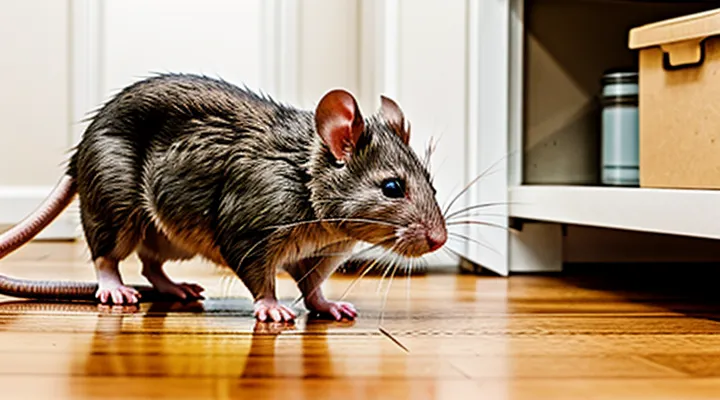
Understanding the Rat Problem
Identifying Rat Presence
Signs of Rats
Rats reveal their presence through distinct indicators that precede visible damage. Recognizing these signs enables timely intervention with conventional removal techniques.
- Fresh droppings, typically dark brown and rod‑shaped, found near food sources, along baseboards, or in concealed corners.
- Gnaw marks on wood, plastic, wiring, or insulation, displaying a clean, rounded bite pattern.
- Scratching noises in walls, ceilings, or attics, especially during nighttime hours.
- Trails of greasy smears along walls or pipes, left by the animal’s oily fur.
- Strong, musky odor emanating from hidden nesting sites, often intensified in warm, damp areas.
- Presence of nests composed of shredded paper, fabric, or insulation, usually situated in hidden voids.
- Unexplained food loss or contamination, accompanied by bite holes in packaging.
Each symptom confirms rodent activity and warrants immediate application of traditional control methods such as sealing entry points, setting snap traps, and employing bait stations. Prompt detection prevents structural damage, electrical hazards, and health risks associated with disease transmission.
Common Entry Points
Rats gain access to homes through a limited set of structural weaknesses. Recognizing these points is essential for any conventional rat‑removal strategy.
- Gaps beneath exterior doors, especially where weather‑stripping is absent or damaged.
- Cracks in foundation walls or slab edges, often hidden by landscaping.
- Openings around utility penetrations such as water, gas, and electrical lines.
- Unscreened vents, including dryer, kitchen, and attic ventilation shafts.
- Eaves, soffits, and roof sheathing with loose or missing siding.
- Chimney flues lacking caps or having cracked mortar joints.
- Wall fissures, particularly around window frames and exterior trim.
- Spaces surrounding plumbing stacks and sewer lines.
- Unsealed attic hatch or crawl‑space entry points.
- Windows left open without screens or with damaged screens.
Inspection should begin at ground level, progressing upward to roofline, using a flashlight and mirror to locate concealed gaps. Seal identified openings with steel wool, copper mesh, or concrete, then apply caulk or expanding foam for a permanent barrier. Regular maintenance—replacing weather‑stripping, repairing cracked mortar, and trimming vegetation away from the structure—prevents re‑entry and supports long‑term rat control.
Why Traditional Methods?
Traditional rat‑control techniques remain the preferred choice for many homeowners because they deliver reliable results without reliance on complex technology.
- Proven efficacy: Traps, barriers, and natural repellents target rats directly, producing immediate reduction in activity.
- Low toxicity: Methods such as snap traps or live‑catch devices avoid chemical exposure for occupants and pets.
- Cost efficiency: Basic equipment costs a fraction of commercial pest‑management contracts, allowing repeated use.
- Environmental stewardship: Non‑chemical approaches prevent contamination of soil and water sources, preserving local ecosystems.
- Accessibility: Materials are widely available at hardware stores, enabling prompt implementation without specialist assistance.
Each factor contributes to a practical, sustainable solution that aligns with household safety standards and budget constraints. By employing these time‑tested measures, residents can eliminate infestations effectively while maintaining control over the process.
Traditional Methods for Rat Removal
Exclusion and Prevention
Sealing Entry Points
Sealing entry points is the most reliable step in preventing rats from re‑entering a dwelling after removal. Identify all possible openings larger than a quarter‑inch, including gaps around pipes, vents, utility lines, and foundation cracks. Inspect the exterior wall surface, roof eaves, and basement walls for signs of gnawing or nesting material.
- Apply steel wool or copper mesh to small holes before sealing with cement, expanding foam, or metal flashing.
- Use weather‑resistant silicone caulk to seal gaps around window frames, door thresholds, and baseboards.
- Install heavy‑duty rodent‑proof screens on vents, chimney flues, and crawl‑space openings.
- Replace deteriorated siding, soffit, or flashing that creates exposure to the interior.
After repairs, conduct a final walkthrough to verify that no entry remains. Reinforce maintenance by checking seals quarterly and repairing any new damage promptly. This systematic closure of access routes eliminates the primary avenue for rat intrusion, supporting long‑term control without reliance on chemicals or traps.
Eliminating Food Sources
Rats remain in a dwelling when they can locate reliable nourishment. Removing those supplies forces them to search elsewhere, increasing the likelihood of departure.
Typical attractants include unsecured pantry goods, pet food left out, uncovered trash bins, and compost piles. Even small crumbs on countertops or floors provide sufficient sustenance for a rodent population.
- Store dry goods in metal or heavy‑plastic containers with tight‑fitting lids.
- Transfer pet meals to sealed containers; feed animals only at scheduled times and remove leftovers immediately.
- Install tight‑closing lids on garbage cans; empty them daily and keep the exterior area clean.
- Enclose compost bins with wire mesh; avoid placing food waste near building foundations.
- Sweep and mop surfaces after each meal; mop up spilled liquids promptly.
Consistent application of these measures prevents re‑contamination. Regular inspections identify new sources before rats can exploit them, sustaining the effort to keep the house uninhabitable for rodents.
Maintaining Cleanliness
Maintaining a clean environment removes the food and shelter that attract rats, making traditional rodent removal techniques more effective. Eliminate crumbs, spilled grains, and pet food by sweeping floors, wiping countertops, and storing dry goods in sealed containers. Regularly dispose of garbage in tightly sealed bins and remove waste from the premises at least once daily.
Key cleaning actions include:
- Vacuum or sweep beneath appliances, furniture, and storage areas where debris accumulates.
- Wash dishes promptly; avoid leaving dishes in the sink overnight.
- Clean pet feeding stations after each meal and keep them on non‑porous surfaces.
- Inspect and repair cracks in walls, floors, and foundations that allow entry; seal openings with steel wool or caulk.
- Declutter basements, attics, and garages; store items off the floor and in airtight containers.
A disciplined cleaning routine reduces the likelihood of rat infestation and supports the success of conventional deterrents such as traps, natural repellents, and structural barriers. Consistency in these practices sustains a hostile environment for rodents and encourages their departure without reliance on chemical solutions.
Trapping Techniques
Snap Traps
Snap traps are a time‑tested tool for removing rats from a residence without resorting to chemicals or live‑catch devices. The mechanism consists of a spring‑loaded bar that delivers an instantaneous strike when the trigger is activated, ensuring rapid mortality and minimizing suffering.
Effective use of snap traps requires careful attention to three factors: placement, bait, and safety.
- Position traps along walls, behind appliances, and in dark corners where rats travel. Place them perpendicular to the wall, with the trigger end facing the expected path.
- Choose bait that appeals to rats, such as small pieces of peanut butter, dried fruit, or cooked meat. Secure the bait to the trigger plate to prevent premature release.
- Keep traps out of reach of children and pets. Use protective covers or place traps in sealed containers that allow rat entry but block other animals.
Check traps daily. Remove dead rodents promptly, clean the trap with mild detergent, and reset it with fresh bait. Replace worn springs or corroded components to maintain lethal force.
When deployed correctly, snap traps achieve a high kill rate, reduce the need for repeated applications, and complement other conventional tactics such as sealing entry points and maintaining cleanliness.
Live Traps
Live traps provide a humane option for removing rats from residential interiors. The device consists of a cage or box that closes automatically when the animal triggers a trigger mechanism, keeping the rodent unharmed.
Typical designs include:
- Wire-mesh cages with a spring‑loaded door.
- Wooden or plastic containers with a hinged lid.
- Commercially available snap‑free traps equipped with a release lever.
Effective placement follows three principles: proximity to activity, concealment, and accessibility. Set traps along walls, behind appliances, or near discovered droppings, because rats travel close to surfaces. Position traps so that the entry side faces the wall, preventing the animal from escaping sideways. Ensure the trap rests on a flat surface to avoid tipping.
Bait selection influences capture rates. Preferred attractants are:
- Small portions of peanut butter.
- Bits of dried fruit.
- Pieces of cooked meat or fish.
Apply a thin layer to the trigger plate; excess bait may cause the trap to close prematurely without a catch.
Check traps at least twice daily. When a rat is secured, wear thick gloves, cover the cage with a cloth, and transport the animal at least 200 meters from the residence to a suitable release site, such as a wooded area. Release the rat gently, open the cage, and allow it to exit without disturbance.
After each capture, clean the trap with mild detergent, dry thoroughly, and reset with fresh bait. Repeating this cycle until no further signs appear eliminates the infestation while preserving animal welfare.
Trap Placement Strategies
Effective rat removal relies on precise trap positioning. Placement determines capture rates, reduces escape opportunities, and limits collateral damage to non‑target wildlife.
- Locate traps along established runways: rats travel close to walls, under furniture, and behind appliances. Position devices parallel to these pathways, a few inches from the surface.
- Target entry points: install traps directly outside holes, cracks, or gaps used for ingress. Seal openings after placement to force movement toward the baited device.
- Use multiple traps in a line: arrange three to five traps spaced 12–18 inches apart to cover a corridor. Overlap detection zones to prevent rats from bypassing a single trap.
- Position at elevation changes: rats prefer to climb or descend near stairs, countertops, and shelving. Place traps on the lower step or directly under the landing edge.
- Avoid high‑traffic human areas: set traps away from countertops, cooking surfaces, and children’s play zones to prevent accidental contact.
- Adjust for night activity: rats are nocturnal; place traps where darkness is greatest, such as behind cabinets or beneath sinks, to increase encounter likelihood.
Strategic placement integrates knowledge of rat behavior with the physical layout of the dwelling. Proper alignment of traps along travel routes, near access points, and at vertical transitions maximizes capture efficiency while minimizing disruption to occupants.
Natural Repellents
Peppermint Oil
Peppermint oil is a widely recognized repellent for rodents due to its strong menthol scent, which overwhelms a rat’s sensitive olfactory system and encourages it to leave the premises.
Application methods:
- Soak cotton balls in pure peppermint oil and place them in areas where rat activity is observed, such as behind appliances, in wall voids, and near entry points.
- Combine a few drops of oil with water in a spray bottle; mist corners, baseboards, and any cracks or holes that could serve as pathways.
- Incorporate the oil into a homemade sachet by mixing dried peppermint leaves with a few milliliters of oil; hide the sachet in attic spaces or crawl spaces.
Dosage guidelines:
- Use 5–10 drops per cotton ball; replace every 48–72 hours to maintain potency.
- For sprays, apply 10–15 drops per cup of water; reapply after heavy cleaning or when the scent fades.
Safety considerations:
- Keep oil out of reach of children and pets; direct contact may cause skin irritation.
- Test a small area before widespread use to ensure no adverse reactions with painted surfaces or fabrics.
Effectiveness:
- Studies show peppermint oil can deter rats for up to three days per application, reducing the likelihood of re‑entry when combined with proper sealing of entry points.
- Success rates increase when the oil is used alongside traditional exclusion techniques, such as trapping and structural repairs.
Ammonia
Ammonia’s strong odor disrupts a rat’s sensory perception, prompting avoidance of treated areas. The compound’s volatility allows rapid diffusion through cracks, walls, and flooring, creating an inhospitable environment without direct contact.
Application steps:
- Dilute household ammonia (5‑10 % concentration) with water in a 1:1 ratio.
- Soak absorbent cloths or cotton balls in the solution.
- Place the soaked materials in known rat pathways: behind appliances, under cabinets, and near entry points.
- Replace the cloths every 24 hours until activity ceases.
Safety considerations:
- Ensure adequate ventilation; open windows and doors to disperse fumes.
- Wear gloves and eye protection to avoid skin and eye irritation.
- Keep children and pets away from treated zones until the odor diminishes.
Effectiveness depends on regular monitoring. If rats persist after three days, increase the number of treated spots or combine ammonia with other traditional repellents such as peppermint oil or steel wool barriers. Proper disposal of used cloths—sealed in a plastic bag—prevents accidental exposure and environmental contamination.
Other Household Items
Traditional rodent control often utilizes items already present in a residence. These objects create an environment that discourages rats without the need for chemicals or commercial traps.
- Peppermint oil: Apply a few drops on cotton balls and place them near entry points; the strong scent repels rodents.
- Steel wool: Pack tightly into gaps around pipes and vents; rats cannot gnaw through the dense fibers.
- Aluminum foil: Lay sheets on countertops and shelves; the reflective surface creates an uncomfortable texture for the animal.
- Dish soap solution: Mix water with a few teaspoons of liquid soap and spray on surfaces where rats travel; the sticky residue hampers movement.
- White vinegar: Soak cloths in vinegar and position them in hidden corners; the acidic odor deters nesting.
- Coffee grounds: Scatter used grounds in attic or basement corners; the bitter aroma is unpleasant to rats.
- Citrus peels: Place orange or lemon rinds near suspected pathways; the citric scent acts as a natural repellent.
- Dryer sheets: Distribute sheets in closets and under furniture; the lingering fragrance discourages intrusion.
- Clothespins: Secure loose wires and cords with clothespins to eliminate climbing aids.
- Old newspapers: Crumple and spread in rarely used areas; the rough texture makes the space less inviting for burrowing.
Employing these household materials in combination enhances the effectiveness of conventional methods, encouraging the rodent to vacate the premises without resorting to poisons or specialized equipment.
Hygiene After Removal
Cleaning and Disinfecting
Effective removal of a rodent requires thorough sanitation of all affected areas. Begin by collecting droppings, urine stains, and nesting material with disposable gloves and a rigid scraper. Place waste in a sealed, labeled bag and discard according to local hazardous‑waste guidelines. Follow removal with a wet‑mopping operation using a detergent solution to loosen residual residue.
After debris is cleared, apply a disinfectant proven against bacterial and viral contaminants commonly associated with rodents. Recommended agents include a 1 % sodium hypochlorite solution or a quaternary ammonium compound at the manufacturer’s recommended concentration. Spray or wipe surfaces, allow the contact time specified on the product label, then rinse with clean water if the disinfectant leaves a residue. Ensure adequate ventilation during and after application to reduce inhalation risk.
Key steps for cleaning and disinfecting:
- Wear protective gloves and a face mask throughout the process.
- Use disposable tools; avoid reusing equipment that contacted waste.
- Dispose of all contaminated materials in sealed bags.
- Apply detergent, scrub, and rinse surfaces before disinfecting.
- Follow disinfectant contact time; rinse if required.
- Allow the area to dry completely before sealing entry points.
Proper sanitation eliminates food sources, diminishes scent trails, and creates an environment that discourages re‑infestation, supporting the overall goal of expelling the rodent using traditional methods.
Preventing Re-infestation
After a rat has been removed, the priority shifts to eliminating conditions that invite a new intrusion. Close every opening larger than a quarter‑inch, including gaps around pipes, vents, and foundation cracks. Use steel wool, metal flashing, or concrete to reinforce vulnerable points, because rodents can gnaw through softer materials.
Maintain an environment that deprives rats of food and shelter. Store dry goods in sealed containers, clean up spills promptly, and keep garbage in tightly lidded bins. Remove clutter such as piles of firewood, cardboard boxes, and overgrown vegetation that can serve as nesting sites.
Implement a monitoring routine to detect early signs of activity. A concise checklist can guide regular inspections:
- Inspect exterior walls and foundations weekly for fresh gnaw marks or droppings.
- Test interior traps or bait stations monthly, resetting or replacing them as needed.
- Record any sightings and correlate them with weather or seasonal patterns to anticipate peak periods.
Consistent application of these measures creates a barrier that deters re‑entry, ensuring the initial removal effort remains effective over the long term.