
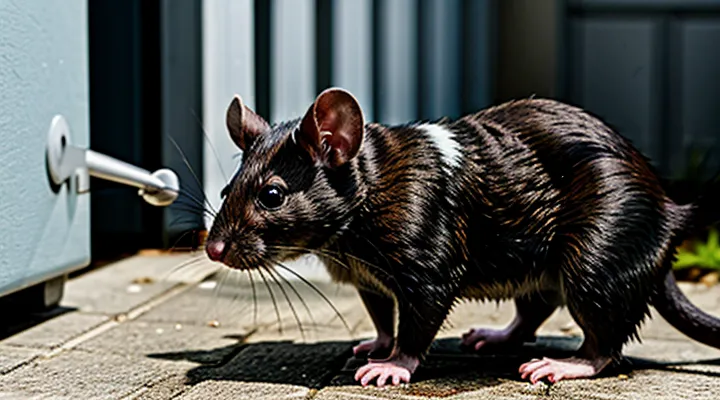
Understanding Rat Behavior and Risks
Why Rats are a Problem
Health Risks Posed by Rats
Rats transmit a wide range of pathogens that threaten human health. Direct contact with rodent urine, feces, or saliva can introduce bacteria such as Salmonella and Leptospira, leading to gastrointestinal illness and leptospirosis, respectively. Inhalation of aerosolized particles from contaminated dust may cause hantavirus pulmonary syndrome, a severe respiratory condition with high mortality. Parasites, including Taenia tapeworms and Angiostrongylus larvae, can be carried on rodent fur or in droppings, resulting in cysticercosis and eosinophilic meningitis when ingested.
Key health hazards associated with rats include:
- Bacterial infections: Salmonella, Leptospira, Streptobacillus moniliformis (rat‑bite fever)
- Viral diseases: Hantavirus, Lassa fever (in endemic regions)
- Parasitic infestations: Taenia solium (tapeworm), Angiostrongylus cantonensis (rat lungworm)
- Allergic reactions: IgE‑mediated responses to rodent dander and urine proteins, causing asthma exacerbations and skin dermatitis
Contamination of food storage areas, water supplies, and structural components amplifies exposure risk. Prompt elimination of rodent activity reduces the probability of disease transmission and protects public health.
Property Damage Caused by Rats
Rats compromise the integrity of buildings by gnawing through wood, drywall, and insulation, creating holes that weaken structural components and expose interiors to weather and pests. Their incisors continuously grow, prompting frequent chewing that can undermine load‑bearing beams, compromise roofing, and damage plumbing pipes.
- Wood and framing: gnawed joists, studs, and support beams reduce load capacity.
- Electrical wiring: stripped insulation leads to short circuits, fire hazards, and costly repairs.
- Insulation and ductwork: perforated material diminishes thermal efficiency and allows drafts.
- Plumbing: chewed copper or PVC pipes cause leaks, water damage, and mold growth.
- Stored goods: contaminated food, fabric, and paper suffer loss and require disposal.
Economic impact includes repair expenses that often exceed $1,000 per incident, increased utility costs from compromised insulation, and potential liability for fire or water damage. The presence of rats also lowers property values, as buyers discount homes with documented infestations.
Because damage occurs rapidly and escalates without intervention, effective rat control measures become essential. Prompt implementation of deterrents—such as sealing entry points, employing traps, and applying non‑chemical repellents—prevents the costly deterioration described above.
Common Signs of a Rat Infestation
Droppings and Urine Marks
Rat droppings and urine marks provide the most reliable evidence of an infestation. Fresh feces appear as small, dark, cylindrical pellets about a half‑inch long; older droppings darken and may crumble. Urine stains manifest as yellowish‑brown discolorations, often accompanied by a pungent, ammonia‑like odor. Both signs indicate active foraging areas and nesting sites, allowing precise targeting of control measures.
Identifying these signs early reduces health hazards. Rat feces can carry hantavirus, leptospirosis, and salmonella; urine contaminates surfaces and food supplies, creating additional disease vectors. Immediate containment prevents spread to occupants and pets.
Effective response includes:
- Wear disposable gloves and a mask before handling any material.
- Use a disinfectant containing bleach (5 % sodium hypochlorite) or a commercial rodent‑specific sanitizer; apply generously to affected surfaces.
- Allow the disinfectant to remain wet for at least ten minutes before wiping or rinsing.
- Dispose of contaminated materials in sealed, labeled bags, then place them in a locked trash container.
- After cleaning, seal entry points identified near droppings or urine trails to block further access.
Continuous monitoring of droppings and urine marks confirms the success of deterrent actions. A noticeable decline in fresh pellets and the disappearance of urine stains indicate that rat activity has been suppressed, validating the applied control strategy.
Gnaw Marks and Burrows
Rats leave distinct gnaw marks on wood, plastic, and wiring. The cuts are typically clean, rough‑sided, and range from ¼ inch to ½ inch deep. Identifying these bite patterns helps locate active pathways and predicts where damage may spread. Inspect storage areas, pantry shelves, and utility conduits for such evidence; early detection prevents costly repairs.
Burrows appear as soil mounds, tunnels, or openings near walls, foundations, and garden beds. Fresh burrows have loose, dark soil and a smooth entrance, while older ones show compacted edges and vegetation growth. Mapping burrow locations reveals the extent of the colony and directs targeted control measures.
Effective deterrence relies on eliminating the conditions that encourage gnawing and burrowing:
- Seal all entry points larger than ¼ inch with steel wool, metal mesh, or cement.
- Remove food sources; store grain, pet food, and waste in airtight containers.
- Trim vegetation and clear debris within a two‑foot radius of the building to reduce cover.
- Apply rodent‑resistant materials, such as hard‑plastic conduit, in areas prone to gnaw marks.
Monitoring gnaw marks and burrows continuously allows rapid response. Regular inspections, combined with structural repairs and sanitation, reduce the likelihood of a persistent rat problem.
Unusual Noises
Rats often reveal their presence through sounds that differ from typical household noises. Recognizing these auditory cues enables timely intervention and improves the effectiveness of control measures.
Typical unusual noises include:
- Rapid scratching on walls, ceilings, or stored containers, indicating gnawing activity.
- High‑pitched squeaks, especially at night, signifying communication among individuals.
- Repetitive thudding or footfall sounds within attics, crawl spaces, or insulation layers.
- Persistent rustling within stored food or grain bins, suggesting feeding behavior.
- Continuous gnawing noises on plastic or metal surfaces, reflecting attempts to enlarge entry routes.
Each sound corresponds to a specific stage of infestation. Scratching and gnawing usually precede nesting, while squeaks and thudding appear after a colony establishes a base. Rustling and feeding noises confirm access to food sources.
Effective responses align with the identified noise pattern:
- Seal cracks, gaps, and utility openings to eliminate entry points exploited during gnawing.
- Deploy ultrasonic emitters calibrated to frequencies that disrupt squeaking communication without affecting humans or pets.
- Install snap or electronic traps near thudding zones, targeting active movement pathways.
- Remove or secure food storage containers, employing airtight lids to eliminate rustling incentives.
- Apply rodent‑resistant materials—metal sheathing or hardened plastic—around areas where gnawing persists, reducing structural damage.
Monitoring sound levels with inexpensive acoustic sensors can verify the reduction of these noises after intervention, confirming the success of deterrent actions. Continuous auditory surveillance supports rapid adjustment of control tactics, preventing re‑infestation.
Prevention: Keeping Rats Out
Sealing Entry Points
Inspecting Your Home's Exterior
Inspect the building’s perimeter to locate entry points that rats can exploit. Examine siding, brickwork, and foundation for cracks wider than a quarter inch, sealing any gaps with cement, steel wool, or metal flashing. Pay special attention to areas where utilities and pipes penetrate walls; install tight-fitting caps or expand foam around these openings.
Check the roofline and eaves for missing or damaged flashing. Repair loose sections and install metal mesh over ventilation openings that are larger than one inch. Verify that soffits and crawl spaces have solid barriers; cover any openings with hardware cloth or heavy-duty screen.
Survey the ground surrounding the structure. Remove debris, leaf piles, and excess mulch that can conceal burrows. Trim vegetation to create a clear zone of at least two feet from the foundation. Ensure that garbage cans have tight lids and are placed away from the building’s base.
Maintain the drainage system. Clear gutters, downspouts, and French drains of blockages to prevent water accumulation, which attracts rodents. Direct runoff away from the foundation using proper grading or splash blocks.
Typical inspection checklist:
- Cracks in walls, foundation, and baseboards
- Gaps around pipes, vents, and electrical conduits
- Damaged roof flashing and eaves
- Unsealed soffit or crawl‑space openings
- Vegetation and debris within two‑foot perimeter
- Improperly sealed trash containers
- Clogged or misdirected drainage
Regular exterior audits, followed by prompt repairs, eliminate the most common pathways rats use to enter homes, thereby strengthening overall deterrence efforts.
Repairing Gaps and Cracks
Sealing openings in walls, floors, and foundations eliminates the pathways rats use to enter structures. Even narrow fissures provide sufficient access for these rodents, making thorough repair a critical component of any rat‑prevention program.
Identify all potential entry points by inspecting exterior walls, basement walls, utility penetrations, and the perimeter of the building. Look for:
- Cracks larger than ¼ inch in width or depth
- Gaps around pipes, cables, and vents
- Openings around doors, windows, and garage doors
- Spaces beneath siding or trim
Select repair materials that match the substrate and resist rodent chewing. Common options include:
- Cement‑based mortar for masonry
- Expanding polyurethane foam for irregular gaps
- Steel‑reinforced metal flashing for high‑traffic areas
- Silicone or acrylic sealants for small joints
Apply repairs in the following sequence:
- Clean the area to remove debris, dust, and loose material.
- Fill larger cracks with mortar, pressing firmly to eliminate voids.
- Inject expanding foam into irregular voids, allowing it to expand fully before trimming excess.
- Install metal flashing or mesh over vulnerable sections, securing it with appropriate fasteners.
- Seal remaining seams with a durable sealant, smoothing the surface for a uniform finish.
- Inspect the repaired zone after curing to confirm a continuous barrier.
Regularly monitor repaired locations for signs of new damage or rodent activity. Promptly address any deterioration to maintain an uninterrupted seal and sustain the effectiveness of the overall rat‑deterrence strategy.
Covering Vents and Drains
Covering vents and drains eliminates entry points that rats exploit to access interior spaces. Unsealed openings provide direct routes from sewer lines, roof eaves, and exterior walls, allowing rodents to travel unnoticed. Securing these passages reduces the likelihood of infestation and limits the spread of disease.
Effective sealing methods include:
- Metal mesh (1/4‑inch galvanized or stainless steel) fitted over vent openings and secured with screws or heavy‑duty staples. Mesh size must be small enough to block a rat’s head but large enough to maintain airflow.
- Rigid vent covers made of aluminum or steel, designed with a lip that overlaps the duct frame. These covers snap into place and can be removed for maintenance without compromising security.
- Drain plugs constructed from heavy‑gauge metal or high‑density plastic, featuring a threaded or clamping mechanism that seals the pipe while permitting occasional cleaning.
- Expandable foam sealant applied around the perimeter of mesh or vent covers to fill gaps. Use a low‑expansion formulation to avoid obstructing airflow.
Installation guidelines:
- Inspect all vent and drain locations for damage; repair cracks before applying any cover.
- Measure each opening accurately; cut mesh or cover material with a margin of at least ½ inch beyond the edge.
- Attach the cover using corrosion‑resistant fasteners; tighten securely to prevent loosening from vibration.
- Apply sealant to all seams, ensuring a continuous barrier without blocking ventilation.
- Label sealed vents for future access; include a brief note on the method used and the date of installation.
Regular maintenance involves visual checks quarterly for rust, displacement, or debris accumulation. Clean mesh surfaces with a brush and mild detergent to preserve airflow. Replace damaged components immediately to sustain the protective barrier.
Maintaining a Clean Environment
Proper Food Storage
Proper food storage eliminates the primary attractant that draws rats into homes and businesses. When food is sealed, inaccessible, and kept at low moisture, rodents lose the scent cues they rely on to locate a meal source.
Effective storage practices include:
- Using airtight containers made of metal or heavy‑wall plastic for dry goods, grains, and pet food.
- Storing perishables in refrigerator or freezer compartments that close tightly.
- Placing bulk items on elevated shelves, away from walls and floor level.
- Regularly inspecting containers for cracks, damaged seals, or spills, and discarding compromised packages.
- Keeping the storage area clean; sweep crumbs, mop spills, and remove waste promptly.
Consistent application of these measures reduces the likelihood of rat infestation, supports other control methods, and maintains food quality.
Waste Management
Effective waste management directly reduces rat attraction by eliminating food sources and nesting materials. Secure containers with tight-fitting lids prevent rodents from accessing garbage. Store waste away from building entrances and keep areas around dumpsters clear of debris.
- Use sealed, metal or heavy‑duty plastic bins; inspect seals regularly for damage.
- Position containers on raised platforms to deter climbing and avoid ground‑level placement.
- Implement a routine schedule for collection and removal; avoid overflow by emptying bins before they reach capacity.
- Clean spillages immediately; rinse containers with water to remove residue that can lure rats.
- Separate organic waste from other refuse and compost in enclosed, rodent‑proof units.
Maintaining these practices creates an environment where rats find no readily available sustenance, supporting broader control measures such as traps and repellents. Consistent adherence to strict waste protocols sustains long‑term reduction of rodent activity.
Eliminating Water Sources
Rats require water for survival; removing accessible moisture drastically reduces their ability to establish a nest. Dry environments force rodents to travel farther in search of hydration, increasing exposure to predators and traps.
- Repair leaking pipes, faucets, and appliance connections promptly.
- Seal cracks and gaps around sinks, bathtubs, and refrigerator trays where condensation collects.
- Install splash guards on pet water bowls and change the water daily to prevent stagnation.
- Eliminate standing water in basements, crawl spaces, and under deck boards by improving drainage and using dehumidifiers.
- Store firewood and other organic materials off the ground, allowing airflow that discourages moisture buildup.
Inspections should be scheduled weekly to confirm that no new sources appear after repairs. Consistent monitoring, combined with the measures above, creates an environment where rats cannot obtain the water they need, thereby contributing to long‑term population control.
Landscaping for Rat Prevention
Trimming Vegetation
Trimming vegetation reduces shelter and travel routes for rodents, making the area less attractive to them. Dense foliage near foundations, garbage containers, and garden beds provides cover for rats to hide, nest, and move undetected. By keeping plants, shrubs, and grass at a manageable height, you remove these hiding places and limit easy access to food sources.
- Cut grass to a maximum height of 4–6 inches; short turf deters rats from nesting.
- Prune shrubs so branches are at least 12 inches away from walls and fences, preventing rodents from bridging gaps.
- Remove weeds and ground cover that accumulate near building exteriors; clear debris, leaf litter, and compost piles regularly.
- Trim back vines and climbing plants that could serve as ladders to roofs or eaves.
- Maintain a clear perimeter of at least 3 feet around structures; keep mulch, wood chips, and ornamental plants at a distance.
Consistently applying these practices creates an environment that discourages rat activity, complementing other control measures.
Removing Debris and Clutter
Removing debris and clutter eliminates shelter and food sources that attract rats. Open piles of leaves, cardboard, or construction waste provide darkness and protection, encouraging rodents to establish colonies. By clearing these materials, the environment becomes hostile to rat activity, forcing the pests to seek alternative, less accessible habitats.
Effective removal follows a systematic approach:
- Conduct a visual sweep of interior and exterior areas; identify all accumulations of organic matter, packaging, and building remnants.
- Gather tools such as sturdy gloves, a wheelbarrow, and a heavy‑duty trash bag; separate hazardous items before disposal.
- Transport collected debris to a sealed container or municipal landfill; avoid leaving material near the property for extended periods.
- Inspect storage zones (sheds, garages, basements) weekly; reposition items to maintain clear aisles and prevent hidden corners.
- Implement routine landscaping maintenance; trim vegetation, mow grass, and prune shrubs to reduce ground cover that conceals rodent pathways.
Consistent execution of these actions reduces the likelihood of rat infestation. Regular audits verify that no new clutter accumulates, maintaining a hostile environment for rodents and supporting broader rat deterrence measures.
Effective Deterrent Methods
Trapping Solutions
Snap Traps
Snap traps provide immediate, lethal control of rats. The mechanism consists of a spring‑loaded bar that releases with minimal force when the trigger plate is disturbed, delivering a rapid, fatal strike to the animal’s neck.
Design variations include wooden, plastic, and metal bodies; each offers durability suited to different environments. Plastic traps resist corrosion in damp areas, while wooden models are inexpensive and easy to dispose of after use.
Effective deployment follows precise placement guidelines. Position traps along walls, behind appliances, and near known runways, ensuring the trigger plate faces the wall to align with the rat’s natural travel path. Secure the trap to a stable surface to prevent false triggers caused by vibrations.
Bait selection influences capture rates. High‑protein foods such as peanut butter, dried fruit, or meat scraps attract rats more reliably than grain alone. Apply a pea‑sized amount directly to the trigger plate, avoiding excess that could allow the rat to circumvent the mechanism.
Safety considerations protect humans and non‑target animals. Use traps with enclosed chambers that conceal the spring until activation, reducing accidental contact. Wear gloves when handling live traps, and keep them out of reach of children and pets.
After a capture, dispose of the carcass according to local regulations, typically by sealing it in a plastic bag and placing it in a waste container. Reset the trap promptly to maintain continuous pressure on the rodent population.
Advantages of snap traps include rapid results, low cost, and no reliance on chemicals. Limitations involve the need for regular monitoring, potential for non‑target captures, and the requirement for proper disposal of dead rats.
Integrating snap traps with complementary measures—such as sealing entry points, maintaining cleanliness, and using repellents—enhances overall rat deterrence and reduces the likelihood of reinfestation.
Live Traps
Live traps capture rats without killing them, allowing relocation away from the property. The device consists of a sturdy cage, a trigger mechanism, and a secure latch that closes when the animal enters to reach bait.
Effective use begins with selecting a trap sized for adult rats, typically 12‑14 inches long, 6‑8 inches tall, and 6‑8 inches wide. Common models include snap‑free cages, multi‑catch designs, and portable box traps.
Placement determines success. Position traps along walls, near known runways, or close to food sources. Ensure the entry hole faces the wall to align with the rat’s natural tendency to travel along edges. Avoid clutter that could obstruct the trigger.
Bait selection influences capture rates. Preferred attractants are high‑protein foods such as peanut butter, dried fruit, or small pieces of cooked meat. Apply a thin layer to the trigger plate to prevent spillage that might discourage entry.
Check traps at least twice daily. Prompt removal of captured rats reduces stress, prevents escape, and limits scent buildup that could deter further activity. When releasing, transport the animal at least one mile from the original site, preferably into a wooded or field area where it cannot return.
Maintenance includes cleaning the cage with mild detergent, inspecting the latch for wear, and replacing any damaged components. Regular upkeep preserves sensitivity and prevents false releases.
Advantages
- Humane capture
- Reusable equipment
- No poison exposure risk
- Immediate removal of individual pests
Disadvantages
- Requires frequent monitoring
- Labor‑intensive for large infestations
- Relocation may be illegal in some jurisdictions
Compliance with local wildlife regulations is essential before releasing captured rats. Proper documentation of trap locations, capture dates, and disposal methods supports responsible pest management and reduces the likelihood of recurrence.
Placement Strategies
Effective placement of control devices determines the success of any rodent‑deterrence program. Position traps, bait stations, and repellents where rats are most likely to travel, feed, or nest. Use the following guidelines to maximize coverage and minimize avoidance.
- Install snap or electronic traps along walls, behind appliances, and in dark corners, aligning the trigger mechanism with the rat’s natural run lines.
- Place bait stations at least 12–18 inches above the floor, near known feeding sites, and away from non‑target animals. Secure stations to prevent displacement by curious pets.
- Deploy ultrasonic or scent‑based repellents near entry points, under cabinets, and in attics. Ensure devices face outward and are spaced no more than 10 feet apart for continuous coverage.
- Seal obvious gaps with steel wool, copper mesh, or cement before deploying devices; otherwise, rats will bypass the deterrents entirely.
- Rotate the location of traps and baits every 3–5 days to prevent habituation and to cover new activity zones identified during inspections.
Regularly inspect each placement for signs of activity, such as gnaw marks or droppings, and adjust positions accordingly. Consistent, strategic positioning reduces the likelihood of rat populations establishing permanent footholds.
Chemical Repellents
Baits and Poisons
Bait stations provide a controlled environment for delivering toxicants to rodents while minimizing exposure to non‑target species. Effective stations are constructed of durable plastic or metal, feature a secure lockable lid, and include a removable tray for easy cleaning. Placement should target high‑traffic corridors, near walls, and close to food sources; stations must be spaced 10–15 feet apart to ensure overlapping coverage.
Common rodenticides fall into two categories:
- Anticoagulants (warfarin, bromadiolone, difenacoum) disrupt blood clotting, causing fatal internal bleeding after several days of ingestion.
- Acute neurotoxins (bromethalin, zinc phosphide) produce rapid paralysis or metabolic failure, resulting in death within hours.
Selection criteria include target species, resistance history, and environmental constraints. Anticoagulants are preferred for established infestations due to secondary kill potential; neurotoxins suit short‑term emergencies where rapid elimination is required.
Safety measures:
- Wear disposable gloves when handling baits.
- Store products in locked containers away from children and pets.
- Follow label‑specified dosage; over‑application does not accelerate mortality and increases risk of secondary poisoning.
- Record station locations, bait type, and application date for regulatory compliance and future monitoring.
Regulatory compliance varies by jurisdiction; many regions mandate registration of rodenticides, restrict use of second‑generation anticoagulants, and require documentation of bait placement. Verify local requirements before deployment.
Monitoring involves inspecting stations every 2–3 days, documenting bait consumption, and replacing depleted units. Persistent activity after two weeks indicates potential bait resistance or alternative food sources; consider rotating active ingredients or integrating non‑chemical control methods.
Safety Considerations for Chemical Use
When employing chemical agents to repel rodents, strict safety protocols are essential. Proper labeling ensures immediate identification of active ingredients and hazards. Store products in locked, temperature‑controlled containers away from food, water sources, and living areas. Keep chemicals out of reach of children and pets; use tamper‑proof caps and secondary barriers when possible.
Personal protection must match the toxicity level of the chosen formulation. Wear chemical‑resistant gloves, goggles, and a mask rated for aerosolized particles. If the substance releases vapors, work in a well‑ventilated space or use local exhaust ventilation. Avoid skin contact and inhalation; wash exposed areas with soap and water promptly.
Application procedures require precise measurement and controlled delivery. Follow manufacturer‑specified dilution ratios and avoid over‑application, which increases environmental contamination and health risk. Apply chemicals only to targeted zones, using barriers or bait stations that prevent accidental ingestion by non‑target species.
After use, dispose of empty containers and residual product according to local hazardous‑waste regulations. Do not pour chemicals down drains or discard them in regular trash. Decontaminate equipment with approved cleaning agents before storage.
Emergency response guidelines include:
- Immediate removal of contaminated clothing.
- Rinsing eyes for at least 15 minutes with clean water.
- Seeking medical attention for ingestion, inhalation, or severe skin irritation.
- Contacting local poison control centers with product details.
Compliance with regional pesticide statutes and occupational safety standards protects both occupants and applicators, reducing the likelihood of accidental exposure and legal penalties.
Professional Pest Control Services
Professional pest‑control firms provide a systematic approach to rat deterrence that exceeds typical DIY attempts. Technicians begin with a thorough site inspection, documenting entry points, nesting locations, and activity signs. This data informs a customized action plan that integrates baiting, trapping, exclusion, and sanitation measures.
Key components of a professional service include:
- Bait stations placed in concealed locations, using regulated rodenticides that minimize risk to non‑target species.
- Mechanical traps (snap, electronic, or live‑capture) deployed based on observed pathways and activity hotspots.
- Structural sealing of gaps, cracks, and utility penetrations with durable materials to block future ingress.
- Sanitation protocols that eliminate food and water sources, reducing attractants that sustain populations.
- Monitoring devices such as tracking powders or motion sensors to verify effectiveness and guide adjustments.
Engaging licensed experts yields several benefits: compliance with local regulations, reduced exposure to hazardous substances, documented efficacy through post‑treatment reports, and scheduled re‑inspections that ensure long‑term suppression.
When selecting a provider, verify certification, request a detailed service contract, assess cost structures (one‑time treatment versus maintenance plans), and confirm the requirement for homeowner cooperation in waste management and structural repairs. These factors collectively determine the reliability and sustainability of rat control outcomes.
Natural and DIY Repellents
Essential Oils
Essential oils deter rats by emitting volatile compounds that overwhelm their olfactory receptors, causing avoidance of treated areas. Their natural origin permits use in residential settings where chemical rodenticides are undesirable.
- Peppermint oil: high menthol content, strong cooling scent; effective when applied on cotton or in low‑concentration sprays.
- Eucalyptus oil: rich in eucalyptol, repels rodents through sharp, medicinal aroma.
- Citronella oil: citrus‑based volatile, disrupts foraging behavior.
- Clove oil: high eugenol concentration, creates an irritant environment.
- Lavender oil: pleasant to humans, unpleasant to rats, useful for mixed‑use spaces.
Application methods:
- Soak cotton balls with 10–15 drops of oil, place in corners, under appliances, and near entry points. Replace every 48 hours.
- Mix 1 part oil with 4 parts water and a few drops of dish‑soap; spray along baseboards and cracks. Reapply weekly or after cleaning.
- Use ultrasonic diffusers set to continuous low output in storage rooms; refill with oil blend every 3 days.
Safety guidelines:
- Keep concentrations below 5 % to avoid skin irritation.
- Store bottles in dark, cool locations away from children and pets.
- Ventilate rooms after spraying to prevent respiratory discomfort.
Maintenance:
- Inspect treated zones weekly; replenish cotton or spray as odor diminishes.
- Combine oil treatment with physical exclusion (seal gaps, remove food sources) for sustained control.
Ammonia
Ammonia emits a sharp, pungent odor that rats find intolerable. The chemical’s volatility disperses quickly, creating an environment that discourages rodents from entering or remaining in treated areas.
- Apply a solution of one part household ammonia to three parts water on cotton balls, rags, or sponges.
- Place the soaked materials in concealed locations such as attic corners, crawl spaces, and behind appliances where rat activity is observed.
- Replace the material every 2–3 days to maintain a strong scent, especially in warm or well‑ventilated spaces.
Direct application of undiluted ammonia on surfaces can damage paint, wood, and metal; use protective gloves and ensure adequate ventilation. The method is unsuitable for food preparation zones, children’s play areas, and pet habitats because of toxicity risks.
Effectiveness varies with environmental factors. High humidity and open airflow reduce odor concentration, diminishing deterrent power. Conversely, sealed spaces retain the scent longer, increasing success rates. Ammonia does not kill rats; it merely prompts avoidance. For long‑term control, combine ammonia treatment with exclusion techniques, trapping, or professional pest‑management services.
Other Household Items
Rats avoid strong scents, abrasive textures, and environments that lack shelter. Several common household products can be employed to create such conditions.
- Peppermint oil: Soak cotton balls, place them in entry points and corners. Replace every few days to maintain potency.
- Ammonia: Mix equal parts water and ammonia in a spray bottle. Apply to surfaces near suspected pathways; the vapor irritates rodents.
- Steel wool: Pack tightly into gaps around pipes, vents, and foundation cracks. The material prevents gnawing and blocks access.
- Vinegar: Wipe countertops, shelves, and baseboards with undiluted white vinegar. The acidic odor deters foraging.
- Citrus peels: Scatter fresh orange or lemon peels in cabinets and pantry shelves. The citric scent repels rodents.
- Coffee grounds: Spread used grounds on the floor near trash areas. The strong aroma discourages nesting.
- Cat litter: Place trays with clumped litter in hidden corners; the scent of feline waste signals danger.
- Dryer sheets: Lay dryer sheets in drawers and closets. The fragrance interferes with rat scent trails.
When using these items, ensure ventilation and avoid mixing chemicals that could produce harmful fumes. Regular inspection of entry points and prompt replacement of repellents sustain effectiveness.
Electronic Deterrents
Ultrasonic Devices
Ultrasonic pest‑control units emit high‑frequency sound waves that rodents find uncomfortable. The devices operate typically between 20 kHz and 65 kHz, a range beyond human hearing but within the auditory sensitivity of rats. When activated, the emitted pulses create a hostile acoustic environment, prompting rats to vacate the area.
Key considerations for effective deployment:
- Frequency selection – Models that cycle through multiple frequencies reduce the chance of habituation.
- Coverage radius – Most units protect an area of 200–300 sq ft; larger spaces require several synchronized devices.
- Placement – Position devices at ground level, near entry points, and away from obstacles that block sound propagation.
- Power source – Plug‑in units provide continuous operation; battery‑powered models need regular charging or replacement.
- Safety – Ultrasonic emissions do not affect humans, pets, or non‑target wildlife when used according to manufacturer specifications.
Limitations include reduced effectiveness in rooms with heavy insulation, open doors, or high ambient noise that masks ultrasonic signals. Studies show that rats may initially avoid treated zones but can adapt over weeks if the frequency pattern remains static. To maintain deterrence, rotate devices or combine ultrasonic units with complementary methods such as sealing entry points and eliminating food sources.
Regular maintenance involves cleaning speaker grills to prevent dust buildup and verifying that the unit powers on. Replacement of faulty units should follow the manufacturer’s warranty guidelines to ensure consistent performance.
Their Efficacy and Limitations
Evaluating rat deterrent options requires separating proven effectiveness from practical constraints.
- Snap traps: high kill rate when correctly placed; limited by mouse‑proof bait preferences and need for regular checking.
- Live‑catch traps: capture without killing; low success when rats avoid confined spaces, and require humane release procedures.
- Electronic kill devices: rapid lethality upon contact; performance drops in cluttered environments, and devices may attract non‑target species.
- Ultrasonic emitters: claim to disrupt rodent nervous systems; scientific studies show inconsistent results, and sound does not penetrate walls or dense furnishings.
- Chemical rodenticides: strong mortality when ingested; risk of secondary poisoning, resistance development, and strict regulatory handling.
- Natural repellents (peppermint oil, predator urine): temporary aversion; effectiveness diminishes after a few days, and concentration must be maintained.
- Structural exclusion: sealing gaps, installing door sweeps, and repairing vents; eliminates entry points permanently; labor‑intensive and may miss hidden openings.
- Sanitation measures: removing food sources, securing trash, and maintaining clean floors; reduces attractants; requires ongoing discipline and monitoring.
Each method contributes to a comprehensive control program, yet none offers complete assurance without integration of multiple tactics and continuous observation.
Post-Deterrent Measures
Cleaning Up After Rats
Disinfecting Infested Areas
Disinfecting areas that have been infested by rats is a critical step in preventing disease transmission and deterring future activity. Effective sanitation removes urine, feces, and saliva that attract rodents and harbor pathogens.
Begin by removing all visible debris. Place contaminated material in sealed bags and discard according to local hazardous‑waste regulations. Next, vacuum the space with a HEPA‑rated filter to capture fine particles that may contain bacteria or viruses.
Apply an appropriate disinfectant to all surfaces that rats could have contacted. Recommended agents include:
- 1 % sodium hypochlorite solution (bleach) – broad‑spectrum, inexpensive, rapid action.
- 70 % isopropyl alcohol – suitable for metal, glass, and plastic.
- Quaternary ammonium compounds – effective on hard, non‑porous surfaces.
- Hydrogen peroxide (3 %) – useful where bleach odor is undesirable.
When using chemicals, follow label instructions for concentration, contact time, and personal‑protective equipment. Wear gloves, goggles, and a respirator if ventilation is limited. Ensure the area is well‑ventilated for at least 15 minutes before and after application.
After the disinfectant has reached the required dwell time, rinse surfaces with clean water if the product mandates it, then dry completely. Replace any removed insulation, wiring, or structural components only after they have been inspected and treated.
Finally, implement a routine cleaning schedule. Weekly inspection for droppings, gnaw marks, or fresh urine stains, combined with periodic disinfection, reduces the likelihood of re‑infestation and maintains a hygienic environment.
Removing Contaminated Materials
Removing contaminated items eliminates food sources and shelter that attract rodents. Identify any material that has been exposed to rat urine, droppings, or gnaw marks. Seal the item in a heavy‑duty plastic bag, then discard it according to local hazardous‑waste regulations.
Steps for safe removal:
- Wear disposable gloves and a mask to prevent inhalation of pathogens.
- Place the contaminated object in a double‑layered bag; tie securely.
- Label the package with “biohazard” and transport it to an authorized disposal site.
- Clean the surrounding area with an EPA‑approved disinfectant after removal.
Prompt disposal reduces the likelihood of reinfestation and protects occupants from disease transmission. Regular inspection and immediate removal of compromised materials sustain an environment that deters rat activity.
Ongoing Monitoring and Maintenance
Regular Inspections
Regular inspections form the backbone of any rat‑control program. By systematically surveying interior and exterior areas, property owners identify entry points, nesting sites, and signs of activity before populations expand.
Key inspection tasks include:
- Visual search for droppings, gnaw marks, and urine stains on walls, floors, and stored goods.
- Examination of utility lines, vents, and pipe penetrations for gaps larger than ¼ inch.
- Assessment of food storage, waste containers, and compost bins for accessibility and proper sealing.
- Monitoring of outdoor structures such as sheds, garages, and landscaping features that provide shelter.
- Documentation of findings with photographs, location notes, and timestamps for trend analysis.
Frequency depends on risk level. High‑traffic food facilities or buildings with previous infestations require weekly checks; residential properties benefit from monthly reviews. Seasonal adjustments are advisable—intensify inspections during cooler months when rodents seek indoor refuge.
Effective record‑keeping supports decision‑making. Compile inspection data into a centralized log, categorize issues by severity, and assign corrective actions with clear deadlines. Follow‑up checks verify that repairs, sealing, or sanitation measures have eliminated identified problems.
Integrating regular inspections with other deterrence tactics—such as exclusion, sanitation, and targeted baiting—creates a comprehensive defense that reduces the likelihood of a rat outbreak. Consistent execution and prompt remediation maintain a hostile environment for rodents, protecting health and property.
Reinforcing Prevention Strategies
Effective rat control hinges on solid preventive measures that eliminate access and reduce attractants.
Sealing potential entry points creates a physical barrier. Inspect foundations, walls, and roof voids for gaps larger than a quarter inch. Apply steel wool, concrete, or metal flashing to close openings around pipes, vents, and utility lines.
Maintaining a clean environment removes food sources. Store dry goods in airtight containers, promptly clean spills, and restrict pet feeding areas to indoor spaces. Regularly dispose of garbage in sealed bins and keep compost piles away from structures.
Structural adjustments deter nesting. Trim tree branches and vines that contact the building, install door sweeps, and ensure screens on windows remain intact. Elevate stored items off the floor to discourage burrowing.
Monitoring detects early activity. Place snap traps or electronic sensors along known travel routes, checking them weekly. Record capture locations to identify hotspots and prioritize reinforcement work.
Community coordination amplifies impact. Share findings with neighboring properties, synchronize sealing projects, and coordinate waste‑management schedules to prevent cross‑contamination.
Implementing these reinforced strategies reduces the likelihood of infestation, supports ongoing repellant use, and sustains a rat‑free environment.