
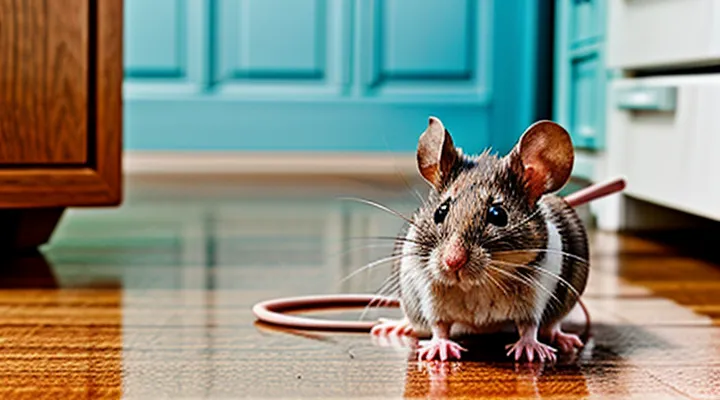
Recognizing the Signs of a Dead Mouse
Visual Cues
«Where to Look»
When a rodent carcass is hidden inside a residence, the first step is to identify likely hiding places. Mice prefer secluded, dark environments where food residues or nesting material are present.
- Behind or beneath appliances such as refrigerators, stoves, and dishwashers.
- Inside wall cavities, especially near baseboards, electrical outlets, or plumbing penetrations.
- Underneath kitchen cabinets, pantry shelves, and pantry doors.
- Within attic insulation, beam spaces, or roof joists.
- Around garbage disposals, trash bins, and recycling containers.
- In closets, especially those storing fabrics, paper, or stored food items.
- Inside floor voids or crawl spaces that connect to exterior walls.
Inspect each area methodically. Use a flashlight to illuminate tight spaces, and a mirror on an extendable pole to view concealed corners. Look for signs such as foul odor, droppings, streaks of urine, or disturbed insulation. Confirm the presence of a carcass before proceeding with removal and sanitation.
«What to Look For»
Detecting a deceased rodent requires attention to specific indicators that differentiate a dead animal from normal household conditions.
Visible signs include:
- Small, dark stains on flooring, walls, or baseboards, often accompanied by a faint, greasy sheen.
- Accumulated droppings near concealed areas such as behind appliances, under cabinets, or within insulation.
- Discolored or damp patches where the body has decomposed, typically with a yellow‑brown hue.
- Presence of insects attracted to decay, especially beetles, flies, or maggots, clustering around the same location.
Olfactory clues are reliable. A persistent, sour or rancid odor, stronger than typical pet smells, often emanates from the site of decay. The scent may become more pronounced in warm, humid conditions.
Auditory cues are rare but can occur if the mouse succumbed recently; a faint, muffled rustling may be heard as insects begin to feed.
Structural clues involve disruption of materials. Look for softened wood, warped insulation, or compromised sealing around entry points where moisture from decomposition has seeped.
Combining these observations—stain patterns, droppings, discoloration, insect activity, odor, and material damage—provides a comprehensive assessment of the presence of a dead mouse within a residence.
Olfactory Cues
«The Distinctive Odor»
The presence of a dead rodent is often revealed by a sharp, sour odor that differs from typical household smells. The scent resembles decomposing protein combined with a faint ammonia note, becoming more pronounced as tissue breakdown progresses.
Decomposition releases volatile compounds such as putrescine, cadaverine, and sulfides. These chemicals create a pungent, lingering smell that can travel through walls, floors, and ventilation ducts. The odor intensifies in warm, humid environments and may be masked by strong cooking aromas or cleaning agents.
Detecting the source involves systematic scent tracing:
- Identify the area with the strongest odor concentration.
- Move in small, deliberate steps toward the source, noting any increase in intensity.
- Inspect hidden spaces: behind baseboards, under appliances, within wall cavities, and in ceiling voids.
- Use a disposable cloth to sample air in suspect locations; a noticeable foul scent confirms a nearby carcass.
Once the dead mouse is located, isolate the area, wear gloves and a mask, and ventilate the space. Place the carcass in a sealed bag, dispose of it according to local regulations, and clean the surrounding surfaces with an enzymatic cleaner to neutralize residual odors.
«When the Smell Becomes Noticeable»
The odor of a deceased rodent becomes detectable when decomposition gases accumulate enough to penetrate surrounding materials. Typically, the scent appears 24‑48 hours after death, depending on temperature, humidity, and the location of the carcass. Warm, moist environments accelerate bacterial activity, causing the smell to emerge sooner; cooler, dry areas may delay detection by several days.
Key indicators that the odor is reaching a noticeable level include:
- Persistent, sour or rancid smell that does not dissipate with ventilation.
- Odor intensifying near walls, baseboards, or under appliances.
- Presence of flies or other insects attracted to the source.
When the smell is evident, immediate action reduces health risks and prevents further contamination. The recommended response sequence is:
- Locate the source by tracing the strongest scent points and inspecting hidden spaces such as wall cavities, crawl spaces, and behind furniture.
- Wear disposable gloves and a mask to avoid direct contact with decomposed tissue and airborne particles.
- Remove the carcass using a sealed plastic bag; double‑bag and tie securely.
- Clean the area with a disinfectant solution (e.g., 1 % bleach solution) and allow it to dry completely.
- Dispose of the sealed bag in an outdoor trash container, preferably one with a tight‑fitting lid.
- Air the room thoroughly, employing fans and open windows to disperse residual odor.
Prompt identification of the smell and swift execution of these steps eliminate the source, mitigate bacterial growth, and restore a safe indoor environment.
Locating the Source
Strategic Search Areas
«Common Hiding Spots»
Dead rodents typically seek concealed, undisturbed areas where temperature remains stable and predators cannot reach them. Identifying these locations accelerates removal and prevents odor spread.
Common concealment points include:
- Behind or beneath kitchen appliances such as refrigerators, stoves, and dishwashers.
- Inside wall cavities, especially near entry points or where wiring runs.
- Under kitchen and bathroom cabinets, within the space between the cabinet base and floor.
- Within attic insulation or between joists, where airflow is limited.
- Behind baseboards and trim, particularly where gaps exist.
- In crawl spaces or basement joist bays, shielded by stored items.
- Inside pantry packaging, cardboard boxes, or cereal bins.
- Within dryer or washing‑machine vents and ducts.
- Between furniture cushions, sofa frames, or under upholstered seats.
- In pet bedding, litter boxes, or nearby storage bins.
Inspect each area methodically, using a flashlight and a flexible mirror when necessary. Early detection in these spots reduces health risks and simplifies the disposal process.
«Behind Appliances and Furniture»
Dead rodents often hide in the narrow spaces behind refrigerators, stoves, washing machines, and under beds or sofas. Their presence may be indicated by a faint odor, small droppings, or the sight of a motionless body. Carefully inspect these concealed zones before undertaking any removal.
- Disconnect power to appliances and unplug cords to prevent accidental activation.
- Pull the appliance or piece of furniture away from the wall, using a flashlight to illuminate the gap.
- Look for signs: dark spots, shredded material, or a curled carcass.
- If the mouse is visible, wear disposable gloves and a mask. Place the carcass in a sealed plastic bag, then double‑bag and label for disposal.
- Clean the area with a disinfectant solution; wipe surfaces and vacuum debris.
- Return the appliance or furniture to its original position, ensuring no gaps remain that could attract pests.
After removal, monitor the area for additional odors or droppings. Seal any openings in walls, floors, or cabinetry to reduce future infestations. Regularly clean behind appliances and furniture to maintain a hygienic environment.
«In Walls and Ceilings»
Dead rodents concealed within wall cavities or ceiling spaces generate foul odors, attract insects, and pose disease risks. Prompt identification and removal protect indoor air quality and structural integrity.
Detecting a carcass behind drywall or insulation relies on sensory cues and visual inspection. A persistent, musky smell often indicates decay. Audible rustling or scratching, especially at night, may signal movement before death. Look for discoloration, water stains, or droppings near baseboards, vents, and ceiling tiles. An inspection camera inserted through a small opening provides direct visual confirmation without extensive demolition.
Essential equipment includes a bright LED flashlight, a flexible inspection camera, disposable gloves, a protective mask, a utility knife, and a small pry bar. Wear long sleeves and eye protection to avoid contact with bodily fluids and mold spores.
Removal follows a systematic sequence:
- Identify the exact location using the camera feed.
- Cut a minimal access hole (approximately 2 × 2 inches) in drywall or ceiling board at the nearest point.
- Insert a gloved hand or a long-handled grabber to extract the carcass.
- Place the remains in a sealable plastic bag, expel air, and seal tightly.
- Fill the access opening with a patching compound or replace the removed board.
Disposal must comply with local waste regulations. Double‑bag the sealed container, label it as animal waste, and deliver it to a municipal landfill or animal control facility. After removal, clean the area with an enzymatic cleaner, then apply a disinfectant solution (e.g., 1 % bleach) to eliminate pathogens. Allow the surface to dry completely before sealing.
Prevent future incidents by sealing gaps around pipes, vents, and electrical conduits, installing metal mesh screens on openings, and maintaining a clutter‑free environment that denies rodents shelter. Regular inspections of attic and crawl‑space insulation can reveal early signs of infestation before death occurs.
Utilizing Scent Detection
«Following the Odor Trail»
When a mouse dies inside a residence, its decomposition releases a distinct, musky scent that can guide you to the source. Detecting this odor efficiently shortens the removal process and prevents secondary problems such as mold growth or pest attraction.
- Begin in rooms where food is stored or where rodents are frequently seen; the smell is usually strongest near the carcass.
- Use a clean cloth or a disposable paper towel to lightly dab areas that feel warm or damp; the cloth will absorb lingering odor particles, confirming proximity.
- Follow the gradient of scent intensity: move a short distance, repeat the dab, and note whether the odor becomes stronger. Continue until the smell peaks.
- Inspect hidden spaces near the strongest point—behind appliances, under sinks, inside wall voids, or within ceiling tiles. Look for signs such as discoloration, liquid stains, or a dark, oily residue.
- Once the carcass is located, wear gloves and a mask, place the mouse in a sealed plastic bag, and dispose of it in an outdoor trash container. Clean the surrounding area with a disinfectant solution to eliminate bacterial remnants.
If the odor persists after removal, re‑evaluate the search path, focusing on adjacent cavities or insulation, as the body may have migrated during decomposition. Thorough ventilation and a final sanitizing wipe‑down will eliminate residual smell and reduce health risks.
«Ventilation and Airflow Considerations»
When a rodent dies inside a dwelling, odor and potential pathogens can quickly spread through the building’s ventilation system. Stagnant air allows decomposition gases to accumulate, increasing the risk of respiratory irritation for occupants. Promptly managing airflow limits contaminant dispersion and reduces the need for extensive cleaning later.
Isolate the affected area by closing doors and sealing gaps with towels or plastic sheeting. Increase fresh‑air exchange by opening windows on opposite sides of the room. Position a box fan to draw indoor air outward, creating a one‑way flow that carries odors away from living spaces. Avoid using the central HVAC system until the source is removed, as recirculation can transport contaminants throughout the house.
Control the direction of movement to prevent cross‑contamination. Deploy a second fan near the sealed doorway to push air out of the room, establishing negative pressure. If an air purifier is available, select a unit equipped with a HEPA filter and activated carbon to capture airborne particles and neutralize odors. Maintain relative humidity below 50 % to inhibit mold growth on any residual moisture.
Recommended actions
- Close interior doors and block openings around the dead mouse location.
- Open windows on opposite walls to create cross‑ventilation.
- Use a box fan to exhaust air directly outside.
- Add a second fan to pull fresh air into the space, establishing negative pressure.
- Operate a HEPA‑rated air purifier with activated carbon for several hours.
- Keep humidity low; run a dehumidifier if necessary.
- Wear disposable gloves and a mask while handling the carcass and cleaning debris.
After removal, continue ventilation for several hours to ensure any lingering odors are fully cleared before reactivating the central heating or cooling system.
Safe Disposal Practices
Personal Protective Equipment
«Gloves»
When a dead rodent is discovered inside a residence, direct skin contact can expose a person to pathogens such as hantavirus, leptospirosis, and bacterial infections. Wearing a protective barrier prevents bodily fluids from reaching the hands and reduces the risk of contaminating other surfaces.
Choose gloves that meet the following criteria:
- Nitrile or latex material, resistant to puncture and chemical exposure.
- Thickness of at least 0.2 mm to withstand sharp bones.
- Length extending to the wrist or higher to protect forearms.
- Powder‑free composition to avoid residue transfer.
Apply the gloves before handling the carcass. Verify that the seal is intact, then grasp the mouse with a firm, controlled grip to avoid tearing. After removal, place the animal in a sealed plastic bag, seal the bag, and dispose of it according to local hazardous waste regulations. Remove gloves by peeling them inside out, discard them in a separate waste container, and wash hands thoroughly with soap and water.
«Masks»
When a rodent carcass is discovered indoors, respiratory protection becomes essential to prevent exposure to potential pathogens. Selecting the appropriate face covering minimizes inhalation of aerosolized bacteria, viruses, and fungal spores released from decomposing tissue.
Disposable respirators, such as N95 or higher‑efficiency models, provide a tight seal and filter at least 95 % of airborne particles. Surgical masks offer barrier protection against large droplets but lack the filtration capacity required for fine particulates; they are suitable only when the carcass is freshly found and the environment is well‑ventilated. Reusable half‑face respirators equipped with P100 filters deliver the highest level of protection and can be decontaminated for future use.
Proper use of a mask includes:
- Inspect the mask for tears or compromised seals before each use.
- Perform a fit check: cover the mask with both hands, inhale sharply, and ensure no air leaks around the edges.
- Wear the mask over the nose and mouth, securing straps or ear loops tightly enough to prevent movement.
- Replace the mask immediately if it becomes damp, soiled, or difficult to breathe through.
- Dispose of single‑use masks in a sealed, biohazard‑rated bag; for reusable respirators, follow manufacturer guidelines for cleaning and filter replacement.
After handling the dead animal, remove the mask by grasping the straps without touching the front surface, place it directly into the disposal bag, and perform thorough hand washing. Maintaining a supply of certified respiratory protection and adhering to these procedures reduces the risk of disease transmission during the removal and disposal process.
«Eye Protection»
When a dead rodent is found inside a residence, the risk of bodily fluids or debris reaching the eyes is high. Direct contact can cause irritation, infection, or transmission of pathogens such as hantavirus. Wearing appropriate eye protection eliminates this exposure and ensures safe handling of the carcass.
Select protective eyewear that meets ANSI Z87.1 standards, provides a full seal around the eyes, and resists impact from splashes. Options include:
- Safety goggles with indirect venting to prevent fogging while blocking liquids.
- Full‑face respirators equipped with clear lenses for combined respiratory and ocular defense.
- Wrap‑around glasses with side shields for less hazardous situations, paired with a face shield if splatter is likely.
Before removal, inspect the protective gear for cracks, scratches, or compromised seals. After the task, clean the eyewear with mild detergent and disinfectant, then store it in a clean, dry container. Proper maintenance preserves the barrier function for future incidents.
Handling the Carcass
«Avoiding Direct Contact»
Avoiding direct contact with a dead rodent prevents exposure to pathogens and limits contamination of living spaces.
Wear disposable nitrile or latex gloves, a face mask, and safety goggles before handling the carcass. Replace gloves if they become torn or soiled.
Retrieve the mouse using tools that eliminate hand contact:
- Long‑handled tongs or pliers
- Small garden shovel or dustpan with a handle
- Rigid plastic bag opened wide enough to act as a scoop
Place the animal directly into a sealable plastic bag, expel excess air, and seal tightly. Enclose the sealed bag within a second bag for added protection before moving it to an outdoor trash container.
After removal, clean the area with an EPA‑registered disinfectant, following the product’s contact time. Wash hands with soap and water for at least 20 seconds, even if gloves were worn.
These steps eliminate the need for skin contact, reduce infection risk, and ensure safe disposal of the deceased mouse.
«Using a Spade or Tongs»
When a deceased mouse is found inside a residence, a spade or kitchen tongs provide a safe, controlled method for removal. Choose a tool with a long handle to keep hands away from the corpse, reducing exposure to pathogens and unpleasant odors.
- Wear disposable gloves before handling any tool.
- Position the spade or tongs directly over the mouse, ensuring a firm grip.
- Lift the body without crushing it; a spade should slide beneath, while tongs should clasp the torso.
- Transfer the mouse into a sealable plastic bag, then close the bag tightly.
- Dispose of the bag in an outdoor trash container with a secure lid.
After removal, disinfect the work area with a bleach solution (1 part bleach to 9 parts water) and wash hands thoroughly, even if gloves were used. This procedure minimizes contamination risk and streamlines the disposal process.
Containment and Bagging
«Double Bagging Method»
When a deceased mouse is discovered inside a residence, immediate removal prevents bacterial growth, unpleasant odor, and potential health hazards. The double‑bagging technique provides a reliable barrier against leakage and exposure during transport to the trash.
- Prepare two sturdy, leak‑proof trash bags of appropriate size.
- Using disposable gloves, grasp the carcass with a pair of tongs or a plastic scoop.
- Place the mouse into the inner bag, expel excess air, and seal the bag with a tight knot or twist tie.
- Enclose the sealed inner bag within the second bag, remove any remaining air, and seal it as well.
- Label the outer bag with “Dead rodent – hazardous material” if local regulations require identification.
- Transport the double‑bagged package directly to an outdoor trash receptacle that is collected regularly.
After disposal, disinfect the area where the mouse was found. Apply a household disinfectant to surfaces, mop the floor, and wash hands thoroughly, even if gloves were used. Follow municipal guidelines for hazardous waste if the double‑bagged package must be taken to a special collection point. This method minimizes the risk of contamination and ensures safe, compliant removal of a dead mouse from the home.
«Sealing the Bags»
Sealing the bags is the final safeguard that prevents odor, contamination, and pest attraction after a dead rodent is removed from a home. Proper containment ensures the carcass cannot be accessed by other animals and that waste handlers encounter no health hazards.
Select a sturdy, double‑layered plastic bag with a zip‑top or twist‑tie closure. Place the wrapped mouse inside, press out excess air, and seal the bag tightly. For added protection, insert the sealed bag into a second bag and repeat the sealing process. This double‑bag method creates an airtight barrier that isolates any fluids and reduces the risk of leakage.
When the bags are sealed, label them clearly with “dead rodent” and the date of removal. Store the package in a cool, dry area away from food preparation zones until it can be disposed of according to local regulations. If a municipal service requires a specific container, transfer the double‑bagged package into the prescribed receptacle before collection.
Steps for sealing the bags
- Choose a thick, zip‑top or twist‑tie plastic bag.
- Wrap the mouse securely, removing as much air as possible.
- Seal the first bag completely.
- Place the sealed bag into a second identical bag.
- Seal the second bag, ensuring no gaps remain.
- Label the outer bag with content and date.
- Store the sealed package in a designated waste area until disposal.
Disposal Options
«Outdoor Bins»
Outdoor bins serve as a practical solution for containing and eliminating a deceased mouse discovered inside a home. By transferring the carcass to a sealed, weather‑resistant container, the risk of odor spread, pest attraction, and disease transmission is minimized.
When choosing a bin for this purpose, consider the following criteria:
- Rigid construction, such as high‑density polyethylene or metal, to prevent tearing.
- Secure lid with a locking mechanism that eliminates accidental opening.
- Capacity of at least one liter to accommodate the animal and any additional waste, such as gloves or cleaning cloths.
- Clear labeling indicating “biohazard” or “dead animal” to alert anyone handling the container.
Proper placement of the bin enhances safety and compliance with local waste regulations:
- Locate the bin near a primary exit, such as a back door or garage, to reduce indoor traffic with the carcass.
- Keep the container on a non‑porous surface to avoid absorption of fluids.
- Position the bin away from pet feeding areas, compost piles, and other attractants that could draw new rodents.
- Ensure the bin is accessible for municipal collection or for transport to a licensed disposal facility.
Disposal procedure using the outdoor bin:
- Wear disposable gloves and a mask.
- Place the mouse, any contaminated materials, and a disposable bag inside the bin.
- Seal the lid tightly, engage the lock, and affix a biohazard label.
- Store the sealed bin outdoors, protected from direct sunlight and precipitation, until it can be collected by the appropriate waste service.
Regular maintenance of the bin—cleaning after each use and inspecting the seal—prevents secondary contamination and maintains a hygienic environment throughout the home.
«Local Waste Regulations»
When a rodent carcass is discovered indoors, local waste ordinances dictate how it must be handled to protect public health and avoid fines. Most municipalities classify dead animals as bio‑hazardous waste, requiring placement in a sealed, leak‑proof bag before disposal. The bag should be double‑wrapped with a disposable plastic liner, then placed in a rigid container such as a small trash can with a tight‑fitting lid.
Authorities often require that the sealed container be taken to a designated collection point, such as a municipal landfill, transfer station, or a specialized animal‑carcass disposal service. Some jurisdictions permit disposal through regular household garbage if the carcass is properly packaged and the bag is labeled “dead animal.” Others mandate a separate pickup schedule or a fee for hazardous waste collection.
Failure to follow these regulations can result in citations, fines, or mandatory remediation. To ensure compliance, residents should:
- Check the city or county website for specific instructions on dead‑animal disposal.
- Contact the local sanitation department to confirm whether the standard trash service accepts the packaged carcass.
- Inquire about designated drop‑off locations or scheduled pickups for bio‑hazardous waste.
- Keep documentation of the disposal method, such as a receipt or confirmation email, in case of later inspection.
When in doubt, call the municipal health or environmental agency. Their guidance will clarify any special packaging requirements, permissible disposal routes, and the timeline for removal. Adhering to these rules eliminates health risks, prevents contamination of other waste streams, and ensures that the removal of the rodent remains lawful and orderly.
Post-Disposal Sanitation
Cleaning the Affected Area
«Disinfectant Solutions»
After a mouse is removed, surfaces that contacted the carcass must be treated to eliminate pathogens such as salmonella, hantavirus, and leptospira. Effective disinfectant solutions reduce the risk of disease transmission and prevent lingering odors.
-
Bleach solution: Mix 1 part regular household bleach (5–6 % sodium hypochlorite) with 9 parts water. The concentration yields approximately 500 ppm available chlorine, sufficient to inactivate most viruses and bacteria. Apply with a spray bottle, keep wet for at least 5 minutes, then wipe clean.
-
Alcohol‑based solution: Use a solution containing 70 % isopropyl or ethyl alcohol. Alcohol rapidly denatures proteins and disrupts lipid membranes. Apply directly to non‑porous surfaces; allow to evaporate completely for full effect.
-
Quaternary ammonium compounds (QACs): Choose a product labeled for household use against viruses and bacteria. Follow manufacturer’s dilution instructions, typically 0.1 % to 0.2 % active ingredient. Ensure the surface remains visibly wet for the recommended contact time, usually 10 minutes.
-
Hydrogen peroxide: A 3 % solution provides broad‑spectrum antimicrobial activity. Apply liberally, let stand for 10 minutes, then rinse if the surface is food‑contact.
When preparing a disinfectant, wear disposable gloves and eye protection. Test a small, inconspicuous area first to verify that the solution does not damage finishes. After application, dispose of used cloths and mop heads in a sealed plastic bag; place the bag in an outdoor trash container away from the home. If large quantities of liquid are used, flush the waste down a drain with ample water to dilute residual chemicals.
Select the disinfectant that matches the material being treated, follow the specified contact time, and maintain proper protective measures to ensure a sanitary environment after removal of the rodent.
«Scrubbing and Wiping»
After the carcass has been removed, the area must be cleaned to eliminate odor and potential pathogens.
- Wear disposable gloves and a mask.
- Apply a rodent‑approved disinfectant to the surface.
- Scrub with a stiff brush for at least 30 seconds, ensuring all residues are dislodged.
Once scrubbing is complete, wipe the surface to remove remaining liquid and debris.
- Use a clean, disposable cloth or paper towel.
- Wipe in a single direction, covering the entire treated area.
- Dispose of the cloth in a sealed bag and wash hands thoroughly.
The combined scrubbing and wiping steps restore hygiene and reduce the risk of contamination after the removal of a dead mouse.
Odor Removal Techniques
«Ventilation»
Ventilation reduces the concentration of decay odors and airborne pathogens that a deceased rodent releases. Fresh air flow disperses foul smells, limiting their linger in living spaces and preventing odor migration to adjacent rooms. By lowering the level of volatile compounds, ventilation also diminishes the risk of mold growth on damp surfaces that may develop after cleanup.
Effective airflow aids in locating the carcass. Strong drafts highlight areas where the odor is strongest, guiding inspection toward concealed spaces such as wall voids, attic corners, or under appliances. Once the body is found, maintaining ventilation during removal prevents the accumulation of harmful particles and keeps indoor air quality within safe limits.
Practical steps for managing ventilation while addressing a dead mouse:
- Open windows and exterior doors to create cross‑ventilation.
- Deploy portable fans aimed outward to exhaust contaminated air.
- Position a box fan in a doorway, directing airflow from the interior to the outside.
- Use an air purifier equipped with a HEPA filter to capture fine particles and odors.
- Keep HVAC system filters clean; replace them after the incident to avoid recirculating contaminants.
«Odor Absorbers»
When a rodent carcass is found indoors, the most immediate concern after removal is the lingering smell. Effective odor control relies on substances that capture or neutralize volatile compounds released during decomposition.
- Activated charcoal: porous material that adsorbs odor molecules. Place a few briquettes in open containers near the affected area. Replace every 48 hours until the scent dissipates.
- Baking soda: alkaline powder that absorbs moisture and odors. Sprinkle a generous layer on carpets, upholstery, or floors, let sit for several hours, then vacuum thoroughly.
- Enzymatic cleaners: formulas containing bacteria that break down organic residues. Apply according to manufacturer directions, ensuring thorough coverage of surfaces that contacted the carcass.
- Commercial odor absorbers: products that combine zeolite, silica gel, or ozone‑generating technology. Follow label instructions; some require ventilation periods after activation.
Application steps:
- Clean the area with a disinfectant solution to remove residual tissue and fluids.
- Allow the surface to dry completely; moisture hampers absorption efficiency.
- Distribute the chosen absorber evenly, focusing on corners, cracks, and hidden spaces where scent may linger.
- Maintain airflow by opening windows or using fans; circulation speeds up odor removal.
- Monitor the environment for several days; reapply absorber if the smell persists.
Safety notes:
- Keep absorbers out of reach of children and pets; some chemicals can be harmful if ingested.
- Wear gloves and a mask when handling disinfectants and powdered substances to avoid skin irritation and inhalation of particles.
- Dispose of used absorbers according to local waste regulations; many contain trapped contaminants that should not enter regular trash.
Regular inspection of hidden areas, combined with prompt use of the above odor‑mitigating agents, ensures that any unpleasant residue from a dead mouse is eliminated quickly and safely.
«Air Fresheners»
Air fresheners serve a practical function after locating and removing a deceased rodent from a residential environment. Their primary purpose is to neutralize volatile organic compounds released by decomposition, preventing lingering odor that can attract insects or cause discomfort for occupants.
Effective use of air fresheners involves selecting products designed for odor elimination rather than merely masking scents. Consider the following criteria:
- Chemical composition: Choose formulations containing activated charcoal, ozone‑generating agents, or enzymatic compounds that break down odor molecules.
- Placement: Position devices in the room where the carcass was found, preferably near ventilation outlets to enhance air circulation.
- Safety: Verify that the product is non‑toxic, especially in households with children, pets, or individuals with respiratory sensitivities.
- Duration: Opt for units that provide continuous operation for several hours to ensure complete odor dissipation after cleanup.
Integrating air fresheners with thorough cleaning—disinfecting surfaces, laundering fabrics, and disposing of contaminated waste—maximizes odor control and restores a sanitary indoor atmosphere.
Preventing Future Infestations
Sealing Entry Points
«Inspecting Foundations and Walls»
Inspecting the foundation and interior walls is essential when locating a deceased rodent inside a residence. The structure’s concealed spaces often hide the source of foul odors and potential health hazards.
- Begin at the lowest accessible point of the foundation; use a flashlight to examine cracks, gaps, and crawl spaces.
- Probe wall cavities with a thin, flexible mirror or inspection camera to detect discoloration or tissue remnants.
- Follow any visible trails of droppings or urine from the floor upward, noting changes in texture or color that may indicate decomposition.
- Record the exact location of any suspect material; photograph for reference before removal.
Typical indicators include a persistent, musky smell, dark stains on drywall, and swollen or softened wood near moisture sources. Presence of insect activity, such as beetles or flies, often accompanies a decaying carcass and signals the need for immediate action.
When a body is confirmed, wear disposable gloves and a mask, place the remains in a sealed plastic bag, and store the bag in a freezer until disposal. Contact local waste management or a pest‑control professional for proper removal according to municipal regulations. After extraction, disinfect the area with a diluted bleach solution, then repair any structural damage to prevent future infestations.
«Repairing Gaps and Cracks»
Repairing gaps and cracks is a critical step in preventing rodents from re‑entering a home after a dead mouse has been removed. Unsealed openings provide a pathway for surviving mice to seek shelter, food, and water, increasing the risk of further incidents and health hazards. Sealing these entry points eliminates the primary cause of infestation and creates a barrier that protects the interior environment.
Identify all potential openings before beginning repairs. Common locations include:
- Gaps around door frames and windows
- Openings at the base of walls, especially where utilities enter
- Cracks in foundation slabs and crawl‑space walls
- Holes around plumbing, electrical conduits, and HVAC ducts
- Spaces beneath cabinets, appliances, and baseboards
Inspect each area with a flashlight and a thin probe (e.g., a wire or screwdriver). A gap larger than ¼ inch (6 mm) qualifies as a viable entry point for mice.
Select appropriate sealing materials:
- Steel wool or copper mesh for larger openings, followed by caulk or expanding foam
- Silicone or acrylic caulk for small cracks
- Rigid polyurethane foam for gaps around pipes and vents
- Weather‑strip tape for door and window frames
Apply the chosen material according to manufacturer instructions:
- Clean the surface to remove dust, debris, and moisture.
- Insert steel wool or mesh into the gap, compressing it to fill the space completely.
- Apply caulk or foam over the filler, smoothing it to ensure a continuous seal.
- Allow the sealant to cure fully before exposing the area to humidity or temperature changes.
After sealing, verify the integrity of each repair by re‑probing the area. A secure seal shows no resistance to the probe and no visible gaps. Regularly inspect high‑traffic zones to detect new cracks caused by settling or structural movement.
By systematically locating, sealing, and confirming the closure of all gaps, homeowners eliminate the most common route for surviving rodents, thereby reducing the likelihood of additional dead mouse incidents and maintaining a sanitary indoor environment.
Eliminating Food Sources
«Proper Food Storage»
Proper food storage directly reduces the attraction of rodents, making it easier to locate and remove a deceased mouse before it contaminates the environment. Secure containers and sealed packaging eliminate access points that dead or living mice exploit, limiting the spread of odor and disease.
- Store dry goods in airtight, rodent‑proof containers made of glass, metal, or heavy‑wall plastic.
- Keep pantry shelves clear of spills; wipe surfaces immediately after use.
- Position food items away from walls and baseboards to prevent rodents from nesting nearby.
- Rotate stock regularly; discard expired products that may emit strong scents.
- Maintain a temperature of 40 °F (4 °C) or lower for perishable items, and use refrigeration doors that close tightly.
When food is protected, the likelihood of a mouse dying in hidden locations declines, simplifying detection. Clean, sealed storage also facilitates safe disposal: any carcass found can be removed without risk of contaminating open food supplies, and the area can be sanitized without extensive decontamination procedures. Implementing these storage practices is essential for effective rodent management and safe handling of dead specimens.
«Cleaning Up Spills Promptly»
Promptly cleaning spills prevents odor buildup, deters insects, and reduces the risk of secondary contamination after a rodent has died. When a dead mouse is discovered, fluids from decomposition or accidental liquid accidents often appear near the carcass. Immediate removal of these liquids limits the spread of bacteria and keeps the area safe for further handling.
- Wear disposable gloves before touching any wet surface.
- Absorb the spill with paper towels or a disposable absorbent pad; avoid reusable cloths that could retain pathogens.
- Place used absorbents in a sealed plastic bag, then discard with regular household waste.
- Apply a mild disinfectant to the cleaned area; allow the solution to remain wet for the recommended contact time.
- Dry the surface thoroughly with a clean disposable wipe or air dry before sealing the space for final disposal steps.
Consistent practice of these actions eliminates lingering smells, reduces the chance of attracting pests, and creates a sanitary environment for safely locating, bagging, and removing the deceased rodent.
Trapping and Baiting Strategies
«Effective Trap Placement»
Effective trap placement is essential for locating and removing a deceased rodent quickly. Position devices where mouse activity is most likely, based on visual signs such as gnaw marks, droppings, or shredded material. Focus on areas that provide shelter, food sources, and travel routes.
- Near baseboards and wall junctions, especially where gaps or cracks exist.
- Behind appliances, inside cabinets, and beneath sinks where food residues accumulate.
- In attic or crawl‑space corners, close to insulation or stored items.
- Along the perimeter of rooms, following established mouse pathways marked by fresh droppings.
Select traps that remain active for several days without frequent checking. Snap or live‑capture models with a clear trigger mechanism reduce missed catches. Secure traps firmly to prevent displacement by household traffic or pets.
After placement, inspect each device at regular intervals—ideally every 12‑24 hours. When a dead mouse is found, wear disposable gloves, place the carcass in a sealed bag, and dispose of it according to local regulations. Clean the trap surface with a disinfectant solution before repositioning to maintain hygiene and preserve trap effectiveness.
«Safe Bait Usage»
When rodents are found dead inside a residence, eliminating the source often requires the use of bait to prevent further infestations. Selecting and handling bait safely protects occupants, pets, and the environment while ensuring the dead animal is removed efficiently.
Choose a bait formulation that matches the target species and the indoor setting. Rodent-specific products, such as anticoagulant pellets or non‑toxic grain blocks, are labeled for indoor use. Verify that the active ingredient complies with local regulations and that the packaging includes clear safety warnings.
Place bait strategically to maximize effectiveness and minimize accidental exposure:
- Position traps or stations along walls, behind appliances, and near known entry points.
- Keep bait out of reach of children and non‑target animals by using sealed containers or tamper‑proof stations.
- Avoid placing bait in food preparation areas, on countertops, or near open windows.
Handle bait with disposable gloves. Do not touch the product with bare hands, and wash hands thoroughly after removal. If a trap is triggered, dispose of the entire unit, including the bait, in a sealed plastic bag before placing it in an outdoor trash bin. Clean the surrounding area with a mild disinfectant to remove residue that could attract other pests.
For households with pets, opt for non‑poisonous bait alternatives, such as snap traps or electronic devices, and store all rodenticides in locked cabinets. Regularly inspect bait stations for signs of tampering or wear, and replace them according to manufacturer recommendations.