
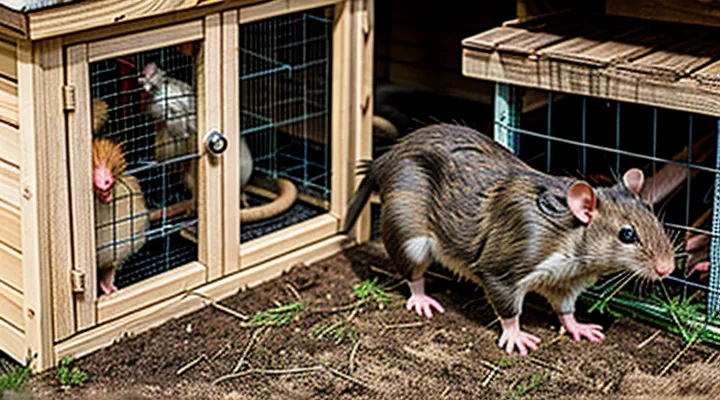
«Understanding the Rat Problem in Chicken Coops»
«Why Rats are Attracted to Chicken Coops»
«Food Availability»
Limiting food sources inside a chicken coop directly reduces rat attraction. Rats seek any readily available feed; eliminating those opportunities forces them to search elsewhere, decreasing the likelihood of infestation.
- Store all grain, seed, and commercial feed in sealed, rodent‑proof containers; metal drums with tight‑locking lids are preferred.
- Remove spilled feed from the coop floor each day; sweep and vacuum to prevent crumbs from accumulating.
- Install a dedicated feed trough that hangs above the roosting area, allowing chickens to eat while keeping feed out of reach of rodents.
- Use a feed dispenser with a weighted lid that only opens under the weight of a chicken, preventing rats from accessing the contents.
- Keep the coop’s exterior free of vegetation and debris that can harbor dropped feed; maintain a clean perimeter.
Consistent enforcement of these practices deprives rats of the nutritional incentives that drive their presence, supporting long‑term control in poultry housing.
«Shelter and Nesting Sites»
Rats are drawn to any area that offers protection, warmth, and easy access to food. In a chicken coop, loose bedding, stacked feed, and unsealed cracks create ideal shelters and nesting sites, allowing rodents to establish colonies unnoticed.
Eliminating these refuges requires sealing all openings larger than a quarter‑inch, installing sturdy wire mesh on vents and windows, and maintaining a dry, well‑ventilated interior. Replace straw or shavings with a thin layer of sand or wood chips that can be turned regularly, and remove discarded eggshells, droppings, and debris that provide hidden corners for nesting.
- Inspect the coop weekly for gaps around doors, windows, and pipe penetrations; fill with steel wool and caulk.
- Cover feed containers with lockable lids and store grain in metal bins.
- Raise roosting bars to keep chickens off the floor, limiting rodent pathways.
- Rotate bedding material every 2–3 days; discard soiled portions in sealed bags.
- Install a smooth, non‑porous floor surface (e.g., concrete or sealed wood) to prevent burrowing.
- Position predator‑proof traps or electronic deterrents along known travel routes.
By removing shelter and nesting opportunities, the coop becomes inhospitable to rodents, reducing the likelihood of infestation and protecting poultry health.
«Water Sources»
Water containers are a primary attraction for rodents in a poultry enclosure. Open troughs or spill‑prone buckets provide easy access to moisture, encouraging rats to forage and establish nests nearby. Sealing the water source eliminates one of the most reliable food supplies for these pests.
- Use a closed‑system nipple drinker with a capacity of 1–2 gallons per 100 chickens; the design prevents spillage and restricts entry.
- Install a stainless‑steel or heavy‑duty plastic reservoir equipped with a rat‑proof lid that locks securely.
- Position drinkers away from walls and perches, creating a clear zone that limits hiding spots.
- Inspect connections weekly for leaks; even minor drips create a localized water source that can sustain rodent activity.
- Employ a drip‑on system that delivers water directly to the chickens’ feeding area, reducing the need for large open containers.
Maintaining a dry environment around water installations reduces the likelihood of rat colonization. Promptly clean any accidental spills, replace worn seals, and ensure that the surrounding bedding remains dry. Regular monitoring of water infrastructure, combined with the above measures, forms an essential component of an effective rodent‑control program in a chicken coop.
«Dangers Rats Pose to Chickens and Coops»
«Disease Transmission»
Rats introduce a range of pathogens that can devastate a poultry operation. Salmonella, Campylobacter, and avian influenza are frequently carried by rodents and transferred to chickens through contaminated feed, water, and bedding. Direct contact with rat droppings or urine also spreads leptospirosis and hemorrhagic septicemia.
Each disease follows a specific transmission route:
- Salmonella – fecal contamination of feed and water; survival in the environment for weeks.
- Campylobacter – spread via rodent feces; rapid colonization of the gastrointestinal tract.
- Avian influenza – virus particles deposited on surfaces by rats; infection through inhalation or ingestion.
- Leptospira – bacterial shedding in urine; entry through skin abrasions or mucous membranes.
- Hemorrhagic septicemia – bacterial load in droppings; ingestion of contaminated feed.
Effective rat control reduces these pathways by eliminating the source of contamination. Key actions include:
- Seal all entry points with metal flashing or concrete; rodents cannot gnaw through steel.
- Install snap traps or electronic devices in strategic locations, checking them daily.
- Maintain a clean coop: remove spilled feed, store grain in rodent‑proof containers, and replace bedding regularly.
- Use bait stations positioned away from chickens; employ anticoagulant baits according to veterinary guidance.
- Implement a perimeter barrier of hardware cloth buried at least 12 inches deep to prevent burrowing.
Monitoring the coop for rat activity—droppings, gnaw marks, and live sightings—provides early warning of increased disease risk. Prompt removal of any evidence, combined with the control measures listed, interrupts pathogen cycles and safeguards flock health.
«Predation on Chicks and Eggs»
Rats entering a chicken coop frequently target newly hatched chicks and unprotected eggs, causing significant loss. Their nocturnal activity and ability to squeeze through small gaps make them effective predators in poorly sealed structures. Direct damage includes egg consumption, chick maiming, and contamination of nesting material, which can spread disease throughout the flock.
Effective measures focus on eliminating access points, reducing attractants, and employing physical barriers:
- Seal all openings larger than ¼ inch with hardware cloth or metal flashing; inspect doors, windows, ventilation shafts, and roof seams weekly.
- Install a smooth‑finished concrete or metal floor at the coop’s perimeter to prevent burrowing; add a 12‑inch wide metal apron extending outward from walls.
- Keep feed and water containers elevated on rat‑proof platforms; use sealed containers for dry feed and cover water troughs at night.
- Deploy snap traps or electronic rat detectors inside the coop, positioning them along walls where rats travel; check and reset traps daily.
- Apply non‑toxic rodent repellents, such as concentrated peppermint oil or predator urine, near entry points; reapply according to product guidelines.
Monitoring and maintenance are critical. Conduct nightly visual inspections for gnaw marks, droppings, or disturbed nesting material. Replace damaged wire mesh promptly and rotate trap locations to prevent rat habituation. Consistent application of these controls reduces predation pressure on chicks and eggs, safeguarding flock productivity.
«Structural Damage to Coops»
Rats gnaw wood, metal, and wiring, creating holes that compromise the coop’s integrity and expose birds to predators and weather. Continuous chewing weakens support beams, leading to sagging roofs and collapsed nesting areas. Damaged wire mesh allows predators entry and reduces ventilation, increasing heat stress for chickens.
Key structural issues caused by rodents:
- Chewed wooden frames and joists
- Corroded or cut metal fasteners
- Severed electrical cables and lighting fixtures
- Punctured PVC or metal water lines
- Torn hardware cloth and coop doors
Repairing these problems without addressing the infestation results in recurring damage and higher maintenance costs. Effective control strategies focus on eliminating access points and deterring gnawing behavior. Seal all gaps larger than ¼ inch with steel wool and hardware cloth, reinforce corners with metal brackets, and install rat-resistant hinges. Regular inspection of the coop’s interior and exterior surfaces identifies early signs of gnawing, allowing prompt reinforcement before structural failure occurs.
«Contamination of Feed and Water»
Rats infiltrate a chicken coop by gnawing feed bags, breaching storage lids, and slipping into water containers. Their saliva and urine introduce pathogens such as Salmonella, E. coli, and Hantavirus, while shredded feed becomes a breeding ground for mold and insects. Contaminated water attracts pests and can spread disease throughout the flock, reducing egg production and increasing mortality.
Visible indicators of feed and water contamination include droppings near or inside containers, chewed packaging, damp or soiled bedding, and a noticeable odor. Laboratory testing of feed samples may reveal elevated bacterial counts, confirming the need for immediate action.
Preventive measures:
- Store feed in sealed metal or heavy‑duty plastic containers with tight‑fitting lids.
- Elevate feed bins on sturdy platforms to keep them out of reach of climbing rodents.
- Install waterers with metal spouts and secure caps that close automatically after use.
- Remove spilled feed daily; sweep and disinfect the coop floor at least weekly.
- Seal all gaps, holes, and vent openings with steel mesh or cement to block entry points.
- Use bait stations or snap traps around the perimeter, positioning them away from feed and water sources to avoid accidental contamination.
If contamination occurs:
- Discard all affected feed; do not attempt to salvage partially damaged portions.
- Empty water containers, scrub interior surfaces with a diluted bleach solution (1 part bleach to 10 parts water), rinse thoroughly, and refill with fresh water.
- Replace bedding and clean the coop with an approved disinfectant, allowing sufficient contact time before re‑stocking chickens.
- Monitor the flock for signs of illness for at least two weeks, documenting any abnormal behavior or symptoms.
Consistent application of these protocols eliminates rodent‑borne contamination, safeguards poultry health, and supports long‑term productivity in a chicken coop.
«Preventative Measures to Keep Rats Out»
«Securing the Coop Structure»
«Rat-Proofing Materials»
Effective rat exclusion begins with selecting appropriate construction materials. Durable, non‑chewable components create a physical barrier that prevents rodents from entering a poultry enclosure.
- Galvanized steel mesh (minimum ¼‑inch wire gauge, ¼‑inch openings) resists gnawing and corrosion; install on all vent openings, windows, and door frames.
- Hardware cloth with ½‑inch mesh provides a flexible alternative for covering gaps in flooring and roofing. Secure seams with stainless‑steel staples.
- Concrete slabs or poured cement floors eliminate soil burrows; seal joints with epoxy‑based sealant.
- PVC or metal flashing covers roof eaves and overhangs, directing water away while blocking climbing routes.
- Rigid polycarbonate panels replace wooden siding in high‑traffic areas; they are impact‑resistant and difficult for rats to gnaw.
When applying these materials, overlap edges by at least two inches and fasten with rust‑proof screws. Seal all seams with silicone caulk to eliminate micro‑cracks. Verify that no gaps exceed the mesh size, especially around feed troughs and water lines. Regularly inspect joints for wear and repair immediately to maintain integrity.
Combining robust barriers with routine maintenance creates a secure environment that discourages rodent intrusion without relying on chemical controls. This approach safeguards flock health and reduces the risk of disease transmission.
«Sealing Entry Points»
Sealing all potential entryways is the most reliable way to prevent rats from accessing a chicken coop. Identify gaps larger than ¼ inch in walls, floorboards, roof sheathing, vents, and around utility lines. Use durable materials such as hardware cloth, metal flashing, or cement mortar to close these openings, ensuring a tight fit that rats cannot gnaw through.
- Inspect the coop after each cleaning cycle; focus on corners, door frames, and the perimeter of the foundation.
- Install ½‑inch hardware cloth around windows, ventilation slots, and feeder openings; fasten with stainless‑steel screws.
- Apply expanding foam sealant to small cracks, then reinforce with metal mesh for added durability.
- Cover the base of the coop with a concrete apron or metal flashing that extends at least 12 inches outward, creating a barrier that deters burrowing.
- Seal gaps around water pipes and electrical conduits with metal sleeves or silicone caulk reinforced with mesh.
Regular maintenance of these barriers, combined with routine inspections, eliminates the primary pathways rats use to infiltrate the coop, thereby safeguarding the flock and reducing the need for chemical controls.
«Elevating the Coop»
Elevating a chicken coop creates a physical barrier that discourages rats from gaining easy access to nesting areas and feed. The increased height forces rodents to climb or jump, activities that are energetically costly and expose them to predators, thus reducing their presence.
- Raise the coop at least 12–18 inches above ground using sturdy wooden or metal legs.
- Install a smooth, non‑porous footboard around the base to eliminate footholds.
- Ensure the support structure is anchored securely to prevent wobbling, which could attract rodents seeking shelter.
- Add a removable ramp or stair for human access, keeping the climb difficult for rats.
A raised platform also improves ventilation and reduces moisture accumulation, conditions that otherwise attract rats. By keeping feed containers off the floor and using sealed bins on the elevated surface, the risk of spillage—and subsequent rodent interest—is minimized.
Regular inspection of the legs and footboard for gnaw marks or debris maintains the effectiveness of the elevation. Prompt repair of any damage restores the barrier and sustains long‑term rodent control.
«Managing Feed and Water»
«Storing Feed in Rat-Proof Containers»
Secure feed storage is a cornerstone of effective rat management in a poultry enclosure. Rats locate a coop primarily by the scent of exposed grain; eliminating that attraction reduces population pressure.
Key attributes of rat‑proof containers:
- Heavy‑duty material (metal or thick polypropylene) that rats cannot gnaw through.
- Tight‑closing lid with a latch or compression seal to prevent entry.
- Elevated design or internal rim that blocks climbing.
- Smooth interior surface for easy cleaning and inspection.
Implementation steps:
- Purchase containers meeting the above criteria, sized to hold a week’s supply of feed for the flock.
- Place containers on a raised platform or sturdy pallet to keep them off the ground and away from potential nesting sites.
- Load feed using a clean scoop; avoid spilling grain around the container base.
- Seal each lid securely after loading; verify that the latch engages fully.
- Position containers away from the coop walls, preferably near a wall with no adjacent vegetation or debris.
Maintenance guidelines:
- Inspect seals weekly for wear or damage; replace compromised lids immediately.
- Clean interior surfaces monthly with hot water and a mild detergent; rinse thoroughly to remove residue.
- Rotate stock regularly to prevent stale feed, which can attract rodents despite the container’s integrity.
- Record inspection dates and any observations in a log to track container performance over time.
«Using Treadle Feeders»
Treadle feeders provide a mechanical barrier that limits rat access to chicken feed while allowing hens to eat freely. The feeder’s floor rests on a spring‑loaded plate; when a hen steps on it, the plate depresses, opening a small hatch that releases feed. Rats, being lighter, cannot depress the plate sufficiently to open the hatch, so the feed remains sealed.
The design reduces the amount of grain left exposed overnight, eliminating a primary attractant for rodents. By restricting food availability, treadle feeders lower the incentive for rats to enter the coop and decrease the likelihood of population growth.
Installation and maintenance guidelines
- Position each feeder at a height that forces chickens to step directly on the plate; adjust the spring tension so only birds of the target weight can open the hatch.
- Secure the feeder to the coop wall or floor to prevent rats from tipping it over.
- Inspect the plate and hinge daily for rust, debris, or damage that could impair operation.
- Clean the feeding area weekly to remove spilled grain and droppings that might attract pests.
- Replace worn springs or hinges promptly to maintain the weight‑threshold requirement.
When properly deployed, treadle feeders cut the steady food supply that sustains rat activity, leading to a measurable decline in rodent sightings and damage within the coop. The method integrates seamlessly with existing management practices, offering a low‑maintenance, non‑chemical solution for rat control.
«Removing Leftover Feed at Night»
Removing leftover feed each night reduces the attractant that draws rats into a chicken coop. Rats locate food sources by scent and visual cues; uneaten grain, cracked corn, or spilled mash left after the day’s feeding provides a reliable nourishment point. Eliminating this resource forces rats to search elsewhere, decreasing their presence and limiting breeding opportunities.
Effective nightly feed removal follows a consistent routine:
- Clear feeding trays, troughs, and ground surfaces of any spilled feed before darkness falls.
- Use a brush or scoop to gather crumbs and push them into a sealed container.
- Store collected feed in a metal or heavy‑duty plastic bin with a tight‑locking lid; keep the bin in a cool, dry area away from the coop.
- Inspect feed containers for holes or cracks; repair or replace compromised units promptly.
- Record the time of feed removal and any observed rat activity to track trends and adjust procedures.
Additional measures reinforce the practice:
- Install raised feeders that dispense feed only when chickens are present, minimizing excess.
- Apply a thin layer of sand or grit on the coop floor; rats find it difficult to move through loose, abrasive material, while chickens benefit from the grit for digestion.
- Conduct a brief visual inspection of the coop each morning to confirm that no feed residue remains.
By integrating nightly feed removal into daily management, poultry keepers cut the primary food source that sustains rat populations, creating an environment less conducive to infestation. Consistency and proper storage are essential; any lapse can quickly reverse progress.
«Securing Water Sources»
Rats are drawn to any readily available water, making unprotected water containers a primary entry point into a poultry enclosure. When water is left uncovered or placed near gaps in the coop structure, rodents can drink, breed, and create pathways that lead to the chickens’ feeding area.
To eliminate this risk, implement the following measures:
- Install lock‑tight lids on all water dispensers; ensure seals are intact and replace damaged components promptly.
- Position water containers on elevated platforms that are inaccessible from the ground, using metal brackets or sturdy stands.
- Use stainless‑steel or heavy‑gauge plastic containers that resist chewing; avoid thin plastic that rats can puncture.
- Attach a metal or PVC guard around the base of each container to prevent rats from climbing up from the floor.
- Regularly inspect for leaks; repair any drips immediately to avoid creating damp spots that attract rodents.
- Keep the area surrounding the water source clear of debris, feed spillage, and nesting material that could provide cover for rats.
Securing water sources reduces the availability of a vital resource for rodents, thereby limiting their presence and preventing infestations within the chicken coop.
«Maintaining Coop Hygiene»
«Regular Cleaning of Bedding»
Maintaining a dry, debris‑free environment in a chicken coop reduces the attraction for rodents. Accumulated droppings, spilled feed, and moist litter provide food and shelter, encouraging rats to establish nests. Frequent removal of soiled bedding eliminates these resources, making the coop less hospitable and lowering the likelihood of infestation.
- Remove all used bedding at least once a week; replace with fresh, absorbent material such as pine shavings or straw.
- Sweep the floor and corners to dislodge hidden particles and prevent buildup.
- Disinfect the coop with a safe, poultry‑approved sanitizer after each cleaning cycle to destroy residual odors that may draw rodents.
- Inspect the coop for hidden pockets of moisture; dry any wet spots before adding new bedding.
- Store fresh bedding in sealed containers away from the coop to avoid contaminating it with rodent droppings.
«Removing Droppings Promptly»
Prompt removal of chicken droppings reduces the primary attractant for rats. Fresh waste supplies moisture and protein that rodents seek; eliminating it cuts the food supply and lowers the scent that guides rats into the coop.
Regular cleaning routine should include:
- Inspect the coop each morning and evening for fresh droppings.
- Use a shovel or scoop to collect solid waste; a mop or absorbent pads for wet spots.
- Deposit collected material in a sealed container or double‑bagged trash, then store away from the coop.
- Disinfect the cleaned area with a diluted bleach solution (1 part bleach to 10 parts water) or an approved poultry‑safe sanitizer.
- Allow the surface to air‑dry before re‑introducing chickens.
Additional measures reinforce the effect:
- Position removable litter trays under roosts to simplify removal.
- Install slatted flooring that promotes droplet drainage and eases waste extraction.
- Rotate litter material weekly to prevent buildup of organic matter that could harbor insects and, consequently, rats.
Consistent execution of these actions deprives rodents of nourishment, diminishes odor trails, and creates an environment where rat activity is unsustainable.
«Eliminating Clutter Around the Coop»
Clutter provides rats with hiding places, nesting material, and easy access to food residues. Removing debris from the perimeter of the coop eliminates these resources and forces rodents to seek shelter elsewhere.
- Collect and discard all broken crates, rotted wood, and unused feed bins within a 10‑foot radius.
- Trim vegetation that creates dense cover; keep grass trimmed to a maximum height of four inches.
- Store feed, bedding, and tools in sealed, weather‑proof containers placed on raised platforms or inside a separate storage shed.
- Sweep the ground daily to eliminate spilled grain, droppings, and other organic matter that could attract foraging rats.
Schedule weekly inspections to verify that no new clutter accumulates. During each inspection, record the condition of the surrounding area, note any debris re‑appearance, and address it immediately. Rotate storage locations periodically to prevent long‑term buildup in a single spot.
A clean perimeter reduces rat population pressure by denying shelter and food, thereby complementing traps, bait stations, and structural barriers already employed around the coop. Consistent clutter elimination sustains a hostile environment for rodents and supports long‑term rodent management.
«Perimeter Control and Landscaping»
«Clearing Vegetation Around the Coop»
Vegetation bordering a chicken coop creates shelter, travel routes, and food sources that attract rats. Removing dense plant growth eliminates hiding places and forces rodents to seek exposure, reducing their numbers around the coop.
All low‑lying grasses, weeds, and tall shrubs within a three‑meter radius should be cut back to ground level. Remove fallen leaves, compost piles, and any debris that could conceal food or nesting material. Keep the ground clear of mulch or straw that can become a rat habitat.
- Trim grass to a height of no more than 2 cm.
- Pull or mow weeds to the soil surface.
- Cut back shrubs so branches are at least 30 cm from the coop walls.
- Dispose of cut material in a sealed container or burn it away from the coop.
- Inspect the perimeter weekly for new growth and repeat the process as needed.
A maintenance schedule of weekly checks during the growing season, followed by monthly inspections in winter, prevents vegetation from re‑establishing. Use a string trimmer or manual shears for precise control; a powered mower speeds up large areas but requires careful handling near the coop.
When clearing, wear gloves and protective eyewear to avoid injury from thorns or hidden debris. Avoid using herbicides that could contaminate the chickens’ environment; opt for mechanical removal or organic mulches that discourage rat activity without chemical risk. Regular vegetation management, combined with other rodent‑deterrent measures, forms a reliable component of rat control in poultry housing.
«Using Gravel or Hardware Cloth Barriers»
Gravel and hardware cloth create physical obstacles that deter rats from entering a chicken coop. Both materials exploit the animals’ reluctance to navigate unstable surfaces or tight openings, reducing the likelihood of infestation.
Gravel barriers work by filling the space beneath the coop floor and around the perimeter. A layer of coarse, angular stones (¾‑inch size) forces rats to expend extra energy to move, often prompting them to seek easier routes. To install, remove any existing bedding, lay a geotextile fabric to prevent soil migration, and spread gravel to a depth of 4–6 inches. Ensure the surface remains level to avoid creating gaps where rodents can slip through.
Hardware cloth barriers provide a more definitive seal. Use galvanized steel mesh with a ¼‑inch or smaller aperture, as larger openings allow rat passage. Secure the cloth to the coop’s foundation and all exterior walls, overlapping seams by at least 2 inches and fastening with rust‑resistant staples or screws. Pay special attention to door frames, ventilation holes, and feeder openings; install removable panels for maintenance access while keeping the mesh intact.
Key implementation points:
- Verify that the hardware cloth is tightly stretched; sagging creates entry points.
- Seal all joints with stainless‑steel wire or silicone caulk to block small gaps.
- Inspect the gravel regularly for displacement or compaction, replenishing as needed.
- Combine both methods for maximum protection: place gravel beneath the coop and line the lower half of walls with hardware cloth.
Properly maintained gravel and hardware cloth barriers significantly lower rat activity, protect feed stores, and safeguard poultry health without reliance on chemicals or traps.
«Active Rat Control Methods»
«Trapping Strategies»
«Types of Traps»
Effective rat management in a poultry enclosure requires selecting the appropriate trapping devices. Different trap designs address specific behaviors and safety concerns for both birds and humans.
-
Snap traps – Metal jaws deliver an instantaneous kill when a rat triggers the trigger plate. Placement near walls, behind feed troughs, and along known runways maximizes contact. Use tamper‑resistant bait holders to prevent chickens from accessing the lure.
-
Live‑catch cages – Wire mesh boxes with a one‑way entry funnel capture rats unharmed. After capture, relocate animals at least five miles from the farm to avoid re‑infestation. Ensure cages are elevated or shielded to keep chickens from disturbing them.
-
Electronic traps – Battery‑ or mains‑powered units emit a high‑voltage shock upon entry, killing the rodent instantly. Models with built‑in sensors reduce false triggers from poultry. Clean the interior after each kill to maintain efficacy.
-
Glue boards – Adhesive sheets immobilize rodents when they walk across the surface. Because chickens may step on the boards, restrict their use to sealed, inaccessible corners or attach them to a separate bait platform away from the coop.
-
Bait stations with kill traps – Enclosed containers house poison baits and a mechanism that prevents non‑target animals from accessing the contents. Verify compliance with local regulations and label the stations clearly to avoid accidental exposure to birds.
Each trap type presents trade‑offs between speed of kill, humane considerations, and risk to chickens. Combining snap traps for rapid reduction with live‑catch cages for monitoring population trends yields a balanced control program. Regular inspection, prompt disposal of captured rodents, and strategic placement along established runways sustain long‑term effectiveness.
«Snap Traps»
Snap traps provide rapid, lethal control of rats that enter a poultry enclosure. The mechanism consists of a spring‑loaded bar that snaps shut when the rodent triggers a pressure plate, delivering an instant kill and preventing disease transmission to birds.
Effective deployment requires strategic placement. Position traps along walls, near feed storage, and in dark corners where rats travel. Ensure each trap is set on a stable surface to avoid false triggers. Use bait such as peanut butter, dried fruit, or a small piece of meat, secured to the trigger plate to attract wary rodents.
Select traps built from durable metal with a reinforced base to withstand repeated use and the weight of a chicken coop structure. Models featuring a safety latch allow setting without risk of accidental discharge during installation. Replace the spring mechanism or entire trap when signs of corrosion appear, as reduced tension compromises lethality.
Maintain traps by inspecting daily. Remove dead rats promptly, clean the interior with a mild disinfectant, and reset the trap with fresh bait. Rotate trap locations weekly to prevent rats from learning avoidance patterns.
Key considerations for snap traps in a chicken coop
- Use non‑poisonous bait to avoid contaminating the coop environment.
- Place traps out of reach of chickens to prevent injury.
- Verify that the trap’s trigger sensitivity matches the size of the target rodent.
- Keep a spare set of traps to maintain coverage during peak infestation periods.
When integrated with exclusion measures—such as sealing entry points and eliminating food sources—snap traps become a reliable component of a comprehensive rat‑control program for poultry facilities.
«Live Traps»
Live traps provide a humane option for removing rats from a chicken coop while allowing reuse of the captured animals. The device consists of a sturdy cage with a trigger mechanism that closes the door when a rat enters to reach the bait.
Choosing an effective trap involves matching cage dimensions to the size of the target rodent, selecting a trigger that reacts to minimal pressure, and using bait that appeals to nocturnal foragers. Preferred baits include peanut butter, dried fruit, or small pieces of cooked meat. Position traps along walls, near feed containers, and in dark corners where rats travel.
Setup and monitoring procedure
- Place traps on a stable surface, away from direct sunlight and rain.
- Attach a thin wire or rope to the trigger lever for easy resetting.
- Load bait into the back compartment, ensuring it does not obstruct the door.
- Check traps every 2–4 hours during active periods (dawn and dusk).
- When a rat is captured, transport the cage to a release site at least 2 miles from the coop.
- Open the door, allow the animal to exit, then clean the trap with hot water and a mild disinfectant before redeployment.
After each capture, sanitize the cage to prevent disease transmission to chickens. Inspect the trigger mechanism for wear and replace springs or hinges as needed. Integrating live traps with exclusion measures—such as sealing entry points and maintaining low feed spillage—enhances overall control efficiency.
Compliance with local wildlife regulations is mandatory; some jurisdictions require permits for live capture and relocation. Verify legal requirements before implementation.
«Electronic Traps»
Electronic traps provide a reliable, non‑chemical option for reducing rat populations in poultry shelters. These devices emit high‑frequency sound or deliver a brief electric shock that deters rodents without harming chickens.
The technology operates in two common modes. Ultrasonic models generate sound waves above the hearing range of mammals, creating an uncomfortable environment for rats. Electric models use a low‑voltage discharge triggered by a rodent’s contact with a conductive plate, resulting in immediate incapacitation.
Key benefits include:
- Immediate effect, reducing infestation within hours.
- No residue or contamination of feed and water.
- Compatibility with existing coop structures; devices mount on walls or ceilings.
- Low maintenance; most units require battery replacement or occasional cleaning.
Effective deployment follows a simple protocol:
- Position traps near known runways, such as along walls, under feeders, and beside nesting boxes.
- Ensure power source is stable; use sealed batteries for outdoor durability.
- Test each unit before installation to confirm functionality.
- Schedule monthly inspections to clear dead rodents and verify battery health.
When integrated with sanitation practices—regular removal of spilled feed, sealing entry points, and maintaining dry bedding—electronic traps become a core component of a comprehensive rat‑control strategy in chicken housing.
«Baiting Techniques»
Effective baiting remains a cornerstone of rat management in poultry housing. Proper selection, placement, and maintenance of bait directly influence trap success and reduce the likelihood of secondary infestations.
- Choose a bait that matches local rat preferences; common options include grain‑based mixes, peanut butter, and commercial rodent attractants with strong protein or fat content.
- Combine food attractants with a proven anticoagulant or neurotoxic rodenticide, ensuring the formulation complies with veterinary regulations for use near livestock.
- Pre‑bait traps for 24–48 hours before loading lethal agents. This habituates rats to the device and increases capture rates.
- Position bait stations along established runways, near feed storage, and adjacent to water sources. Maintain a minimum distance of 12 inches from nesting boxes to prevent accidental exposure to chickens.
- Rotate bait flavors weekly to prevent habituation and sustain interest.
Safety considerations demand strict separation between baited areas and the flock. Use tamper‑proof containers, label all stations clearly, and record the type and amount of rodenticide applied. Conduct periodic inspections to remove spoiled bait, replace depleted stations, and verify that no non‑target animals have accessed the material.
Monitoring should involve weekly counts of captured rats, documentation of bait consumption, and adjustment of placement based on observed activity patterns. Integrating baiting with sanitation, structural repairs, and predator encouragement maximizes overall efficacy without reliance on a single control method.
«Placement of Traps»
Effective trap placement is crucial for reducing rat activity in a chicken coop. Position devices where rodents travel, hide, or seek food, while keeping them out of reach of birds.
- Near feed storage containers, especially where spillage occurs.
- Along walls adjacent to the coop’s entry points, such as doors, vents, and windows.
- At the base of nesting boxes, where rats may exploit gaps for shelter.
- In corners of the run or outdoor area that provide darkness and concealment.
- Directly beneath or beside the waterer, if leakage creates damp conditions.
Select locations that allow easy bait access without exposing chickens to trap mechanisms. Use snap traps or multi-catch devices with rodent‑specific bait, and place them on flat, stable surfaces to prevent tipping. Avoid mounting traps on wire mesh that could be reached by birds. Check traps daily; remove caught rats promptly and reset with fresh bait.
Maintain a clear perimeter by sealing gaps larger than ½ inch, trimming vegetation, and keeping the coop clean. Proper placement combined with regular inspection maximizes trap efficiency and minimizes rat presence.
«Safe Handling and Disposal of Rats»
Effective rat management in a chicken coop depends on handling each rodent safely and disposing of it correctly. Improper practices expose birds to disease, contaminate feed, and create health risks for workers.
Personnel should wear protective equipment before any contact. Use thick‑walled gloves, a disposable gown, and a mask that filters particles. Disinfect hands and tools with a 10 % bleach solution after each encounter. Keep a first‑aid kit nearby in case of bites or scratches.
When a rat is captured, choose a method that eliminates the animal quickly and reduces the chance of pathogen spread. Options include:
- CO₂ chamber – fill a sealed container with carbon dioxide until the rat loses consciousness, then confirm death.
- Cervical dislocation – perform a swift, precise motion at the base of the skull to sever the spinal cord.
- Commercial rodent‑killing device – follow manufacturer instructions to ensure rapid lethality.
After confirming death, place the carcass in a double‑layered, sealable bag. Add a small amount of absorbent material soaked in a disinfectant (e.g., diluted bleach) to neutralize fluids. Store the sealed package in a designated freezer for at least 24 hours to prevent decomposition, then transport it to a licensed animal‑waste disposal service or incinerate according to local regulations.
Maintain a log of each capture, noting date, location within the coop, and disposal method. Review the record weekly to identify hotspots and adjust preventive measures accordingly. This systematic approach minimizes disease transmission, protects flock health, and complies with biosecurity standards.
«Using Rodenticides (Poisons) Safely»
«Choosing the Right Rodenticide»
Selecting an effective rodenticide for a poultry enclosure requires a systematic assessment of safety, efficacy, and regulatory compliance. The product must eliminate rats without endangering chickens, humans, or non‑target wildlife.
- Active ingredient safety for avian species – choose formulations labeled safe for use around birds.
- Target specificity – prefer baits that attract rats while deterring chickens and other domestic animals.
- Low secondary‑poisoning risk – opt for compounds with rapid metabolism or limited bioaccumulation.
- Resistance management – rotate active ingredients or use multi‑mode products to prevent rat tolerance.
- Application method – select bait stations that can be secured out of chicken reach and that allow controlled placement.
- Regulatory status – verify that the product is registered for agricultural use in the jurisdiction.
- Environmental impact – favor biodegradable carriers and minimal runoff potential.
Anticoagulant rodenticides (e.g., bromadiolone, difethialone) provide prolonged action but carry higher secondary‑poisoning concerns; they are suitable when bait stations are fully secured. Non‑anticoagulant options (e.g., zinc phosphide, cholecalciferol) act quickly and present reduced risk of residue accumulation, making them preferable for open‑access coops.
Implementation steps:
- Read the label to confirm dosage per kilogram of rat body weight and any pre‑application restrictions.
- Calculate the required bait quantity based on the estimated rat population.
- Install tamper‑proof bait stations at the perimeter and inside dark corners, positioning them at least 30 cm above the ground to prevent chicken access.
- Replace bait according to the manufacturer’s schedule, usually every 7–10 days, and record observations of rodent activity.
- Conduct a post‑treatment inspection to ensure no dead rats remain, which could attract scavengers.
Adhering to these criteria and procedures maximizes rat control while preserving the health of the flock and the surrounding environment.
«Placement in Bait Stations»
Effective bait station placement determines whether rats encounter the poison before they can access the coop. Position stations where rodents travel most frequently, yet remain out of reach of chickens and other livestock. Use secure, tamper‑proof containers to prevent accidental ingestion by birds.
- Along the perimeter of the coop, especially near any gaps, cracks, or openings in walls, floors, and roofs.
- Directly beneath or adjacent to known rodent runways, such as along baseboards, utility lines, and drainage pipes.
- Near feed storage areas, but at least 12 inches away from feed containers to avoid contamination.
- In dark, concealed locations like behind stacked lumber, under nesting boxes, or within insulated wall cavities.
- At ground level or slightly elevated (no more than 6 inches) to match the rats’ natural foraging height.
Maintain a minimum distance of 24 inches between each station to maximize coverage and reduce competition among rodents. Inspect stations weekly, replenish bait as needed, and rotate locations periodically to disrupt established rat pathways.
«Risks to Chickens and Other Animals»
Rats introduce several direct threats to poultry and cohabiting livestock. Their presence can lead to disease transmission, physical injury, and reduced productivity.
- Disease vectors: Rats carry pathogens such as Salmonella, Leptospira, and Hantavirus, which can infect chickens, ducks, and goats through contaminated feed, water, or bedding.
- Parasitic load: Fleas, mites, and tapeworms hitchhike on rodents, spreading to birds and other animals, causing anemia, skin irritation, and secondary infections.
- Feed contamination: Gnawed feed becomes contaminated with rodent saliva and urine, decreasing nutritional value and encouraging bacterial growth.
- Egg damage: Rats may break or eat eggs, resulting in loss of hatchable stock and increased risk of bacterial invasion.
- Predation and stress: Aggressive encounters with rats can cause bruises, feather loss, or fatal injuries to small birds; chronic stress reduces egg production and growth rates.
- Structural damage: Rodent gnawing compromises wire mesh, coop doors, and water lines, leading to escapes, drafts, and water contamination that affect all housed animals.
Mitigating these risks requires consistent exclusion measures, sanitation, and targeted population control. Failure to address rat activity compromises the health and economic viability of the entire animal operation.
«Proper Disposal of Carcasses»
Proper disposal of dead chickens eliminates a primary food source that attracts rats to a coop. Immediate removal prevents odor buildup and reduces the likelihood that rodents will locate the carcass during foraging.
The disposal process should follow these steps:
- Collect the carcass using gloves and a dedicated tool to avoid cross‑contamination.
- Place the body in a sealed, leak‑proof container such as a heavy‑duty plastic bag or a metal bin with a tight‑fitting lid.
- Store the sealed container in a cool, shaded area until it can be transferred to a licensed rendering facility, incinerator, or approved landfill.
- Record the date of removal and the method of final disposal for biosecurity logs.
- Disinfect the handling equipment and the immediate area with a solution of diluted bleach (1 part bleach to 9 parts water) or a commercial disinfectant approved for poultry environments.
Avoid burying carcasses on‑site; soil can retain scent particles that rats detect, and burial may violate local animal waste regulations. Composting is unsuitable because the decomposition process creates attractants for rodents. If a rendering service is unavailable, incineration provides the quickest elimination of organic material and destroys any residual pathogens.
Regularly scheduled inspections of the coop should include verification that all mortalities have been removed within 24 hours. Consistent adherence to these disposal protocols removes a critical incentive for rat populations, supporting overall pest‑management objectives.
«Natural Predators and Deterrents»
«Barn Cats»
Barn cats provide a biological means of reducing rodent activity in poultry housing. Their hunting instincts target rats, decreasing the need for chemical or mechanical interventions.
Selection criteria
- Mature, healthy individuals (minimum six months old)
- Calm temperament, low prey drive toward chickens
- Proven hunting ability, often found in breeds such as Maine Coon, Norwegian Forest, or Domestic Shorthair
- Up‑to‑date vaccinations and deworming
Integration process
- Quarantine the cat for at least two weeks to monitor health and prevent disease transmission.
- Place the cat in a secure, separate enclosure within the coop area, allowing scent exchange without direct contact with birds.
- Gradually increase exposure by opening visual barriers while supervising interactions.
- Provide designated feeding stations away from chicken feed to avoid competition.
Ongoing management
- Schedule regular veterinary check‑ups, including flea and tick control.
- Supply a balanced diet; supplement with high‑protein meals to sustain energy for hunting.
- Record predation incidents to assess effectiveness and adjust expectations.
Barn cats can significantly lower rat populations, but they should not be the sole strategy. Combine feline presence with proper coop sanitation, sealed feed containers, and, when necessary, mechanical traps to achieve consistent rodent control.
«Terriers and Other Ratting Dogs»
Terrier breeds have long been employed as biological rat control agents in poultry environments. Their small size, high energy, and keen scenting ability allow them to enter coop structures without causing damage to nesting boxes or feeding equipment. When introduced correctly, a terrier can locate and eliminate rodent activity before populations expand.
Other ratting dogs complement terriers by offering size, endurance, and different hunting styles. Commonly used breeds include:
- Jack Russell Terrier – intense drive, works well in confined spaces.
- Rat Terrier – versatile, adapts to both indoor and outdoor coop areas.
- Miniature Schnauzer – strong prey instinct, tolerates larger coop layouts.
- Dachshund – low stature, excels at navigating under equipment.
- Belgian Malinois – high stamina, suited for extensive barn complexes.
Effective deployment requires several safeguards. First, the dog must be fully vaccinated and regularly dewormed to prevent disease transmission to chickens. Second, the animal should be trained to recognize chickens as non‑prey, using positive reinforcement to reward calm behavior around the flock. Third, the coop must be free of hazards such as exposed wiring or sharp edges that could injure the dog. Regular health checks ensure the dog remains fit for sustained hunting activity.
Integration with other control measures enhances overall success. Physical barriers, such as sealed entry points and metal hardware cloth, reduce the need for constant canine patrols. Traps and bait stations can be placed in areas inaccessible to the dog, providing a layered defense. Monitoring rodent activity through visual inspection and droppings counts helps determine when additional canine effort is required.
When managed responsibly, terriers and other ratting dogs become a reliable component of a comprehensive rodent management program for chicken coops. Their natural predatory behavior, combined with proper training and coop maintenance, delivers consistent reductions in rat populations while minimizing chemical interventions.
«Peppermint Oil and Other Natural Repellents»
Peppermint oil acts as a strong olfactory deterrent for rodents. The volatile menthol compounds overwhelm a rat’s scent receptors, causing avoidance of treated areas. Apply a few drops to cotton balls and place them strategically throughout the coop, especially near entry points, feed storage, and nesting boxes. Replace cotton balls every three days to maintain potency.
Other plant‑based repellents provide comparable results when used correctly:
- Eucalyptus oil: soak rags in diluted solution, hang near gaps.
- Citronella oil: spray around perimeter, reapply after rain.
- Garlic powder or crushed cloves: scatter around feed bins; strong sulfur odor repels.
- Hot pepper flakes or cayenne powder: mix with bedding; irritation discourages gnawing.
- Diatomaceous earth: dust thin layer on floor; microscopic silica particles damage rat exoskeletons.
When integrating natural repellents, follow these guidelines:
- Clean coop thoroughly before application to eliminate existing scent trails.
- Use airtight containers for oils to prevent evaporation loss.
- Combine at least two repellents to create a multi‑sensory barrier.
- Monitor rat activity daily; adjust placement if signs of presence persist.
- Ensure all substances are safe for poultry; avoid concentrations that could irritate birds’ respiratory systems.
Consistent use of peppermint oil together with complementary natural agents creates an environment that rats find inhospitable, reducing the likelihood of infestation without chemical pesticides.
«Exclusion and Fencing»
«Hardware Cloth Burying»
Hardware cloth burial is a reliable barrier that prevents rats from entering a chicken enclosure through the ground. The mesh, typically 1/4‑inch galvanized steel, resists chewing and corrosion, making it suitable for long‑term use.
Installation begins with excavating a trench around the coop’s perimeter. Dig to a depth of 12–18 inches, ensuring the trench follows the exact outline of the structure. Lay the hardware cloth flat in the trench, overlapping adjacent sections by at least 6 inches. Secure overlaps with stainless‑steel staples or wire ties. Backfill the trench, compacting soil to eliminate gaps that could allow rodents to slip underneath. Extend the buried barrier at least 2 feet outward from the coop’s foundation to block burrowing rats that may approach from a distance.
Key specifications:
- Mesh size: 1/4 inch (6.35 mm) or smaller.
- Gauge: 16–18 gauge steel for durability.
- Galvanized coating: minimum 30 % zinc for corrosion resistance.
Maintenance actions:
- Inspect the buried line annually for soil erosion or damage.
- Repair any exposed sections promptly with additional mesh and fasteners.
- Ensure the barrier remains continuous; gaps compromise effectiveness.
When combined with proper coop hygiene and predator exclusion, buried hardware cloth significantly reduces rat activity, protecting both poultry health and egg production.
«Electric Fences»
Electric fences deter rats by delivering a brief, high‑voltage shock that interrupts their movement patterns and discourages repeated entry into a chicken coop. The shock is harmless to poultry because the fence is positioned low enough to prevent contact with birds, while the voltage is calibrated to affect small mammals without causing injury. Proper grounding and consistent power supply are essential to maintain effectiveness.
Key considerations for implementing an electric barrier:
- Voltage selection: Use a system delivering 5,000–7,000 volts; this range is sufficient to deter rats without posing a risk to chickens.
- Wire placement: Install the electrified line 2–3 inches above the coop floor, running along the perimeter and any potential entry points such as ventilation gaps.
- Insulation: Mount the wire on non‑conductive supports (plastic or PVC) to prevent short circuits and ensure the charge reaches the target animal.
- Grounding: Connect the fence to a solid earth ground using a copper rod driven at least 6 ft deep; verify ground resistance is below 25 ohms.
- Power source: Choose a reliable energizer with automatic shut‑off in case of fault; solar‑powered units are viable for remote locations.
- Maintenance schedule: Inspect the line weekly for vegetation contact, damage, or corrosion; test voltage with a fence tester before each flock cycle.
When installed correctly, an electric fence creates a persistent, low‑maintenance barrier that significantly reduces rat intrusion, protecting both feed stores and bird health.
«Integrated Pest Management (IPM) for Long-Term Rat Control»
«Monitoring for Rat Activity»
«Signs of Rats»
Rats threaten poultry health and feed security; early detection prevents population growth. Recognizing their presence relies on observable evidence rather than speculation.
- Gnaw marks on wood, wire mesh, or feed containers
- Droppings, typically dark, pellet‑shaped, and found near perches, nesting boxes, or feed stations
- Trail mucus or greasy smears along walls, ceilings, and near water sources
- Chewed or missing feed, especially in sealed containers or feeders
- Unexplained holes in insulation, wiring, or coop structure
- Fresh nests built from shredded straw, bedding, or insulation material
- Vocalizations such as high‑pitched squeaks heard during quiet periods
- Presence of urine stains, often with a pungent odor, on surfaces frequented by birds
Each sign indicates active foraging or nesting, confirming that control measures must be implemented promptly. Ignoring these indicators allows rats to reproduce, increasing the risk of disease transmission and feed loss. Immediate response—sealing entry points, improving sanitation, and deploying proven trapping or baiting strategies—reduces infestation severity and safeguards the flock.
«Regular Inspections»
Regular inspections are the most reliable defense against rodent intrusion in a poultry enclosure. Conduct a thorough walk‑through at least twice weekly, extending the search to walls, roof edges, feed storage, water lines, and nesting boxes. Look for droppings, gnaw marks, greasy smears, and burrow entrances; these indicators reveal active pathways and nesting sites.
During each inspection record the following items:
- Location of fresh droppings or urine stains
- Evidence of gnawing on wire mesh, wood, or plastic
- Presence of shredded insulation or nesting material
- Condition of feed containers (open lids, spillage)
- Signs of burrows or tunnels in bedding or surrounding soil
Document findings in a logbook or digital spreadsheet, noting date, time, and corrective actions taken. Immediate response to any sign prevents population growth. Seal discovered gaps with stainless‑steel mesh, replace damaged hardware, and relocate feed to sealed containers. Clean affected areas with a diluted bleach solution (1 % concentration) to eliminate scent trails that attract rodents.
Maintain a schedule that aligns inspections with high‑risk periods, such as warm months or after new feed deliveries. Consistency ensures early detection, limits damage, and supports the overall rodent‑management program.
«Combining Multiple Control Methods»
Effective rat suppression in a chicken enclosure relies on the coordinated use of several tactics rather than a single solution. By addressing the problem from multiple angles, the likelihood of long‑term success increases and the risk of resistance or re‑infestation diminishes.
Physical barriers form the first line of defense. Seal all openings larger than a quarter‑inch with metal flashing, hardware cloth, or concrete. Install a tight‑fitting roof and vent covers that prevent rodent entry. Ensure that feed containers are metal or heavy‑duty plastic with secure lids.
Sanitation reduces attractants. Remove spilled grain daily, store feed in sealed containers, and keep the coop free of standing water. Dispose of dead birds and droppings promptly to eliminate food sources and nesting material.
Trapping provides immediate population reduction. Use snap traps or multi‑catch live traps placed along walls, near burrows, and along known runways. Bait with peanut butter or dried fruit, and check traps at least twice daily to maintain effectiveness.
Biological agents can complement mechanical measures. Encourage barn owls by installing nesting boxes on the coop perimeter. Maintain a habitat for predatory snakes or feral cats only if they do not threaten the chickens.
Chemical control remains a last resort. Apply rodenticides in tamper‑proof bait stations placed away from birds and children. Follow label instructions precisely, and monitor for non‑target exposure.
Combining these elements—exclusion, sanitation, trapping, biological pressure, and targeted chemicals—creates a synergistic system. Each component compensates for the limitations of the others, resulting in a robust, sustainable approach to rat management in poultry housing.
«Ongoing Maintenance and Adaptations»
Effective rat control in a chicken house requires continuous attention after the initial setup. Regular inspection of the coop’s structure reveals new gaps, worn wire mesh, or damaged hardware that can become entry points. Prompt repair of these vulnerabilities prevents reinfestation.
- Examine walls, roof, and floor weekly; seal openings with metal flashing or hardware cloth.
- Test traps and bait stations each day; replace dead or captured rodents and replenish attractants.
- Clean feed storage areas daily; remove spilled grain and store feed in sealed containers.
- Rotate bait formulations every 2–3 months to avoid bait aversion.
- Record inspection dates, findings, and actions taken in a logbook; analyze trends to adjust tactics.
- Adjust trap placement seasonally; increase coverage during colder months when rats seek shelter.
- Conduct a quarterly deep clean of the coop, removing accumulated droppings and nesting material that can hide rodents.
Consistent documentation and flexibility in methods ensure the control program adapts to changing rat behavior and environmental conditions, maintaining a rat‑free environment for the flock.
«When to Seek Professional Help»
Professional assistance becomes necessary when standard preventive measures fail to reduce rat activity or when the infestation poses a direct threat to flock health and safety. Recognize these indicators and act promptly.
- Traps and bait stations remain ineffective after several weeks of consistent use.
- Rat droppings, gnaw marks, or urine stains appear in multiple locations, including feed storage, water lines, and nesting boxes.
- Chickens exhibit signs of stress, such as decreased egg production, feather loss, or respiratory irritation linked to rodent‑borne pathogens.
- Structural damage emerges: chewed wiring, compromised insulation, or breached coop walls that facilitate further entry.
- Legal or insurance requirements demand documented pest control actions, especially in commercial operations.
When any of the above conditions are present, contact a licensed pest‑management professional. They can conduct a thorough inspection, identify hidden entry points, and implement integrated control strategies that comply with biosecurity standards. Professional services also provide ongoing monitoring, ensuring that rat populations remain below thresholds that endanger poultry welfare.