
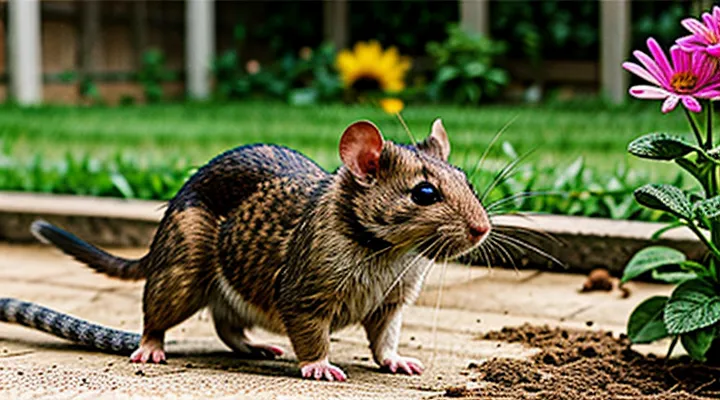
«Understanding the Enemy: What Are Ground Rats?»
«Identifying Ground Rats»
«Physical Characteristics»
Ground rats, commonly identified as Norway rats (Rattus norvegicus) and roof rats (Rattus rattus), exhibit distinct physical traits that influence control strategies in garden environments.
- Length: 20–25 cm (body) plus a 15–20 cm tail; larger size enables deeper burrowing.
- Weight: 150–300 g; substantial mass allows consumption of sizable plant material.
- Fur: Brown to black dorsal coat, lighter ventral side; camouflage blends with soil and mulch.
- Tail: Scaly, hairless, slightly shorter than the body; aids balance when navigating dense vegetation.
- Ears: Large, rounded, hair‑free; acute hearing detects predators and human activity.
- Eyes: Small, positioned high on the skull; limited visual acuity compensated by strong sense of smell.
- Limbs: Strong forelimbs with sharp claws; facilitate digging and climbing through plant stems.
- Teeth: Continuously growing incisors, orange‑tinged enamel; capable of gnawing through roots, stems, and irrigation tubing.
These characteristics determine habitat preference, foraging range, and vulnerability to traps or barriers, informing effective garden pest‑management plans.
«Behavioral Patterns»
Ground rats exhibit predictable activity cycles that dictate the most effective timing for intervention. They are primarily nocturnal, emerging after sunset to forage for seeds, insects, and organic debris. Their peak foraging period occurs between 10 p.m. and 2 a.m., after which they retreat to burrows to rest and rear young.
Movement within a garden follows a network of shallow tunnels and surface runways. Runways connect food sources, water points, and shelter, creating a lattice that can be mapped by observing repeated tracks. Rats favor routes that provide cover from predators and avoid open, exposed ground; therefore, dense vegetation and mulch often serve as preferred pathways.
Reproductive behavior drives population surges. Females reach sexual maturity at 6–8 weeks and can produce up to five litters per year, each containing 6–12 offspring. Litters are born in secure burrows, and juveniles remain hidden for 3–4 weeks before joining surface activities. Rapid turnover means that a single successful breeding cycle can double the local rat count.
Key behavioral traits to monitor:
- Nocturnal foraging peaks (10 p.m.–2 a.m.)
- Preference for concealed runways under mulch or low ground cover
- Seasonal increase in breeding activity during spring and early summer
- Reluctance to cross open, brightly lit areas
Understanding these patterns enables targeted disruption, such as placing traps along established runways during peak activity, removing dense mulch that shelters routes, and implementing habitat modifications before the breeding season begins.
«Signs of Infestation»
«Damage to Plants and Property»
Ground rats inflict extensive harm on garden vegetation and surrounding structures, reducing yield and compromising aesthetics. Their gnawing behavior severs stems, uproots seedlings, and strips bark, leading to plant death or severe stunting. Repeated burrowing weakens soil stability, causing depressions that collect water, promote root rot, and create pathways for additional pests.
Typical damage includes:
- Chewed foliage and tender shoots, eliminating photosynthetic capacity.
- Burrow‑induced soil erosion, exposing roots to exposure and disease.
- Destruction of irrigation tubing and drainage pipes, resulting in leaks and water loss.
- Displacement of decorative stones, mulch, and garden edging, undermining layout integrity.
- Undermining of garden furniture and lightweight structures, leading to cracks or collapse.
These effects diminish productivity, increase maintenance costs, and necessitate prompt control measures to protect both plant health and property integrity.
«Burrows and Tunnels»
Ground rats create extensive underground networks that compromise plant roots, soil structure, and irrigation efficiency. Their burrows appear as mounded soil, multiple entry holes, or faint ridges along garden paths. Detecting these signs early prevents extensive damage.
Effective management of subterranean passages requires a three‑step approach:
- Locate and map each active tunnel system; trace connections between entry points and central chambers.
- Seal openings with durable materials such as hardware cloth, stone, or concrete, ensuring the barrier extends at least 12 inches below the surface.
- Disrupt existing chambers by filling them with a mixture of soil, sand, and coarse gravel, then compacting the fill to eliminate voids.
Additional measures reinforce the barrier network:
- Install a perimeter of mesh buried 6–8 inches deep around garden beds; overlap seams by 2 inches and secure with garden staples.
- Apply natural repellents—ground cinnamon, crushed garlic, or peppermint oil—directly into tunnel entrances; repeat after heavy rain.
- Rotate crops and avoid planting root vegetables near known burrow clusters, reducing food availability for the rodents.
Monitoring after implementation is critical. Inspect sealed points weekly for fresh digging activity and reinforce any compromised sections promptly. Consistent maintenance of burrow barriers curtails ground rat populations and safeguards garden productivity.
«Prevention Strategies»
«Garden Maintenance»
«Removing Food Sources»
Removing food sources deprives ground rats of the energy needed to sustain populations. Identify and eliminate any items that attract rodents, then maintain conditions that prevent re‑accumulation.
- Clear fallen fruit, nuts, and vegetable debris daily.
- Store compost in sealed containers; avoid open piles that release odors.
- Harvest ripe produce promptly; discard overripe items in a secure bin.
- Remove birdseed trays after feeding; keep feeders elevated and insulated.
- Keep pet food in airtight containers; feed pets indoors or remove leftovers immediately.
- Inspect mulch and leaf litter; replace with coarse, dry material that deters foraging.
Maintain a regular schedule for garden clean‑up. Inspect borders, pathways, and raised beds for hidden scraps. Replace soft organic mulch with coarse bark or stone to reduce concealment opportunities. By systematically eliminating edible attractants, the garden environment becomes inhospitable to ground rats, reducing their presence without reliance on chemical controls.
«Eliminating Hiding Spots»
Ground rats thrive in concealed areas where they can move undetected. Removing these refuges deprives the pests of shelter and reduces population pressure.
Identify and eradicate typical hiding places:
- Stacked firewood, bricks, or stones left against walls. Store them away from garden edges or elevate on a platform.
- Thick mulch layers exceeding three inches. Trim to a uniform depth of one to two inches, allowing sunlight to reach the soil surface.
- Dense vegetation, such as overgrown vines, weeds, and low‑lying shrubs. Cut back to a minimum of six inches from the ground and maintain regular pruning.
- Debris piles, compost heaps, and fallen fruit. Collect and dispose of material promptly; cover compost with fine mesh if used for gardening.
- Burrows and tunnels. Fill openings with a mixture of sand, gravel, and soil, then compact firmly. For active tunnels, apply a quick‑setting, non‑toxic cement seal.
Improve ground conditions to discourage re‑colonisation:
- Install a coarse‑gravel border around garden beds, creating a surface that rats find difficult to navigate.
- Use raised beds with smooth, hard‑sided containers that eliminate ground-level crevices.
- Apply a thin layer of straw or wood chips over bare soil only when necessary, and remove it after a few weeks to prevent long‑term cover.
Regular inspection and maintenance keep hiding spots from reappearing. Conduct a walkthrough each month, focusing on the points listed above, and address any new accumulations immediately. This systematic approach eliminates the shelter that sustains ground rat activity, contributing to a healthier garden environment.
«Physical Barriers»
«Fencing Solutions»
Effective fencing is a primary barrier against burrowing rodents that threaten garden productivity. Selecting the appropriate barrier, installing it correctly, and maintaining its integrity are essential steps.
Materials suitable for underground rodent exclusion include galvanized steel mesh, welded wire with apertures no larger than ½ inch, and high‑density polyethylene (HDPE) panels reinforced with a steel core. Steel mesh offers durability and resistance to chewing; HDPE provides flexibility for uneven terrain while still deterring gnawing.
Key installation guidelines:
- Depth: Bury the fence at least 12 inches below the soil surface to prevent rats from tunneling underneath.
- Width: Extend the barrier outward 6–12 inches beyond the outer edge of planting beds to block lateral entry.
- Anchoring: Secure the fence with ground stakes or concrete footings spaced no more than 3 feet apart to resist displacement by wind or animal pressure.
- Overlap: Overlap adjacent sections by 4–6 inches and fasten with stainless‑steel clips to eliminate gaps.
- Surface coverage: Cover the top edge with a 2‑inch strip of metal flashing or a concrete curb to stop climbing.
Maintenance practices:
- Inspect the fence quarterly for rust, tears, or displaced sections.
- Remove vegetation that contacts the barrier, as roots can create openings.
- Repair any damage promptly using matching material and the same fastening method.
By adhering to these specifications, gardeners create a continuous, tamper‑resistant enclosure that significantly reduces the likelihood of ground rat intrusion, safeguarding plant health and yield.
«Burrow Guards»
Burrow Guards are metal or plastic shields designed to fit over the entrance of a rodent tunnel, preventing ground rats from re‑entering the burrow while allowing soil and water to pass through. The device consists of a cylindrical sleeve with a slit that slides onto the tunnel opening and a locking mechanism that secures the sleeve in place.
Installation requires locating active tunnels, cleaning debris from the entrance, and measuring the diameter to select the appropriate guard size. The steps are:
- Fit the sleeve over the tunnel opening, ensuring the slit aligns with the direction of traffic.
- Tighten the lock to compress the sleeve against the soil, creating a snug seal.
- Backfill around the guard with loose soil to maintain natural drainage.
Burrow Guards provide continuous protection without regular re‑application of chemicals or traps. Their durability extends up to three years, depending on material quality and exposure to weather. Maintenance involves occasional inspection for displacement or corrosion and replacement of damaged units.
When combined with habitat modification—such as removing excess mulch, trimming low‑lying vegetation, and eliminating food sources—Burrow Guards significantly reduce ground rat activity. Their passive operation complements active control methods, offering a reliable component of an integrated pest‑management plan for garden owners.
«Humane Control Methods»
«Repellents»
«Natural Repellents»
Natural repellents provide a non‑chemical approach to reducing ground‑rat activity in garden beds. These substances exploit the animals’ sensory aversions, discouraging foraging and burrowing without harming beneficial insects or soil health.
- Predator urine (fox, coyote, or ferret): dilute 1 part urine in 4 parts water, spray along perimeter and near entry points; reapply after rain.
- Garlic powder or crushed cloves: mix 2 cups of powdered garlic with 1 gallon of water, add a few drops of liquid soap, soak cloth strips, and place them around plant rows; replace weekly.
- Peppermint essential oil: combine 30 ml of oil with 1 liter of water, spray on the ground surface and around foliage; refresh every 3‑5 days.
- Castor oil emulsion: blend 1 cup of castor oil with 4 cups of water and a teaspoon of dish detergent, apply to soil surface; repeat biweekly.
- Dried blood or blood meal: scatter a thin layer on the soil surface; reapply after heavy rain or irrigation.
Effective use requires consistent coverage and timing. Apply repellents in the early evening when rats are most active, and monitor activity trails or fresh gnaw marks to assess efficacy. Combining two or more agents often yields stronger deterrence, but avoid overlapping applications that may cause plant phytotoxicity. Rotate substances every few weeks to prevent habituation, and maintain garden hygiene by removing debris and sealing potential burrow entrances.
«Commercial Repellents»
Commercial repellents provide a practical option for reducing ground‑rat activity in vegetable beds, flower borders, and orchard rows. They are formulated to create an environment that discourages foraging and nesting without requiring physical barriers.
Common categories include:
- Chemical sprays: contain capsaicin, peppermint oil, or synthetic compounds that irritate the rodents’ sensory receptors. Apply directly to soil, plant stems, and perimeter pathways.
- Granular deterrents: release volatile substances slowly, maintaining a protective zone around planting areas. Distribute evenly after planting and reapply according to label intervals.
- Ultrasonic devices: emit high‑frequency sound waves that rodents find uncomfortable. Position units at ground level, ensuring clear line of sight to the target zone.
- Predator‑derived products: incorporate fox or owl urine extracts to simulate predator presence. Spread on the soil surface or soak into mulch layers.
Effectiveness depends on correct dosage, regular reapplication, and compatibility with existing horticultural practices. Follow manufacturer instructions for concentration limits to avoid phytotoxic damage. Monitor rodent signs weekly; adjust placement or switch products if activity persists.
When selecting a commercial repellent, evaluate:
- Active ingredient safety for non‑target wildlife and humans.
- Persistence under local climate conditions (rainfall, temperature fluctuations).
- Compatibility with organic certification, if required.
- Cost per square meter relative to expected reduction in crop loss.
Integrating repellents with habitat modification—such as removing debris, trimming low vegetation, and securing food sources—produces the most reliable control outcome. Regular assessment ensures the chosen product continues to meet performance expectations.
«Trapping»
«Live Traps»
Live traps provide a humane method for removing ground rats from garden beds. The devices consist of a sturdy cage with a trigger mechanism that closes the door when the animal enters. Because the rat remains alive, relocation to a distant, suitable habitat is possible, eliminating the need for lethal control.
When selecting a trap, consider the following criteria:
- Size: interior dimensions must accommodate an adult rat (approximately 12–15 cm in body length) with room to turn.
- Material: galvanized steel or heavy‑duty plastic resists chewing and weather exposure.
- Trigger sensitivity: a spring‑loaded plate or pressure plate that activates with minimal force reduces escape risk.
- Safety features: smooth interior edges prevent injury to the captured animal.
Effective placement maximizes capture rates. Position traps along established runways, near burrow entrances, or beside vegetable rows where feeding activity is observed. Bury the trap slightly so the entrance aligns with ground level, allowing the rat to enter without obstruction. Use a bait that appeals to nocturnal foragers—peanut butter, dried fruit, or a piece of cooked meat—applied to the trigger plate to encourage entry.
Check traps at least twice daily; prolonged confinement can cause stress, dehydration, or injury. Upon capture, transport the rat in a ventilated container to a location at least 5 km from the garden, ensuring local regulations permit release. Release the animal in a natural area with adequate cover and food sources, then reset the trap with fresh bait to maintain control pressure.
«Baiting Strategies»
Effective baiting reduces ground‑rat activity while minimizing harm to desirable plants and non‑target wildlife. Choose bait types, placement methods, and timing that align with the rats’ feeding habits and the garden’s ecological balance.
- Food selection – Use high‑protein, high‑fat items such as peanut butter, dried fish, or commercial rodent bait formulated for outdoor use. Combine with a strong scent (e.g., anise oil) to increase detection.
- Station design – Employ weather‑proof bait stations made of metal or heavy‑duty plastic. Ensure openings are sized for rats but too small for larger mammals and birds.
- Placement – Position stations along established runways, near burrow entrances, and adjacent to vegetable rows. Space stations 10–15 ft apart to cover the entire area without overlap.
- Density – Deploy one station per 100 sq ft in high‑pressure zones; reduce to one per 200 sq ft where activity is lower.
- Rotation – Change bait type every 3–5 days to prevent habituation. Rotate station locations weekly to disrupt predictable patterns.
- Regulatory compliance – Use only approved anticoagulant or non‑anticoagulant formulations that meet local pest‑control regulations.
Monitor bait stations daily for consumption, damage, or non‑target captures. Record observations in a log to identify peak activity periods and adjust bait density accordingly. Replace depleted bait promptly; discard unused bait after 30 days to avoid environmental contamination. Proper sanitation—removing fallen fruit, clearing debris, and maintaining tidy soil beds—enhances bait effectiveness and reduces reinfestation risk.
«Lethal Control Methods»
«Snap Traps»
«Placement Techniques»
Effective placement of deterrents determines the success of any garden rodent‑control program. Position traps along established runways, typically low‑lying paths between dense vegetation and food sources. Align devices at a 45‑degree angle to the ground to prevent rats from bypassing them. Install traps at dusk, when nocturnal activity peaks, and check them each morning to maintain pressure on the population.
Barrier installation requires precise alignment with garden structures. Embed hardware cloth or metal mesh at a depth of at least six inches around raised beds, compost piles, and root zones. Overlap sections by three inches to eliminate gaps. Secure the lower edge of the barrier flush with the soil surface to block burrowing.
Strategic planting can reduce habitat suitability. Place aromatic herbs such as mint, rosemary, or lavender along perimeter rows; their strong scents discourage foraging. Intermix thorny shrubs near vulnerable crops to create a physical obstacle that limits access.
Key placement actions
- Set snap or live‑catch traps directly on identified runways.
- Bury wire mesh around the perimeter of each planting area, extending below the expected burrow depth.
- Position motion‑activated deterrents at ground level, aiming sensors toward high‑traffic zones.
- Install raised platforms for bait stations, keeping them at least twelve inches above soil to prevent accidental ingestion by non‑target species.
«Safety Precautions»
When tackling ground‑rat infestations in a vegetable plot, personal safety must precede pest control actions.
- Wear thick, puncture‑resistant gloves and long sleeves to prevent bites and scratches.
- Use safety goggles or face shields whenever traps, snap devices, or chemical baits are deployed.
- Choose traps with enclosed chambers to limit direct contact with live rodents.
- Store rodenticides in locked containers, away from children and pets; follow label dosage precisely.
- Apply gloves when handling contaminated soil, and wash hands thoroughly after each session.
- Keep a first‑aid kit nearby; treat any wounds with antiseptic and seek medical attention if infection signs appear.
- Dispose of dead rodents in sealed bags, then place them in a locked trash receptacle for proper removal.
Maintain clear pathways around work zones to avoid tripping hazards. Regularly inspect protective equipment for wear and replace damaged items promptly. Adhering to these measures reduces health risks while effectively managing rodent activity in the garden.
«Poison Baits»
«Types of Baits»
Effective control of ground rats in garden environments relies on selecting appropriate bait formulations. Understanding the characteristics of each bait type enables targeted application, reduces non‑target exposure, and improves eradication efficiency.
Bait categories fall into three primary groups: chemical rodenticides, food‑based attractants, and biological agents. Chemical rodenticides contain anticoagulants or neurotoxins that cause rapid mortality after ingestion. Food‑based attractants consist of natural products such as grains, seeds, or fruit mixtures that lure rats without lethal compounds; they are useful for monitoring or as part of a trap‑and‑release program. Biological agents include pathogens or genetically modified organisms designed to suppress rat populations through disease transmission or reproductive disruption.
- Anticoagulant rodenticides (e.g., brodifacoum, difenacoum): single‑dose, long‑acting, effective against established colonies; require careful placement to avoid wildlife contact.
- Neurotoxic rodenticides (e.g., bromethalin, zinc phosphide): fast‑acting, suitable for acute infestations; limited residual activity.
- Grain‑based baits (corn, wheat, barley): high palatability, inexpensive, serve as detection tools; must be combined with lethal agents for population reduction.
- Fruit and seed blends (apples, raisins, sunflower seeds): attract omnivorous rats, useful in areas where grain is less appealing; can be fortified with low‑dose anticoagulants for integrated control.
- Protein‑rich baits (peanut butter, fish meal): preferred during breeding season when protein demand rises; support higher uptake rates.
- Pathogen‑laden baits (e.g., Yersinia pestis vaccines, viral vectors): experimental, intended for long‑term suppression; deployment requires regulatory approval.
- Sterile‑male release baits (genetically engineered males): reduce reproductive capacity, minimize chemical use; effectiveness depends on sustained release schedules.
Selection criteria include target rat behavior, seasonality, proximity to non‑target species, and regulatory constraints. Deploy baits in concealed stations, maintain spacing to prevent bait shyness, and rotate formulations to mitigate resistance development. Regular monitoring confirms bait acceptance and guides adjustments, ensuring sustained control of ground rat populations in garden settings.
«Safe Application»
Effective control of ground rodents in garden beds requires strict adherence to safety protocols. Use products specifically labeled for subterranean pests and follow label instructions without deviation. Verify that the formulation—granular bait, liquid repellent, or electronic device—is appropriate for the targeted species and the garden environment.
Before application, wear protective gloves, goggles, and a mask rated for particulate exposure. Keep children, pets, and non‑target wildlife away from the treatment zone until the product has dried or the recommended waiting period has elapsed. Store chemicals in a locked cabinet, away from food and moisture, and dispose of empty containers according to local hazardous‑waste guidelines.
Key steps for safe usage:
- Read the entire label; note concentration, application rate, and re‑entry interval.
- Measure the exact amount required for the area; avoid excess that could harm beneficial organisms.
- Apply evenly with a calibrated spreader or sprayer, maintaining the recommended distance from plant foliage.
- Monitor the site for signs of drift or runoff; if observed, halt application and remediate immediately.
- Record date, product batch, and location for future reference and regulatory compliance.
Regularly inspect the garden for signs of resurgence. If additional treatment is needed, repeat the safety checklist rather than increasing dosage. This disciplined approach minimizes health risks while maintaining effective rodent suppression.
«Integrated Pest Management (IPM) for Ground Rats»
«Combining Methods for Effectiveness»
Effective control of ground rats in a garden requires integrating several tactics rather than relying on a single approach. Combining habitat modification, physical barriers, trapping, biological agents, and targeted chemicals creates a multi‑layered defense that reduces the likelihood of population recovery.
- Habitat modification – remove dense ground cover, keep grass trimmed, and eliminate debris that provides shelter.
- Physical barriers – install underground mesh or hardware cloth at a depth of 12–18 inches around planting beds.
- Trapping – place snap or live traps along known runways; check and reset traps daily.
- Biological agents – encourage predatory birds and mammals by providing perches and nesting boxes; apply rodent‑specific nematodes where appropriate.
- Chemical deterrents – use rodent‑specific repellents or baits in accordance with label instructions; rotate active ingredients to prevent tolerance.
Each component targets a distinct aspect of rat behavior: habitat modification removes food and shelter, barriers prevent entry, traps reduce numbers directly, predators increase natural mortality, and chemicals provide immediate knock‑down. When applied together, the methods reinforce one another, limiting the rats’ ability to adapt.
Implementation proceeds in stages. First, conduct a visual survey to identify activity zones and estimate severity. Second, prioritize actions based on observed weaknesses—for example, if dense mulch dominates, begin with habitat modification. Third, deploy barriers and traps concurrently, followed by predator encouragement and selective chemical use. Finally, establish a monitoring routine: record trap captures, inspect barrier integrity, and adjust tactics quarterly to maintain pressure on the rodent population.
«Monitoring and Adjustment»
Effective control of ground rodents in a garden relies on continuous observation and responsive modification of tactics. Begin by establishing a baseline of activity: record the number of fresh burrows, droppings, and gnaw marks each week. Use motion‑activated cameras or low‑profile trail cameras at known pathways to capture nocturnal movements. Mark each observation point with a durable tag to ensure data consistency over time.
Regular data review guides necessary changes. If trap captures decline while signs of activity rise, consider the following adjustments:
- Relocate existing traps to freshly identified runways.
- Switch to a different bait type if target rodents show bait aversion.
- Increase trap density in hotspots, maintaining a minimum of one device per 10 sq ft of affected area.
- Rotate trap mechanisms (snap, live‑catch, electric) to prevent learned avoidance.
Seasonal shifts often alter rodent behavior. During cooler months, burrow depth may increase; deepen bait stations accordingly. In wet periods, reposition devices to higher ground to avoid flooding and loss of effectiveness. Monitor weather forecasts and adjust placement before heavy rain.
Document every modification alongside the corresponding observation date. This log enables trend analysis, revealing which interventions yield measurable reductions. When a strategy proves ineffective for two consecutive monitoring cycles, replace it with an alternative method, such as habitat modification (removing dense ground cover) or biological controls (encouraging predatory birds). Continuous feedback loops ensure that control measures remain aligned with current rodent activity, preventing resurgence and preserving garden health.
«Professional Pest Control»
«When to Call an Expert»
Ground‑dwelling rodents can quickly overwhelm a garden, and DIY measures often fail when populations reach a critical level. Recognizing the point at which professional assistance becomes necessary prevents extensive damage and reduces long‑term costs.
- Damage visible on more than 30 % of the planting area, such as uprooted seedlings, gnawed roots, or widespread soil mounds.
- Burrow networks intersecting irrigation lines, drainage pipes, or electrical cables, creating risk of system failure.
- Repeated unsuccessful attempts with traps, repellents, or habitat modification over a two‑week period.
- Presence of multiple species (e.g., voles together with moles) that complicates control strategies.
- Legal or safety concerns, including the need for restricted pesticides or protection of nearby wildlife.
A qualified pest‑control specialist provides accurate species identification, applies regulated treatments safely, and offers a monitoring plan that aligns with local environmental regulations. Engaging an expert at the earliest signs listed above secures the garden’s productivity and safeguards infrastructure.
«What to Expect from a Professional Service»
A professional garden‑rat control service begins with a thorough site inspection. Technicians identify burrow locations, assess population density, and note any structures that may attract rodents, such as compost piles or irrigation leaks. The inspection report outlines the specific risks present in the garden and serves as the basis for the treatment plan.
The treatment plan specifies the control methods to be employed. Common options include:
- Bait stations placed strategically to target active tunnels while minimizing exposure to non‑target wildlife.
- Trapping devices calibrated for the size and behavior of ground‑dwelling rodents.
- Habitat modification recommendations, such as removing debris, sealing entry points, and managing vegetation height.
All materials used comply with local pesticide regulations and are selected for low toxicity to humans, pets, and beneficial insects. Technicians wear protective equipment and follow safety protocols during application.
Follow‑up visits are scheduled to monitor effectiveness. During each visit, technicians check bait consumption, trap catches, and any new activity. Adjustments to the control strategy are made promptly if the initial approach does not achieve the desired reduction.
Clients receive a written guarantee outlining performance expectations, including a target reduction percentage within a defined time frame. The agreement also details warranty periods for re‑treatment at no additional cost if rodent activity resurfaces.
Cost transparency is provided upfront. The estimate breaks down labor, materials, and any optional services, such as garden clean‑up or ongoing monitoring contracts, allowing the garden owner to budget accurately.
By adhering to a structured inspection, targeted treatment, regulated product use, and documented follow‑up, a professional service delivers reliable, measurable results for garden rat management.