
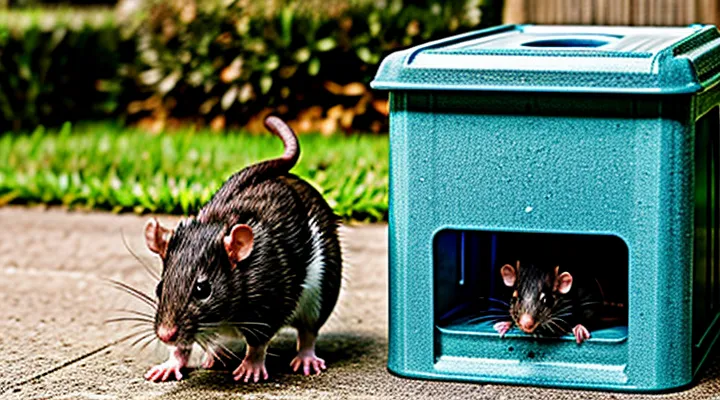
Understanding Rat Snap Traps
Types of Rat Snap Traps
Traditional Wood Snap Traps
Traditional wood snap traps consist of a wooden base, a spring‑loaded metal bar, and a bait platform. The base is typically made from hardwood such as oak or maple, providing durability and resistance to gnawing. The spring mechanism, often a stainless‑steel torsion coil, delivers a rapid, lethal strike when the trigger is released. A small metal cup or plastic dish holds the bait, positioned to encourage the rodent to step onto the trigger plate.
When evaluating wooden snap traps for rat control, consider the following factors:
- Size of the trap: Larger models accommodate adult rats (up to 300 g) and reduce the chance of escape.
- Spring tension: A stronger spring ensures a decisive kill; weaker springs may result in non‑fatal injuries.
- Bait placement: The trigger plate should be positioned directly behind the bait cup to guarantee activation.
- Ease of cleaning: Removable plates and a detachable base simplify disposal of captured rodents.
- Safety features: Some designs include a shield to protect the user’s fingers during setting.
Proper placement maximizes effectiveness. Position traps along walls, behind appliances, or in dark corners where rats travel. Ensure the trigger plate is level with the floor to prevent premature activation. Use attractive, odor‑strong bait such as peanut butter, dried fruit, or rodent‑specific lures, and replace it regularly to maintain potency.
Setting a wooden snap trap requires the following steps:
- Pull the metal bar back until it locks into the tension holder.
- Attach the bait platform to the designated spot on the base.
- Place the chosen bait on the platform.
- Align the trigger plate with the bait, ensuring the plate is free to move when the rat steps on it.
- Secure the trap in the chosen location, checking that the bar is fully engaged.
After a capture, wear disposable gloves, carefully lift the trap, and dispose of the rodent in a sealed container. Clean the base with hot, soapy water or a mild disinfectant, then dry thoroughly before re‑baiting. Regular inspection of the spring mechanism and replacement of worn wooden components prolongs the trap’s service life and maintains consistent performance.
Plastic Snap Traps
Plastic snap traps provide a lightweight, corrosion‑resistant option for rodent control. Their polymer construction eliminates rust, reduces weight for easy handling, and allows transparent or colored bodies that aid visual inspection of trigger status.
When selecting a plastic snap trap, consider the following factors:
- Size and jaw strength – Choose a model with a jaw opening of at least 2 inches and a spring rated for rats; undersized traps may fail to deliver a lethal blow.
- Trigger sensitivity – A low‑force trigger reduces the chance of missed catches while preventing accidental activation by small non‑target animals.
- Bait compartment design – Secure, recessed compartments prevent bait spillage and keep the trap clean during repeated use.
- Safety features – Look for built‑in shields or lock‑out mechanisms that protect the user during set‑up and disposal.
Proper placement maximizes effectiveness. Position the trap along walls, behind appliances, or in dark corners where rats travel. Align the trigger end perpendicular to the wall, with the jaw facing the expected path. Ensure the trap is stable on a flat surface; uneven placement can cause misfires.
Bait selection influences capture rates. Use high‑protein attractants such as peanut butter, dried meat, or commercial rodent lures. Apply a pea‑sized amount directly to the bait platform; excessive bait can trigger premature closures.
After a catch, follow these steps:
- Wear disposable gloves.
- Activate the safety lock or cover.
- Transport the trap to a sealed container.
- Dispose of the carcass according to local regulations.
- Clean the trap with mild detergent and disinfectant before resetting.
Routine inspection of the spring mechanism and trigger arm ensures consistent performance. Replace the trap if the spring loses tension or if any cracks appear in the plastic housing, as structural integrity directly affects lethality and user safety.
Live-Catch Traps (and why not to use them for rats)
Live‑catch traps are cages designed to capture rodents alive, allowing release elsewhere. They typically feature a spring‑loaded door that shuts when a rat triggers a pressure plate.
Reasons live‑catch traps are inappropriate for rats:
- Rats can chew through thin wire mesh, escaping the device and continuing to cause damage.
- Captured rats experience extreme stress, increasing the risk of disease transmission to humans and other animals.
- Handling live rats requires protective equipment and knowledge of zoonotic hazards; improper handling can lead to bites or scratches.
- Release of captured rats may violate local wildlife regulations and can spread infestations to neighboring properties.
- Traps often require frequent checking; unattended cages allow prolonged suffering and attract pests such as insects or scavengers.
Effective rat control relies on snap traps that kill instantly, reducing suffering and preventing escape. When selecting a snap trap, prioritize sturdy construction, a strong spring mechanism, and a trigger sensitivity calibrated for rat weight. Position traps along walls, near burrows, and in dark corners where rats travel. Bait with high‑protein foods such as peanut butter or dried fruit to increase capture rates. Regularly inspect and replace traps to maintain efficacy.
When to Use Snap Traps
Signs of Rat Infestation
Rats leave unmistakable evidence of their presence, and recognizing these indicators allows timely intervention before damage escalates.
- Grease marks along walls, pipes, or baseboards where rodents travel.
- Small, dark droppings, typically ¼‑inch long, found near food sources, nesting sites, or entry points.
- Gnaw marks on wood, plastic, or wiring, often accompanied by shredded fibers or paper.
- Fresh urine stains that emit a strong, musky odor, especially in concealed areas.
- Visible nesting material such as shredded fabric, insulation, or dried food particles.
- Unexplained bites on stored food, packaging, or pet food bowls.
Identifying these signs directs the selection and placement of an effective snap trap, ensuring the device targets active pathways and maximizes capture rates.
Advantages of Snap Traps
Snap traps provide a rapid, humane solution for rodent control. Their mechanical action delivers an instantaneous kill, eliminating prolonged suffering and reducing the likelihood of disease transmission.
- Low purchase price compared with electronic or poison‑based devices.
- No chemical agents; therefore, no risk of contaminating food stores or the environment.
- Reusable components allow multiple deployments after cleaning, extending the trap’s service life.
- Precise trigger mechanism targets only the intended pest, minimizing accidental capture of non‑target animals.
- Simple construction requires no electricity or batteries, ensuring reliable operation in any setting.
- Easy to set and relocate; traps can be positioned in tight spaces or along established runways without specialized tools.
These characteristics make snap traps a cost‑effective, low‑maintenance choice for anyone tasked with selecting and installing a rat capture system.
Choosing the Right Snap Trap
Factors to Consider
Trap Size
Choosing a rat snap trap of the correct size directly affects capture efficiency and safety. An undersized device may fail to hold a large rat, while an oversized model can be difficult to handle and may trigger unintentionally.
- Small traps: 3–4 inches in length, designed for juvenile or small adult rats.
- Medium traps: 4.5–5.5 inches, suitable for most adult Norway rats.
- Large traps: 6–7 inches, intended for unusually large specimens or for use in high‑traffic areas.
Measure the target rodent from nose to base of the tail. The trap’s interior chamber should exceed this measurement by at least one inch, providing sufficient space for the animal to enter without feeling confined. The trigger mechanism must align with the rat’s weight range; most medium traps activate at 30–50 g, while large traps accommodate up to 80 g.
Placement considerations depend on trap size. Smaller devices fit easily under cabinets, behind appliances, or within narrow wall voids. Medium and large traps require clear pathways of at least 2 inches on each side to allow unrestricted entry. Ensure the bait area remains unobstructed, and position the trap perpendicular to the expected travel route for optimal engagement.
Selecting the appropriate dimensions eliminates missed captures, reduces the likelihood of escape, and enhances overall pest‑control effectiveness.
Trigger Mechanism
The trigger mechanism is the core component that determines whether a rat snap trap will activate reliably. It consists of a spring-loaded bar, a hinged trigger plate, and a release latch. When a rodent applies pressure to the bait platform, the trigger plate pivots, releasing the spring’s stored energy and driving the bar forward to deliver a swift, lethal strike.
Key characteristics to evaluate when selecting a trap:
- Sensitivity: Measured by the amount of pressure required to release the latch; low‑force triggers capture wary rats more effectively.
- Adjustability: Some models allow the trigger tension to be fine‑tuned, accommodating different rodent sizes and behavior patterns.
- Durability: Metal components resistant to rust and deformation maintain consistent performance over repeated uses.
- Safety lock: A built‑in mechanism that prevents accidental discharge during handling and placement.
Proper setup of the trigger mechanism involves three steps:
- Position the bait: Place the attractant on the designated platform, ensuring it aligns directly above the trigger plate to maximize pressure transfer.
- Test the release: Gently press the trigger plate with a fingertip; the latch should snap open with minimal resistance, indicating correct tension.
- Secure the safety lock: Engage the lock until the trap is positioned in the target area, then disengage to allow activation.
Maintenance recommendations:
- Inspect the spring and latch for wear after each capture; replace worn parts to preserve sensitivity.
- Clean the trigger surfaces with a mild detergent to remove residue that could impede movement.
- Store unused traps in a dry environment to prevent corrosion of metal components.
By focusing on these aspects, users can ensure that the trigger mechanism functions consistently, increasing the likelihood of successful rat control.
Material Durability
Material durability directly influences a rat snap trap’s reliability and lifespan. Selecting a trap constructed from corrosion‑resistant steel or reinforced polymer ensures that repeated exposure to moisture, urine, and droppings will not compromise the spring mechanism. Metal frames provide high tensile strength, allowing the jaws to withstand multiple captures without deformation. However, untreated steel may rust, reducing bite force over time; coating or stainless‑steel finishes mitigate this risk.
Plastic housings reduce weight and simplify cleaning but must meet impact‑resistance standards. High‑density polyethylene (HDPE) and polycarbonate resist cracking under the sudden release of stored energy. When evaluating plastic models, verify manufacturer specifications for impact rating and temperature tolerance, as extreme cold can embrittle some polymers.
Wooden components are uncommon in modern snap traps because they absorb moisture and degrade quickly. If a wooden element is present, it should be sealed with a waterproof finish to extend service life.
Key durability criteria:
- Corrosion resistance: stainless steel or coated metal; avoid bare iron.
- Impact strength: high‑impact polymer or hardened steel for the snapping arm.
- Temperature stability: materials rated for the ambient range of the deployment area.
- Ease of maintenance: surfaces that can be cleaned without degrading the material.
A trap that meets these durability standards maintains consistent performance, reduces replacement frequency, and minimizes the likelihood of malfunction during critical pest‑control operations.
Recommended Brands and Models
Top-Rated Wood Traps
Wooden snap traps provide a sturdy, silent solution for rodent control, especially in environments where plastic devices may be avoided. Their natural material blends with interior décor and resists chewing, making them reliable for long‑term deployment.
- Victor Wood Rat Trap – hardwood body, adjustable spring tension, 0.8 kg trigger force, compatible with standard bait blocks.
- Kness Rat Wood Snap Trap – laminated pine construction, ergonomic handle for safe loading, 0.6 kg trigger force, includes a built‑in bait cup.
- Mighty Mouse Wood Snap Trap – solid oak frame, reinforced steel trigger, 0.7 kg trigger force, designed for indoor use with a low‑profile silhouette.
- Terro Wood Rat Catcher – bamboo composite, rust‑proof spring, 0.5 kg trigger force, features a detachable bait platform for easy cleaning.
When evaluating wooden options, prioritize the following attributes: material density (hardwood reduces breakage), trigger sensitivity (lower force improves capture rates), cage dimensions (must accommodate adult rats), safety mechanisms (shielded spring to protect handlers), and bait accessibility (integrated cups simplify placement).
To install a wooden snap trap effectively, follow these steps: position the trap along walls or behind appliances where rats travel; pull the trigger arm back until the safety latch clicks; secure a fresh bait piece on the designated platform; release the latch, ensuring the spring is fully tensioned; check the trap daily and dispose of captured rodents according to local regulations. Consistent placement and proper baiting maximize the trap’s performance and reduce the need for frequent replacements.
Top-Rated Plastic Traps
Top‑rated plastic rat snap traps combine durability, precision, and ease of use. The polymer construction resists rust and corrosion, ensuring consistent performance in humid basements, attics, or outdoor sheds. Transparent housings allow quick visual confirmation of capture without disturbing the trap.
Key characteristics of leading plastic models include:
- Trigger sensitivity – calibrated to release with minimal force, preventing missed bites on wary rodents.
- Safety lock – a built‑in mechanism that secures the spring until the trap is set, reducing accidental discharge.
- Reusable design – sturdy components withstand repeated cycles, lowering long‑term cost.
- Bait compartment – sealed cavity that keeps attractant fresh and prevents spillage onto surfaces.
When selecting a plastic snap trap, evaluate the following factors:
- Size of target rodent – larger traps accommodate rats (up to 500 g), while smaller variants suit mice.
- Spring strength – measured in pounds; a 5‑6 lb spring delivers sufficient impact for rats without excessive force that could damage surrounding structures.
- Ease of setting – ergonomic handles and clear instructions reduce setup time and improve placement accuracy.
- Cleaning method – models that disassemble without tools simplify disposal of captured rodents and sanitation.
Installation steps for optimal results:
- Position the trap along established rodent pathways, such as walls, behind appliances, or near entry points.
- Align the trigger end toward the anticipated direction of movement; rats typically approach from the rear.
- Insert a bait—peanut butter, dried fruit, or fish oil—into the compartment, ensuring it does not obstruct the trigger.
- Engage the safety lock, set the spring, and release the lock only after confirming the trap is stable on a flat surface.
Maintenance involves wiping the plastic housing with a mild detergent after each capture, inspecting the spring for fatigue, and storing the trap in a dry environment when not in use. Regular replacement of worn springs restores full striking power and maintains humane killing efficiency.
Preparing for Trap Placement
Safety Precautions
Protecting Children and Pets
When a rat snap trap is employed in a home, the primary concern is preventing accidental interaction by children and pets. Selecting a model that incorporates a sealed trigger and a lockable cage reduces the risk of unintended activation.
- Choose traps with a transparent housing to confirm capture without opening the device.
- Prefer designs that require a two‑step release, preventing a single touch from setting the mechanism.
- Verify that the manufacturer lists compliance with safety standards such as ASTM or EN.
Placement must keep the device out of reach while maintaining effectiveness against rodent activity.
- Install traps at least 3 feet above floor level, using wall mounts or shelving.
- Position traps behind appliances, under cabinets, or within enclosed utility spaces.
- Avoid areas where children play, pets eat, or where furniture is frequently moved.
Regular inspection and proper disposal are essential for ongoing safety.
- Check traps daily; remove captured rodents promptly using gloves.
- Reset or replace the trap only after confirming the cage is securely closed.
- Store spare traps and bait in a locked container inaccessible to non‑adults and animals.
Handling Traps Safely
When handling a snap trap, wear disposable gloves and ensure eyes are protected. Keep the device away from children, pets, and non‑target wildlife. Place the trap on a stable surface to prevent accidental triggering during transport.
Follow these steps to operate the trap safely:
- Load the spring mechanism only after the bait is secured.
- Position the trigger arm so that the bait sits flush with the edge.
- Test the trigger gently with a finger protected by a glove; the arm should snap back without contacting the spring.
- Transport the armed trap in a rigid container with the trigger side facing down.
After capture, deactivate the spring by pressing the release lever, then remove the carcass with gloves and place it in a sealed bag. Clean the trap with an alcohol solution, allow it to dry completely, and store it in a locked cabinet out of reach of unauthorized persons.
Bait Selection
Effective Baits for Rats
Effective baits attract rats quickly and increase the likelihood of a successful snap‑trap capture. Choose items that mimic natural food sources, emit strong odors, and remain appealing over several days.
- Peanut butter: high fat content, strong scent, adheres to trap jaws without leaking.
- Bacon or cooked meat: powerful aroma, rich protein, works well in colder months when rodents seek calorie‑dense meals.
- Sunflower seeds or pumpkin seeds: small size fits trap platforms, natural rodent preference, low mess.
- Dried fruit (e.g., raisins, apricots): sweet taste, attractive to omnivorous rats, easy to secure with a small piece of cloth.
- Commercial rodent attractants: synthetic pheromones or flavored gels designed for snap traps, provide consistent potency.
When applying bait, place a modest amount—just enough to cover the trigger mechanism. Excessive bait can cause rats to nibble without activating the trap, reducing effectiveness. Secure the bait with a thin strip of cloth or tape if it is prone to slipping. Replace bait every 2–3 days or when it becomes dry, as diminished odor lowers capture rates.
Consider the environment: indoor settings favor low‑odor options like peanut butter, while outdoor placements benefit from stronger scents such as bacon or commercial attractants. Matching bait type to location and season maximizes trap performance and reduces the number of live rats that escape detection.
How to Secure Bait
Securing bait correctly maximizes the effectiveness of a rat snap trap and reduces the chance of premature trigger or bait loss. Use a bait that rats find irresistible—peanut butter, dried fruit, or small pieces of meat—and attach it in a way that forces the animal to interact with the trigger mechanism.
- Apply a thin layer of peanut butter to the trap’s trigger plate; the adhesive quality ensures the rat must bite or gnaw before the plate releases.
- If using solid bait, thread a small piece through the trap’s holding slots and press it against the trigger bar, leaving only the tip exposed.
- For liquid or soft bait, place a dollop on a cotton ball or piece of gauze, then secure the material to the trigger plate with a tiny strip of tape that releases under pressure.
- Position the bait so that the rat must approach from the side of the trap where the spring is concealed, preventing accidental contact with the snapping arm.
- Inspect the bait daily; replace any dried or displaced material to maintain strong attraction.
By following these steps, the bait remains firmly attached, compelling the rat to engage the trap’s mechanism and ensuring reliable capture.
Setting the Rat Snap Trap
Step-by-Step Guide for Traditional Traps
Preparing the Trap
When preparing a rat snap trap, begin by inspecting the device for damage. Verify that the spring mechanism moves freely and that the trigger plate returns to its resting position after each test release. Replace any broken components before use.
Clean the interior surfaces with a mild detergent and dry thoroughly. Residual food or dust can reduce sensitivity and compromise the trap’s effectiveness. A clean environment also minimizes the risk of accidental discharge.
Select bait that appeals to rodents and adheres securely to the trigger. Common choices include peanut butter, dried fruit, or small pieces of meat. Apply a thin layer directly onto the bait holder, avoiding excess that could spill onto the floor and reduce trigger sensitivity.
Position the trap along established rodent pathways. Ideal locations are walls, behind appliances, or near garbage containers. Align the trigger plate perpendicular to the wall; rats typically run close to edges and will encounter the mechanism more readily.
Secure the trap to prevent movement. Use a sturdy base or attach it to a stable surface with zip ties or tape. Ensure the area around the trap remains clear of obstacles that could interfere with the trigger.
Finally, arm the trap only after placement is confirmed. Pull the spring back until it clicks, then set the trigger plate gently. Check that the safety latch is engaged if the model includes one, and keep the trap out of reach of children and pets.
Loading the Bait
Proper bait placement determines the effectiveness of a rat snap trap. The bait must be secured tightly to prevent premature removal and positioned to guide the rodent toward the trigger mechanism.
- Choose a small, aromatic attractant such as peanut butter, dried fruit, or a piece of cheese.
- Apply a thin layer of the bait onto the trap’s bait cup or platform, ensuring it adheres firmly.
- Press the bait into any grooves or ridges on the trap surface to lock it in place.
- Verify that the bait does not extend beyond the trap’s edges, which could allow the rat to grab it without activating the spring.
- Close the trap’s jaws according to the manufacturer’s instructions, confirming that the bait remains undisturbed.
Selecting bait with a strong scent and a texture that rats cannot easily manipulate reduces the chance of escape. Avoid overly large pieces that may be carried away. After loading, inspect the trap for any loose bait and adjust as needed.
Regularly replace the bait to maintain freshness, especially in hot or humid conditions. Dispose of used bait safely to prevent accidental exposure to non‑target animals or humans. Properly loaded bait, combined with correct trap placement, maximizes capture rates while minimizing unnecessary disturbances.
Setting the Trigger
Setting the trigger correctly determines whether a snap trap will engage a rat quickly and reliably. The mechanism must be calibrated so that the spring releases with enough force to kill instantly while remaining safe to handle.
- Pull the spring arm back until it clicks into the locked position.
- Adjust tension by tightening or loosening the adjustment screw on the side of the arm; a tighter setting increases strike speed.
- Place the bait holder on the base, ensuring the bait sits directly in line with the trigger plate.
- Test the trigger by gently nudging the plate; it should release the arm cleanly without hesitation.
- If the arm fails to release, reduce tension or reposition the bait until the plate moves freely.
Safety precautions include wearing thick gloves, keeping the trap pointed away from the body, and securing the trap on a stable surface before loading. After each use, inspect the spring for wear, clean residue from the trigger components, and re‑apply a light coat of oil to maintain smooth operation. Regular maintenance preserves the trap’s effectiveness and extends its service life.
Step-by-Step Guide for Plastic Traps
Baiting Plastic Traps
Effective baiting of plastic rat snap traps determines capture success. Choose attractants that match the target’s dietary preferences and local environment. Common options include:
- Peanut butter or nut butter, applied sparingly to the trigger plate to avoid slippage.
- Dried fruit or nuts, broken into small pieces and adhered with a dab of wax or petroleum jelly.
- Meat scraps, sealed in a small, airtight pouch to contain odor while allowing scent diffusion.
- Commercial rodent lures, formulated for long‑lasting potency; follow manufacturer dosage guidelines.
Prepare the trap surface before baiting. Clean any residue with alcohol to prevent contamination that could reduce sensitivity. Apply a thin layer of the chosen attractant directly onto the bait holder, ensuring the amount is enough to emit scent but not so much that the rat can remove it without engaging the trigger.
Position the baited trap along established runways, near walls, or behind objects where rodents travel. Align the trigger arm perpendicular to the wall to maximize contact. Check the trap daily; replace bait if it dries or loses aroma, and inspect for partial captures that may indicate insufficient bait size or placement.
Safety considerations include wearing gloves to avoid transferring human scent, sealing used bait in disposable bags, and storing traps out of reach of children and pets. Properly dispose of captured rodents according to local regulations to prevent disease transmission.
Activating the Mechanism
Activating the mechanism of a rat snap trap requires precise handling of the spring‐loaded bar and the trigger plate. First, ensure the trap is placed on a stable surface; a wobbling base compromises the release force. Hold the trap by the base, pull the spring bar back until it locks into the designated notch, and verify that the latch clicks securely. The bar should remain under tension without slipping.
Next, attach the bait platform. Press the trigger plate gently until it snaps into the closed position, then position the bait at the far end of the platform. The plate must sit flush with the base; any gap reduces sensitivity. Test the trigger by applying light pressure to the plate; a properly set trap will release the spring bar with a distinct, audible snap.
Finally, inspect the alignment of the bar and the trigger. The bar’s tail should rest just above the plate, ready to swing downward when the plate is disturbed. A quick manual release—lifting the plate slightly and allowing it to fall—confirms that the bar strikes the plate cleanly and returns to the locked position. If the bar hesitates or the plate sticks, re‑seat the spring bar and repeat the test.
Key steps for activation
- Pull spring bar back to notch, confirm latch engagement.
- Secure bait platform, close trigger plate fully.
- Apply light pressure to verify release; listen for snap.
- Check bar‑plate alignment; perform a manual release test.
Proper activation guarantees immediate, reliable action when a rodent contacts the trigger, eliminating missed catches and extending the trap’s service life.
Optimal Trap Placement
Identifying Rat Runways
Understanding rat runways is essential before placing a snap trap. Rats travel along established pathways that connect food, water, shelter, and nesting sites. These routes are typically close to walls, behind appliances, in dark corners, and along utility lines. Identifying them reduces trial‑and‑error and increases capture rates.
Observe the following indicators to locate active runways:
- Fresh droppings, especially in clusters, signal frequent traffic.
- Gnaw marks on wood, plastic, or wiring indicate preferred travel surfaces.
- Smudge or oil trails on walls reveal the underside of the rodent’s belly.
- Chewed food containers or spilled crumbs near a wall suggest a feeding point.
- Small, well‑worn holes or gaps in insulation, baseboards, or pipe sleeves act as entry points.
Once a runway is confirmed, position the snap trap perpendicular to the path, with the trigger end facing the direction of travel. Place the trap within 12–18 inches of the runway’s edge, ensuring the bait is visible but not obstructed. Secure the trap on a stable surface to prevent displacement by the rat’s weight or accidental nudges.
Regularly monitor the trap and re‑evaluate runway activity. Shifts in droppings or gnaw patterns may require relocation of the device to maintain optimal placement.
Strategic Placement Locations
Effective control of rodent populations hinges on positioning snap traps where rats naturally travel. Place traps in areas that provide shelter, concealment, and direct access to food sources.
- Along walls, within 12 inches of the baseboard, because rats prefer to move close to vertical surfaces.
- Behind appliances such as refrigerators, stoves, or dishwashers, where hidden pathways often exist.
- In dark corners of cabinets, pantries, and storage closets, offering the low‑light environment rats favor.
- At the intersection of identified runways—marked by gnaw marks, droppings, or grease trails.
- Near known food sources: grain bins, pet food containers, garbage cans, or spilled feed.
- Inside attics and crawl spaces, especially near insulation or exposed beams.
- In basements, positioned against foundation walls or near utility lines.
- Directly at entry points: gaps around pipes, vents, or door frames where rodents infiltrate.
- Within sewer or drainage openings that connect to building interiors.
- In garden sheds, tool storage areas, or compost bins where outdoor activity concentrates.
Each location exploits the rat’s instinct to travel along walls, seek concealed routes, and remain close to sustenance. Deploying traps in these zones maximizes encounter rates and enhances capture efficiency.
How Many Traps to Use
When dealing with a rat problem, the quantity of snap traps deployed directly influences control speed and success. Assess the infestation before placing any devices.
- Severity of activity – A single rat sighting warrants at least two traps; moderate activity (multiple droppings, gnaw marks) requires three to five; heavy infestation (continuous damage, large droppings clusters) calls for eight or more, spaced evenly throughout the affected zone.
- Coverage area – For spaces under 100 sq ft, position one trap per 20 sq ft. Larger rooms or hallways need a trap every 15 sq ft. Outdoor structures (garages, sheds) follow the same density rule, adjusting for obstacles.
- Placement strategy – Align traps along walls, behind objects, and near known runways. Overlap fields of reach by maintaining a 12‑inch gap between adjacent traps; this prevents rats from bypassing a single device.
- Trap type and bait – Heavy‑duty traps with larger jaws handle adult rats; smaller models suit juveniles. Use a single bait type per deployment to avoid confusing the rodents.
- Monitoring and adjustment – Check traps daily. Remove captured rats, reset devices, and add additional traps if activity persists after 48 hours. Reduce numbers gradually once captures decline to avoid unnecessary waste.
By matching trap count to infestation level, spatial dimensions, and placement density, you achieve efficient eradication while minimizing cost and labor.
After Setting the Trap
Checking Traps
Frequency of Checks
Regular monitoring of a rat snap trap is essential for humane control and trap effectiveness. Once the trap is set, inspect it at intervals that balance prompt removal of captured rodents with minimal disturbance to the bait.
Typical inspection schedule:
- Every 2–4 hours during active nighttime periods when rats are most likely to encounter the trap.
- Every 6–8 hours during daylight hours, unless the trap is placed in a low‑traffic area where activity is expected to be minimal.
- Immediate check after any audible snap or visible sign of a caught rat, regardless of the scheduled interval.
Factors that modify the schedule include trap placement (e.g., near food sources or hidden pathways), ambient temperature (higher temperatures accelerate bait degradation), and the type of bait used (perishable baits require more frequent replacement).
During each check, remove any captured animal, reset the trigger, and replenish bait if it shows signs of contamination or depletion. Record the time of capture and any observations about trap performance; this data helps refine future inspection intervals and improves overall control efficiency.
What to Look For
When selecting a rat snap trap, focus on the following characteristics to ensure effectiveness and safety.
- Size and weight capacity – Choose a model that can accommodate the average size of the target rodent; oversized traps may reduce sensitivity, while undersized ones may fail to capture larger rats.
- Trigger mechanism – Opt for a spring‑loaded system with a low actuation force; this provides rapid closure and minimizes escape attempts.
- Bait compatibility – Ensure the trap accepts a variety of attractants, such as peanut butter, dried fruit, or commercial lures, without obstructing the trigger.
- Safety features – Look for built‑in shields or guards that protect users and non‑target animals during placement and disposal.
- Durability of construction – Select traps made from reinforced steel or heavy‑gauge plastic to withstand repeated use and outdoor conditions.
- Ease of cleaning – Models with removable plates or hinged bases simplify disposal of captured rodents and reduce exposure to pathogens.
- Portability – Lightweight designs facilitate strategic placement in hard‑to‑reach areas such as crawl spaces, attic corners, or behind appliances.
Placement considerations are equally critical. Position traps along walls, near known runways, and close to food sources. Align the trigger side perpendicular to the rodent’s path to increase contact probability. Secure the trap firmly to prevent movement caused by wind or accidental disturbance.
Regular inspection enhances performance. Check the trigger for debris, replace bait as needed, and reset the mechanism after each capture. Consistent maintenance preserves the trap’s responsiveness and extends its service life.
Disposal of Trapped Rats
Safe Handling
When handling a rat snap trap, protect yourself from accidental injury and exposure to disease. Wear thick, puncture‑resistant gloves and long sleeves to prevent skin contact with the trigger mechanism and any captured rodent. Keep the trap’s jaws closed with a sturdy stick or the supplied safety latch until you are ready to set it, reducing the risk of sudden release.
Before placement, inspect the trap for cracks, rust, or missing components. Replace any damaged parts; a compromised device may malfunction and cause unintended harm. Position the trap on a stable, flat surface away from high‑traffic areas, ensuring it will not be disturbed by children, pets, or non‑target wildlife.
When setting the trap, follow these steps:
- Secure the safety latch in the open position.
- Load the bait onto the designated plate, using gloves to avoid transferring scent.
- Pull the trigger arm back until it clicks, confirming the latch is engaged.
- Release the safety latch, allowing the jaws to remain closed until a rat applies pressure.
After a capture, approach the trap slowly. Use the same protective gloves to slide the trigger arm to the open position, then lift the dead rodent onto a disposable bag. Seal the bag, dispose of it in an outdoor trash container, and clean the trap with a disinfectant solution. Rinse thoroughly, dry, and re‑inspect before reuse.
Store unused traps in a locked cabinet or high shelf, out of reach of unauthorized persons. Label the storage area with a clear warning about the presence of live‑spring mechanisms. Regularly review safety procedures and replace worn gloves to maintain a consistently safe environment.
Hygienic Disposal Methods
When a rat snap trap has captured a rodent, immediate and sanitary disposal prevents disease transmission and secondary infestations. The first step is to wear disposable gloves and, if available, a mask to protect against aerosolized pathogens. Place the trap on a disposable, non‑permeable surface such as a thick garbage bag before handling.
- Secure the trap in a sealed, puncture‑resistant container (e.g., a heavy‑duty plastic bag or a metal box with a lockable lid).
- Add an absorbent material (paper towels or sawdust) to the container to contain fluids.
- Transfer the sealed container directly to an outdoor waste receptacle designated for animal carcasses, complying with local regulations.
- Clean the trap with a solution of diluted bleach (1 part bleach to 9 parts water) for at least five minutes, then rinse with hot water and dry thoroughly before reuse or storage.
After disposal, remove and discard gloves, wash hands with soap for a minimum of 20 seconds, and disinfect any surfaces that may have been contacted. Maintaining this protocol eliminates health hazards and ensures the trap remains effective for future use.
Troubleshooting Common Issues
Unsuccessful Traps
A trap that does not capture a rat indicates a problem in one or more critical components of the device or its deployment. Recognizing the signs of failure prevents wasted effort and unnecessary expense.
Typical causes of ineffective snap traps include:
- Placement too far from established rodent pathways.
- Bait that is unappealing, stale, or insufficient in quantity.
- Spring mechanism that is either too weak or overly stiff, preventing proper snap action.
- Damage to the trigger plate, hinge, or base that compromises alignment.
- Environmental conditions such as high humidity or temperature extremes that affect bait scent or spring performance.
To diagnose a non‑functional trap, inspect the following:
- Verify that the spring releases cleanly when the trigger is depressed.
- Examine the trigger plate for wear or deformation.
- Observe whether bait has been taken without a corresponding snap.
- Look for bite marks or gnawing on the trap body, indicating rat interaction without capture.
Corrective measures:
- Relocate the trap to a known travel corridor, ensuring the rear and sides are against walls or furniture.
- Replace bait with fresh, high‑protein options such as peanut butter or dried meat, applying a small amount to the trigger surface.
- Test the spring tension before each deployment; adjust or replace the spring if it does not snap fully.
- Repair or discard any trap showing physical damage; use a new unit when necessary.
- Store traps in a dry environment to maintain spring integrity and bait potency.
Consistent monitoring and prompt adjustment based on these criteria will reduce the incidence of unsuccessful snap traps and improve overall rodent control effectiveness.
Bait Taken, No Rat
When bait disappears but the trap yields no rat, the problem lies in trap performance, placement, or bait selection. Identify the cause before replacing equipment.
- Verify snap mechanism. Check spring tension, trigger sensitivity, and alignment of the kill bar. A weakened spring or misaligned bar will allow a mouse to remove bait without triggering the snap.
- Examine bait type. Highly attractive food (peanut butter, bacon grease) may be taken by non‑target animals or even by rats that sample and retreat. Use a low‑odor, hard‑to‑remove bait such as a small piece of raw meat secured with a toothpick.
- Assess placement. Traps positioned near walls, behind clutter, or in high‑traffic corridors increase the chance of bait removal by passing rodents that do not engage fully. Relocate traps to the exact pathways rats use, typically within 2 inches of the wall and perpendicular to travel routes.
- Consider competition. If multiple traps are set, rats may take bait from one and avoid others. Limit the number of active traps per area to force a decisive strike.
- Inspect environmental factors. Strong drafts, vibrations, or nearby pets can disturb the trigger. Shield traps from such disturbances with a simple cardboard cover that leaves the trigger exposed.
After addressing each point, reset the trap with fresh bait and monitor for captures over 24 hours. If bait continues to be taken without a kill, replace the spring mechanism or select a different trap model designed for higher trigger force.
Preventative Measures
Sealing Entry Points
Sealing entry points prevents rats from bypassing traps and re‑infesting treated areas. Begin by inspecting the interior and exterior of the building for openings larger than ½ inch. Common sources include gaps around pipes, vents, utility lines, foundation cracks, and gaps beneath doors or windows. Use a flashlight and a thin rod to probe suspicious spaces; any detectable movement of air or dust indicates a breach.
Apply appropriate sealing materials based on the location and size of each opening:
- Expandable foam sealant for irregular gaps around pipes and wiring.
- Steel wool packed tightly into small holes, then covered with caulk to deter gnawing.
- Sheet metal flashing or hardware cloth for larger cracks in foundations or walls.
- Weatherstripping or door sweeps on all exterior doors to block gaps at the threshold.
- Silicone or acrylic caulk for seams around windows, baseboards, and trim.
After sealing, verify the integrity of each repair by running a thin piece of paper or a cotton swab through the area; resistance confirms a successful seal. Re‑inspect periodically, especially after seasonal temperature changes, to identify new gaps that may have formed.
A sealed environment enhances the effectiveness of snap traps by limiting rat movement to the set devices, thereby increasing capture rates and reducing the number of traps required.
Food Storage and Sanitation
Effective rat snap traps depend on eliminating food sources and maintaining a clean environment. Improper storage and poor sanitation invite rodents, reduce trap success, and increase the risk of disease transmission.
Store all consumables in sealed, rodent‑proof containers made of metal or heavy‑wall plastic. Keep containers off the floor and away from walls to prevent gnawing. Regularly inspect storage areas for cracks, tears, or compromised seals and replace damaged containers immediately.
Remove food debris from countertops, floors, and equipment after each use. Sweep and mop immediately to eliminate crumbs. Dispose of waste in containers equipped with tight‑fitting lids; empty them daily. Clean behind appliances, under shelving, and in corners where dust and residue accumulate.
Select trap locations based on identified food pathways. Position traps along walls, near entry points, and adjacent to storage units where rodents are likely to travel. Use bait that complements sanitation efforts—small amounts of high‑protein food placed directly on the trigger mechanism to avoid spilling.
Best‑practice checklist
- Use airtight, chew‑resistant containers for all food items.
- Elevate storage containers at least 12 inches off the floor.
- Conduct daily visual inspections of storage integrity.
- Sweep, vacuum, and mop all preparation and dining surfaces after each meal.
- Install waste bins with sealed lids; empty them nightly.
- Place traps 1–2 feet from walls, targeting known rodent routes.
- Apply minimal bait directly on the trigger to prevent contamination.
- Rotate trap placement weekly to prevent trap avoidance.
Adhering to these storage and sanitation protocols maximizes trap efficiency, reduces rodent activity, and supports a hygienic environment.
Yard Maintenance
Effective yard maintenance includes proactive rodent control. A well‑chosen snap trap reduces damage to grass, plantings, and irrigation systems while preventing disease transmission.
Key factors when selecting a snap trap:
- Size: choose a model that matches the target rodent’s body length (typically 6–8 inches for rats).
- Trigger sensitivity: opt for a mechanism that activates with minimal pressure to ensure quick kills.
- Safety features: prefer traps with insulated handles or shielded jaws to protect users and non‑target animals.
- Durability: stainless steel or heavy‑gauge wire resists rust and deformation after repeated use.
Proper placement maximizes effectiveness:
- Identify active runways—low‑lying vegetation, fence lines, and near food sources.
- Position traps perpendicular to these paths, with the trigger end facing the expected direction of travel.
- Bait with protein‑rich items (e.g., peanut butter, dried fruit) and secure the bait firmly to prevent displacement.
- Check traps daily, dispose of caught rodents hygienically, and reset or replace traps as needed.
Consistent monitoring and timely adjustment of trap locations maintain a rodent‑free yard, preserving plant health and overall landscape integrity.